Transparent teeth: causes, risks and solutions
Transparent teeth unsettle many people because the biting edges look glassy. Loss of tooth substance often lies behind this appearance. Once you know the cause, you can take targeted action.
Über 350 Google-Bewertungen
What does ‘transparent teeth’ mean?
Tooth enamel becomes thinner and therefore more translucent. The yellowish dentine shows through more strongly and the edges appear transparent. In advanced cases, small pieces chip off.

Common causes at a glance
Dental erosion is the most common cause, as acids dissolve minerals from the enamel. Abrasion caused by hard brushing also damages the surface. Attrition caused by grinding or clenching flattens the edges.

How acids and diet affect teeth
Fizzy drinks, energy drinks and citrus fruits lower the pH level. The enamel softens and becomes more susceptible to abrasion. Frequent sipping significantly worsens the effect.
Identifying medical triggers
With reflux, stomach acid enters the mouth and attacks the teeth. Eating disorders can accelerate erosion and severely thin the enamel. Impaired salivary function further increases the risk.
Typical symptoms and warning signs
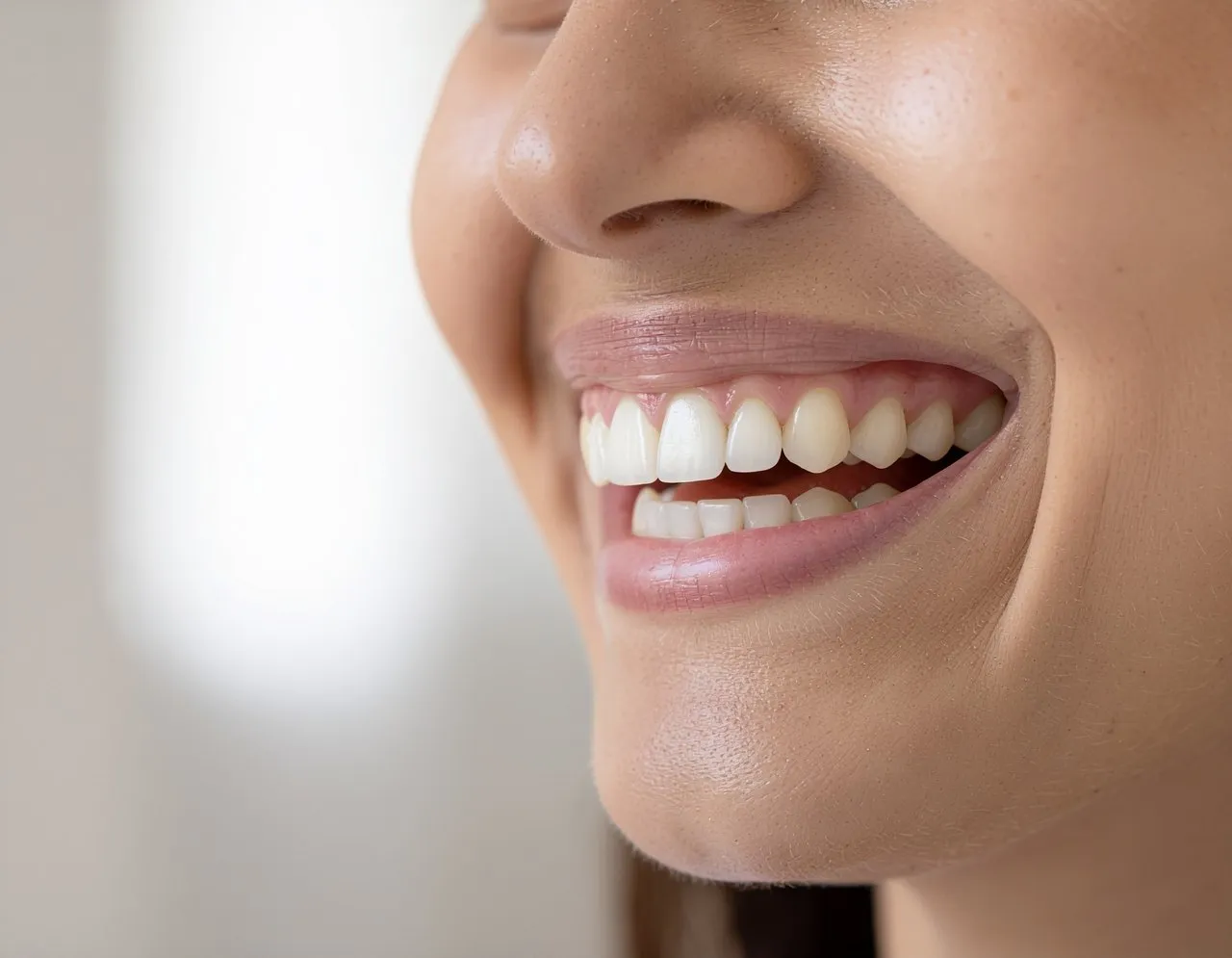
The biting edges look glassy and frayed and show fine cracks. Sensitivity to cold and sweet things occurs, especially after acidic foods. Your bite may feel unfamiliar because the teeth appear shorter.
Why early action is crucial
Enamel does not grow back, so every week counts. Untreated erosion significantly increases the risk of tooth decay. Late interventions are more complex and costly.

Diagnosis at the practice
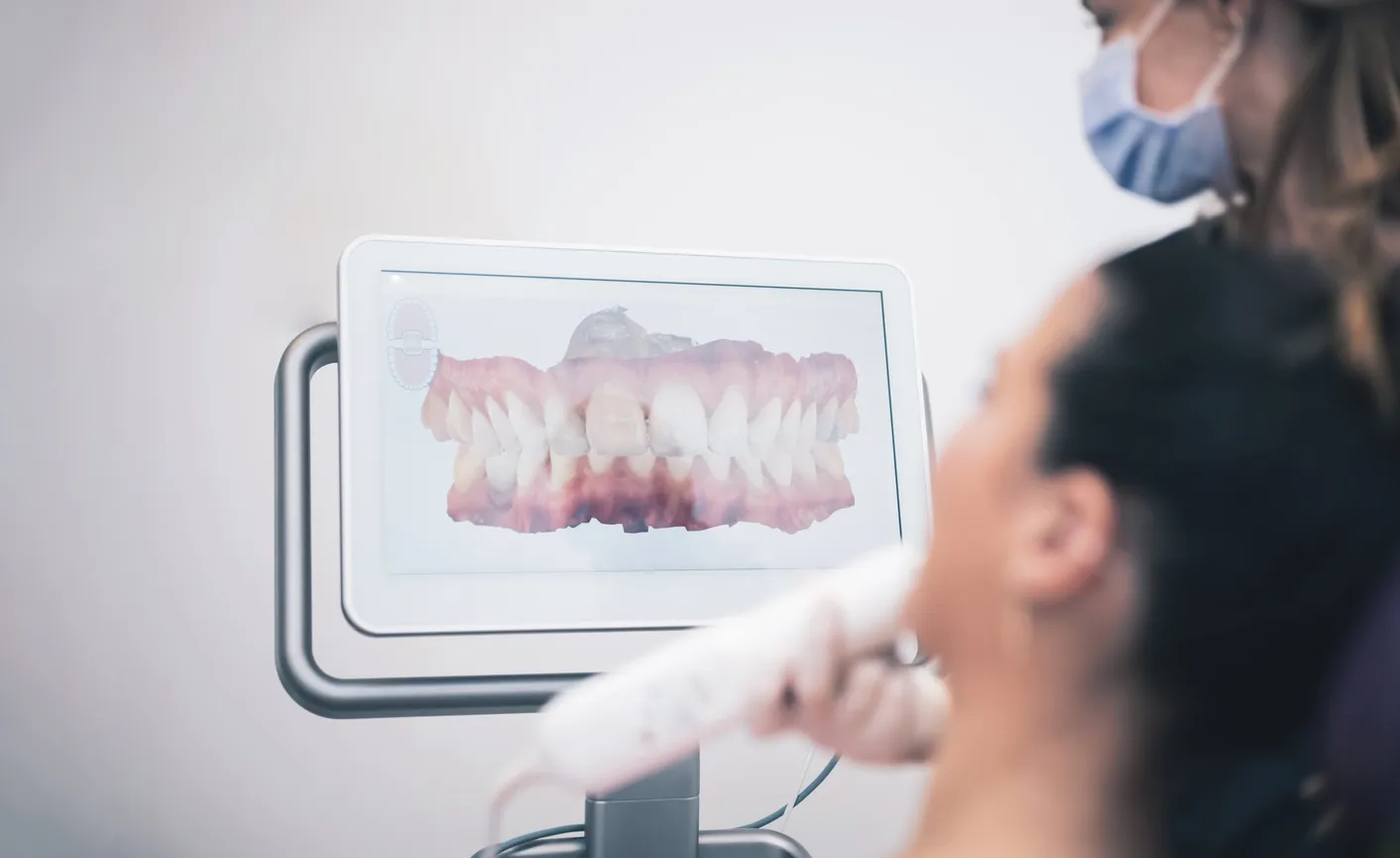
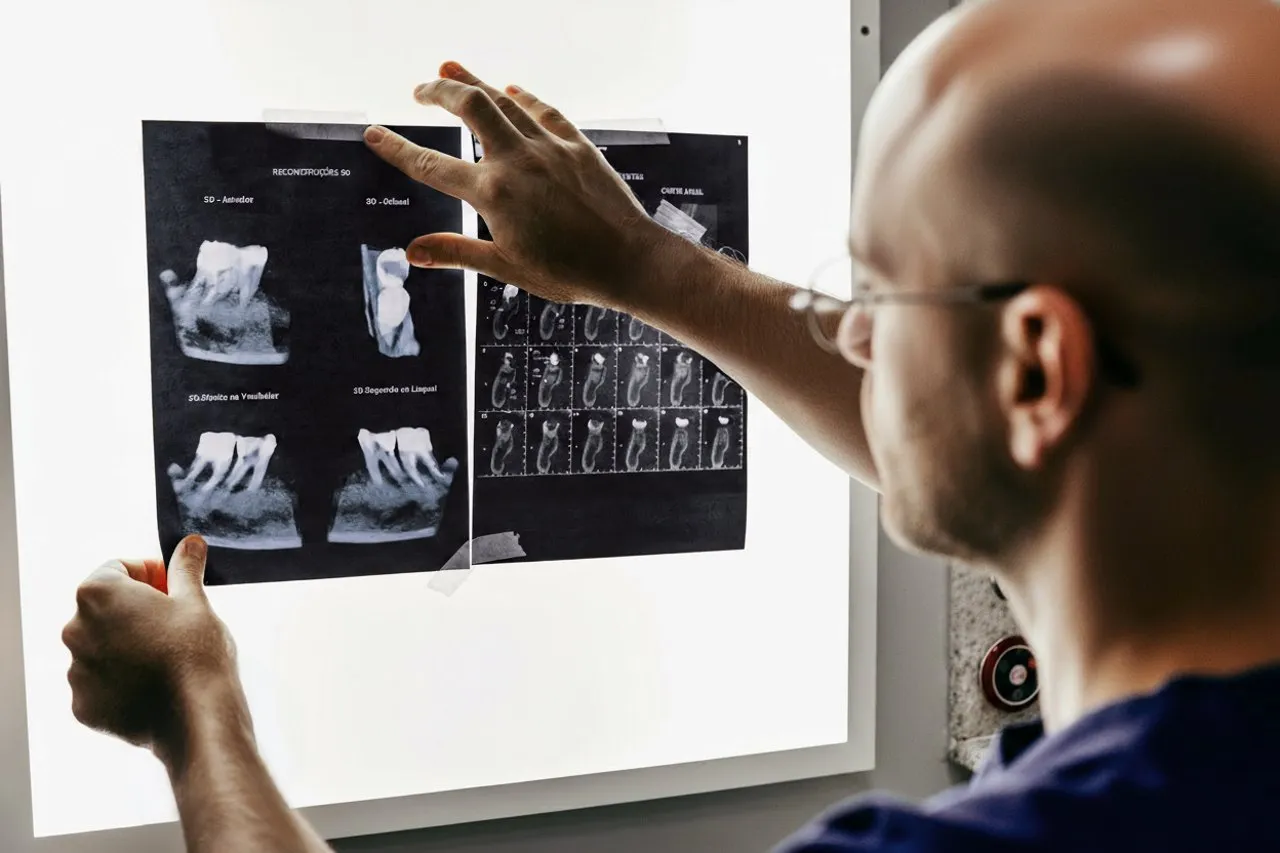
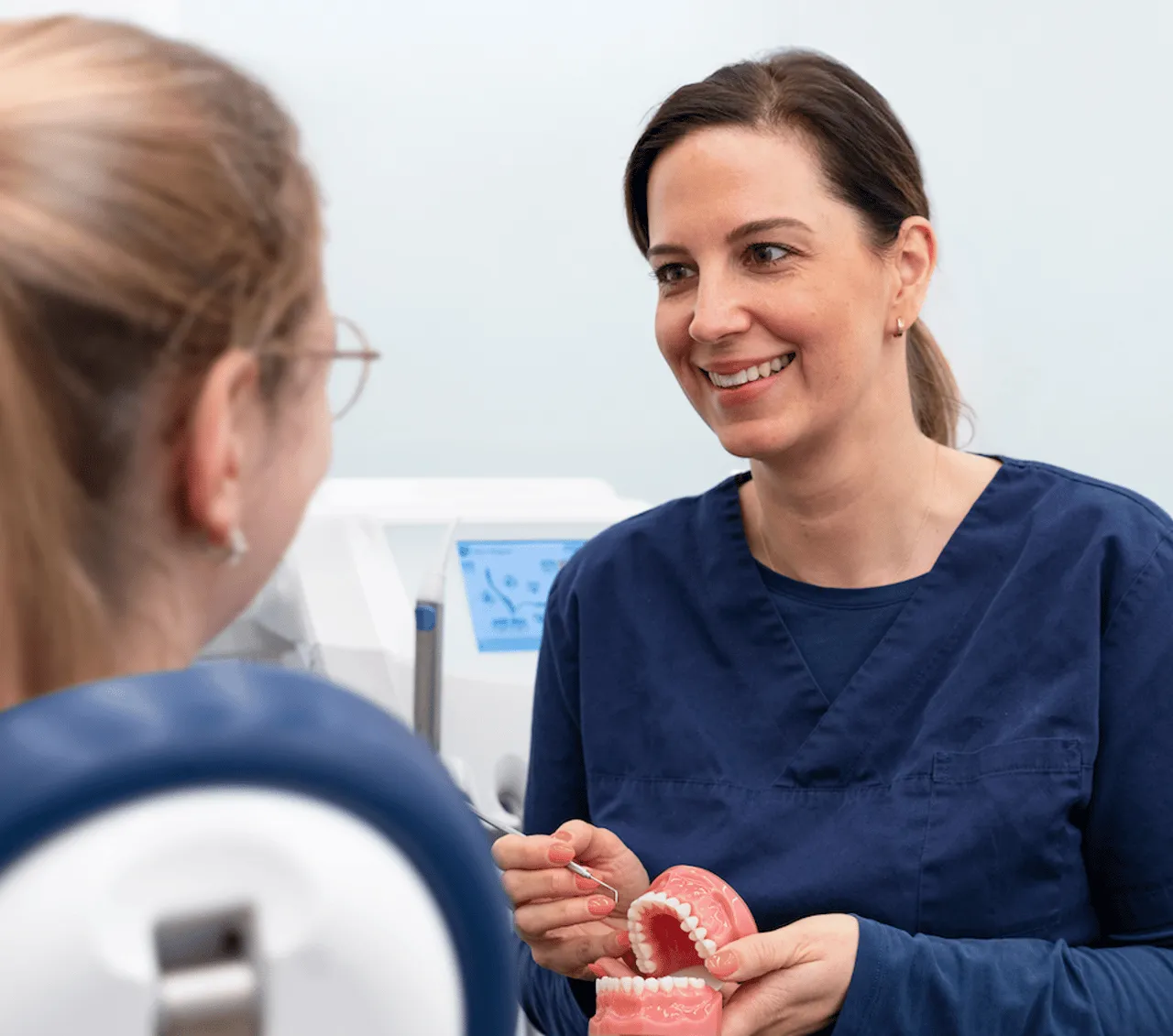
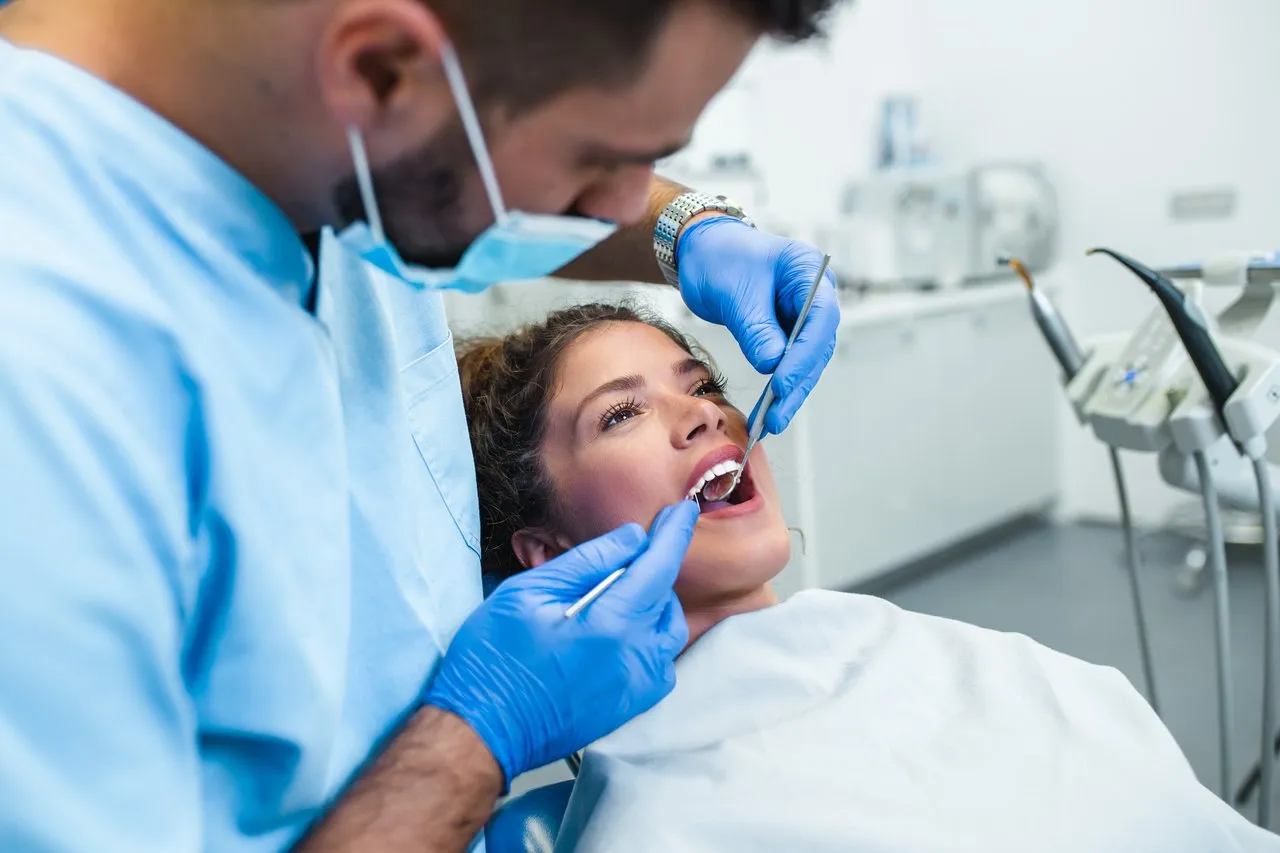
During the medical history, we discuss your diet, habits and medicines. We specifically ask about reflux, dry mouth and night-time grinding. This is followed by clinical photographs, models and X-rays if necessary.

Additional risk tests
Saliva tests allow us to assess flow rate and buffering capacity. pH records show when acid attacks occur. This gives us a clear, individual diagnosis.

Treatment: a step-by-step approach based on the findings
First, we stop the cause, otherwise no reconstruction will last. We then remineralise the enamel with fluoride, hydroxyapatite or CPP-ACP. Finally, we stabilise or reconstruct the affected areas.
Minimally invasive measures
In the early stages of demineralisation, infiltration helps because resin fills the pores. We precisely rebuild small edges with modern composites. This immediately improves protection, shape and appearance.
Veneers and crowns for larger defects
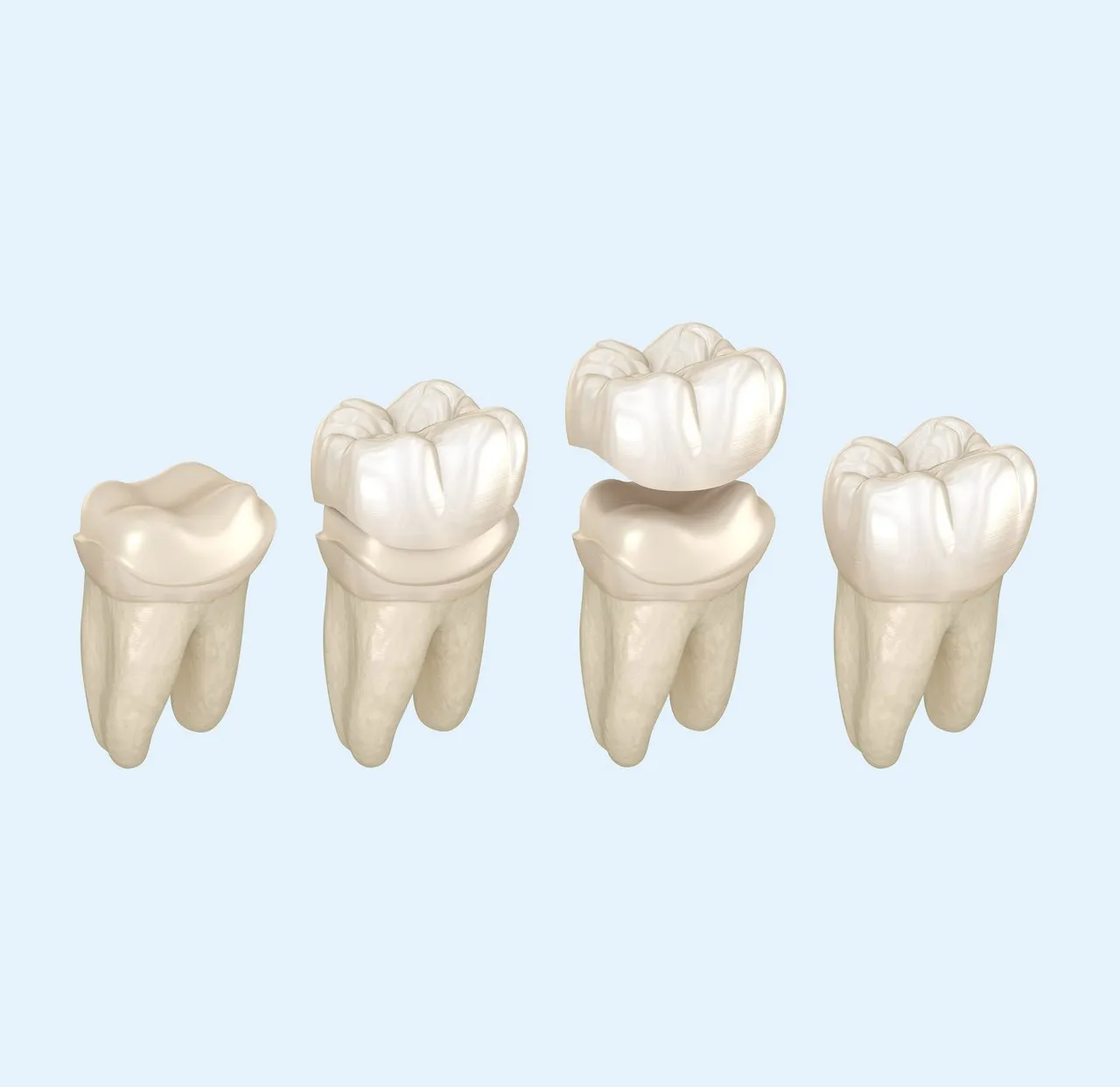
Ceramic veneers protect the front teeth and look very natural. They are suitable for aesthetically significant loss of tooth substance. We permanently restore severely weakened teeth with crowns.

Everyday tips for rapid protection
Limit acid exposure and preferably have drinks with meals. Never brush immediately after consuming anything acidic; wait 30 minutes. In the meantime, rinse with water and chew sugar-free gum.
Gentle dental care at home
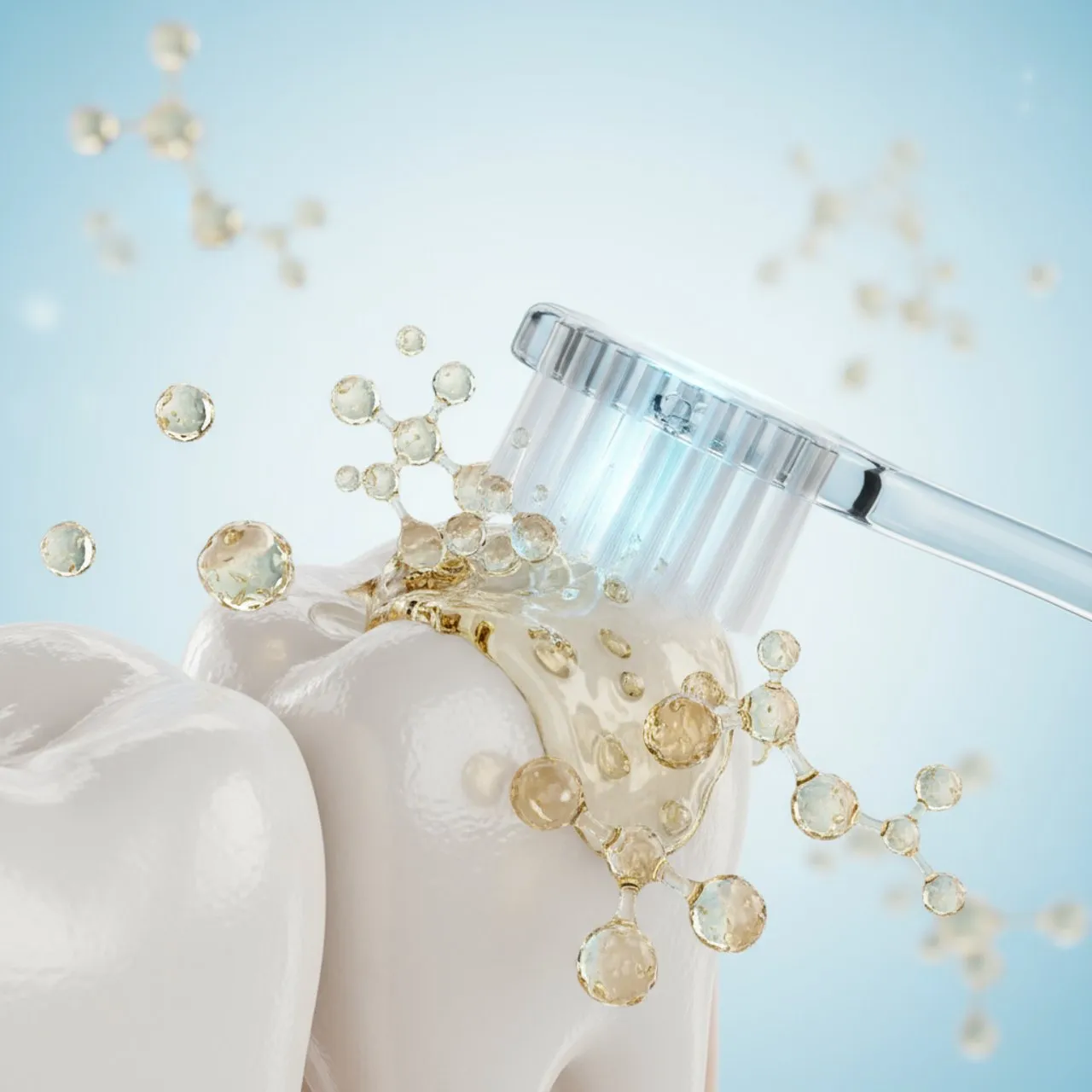
Use a soft brush and a gentle technique. Choose a low-abrasion toothpaste with fluoride. Clean between your teeth daily to prevent inflammation.

Treating specific triggers in a targeted way
We treat bruxism with a custom-made splint. It relieves strain on the teeth and jaw joints at night. Medical treatment is also essential for reflux.
Understanding the role of saliva
Saliva neutralises acids and supplies minerals. Drinking plenty and chewing regularly stimulate its production. For dry mouth saliva substitutes and regular drinking habits can help.

Teeth whitening: benefits and limitations
Whitening lightens teeth but does not repair structural defects. Unsuitable products can cause irritation and increase sensitivity. The tooth substance must be stable before whitening.

Restoring a natural appearance
Multi-layered composites mimic enamel and dentine very realistically. Ceramic offers high colour stability and durability. A minimally invasive approach remains important to preserve as much tooth tissue as possible.
Durability and prognosis
People who control the triggers benefit from long-term stability. Regular check-ups ensure that the restorations continue to function properly. Without treatment, the erosion will continue to progress.

Costs and reimbursement
Preventive care and fluoride treatments are the least expensive option. Composite build-ups are cost-effective, while veneers and crowns are more expensive. Statutory health insurance funds in Germany cover basic services, while supplementary insurance extends the scope of cover.
Treatment at Wunschlachen
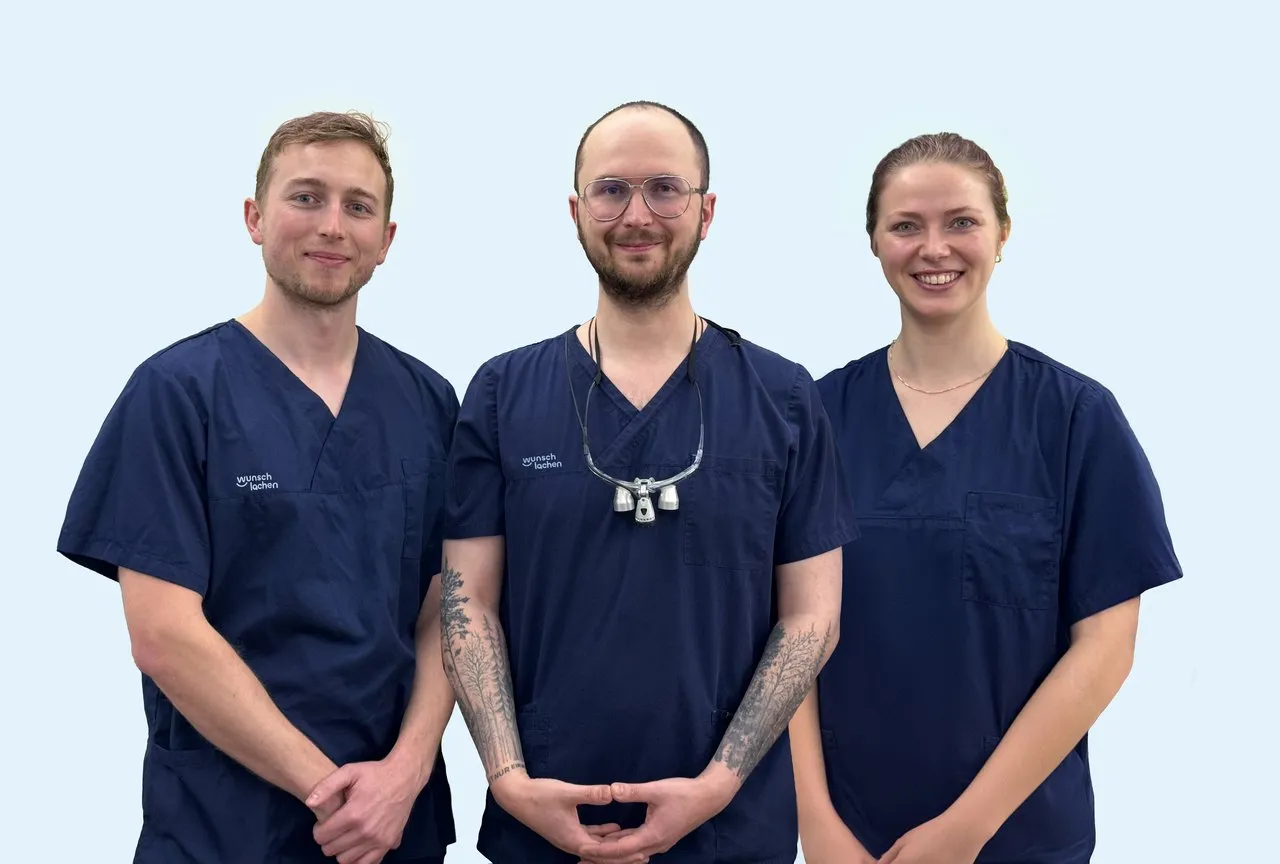
We start with a precise analysis of your situation. You then receive a clear step-by-step plan with alternatives. Transparent costs, instalment plans and established procedures give you peace of mind.

Prevention: your 10-point checklist
• Limit acid exposure and have drinks with meals • Rinse with water after anything acidic and wait before brushing • Use soft brushes, a gentle technique and low-abrasion toothpastes • Clean between your teeth daily and apply fluoride consistently • Treat grinding with a custom-fitted splint • Promote saliva flow with chewing gum and adequate fluid intake • Have reflux treated medically to protect your teeth • Schedule six-monthly check-ups for early detection • Keep a pH diary if acid exposure is frequent • Seek advice early if the edges look glassy
FAQs – frequently asked questions about transparent teeth
They are a warning sign of loss of tooth substance. If left untreated, the risk of fracture increases significantly.
No, enamel does not grow back. It can only be hardened and protected.
Fizzy drinks, energy drinks and citrus juices are problematic. Sports drinks also lower the pH level.
Wait 30 minutes after acidic foods or drinks. Rinse with water in the meantime.
Low-abrasion toothpastes with fluoride are advisable. Alternatively, products containing hydroxyapatite can help.
It protects the edges from wear and inflammation. At the same time, it relieves strain on the muscles and joints.
No, whitening only improves brightness. Structural damage must be restored.
For larger defects and high aesthetic expectations. They provide protection and a natural appearance.
Usually only basic services and medically necessary treatment. Supplementary insurance can cover significantly more.
Yes, we offer flexible instalment plans for your treatment. This makes the treatment easy to plan for.