
Treatment and cost plan at the dentist: procedure & costs
The treatment and cost plan shows the diagnosis, therapy and expected costs for dental prosthetics. Your health insurance provider reviews the plan and specifies the fixed subsidy before treatment begins. At Wunschlachen, we explain your options, submit the documents and prevent surprises.
Über 350 Google-Bewertungen

What is a treatment and cost plan?
A treatment and cost plan, or HKP for short, is a binding overview of treatment and costs. It is used primarily for dental prosthetics, such as crowns, bridges or dentures. It shows you what is medically planned and what you can expect financially.
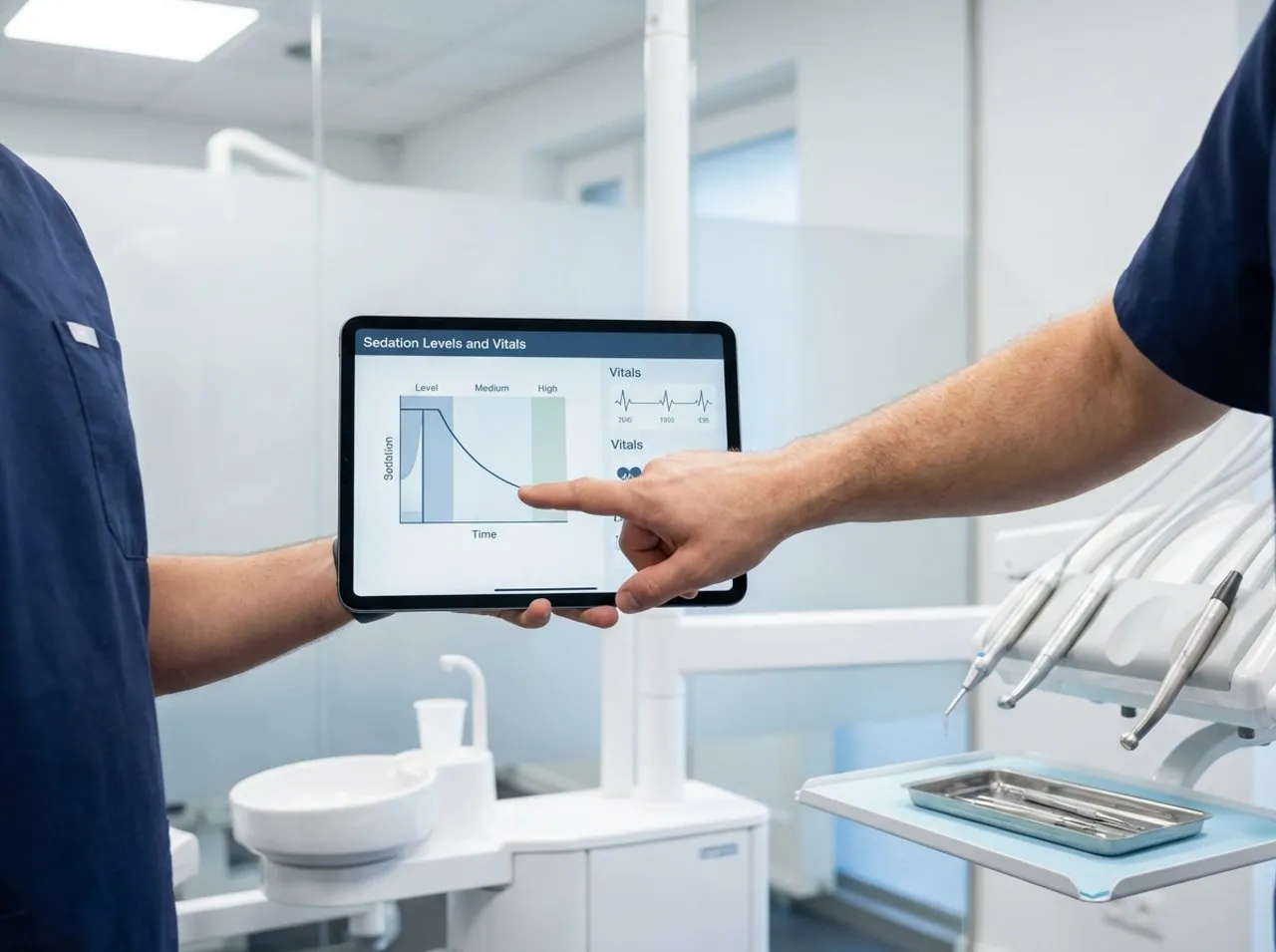
When do patients need an HKP?
An HKP is usual whenever statutory health insurance is involved. This applies to many prosthetic treatments and major reconstructions. For purely private services, a cost estimate may be sufficient instead.
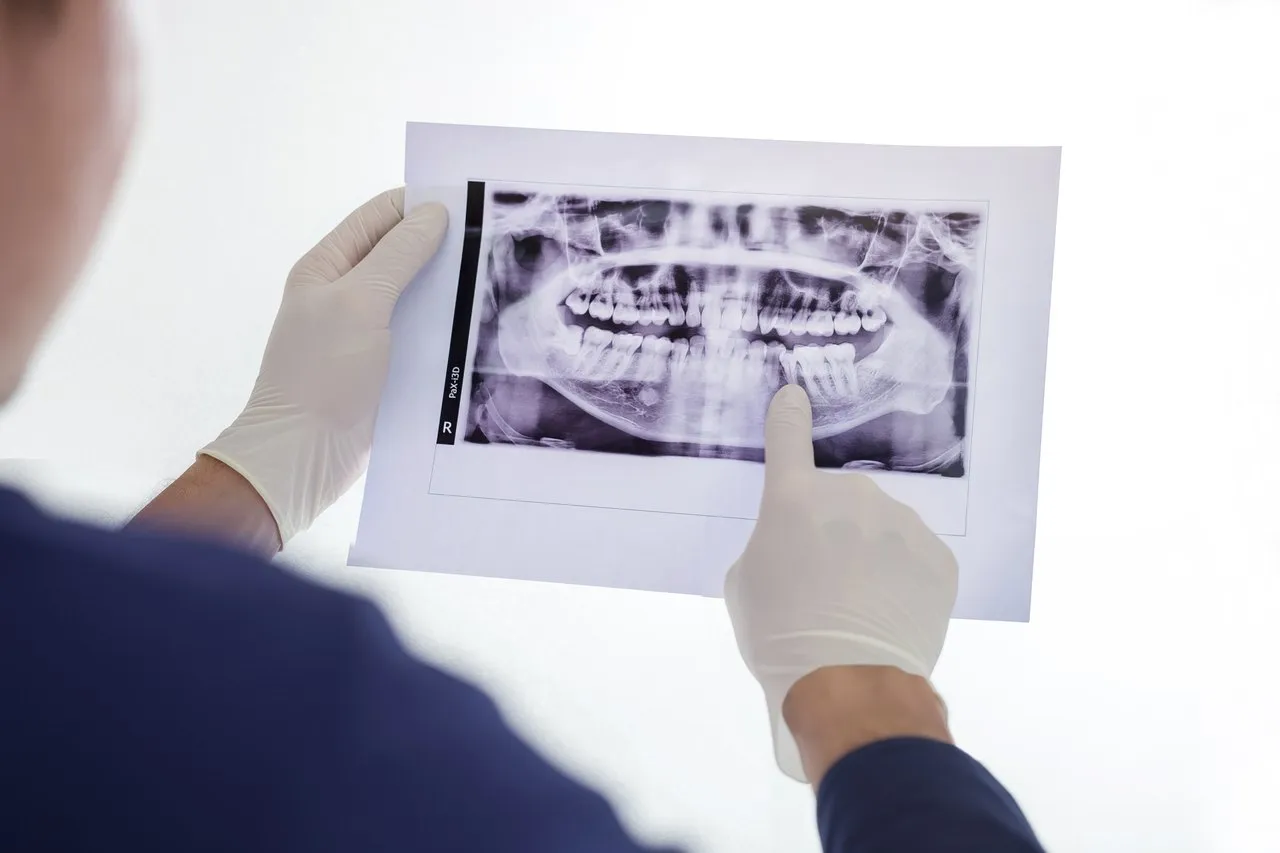
How the plan is structured
The plan first contains the dental diagnosis and the planned treatment. This is followed by standard care as the statutory insurance reference and the chosen form of treatment. The cost section lists laboratory, material and fee costs, as well as the expected own contribution.
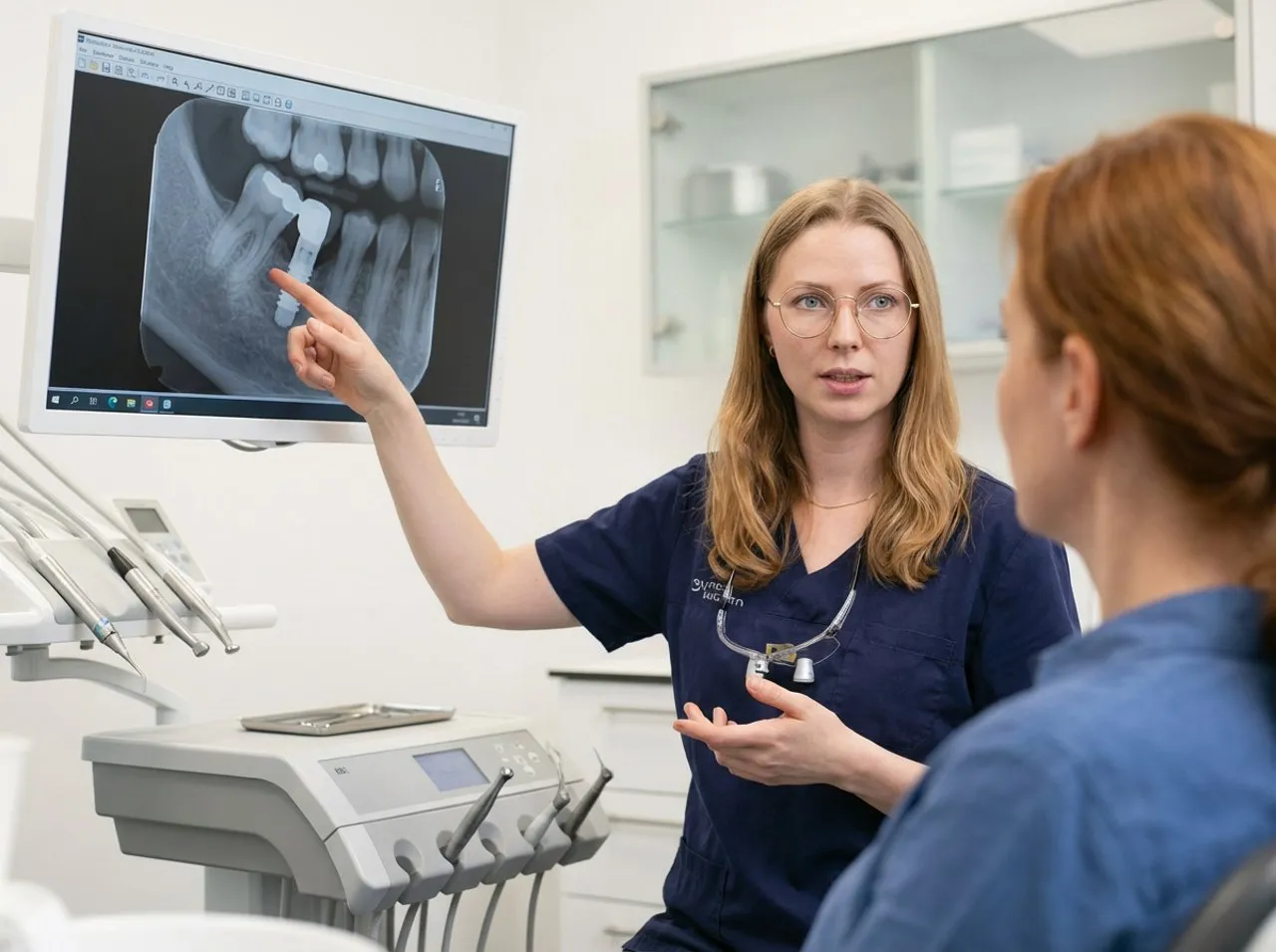
Procedure: From diagnosis to approval
First, we carefully examine your teeth, gums and bite. We then discuss your goals, materials and alternatives in a relaxed atmosphere. Next, we draw up the HKP and prepare it for submission. For patients with statutory insurance, the plan is usually submitted before treatment begins. The health insurance provider reviews the diagnosis and confirms the fixed subsidy. Only then do we begin treatment, unless there is an acute situation.

What costs does statutory health insurance cover?
Statutory health insurance pays a diagnosis-related fixed subsidy towards standard care. This subsidy is independent of which material you ultimately choose. Higher-quality solutions therefore often involve an additional own contribution. Regular preventive care can increase the subsidy if your bonus record is complete. Hardship provisions are also possible when your income and diagnosis meet the requirements. We explain the conditions clearly and help with the paperwork.

Private insurance and supplementary dental insurance
Private insurance policies often reimburse more, but this depends on individual contractual terms. Supplementary dental insurance can significantly reduce your own contribution towards dental prosthetics. It is always important to obtain written confirmation of costs before treatment starts. Insurers need clear information about the diagnosis, materials and laboratory work. We therefore word the plan precisely and transparently. This increases the chance of a prompt response.
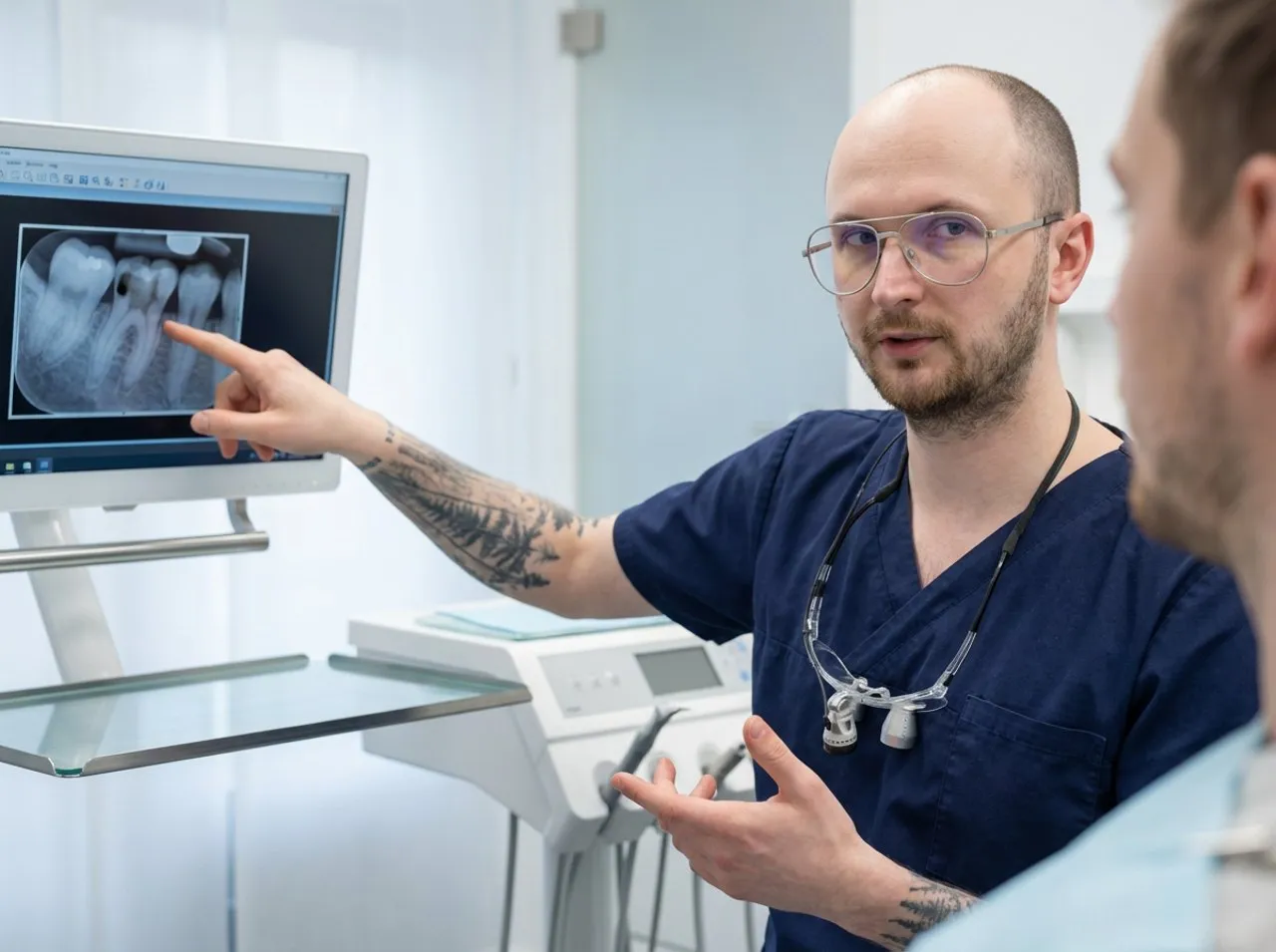
What happens if the treatment plan changes?
Sometimes diagnoses change during preparation or treatment. A new or supplementary plan for the health insurance provider is then usually required. This applies particularly when additional teeth, different materials or new procedures are involved. Laboratory price changes or additional preliminary treatments may also be relevant. We inform you early and document every adjustment transparently. This keeps decisions and costs under your control at all times.
Tips for prompt processing by your health insurance provider
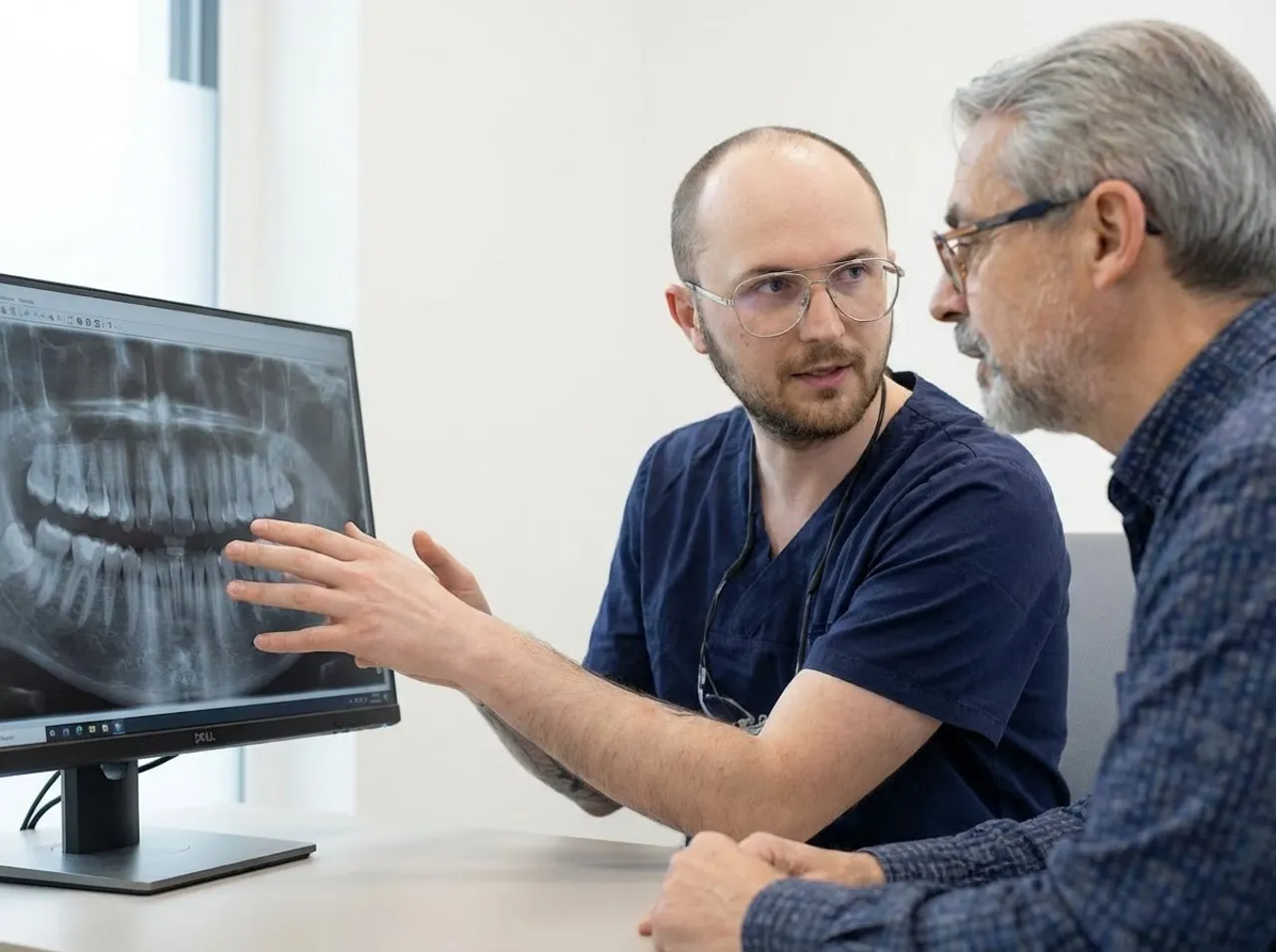
Complete information and clearly legible diagnoses in the plan are important. Up-to-date X-rays are helpful if they are medically necessary. You should also provide your bonus record if required. Submit documents promptly and avoid making duplicate enquiries. If the insurance provider has any questions, we respond in a structured way with clear supporting evidence. This often shortens the overall processing time.
Dentist treatment and cost plan: advice at Wunschlachen
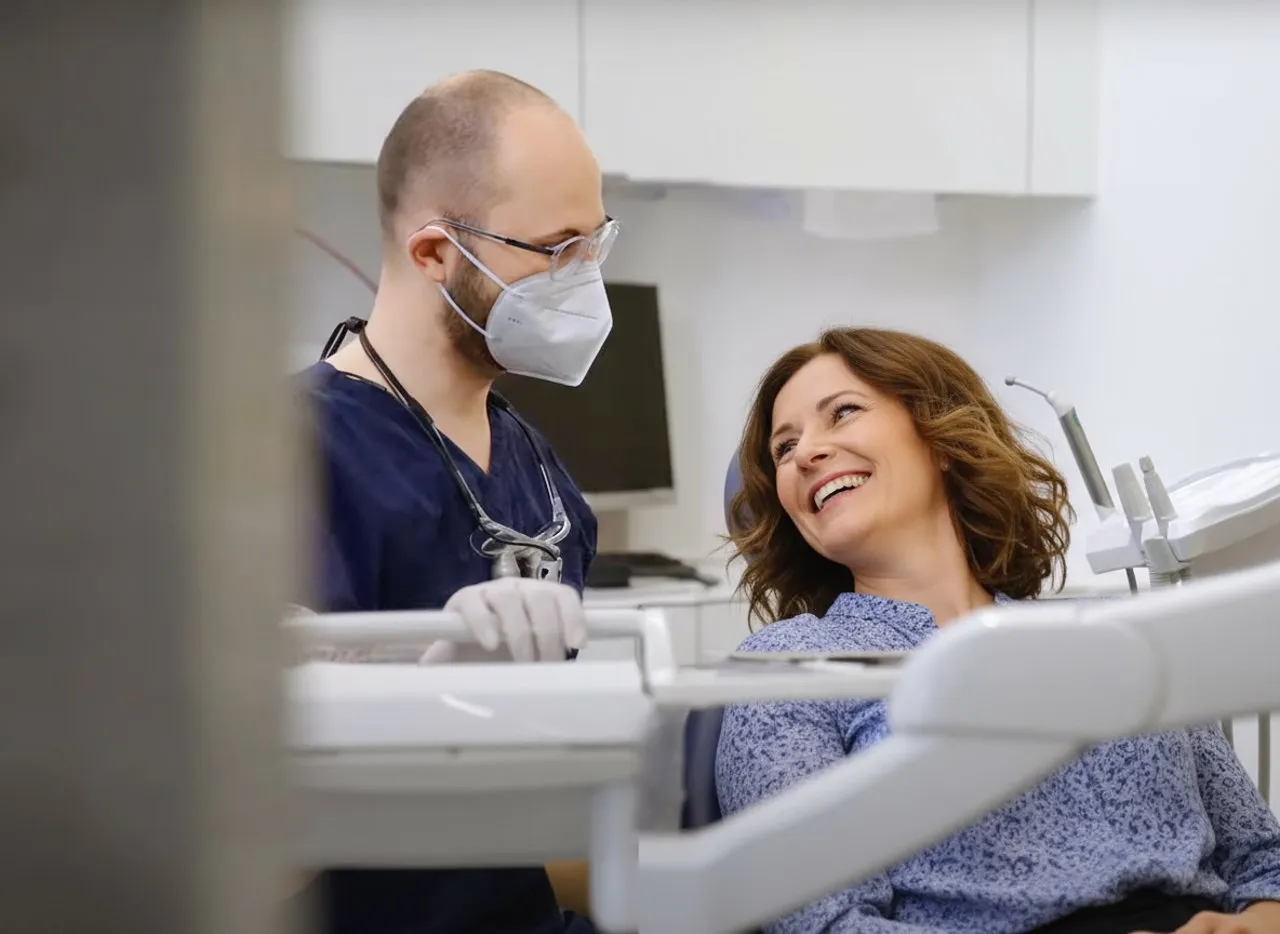
Many people looking into dental treatment and cost plans want clear guidance. At our Wunschlachen practice in Berlin, we explain costs, alternatives and procedures. You receive easy-to-understand planning without technical obfuscation. We discuss the function, aesthetics and durability of the planned treatment. We take your wishes and medical necessity into account. In the end, you will know what steps lie ahead and what costs are realistic.
Conclusion
The HKP provides planning certainty before dental prosthetic treatment. It clarifies which insurance contributions are possible and how much your own contribution will be. Good advice reduces queries and protects you from unclear additional costs.
FAQs about the treatment and cost plan
HKP is the abbreviation for Heil- und Kostenplan, or treatment and cost plan. It brings together the diagnosis, treatment and costs in one document. It forms the basis for many statutory insurance benefits for dental prosthetics.
The time depends on the insurance provider, diagnosis and completeness of the documents. Clear information often results in faster processing than when queries arise. We help ensure that the information is complete from the outset.
For dental prosthetics involving statutory health insurance, this is generally advisable. It means you know the fixed subsidy before treatment starts. Different priorities apply in cases of acute pain.
Yes, you are free to decide on the proposed treatment. We explain alternatives and their effects on function and costs. We only begin the planned steps with your consent.
Standard care is the statutory insurance standard solution for the diagnosis. Elective treatments can be higher quality, more aesthetic or more comfortable. The fixed subsidy remains related to the diagnosis.
An own contribution arises when costs exceed the fixed subsidy. This often concerns materials, laboratory work or additional services. The plan shows this difference at an early stage.
The plan is then adjusted or drawn up again. The health insurance provider often has to reassess changes. We document this properly and explain every step.
This is possible, but depends on the policy and its terms. The key factors are the scope of benefits, excess and reimbursement limits. We compile all the documents you need for your enquiry.
Planning is often necessary for implant-supported dental prosthetics. The insurance contribution often relates to standard care for the diagnosis. We explain which parts typically have to be paid for privately.
After your examination and consultation, we draw up the plan promptly. You receive a clear explanation of the items and your own contribution. If you wish, we can help you submit it to your health insurance provider.
Book your appointment now
We would be happy to advise you in person at our practice.