Whitening teeth with home remedies: What works?
Whitening teeth with home remedies seems simple at first glance. Many tips promise white teeth using baking powder, bicarbonate of soda or lemon. However, not every remedy is suitable for tooth enamel and gums. In this article, you will find out what home remedies can achieve. You will learn about safe alternatives and effective ways to deal with tooth discolouration.
Über 350 Google-Bewertungen

Why do teeth become discoloured in the first place?
Tooth discolouration is often caused by coffee, tea, red wine or nicotine. Strongly coloured spices can also encourage deposits on the tooth surface. These external stains can often be reduced effectively.
Internal discolouration lies deeper within the tooth. It can be caused by medication, previous injuries or natural ageing. Home remedies generally do not reach these areas.
Natural tooth colour is also determined by genetics. Not every tooth can look pure white. A healthy result should always suit the face.
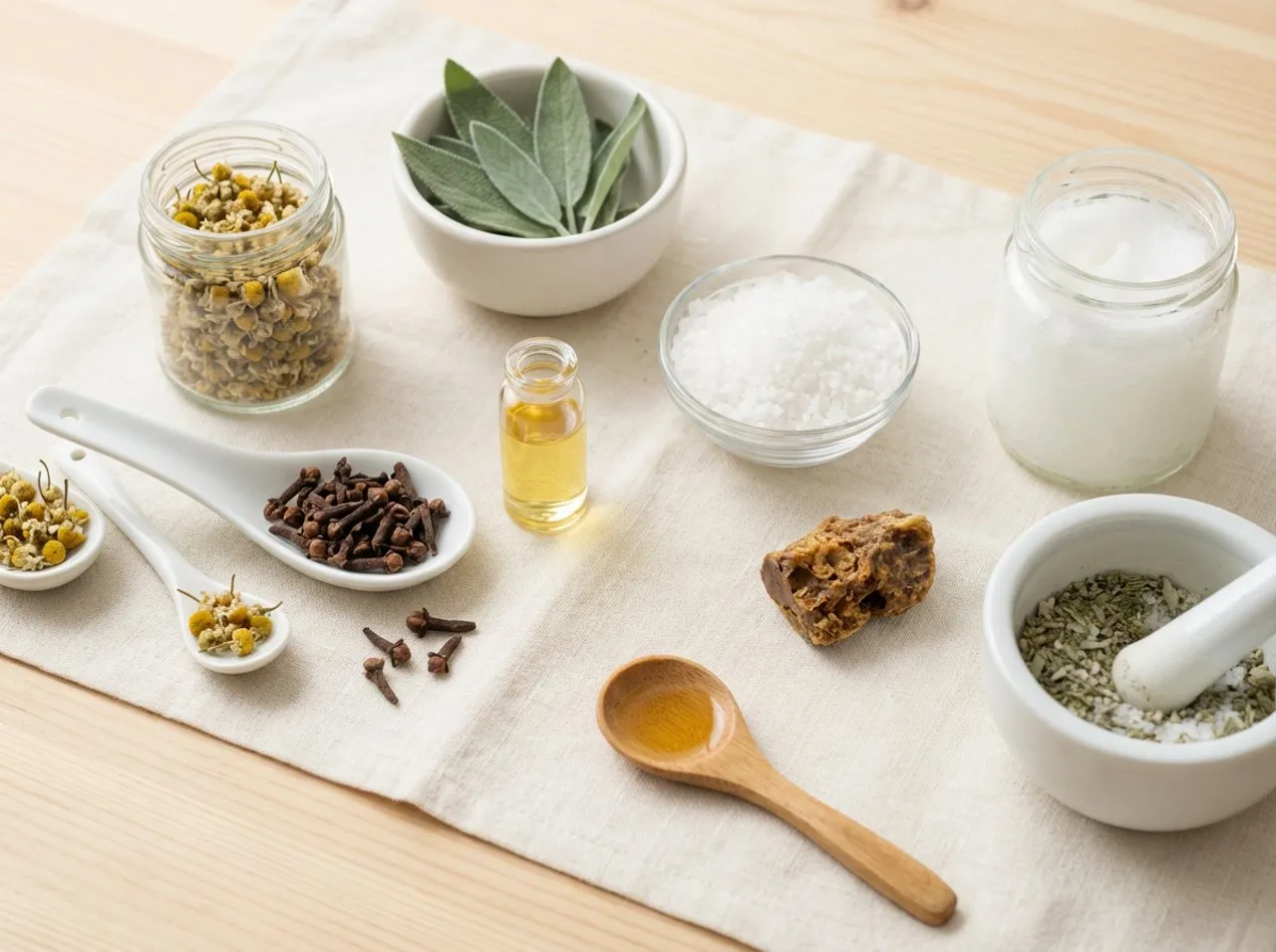
Home remedies for white teeth: What is realistic?
Home remedies for white teeth can, at most, affect surface deposits. In most cases, they do not permanently change the natural tooth colour. Many viral tips rely on friction or acid.
This is precisely where the risk lies. Excessive abrasion can roughen tooth enamel. Acids can further weaken the tooth surface.
Rougher teeth absorb new pigments more easily. As a result, they can even appear darker in the long term. A dental assessment protects against unrealistic expectations.
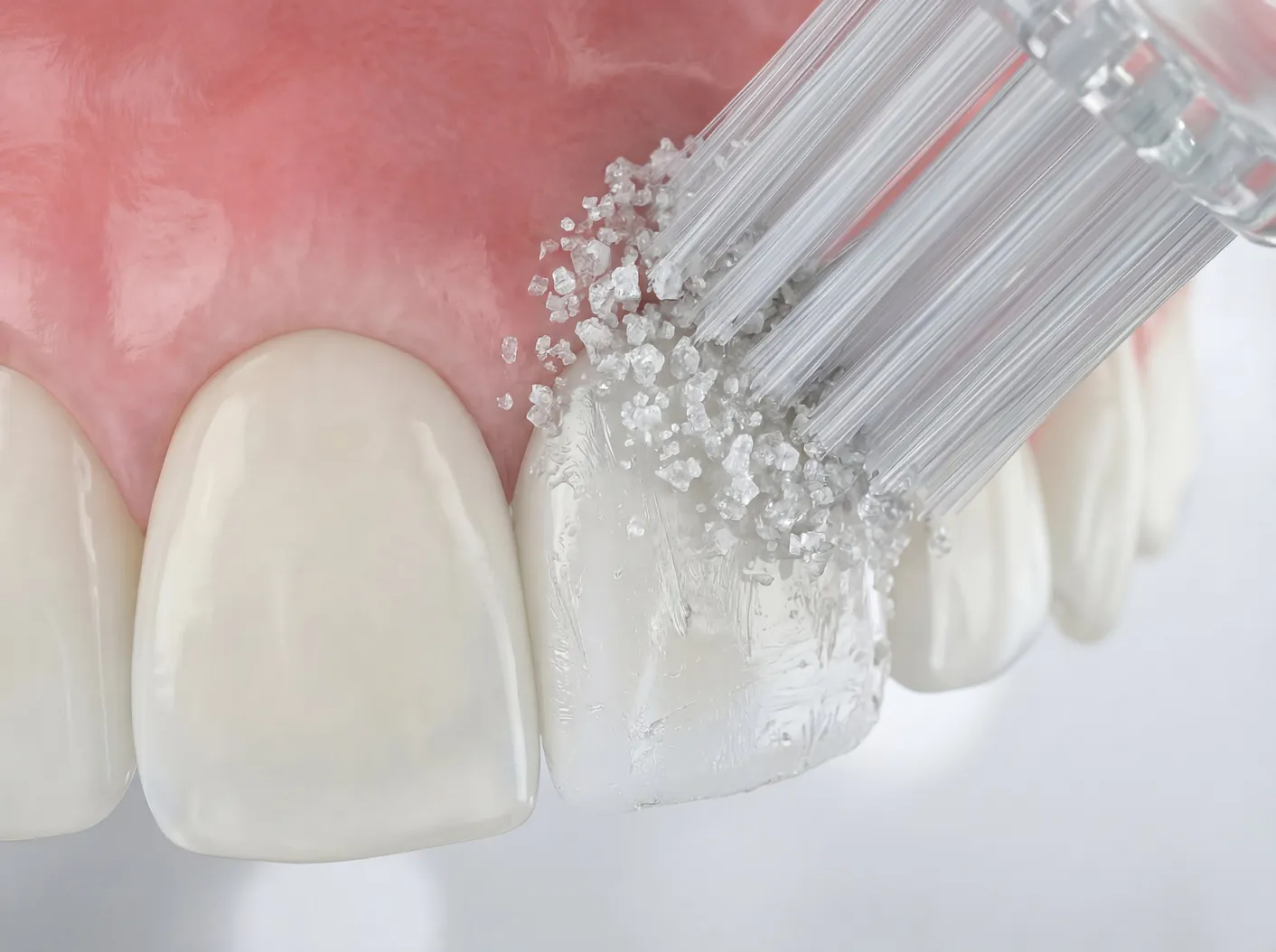
Whitening teeth with baking powder: Why caution is important
Whitening teeth with baking powder sounds like a simple trick. However, the powder is highly abrasive. It can loosen deposits, but also wear away tooth enamel.
Tooth enamel does not grow back. If it becomes thinner, the yellowish dentine shows through more strongly. This can reverse the desired result.
Mixtures with water or lemon juice are also problematic. Acid and friction put twice as much strain on the tooth surface. Wunschlachen therefore advises against such experiments.
Whitening teeth with bicarbonate of soda: Gentle or risky?
Whitening teeth with bicarbonate of soda is often described as a gentle method. However, bicarbonate of soda also has an abrasive effect. Frequent use can make the surface rougher.
Teeth may appear cleaner in the short term. However, this does not mean they have actually been whitened. Usually, only surface deposits are removed.
Using bicarbonate of soda also risks irritated gums. Particular caution is advisable for sensitive teeth. A professional clean is the safer choice.
Lemon on teeth: Why acid is problematic
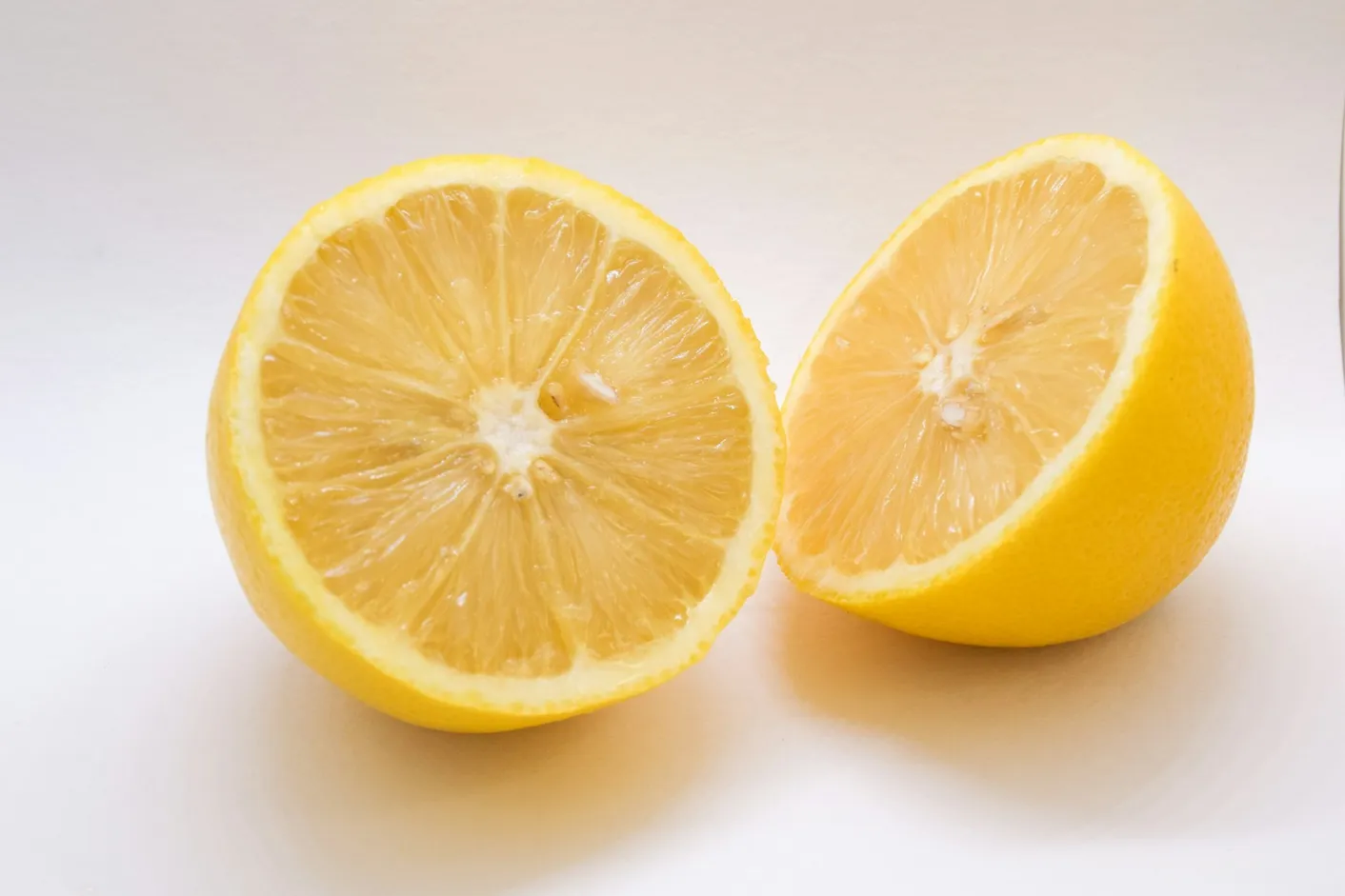
Using lemon to whiten teeth is one of the most common online tips. Lemon juice contains a lot of acid. This can dissolve minerals from tooth enamel.
Rubbing teeth directly with lemon is therefore inadvisable. It becomes even riskier with baking powder or bicarbonate of soda. The combination attacks the surface both mechanically and chemically.
Acidic foods should not be consumed immediately before brushing. Tooth enamel is temporarily softer afterwards. Waiting and drinking water are the better strategy.
Activated charcoal for teeth: Black powder, whitening effect?
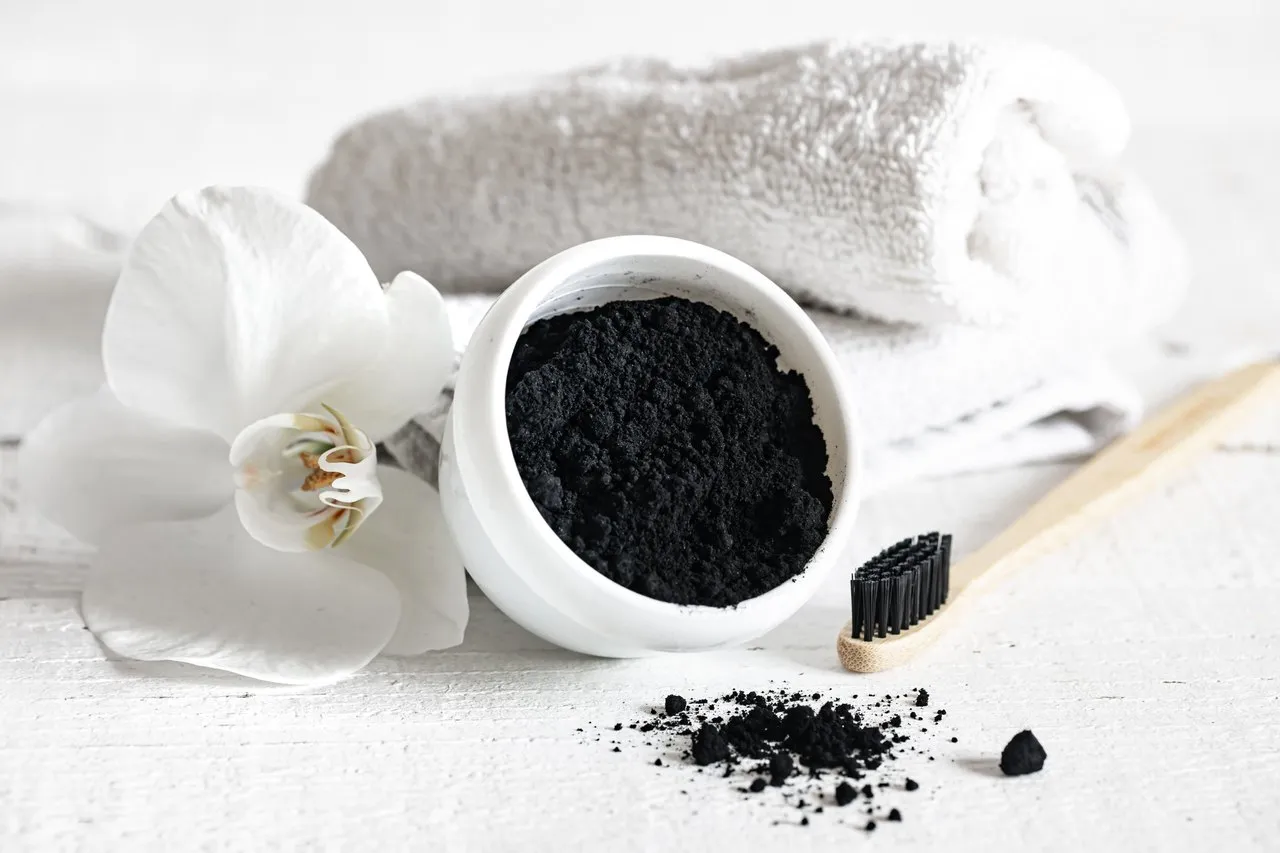
Activated charcoal products for teeth have been popular for years. They are supposed to bind pigments and remove deposits. However, the scientific evidence of benefit is limited.
Many charcoal toothpastes are highly abrasive. This can make the tooth surface rougher. In addition, some products contain no fluoride.
Fluoride supports the resistance of tooth enamel. Toothpaste should therefore always be chosen carefully. If in doubt, ask your practice team.
Which home remedies are relatively harmless?
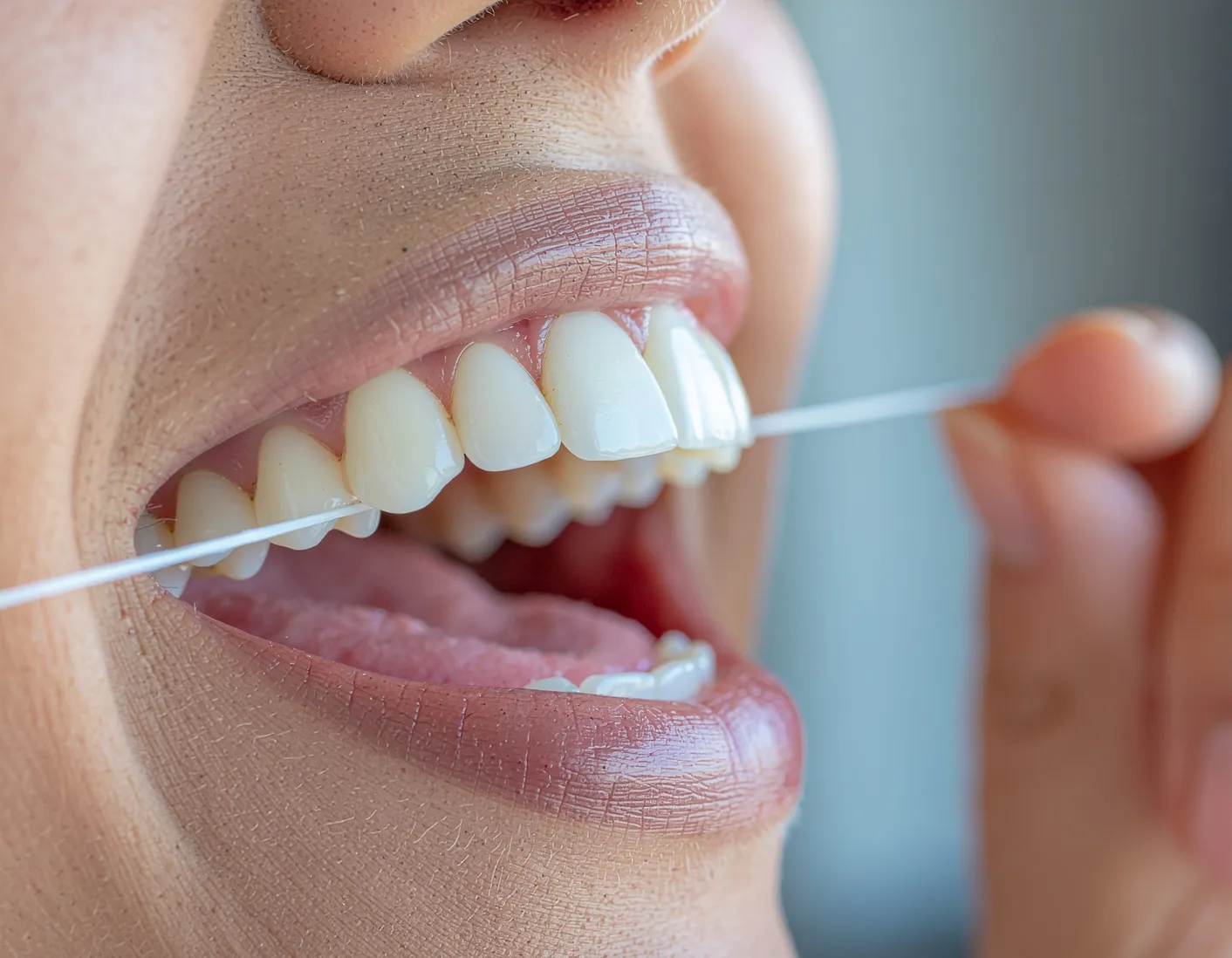
Some habits indirectly help prevent new discolouration. These include thorough brushing and dental floss. Interdental brushes also clean important gaps between teeth.
Water after coffee or tea can dilute pigments more quickly. Sugar-free chewing gum stimulates saliva flow. Saliva supports natural cleaning in the mouth.
Oil pulling is often recommended. However, it is no substitute for dental care. It cannot reliably be expected to produce visible whitening.

Safe alternatives to whitening
A professional dental clean removes many external deposits. Teeth often look brighter and fresher afterwards. At the same time, oral hygiene is supported in a targeted way.
Professional whitening may be an option for deeper discolouration. Tested whitening gels are applied in a controlled manner. Teeth and gums should be examined beforehand.
At the Wunschlachen practice, we provide individual advice. We assess tooth colour, fillings, crowns and possible causes. This allows us to create a realistic plan that is gentle on your teeth.
When should home remedies not be used?
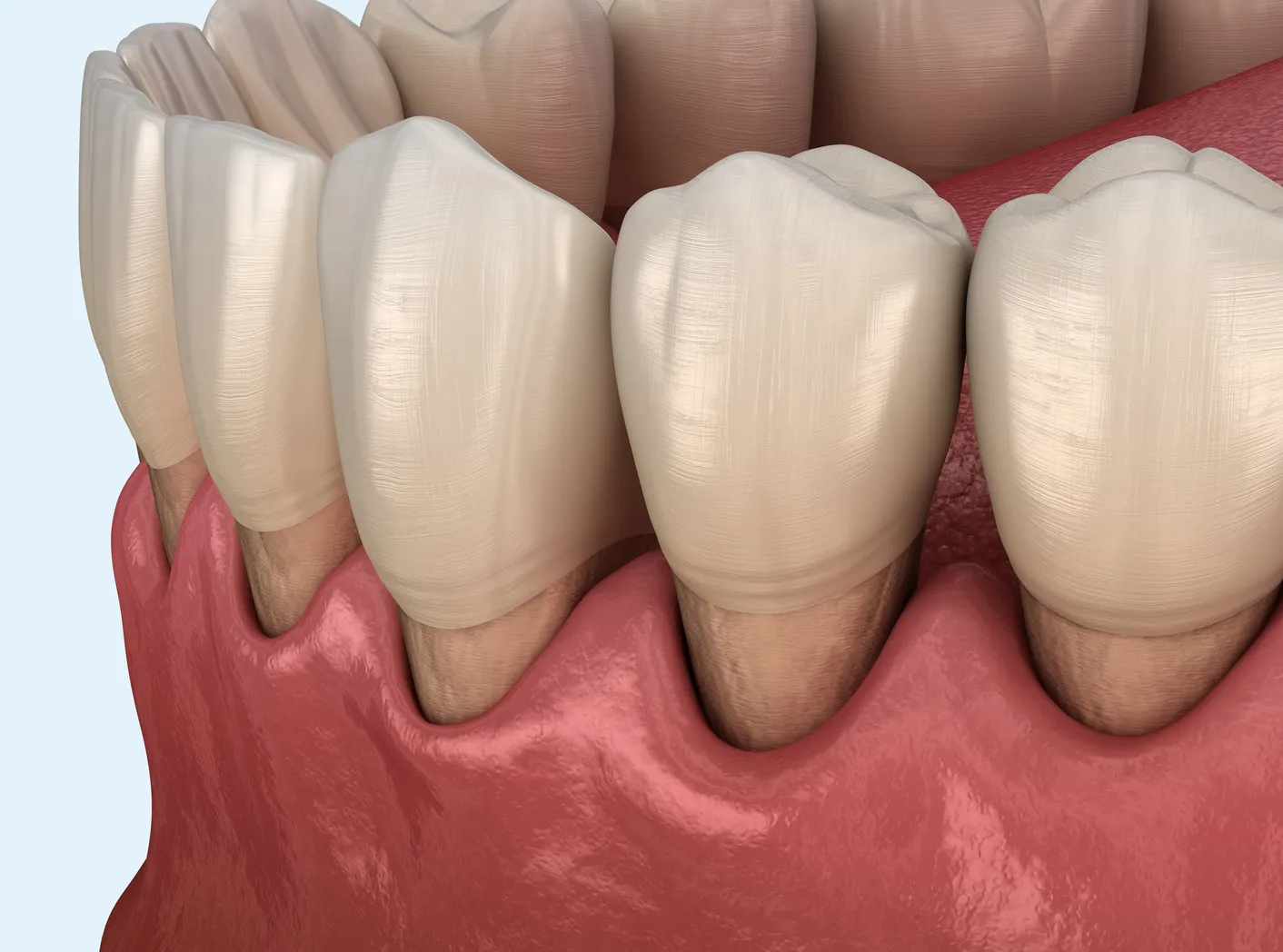
You should avoid home remedies if you have exposed tooth necks. The same applies to cracks, tooth decay or inflamed gums. Caution is also important after recent treatments.
Fillings, crowns and veneers are not whitened by home remedies. This can make colour differences more noticeable. A consultation prevents uneven results.
Pregnant women, adolescents and people with sensitive teeth should be particularly cautious. Individual advice is advisable in these cases. This keeps aesthetics and dental health in balance.
Conclusion: Assess home remedies critically
Whitening teeth with home remedies is rarely the best solution. Baking powder, bicarbonate of soda, lemon and activated charcoal can damage tooth enamel. The short-term effect is often not worth the risk.
Thorough care, a professional dental clean and supervised whitening are safer. Wunschlachen supports you with honest advice. This helps you find the right way to a brighter smile.