Mouthwash: effects, choosing one and using it correctly
Mouthwash is a useful addition to daily oral hygiene. It reaches places that brushing and flossing often miss. However, it is no substitute for thorough cleaning. Many patients want less plaque and fresh breath. Others are looking for help with irritated gums or after a...
Über 350 Google-Bewertungen
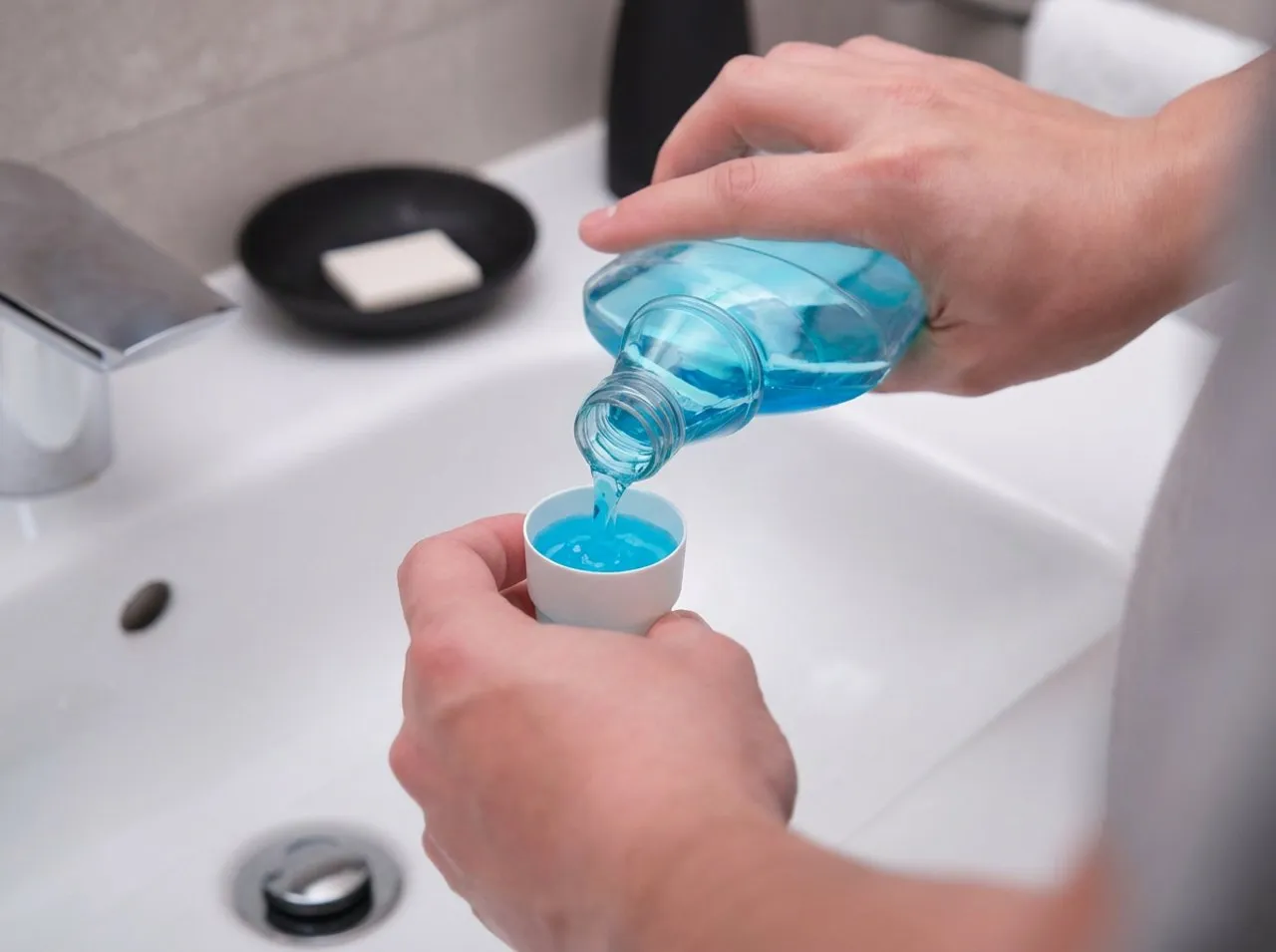
What mouthwash can do in your mouth
A mouth rinse acts on the mucous membranes, tongue and tooth surfaces. It can reduce germs and alleviate signs of inflammation. However, it does not remove hard tartar. The benefit depends on the active ingredient and your individual circumstances. Some products provide fluoride to protect the enamel. Others are primarily antibacterial mouthwashes.
Mouthwash for gum inflammation
With reddened gums, the cause is often plaque along the gumline. A mouthwash for inflammation can provide short-term relief from symptoms. Mechanical cleaning remains crucial. Antiseptic agents are sometimes useful for acute gingivitis. These include chlorhexidine, used for a limited period. Your dental practice will determine the duration and concentration. If the pockets bleed or pus is discharged, rinsing alone is not enough. An examination is then necessary. This helps you avoid untreated periodontitis.
Disinfecting or antibacterial: active ingredients at a glance
Many people ask about a disinfectant mouthwash. This means reducing germs on the mucous membranes and in plaque. How well this works depends on the active ingredient. Chlorhexidine is highly effective but is not suitable for everyday use. It can cause staining and alter your sense of taste. Cetylpyridinium chloride is milder but usually also weaker. Essential oils can inhibit bacteria and improve your breath. Fluoride primarily helps prevent tooth decay. For implants, a gentle formulation is also important.
Alcohol-free mouthwash: who is it suitable for?
An alcohol-free mouthwash usually causes less of a burning sensation in the mouth. This helps with sensitive mucous membranes or mouth ulcers. Children and many older people also benefit from this formulation. An alcohol-free mouthwash is often suitable for dry mouth. Look for sugar-free products and clear dosage instructions.
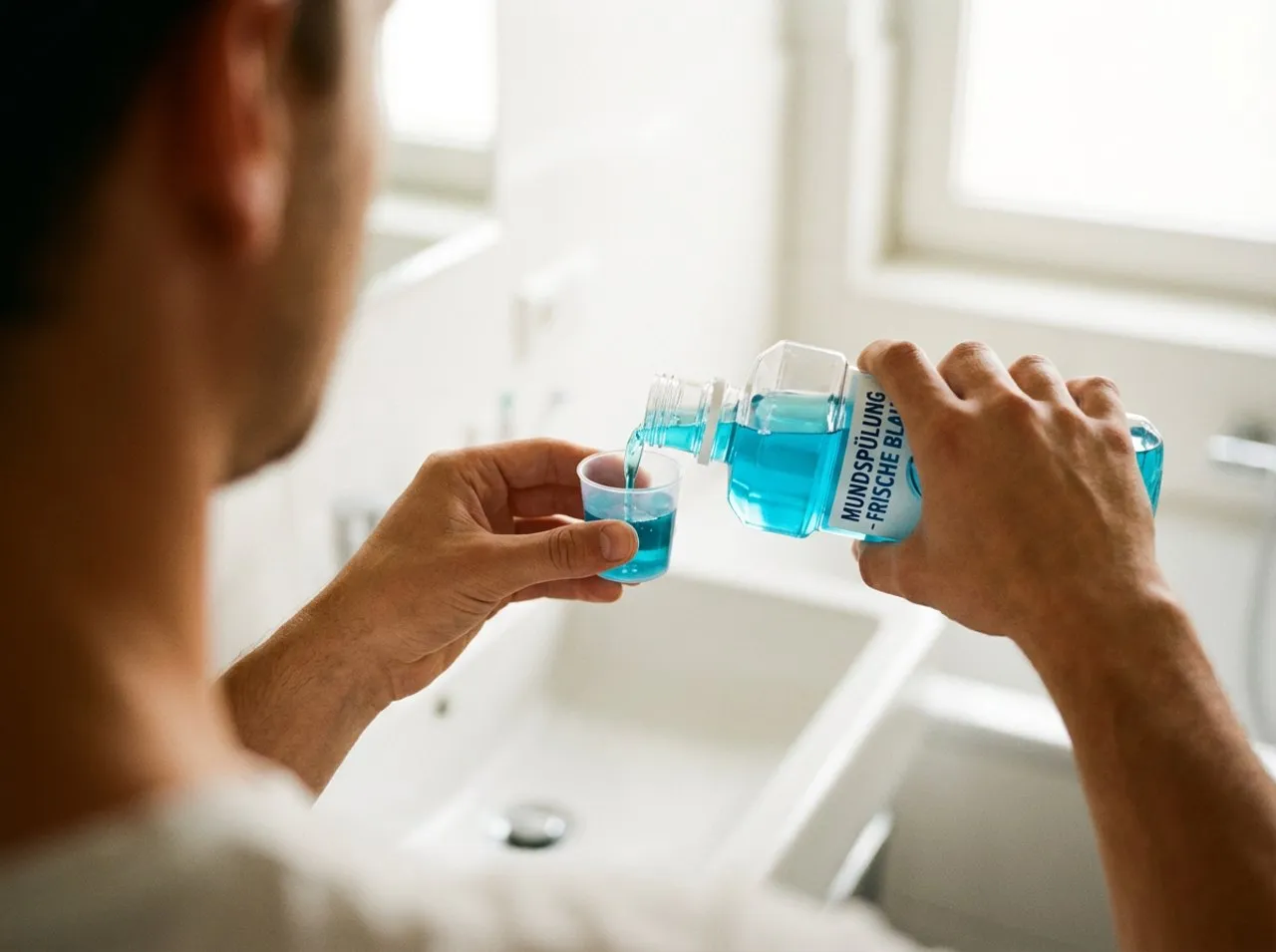
Mouthwash for toothache: help or risk?
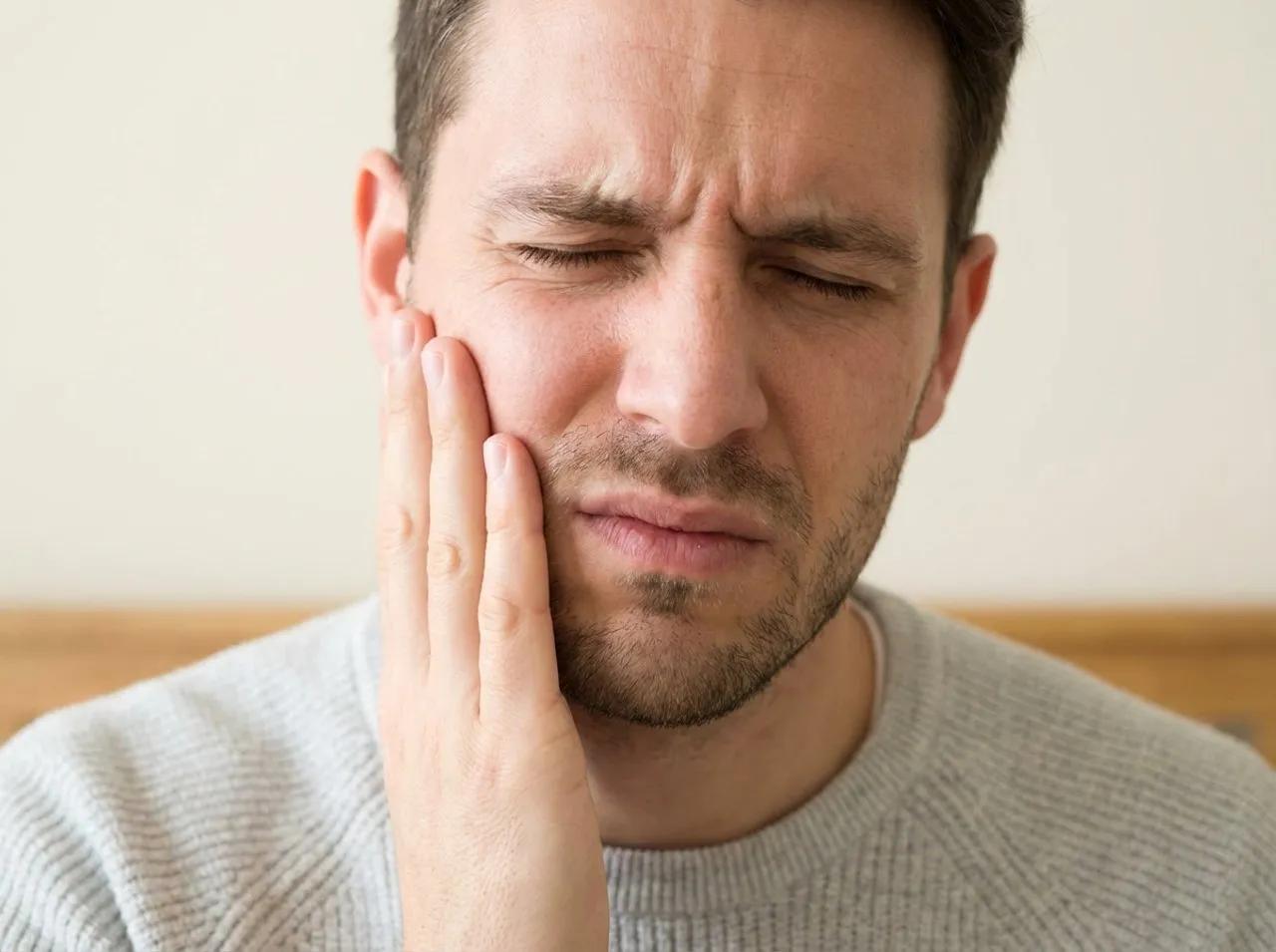
Mouthwash for toothache can provide temporary relief. Cool rinses sometimes relieve pressure in the tissue. However, they do not treat tooth decay or pulpitis. Mouthwashes containing alcohol can cause intense burning on exposed areas. Persistent pain is a warning sign. In that case, the cause should be investigated promptly.
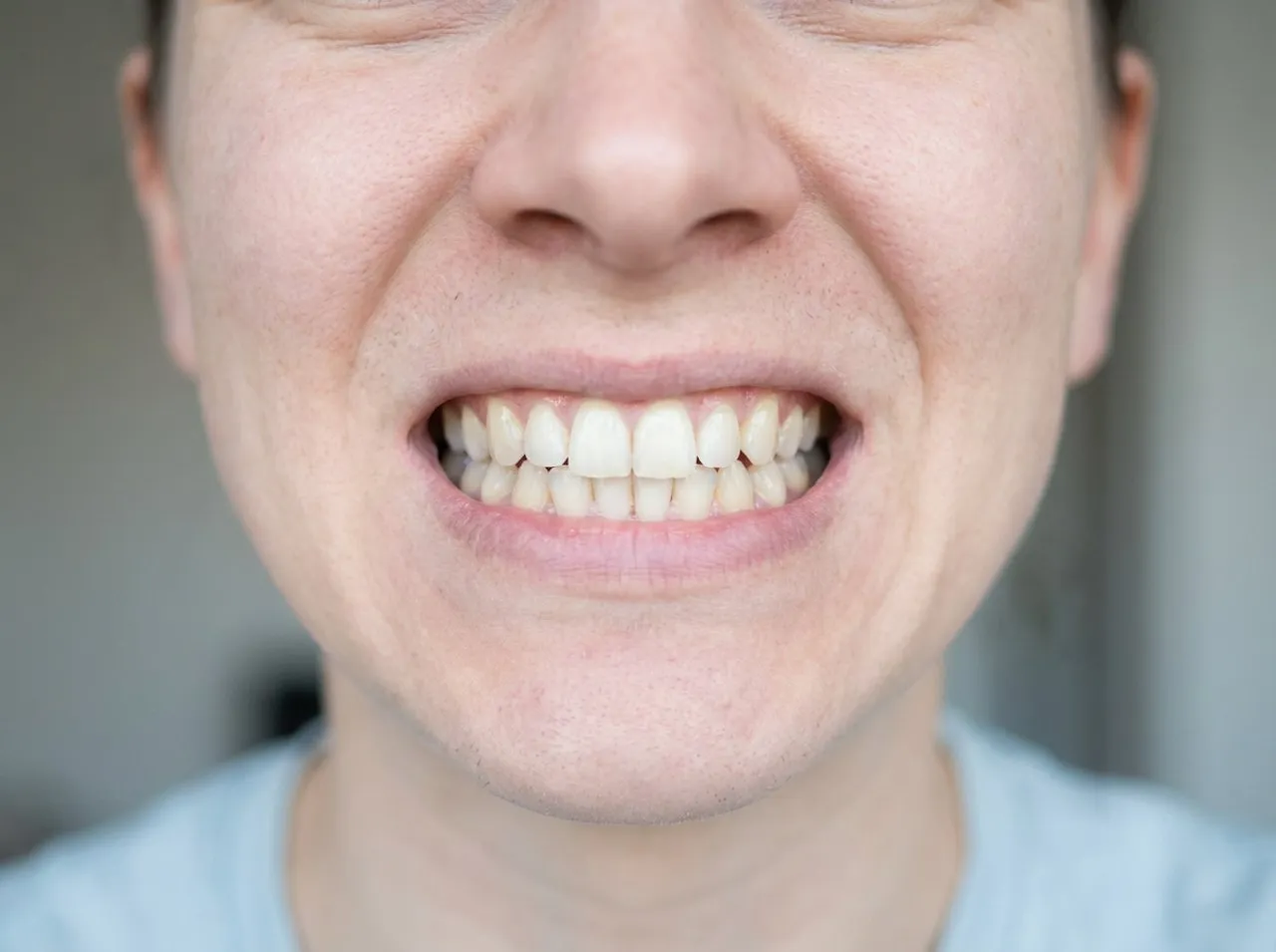
Mouthwash for white teeth: what is realistic?
The desire for white teeth is understandable. Mouth rinses can reduce deposits and make teeth appear brighter. They rarely achieve actual whitening. Professional dental cleaning can help with severe discolouration. Whitening is generally only possible through bleaching. At Wunschlachen in Berlin, we will be happy to advise you about this.
How to use mouthwash correctly
Measure out the exact amount. Usually rinse for 30 to 60 seconds. Do not swallow the solution. Do not eat or drink anything for a short time afterwards. This allows the active ingredient to adhere more effectively. With chlorhexidine, it is often necessary to leave an interval between using it and toothpaste.
Common mistakes and possible side effects
Rinsing too frequently can irritate the mucous membranes. Some formulas dry out the mouth even more. This applies particularly to alcohol and strong surfactants. Chlorhexidine can stain teeth and the tongue. It is therefore a short-term treatment. Use should be supervised.

Selection guide: how to find the right mouthwash
First, consider your main goal. Is it tooth decay, your gums or your breath? This makes choosing easier. Fluoride is often useful for preventing tooth decay. An alcohol-free mouthwash is usually better for a sensitive mouth. Inflammation sometimes requires a medicated formulation. If you search online for the best mouthwash, check the results carefully. Reviews are no substitute for an examination. The best mouthwash is the one that suits you. Look for a clear list of ingredients when buying.

Mouthwashes for implants, bridges and braces
With implants, healthy, stable gums are crucial. A mild mouthwash can support cleaning around transitions. Avoid products that cause heavy staining and those with a high alcohol content. Plaque accumulates around the edges of bridges and crowns. Interdental brushes remain the most important measure here. An antibacterial mouthwash can complement your daily routine. Braces also increase the risk of tooth decay around brackets. Mouthwashes containing fluoride can provide additional protection for the enamel. We recommend having your brushing technique checked.
FAQ – Frequently asked questions about mouthwash
It complements cleaning and can reduce germs. It does not replace brushing and flossing.
For gum inflammation or after procedures. Only use them as recommended.
Often yes, especially in the short term. It remains important to treat the cause in the mouth.
For many people, yes, because it causes less of a burning sensation. This is beneficial for sensitive mucous membranes.
It reduces the number of germs in the mouth. Its strength depends on the active ingredient.
Mild products often can be, but not every formula. Strong antiseptics are only intended for short-term use.
It can relieve symptoms, but cannot cure the problem. Have the cause checked promptly.
It tends to remove plaque and makes teeth look slightly brighter. It is no substitute for teeth whitening.
For pain, swelling or fever. Also for persistent bleeding gums.
This depends on your goal and clinical findings. Advice is usually more reliable than rankings.