Bone loss around a tooth: causes and treatment
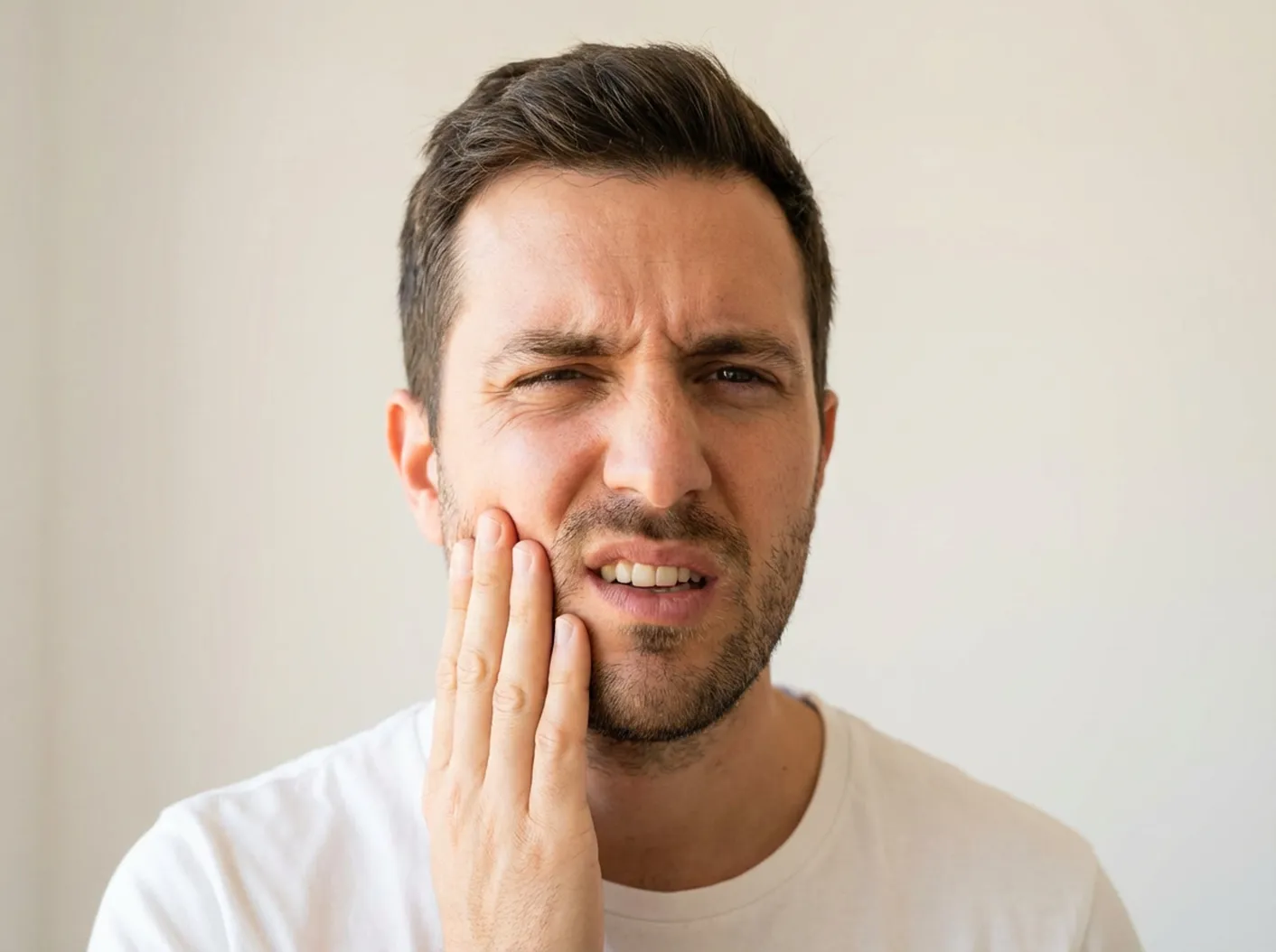
The jawbone supports teeth and implants. It responds to the pressure of chewing. Without this stimulus, bone often breaks down. Bone loss remains unnoticed for a long time. Many people affected do not experience symptoms until later. By then, the gums and support are often already weakened.
Über 350 Google-Bewertungen
What does bone loss around a tooth mean?
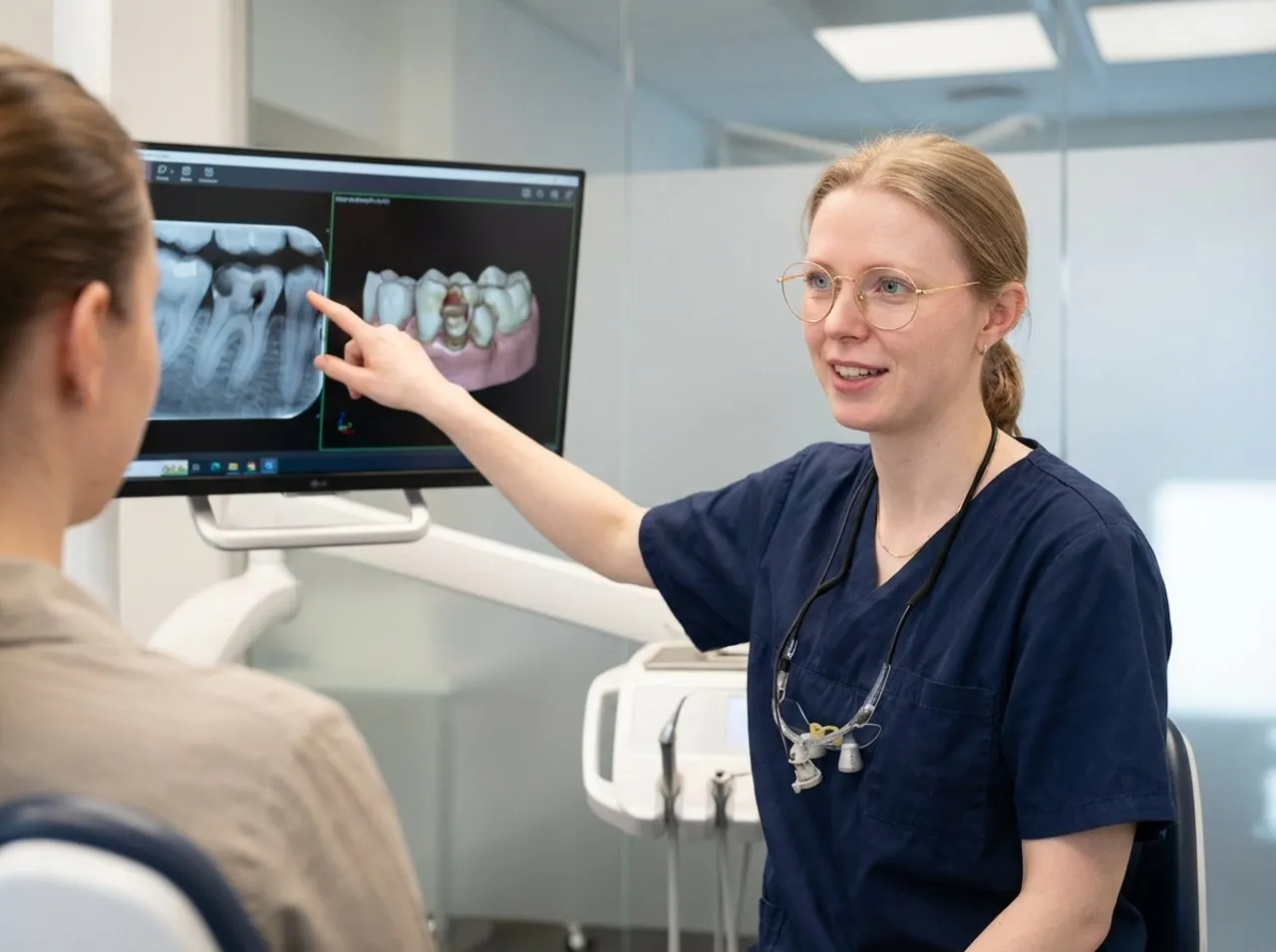
In bone loss, the alveolar bone loses height or width. This bone surrounds the tooth root. Together with fibres, it forms the supporting structure of the tooth. Bone loss can be localised or widespread. It can affect individual teeth or entire sections of the jaw. Typical defects then become visible on X-rays.
What are the consequences of bone loss?
Less bone means less stability. Teeth can tilt or shift. This changes the bite. Aesthetics can also suffer. The gums recede and gaps appear larger. Many patients find this bothersome. Planning dental restorations becomes more difficult. With severe bone loss, there are often no firm support points. Bone augmentation and preparatory treatment are then more frequently required.
Common causes of bone loss
Periodontitis is the most common cause. In this condition, chronic inflammation destroys the supporting fibres and bone. If left untreated, teeth can become loose and fall out. Tooth loss also plays a major role. After a tooth is removed, the bone is no longer subjected to loading. The bone in that region then begins to resorb. Inflammation at the root tip can also cause damage. Bacteria trigger bone resorption around the tip. This often appears as a dark area on an X-ray. Smoking increases the risk of severe disease. Diabetes can also intensify the inflammation. Both can accelerate bone loss around a tooth. Bone metabolism changes with age. Jawbone loss is therefore more common in older people. Nevertheless, oral health remains the decisive factor. Pressure from ill-fitting dentures can promote bone loss. This is especially true when they are worn for long periods. A good denture fit is therefore important.

Symptoms: how to recognise changes
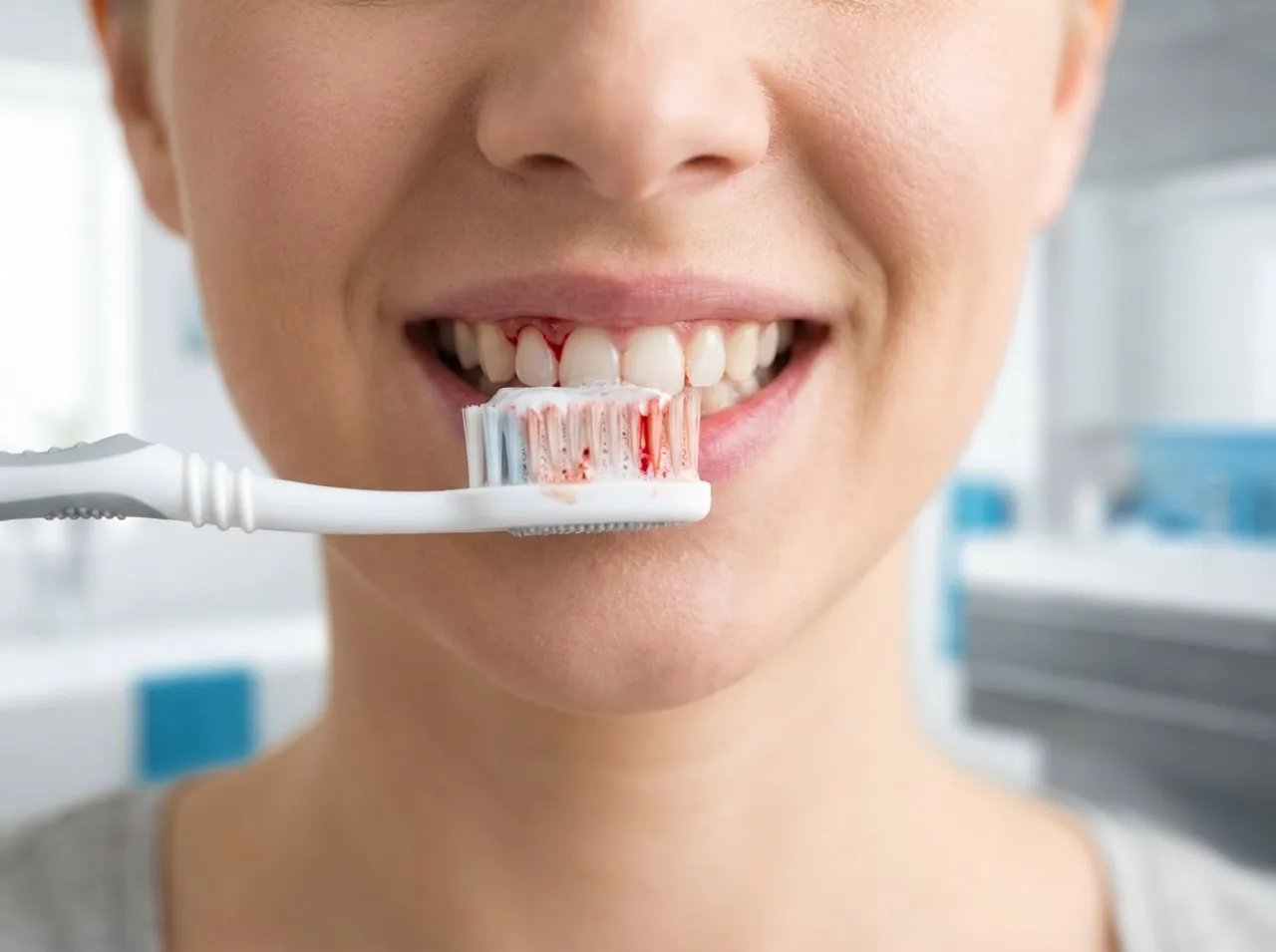
Bone loss itself usually does not hurt. Warning signs include bleeding gums and bad breath. Sensitive tooth necks are also typical. Some teeth appear longer than before. The gums recede. Some people feel a bony edge on the gum near the root. Later, teeth may move and gaps develop. When chewing, the bite feels unstable. Loose teeth are also possible.
Diagnosis at the practice
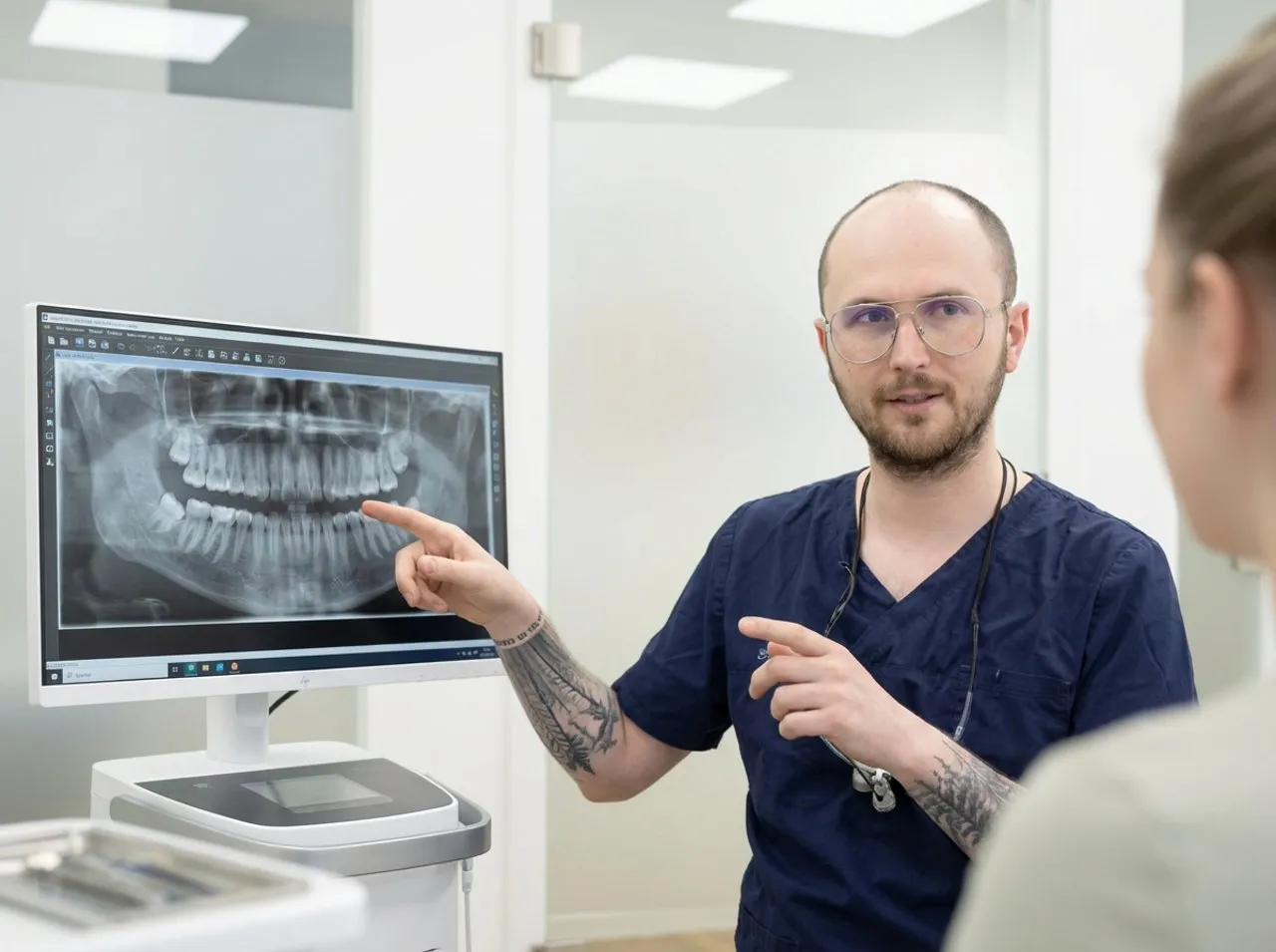
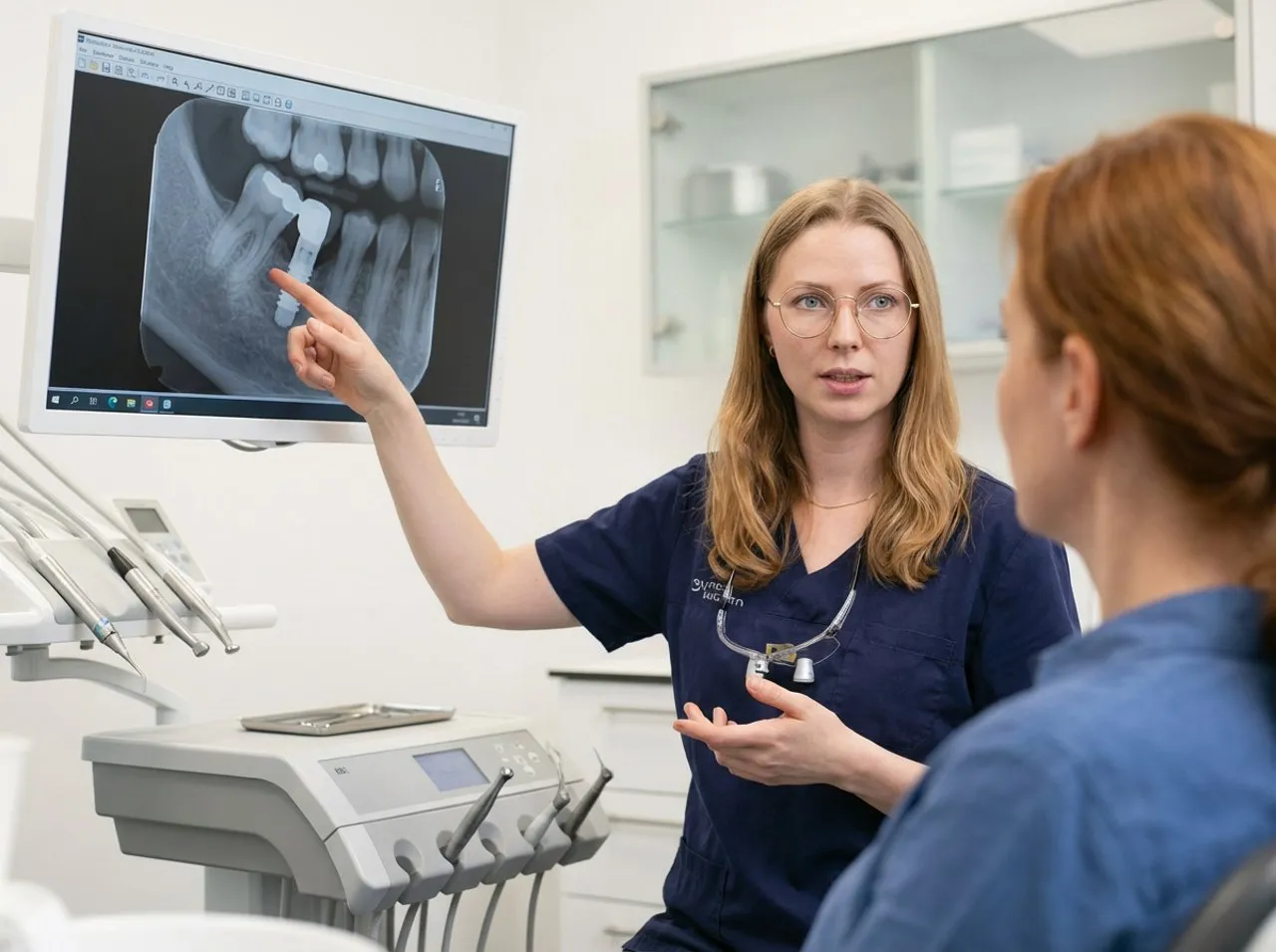
The first step is a thorough assessment. We measure the gum pockets and check for bleeding. This allows us to detect inflammatory activity early. The PSI is an important value. It shows whether a periodontal assessment is needed. This is followed by precise pocket measurements. X-rays show the jawbone very clearly. This allows jawbone loss to be assessed objectively on the images. If necessary, we use three-dimensional imaging. Many people search for images of jawbone loss on the internet. We discuss your risk factors openly. These include smoking, stress and general medical conditions. This enables us to draw up a clear treatment plan.
Treatment: what helps with bone loss?
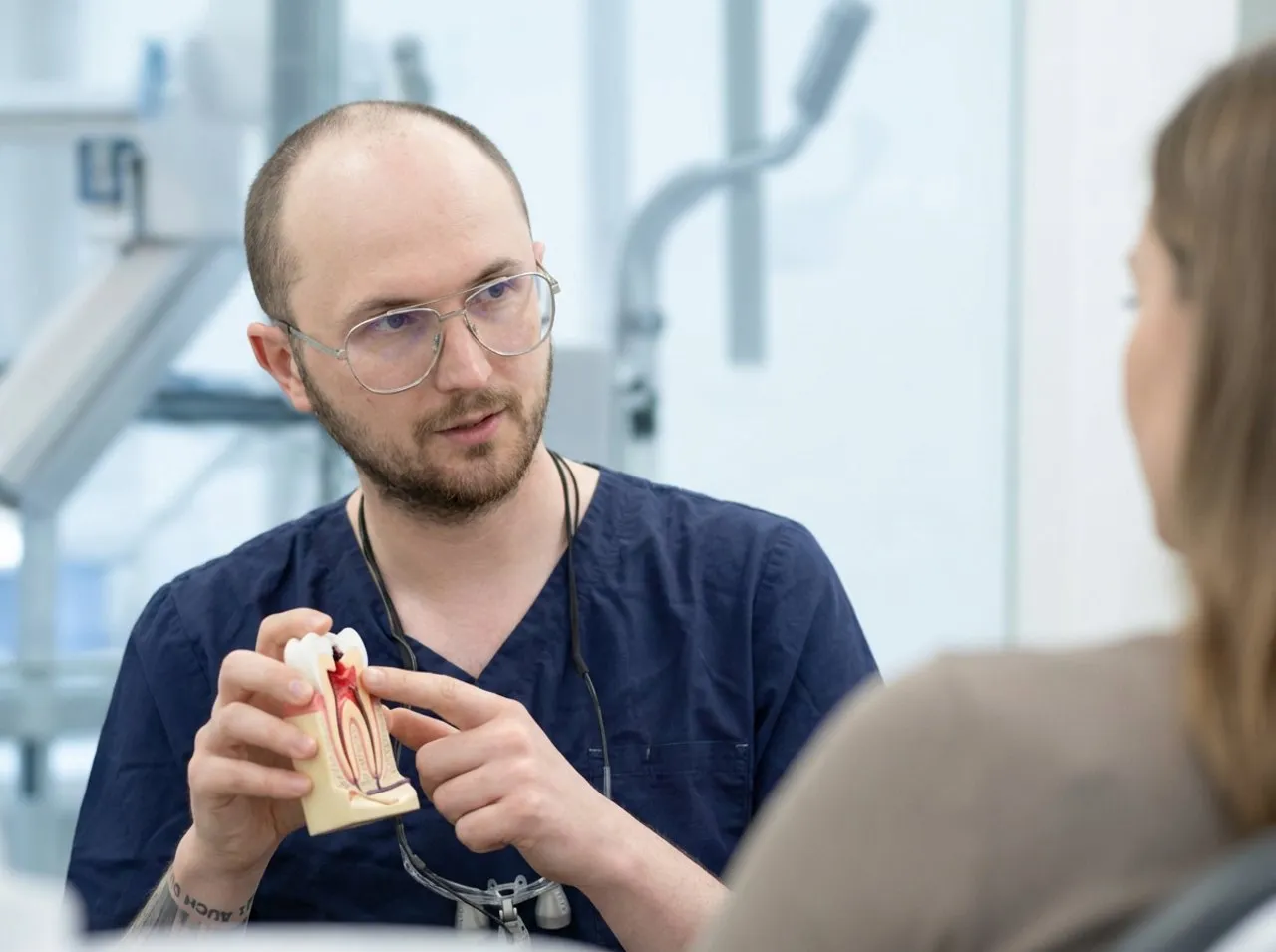
The aim is always to stop the inflammation. The tissue can then stabilise. Early treatment protects bone and teeth. For periodontitis, professional cleaning is carried out first. Deposits beneath the gums are then removed. This approach follows current guidelines. Additional steps are sometimes advisable. These include bacterial tests, local medication or laser treatment. We decide whether these are suitable based on risk. For deep defects, a minor procedure can help. The gum is gently lifted. This allows the root surfaces to be cleaned more effectively. Loose teeth can be splinted. A splint distributes the forces of chewing. This improves comfort and stability. Severe bone loss may require tooth replacement. Bridges or dentures distribute the chewing load. An implant replaces the root and stimulates the bone. If there is insufficient bone for an implant, augmentation is possible. We use bone substitute material or the patient's own bone for this. We determine which method is suitable after diagnostic imaging. Bone augmentation restores volume.
Can the jawbone be rebuilt naturally?
The body can constantly remodel bone. Loading helps preserve it. Without treatment, the lost support often remains. With periodontitis, bone loss can be stopped. Regeneration is possible in individual defects. However, this is not achievable in every case. Bones, teeth and gums need monitoring. Professional preventive care reduces the risk of inflammation. This is the most important natural measure.
Everyday prevention
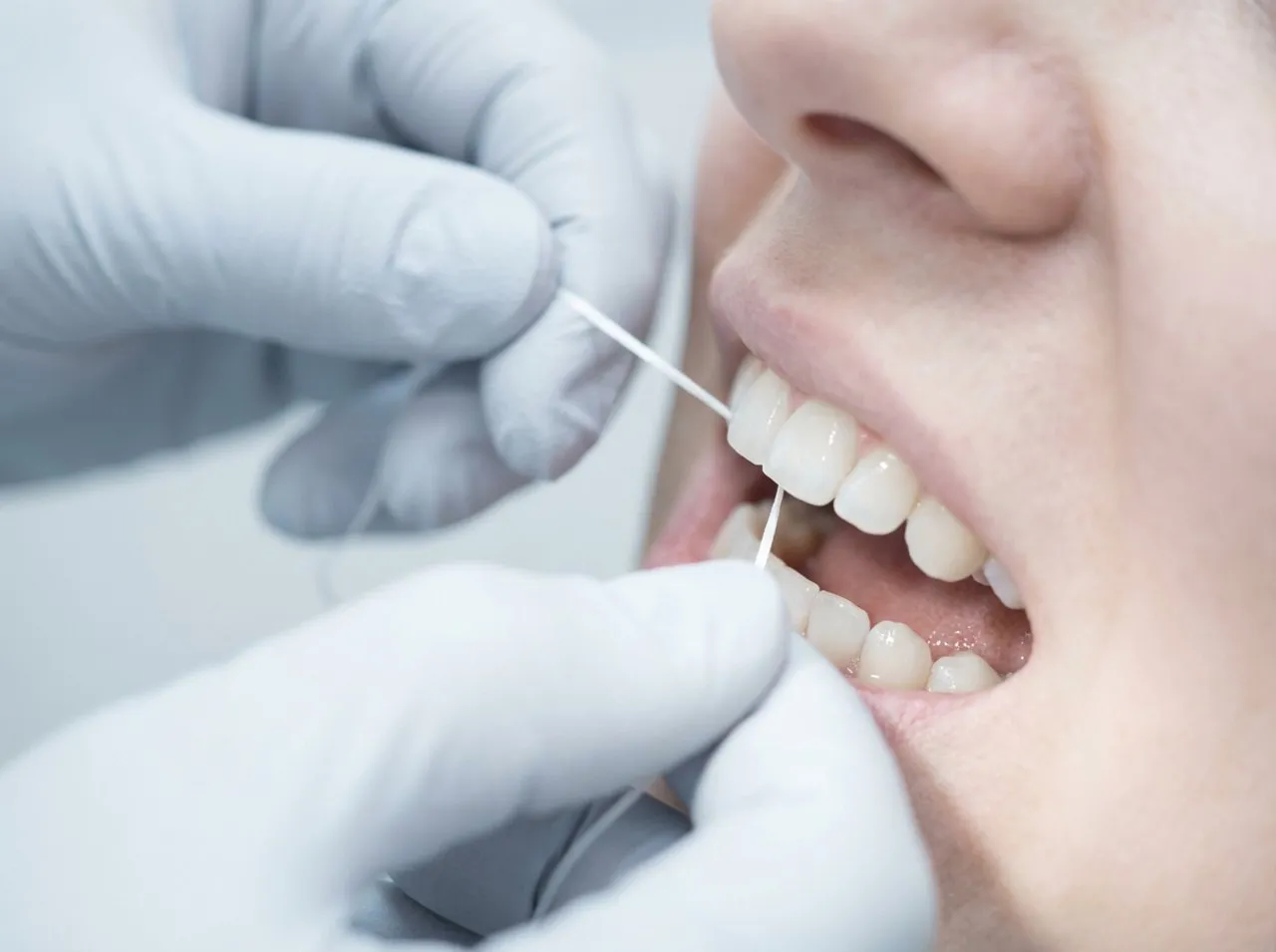
Brush carefully twice a day. Use interdental brushes or dental floss. This removes biofilm between the teeth. This helps keep bones and teeth stable for longer. Have inflammation treated early. Regular check-ups are crucial. This also applies if you have no pain. Reduce risk factors where possible. Stopping smoking significantly improves the prognosis. If you have diabetes, good control helps.

Advice at Wunschlachen
At Wunschlachen, we thoroughly assess the condition of your bone. We explain the findings clearly and understandably. Together, we plan the right treatment. Are you wondering whether the tooth absolutely has to be removed in this case? It is often still possible to preserve a tooth. An examination provides certainty.
FAQ – Frequently asked questions about bone loss around a tooth
It is the loss of bone around the tooth root. This causes the tooth to lose support.
Periodontitis is the most common cause. Tooth loss and root inflammation also play a role.
Pain is more likely to be caused by inflammation.
Receding gums are a typical sign. Teeth may also become loose.
The edge of the bone is closer to the surface. This often happens when the gums recede.
On X-rays, the bone appears lower. Crater-shaped defects are sometimes visible.
Yes, the process can often be slowed down. Aftercare and good oral hygiene are important.
It can preserve the bone through loading. The surrounding tissue must be healthy.
Loading and the absence of inflammation help preserve bone. Severely depleted bone rarely grows back completely.
Have the findings assessed early. If you notice warning signs, you should book an appointment promptly.