Broken retainer: causes, risks and treatment
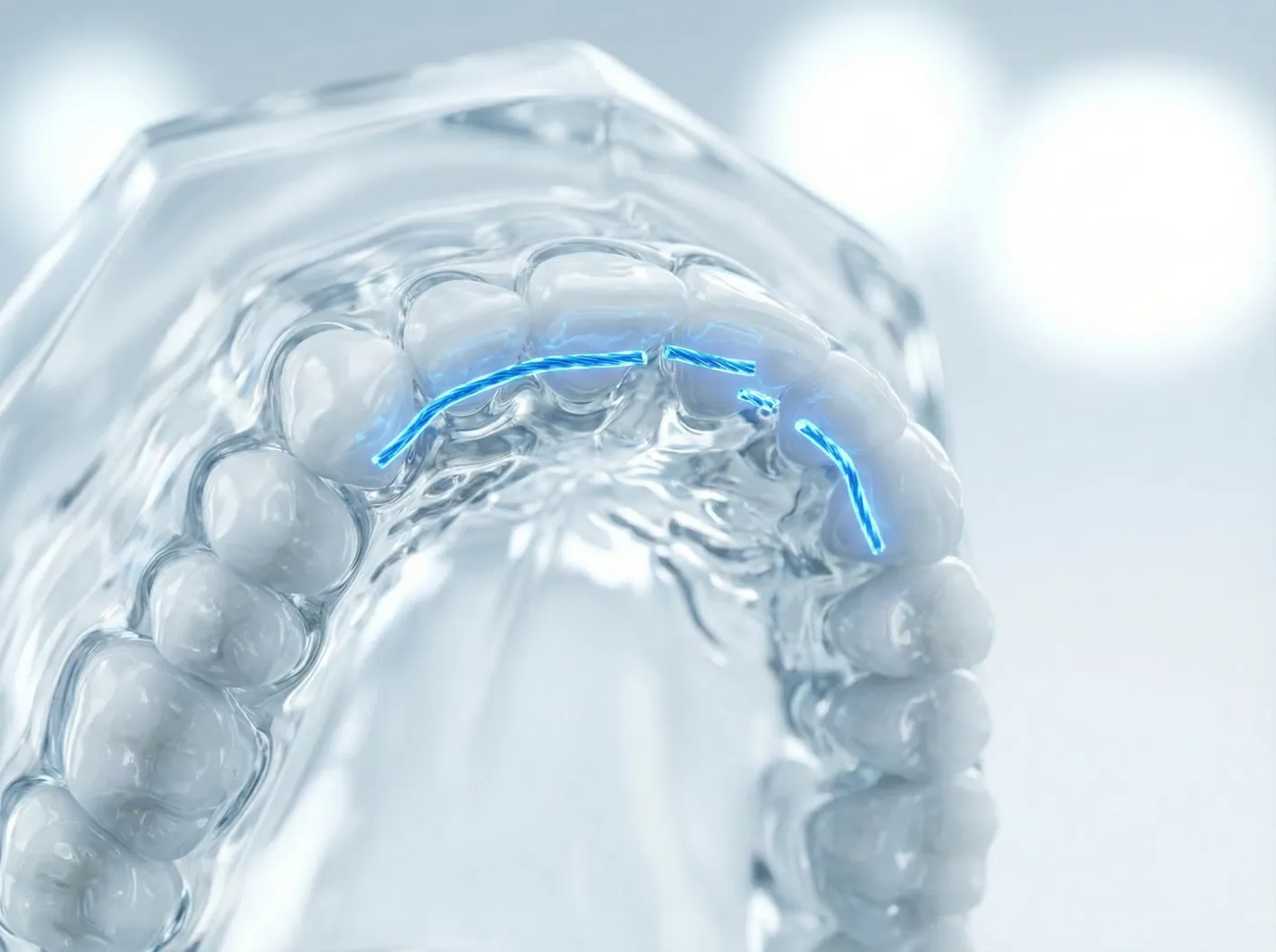
A retainer stabilises the teeth after orthodontic treatment. It prevents relapse after braces or aligners. If the retainer breaks, the risk of tooth movement increases. Teeth move through the periodontal ligament. Even small forces can change the occlusion....
Über 350 Google-Bewertungen
Which types of retainer are most commonly affected?
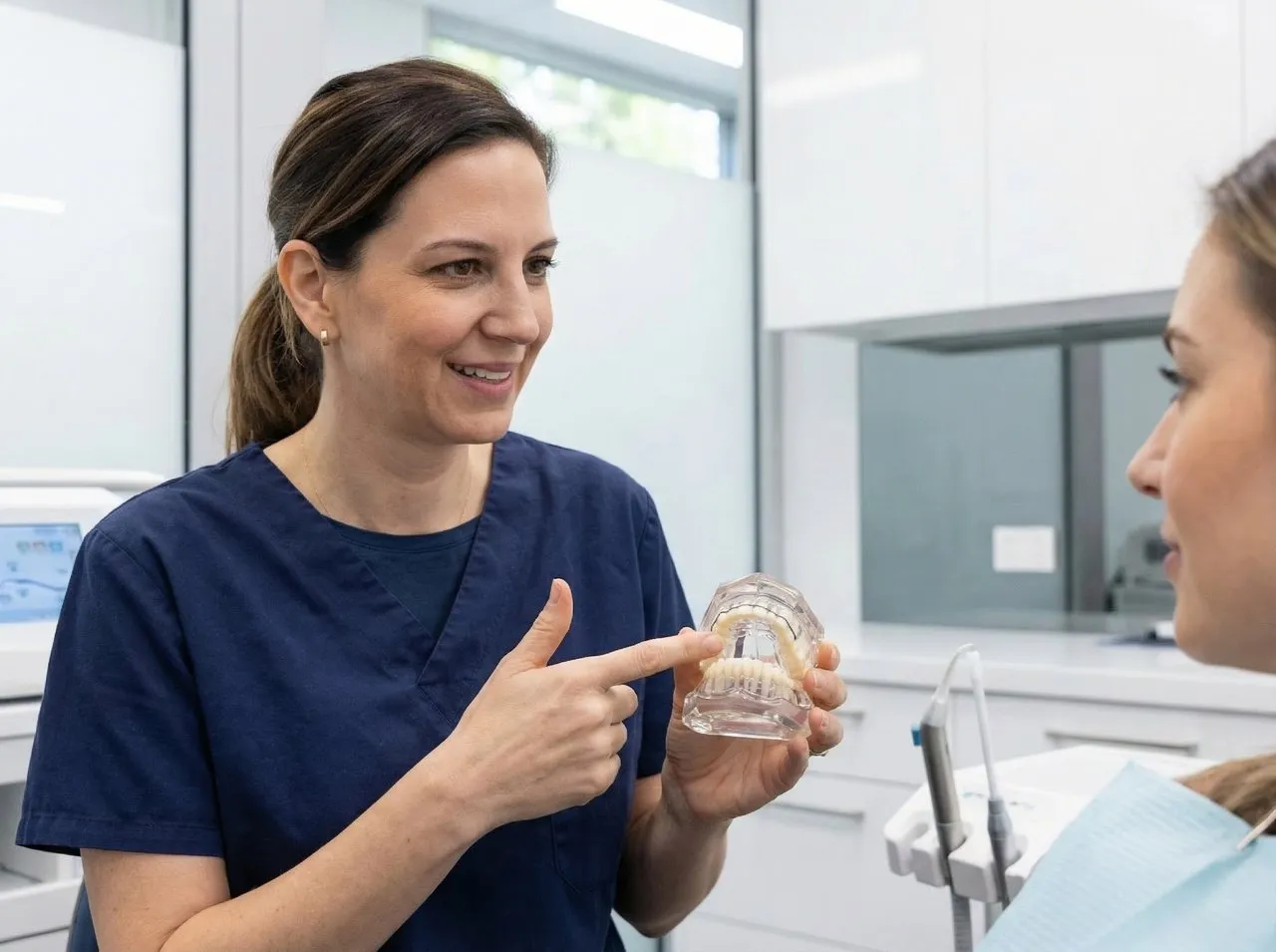
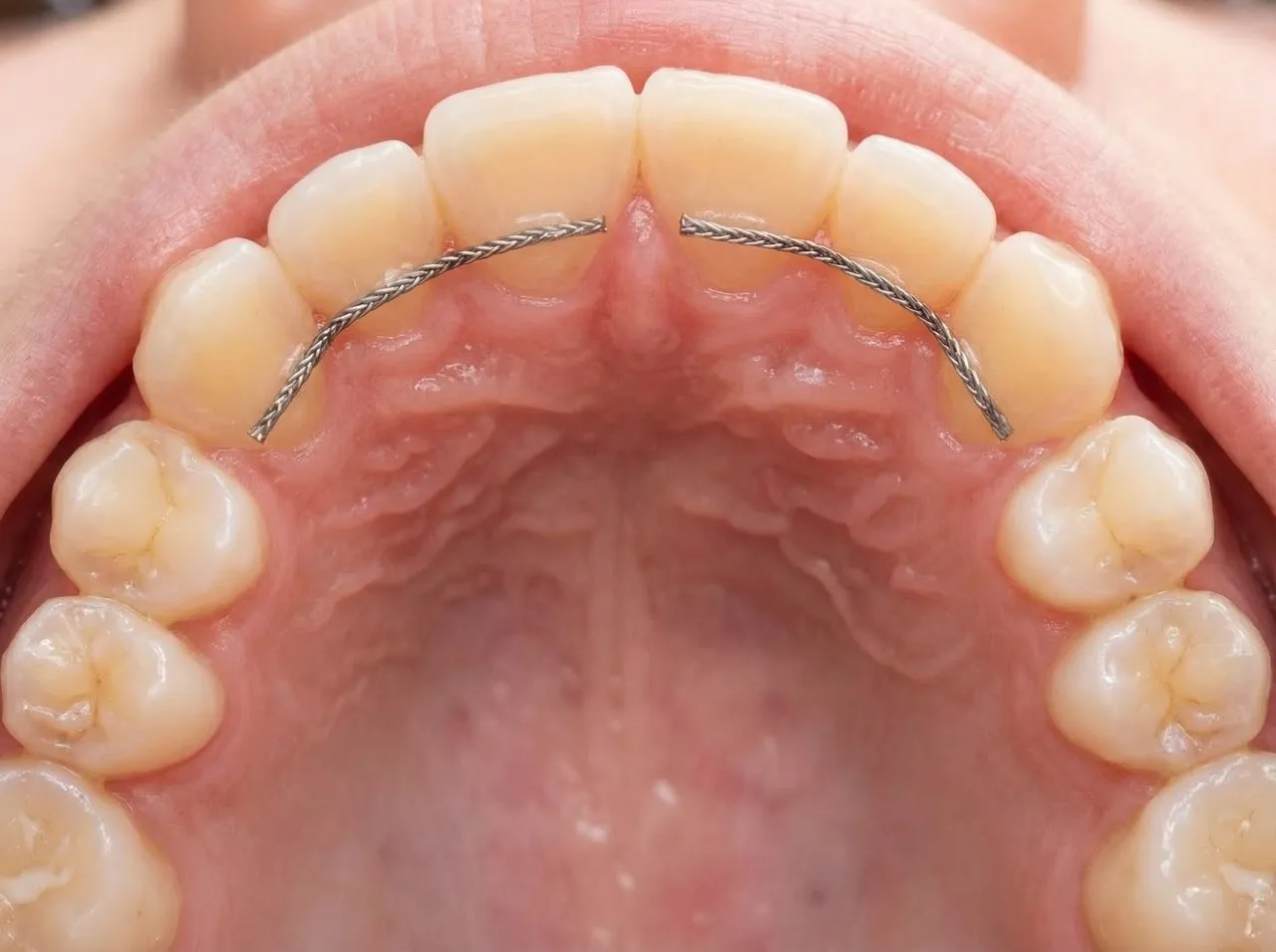
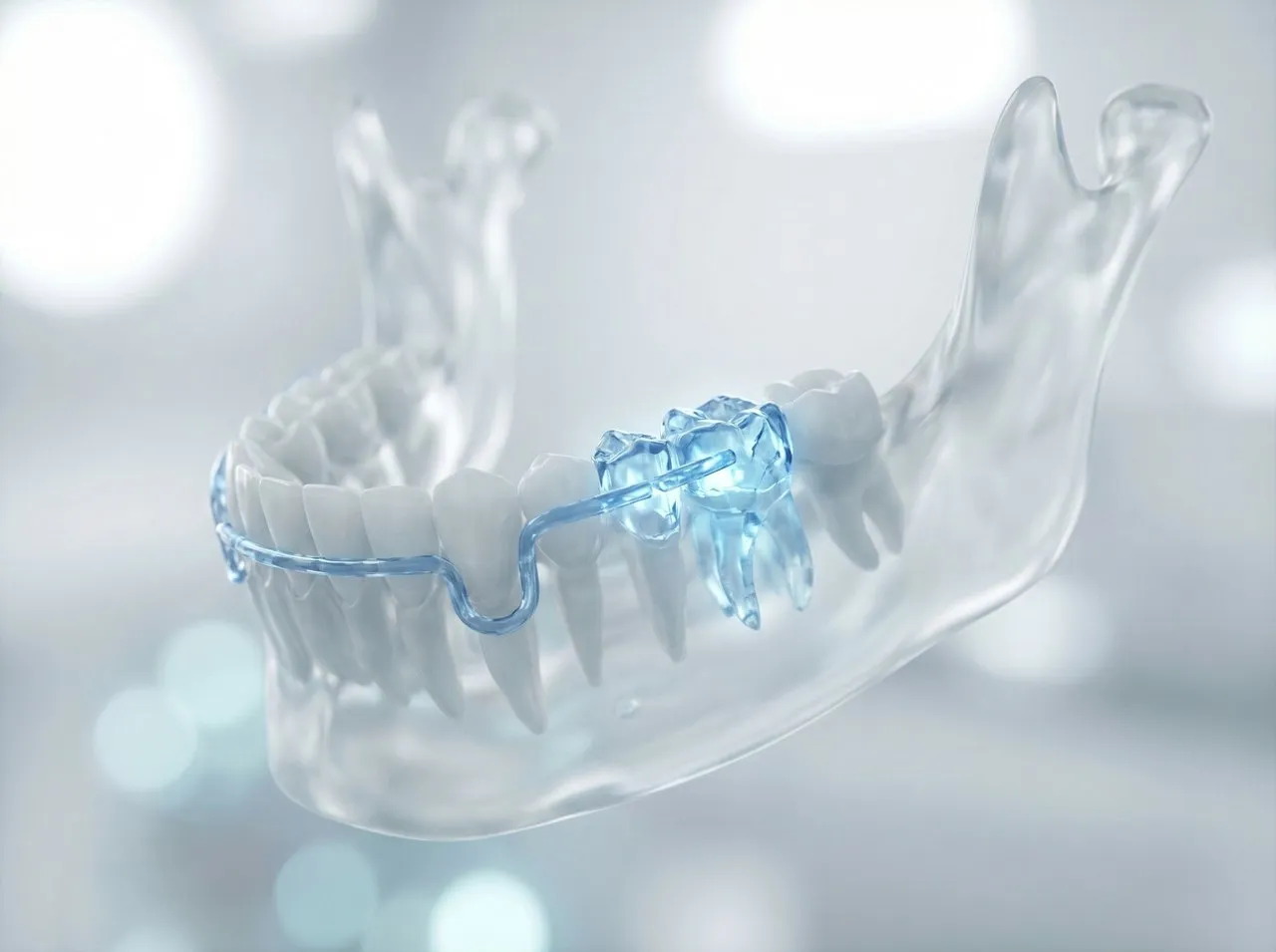
A fixed retainer is usually bonded to the lingual surface of the teeth. It is often a multi-strand stainless steel wire. It is fixed in place with composite using an adhesive technique. A retention retainer is removable. It is often made from plastic as an Essix retainer. Material fatigue and distortion are also possible with these.
What exactly does ‘broken retainer wire’ mean?
A lingual retaining wire can fracture. Sometimes there is only partial debonding at the composite pad. Both significantly reduce the retentive effect. A loose bonding site increases plaque retention. This encourages gingivitis along the gum margin. Early tooth decay on the proximal surfaces also becomes more likely.
Common causes of retainer damage
Parafunctional habits are a common cause. Bruxism places lasting strain on the wire and bonding surfaces. Clenching can also fatigue the bonded area. Mechanical trauma also plays a role. Hard foods can bend or break the wire. A blow during sport often acts like a lever on the front teeth.
First steps: what you should do straight away
Do not pull on the wire or try to test anything using force. This will help you avoid further detachment and enamel damage. Look out for sharp edges on the wire or composite. Orthodontic wax protects the oral mucosa temporarily. If there is bleeding, it is advisable to see a dentist promptly for an examination. Continue to brush thoroughly, but very carefully. Use a soft toothbrush and fluoride toothpaste. Interdental brushes should not push the wire upwards. Clean the bonded areas particularly carefully.
Broken removable retainer: special considerations
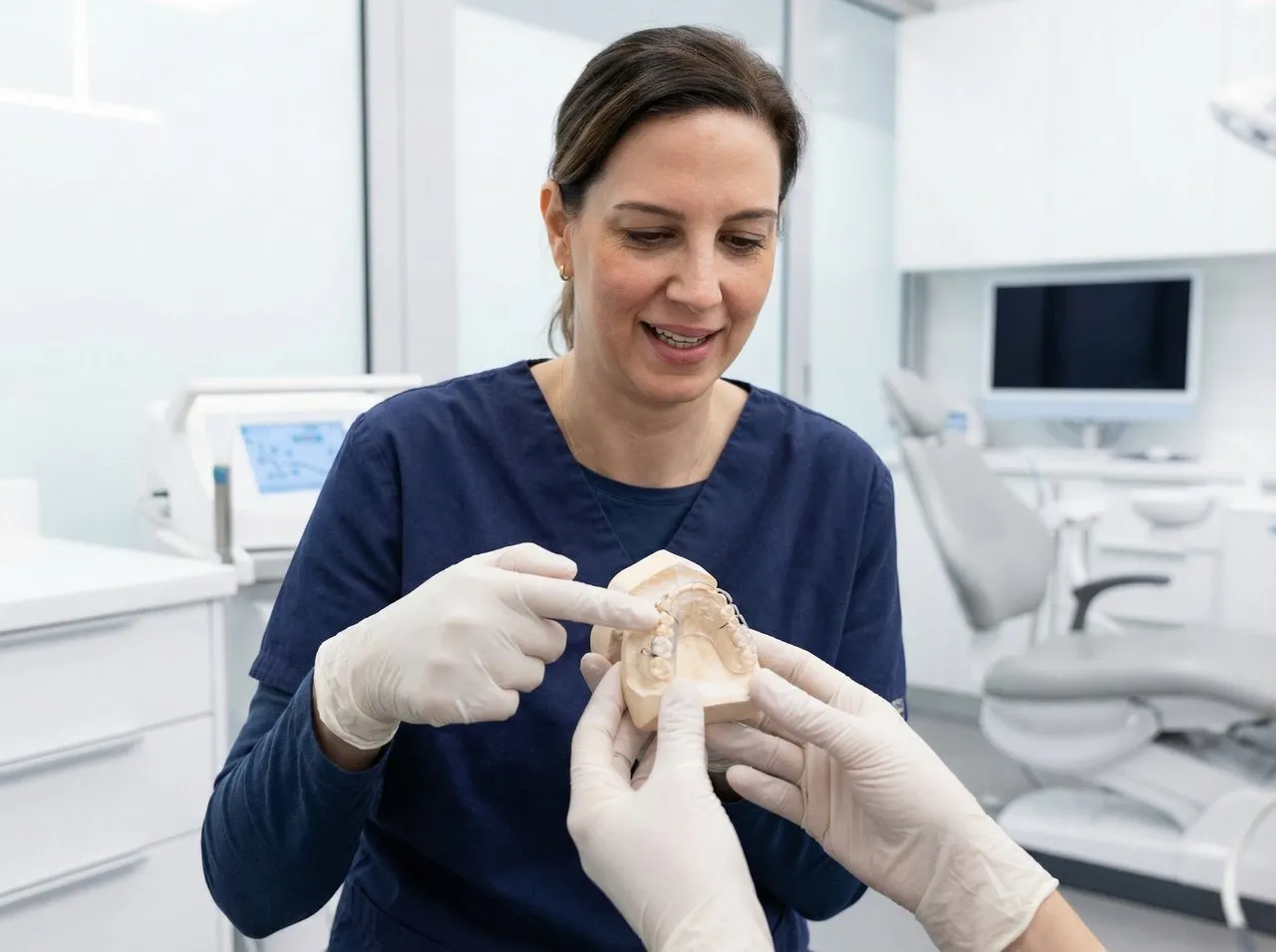
Essix retainers often develop cracks around the edges. Heat, for example in a car, can cause deformation. Incorrect cleaning can also make the plastic brittle. Do not continue wearing a cracked retainer. Sharp broken edges can injure the mucosa and gums. Keep the retainer clean in a box.
When is a broken retainer an emergency?
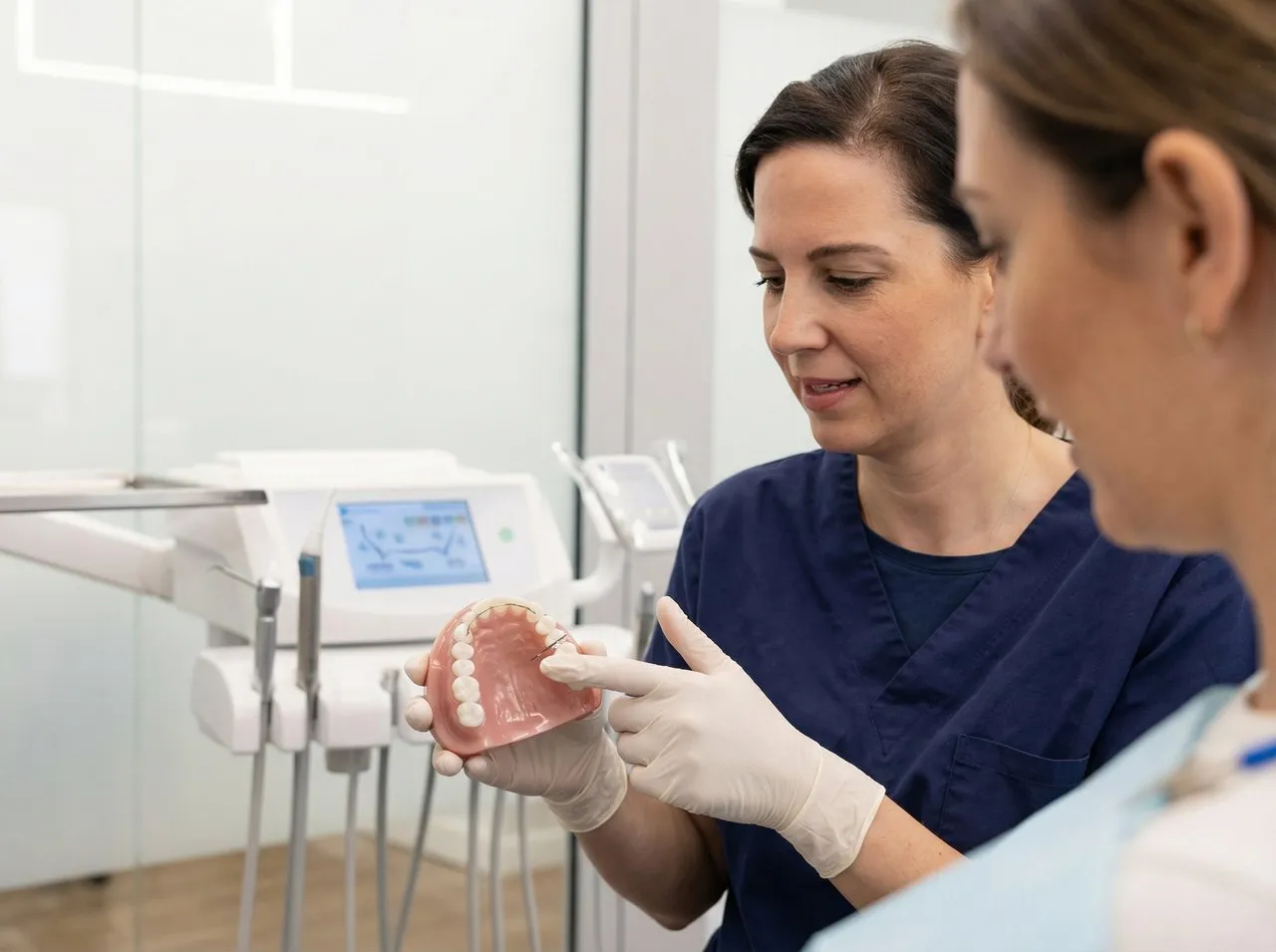
It is an emergency if you have severe pain or open wounds. A risk of swallowing wire fragments is also serious. In these cases, you should come to the practice immediately. Rapid tooth movement is also a concern. This may appear as new crowding or loss of contact between teeth. An altered bite is also a warning sign.
Diagnosis at the Wunschlachen practice
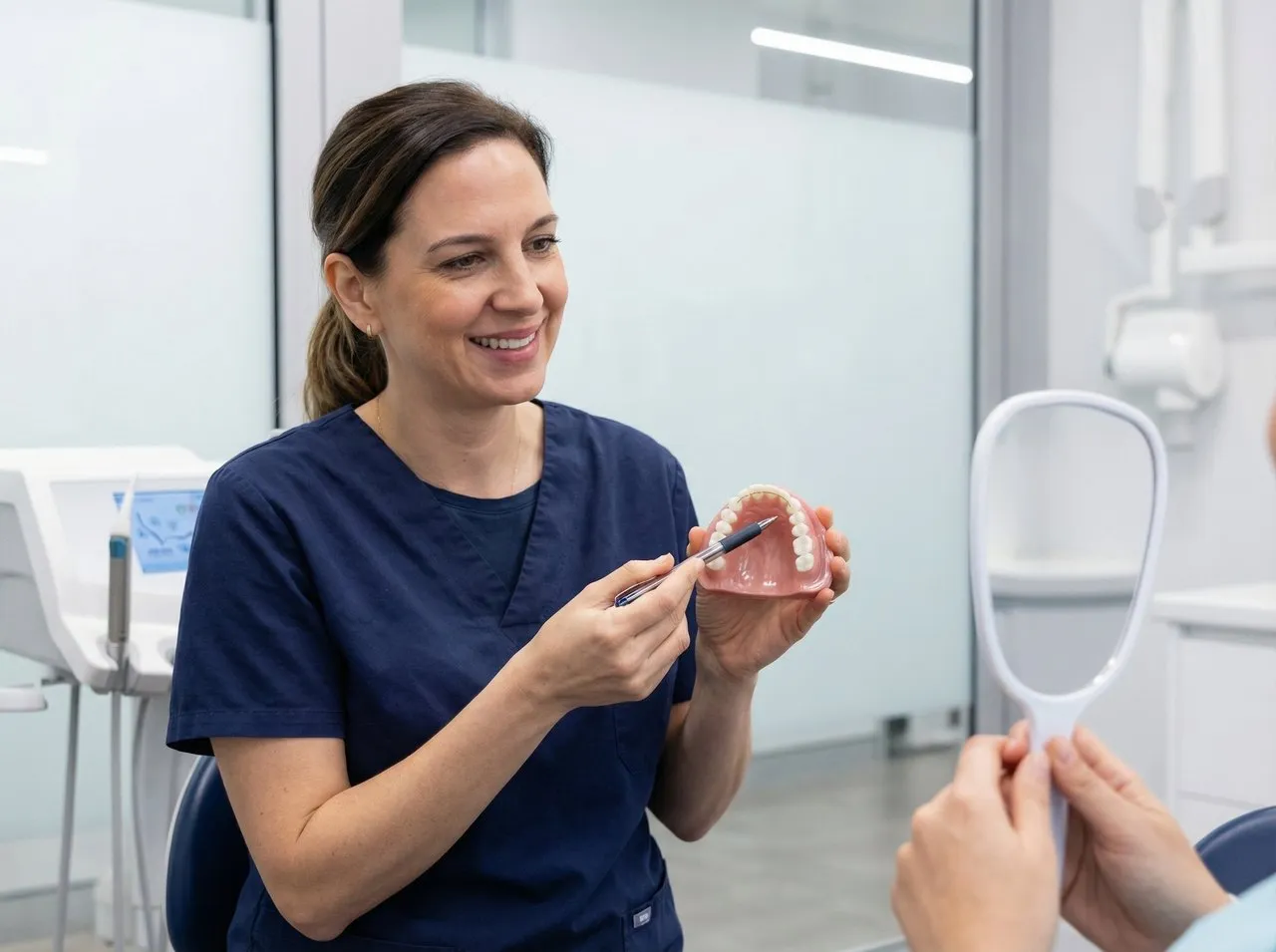
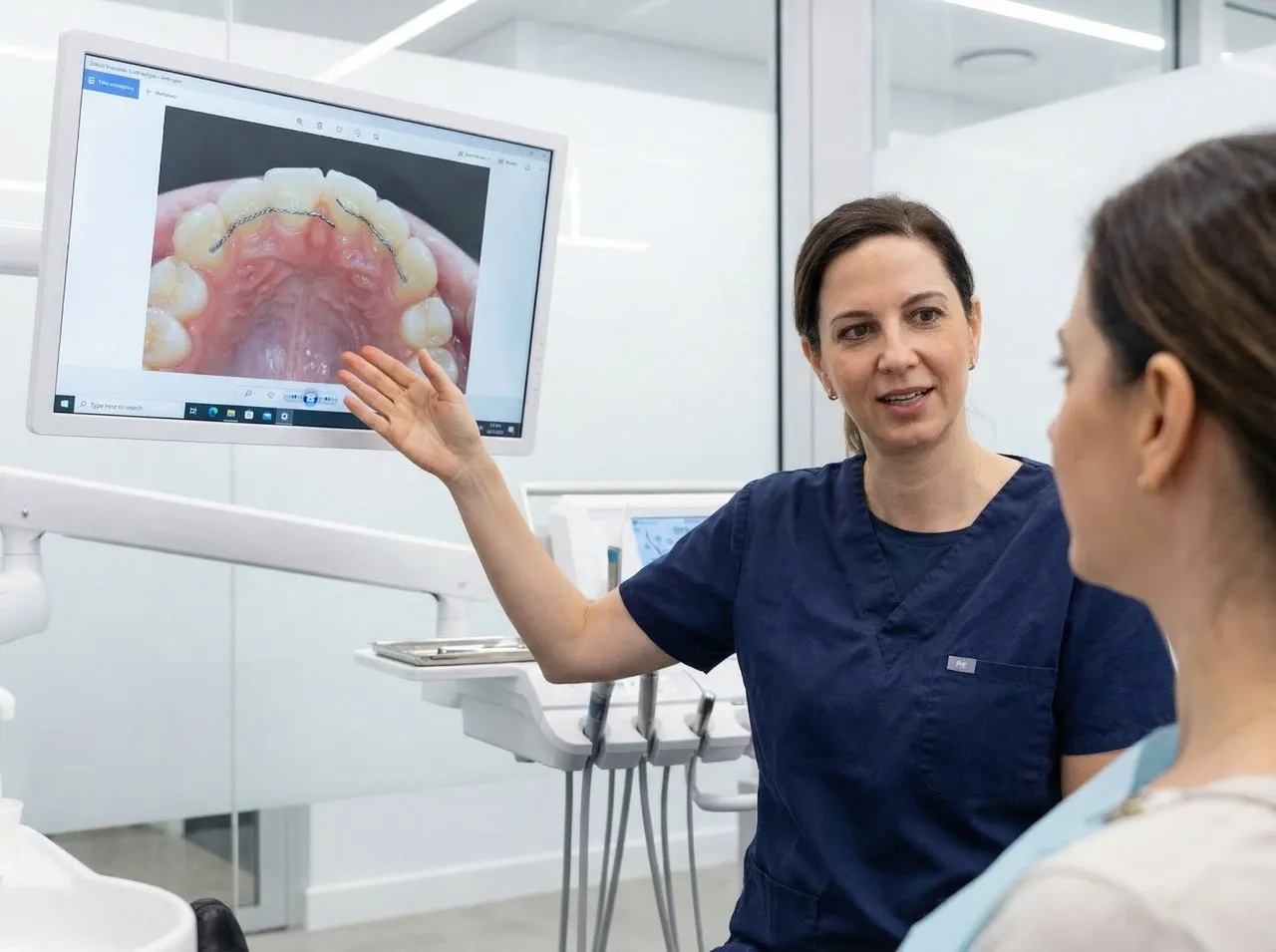
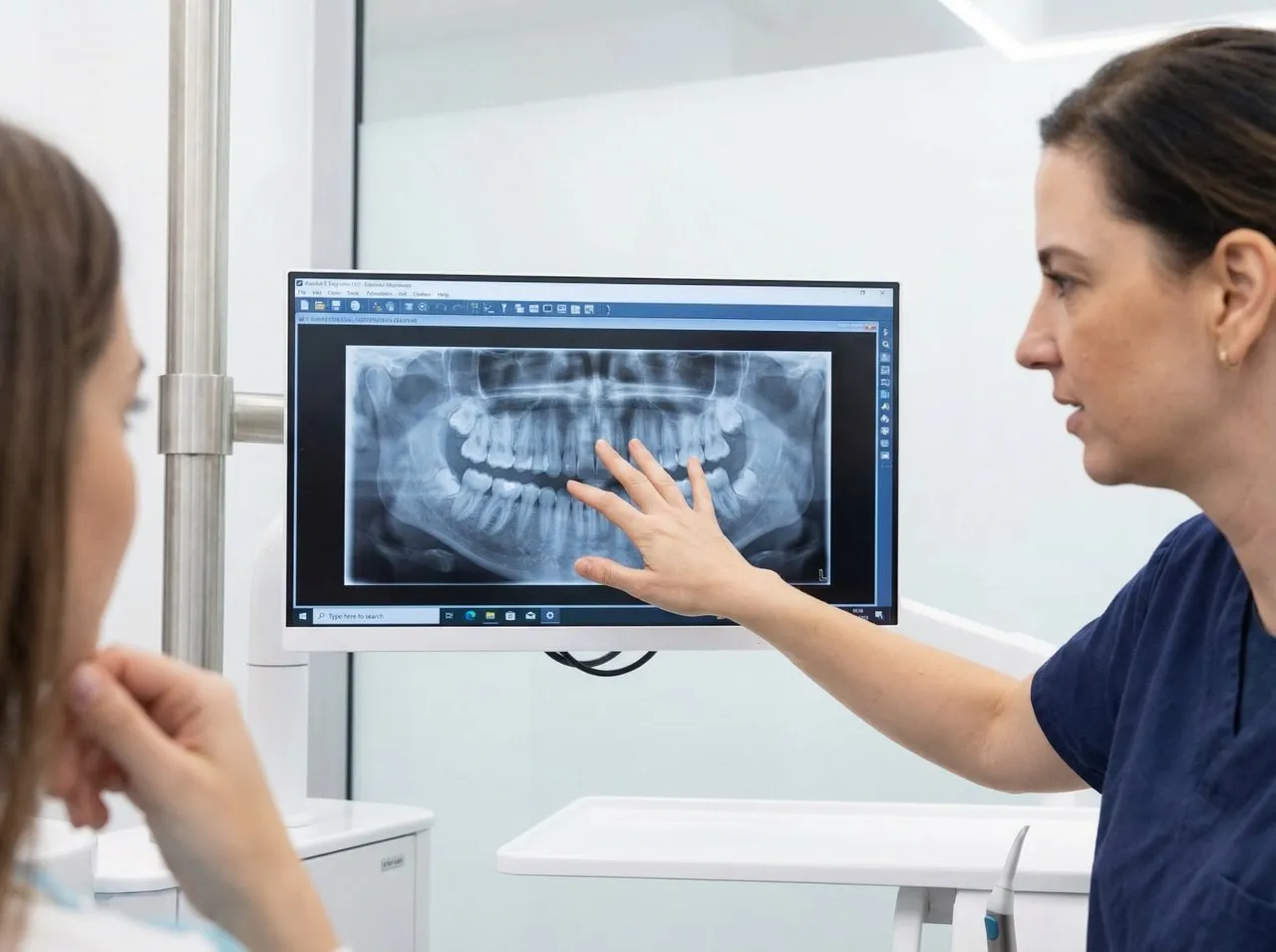
We first assess the clinical situation. This includes a visual examination and an occlusal analysis. We also check the length of the retainer and the bonding sites. If necessary, we use intraoral photographs or an intraoral scan. This allows us to document the exact tooth position. X-rays are only required in specific cases.
Treatment: rebonding, replacement or making a new retainer
With partial debonding, rebonding is often sufficient. We clean the surface, condition the enamel and dry the area under isolation. It is then fixed in place using composite and light polymerisation. If the wire has fractured, it is usually advisable to replace it. The old retainer wire is carefully removed. A new multistrand wire is then fitted and bonded. Splints often need to be remade. A scan provides a precise digital template for this. This allows a precisely fitting retention splint to be produced quickly. Sometimes we combine a retainer and a splint. This increases stability when there is a high risk of relapse. This is particularly relevant after major rotations.
What happens if you wait too long?
Without retention, teeth can tend to move back towards their original position. This often affects the lower incisors. Crowding can make oral hygiene considerably more difficult. Plaque near the retainer promotes inflammation. Aesthetic impairment is also possible. Prompt repair is therefore worthwhile.

How to prevent a broken retainer
Avoid very hard and sticky foods. Cut fruit into small pieces instead. Do not bite directly into hard crusts. Wear a custom-made mouthguard during sport. This significantly reduces the risk of dental trauma. A bite splint often helps with bruxism. Check-ups remain important even after active treatment. We check the retainer, occlusion and how easy it is to clean. This allows us to identify weak points early on.
Costs and financing
The costs depend on the material and the work involved. Rebonding is usually less expensive than a complete replacement. You will receive a transparent cost plan in advance.
Conclusion
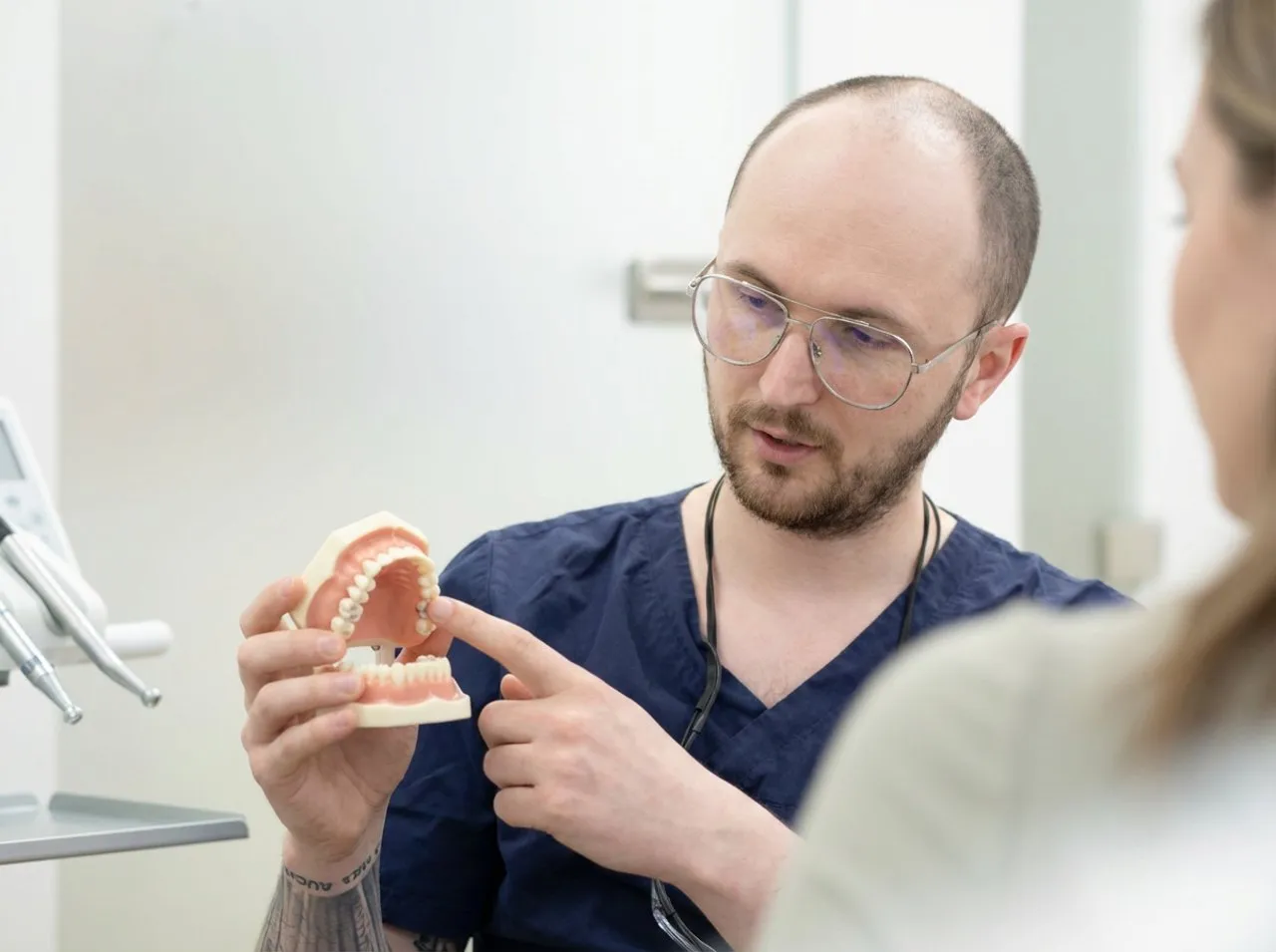
A broken retainer can be treated, but time is of the essence. Prompt diagnosis prevents unnecessary tooth movement. Wunschlachen will guide you safely through the retention phase.
FAQ: broken retainer
Contact your orthodontic practice promptly. Protect sharp areas temporarily with orthodontic wax.
The periodontal ligament often responds within a few days. Depending on the original position of the teeth, movement can quickly become visible.
No, this requires an adhesive technique and suitable materials. Trying to do it yourself increases the risk of enamel damage.
A tooth may feel more mobile or the wire may lift away. Food often gets caught at the loose site.
Sharp wire ends can cause ulcers in the mucosa. Bleeding or a risk of swallowing wire fragments constitutes an emergency.
The price depends on whether rebonding or replacement is needed. We will provide a clear cost breakdown in advance.
Choose soft foods and chew carefully. Avoid hard crusts, nuts and sticky sweets.
Do not continue wearing it if the edges are sharp. Bring it with you so that we can plan a replacement.
Yes, an occlusal check is usually advisable. This allows us to check the fit, loading and stability.
Maintain consistent oral hygiene around the wire. Wear a mouthguard during sport and a bite splint if you have bruxism.