Caries removal: methods, procedure and costs
Caries is one of the most common dental diseases. Left untreated, it leads to pain and tooth loss. Having caries removed in good time protects your dental health in the long term. At the Wunschlachen dental practice in Berlin, we use gentle procedures. Our aim is to preserve your...
Über 350 Google-Bewertungen
What is caries and why does it have to be removed?
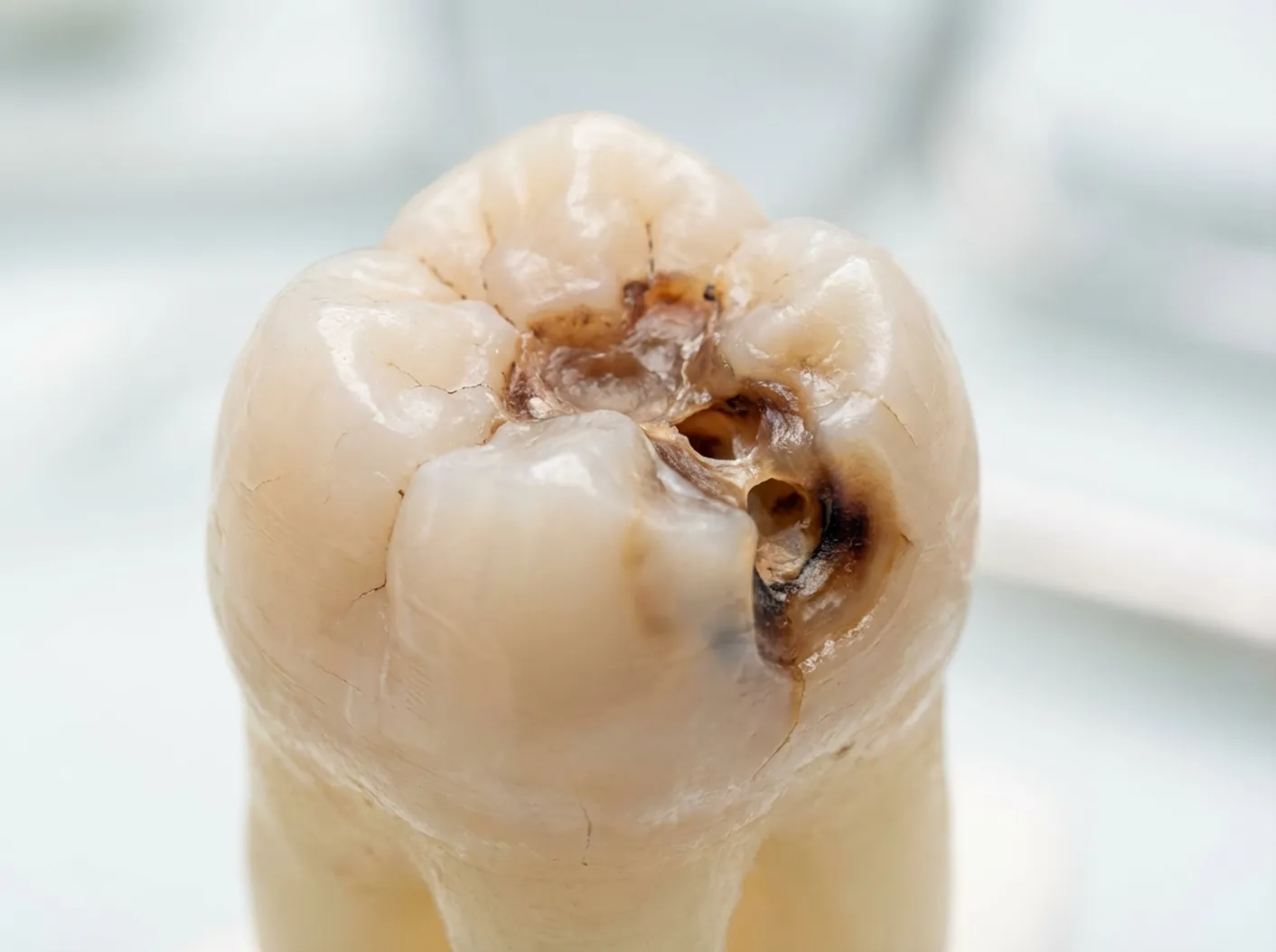
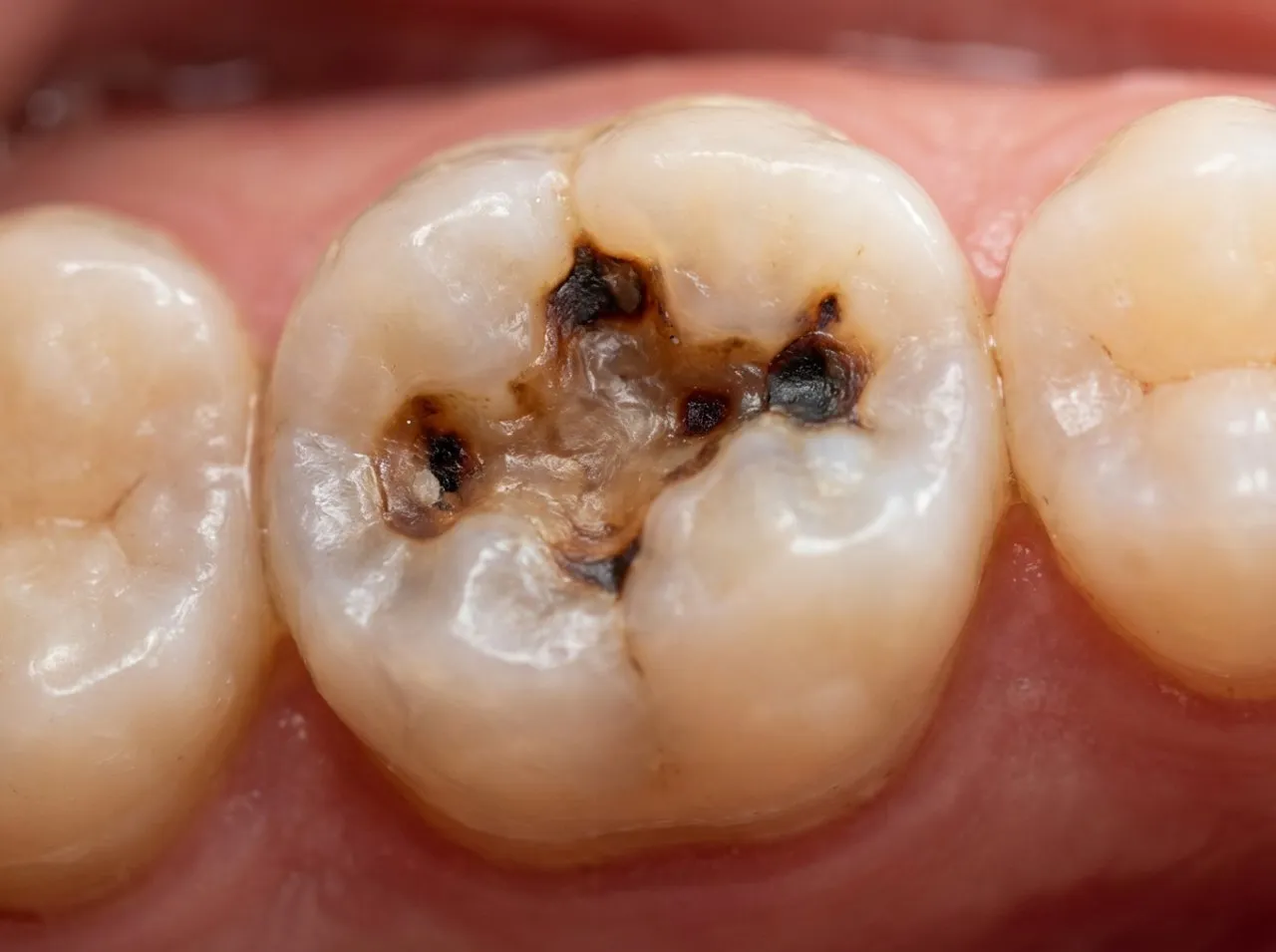
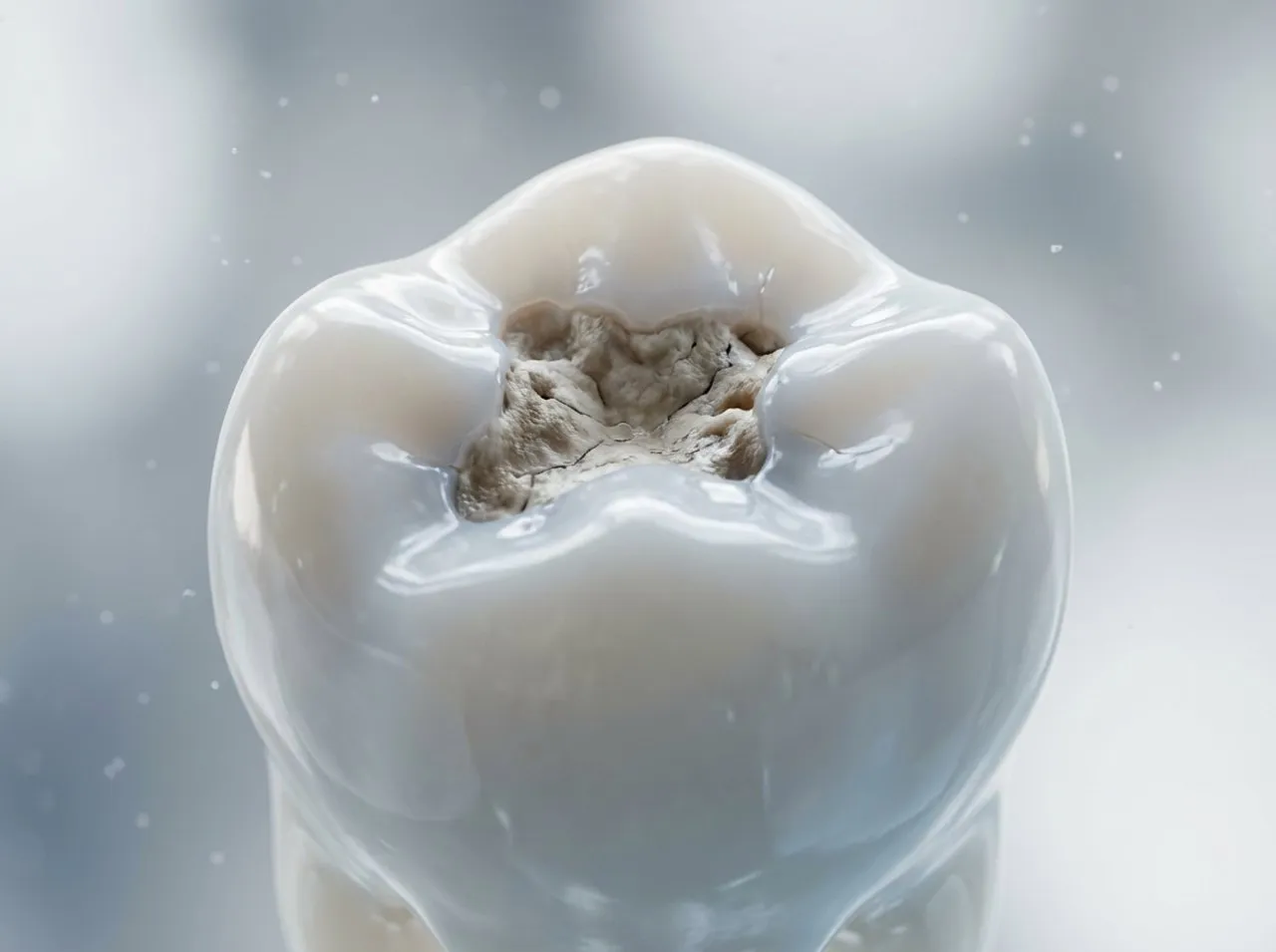
Caries is caused by bacteria in dental plaque. They convert sugar from food into acids. These acids attack the tooth enamel, gradually creating a cavity in the tooth. The defect becomes deeper and reaches the dentine and nerve. This causes severe pain and inflammation. Only targeted caries treatment can stop the process. Caries removal completely removes the diseased tissue, keeping the tooth stable so that it can be preserved.
Diagnosis: how does a dentist detect caries?
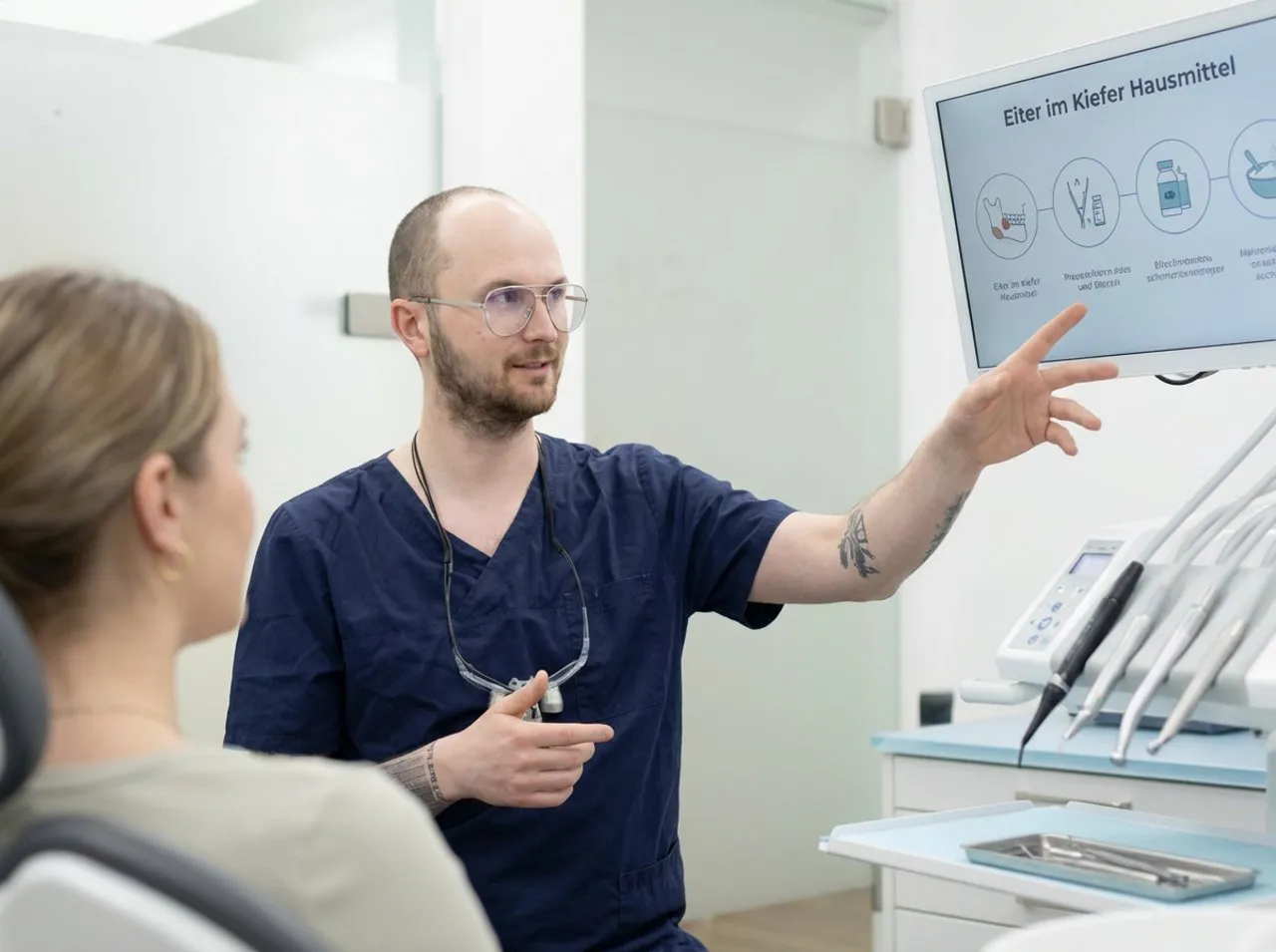
Every treatment begins with a thorough examination. The dentist examines the teeth and gums using a mirror and probe. Sensitive areas may become apparent at an early stage. We also use X-rays. These allow hidden carious lesions to be detected, for example between the teeth or beneath old fillings. The earlier tooth decay is detected, the more conservative the treatment. A small filling is often all that is needed. This helps avoid more extensive procedures.
Conventional caries removal with a drill
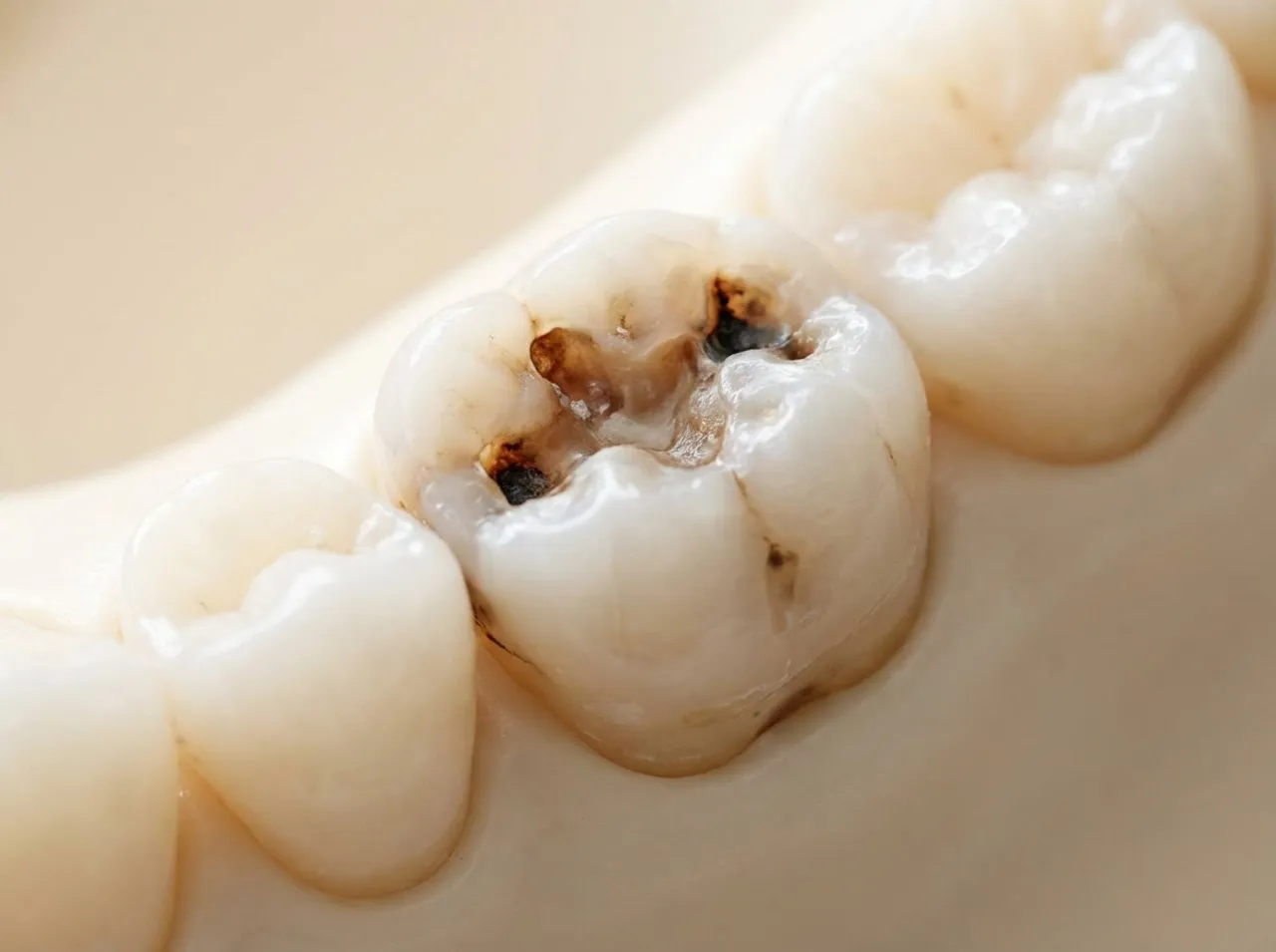
The most established method is caries removal with a drill. First, the tooth is thoroughly anaesthetised so that treatment is pain-free. The dentist then removes the diseased tooth tissue. Only soft areas affected by bacteria are removed, preserving as much healthy tooth substance as possible. The tooth is then restored with a dental filling. The filling material seals the defect permanently, restoring the tooth's shape and function.
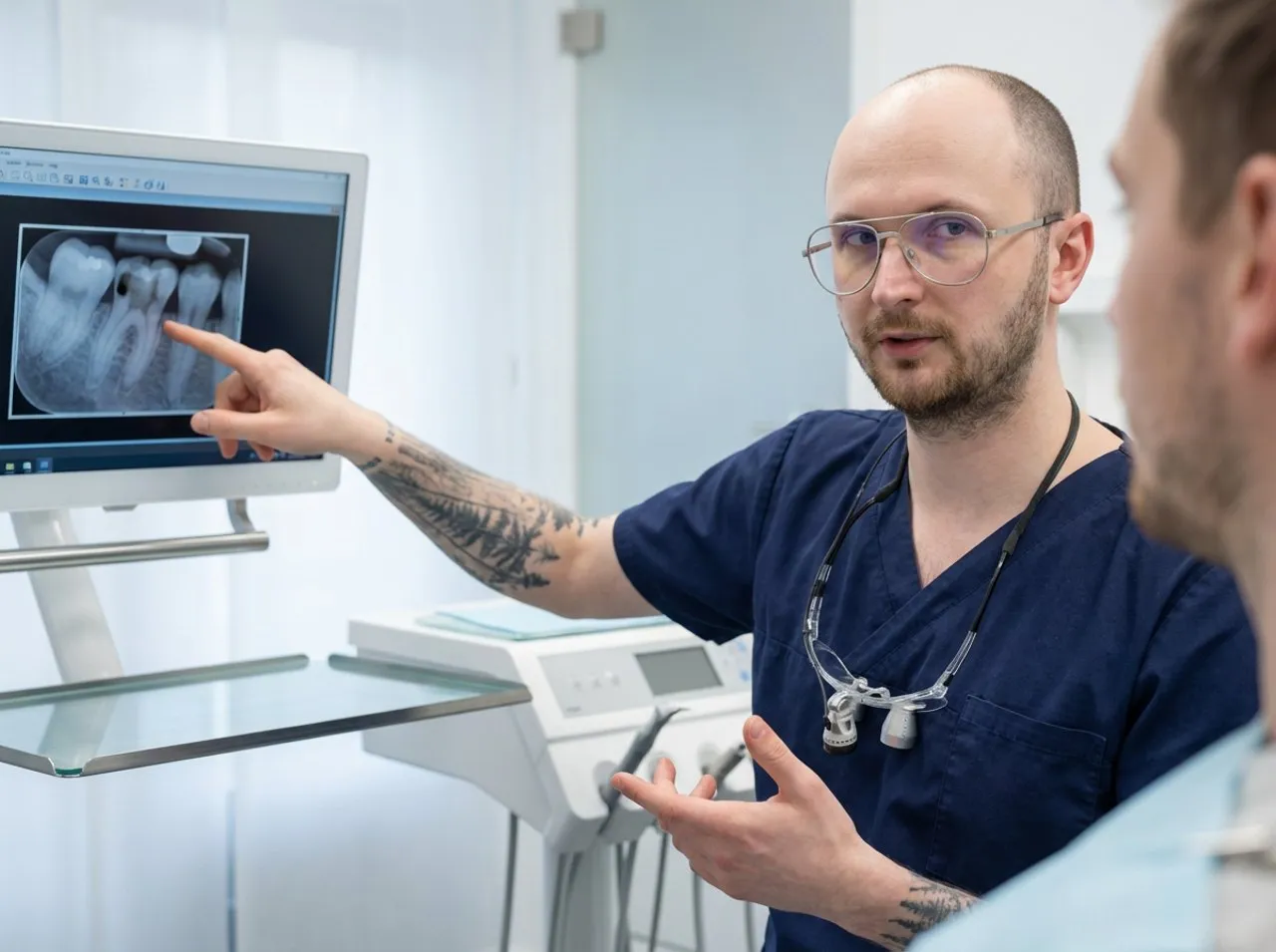
Removing caries with minimal pain
Many patients are afraid of pain. This is an understandable fear. Careful anaesthesia at the dentist makes the procedure more comfortable. We use modern local anaesthetics, which work quickly and reliably in the area being treated. This means you will mainly feel pressure. We offer additional options for anxious patients, such as medication to help you relax or sedation. Together, we will choose the method that best suits your situation.
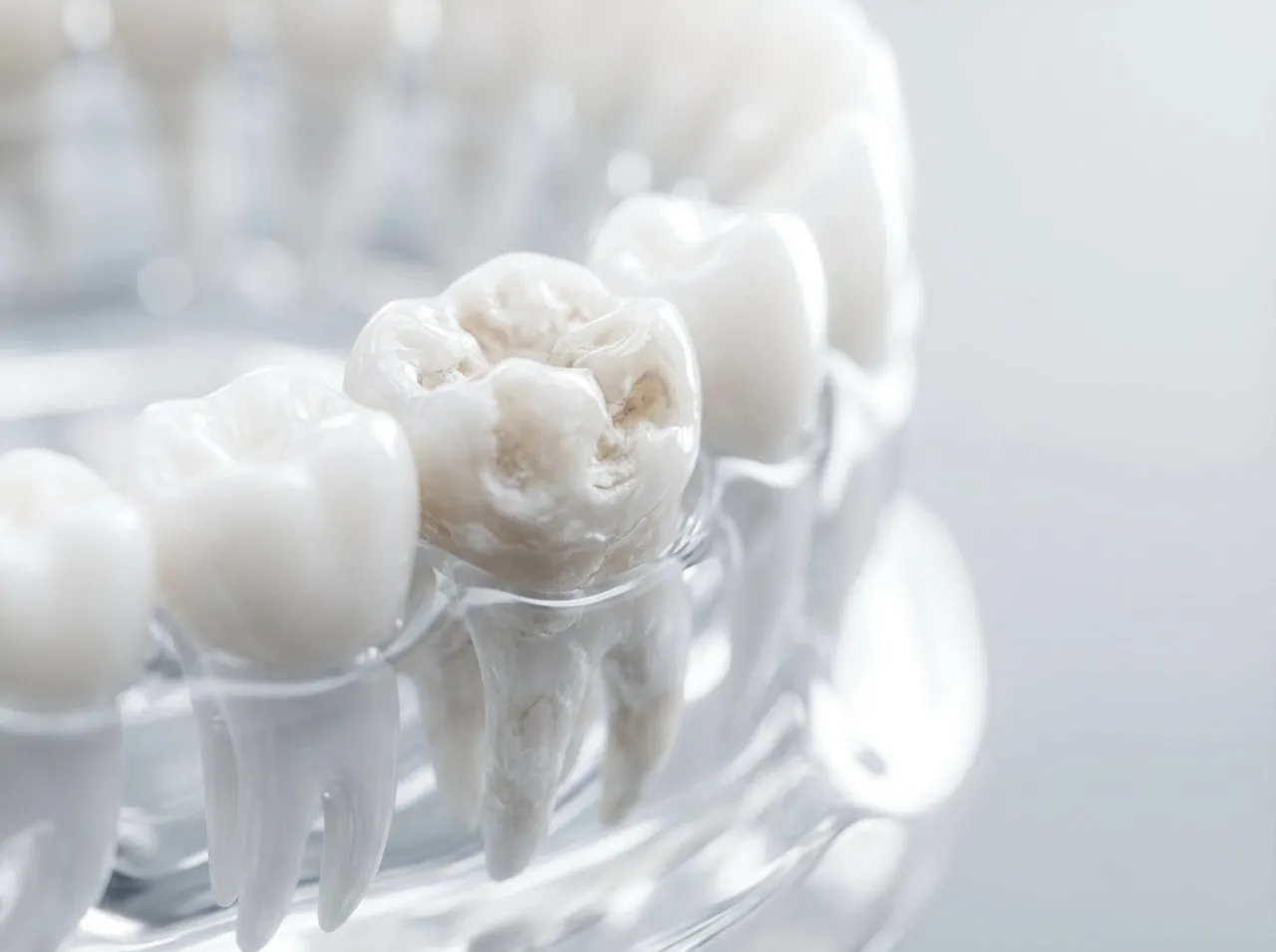
Gentle and minimally invasive caries removal
Modern technology enables procedures that preserve a great deal of tooth substance. We work precisely using fine instruments and magnifying loupes, preserving as much healthy tooth as possible. Infiltration techniques (the ICON method) can also help with early defects. A special resin is introduced into porous areas, stopping the caries before a fully developed cavity forms. The appropriate method depends on the clinical findings. We will advise you in detail about all the options, always focusing on preserving your tooth.
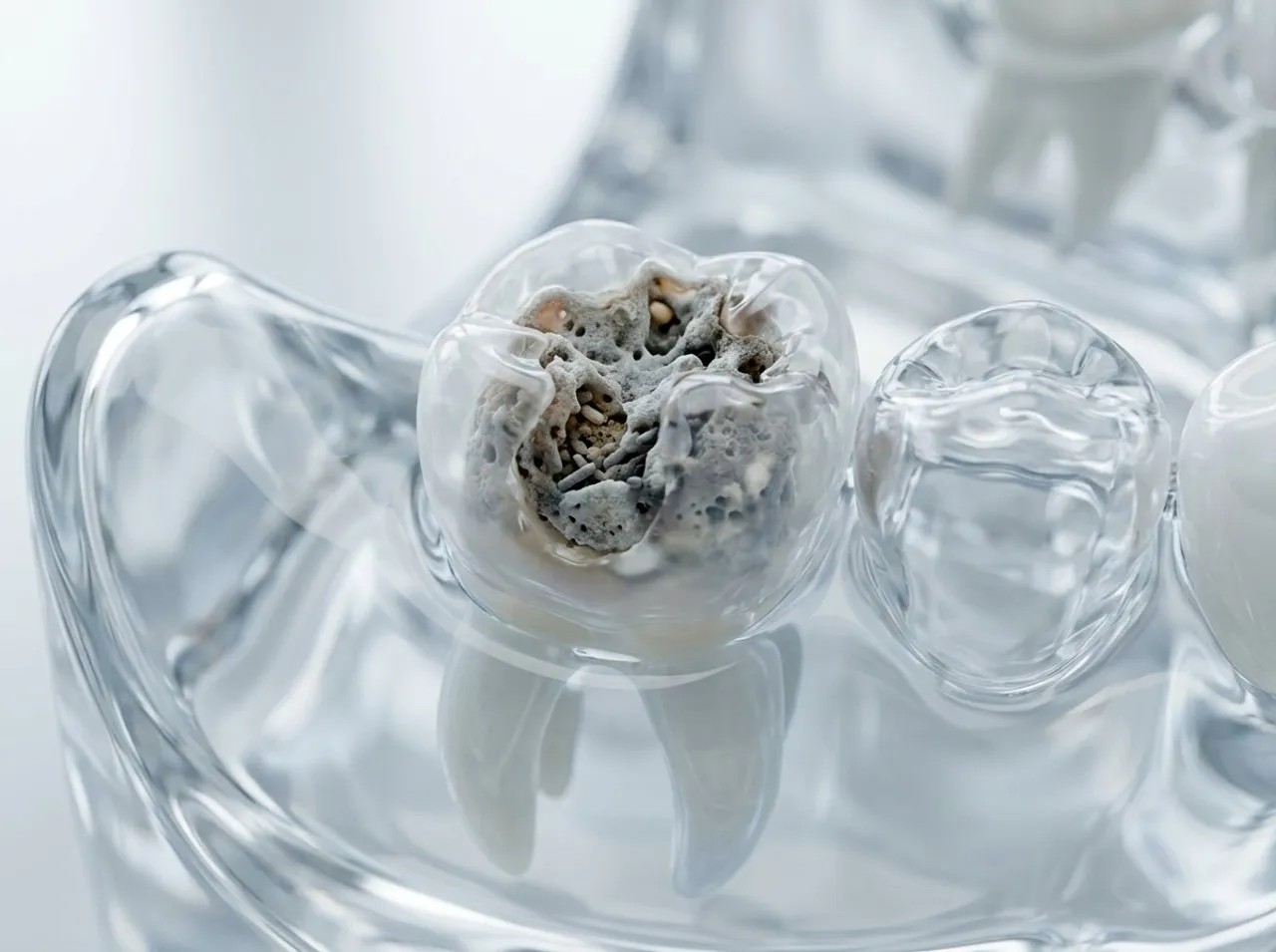
Step by step: caries treatment at Wunschlachen
We begin with a detailed consultation to discuss your symptoms and wishes, followed by thorough diagnostics. In the second step, we plan the caries removal. You will learn exactly what the procedure involves, and the costs will also be explained transparently. We provide a calm atmosphere during treatment, and you can signal to us at any time. We value a gentle approach and clear communication.
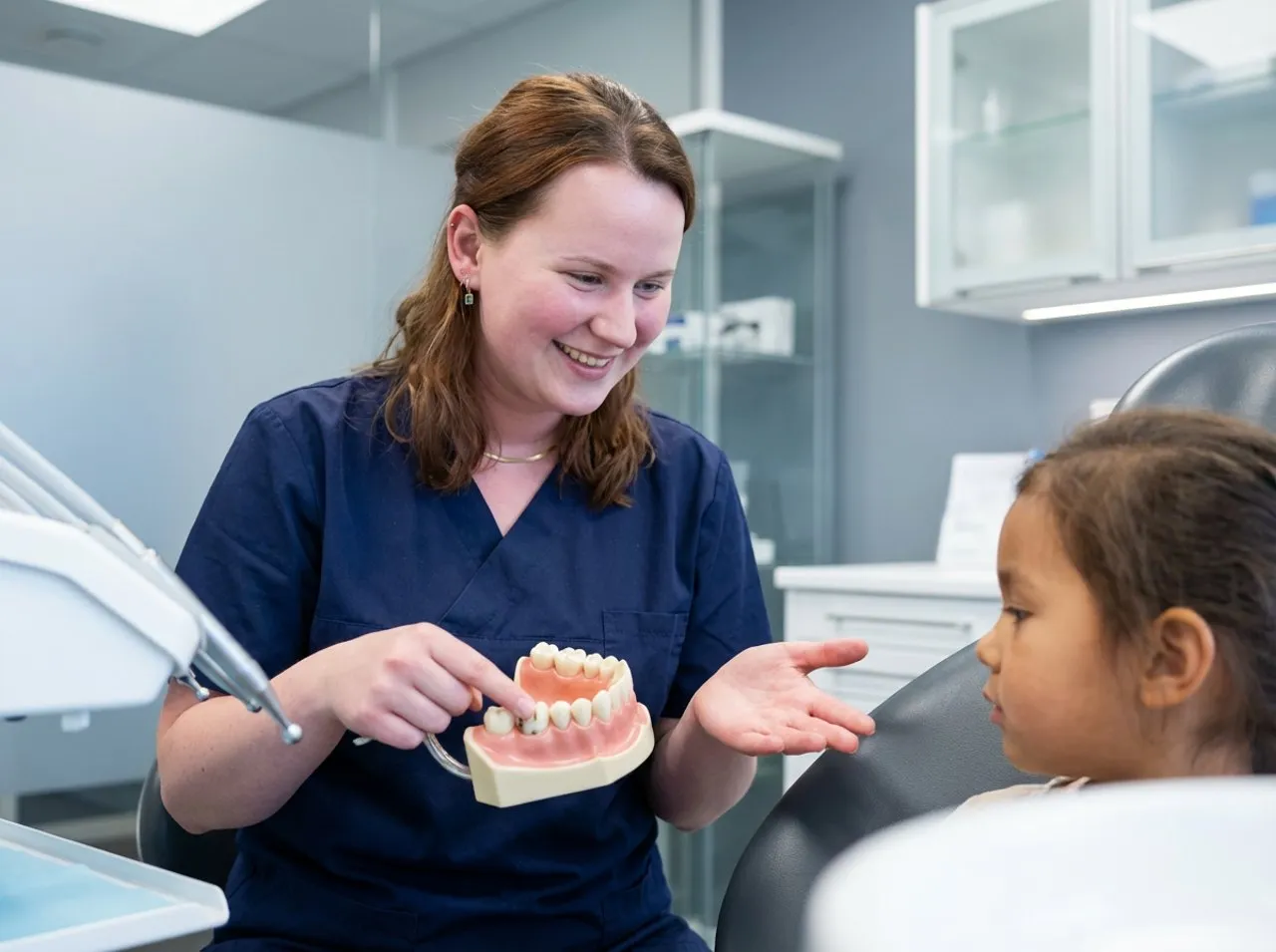
Caries removal for children and anxious patients
Children are often very afraid of the dentist. Yet early treatment of tooth decay is especially important. This is the only way to keep baby teeth and permanent teeth healthy. We take plenty of time with young patients. Procedures are explained in a child-friendly way. Gentle anaesthesia and short treatment steps are our priorities. Adults with dental anxiety are also welcome at our practice. Through calm explanations and gentle removal of tooth decay, we build trust. Additional sedation methods are available if needed.
Costs of caries removal
The costs depend on the extent of the defect, and the filling material used also plays a part. Personal contributions for smaller fillings are often moderate. Statutory health insurance funds cover basic treatment, with a surcharge for higher-quality materials. Private insurance often reimburses a larger proportion. At the Wunschlachen dental practice in Berlin, you will receive a cost plan so that you know exactly what expenses to expect in advance. We can also look into payment by instalments if you wish.
Preventing caries after treatment
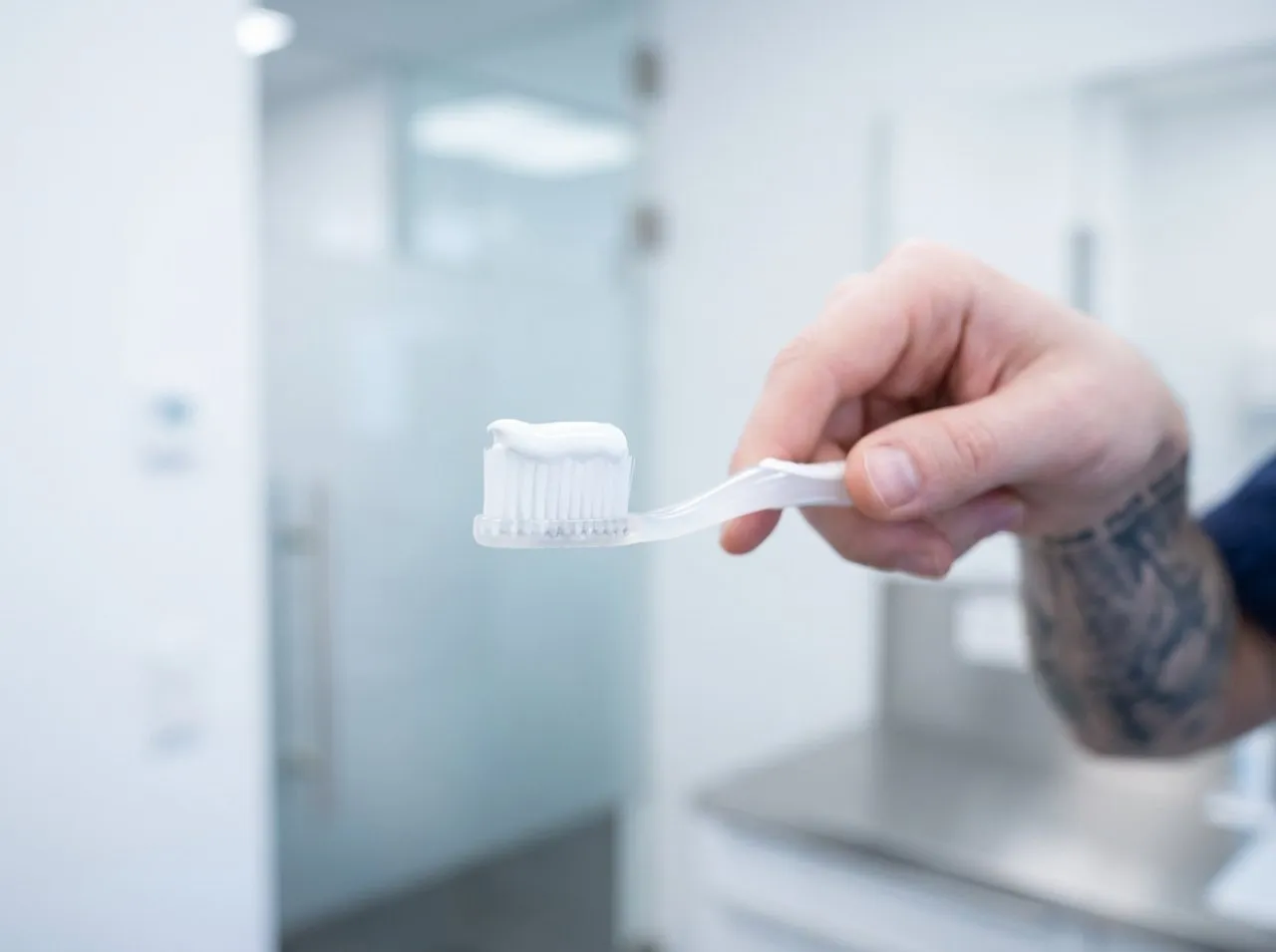
Prevention is particularly important after caries removal. Regular preventive dental care reduces the risk of new defects. Professional dental cleaning removes stubborn plaque, while thorough brushing and dental floss help at home. Targeted fluoridation also strengthens tooth enamel, and a low-sugar diet further supports this effect. Regular check-ups at our practice complete the approach, keeping the treatment result stable for a long time and preserving your healthy smile.
FAQ – frequently asked questions about caries removal
Careful anaesthesia at the dentist minimises pain, and you will usually feel only slight pressure.
Small cavities can often be treated in 20 to 30 minutes. Larger defects take longer. We will discuss the exact duration with you in advance.
Not always. Very early defects can be treated using minimally invasive techniques. Drilling is usually necessary when a tooth has a fully developed cavity.
Tooth-coloured composite is often used. Other materials may also be used in the back teeth. We will explain all your options.
Sensitive or discoloured areas are typical signs, with pain when chewing developing later. Only an examination at the practice can provide a definite diagnosis.
The defect becomes larger and deeper, eventually risking inflammation of the dental nerve. Root canal treatment or removal of the tooth may then be necessary.
Six-monthly check-ups are usually advisable. Shorter intervals may be necessary if you are particularly prone to caries. We will recommend an interval tailored to you.
Yes, and in many cases it is even advisable. Anaesthetics can be carefully adjusted, and important treatments should not be postponed unnecessarily.
The costs depend on the size of the defect and the material used. Statutory health insurance covers basic treatment. We will inform you in advance of any co-payments.
Early caries removal is gentler and less expensive, preserving more tooth substance and helping to avoid more extensive procedures in the long term.