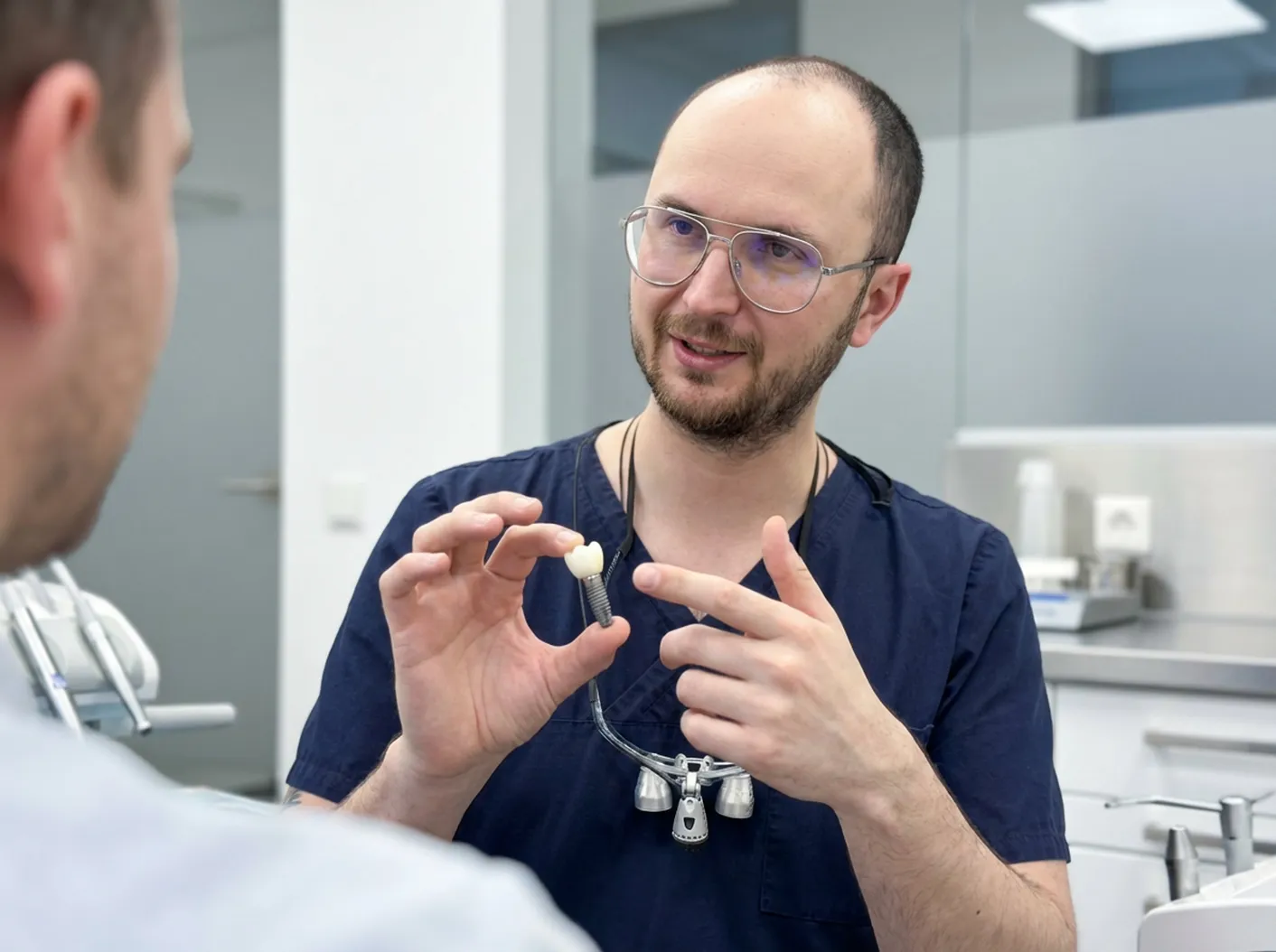
Ceramic dental restorations: aesthetic, metal-free, durable
Ceramic dental restorations look very natural. They match the tooth colour precisely. Many patients want this discreet type of restoration.
Über 350 Google-Bewertungen
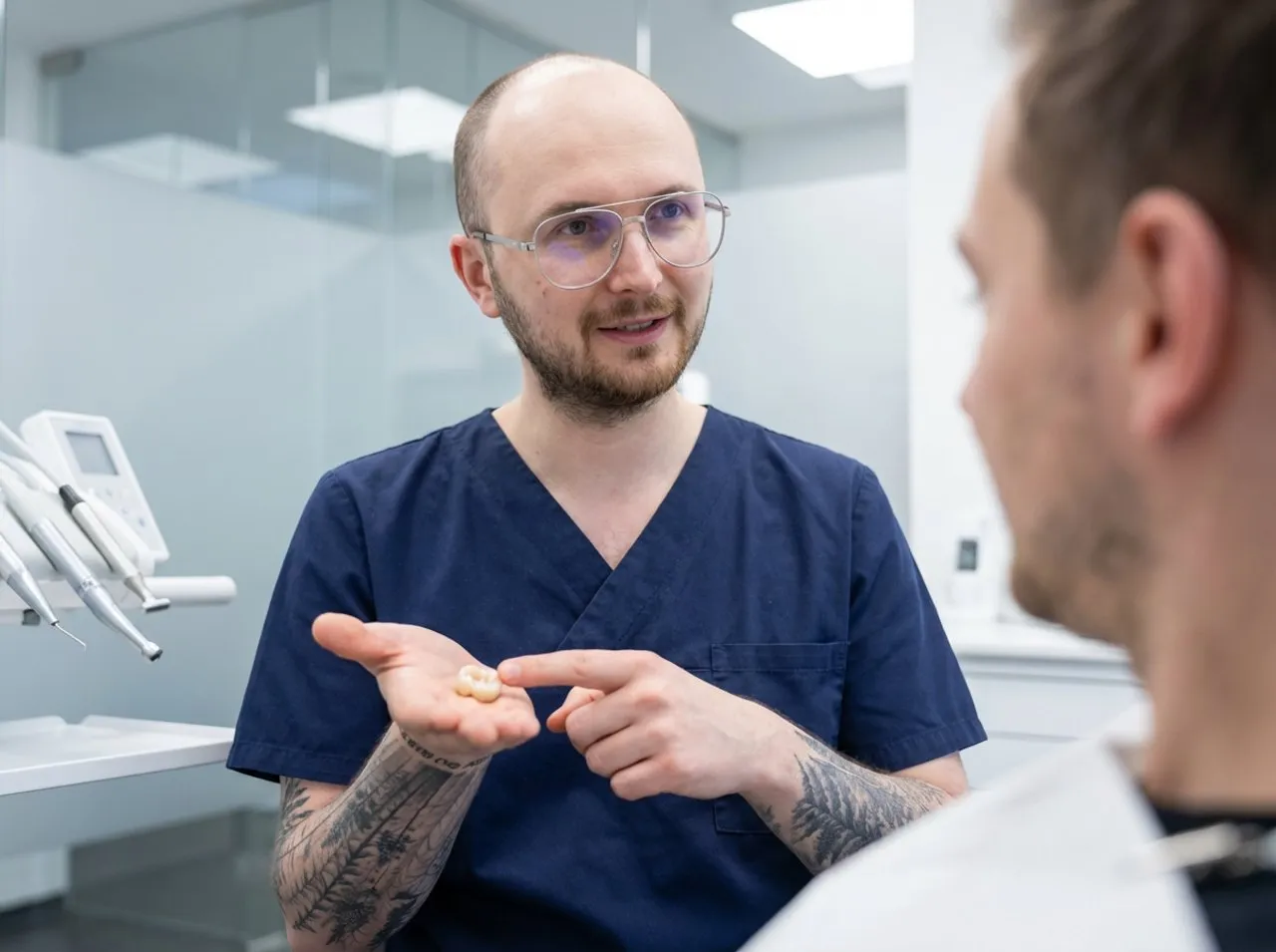
What does ceramic dental restoration mean in dentistry?
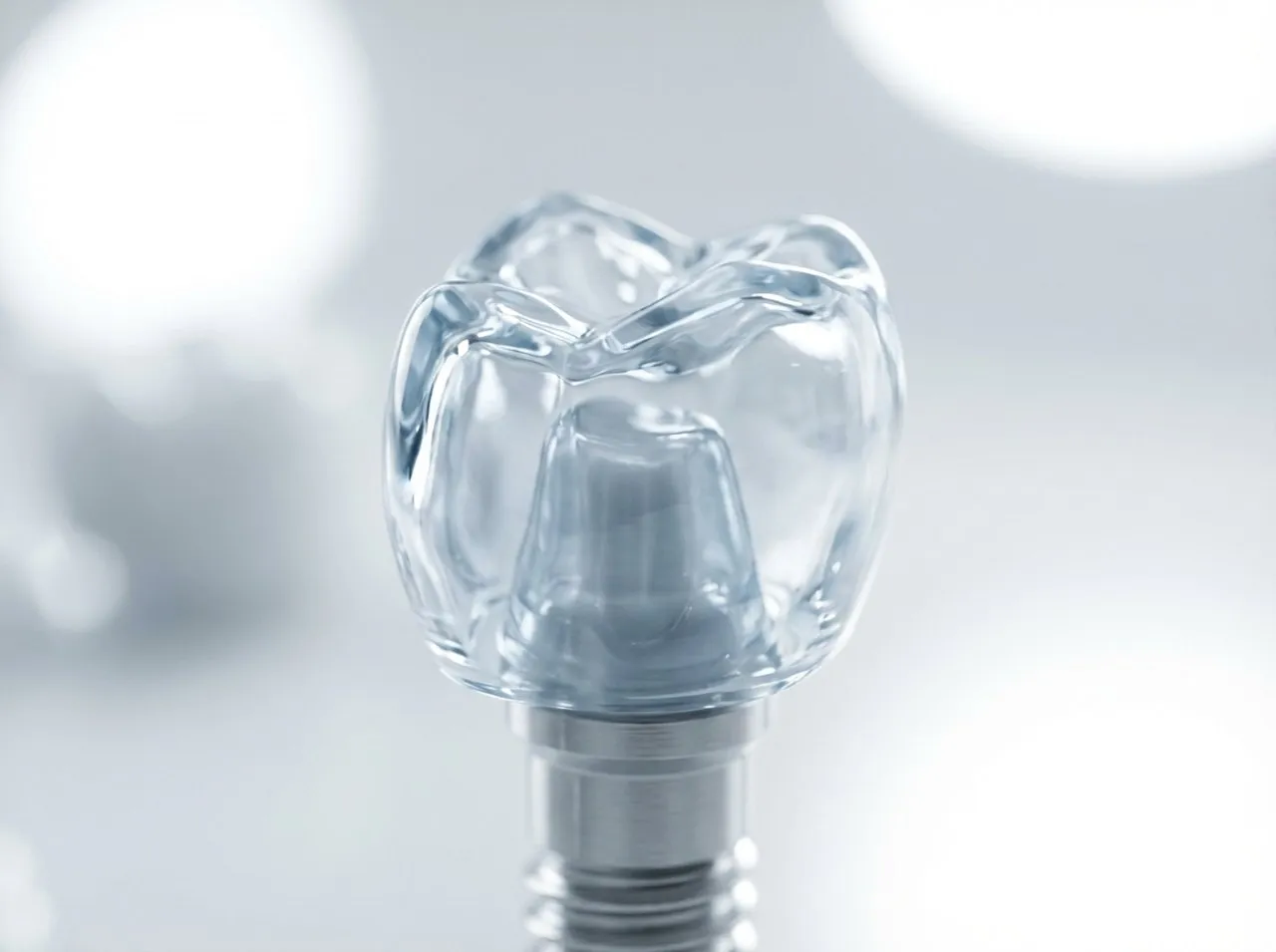
This refers to dental restorations made from tooth-coloured materials. These include all-ceramic, zirconium dioxide and lithium disilicate. In everyday language, they are often simply called dental ceramics. These materials replace lost tooth structure. They are used as inlays, onlays, crowns or bridges. Implant crowns can also be made from them.
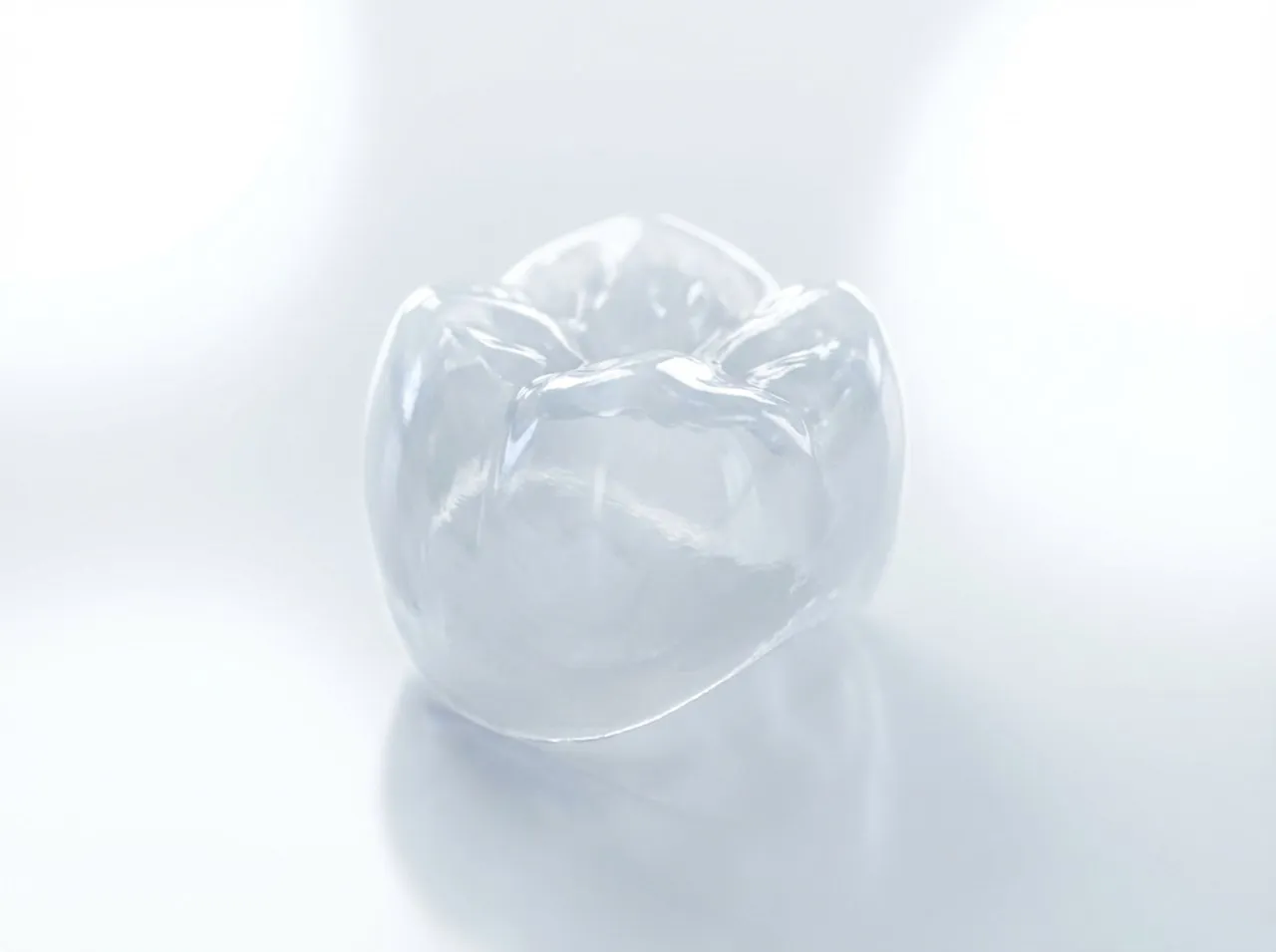
Which materials are classed as dental ceramics?
All-ceramic contains no metal. This reduces dark margins at the gumline. In the front teeth, the result often looks very harmonious. Zirconium dioxide is a high-performance ceramic. It is very strong and resilient. This is why it is often suitable for back teeth. Lithium disilicate is particularly translucent. It imitates tooth enamel very well. It is therefore popular in visible areas. Many restorations are produced using CAD/CAM. They are milled or pressed from a block. This often achieves a very precise fit.
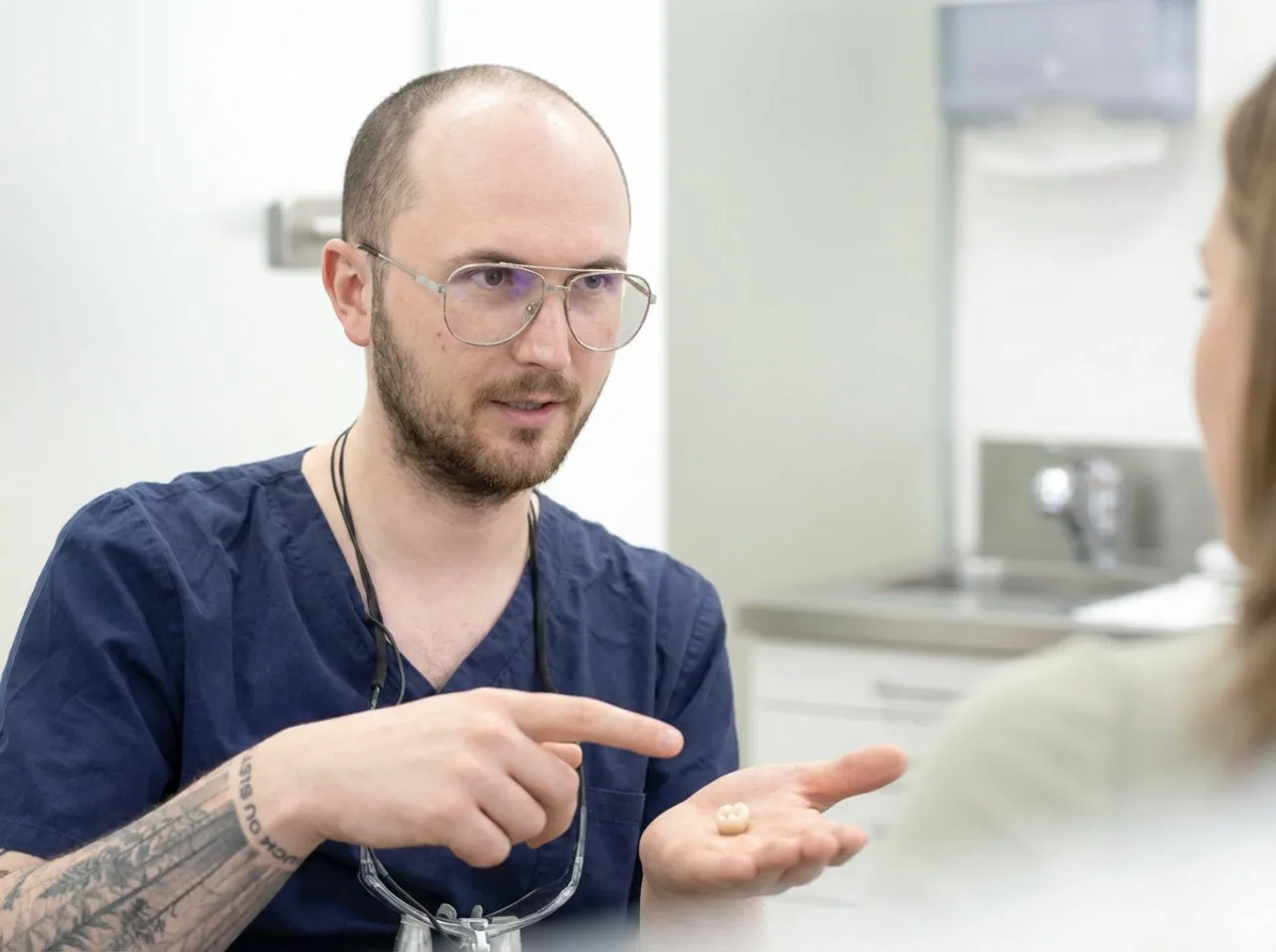
Advantages of tooth-coloured dental restorations
Metal-free restorations are usually very well tolerated. The material is considered biocompatible. Allergic reactions are rare. The surface is very smooth. Plaque often adheres less strongly. This can make cleaning easier. Tooth-coloured materials are usually colour-stable. Coffee and tea often cause little or no discolouration. This is an important point for many patients. Many people find the way these materials conduct temperature more pleasant. Metal conducts cold more quickly. This can be relevant for sensitive teeth.
All-ceramic or metal-ceramic: what is the difference?
Metal-ceramic has a metal framework. A ceramic facing is applied over it. This solution has a long clinical track record. All-ceramic is completely metal-free. It allows light to pass through in a similar way to tooth enamel. This often improves its natural appearance. Zirconia can be made as a monolithic restoration. The crown is then made from a single piece. This can reduce the risk of chipping.
Minimally invasive options: inlays, onlays and veneers
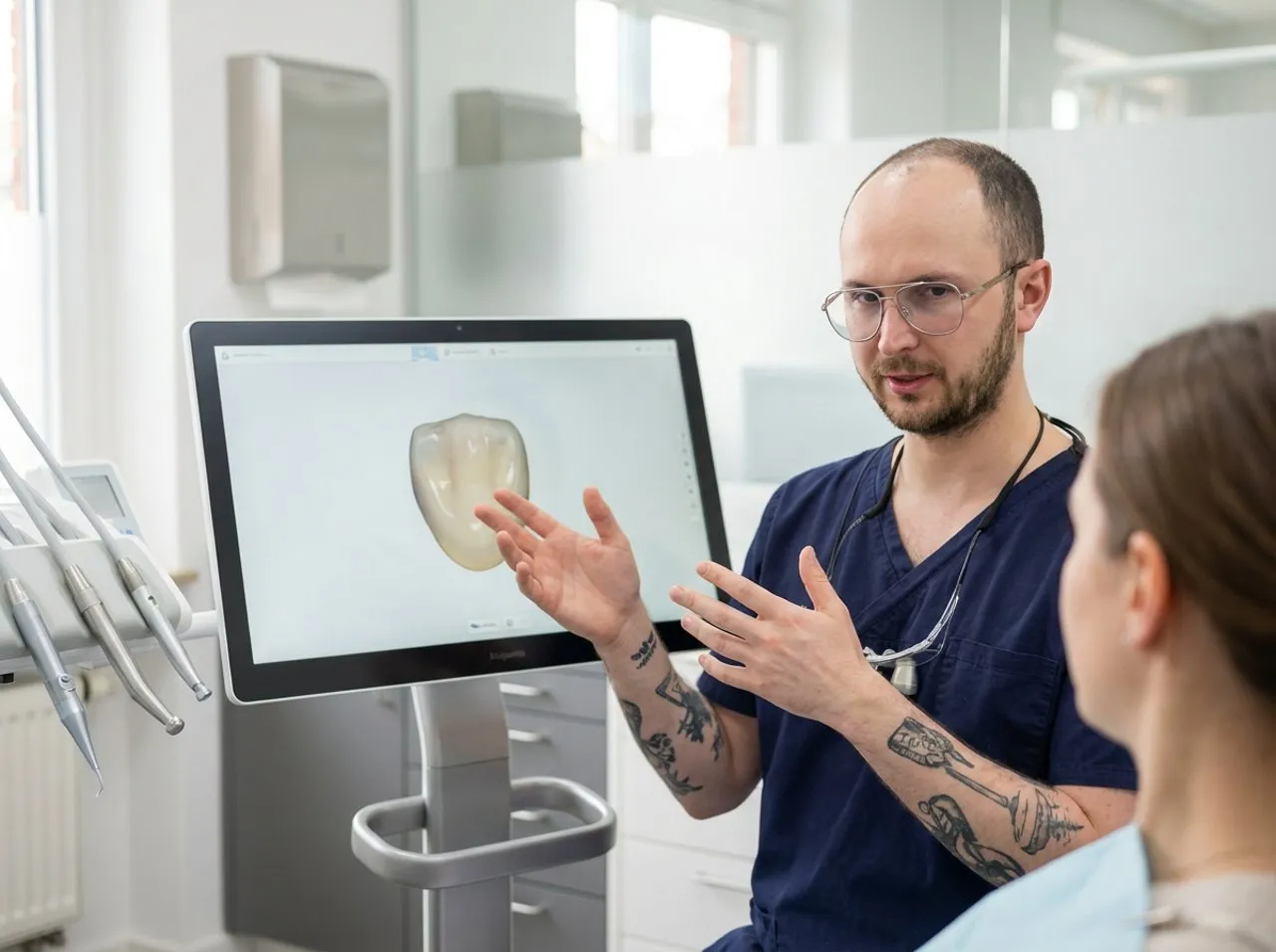
A ceramic inlay replaces only the defective area. This preserves more healthy tooth substance. It is suitable for moderate damage. Onlays also cover the cusps. They stabilise the tooth in cases of extensive defects. They are often an alternative to a full crown. Veneers are thin facing shells. They improve shape and colour in the front teeth. Careful diagnosis therefore remains essential.
Who is this type of restoration suitable for?
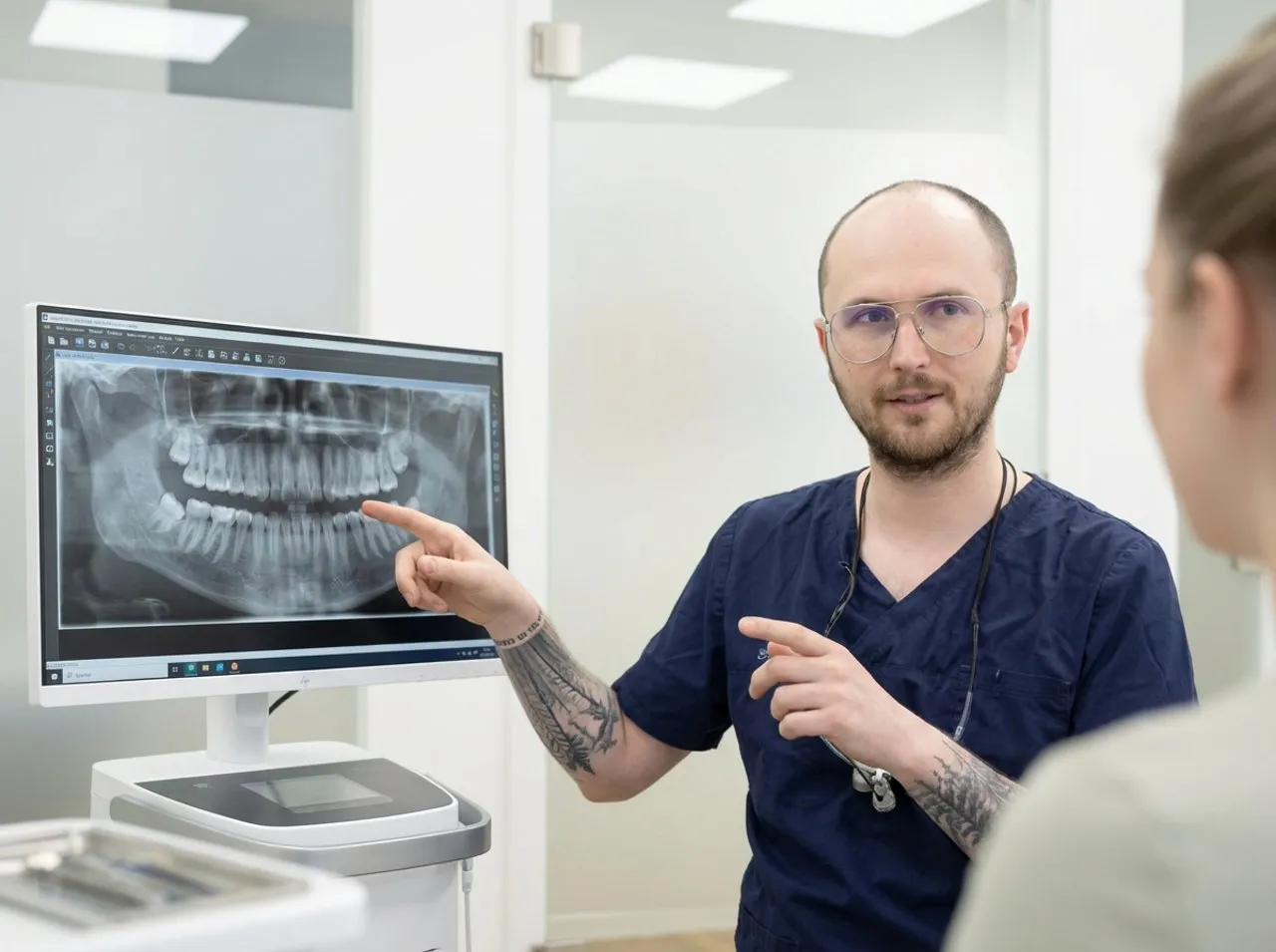
Suitability depends on the clinical findings. The bite, remaining tooth structure and periodontium are important. Oral hygiene also plays a major role. Aesthetics are particularly important for front teeth. Metal-free restorations are often the first choice here. The shade is matched individually. For back teeth, stability is the main priority. Zirconium dioxide is often suitable for this. The occlusion must be adjusted precisely. Many patients want ceramic dental restorations. We then check the available space, contact points and opposing teeth. Old fillings are also assessed. Tooth-coloured crowns are possible on implants. A ceramic abutment may also be beneficial. This often improves the soft tissue profile.
Limitations and risks: what is realistic?
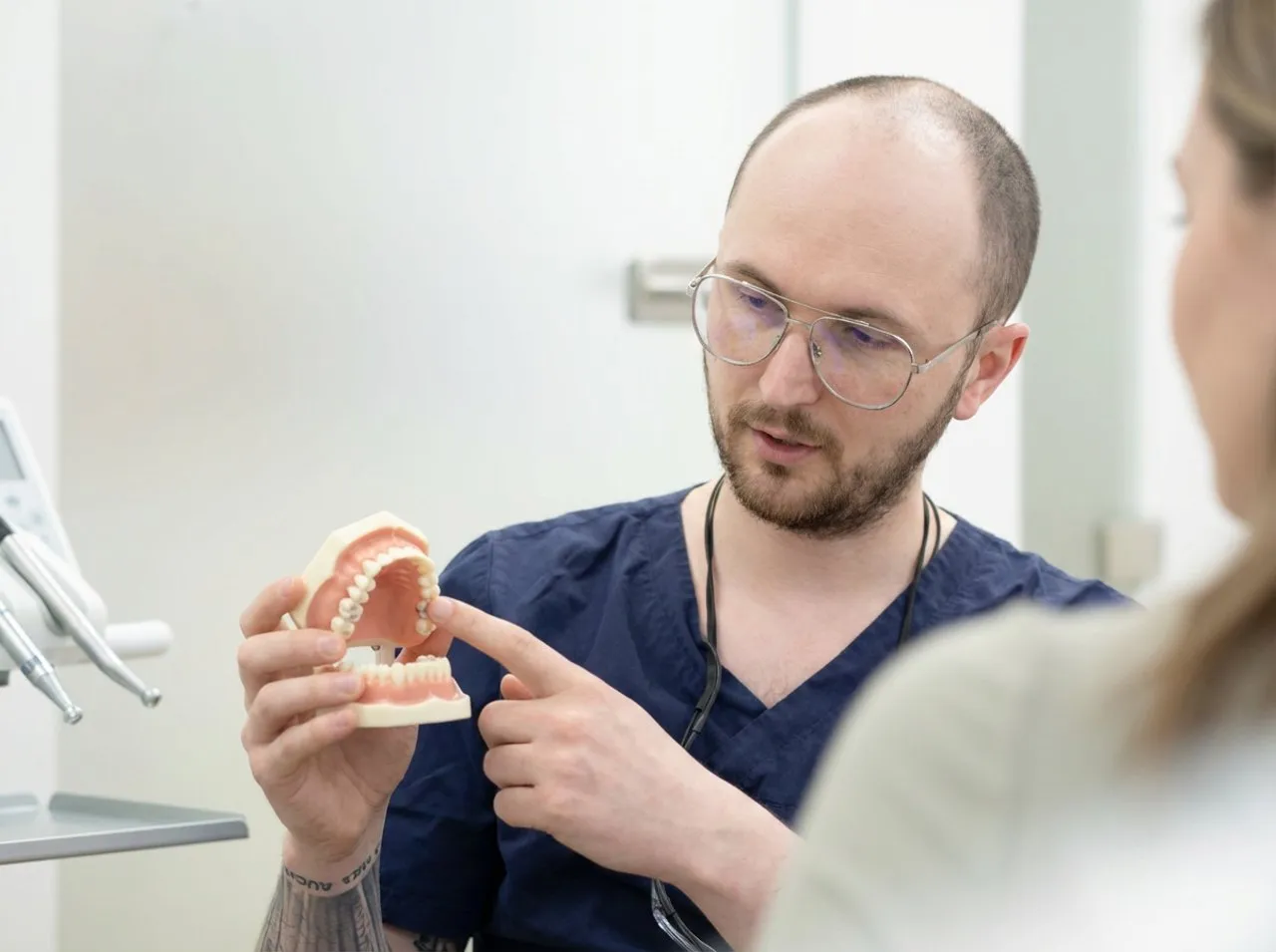
Ceramic materials are hard but brittle. Excessive loading can cause fractures. Bruxism significantly increases this risk. Opposing teeth may also be subjected to greater stress. Correct contact points are therefore important. Fine adjustment protects both sides. The preparation must be carried out very precisely. Walls that are too thin are unfavourable. This applies particularly to inlays and veneers.
The treatment process at Wunschlachen
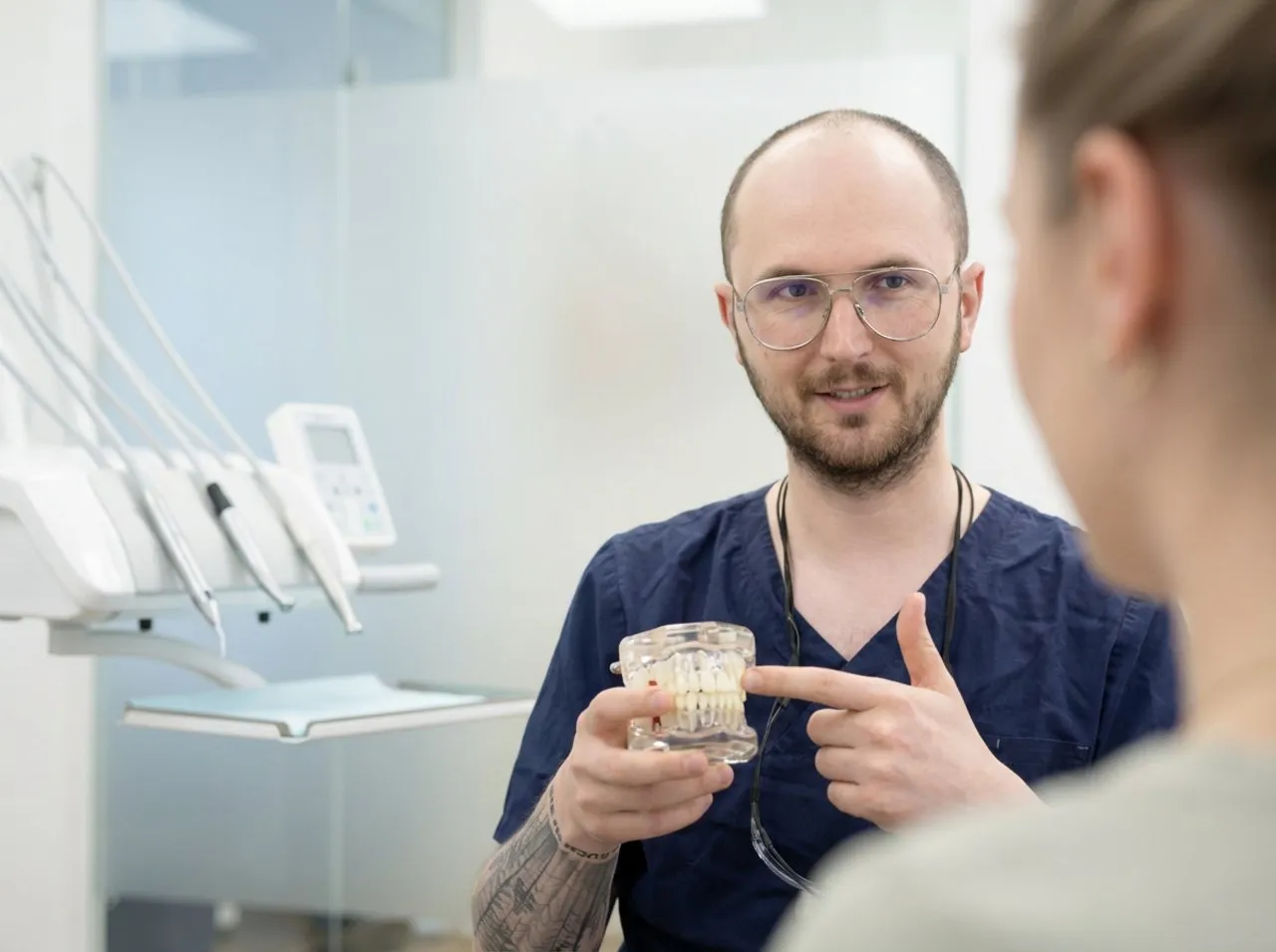
First, we assess your clinical findings. We examine your teeth, gums and bite. If necessary, we use digital 3D diagnostics. Treatment planning follows. You receive a clear recommendation on materials. Alternatives are explained transparently. For a crown, the tooth is prepared. A scan or impression is then taken. A temporary restoration protects the tooth until the final restoration is fitted. The laboratory makes the restoration to fit precisely. We check the margins, contact points and occlusion. It is then secured in place, often using adhesive bonding.

The first few days after fitting
Mild sensitivity is possible. Your bite may also feel different when chewing. This often returns to normal quickly. If your bite feels too high, please contact us. A small adjustment is usually sufficient. This helps us avoid excessive loading and discomfort.
Care, preventive care and durability
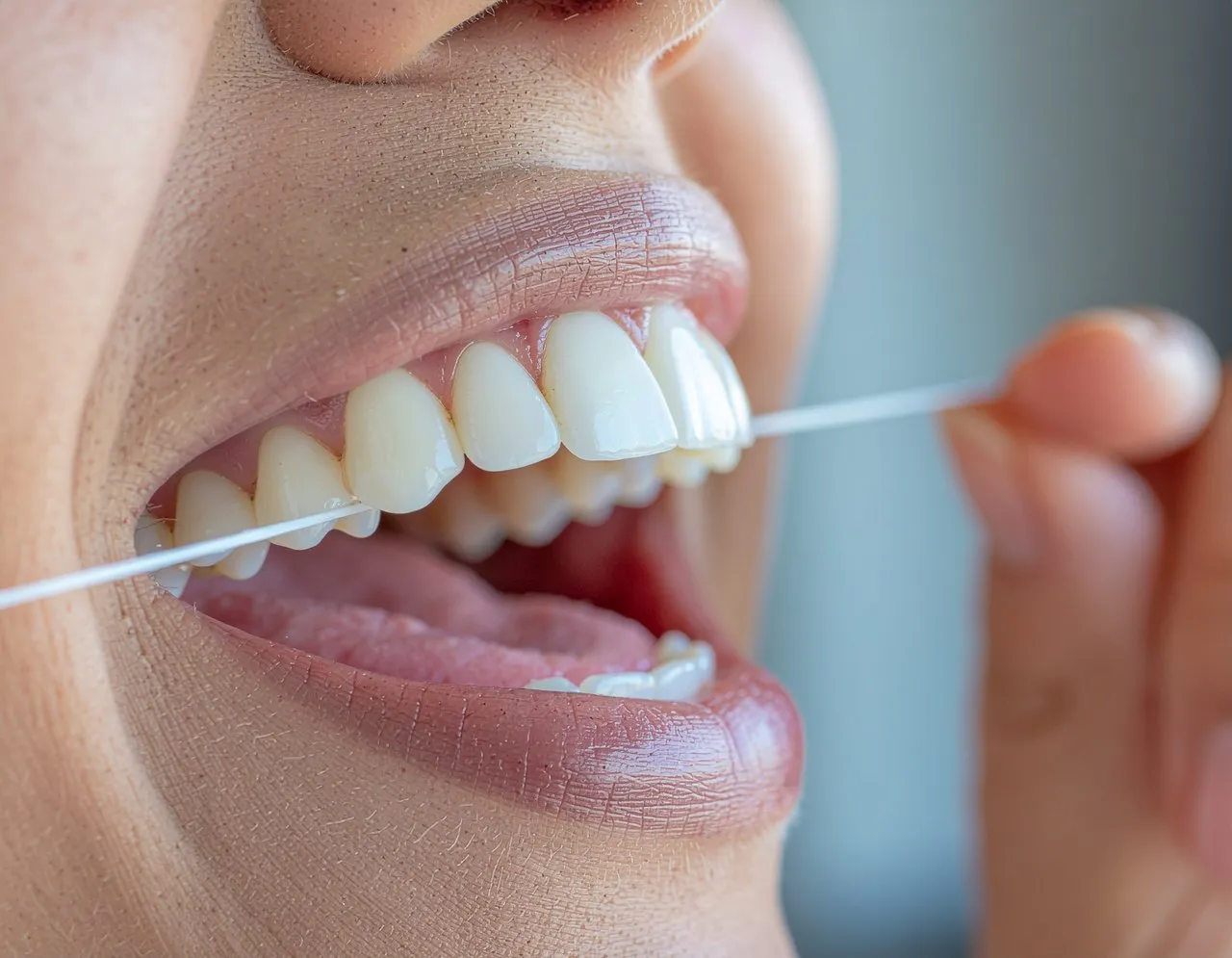
Tooth-coloured dental restorations require consistent care. Brush twice a day with fluoride. Use interdental brushes as part of your cleaning routine. Regular preventive care remains essential. Professional dental cleaning removes stubborn deposits. Check-ups support a good long-term prognosis. Durability depends on many factors. Fit, loading and care are key. A grinding splint may also be beneficial.
Costs, subsidies and financing
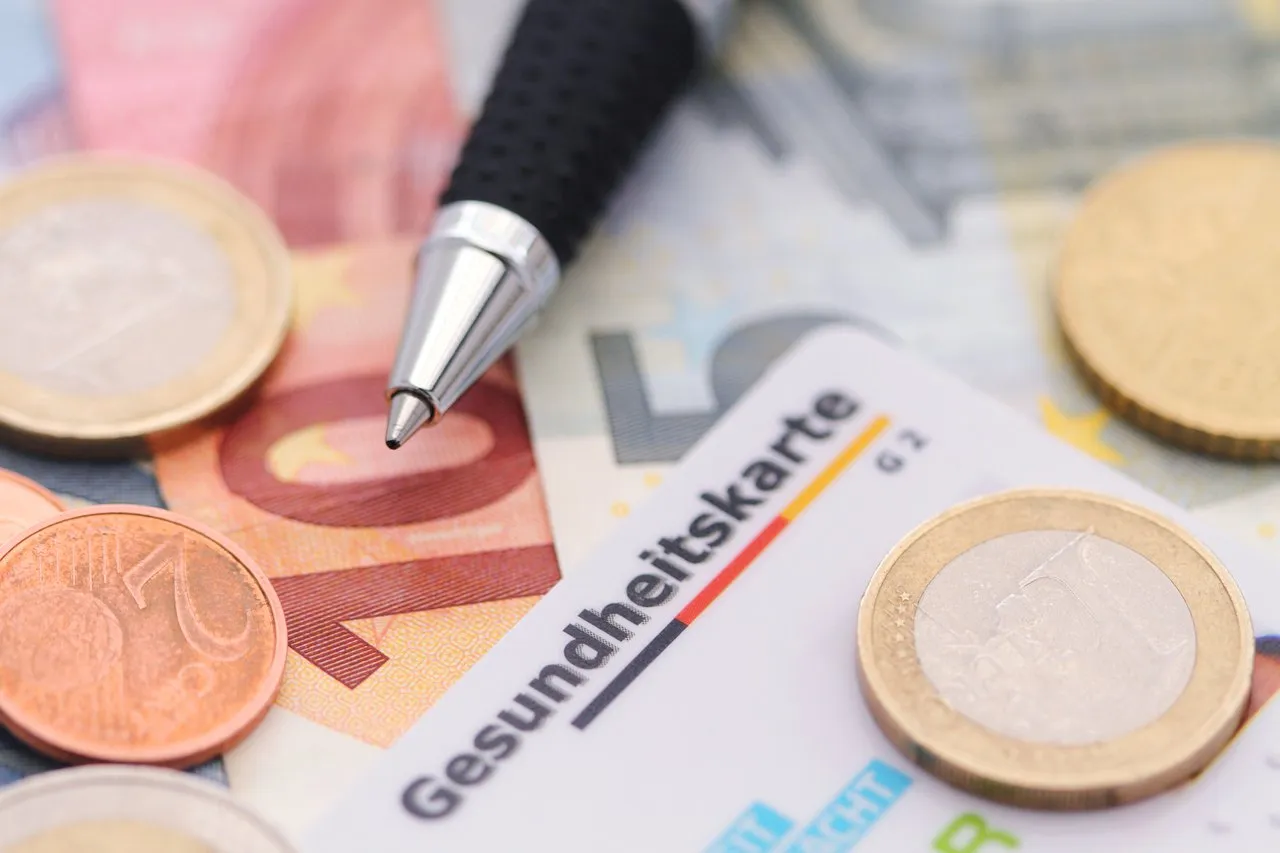
The costs depend on the clinical findings. Materials, laboratory work and the amount of work involved affect the price. The position of the tooth also plays a role. Statutory health insurance funds pay a fixed subsidy. A bonus booklet (Bonusheft) can increase this subsidy. We prepare a treatment and cost plan (Heil- und Kostenplan) for this purpose. Tooth-coloured solutions often involve additional services beyond standard statutory cover. Paying in instalments can make financial planning easier. Please feel free to ask us about this.
Conclusion: metal-free, precise, natural-looking
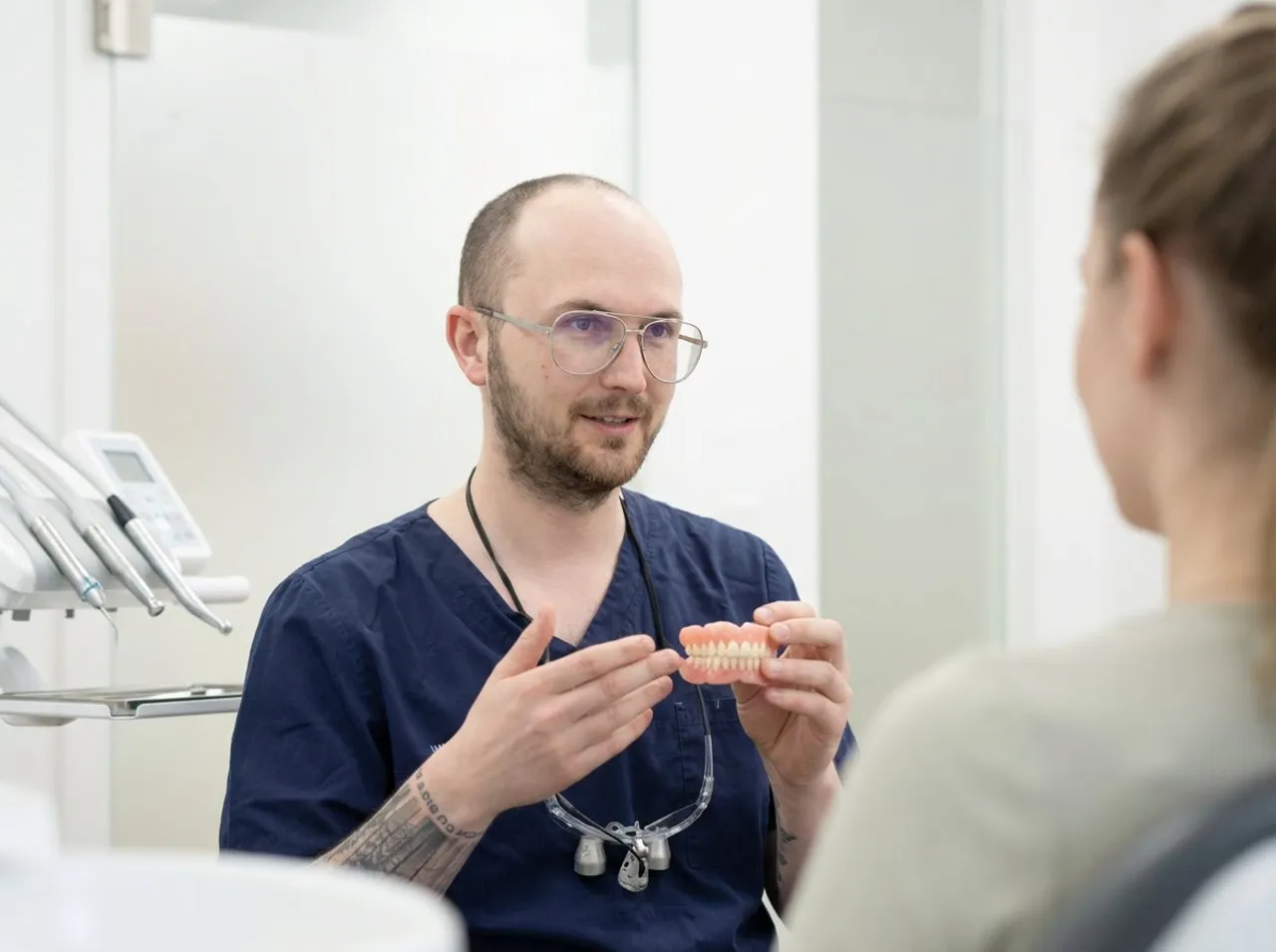
Ceramic dental restorations combine aesthetics and function. Metal-free materials look very natural. Precise planning is essential for this. At Wunschlachen, we provide personalised advice. We select the material and technique according to your clinical findings. This creates a stable and attractive restoration.
FAQ – Frequently asked questions about ceramic dental restorations
They are tooth-coloured dental restorations without metal. Typical examples include inlays, crowns and bridges.
The restoration is made entirely of ceramic. It contains no metal.
Often yes, because of its high strength. The occlusion and size of the defect are decisive factors.
This is rare. Their biocompatibility is considered to be very good.
Often using adhesive bonding. Sometimes it is conventionally cemented.
The restoration is planned digitally. It is then milled or pressed.
Often yes, with protective measures. A grinding splint is then advisable.
Usually very little. The surface often remains colour-stable.
Many last for many years. Care and check-ups are essential.
This depends on the clinical findings. A treatment and cost plan (Heil- und Kostenplan) provides clarity.