Cleft lip – causes, treatment and modern therapeutic approaches
A cleft lip, known medically as a cleft lip, jaw and palate (CLP), is one of the most common congenital facial malformations. Many people are familiar with the term, but few know what it actually means. In this article, you can learn about CLP, its causes and how treatment is carried out.
Über 350 Google-Bewertungen
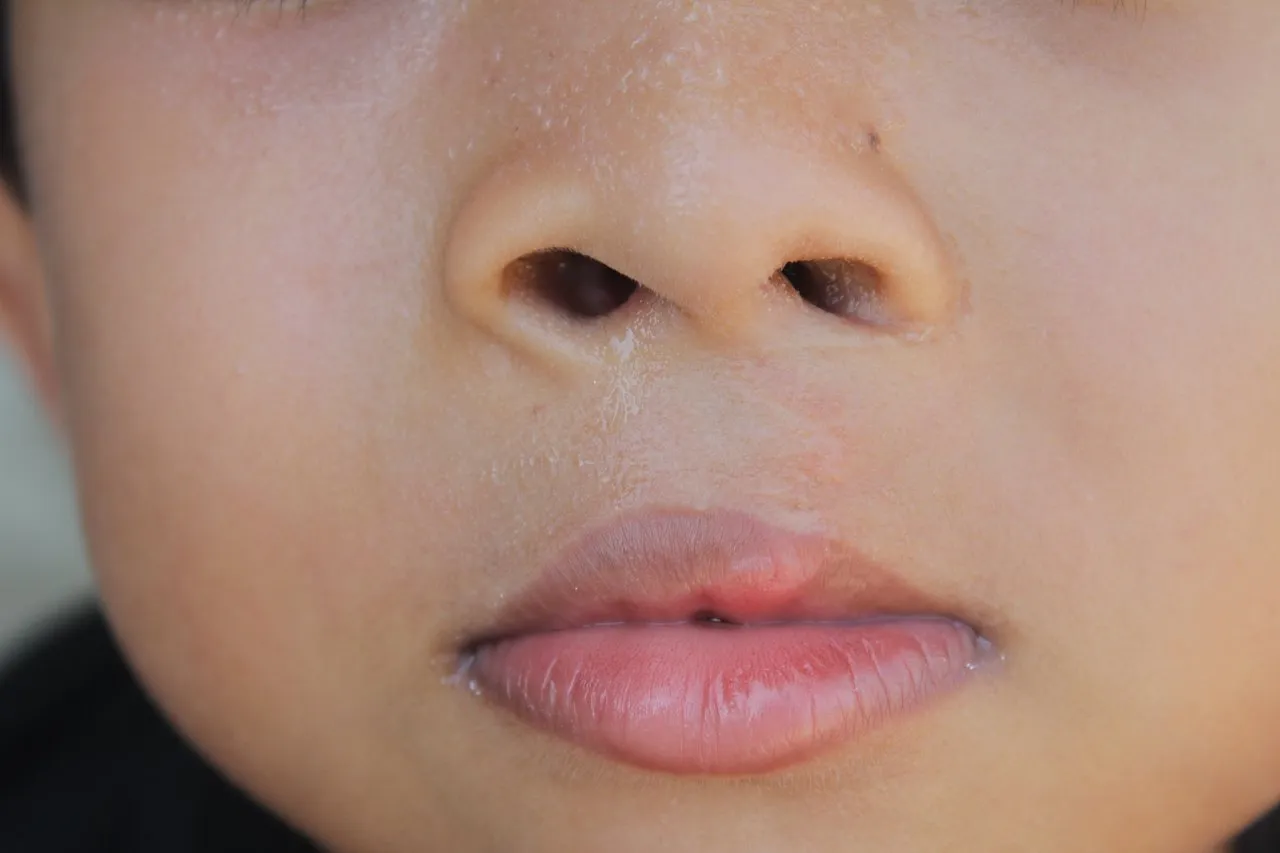
What is a cleft lip?
A cleft lip is a split in the upper lip. The jaw is often affected too, and in some cases the palate is also involved. The medical term is cleft lip, jaw and palate.
A distinction is made between different forms: isolated cleft lips, cleft lip and jaw, or complete cleft lip, jaw and palate. Severity varies from slight, barely visible changes to complex malformations requiring multi-stage treatment.
A cleft lip can occur on one or both sides and, in severe cases, can significantly affect the function of the mouth. An accurate diagnosis immediately after birth is therefore important in order to draw up an individual treatment plan. In many cases, a cleft is detected during pregnancy through prenatal diagnosis. This allows parents to receive counselling at an early stage.

Medical term for cleft lip – why is it referred to as CLP?
The term ‘harelip’ is colloquial and is now rarely used in medicine. Instead, it is referred to as a cleft lip, jaw and palate (CLP). This term clarifies which structures are affected. The exact form and severity are crucial for treatment, as each case must be assessed individually.

Cause of a cleft lip – how does the malformation develop?
The cause of a cleft lip lies in a disruption to embryonic development. During pregnancy, the components of the upper lip, jaw and palate normally fuse completely. If a developmental disorder occurs during this phase, a cleft forms. The causes of a cleft lip are varied.
A combination of genetic and external factors is often involved. Risk factors include smoking, alcohol, certain medications or nutrient deficiencies during pregnancy. Increased stress levels may also play a role. The cause of a cleft lip, jaw and palate is therefore multifactorial, and it is not possible to prevent it completely.

Symptoms and effects of a cleft lip
An untreated CLP not only causes a visible change to the face, but also functional impairments. Problems with sucking, eating, swallowing and speaking are common. Hearing problems can also occur because the palatal muscles are also important for ventilation of the middle ear.
Misaligned teeth are another common consequence, which is why treatment involves not only surgery but also orthodontics. Without treatment, psychological distress can also occur, as those affected often suffer from their altered appearance.

Treatment – surgery for a cleft lip
Modern medicine offers excellent options for treating CLP. In most cases, correction takes place in several stages. The first operation usually takes place at three to six months of age to close the lip.
An operation on the palate follows later, often at 9 to 18 months of age. Further procedures may be necessary during adolescence to optimise tooth position, speech and jaw growth. People who have had surgery for a cleft lip often also require speech and language therapy and long-term orthodontic treatment.
In addition to surgical procedures, prostheses and special palatal plates also play an important role in the first months of life. They make drinking easier and help shape the palate. Severe misalignment may require additional bone repositioning in the jaw area.
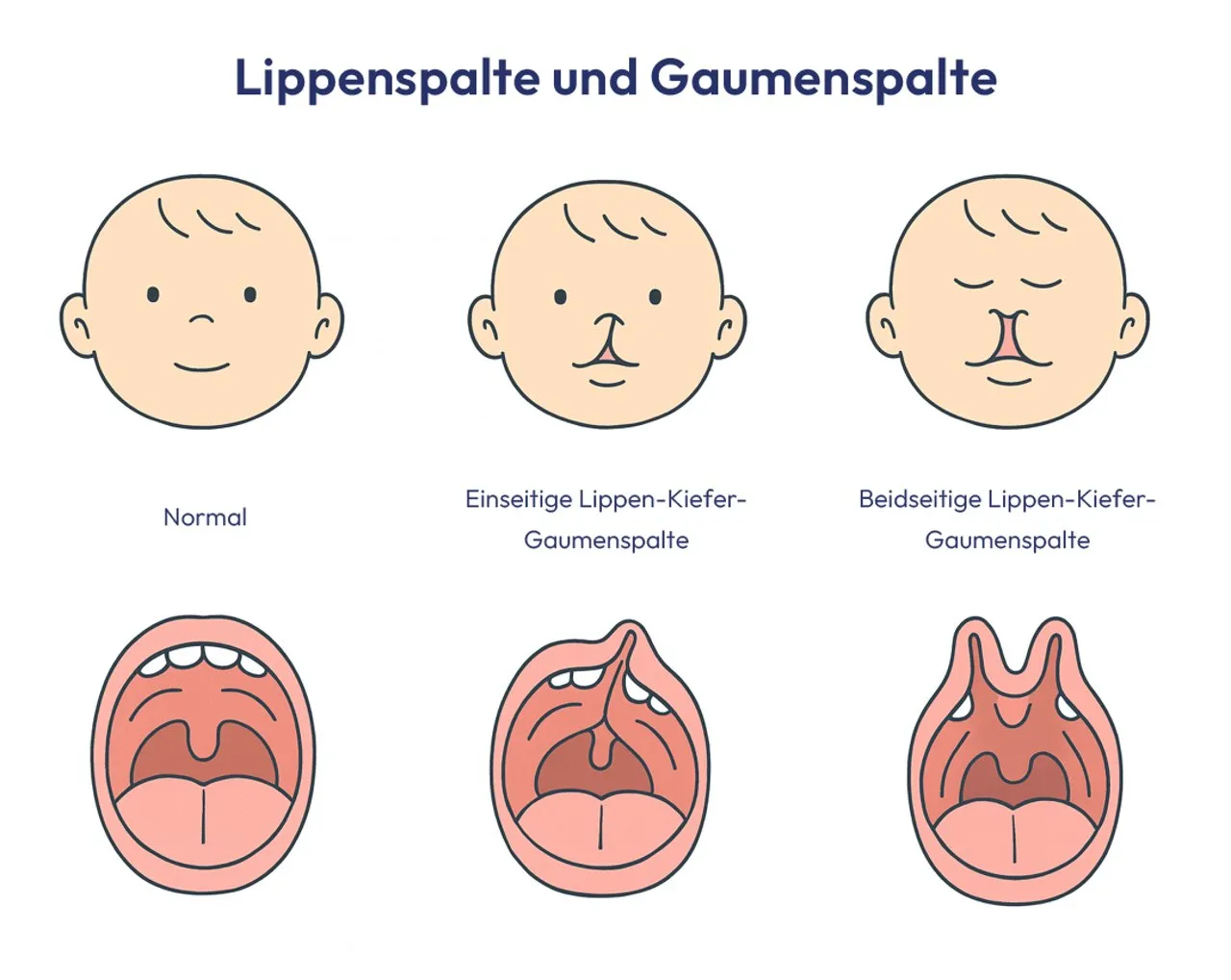
CLP in adulthood – is correction possible?
Although most operations are performed in childhood, there are cases in which adults require correction. The reasons may be functional or aesthetic.
Operating on a cleft lip, jaw and palate in adults is more challenging, but modern surgical techniques make it possible. This can improve speech, breathing and tooth alignment – and also significantly boost self-confidence. In many cases, a combination of orthodontics and aesthetic surgery is used to achieve a harmonious overall appearance.