
Dental bridge costs: prices, subsidies and your own contribution
A dental bridge closes a gap left by missing teeth. It replaces one or more missing teeth. The cost of a dental bridge is a common concern.
Über 350 Google-Bewertungen
What is a dental bridge?
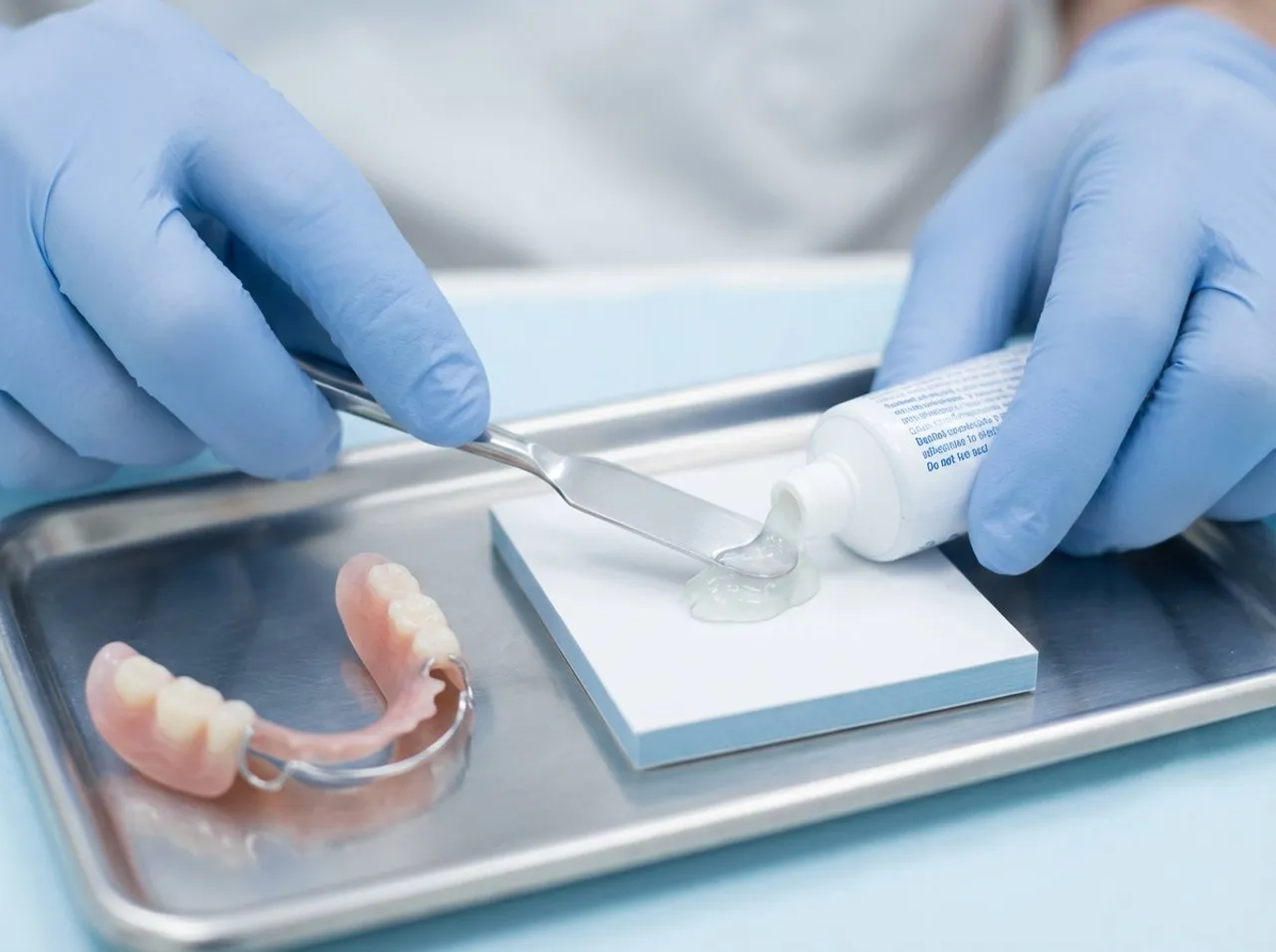
A bridge is a fixed dental prosthesis. It is anchored to neighbouring teeth or implants. These teeth are called abutment teeth. The bridge consists of crowns and a pontic. The pontic replaces the missing tooth. This makes your bite stable again.

What types of dental bridge are there?
A conventional bridge is fitted to ground-down abutment teeth. It is suitable when the neighbouring teeth can provide adequate support. It is very common at the back of the mouth. An adhesive bridge is also known as a Maryland bridge. It is attached on the inside using small wings. This often requires less tooth preparation. An implant-supported bridge is fitted to implants, leaving healthy neighbouring teeth untouched. This can preserve tooth substance in the long term.
What determines the cost of a dental bridge?
The most important factor is the size of the bridge. A three-unit bridge usually replaces one tooth. More units increase laboratory and material costs. The material also affects the price. Metal, gold alloys and ceramic are commonly used. All-ceramic looks particularly natural. The position in the mouth also matters. Aesthetics are more important at the front, while stability is often the main concern at the back. The condition of the abutment teeth is crucial. Fillings or root canal treatment are sometimes needed. Periodontal treatment may also be necessary.

What does a dental bridge typically cost?
Many bridges cost roughly in the mid three figures. More complex treatments can be considerably more expensive. The exact amount depends on the clinical findings. Your own contribution is often lower for a standard bridge at the back of the mouth. It usually increases with ceramic or full veneering. Additional services also raise the price. Importantly, you will receive a cost plan in advance, so you will know the subsidy and your own contribution. Surprises can usually be avoided. Ask for a comparison of materials. Metal is robust and often less expensive. Ceramic usually looks particularly natural. Always ask about laboratory quality. The dentist's fee factor also affects the price. Digital impressions can improve comfort, but are not standard in every practice.
What services are included in the price?
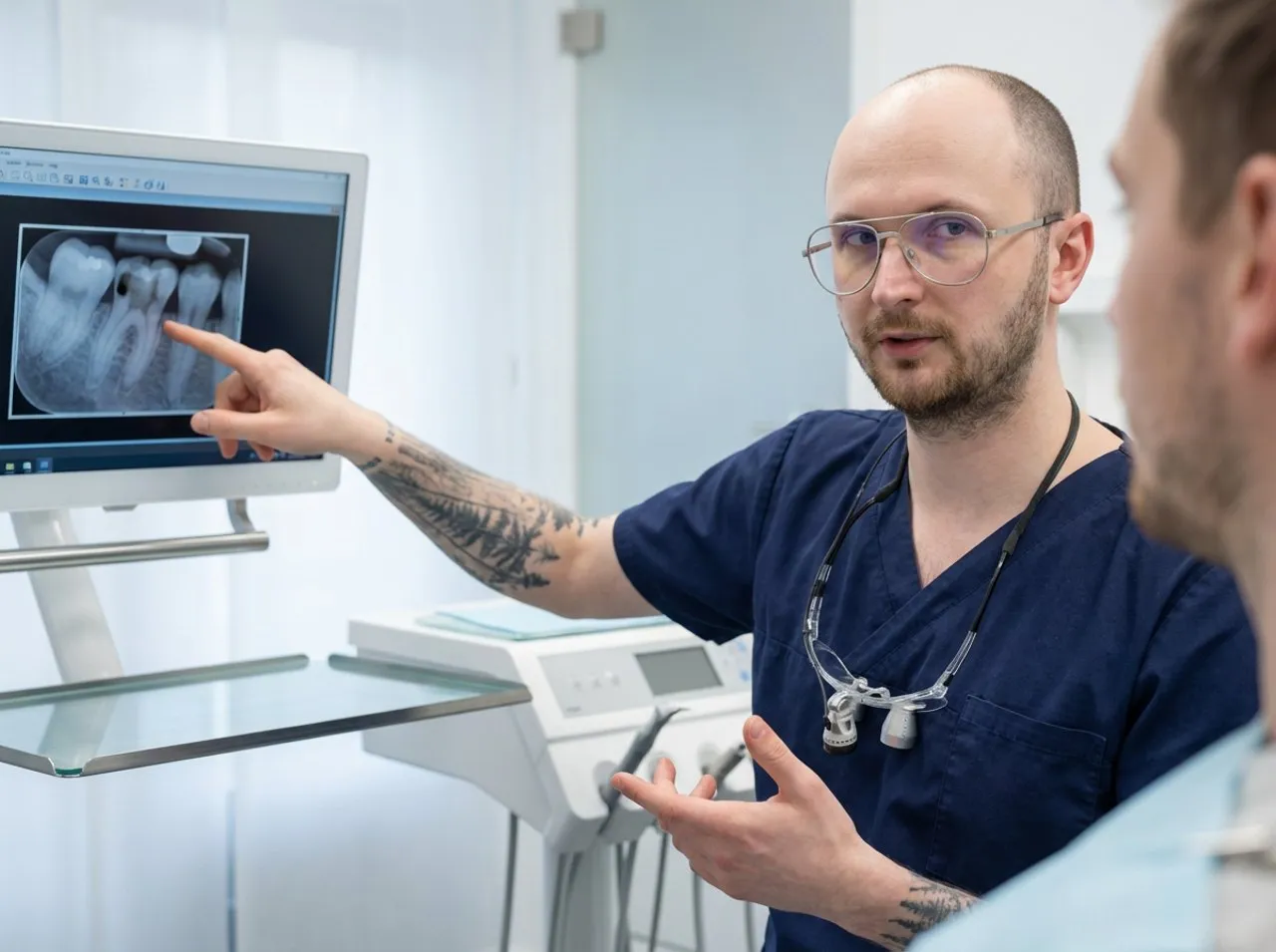
The price covers more than just the material. It includes the examination, planning and impressions, as well as bite registration. It also covers the dental technician's work in the laboratory, where the bridge is made using your data. Laboratory quality affects the fit. A temporary restoration is often fitted to protect the abutment teeth until the bridge is completed. The try-in and cementation are also included.

Billing: what appears on the invoice?
Some items are billed using health insurance codes. This applies to statutory standard care. Additional services are usually billed under the GOZ, the German Schedule of Fees for Dentists. Laboratory and material costs are additional and listed separately on the invoice. This is why total prices differ. Private insurance plans have different reimbursement rules. Civil service aid (Beihilfe) may also impose limits. We explain each item clearly.
Health insurance: fixed subsidy and bonus booklet
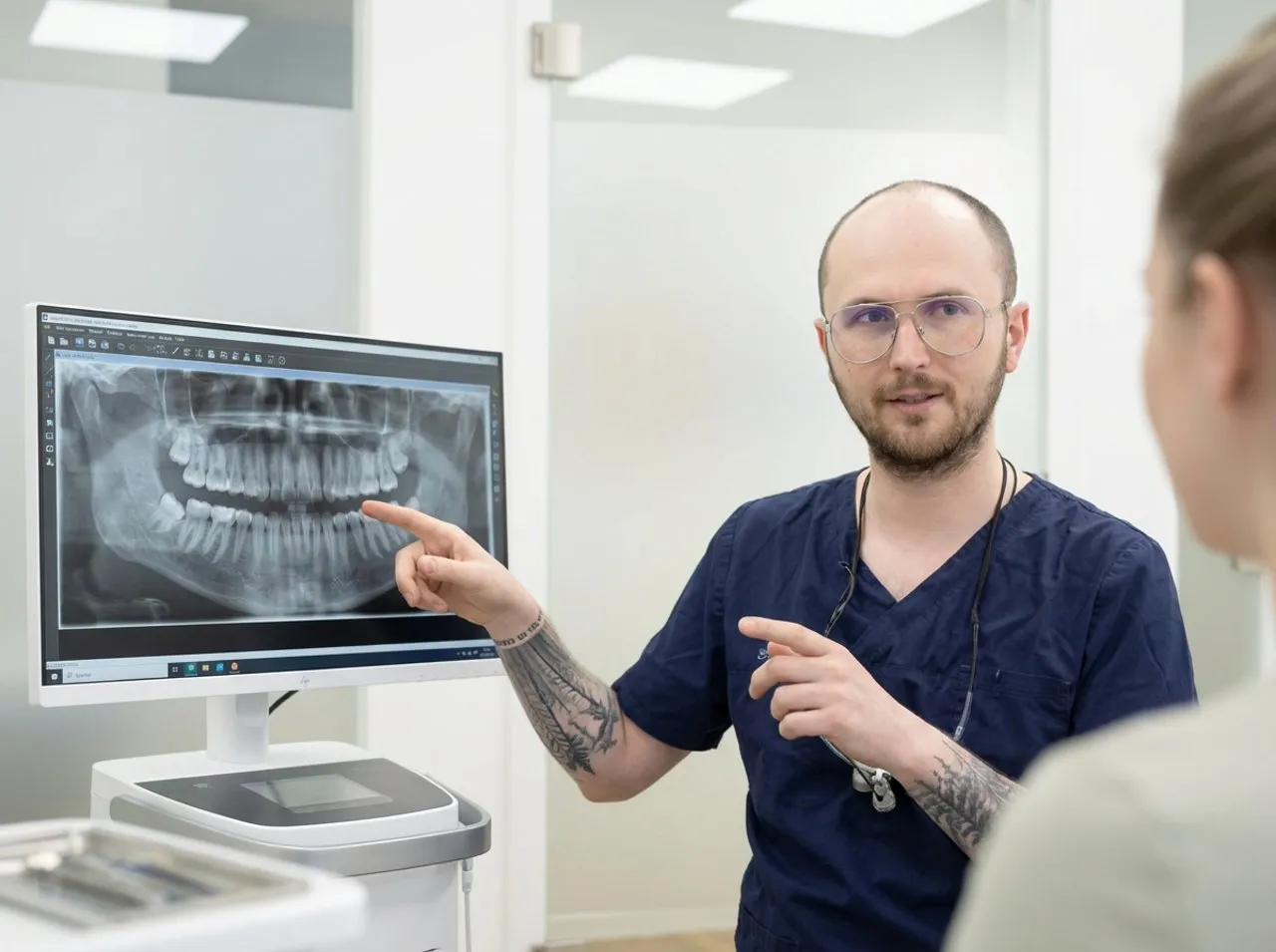
Statutory health insurance pays a fixed subsidy based on the clinical findings and standard care. Your preferred treatment may go beyond this. A well-maintained bonus booklet increases the subsidy, for which regular check-ups are important. Ask your health insurer about the exact subsidy levels. If you have a low income, you may qualify for hardship provision. In that case, standard care may be covered in full. Your health insurer makes the decision.
Your own contribution: why it varies so much
Your own contribution is the amount you pay yourself. It is the total cost minus the subsidy, which is why quotes vary so much. Metal at the back of the mouth is often less expensive. Tooth-coloured veneering usually costs extra. All-ceramic is frequently the most expensive option. The number of missing teeth also matters. A longer bridge requires greater stability, increasing the work involved at the practice and in the laboratory.
Dental bridge or implant: which is cheaper?
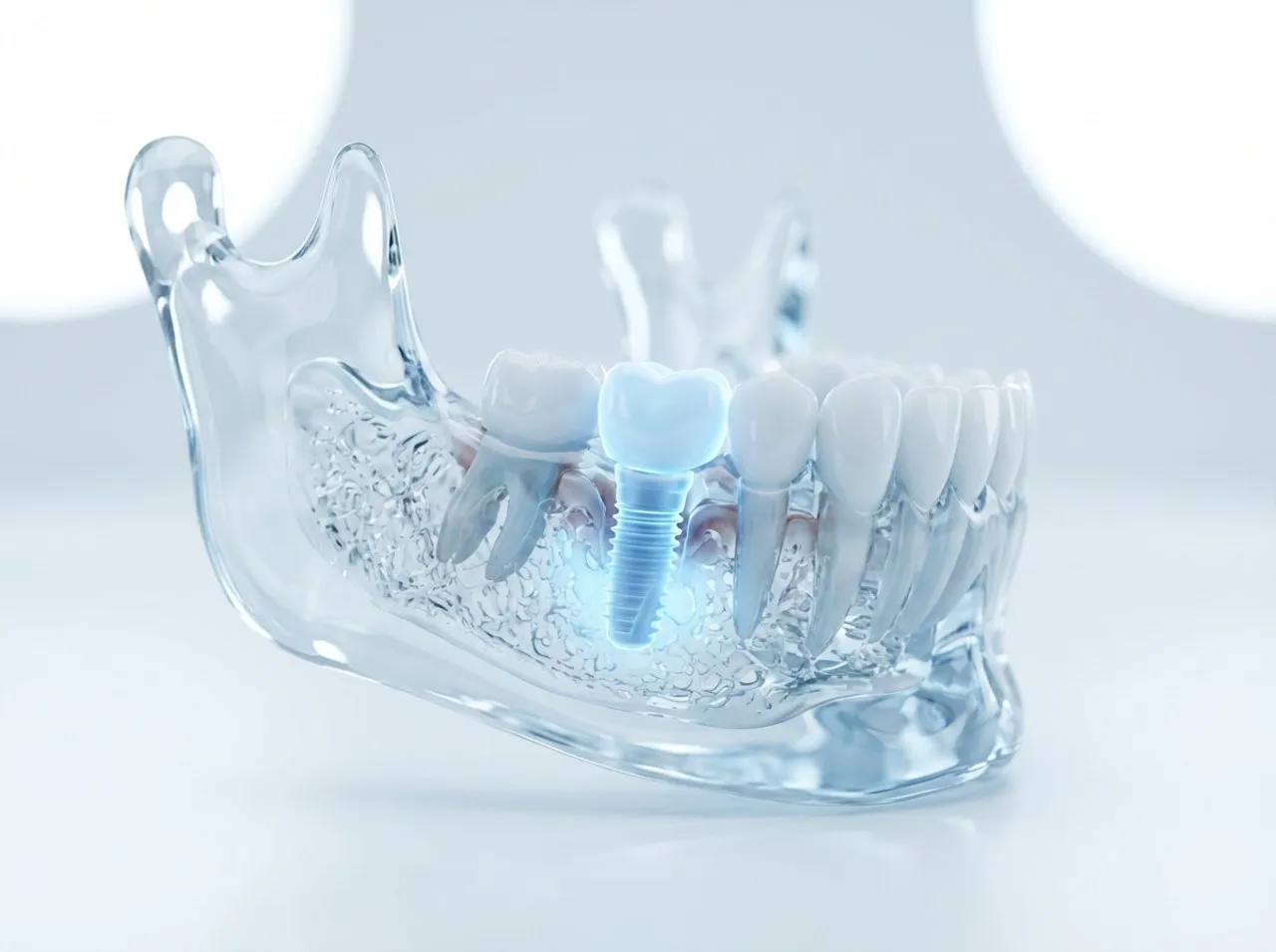
A bridge is often completed more quickly. An implant usually requires several appointments, but it spares the neighbouring teeth. Cost comparisons must take the clinical findings into account. Sometimes an implant makes more sense in the long term; sometimes a bridge is the better solution. A fixed subsidy is also available for an implant. The health insurer bases it on standard care. The additional amount usually has to be paid privately.
When is a bridge not the best choice?
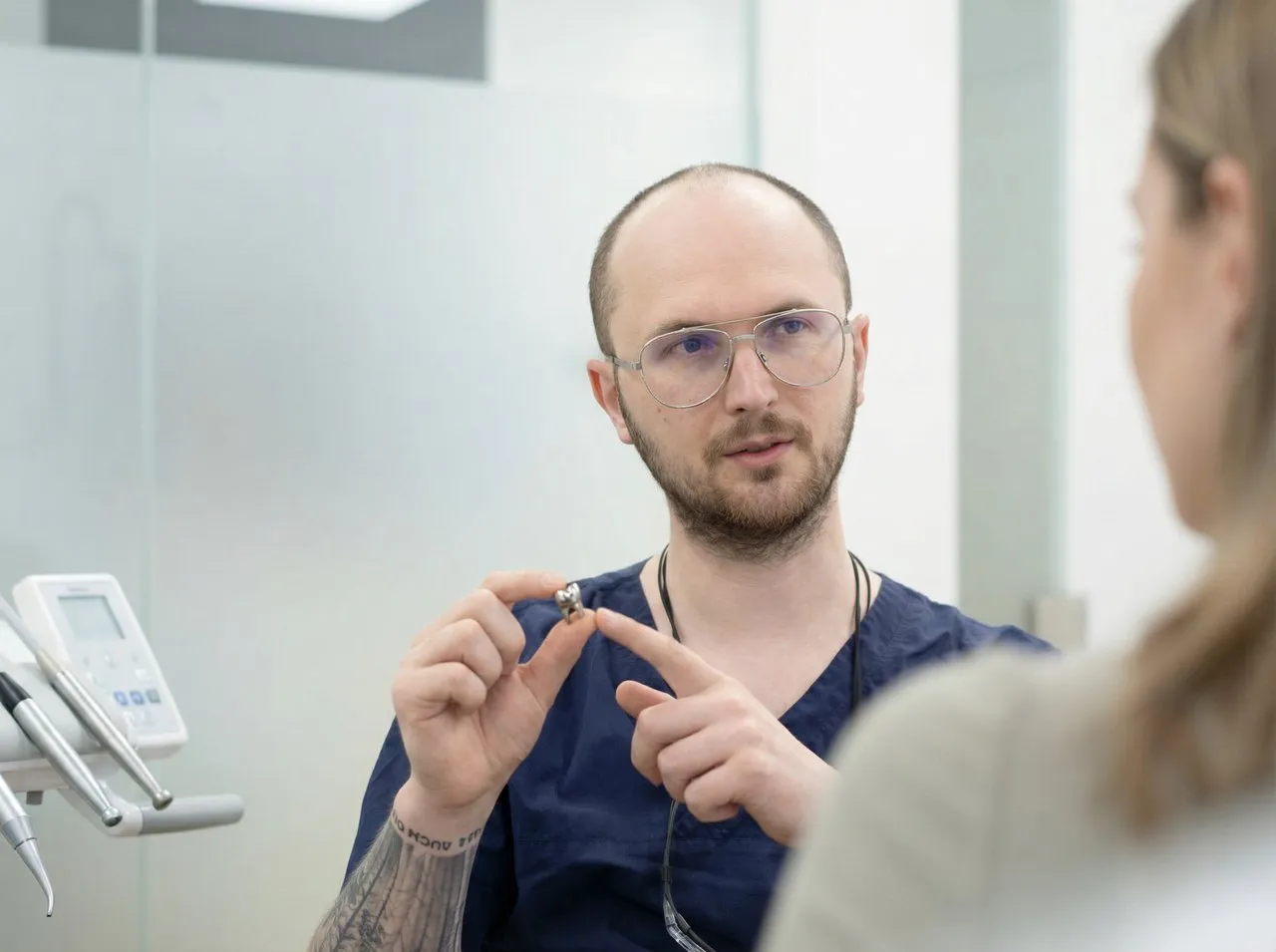
Caution is needed if the abutment teeth are very loose. Untreated periodontal disease also poses a risk, as it compromises the stability of the structure. A bridge may be unsuitable for very large gaps because the load increases with every missing tooth. In such cases, we consider alternatives. An unfavourable bite can also cause problems, and pre-treatment, such as splint therapy, is sometimes needed.
How treatment works at Wunschlachen
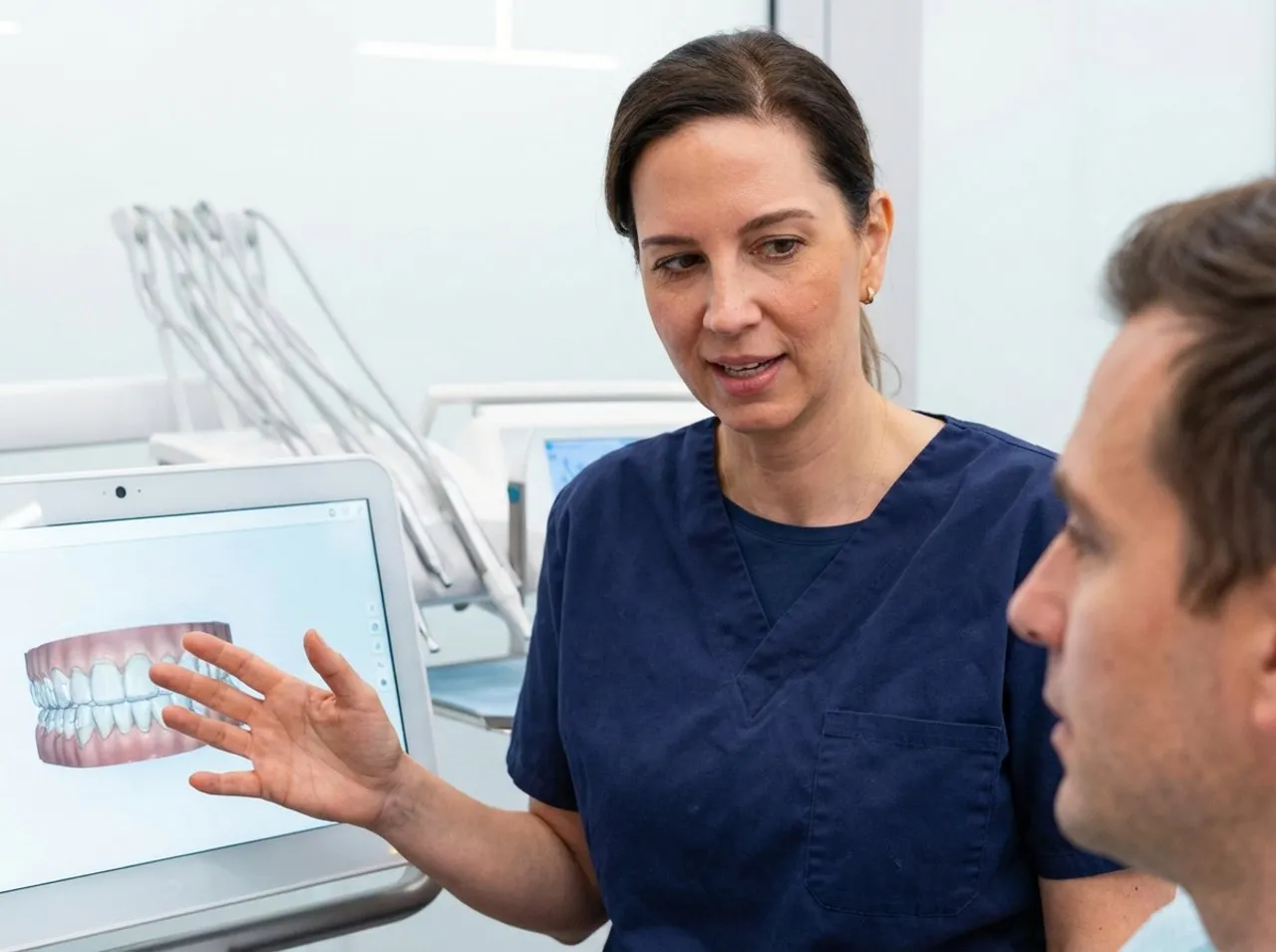
First, we thoroughly examine your teeth and gums. We check the abutment teeth and your bite, and take X-rays if necessary. We then discuss your options at your leisure. We explain the materials, durability and aesthetics. You receive a transparent treatment and cost plan. Next, the abutment teeth are prepared, after which we take a precise impression. The laboratory then makes the bridge. Before fitting it, we check its fit, contact points and bite height. Only then is the bridge permanently secured.

Durability: how long does a dental bridge last?
Many dental bridges last for many years. Their lifespan depends heavily on care. The abutment teeth must also remain healthy. Tooth decay on an abutment is a common reason for replacement. Inflammation of the gums is also critical. Regular check-ups are therefore important. A professional dental cleaning can be beneficial. It reduces plaque in hard-to-reach areas. This protects teeth and dental prostheses.
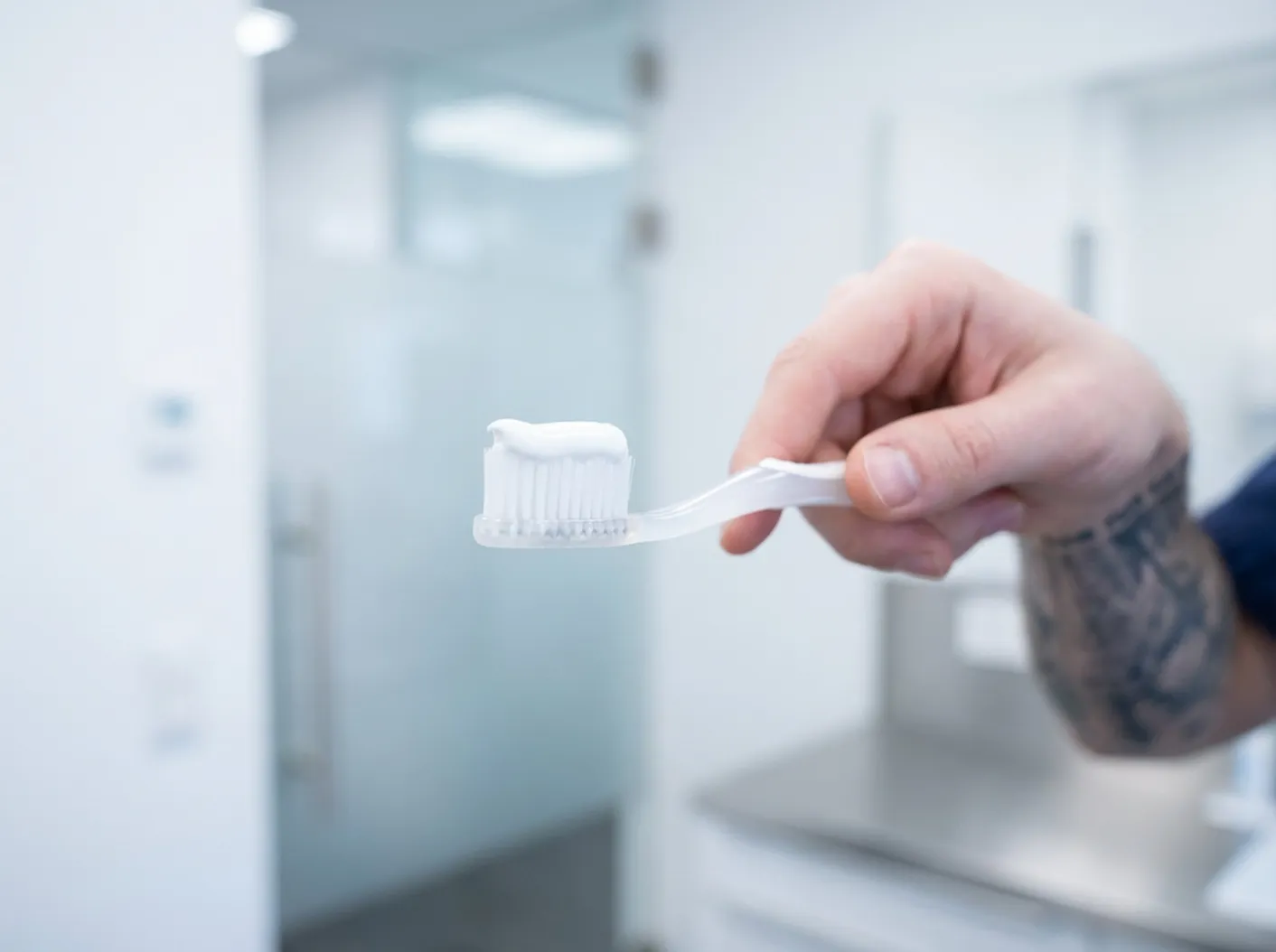
Everyday care tips
Brush carefully twice a day and also use interdental brushes to clean between your teeth more effectively. Bridge floss helps underneath the pontic. Superfloss can also work well. We will show you the correct technique. Look out for bleeding when you brush, as this may indicate inflammation. You should then arrange a check-up promptly.

Reducing dental bridge costs: practical options
Keep your bonus booklet up to date. This increases the subsidy over the years, and every check-up counts. Supplementary dental insurance can reduce your own contribution. Check waiting periods and reimbursement limits, and seek advice before taking out a policy.
Conclusion: good planning provides peace of mind
Dental bridge costs are individual. They depend on the clinical findings, material and extent of treatment. The fixed subsidy reduces your contribution. A cost plan lets you know the figures in advance. At Wunschlachen, we provide clear advice to find a suitable solution for your smile.
FAQ: frequently asked questions about dental bridge costs
The range is wide and depends on the clinical findings. A cost plan shows your exact own contribution.
This is often a three-unit bridge. The price and subsidy depend on the material and standard care.
Yes, there is a fixed subsidy based on the clinical findings. The amount depends on standard care.
A fully maintained bonus booklet increases the subsidy. Ask your health insurer about the current levels.
It lists the clinical findings, treatment and cost overview. It is submitted to the health insurer before treatment starts.
Ceramic requires more expensive materials and laboratory work, but often looks particularly natural.
It can be cheaper, but it has to be a suitable option. Not every clinical situation is suitable for one.
A few appointments over several weeks are often needed. A temporary restoration protects your teeth in the meantime.
Tooth decay, periodontal disease and excessive pressure are common causes. Good care and check-ups reduce the risk.
Alternatives include implants or a removable partial denture. What is suitable depends on the clinical findings, bone and budget.