
Veneer costs at a glance
Veneers are used to make aesthetic corrections to visible tooth surfaces. The cost depends on the material, technique and individual clinical findings. To make an informed decision, the pricing structure, durability and clinical indication are all equally relevant.
Über 350 Google-Bewertungen

What are veneers?
Veneers are very thin facing shells for the front teeth. They are permanently bonded to the tooth surface. The aim is to create harmonious dental aesthetics. They are used for discolouration, minor shape irregularities and slight misalignment. Fine gaps between teeth can also be visually corrected. Treatment is always provided following an individual assessment.

Veneer costs: what determines the price?
The cost of veneers cannot be determined as a flat rate. The key factors are the choice of material, the laboratory work involved and the extent of treatment. The initial condition of the teeth also affects the final price. People searching for terms such as ‘how expensive are veneers’ or ‘how much do veneers cost’ often expect a guide price. With high-quality ceramic solutions, costs often start at 1,200 euros per tooth. Another influencing factor is the number of teeth treated. Although the cost of veneers per tooth remains comparable, the total price rises significantly when several veneers are fitted.

Dental veneer costs by material
Veneer costs depend heavily on the material used. Ceramic and composite are the main materials used in practice. The two options differ in price and properties. Ceramic is considered particularly colour-stable and high-quality. It usually enables very precise aesthetic results. As a result, the price of a veneer is often at the higher end. Composite can be a more economical alternative in certain cases. This type of restoration is often modelled directly in the practice.

Dental veneer prices in Germany
Veneer costs in Germany vary by region, laboratory and practice structure. Diagnostic and aesthetic planning also have an impact. A comparison should therefore never focus solely on the final amount. A low price is not automatically economical. Precision, material quality and long-term stability are what matter. Careful advice is therefore essential.
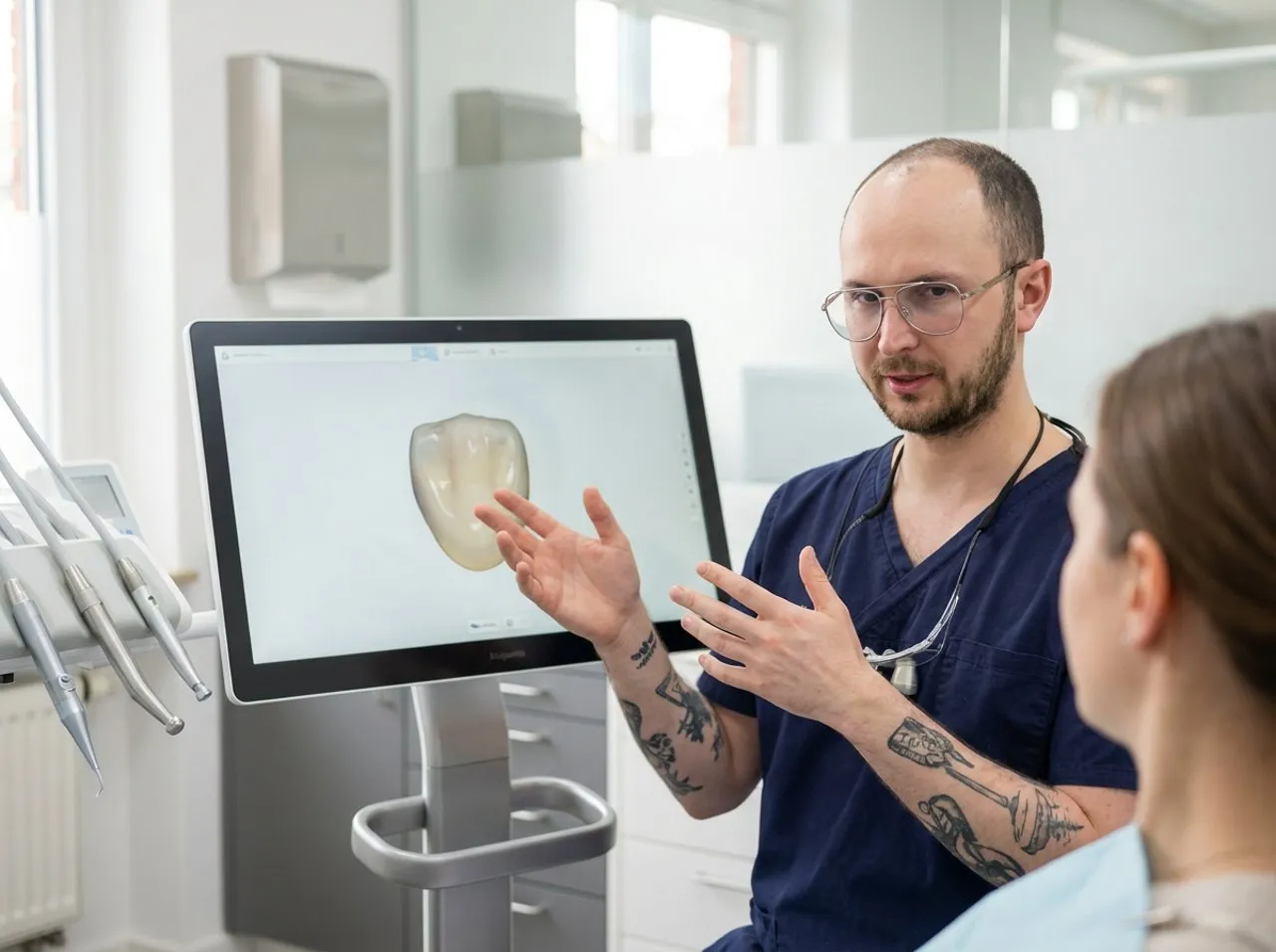
No-prep veneer costs
No-prep veneers require minimal or no preparation. This preserves more natural tooth substance. However, this method is not suitable for every clinical finding. No-prep veneer costs are not necessarily lower. In fact, the planning is often particularly demanding. This applies especially when aesthetic expectations are high.

What does it cost to have teeth veneered?
Many prospective patients search for ‘having teeth veneered’ or ‘the cost of dental veneers’. They usually mean aesthetic corrections to visible tooth surfaces. Veneers are a particularly high-quality option. Not every facing is created using ceramic shells. In some cases, composite build-ups or other procedures are used. The specific method therefore determines the cost structure. Anyone considering treatment should consider function and aesthetics together. A decision based purely on appearance is not always advisable. The dental indication remains the priority.
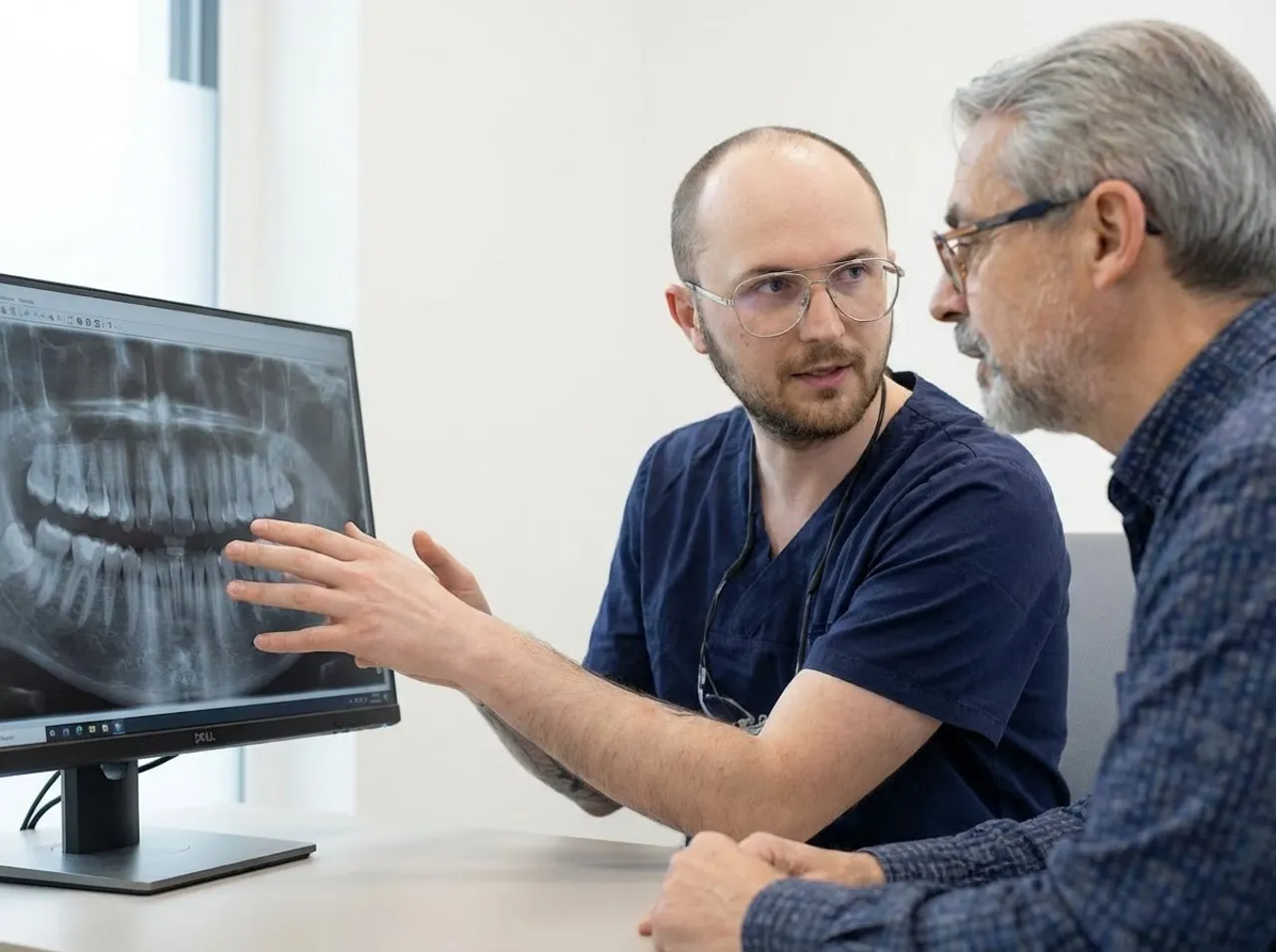
Veneer costs and health insurance
The question of veneer costs and health insurance is particularly common. Statutory health insurers generally do not cover aesthetically motivated veneers. This is because the treatment goal is predominantly cosmetic. The assessment may differ in cases involving functional or medical special circumstances. Such individual cases require a separate assessment. The relevant insurer always makes the final decision.
Supplementary dental insurance for veneers
Whether supplementary dental insurance contributes towards veneers depends on the chosen policy. Not every policy includes benefits for cosmetic treatments. Waiting periods and reimbursement limits also often apply. The policy should be reviewed carefully before treatment. The scope of benefits, exclusions and percentage reimbursement are important. This is the only way to realistically estimate your out-of-pocket contribution.

When do veneers make financial sense?
Veneers are particularly suitable for stable teeth and a clear aesthetic goal. They enable targeted correction of visible areas. However, precise planning is essential. Not every clinical finding requires this treatment. In some cases, whitening, contour adjustments or composite build-ups are sufficient. The method should always be chosen according to the clinical indication.

Veneers at Wunschlachen
At Wunschlachen, differentiated treatment planning is at the heart of what we do. We assess tooth substance, function and aesthetic goals. On this basis, we create an individual treatment concept. We explain transparently which solution is medically and aesthetically convincing. This also includes advice on care, durability and limitations. This provides a sound basis for making a decision.
FAQs about veneer costs
The individual case is decisive. Costs usually start at around €1,200 per tooth.
Price differences arise from the material, laboratory, dental findings and planning involved. The number of veneers also affects the total amount.
This usually refers to the average price. However, a precise answer always requires an individual examination.
In Germany, high-quality ceramic restorations are usually in the upper price segment. Region and practice structure also influence costs.
Not necessarily. No-prep veneer costs can be similar or higher.
It means the aesthetic covering of visible tooth surfaces. Veneers are a frequently chosen solution for this.
Usually not if the motivation is purely aesthetic. An exception is only conceivable following an individual assessment.
This depends on the policy. Some contracts include contributions, while others exclude such benefits.
The decisive factors are the material, preparation, laboratory work and aesthetic requirements. The initial condition of the teeth also plays a role.
Often, yes. However, they often differ in terms of durability and colour stability.