Denture Adhesive: Retention, Comfort and Safety
A denture should fit securely and look natural. Even so, dentures can sometimes slip when you speak or chew. A suitable adhesive can make everyday life much easier.
Über 350 Google-Bewertungen
When is denture adhesive actually needed?
Many factors affect denture retention. After tooth loss, the jaw ridge often gradually shrinks. A dry mouth, medication or gum inflammation can also play a role. The bearing surface is particularly small in the lower jaw. As a result, a full denture can lose stability more quickly. With a partial denture, the clasps can become looser.
Why does a denture no longer fit properly?
The fit changes over time. The bone and mucous membrane are constantly adapting. Even small gaps at the edge of the denture reduce suction. Pressure points are a warning sign. They are caused by tipping points or uneven occlusion. Denture adhesive then only helps in the short term.
What is denture adhesive?
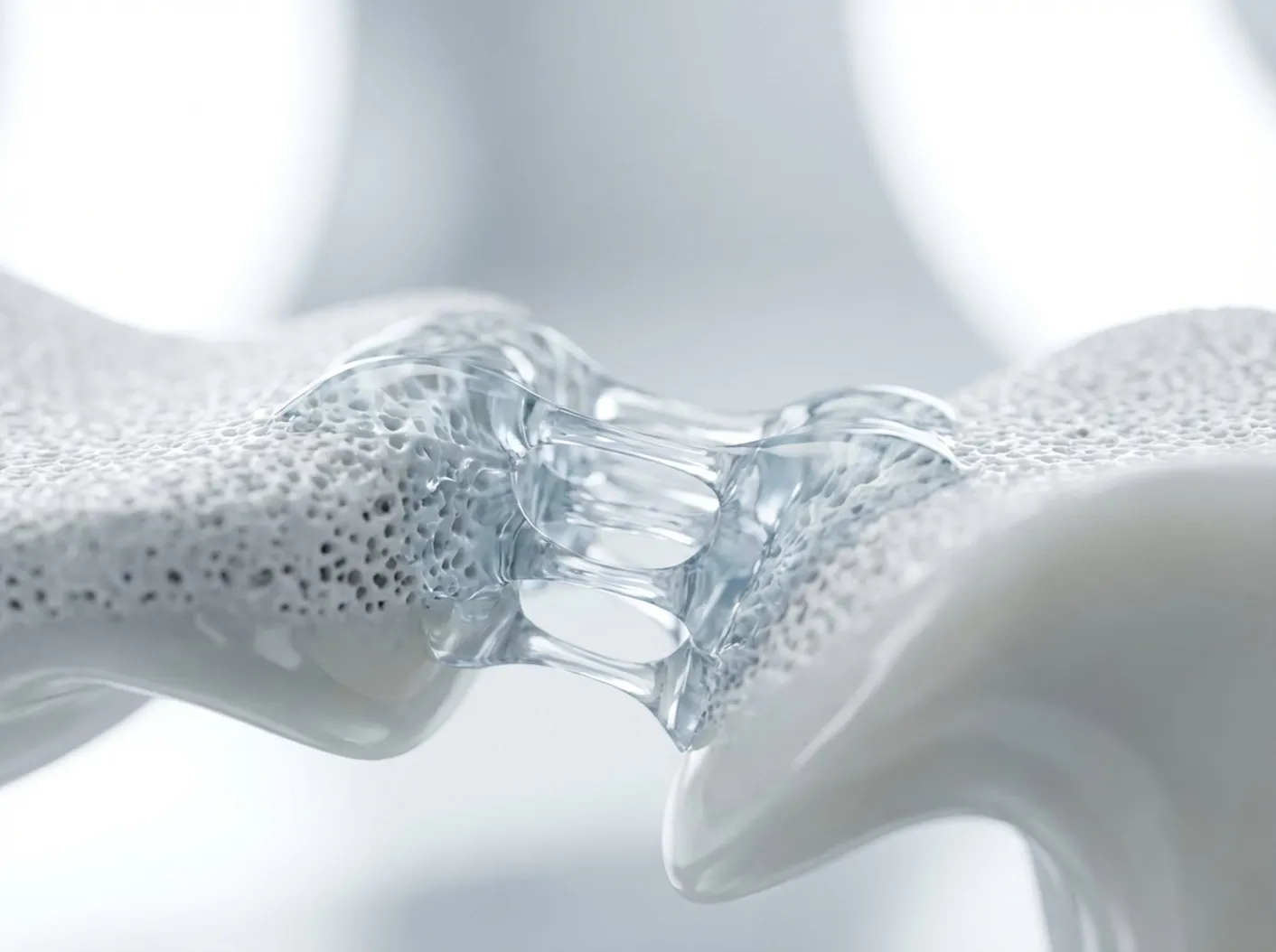
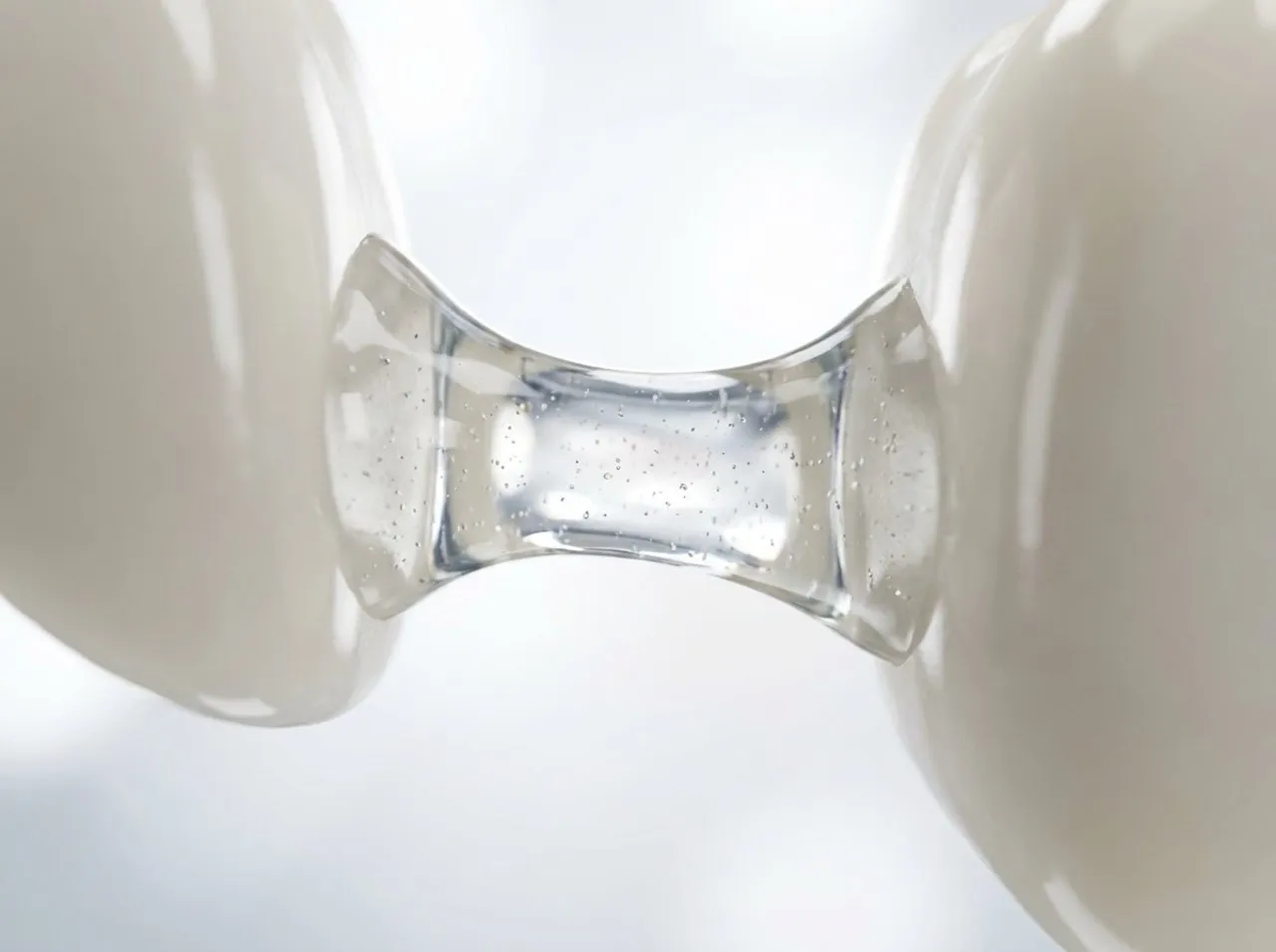
Denture adhesive is a dental adhesive product. It improves retention between the denture base and the mucous membrane. Many products swell slightly and seal the edge. Most adhesive creams are water-soluble. They can be removed by cleaning and brushing. Daily denture cleaning is essential.
What types of adhesive are available?
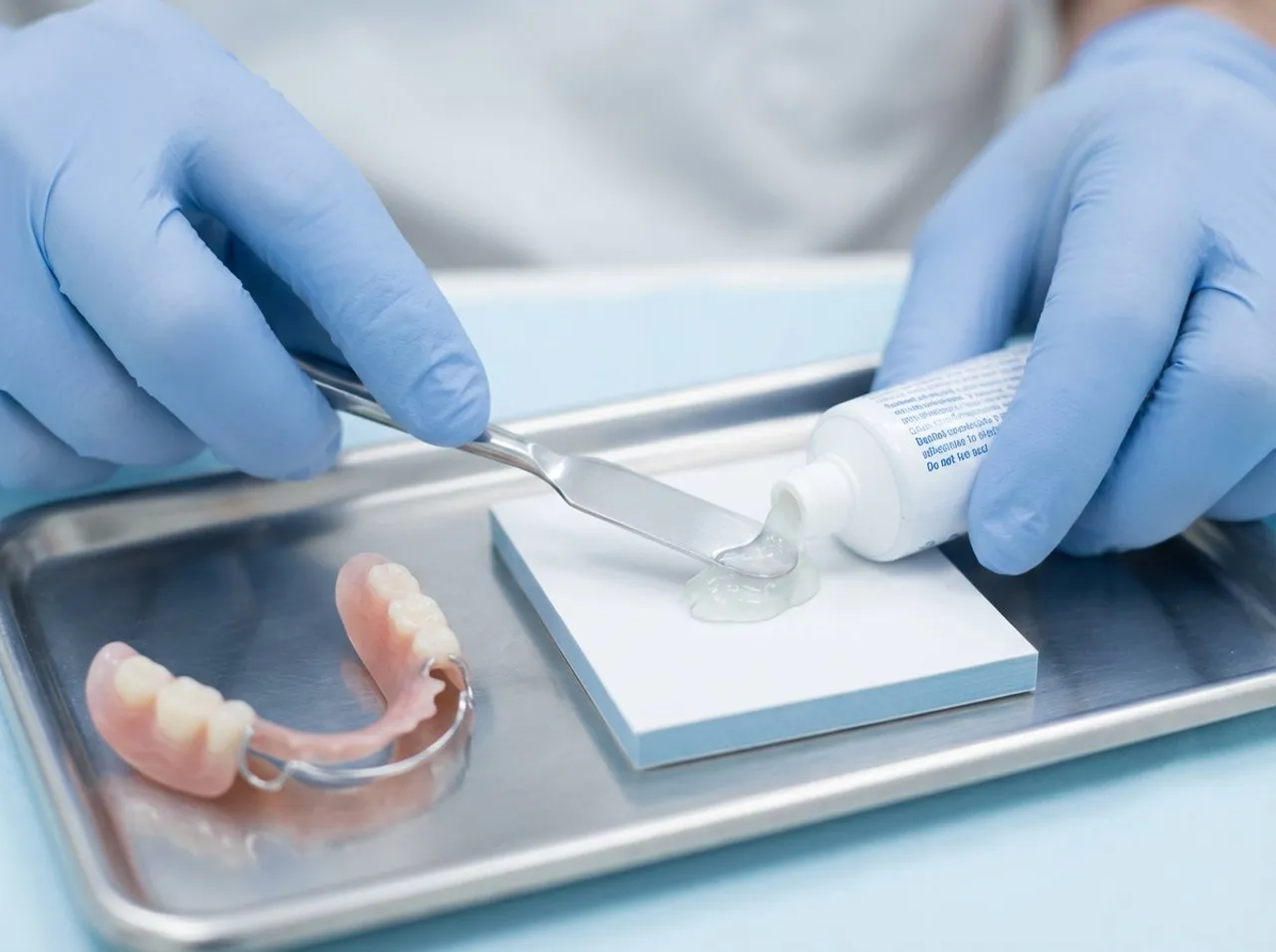
Adhesive paste and denture adhesive cream are the most common. They provide noticeably greater retention for full and partial dentures. The sensation in the mouth usually remains soft. Adhesive gel is often thinner. It spreads evenly and works quickly. It is suitable for mild dry mouth. Adhesive powder is sprinkled onto the moist denture. It forms a film and increases suction. Many patients like how easy it is to measure out. Adhesive strips or pads are pre-portioned. They offer clean application without residue in the tube. However, they are less flexible where there are large gaps.
Everyday benefits: what can you expect?
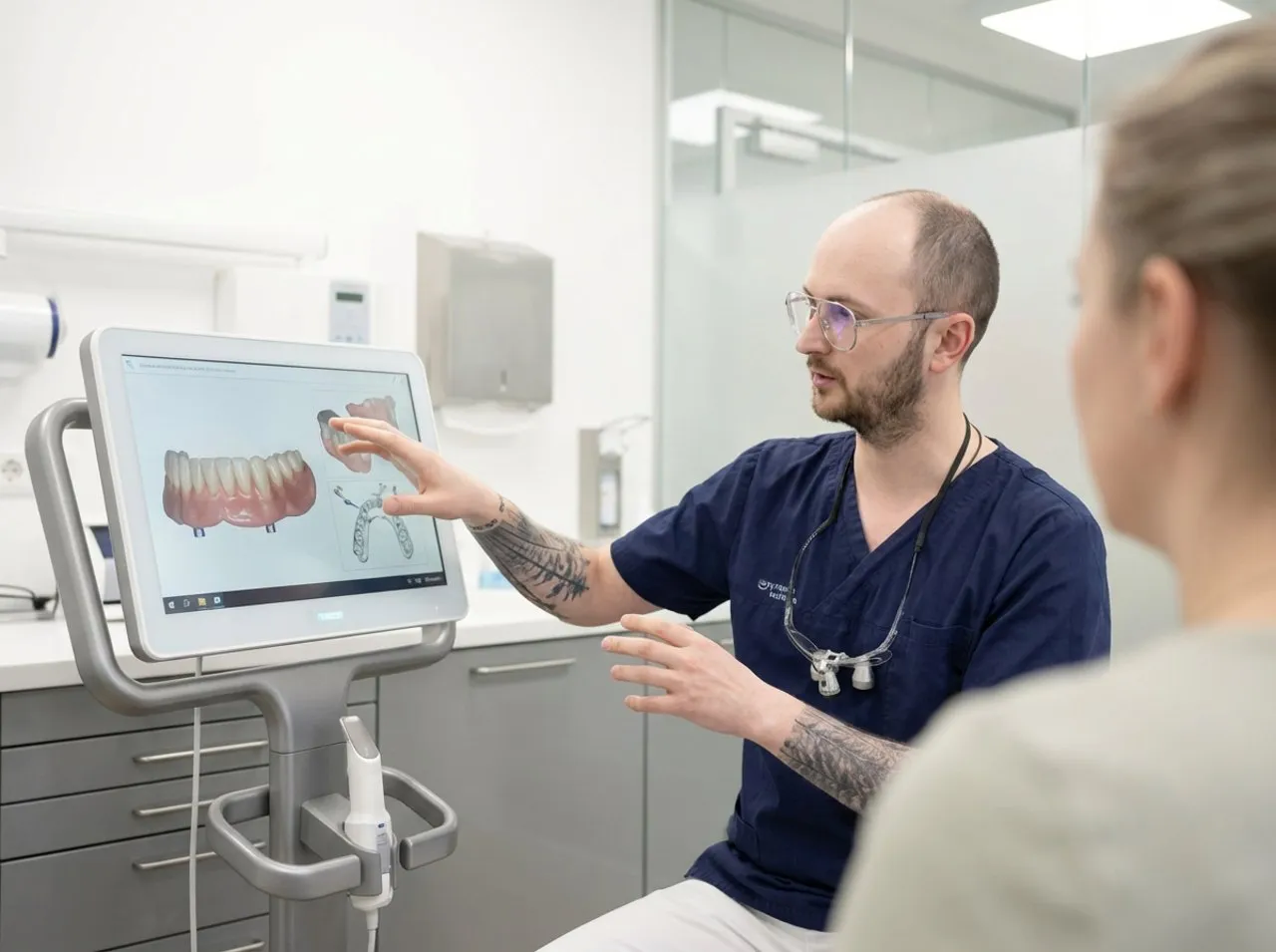
A good adhesive reduces movement when chewing. Many people speak more clearly and feel more relaxed. Small food particles also get trapped under the denture less often. Adhesive cream can seal the edge of the denture. This reduces the risk of friction on the gums. It can help prevent sore spots. Nevertheless, denture adhesive is no substitute for an adjustment. A very loose denture must be adjusted. Otherwise, irritation and inflammation can increase.
How to apply denture adhesive cream correctly
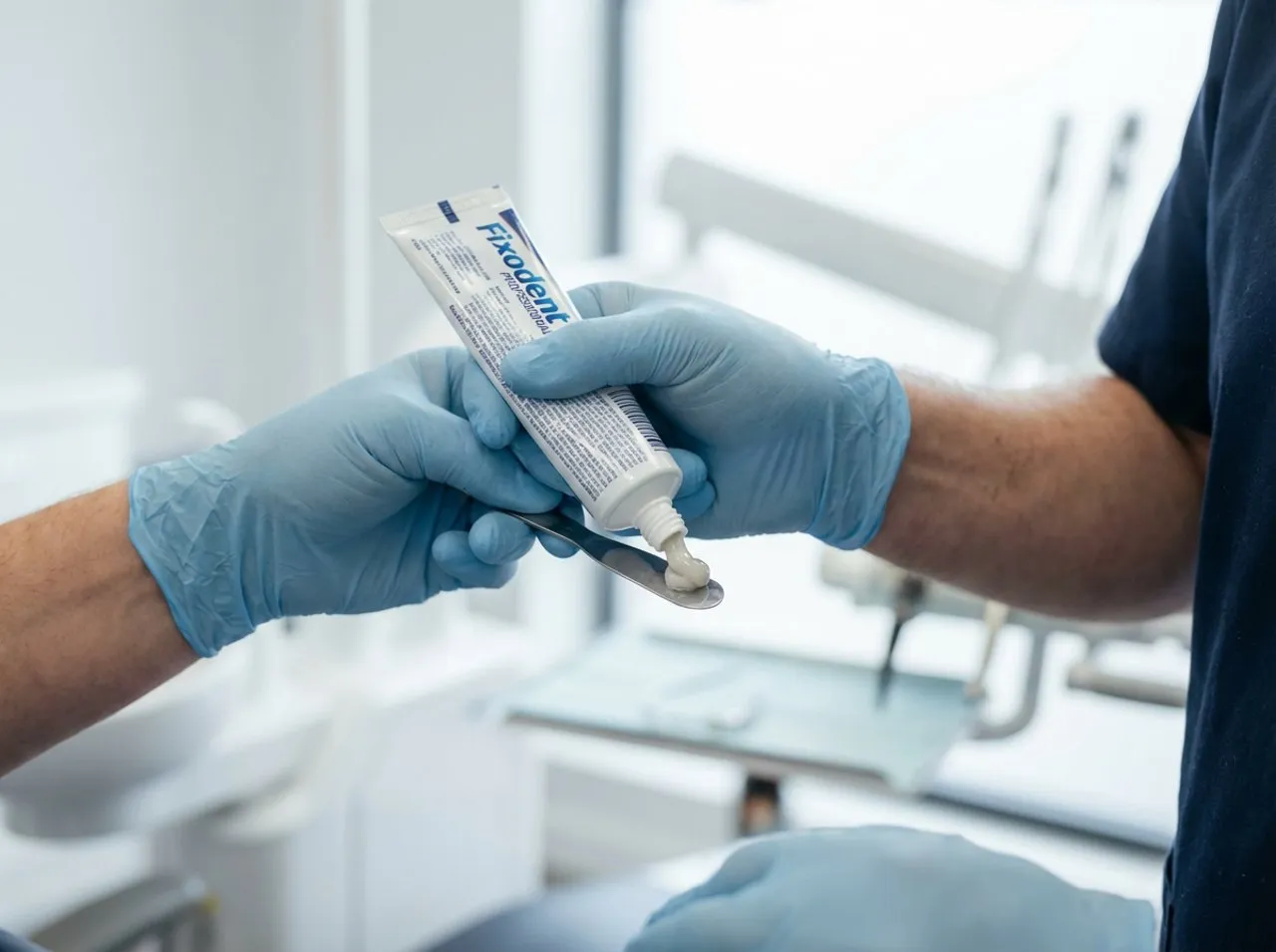
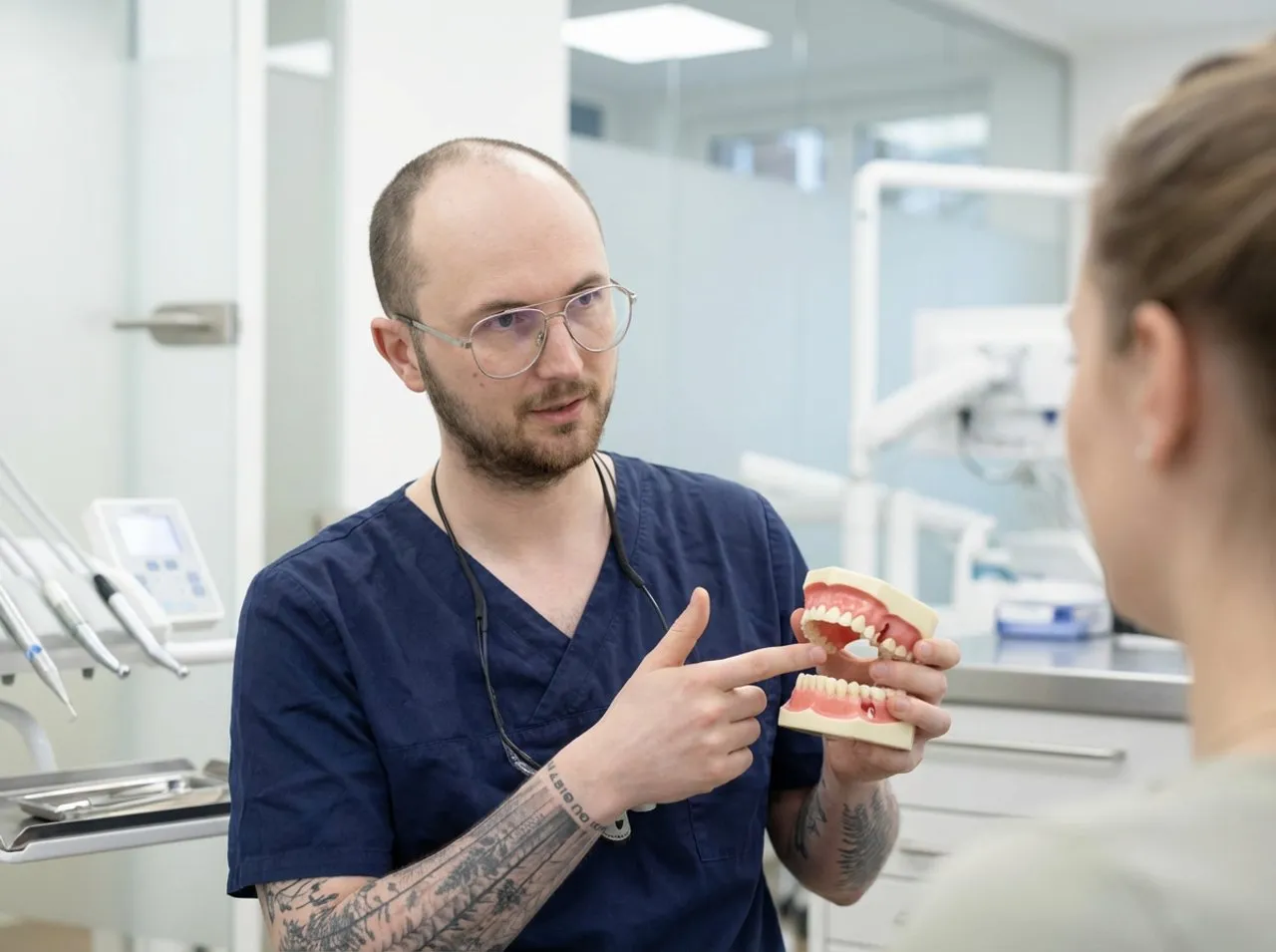
Clean your denture and oral mucosa thoroughly. Dry the denture base briefly. Moisture dilutes the adhesive layer. Apply small dots or strips. Use less rather than too much. Excess material oozes out and causes discomfort. Press the denture firmly into place for a few seconds. Wait a few minutes before eating. This allows the retention to stabilise. Remove all residue in the evening. Use lukewarm water and a soft denture brush. Also clean your palate and jaw ridge.

Common mistakes and how to avoid them
Many patients use too much. This worsens the fit and increases pressure. A thin film is usually enough. Never apply adhesive to inflamed gums. Have any bleeding or pain assessed. Otherwise, the cause may be masked. Check that you tolerate the product. If you experience burning, swelling or a rash, stop using it. Ask for a suitable product to be recommended.

Safety: ingredients and possible risks
Some products contain flavourings or preservatives. Sensitive mucous membranes can occasionally react to these. Zinc-free versions are now widespread. In the long term, fit is crucial. If you constantly need to reapply adhesive, the denture base often no longer fits properly. A reline is then advisable. Saliva substitutes can also help if your mouth is very dry. Drinking enough can also improve denture retention. Chew slowly on both sides at first.
When is a dental adjustment better than adhesive?
If your denture moves when you speak, it needs checking. Recurring sore spots are also a clear sign. The same applies if it breaks or rocks. A denture reline often helps. This involves adapting the fitting surface. This significantly improves the fit and protects the jaw ridge. If there is severe bone loss, implant-supported dentures may be advisable. Mini-implants or locator systems reliably stabilise dentures. We assess your bone and general health for this.
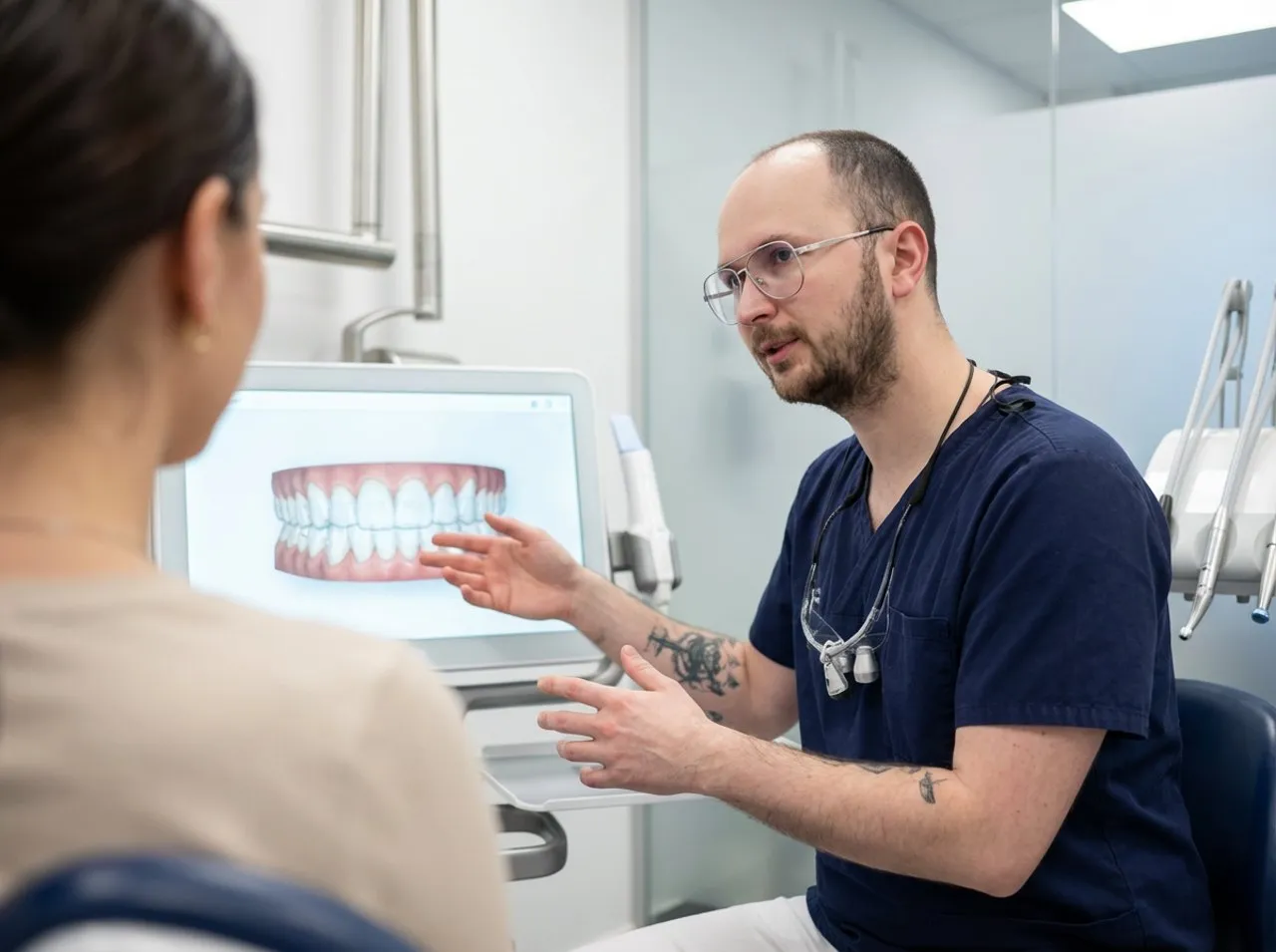
Advice at Wunschlachen in Berlin
At our Wunschlachen practice, we assess denture retention systematically. We check the denture edges, bite and mucous membrane. We then recommend the appropriate solution. Sometimes a good adhesive gel is enough for everyday use. In other cases, a reline or new denture is better. You will receive a transparent treatment plan.

Conclusion: adhesives help, but are no substitute
Denture adhesive can increase comfort and confidence. It is particularly useful for minor discrepancies in fit. For more severe problems, an adjustment by a dentist is necessary.
FAQ – Frequently asked questions about denture adhesive
It improves retention between the denture and mucous membrane. It seals the edge of the denture.
Denture adhesive cream and adhesive paste are the most commonly used. Adhesive strips are a clean alternative.
Yes, it can increase stability. However, the cause of loose clasps remains.
Use a few small dots. Too much material often reduces retention.
Rinse with lukewarm water. Clean your denture and oral mucosa with a brush.
It can reduce friction. For actual sore spots, an adjustment is more important.
Usually yes, with good hygiene. If you experience any symptoms, stop using it.
An adhesive gel can help. Saliva substitutes and regular drinks may also be useful.
If you have pain, inflammation or severe looseness. Also if you frequently need to reapply adhesive.
Yes, a denture reline improves the fit. Implant-supported solutions offer particularly good stability.