Cost of denture relining
A denture can become loose over time. This can cause pressure sores when chewing. The denture often slips when speaking. Relining fills the gap between the denture and the mucous membrane. This makes the denture stable again. It increases comfort and confidence in everyday life.
Über 350 Google-Bewertungen
What does relining a denture mean?
Relining involves adding material to the inside of the denture. This allows the denture to fit the jaw again. The bite usually feels more even straight away. The aim is a close fit without pressure. This protects the mucous membrane from irritation. It may also mean that less denture adhesive is needed.
When is relining advisable?
The jawbone gradually deteriorates after tooth loss. This changes the surface on which the denture rests. This is particularly noticeable in the lower jaw. The jaw can also change after extractions or implant planning. Weight fluctuations also play a role. Typical signs are loose dentures or recurring pressure sores. It is important to have the denture checked as soon as pain occurs. Persistent pressure can promote inflammation. Timely adjustment often prevents more extensive repairs.
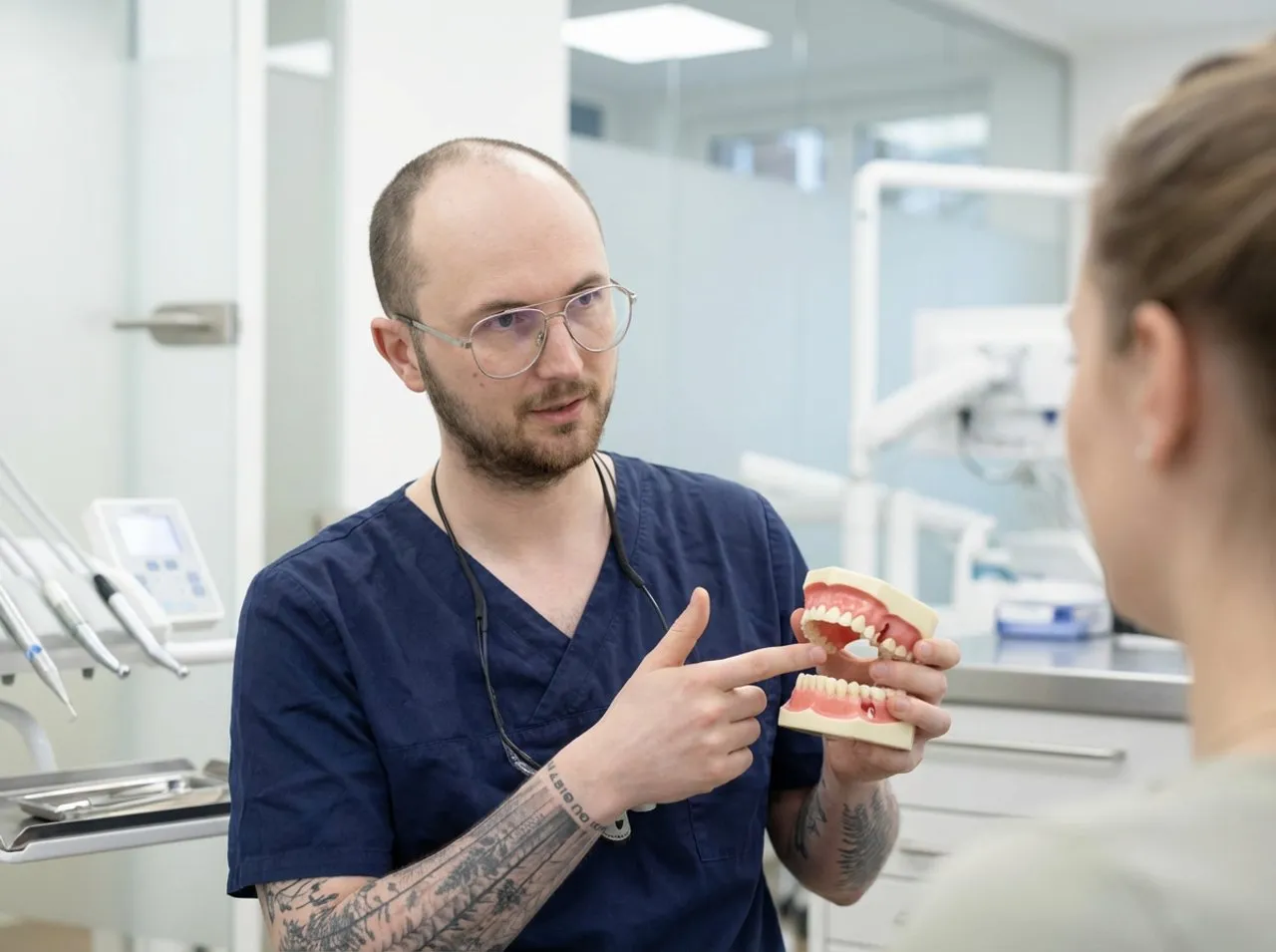
What types of relining are available?
With direct relining, everything is done at the practice. The material hardens in the mouth. This option provides a quick solution when the denture is acutely loose. With indirect relining, a dental laboratory carries out the work. To do this, we take an impression or a functional impression. The result is usually very precise and long-lasting. Soft and hard materials are also available. Soft relines are often suitable for sensitive mucous membranes. Hard options are more stable and last longer.
What do the costs depend on?
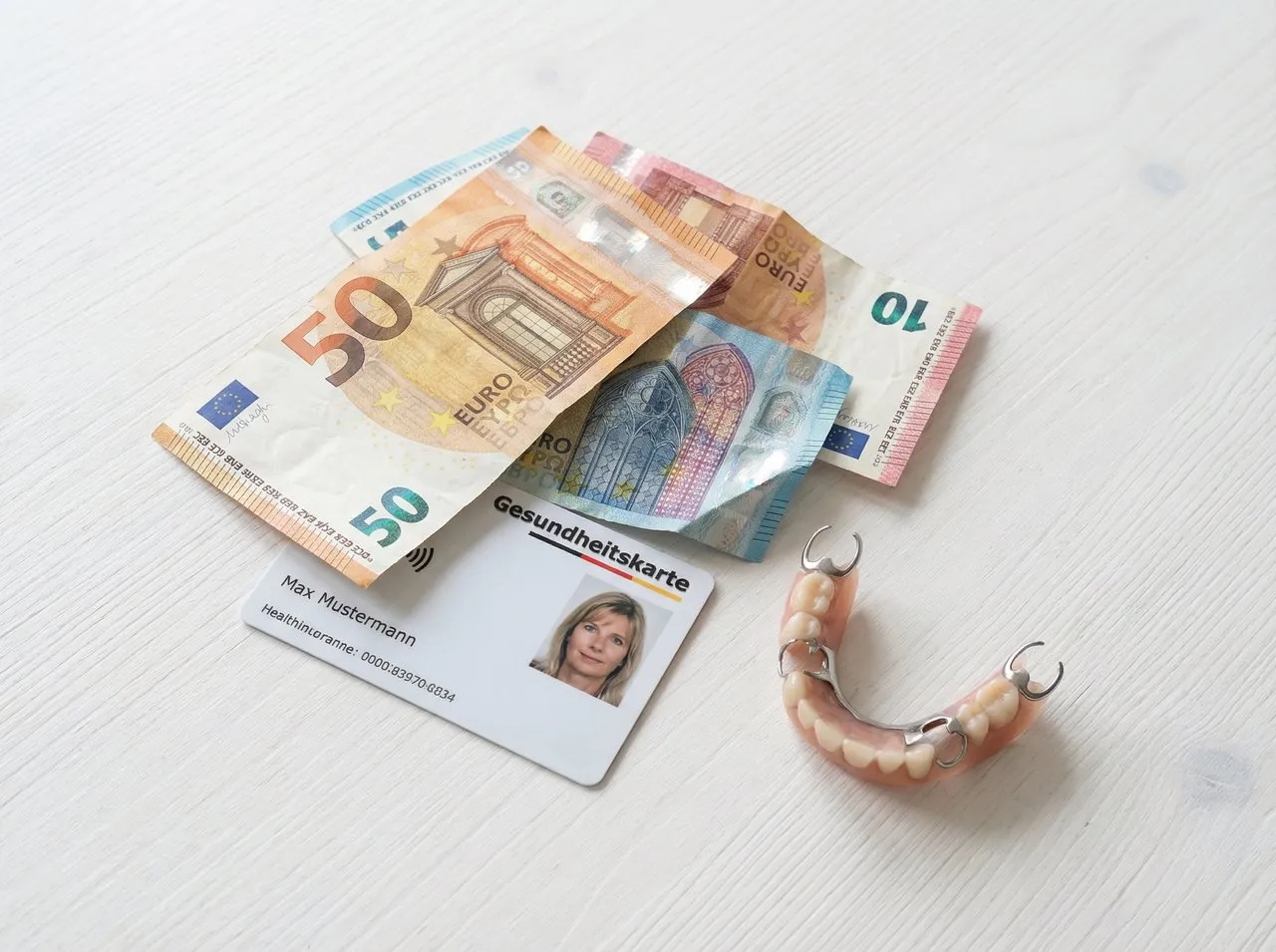
The decisive factors are the chosen method and the material. Whether the upper or lower jaw is involved also makes a difference. A partial denture often requires a different amount of work from a full denture. Laboratory services and the time spent in treatment are additional factors. Sometimes additional adjustments to the edges are necessary. A repair carried out at the same time can also affect the price. As a rough guide, direct procedures are often cheaper. Indirect laboratory work is often more costly. An exact cost can only be determined after an examination.
Price range: What can you usually expect?
Direct relining is often in the lower to middle price range. In simple cases, it can start at a two-figure amount. If more work is involved, it rises into three figures. Indirect relining usually involves laboratory fees. This often makes it more expensive than the immediate option. However, it often lasts longer and fits more precisely. It is important to note that there are no standard prices. Every denture is constructed differently. We therefore provide a clear cost estimate in advance.
Health insurance, personal contribution and planning
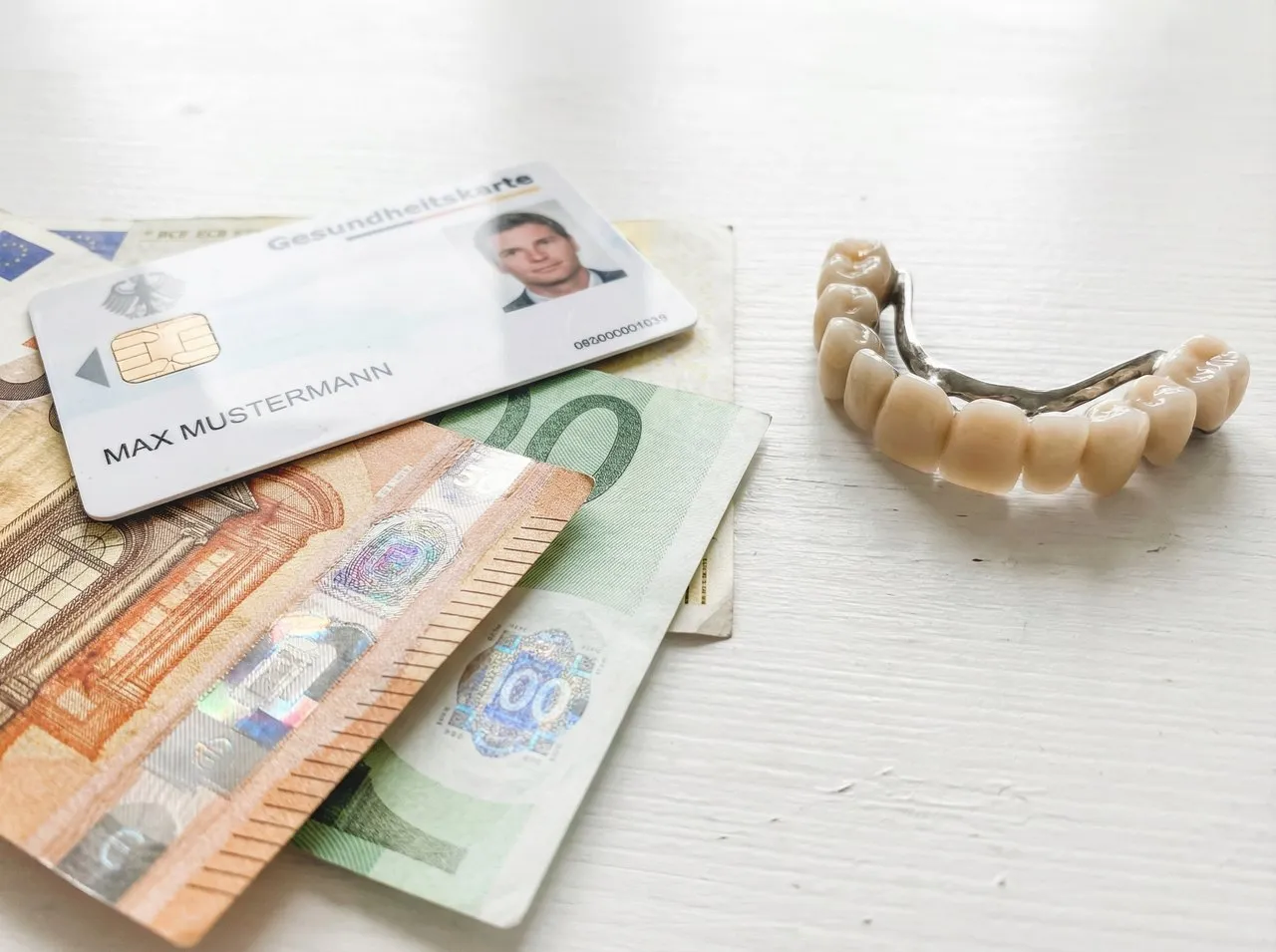
Many relines are classed as repairs to dentures. Statutory health insurance then contributes based on the clinical findings. Your personal contribution depends on the subsidy and the work involved. Private insurance plans or supplementary dental insurance may reimburse more. A transparent cost schedule before treatment begins is important. At our Wunschlachen practice in Berlin, we explain this clearly to you. We also check whether making a new denture would be more economical. This is rare, but possible. Particularly if the jaw has changed significantly, a new denture may fit better.
When is relining no longer sufficient?
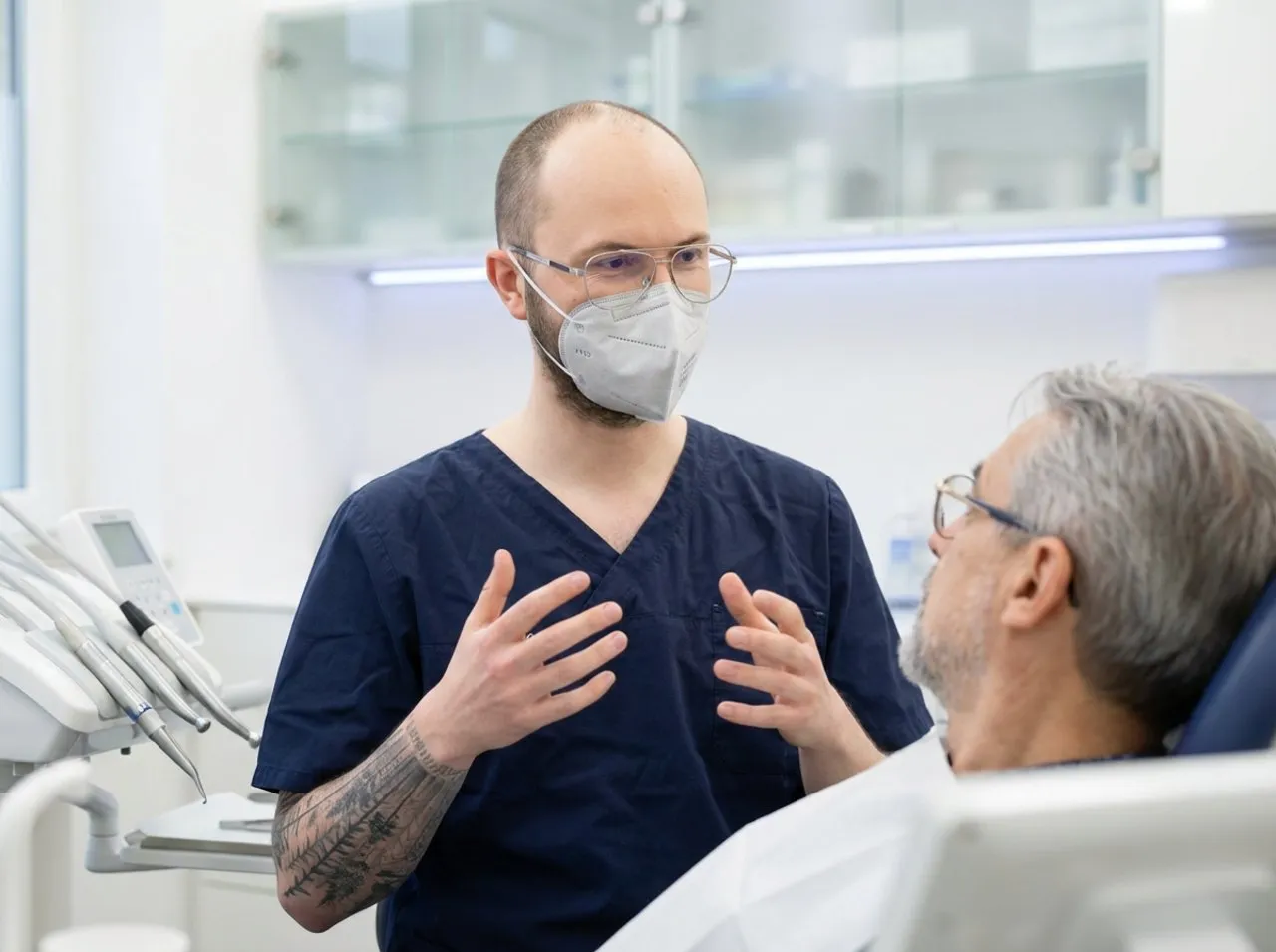
Relining does not replace a damaged denture. Cracks, fractures or loose teeth often require repairs. Sometimes a new denture is the better solution. Severely worn biting surfaces can also change the bite. This can cause problems even if the denture fits well. We check this very carefully at your appointment.
Procedure at the Wunschlachen practice
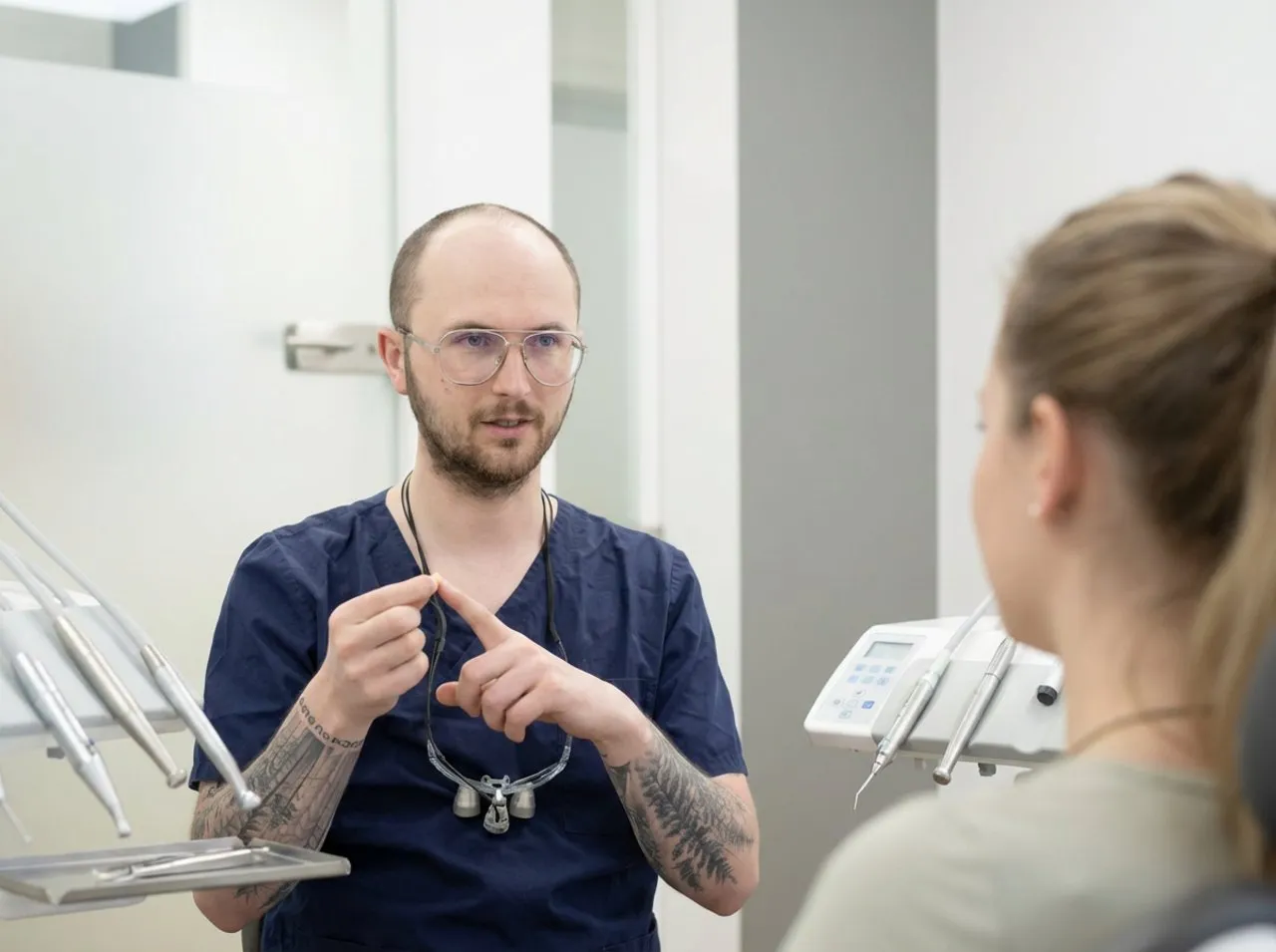
First, we check the fit, bite and pressure points. We then clean the denture thoroughly. Next, we take an impression, depending on the method. With the direct option, we apply the material. Once it has hardened, we make the fine adjustments. You will usually leave the practice with a stable denture. With the indirect option, the denture is sent to the laboratory. If necessary, you will often receive a temporary solution. Once the denture has been fitted, we check the fit again.
Why DIY relining is risky
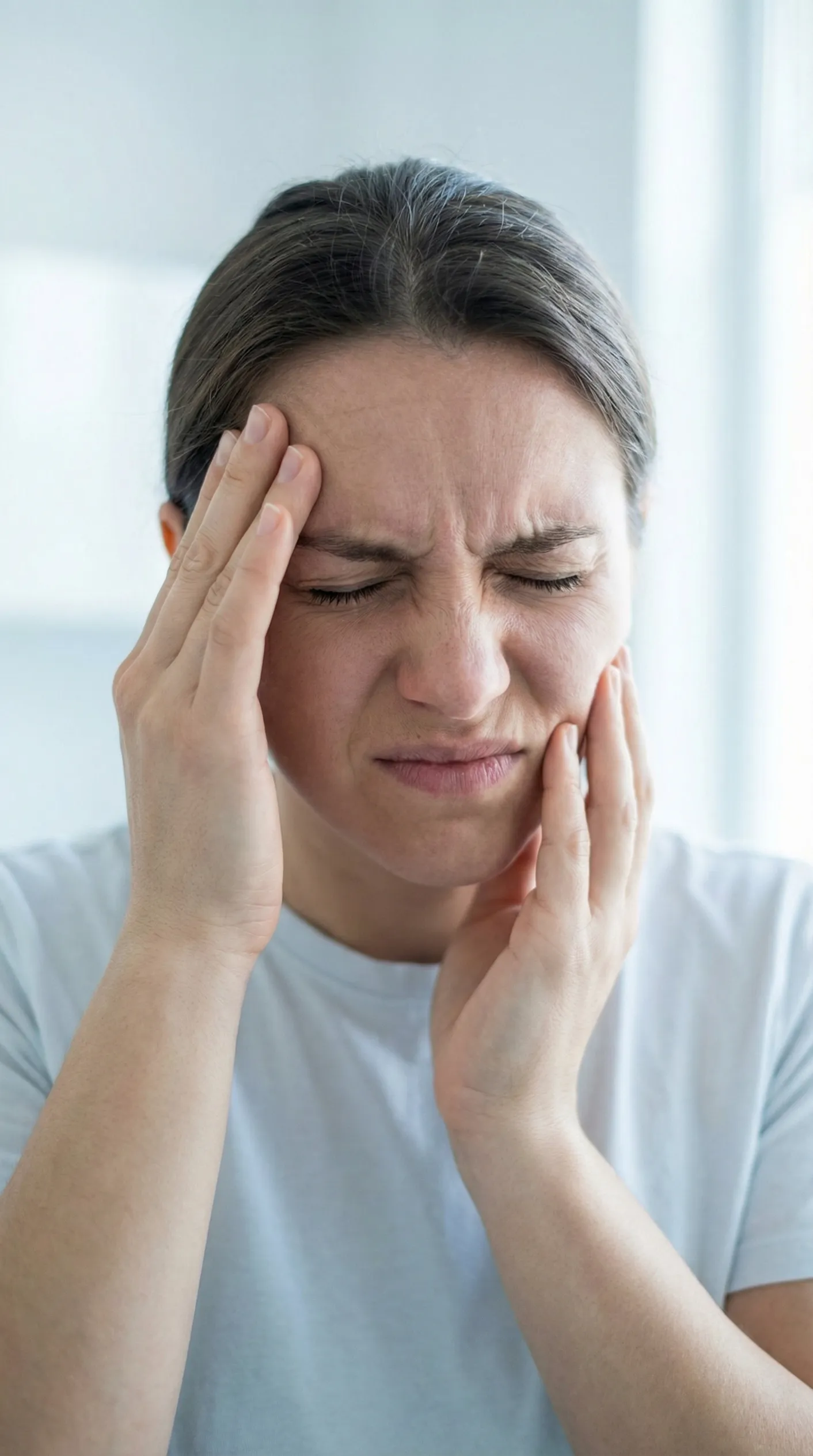
Kits for quick adjustments are available in shops. Nevertheless, the fit is often inaccurate. This can cause new pressure sores and inflammation. The bite can also shift. This places excessive strain on the jaw joints and remaining teeth. It is better to have such problems assessed professionally.
Aftercare following relining
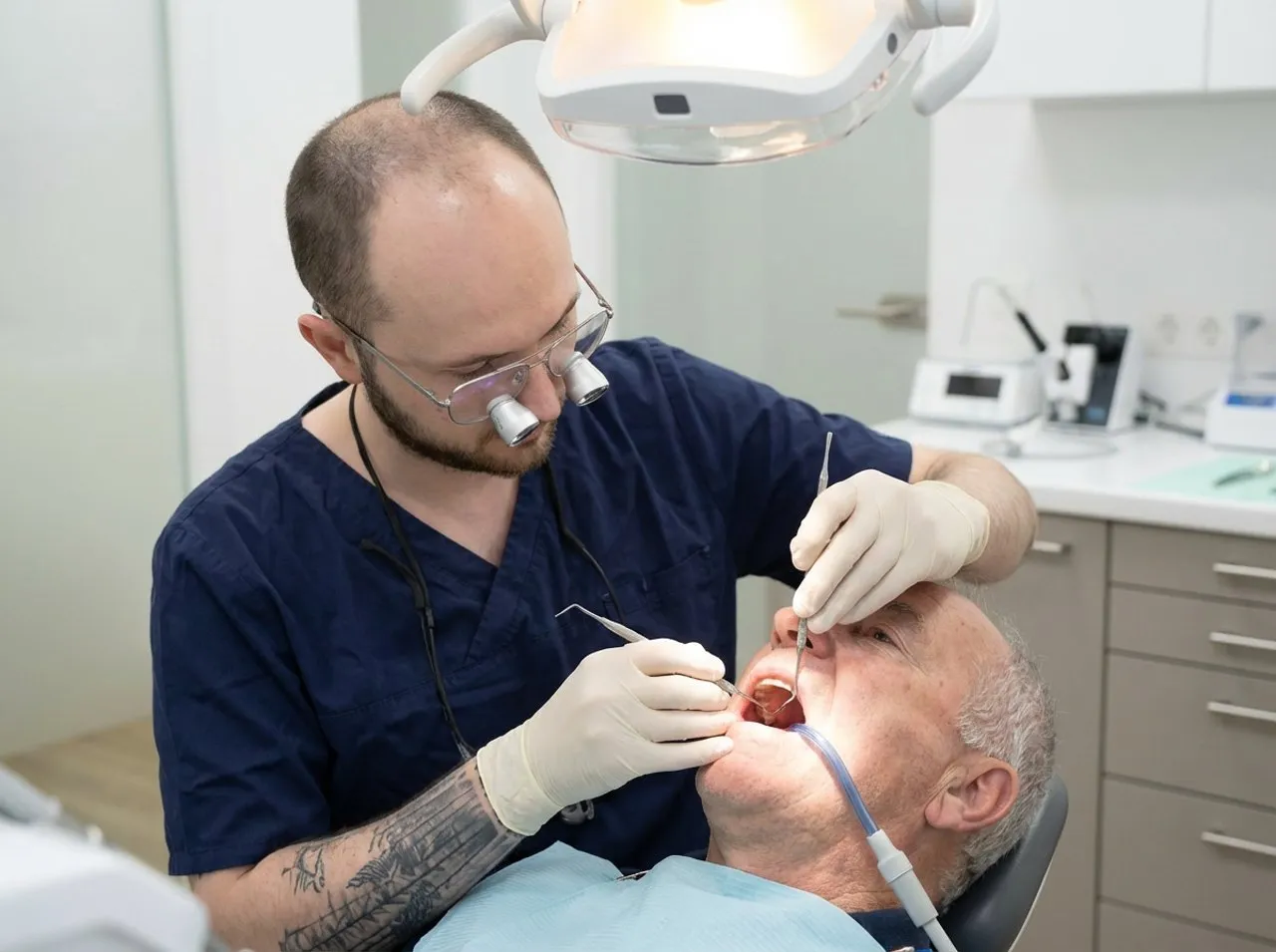
Eat mainly soft foods on the first day. Clean the denture carefully but gently. Avoid harsh cleaning products. Come in for a check-up if anything is pressing. Minor adjustments can be made quickly. This helps the reline remain comfortable for a long time.
Conclusion: A secure fit with predictable costs
Relining can significantly improve quality of life. It reduces looseness and pressure sores. At the same time, the existing denture remains usable. If you experience any problems, have the fit checked. We can advise you on methods and costs. Please feel free to book an appointment at Wunschlachen.
Your dental practice in Berlin – locations
Our dental practices in Berlin are located in Reinickendorf, Schöneberg, Friedrichstraße and Charlottenburg. We offer high-quality treatments and modern technology. Book an appointment with a dentist now. Online or by telephone for a radiant smile.
General dentistry and surgery
Reinickendorf
Zahnarzt & Implantate
Gotthardstr. 27, 13407 Berlin Tel.: 030 / 495 20 10[email protected]Mo-Do: 08:00–20:00 Fr: 08:00–14:00
Mehr erfahrenSchöneberg
Zahnarzt & Implantate
Bayerischer Platz 7, 10779 Berlin Tel.: 030 / 854 44 83[email protected]Mo-Do: 08:00–20:00 Fr: 08:00–14:00
Mehr erfahrenFriedrichstraße
Zahnarzt & Implantate
Friedrichstraße 147, 10117 Berlin Tel.: 030 / 959 990 644[email protected]Mo-Do: 09:00–18:00 Fr: 09:00–14:00
Mehr erfahrenCharlottenburg
Zahnarzt & Implantate
Savignyplatz 5, 10623 Berlin Tel.: 030 / 233 290 390[email protected]Mo-Do: 09:00–18:00 Fr: 09:00–13:00
Mehr erfahrenOrthodontics and paediatric dentistry
Reinickendorf
Kieferorthopädie & Kinderzahnmedizin
Gotthardstr. 27, 13407 Berlin Tel.: 030 / 495 20 10Mo-Do: 08:00–20:00 Fr: 08:00–14:00
Mehr erfahrenSchöneberg
Kieferorthopädie & Kinderzahnmedizin
Bayerischer Platz 7, 10779 Berlin Tel.: 030 / 854 44 83Mo-Do: 08:00–20:00 Fr: 08:00–14:00
Mehr erfahrenFAQ: Frequently asked questions about costs
The amount depends on the method, material and jaw. It is often in the mid three-figure range.
Simple adjustments are often cheaper. Laboratory relining is usually more expensive, but longer-lasting.
Laboratory work and a precision impression are both involved. The price is therefore often higher than for the direct option.
Usually not, because the fit is difficult to control. An incorrect fit quickly causes new pressure sores.
It is technically possible, but risky. A dental check-up is significantly safer.
Typical signs are looseness, reliance on denture adhesive and pain from pressure. Eating often becomes uncomfortable too.
Often yes, if it is classed as a repair. Your personal contribution still depends on the subsidy.
This depends on the material and bone loss. Many last several years with proper monitoring.
Generally not, because we work gently. Pressure sores usually improve afterwards.
Often on the same day after direct relining. After laboratory work, usually within a few days.