
Dry mouth – when saliva stops flowing
A dry mouth may seem harmless at first. Who has not woken up in the morning with a dry feeling in their mouth? But what many people do not realise is that persistent dry mouth, also known as xerostomia, can have far-reaching consequences for oral health. In our...
Über 350 Google-Bewertungen
What is dry mouth?
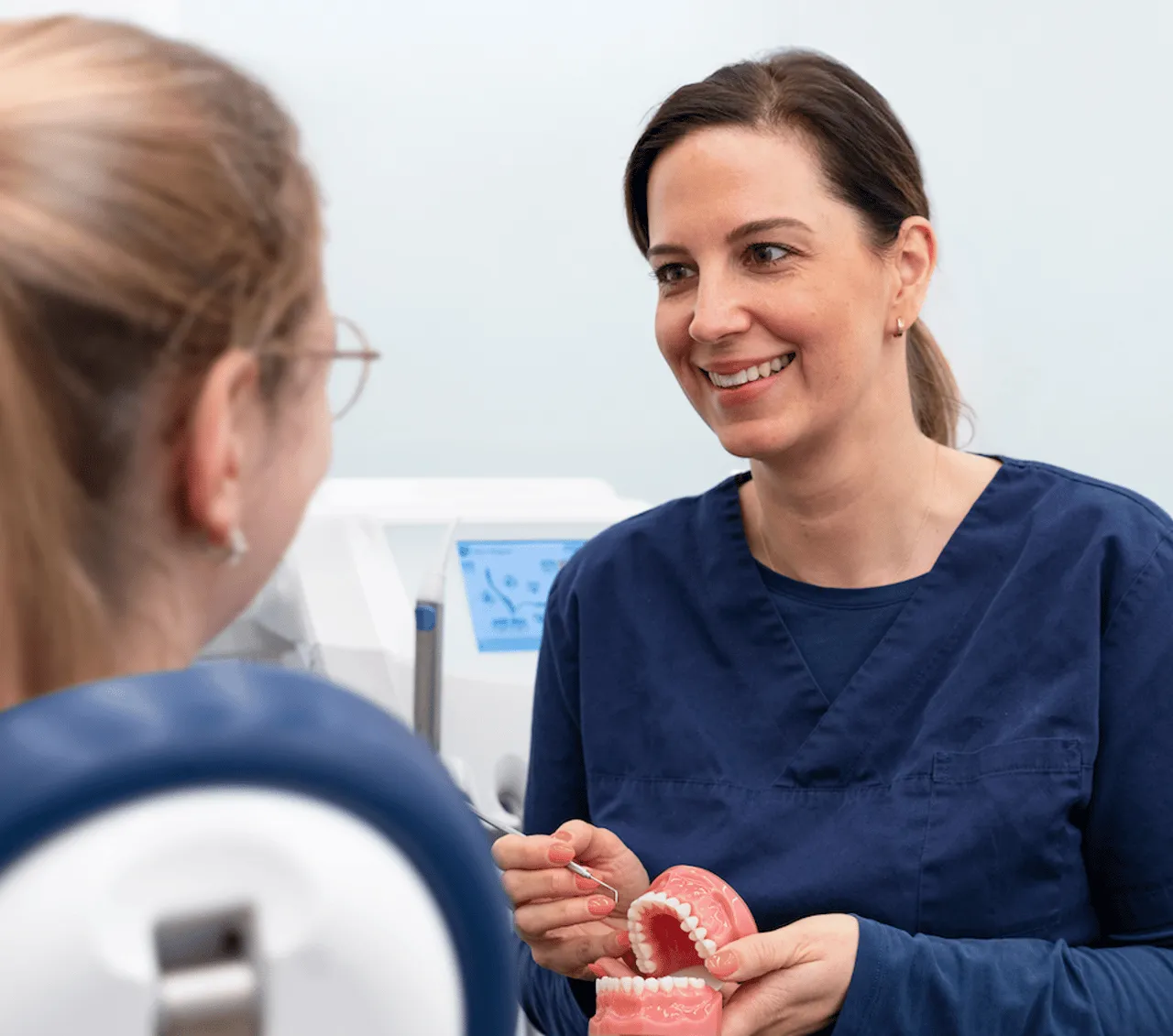
Xerostomia describes a condition in which not enough saliva is produced. Saliva performs many important functions in the mouth. It keeps the mucous membranes moist, protects the teeth and gums, aids digestion and has an antibacterial effect. When saliva stops flowing, the risk of tooth decay, gum inflammation, bad breath and infections of the mucous membranes increases.

Dry mouth – causes and triggers
The causes of dry mouth are varied. One of the most common is taking certain medications. These include:
• Blood pressure medication
• Antidepressants
• Painkillers
• Antihistamines
• Diuretics
Diseases such as diabetes, Parkinson’s, Sjögren’s syndrome or rheumatic diseases can also be associated with reduced saliva production. Hormonal changes (e.g. during the menopause), smoking, alcohol consumption or insufficient fluid intake can also play a role.
Last but not least, stress also plays an important role. In stressful situations, the body often reduces saliva production. This has noticeable consequences in everyday life.
Dry mouth – recognising the symptoms
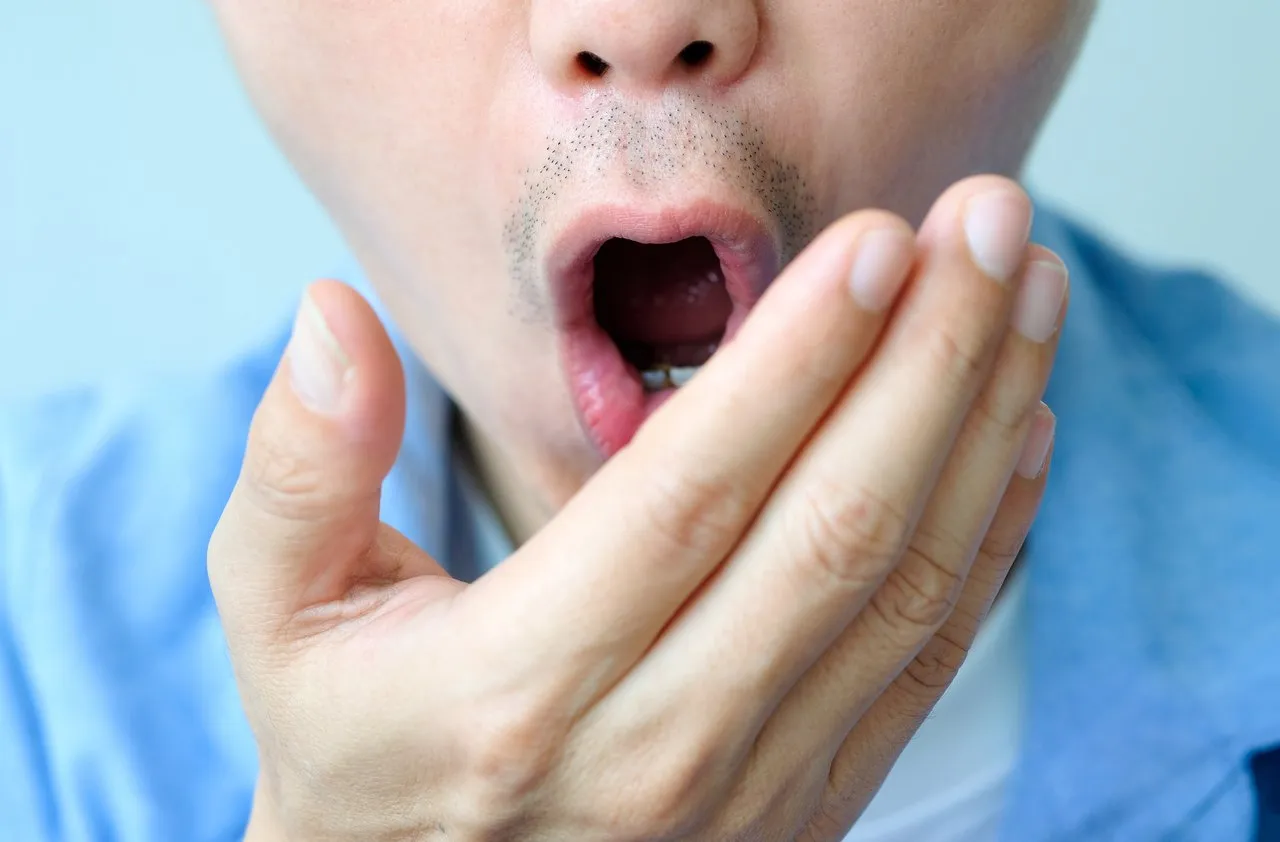
The symptoms of xerostomia are usually clear, but are often underestimated. Typical signs include:
• A persistently dry, rough feeling in the mouth
• Difficulty speaking, chewing or swallowing
• A burning tongue or mucous membranes
• Chapped lips and corners of the mouth
• Bad breath
• Reduced sense of taste
• Increased susceptibility to tooth decay
• Frequent drinking of water without lasting relief
Anyone who notices these symptoms over a prolonged period should not take them lightly.

Best treatment for dry mouth
The most important question is: What helps with dry mouth? The answer depends on the cause. At our practice, we first analyse the individual triggers and then develop a suitable treatment. The following measures can help:
1. Drink plenty
It is advisable to drink at least two litres of water or unsweetened tea per day. This stimulates saliva production and moistens the mouth.
2. Chewing gum or lozenges
Sugar-free chewing gum or special lozenges promote saliva production through mechanical stimulation.
3. Saliva substitutes
There are medical preparations containing artificial saliva that moisten the oral mucosa. The best treatment for xerostomia depends on the individual case. We will be happy to advise you.
4. Optimise the indoor climate
Air that is too dry can exacerbate dry mouth. Humidifiers or regular ventilation create a more pleasant climate.
5. Adjust eating habits
Spicy, salty or very dry food can intensify the feeling of dryness. A balanced, fairly soft diet is recommended.
6. Have medication reviewed
If a medication is the trigger, an alternative can be found in consultation with your GP or specialist.
Dry mouth – what helps?
If you are wondering how to improve your oral health, you should not rely solely on home remedies. A dental examination is essential to identify possible damage. Early action is important. At our Wunschlachen practice, we offer:
• Comprehensive diagnostics
• Advice on medication, saliva substitutes and care products
• Caries and periodontitis prevention for xerostomia
• Information on risk factors and prevention
Close collaboration with GPs and specialists enables holistic treatment. This is particularly important in cases of systemic causes such as diabetes or autoimmune diseases.

Your benefits at the Wunschlachen dental practice
Our experienced team takes the time to listen to your concerns and ensures that you receive compassionate care. With dry mouth in particular, starting treatment early is crucial to prevent tooth damage and inflammation. We rely on:
• Modern diagnostic technology
• Gentle treatment methods
• Clear advice in straightforward language
• Regular check-up appointments
A long-term result is only possible if the underlying cause is identified.

Conclusion
Xerostomia can significantly impair oral health and reduce quality of life. With the right diagnosis and individually tailored measures, saliva flow can often be stimulated again. At our Wunschlachen dental practice in Berlin, we will advise and support you on your journey towards better oral health.
FAQs – frequently asked questions about dry mouth
Common causes of dry mouth include medicines, conditions such as diabetes or Sjögren's syndrome, hormonal changes and insufficient fluid intake.
Drinking regularly, chewing gum, saliva substitutes and a suitable indoor climate can help.
A glass of water by the bed, humidifiers in the bedroom and special gels for night-time use can provide relief.
Antidepressants, antihistamines, blood pressure medication and diuretics are among the most common causes.
The best treatment for dry mouth depends on the individual case. In some cases, saliva substitutes or lozenges help; sometimes a change of medication is necessary.
Drinking enough fluids, avoiding alcohol and nicotine, and maintaining good oral hygiene can help prevent it.
Untreated xerostomia can lead to tooth decay, gum problems, bad breath and inflammation of the mucous membranes.
Speak to your doctor about alternatives or possible additional measures to stimulate saliva production.
Yes, young people can also develop dry mouth, particularly when taking medication, experiencing stress or eating an unhealthy diet.
We examine your oral mucosa, analyse possible causes and work with you to develop an individual treatment plan.