Fitting a crown to an implant: procedure and risks
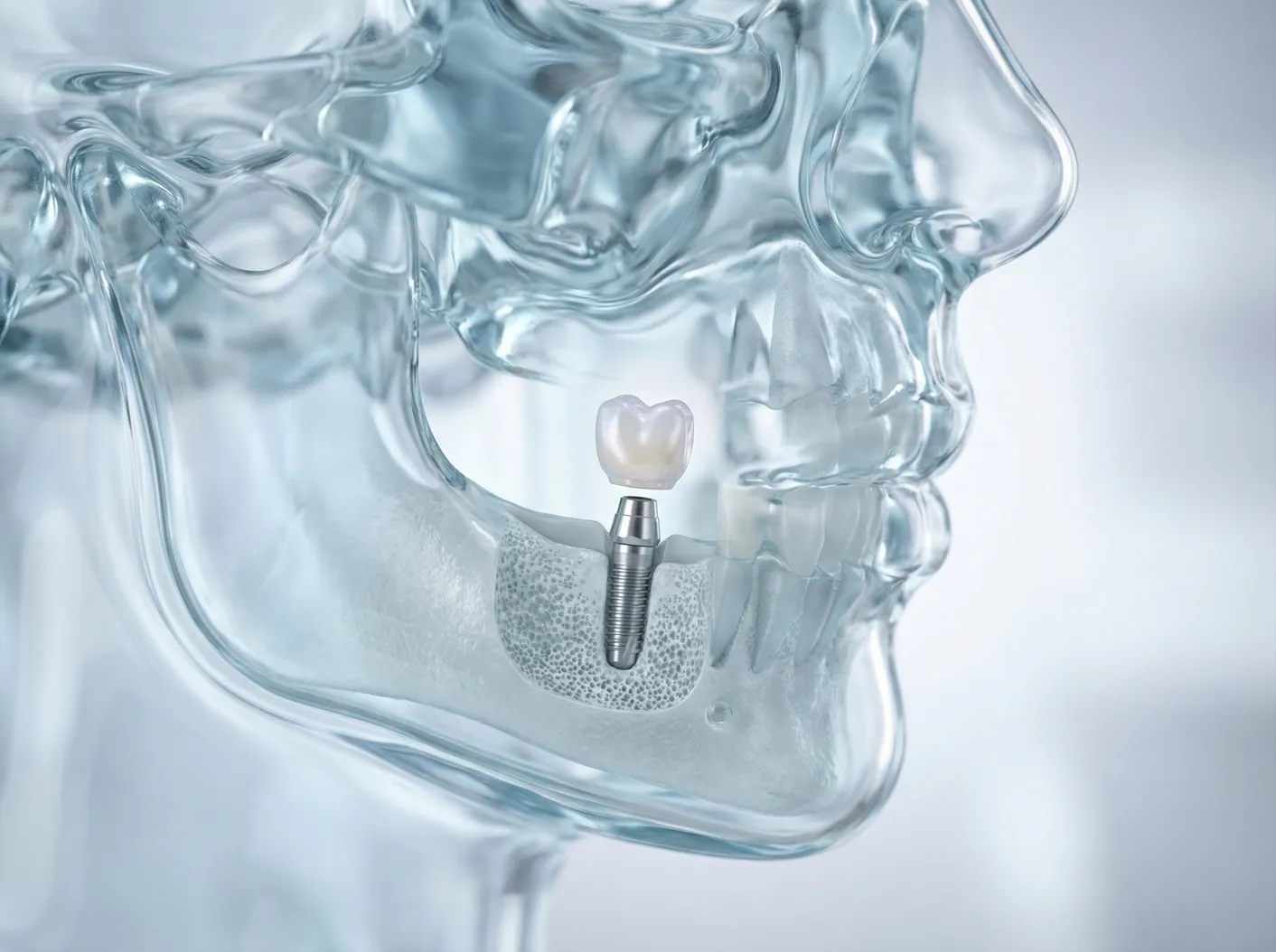
A crown on the implant replaces the visible part of the tooth. It is usually screw-retained or cemented. Fit, bite and aftercare are crucial for long-term stability.
Über 350 Google-Bewertungen
What is an implant crown?
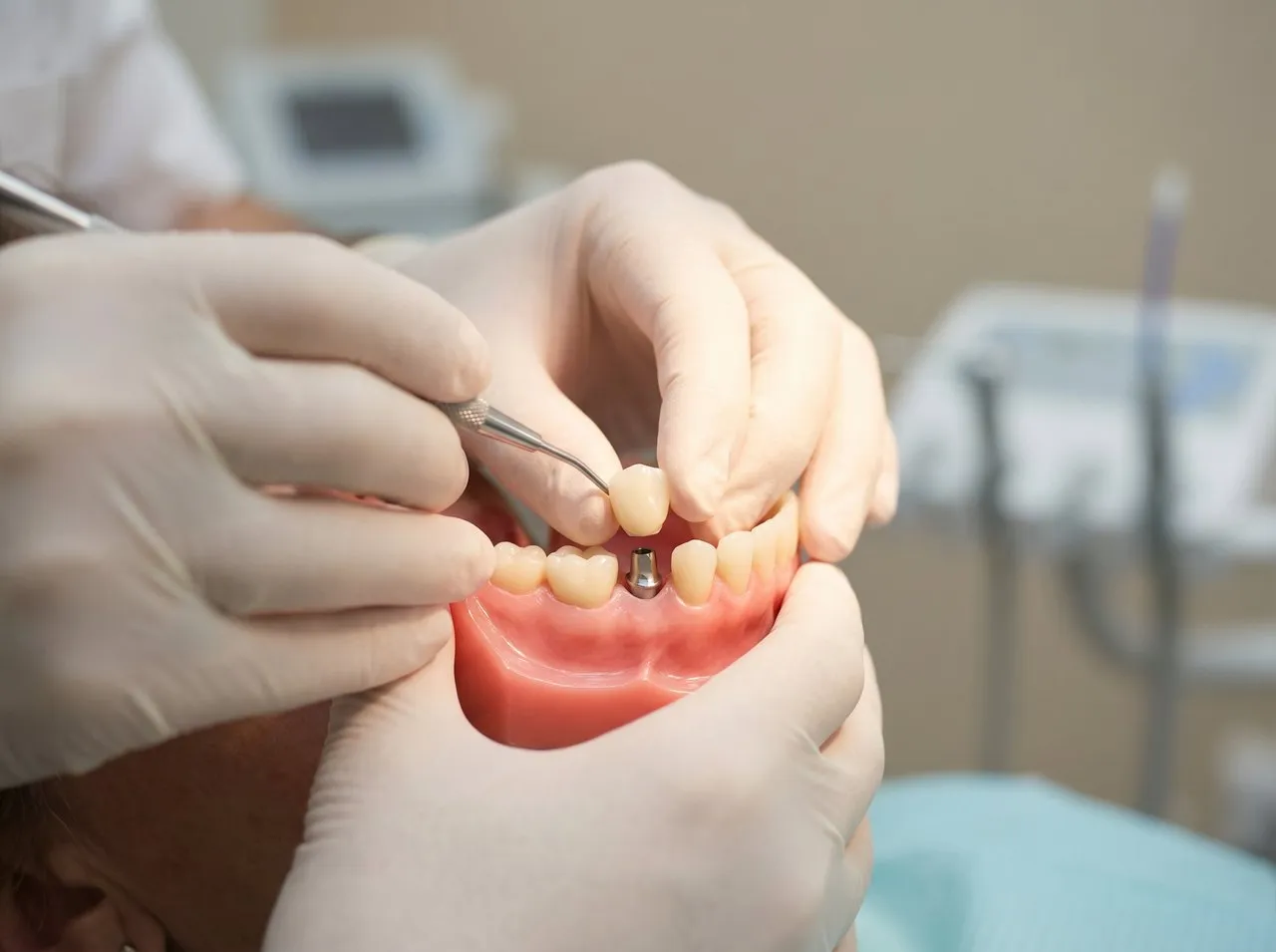
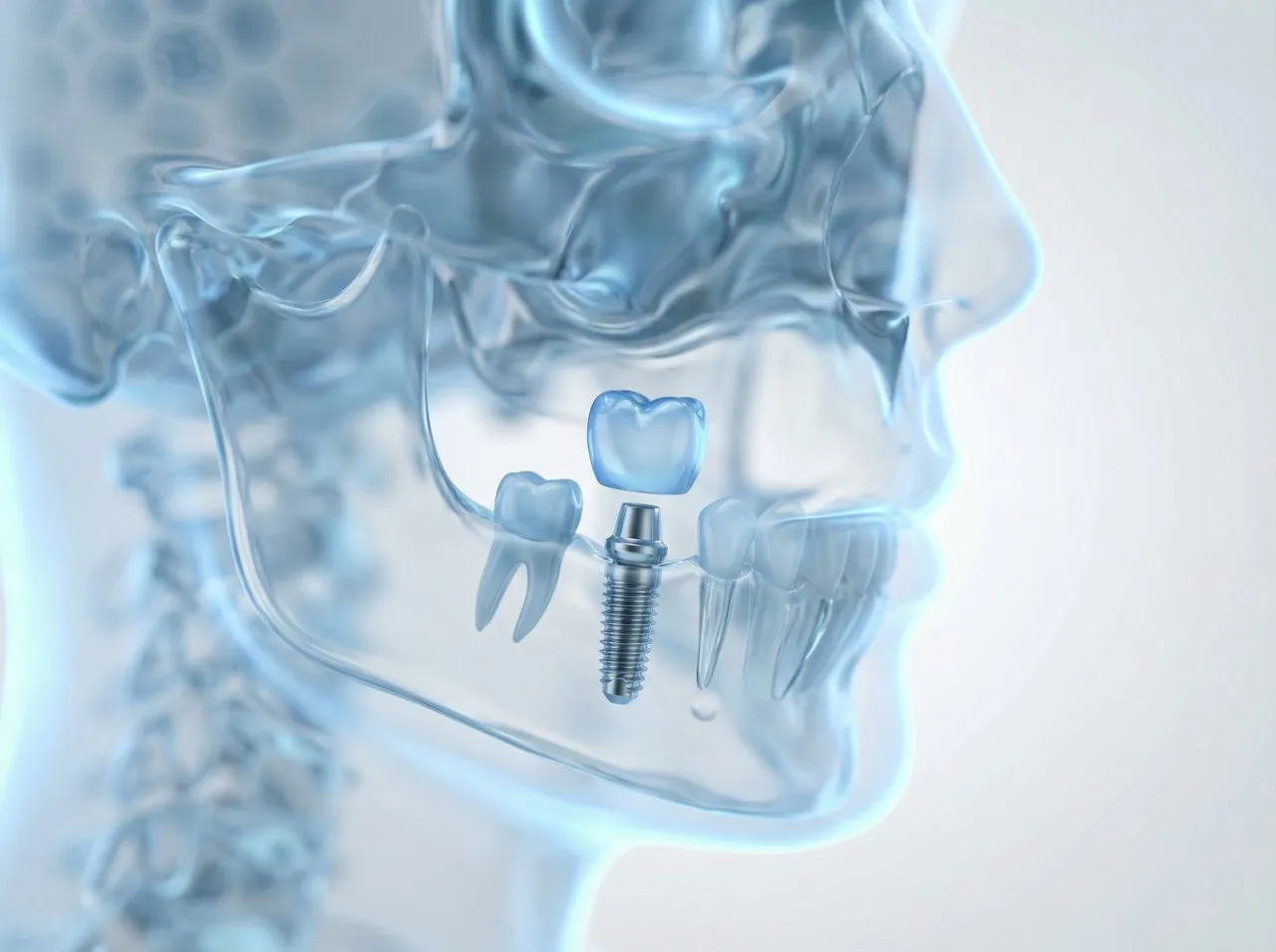
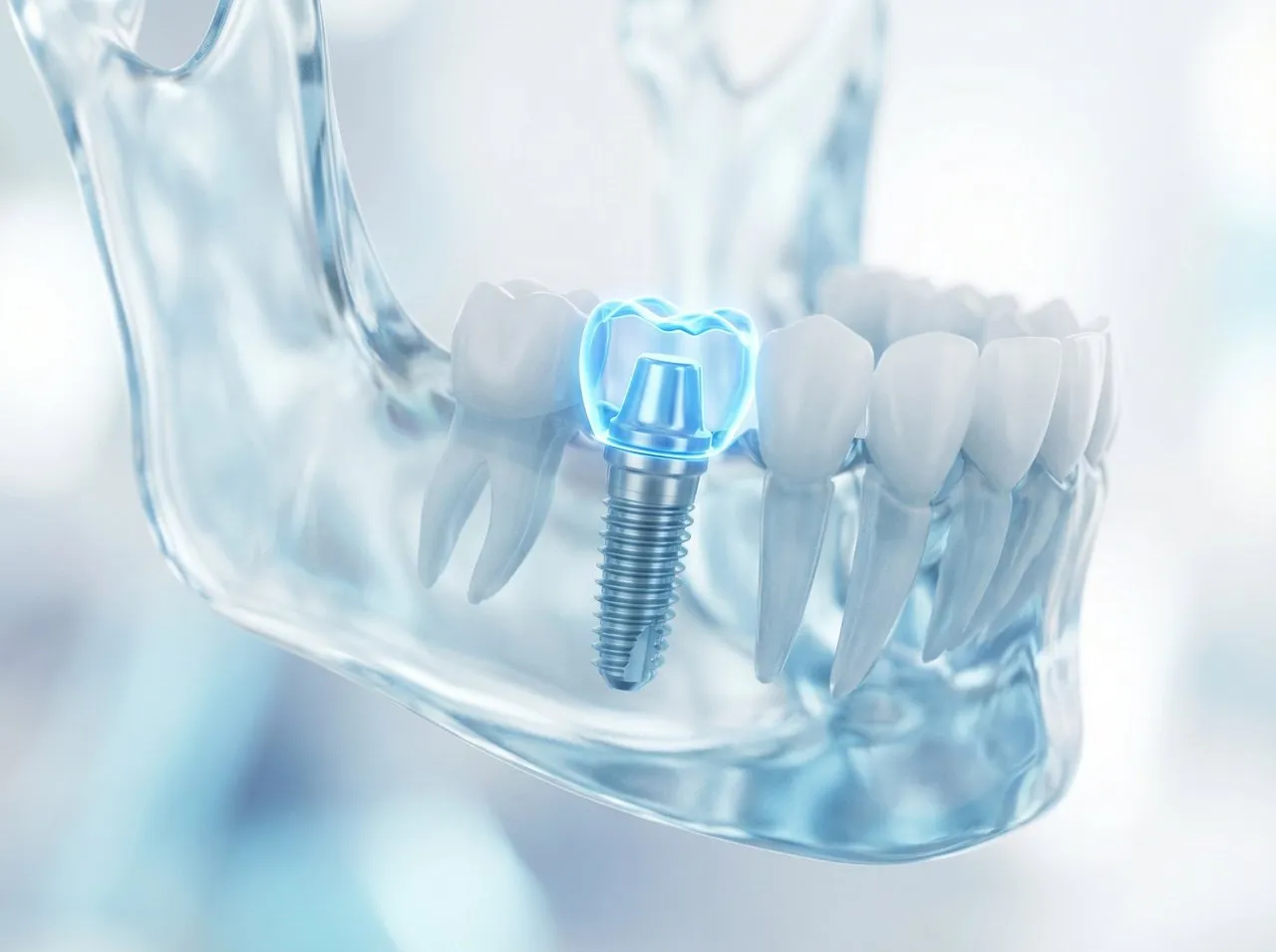
An implant takes over the function of the tooth root. A post known as an abutment sits on top of it. The crown provides the shape, colour and chewing surface. The implant body itself cannot develop caries. However, the surrounding tissue remains susceptible. A design that can be kept clean is therefore important.
Requirements before fitting the crown
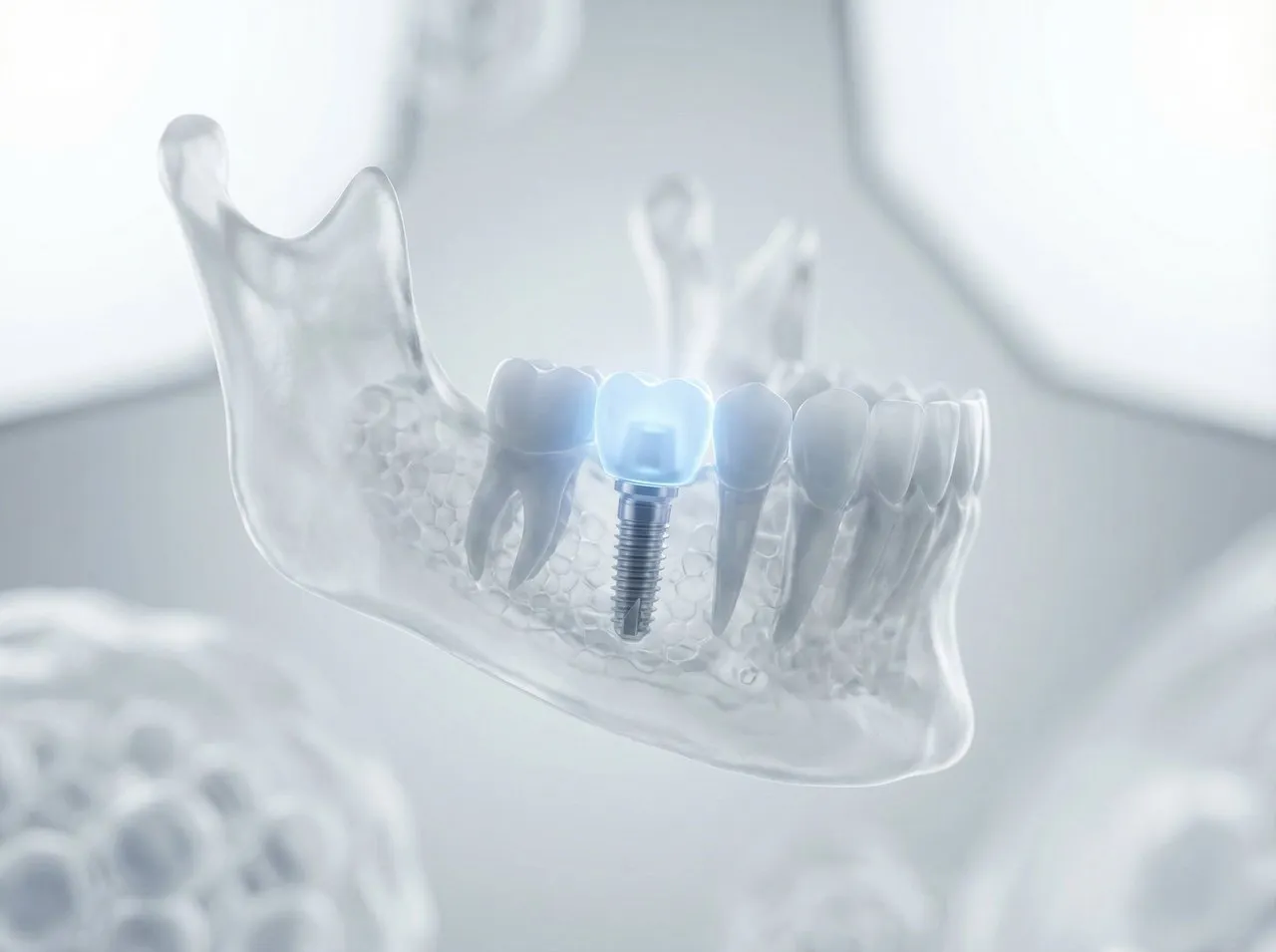
Before the restoration is fitted, the implant must have healed securely. Healing time varies according to the region of the jaw and bone quality. We check stability and the condition of the tissue. We assess the gum around the implant. We check the available bone and tissue thickness. We also assess the planned load on the bite. A temporary restoration can shape the soft tissue. It stabilises the contour of the gum margin. This makes it easier to predict the final position.
Screw-retained or cemented: attachment methods
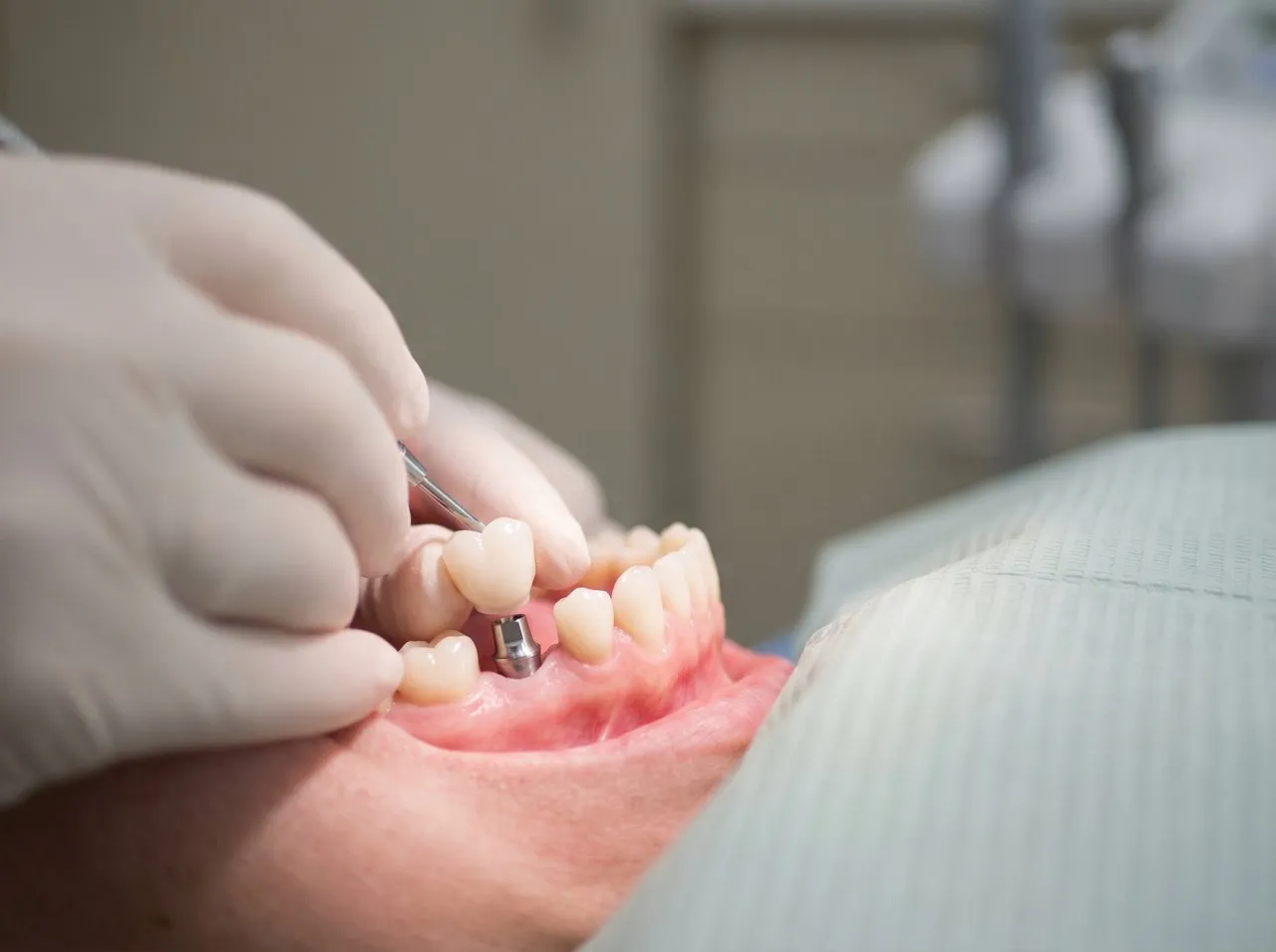
With a screw-retained crown, the crown is secured with a screw. The screw channel runs through the crown to the implant. The access is then sealed aesthetically. With a cemented crown, the crown is bonded to an abutment. There is no screw channel in the chewing surface. Removing excess cement is essential. Hybrid solutions combine both principles. The crown is bonded outside the mouth. The unit is then screwed into place.
Which solution is medically appropriate?
Screw-retained crowns are easy to remove again. This makes repairs and check-ups easier. Access is also simpler if there are signs of inflammation. Cemented crowns often look very unobtrusive. They are sometimes advantageous with particular implant angulations. This is often the case in the front teeth. The decision depends on the implant position and aesthetics. Cleanability is equally important. Bruxism can also influence the choice.
Step by step: how the crown is fitted
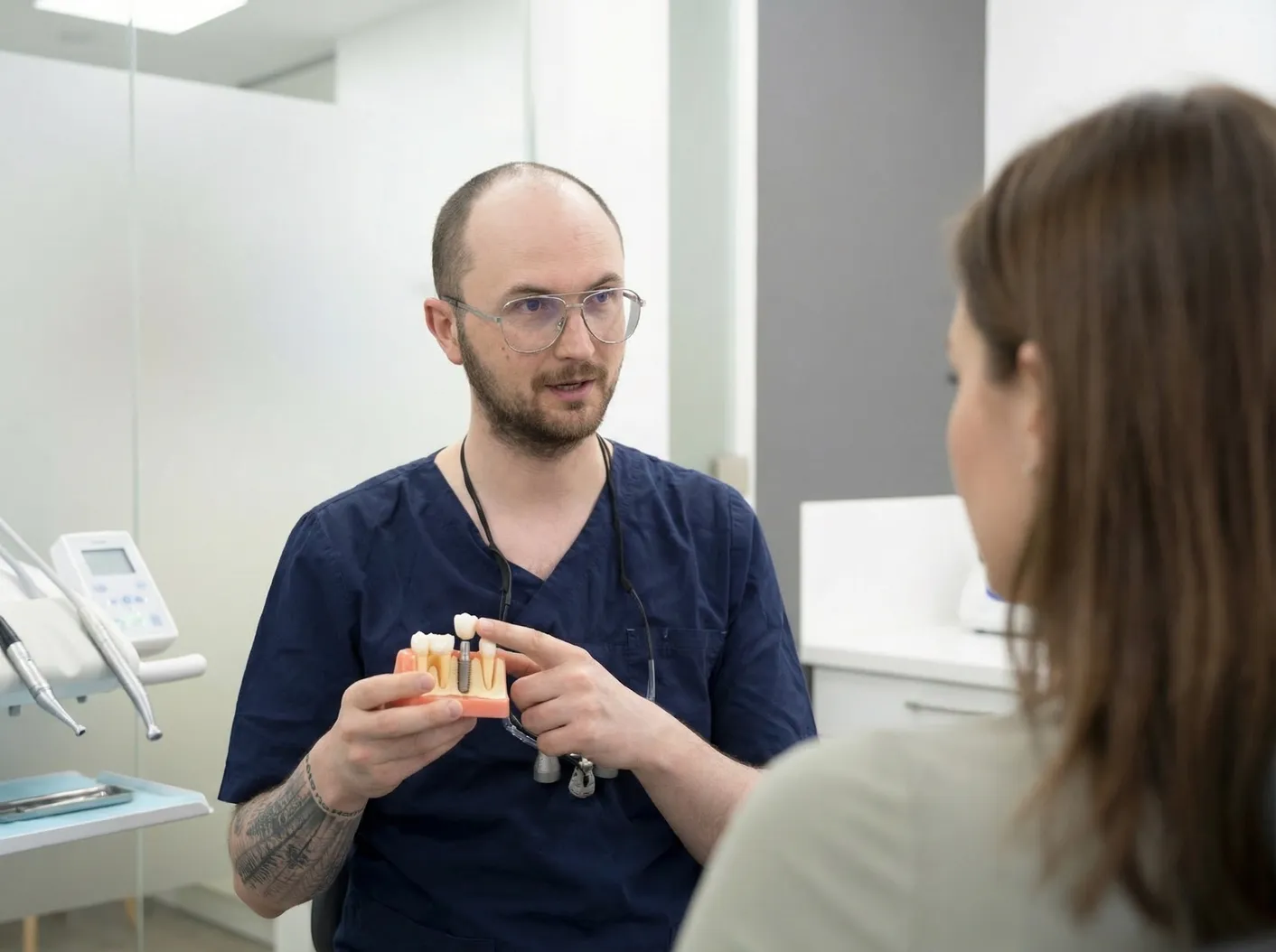
Treatment planning comes first. We assess the available space, adjacent teeth and tooth position. If necessary, we use digital diagnostics. This is followed by an intraoral scan or an impression. The laboratory uses these data to make the crown. The material and shade are selected accordingly. The crown is tried in before it is attached. We check the fit, contact points and occlusal contacts. The marginal contour is also assessed. Screw-retained crowns are tightened to a defined torque. The screw channel is then securely sealed. Finally, we polish the surface. With cement-retained crowns, we protect the gums. We use controlled amounts of cement. Any excess is then removed under magnification. Finally, we check the occlusion and chewing movements. We check all contacts in maximum intercuspation. If necessary, an X-ray check is carried out.
Materials for implant crowns
Zirconia or ceramic is often used. These materials are colour-stable and well tolerated. They are suitable for many situations. Metal ceramic may be appropriate for back teeth. It is durable and clinically established. The choice also depends on the available space and the bite.

Possible complications and solutions
A loose screw can cause a feeling of pressure. Sometimes there is a clicking sound when chewing. A prompt check-up is then important. Inflammation around an implant is often caused by biofilm. Cement residue can further increase the risk. Checking for cement residue is therefore crucial. In rare cases, ceramic can fracture. Causes include excessive loading or unfavourable contacts. A precise bite check reduces the risk. Fit also affects the prognosis. Micromovements place strain on the connection and the tissue. Laboratory precision and checking the fit are therefore crucial.
Aftercare and cleaning
Implants require consistent daily care. The interdental spaces at the gum margin are particularly important. Interdental brushes or Superfloss are suitable. We demonstrate the technique at our practice. The cleaning aids are adapted to your individual needs. This keeps cleaning effective and gentle. Regular check-ups ensure stability. We assess the tissue, bite and hygiene status. The interval depends on your risk profile. Professional prophylaxis removes hard deposits. It supports long-term implant health.

Costs and planning
Costs depend on the material and complexity. The attachment method also affects the scope of treatment. Laboratory work accounts for a significant proportion. Patients with statutory health insurance usually receive a fixed subsidy. A bonus booklet and supplementary insurance can reduce costs. The treatment and cost plan provides transparency. It sets out services, materials and laboratory costs in a structured way.
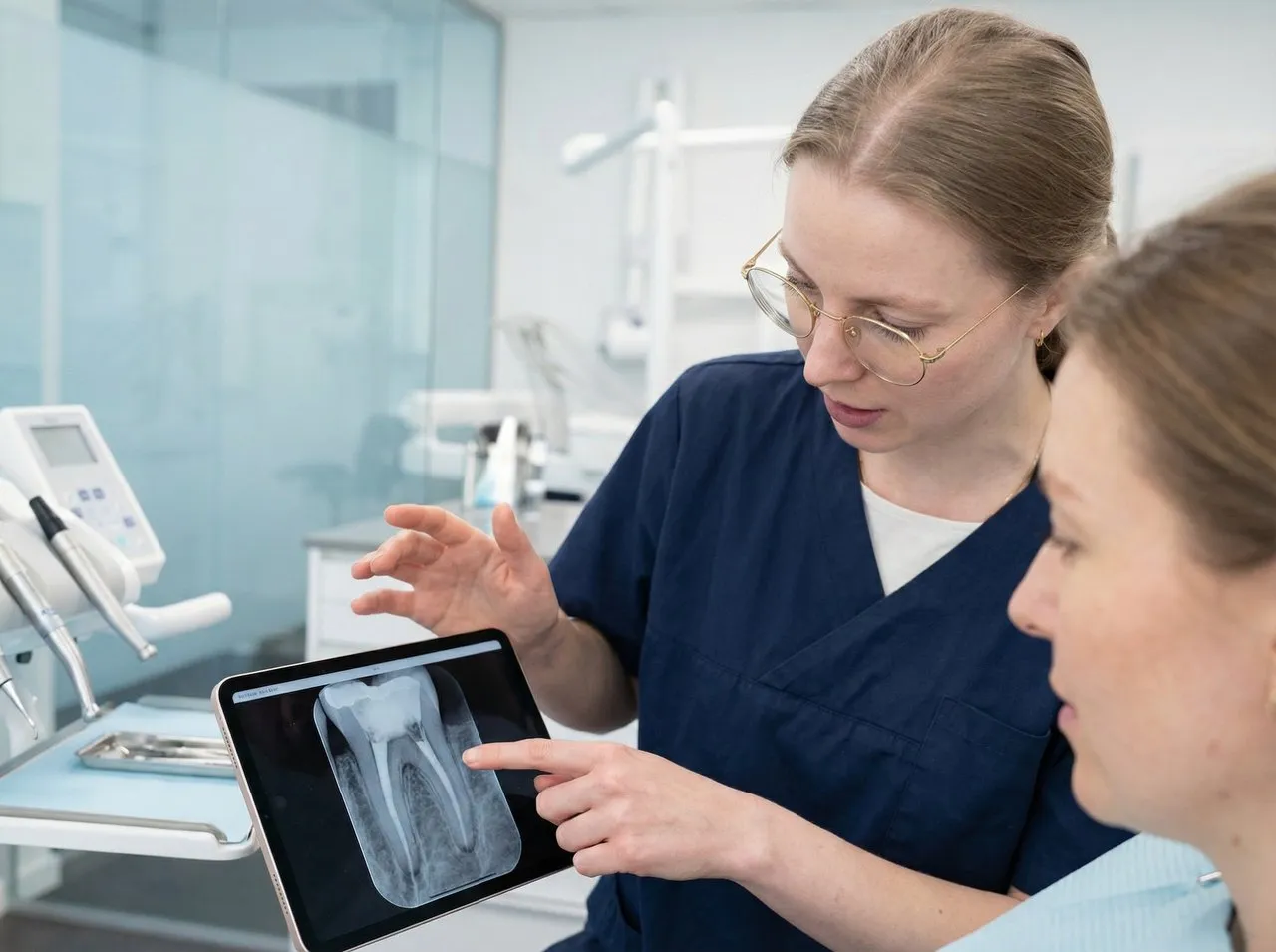
Treatment at Wunschlachen in Berlin
Wunschlachen plans implant crowns according to functional criteria. We focus on aesthetics, fit and access for cleaning. The aim is a long-lasting restoration.
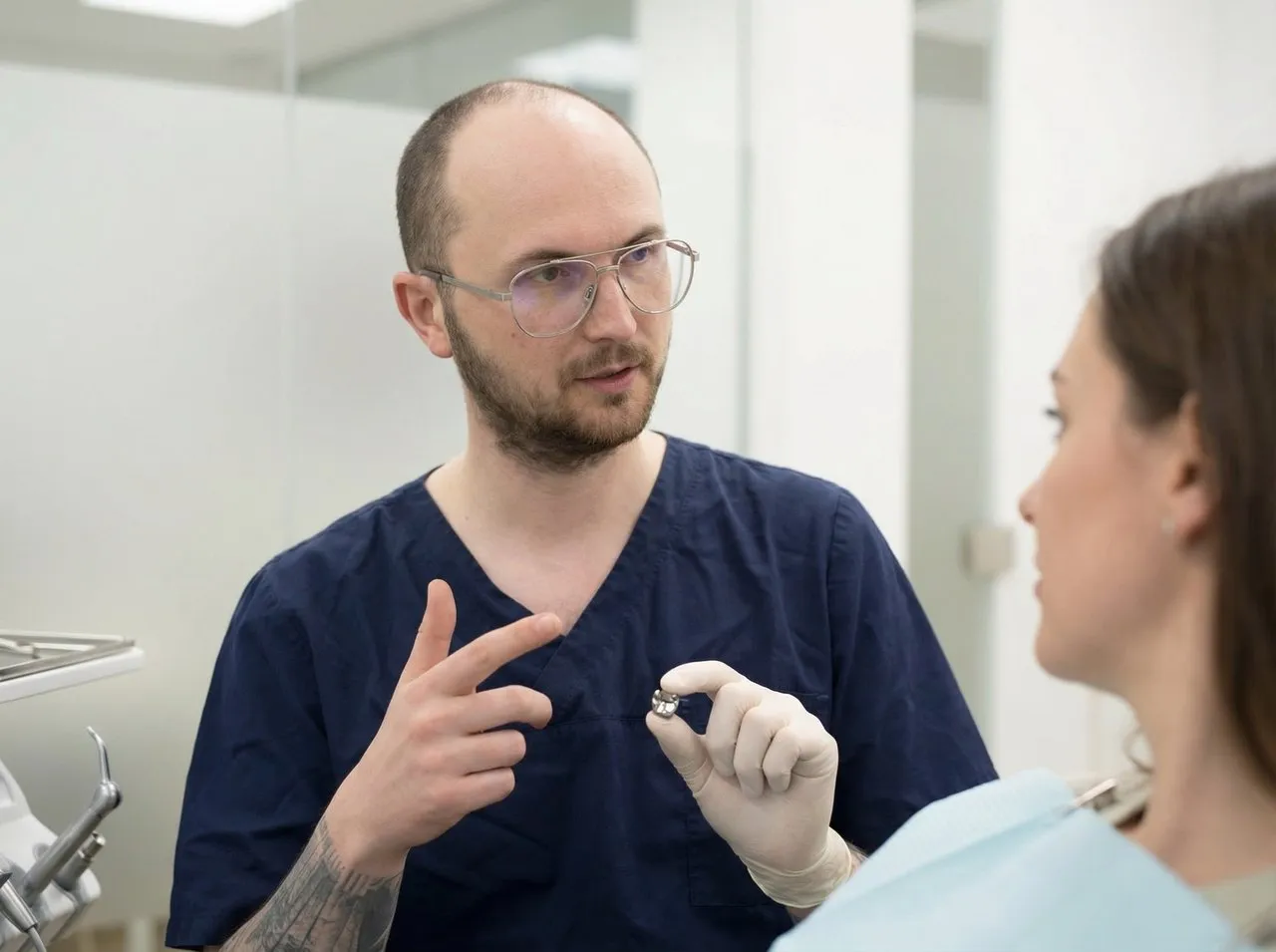
Conclusion
Fitting a crown to an implant is precision work. Screw-retained and cemented solutions are well established. Check-ups, hygiene and aftercare are crucial.
FAQ: fitting a crown to an implant
This depends on healing and stability. The restoration is often fitted after a few weeks.
Both concepts are tried and tested. The choice depends on the clinical findings, position and hygiene.
No, the screw is inside. The access is sealed and polished.
Cement residue can irritate the tissue. Thorough removal reduces the risk.
The abutment is the post on the implant. It connects the implant and the crown.
Screw-retained crowns are usually easy to remove. Cemented crowns are often more difficult to remove.
This varies from person to person. Care and check-ups extend its lifespan.
Daily interdental cleaning is important. We recommend suitable sizes and shapes.
It can be beneficial if you have bruxism. It reduces excessive loading and protects the crown.
An early check-up is advisable. After that, regular intervals are determined according to risk.