Full denture costs without a bonus booklet: understanding your out-of-pocket contribution
A full denture replaces all the teeth in one jaw. It is removable. Many people ask about the cost without a bonus booklet.
Without regular preventive care, the health insurance fund's subsidy is reduced. This increases your own contribution. With good planning, everything remains financially manageable.
Über 350 Google-Bewertungen

What is a full denture and what counts as standard care?
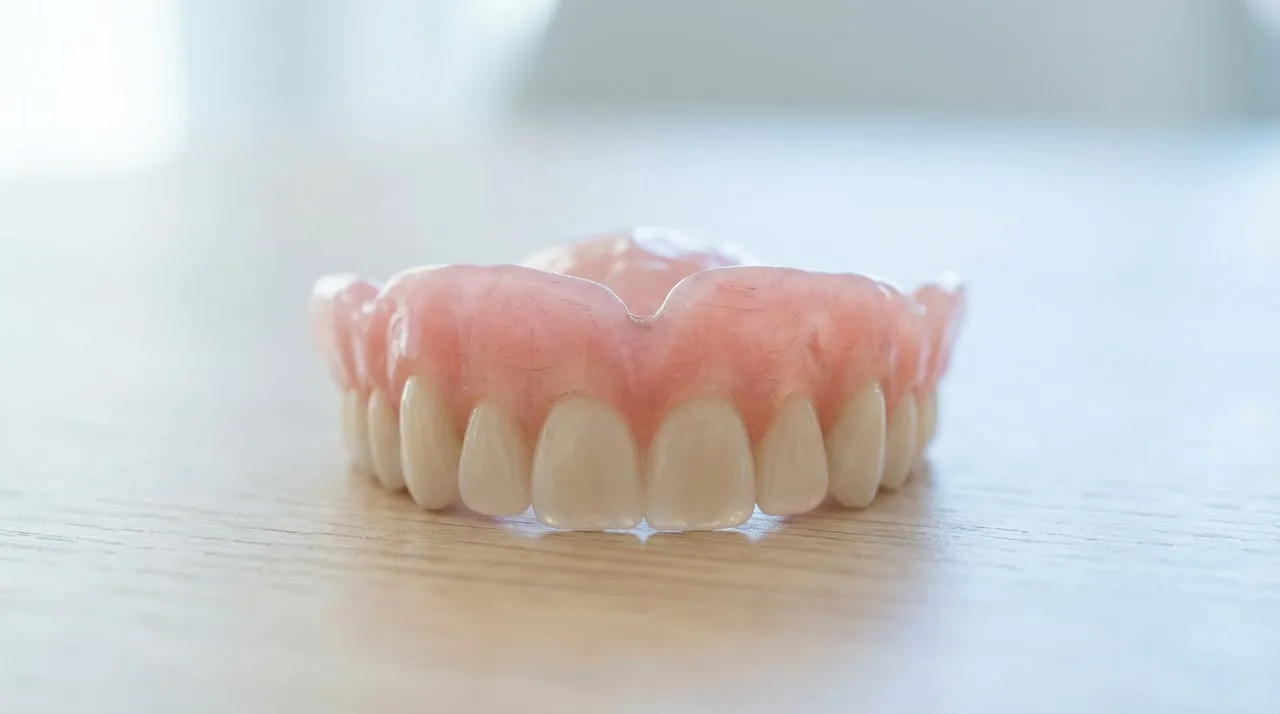
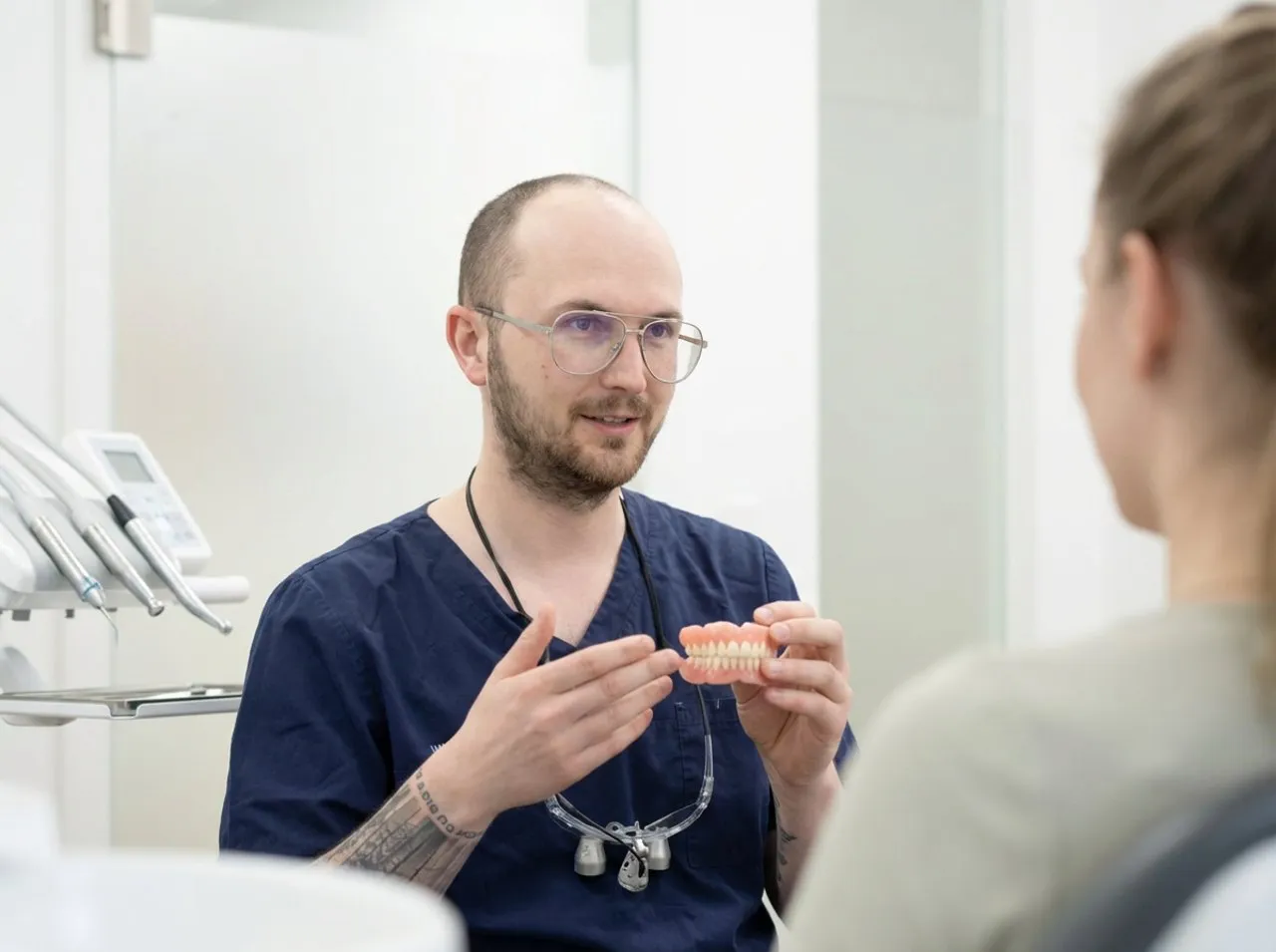
A full denture is also called a complete denture. It replaces all the teeth in the upper or lower jaw. The denture is made in a laboratory.
The base is usually made of plastic. It holds the artificial teeth. In the upper jaw, it often covers the palate.
Statutory health insurance funds base their payments on standard care. This is the standard treatment for the particular dental findings. It is considered medically adequate.
The fund pays a fixed subsidy. This subsidy is based on the dental findings. It remains the same, even with extras.

No bonus booklet: what are the consequences?
The bonus booklet records preventive check-ups. Regular appointments increase the subsidy. Without these records, the bonus is lost.
Without the bonus, the health insurance fund often covers 60 per cent of the cost of standard care. With five years of preventive care, it is usually 70 per cent. With ten years, 75 per cent is often possible.
It is important to distinguish between the subsidy and the total cost. The fixed subsidy is based on standard care. You pay any additional costs yourself.

Full denture costs without a bonus booklet: typical ranges
Costs vary depending on the initial situation. Laboratory prices and the amount of work involved also play a part. The treatment and cost plan provides an exact amount.
A denture costs from 800 euros per jaw. For both jaws, costs start at 1,600 euros.
Without a bonus booklet, your own contribution is often higher. You frequently pay around 40 per cent of the cost of standard care. Optional extras increase this share further.

Which factors determine the price?
The condition of your mouth affects every stage of the work. A narrow jaw ridge makes retention more difficult. More adjustments are then needed.
The bite also plays a role. With severe wear, the bite height must be re-established. This takes time and experience.
Material preferences have a direct effect on the amount. A reinforced base costs more. Special teeth also increase laboratory costs.

Upper and lower jaw: why costs vary
A suction effect often occurs in the upper jaw. The palate helps to create a seal. The denture therefore often fits securely there.
In the lower jaw, the tongue moves considerably. The supporting surface is smaller. Corrections are therefore more frequent there.
Some patients need additional stabilisation. This includes functional impressions or special border shaping. This can increase the price.
Immediate dentures and transitional solutions
Sometimes teeth are removed shortly before the denture is provided. An immediate denture can then be useful. It is fitted directly after the procedure.
The gums change during the first few weeks. The jawbone remodels somewhat. The denture is then often relined.
A temporary denture may also be necessary. It bridges the healing phase. The final complete denture follows later.
Follow-up costs after fitting: what is realistic
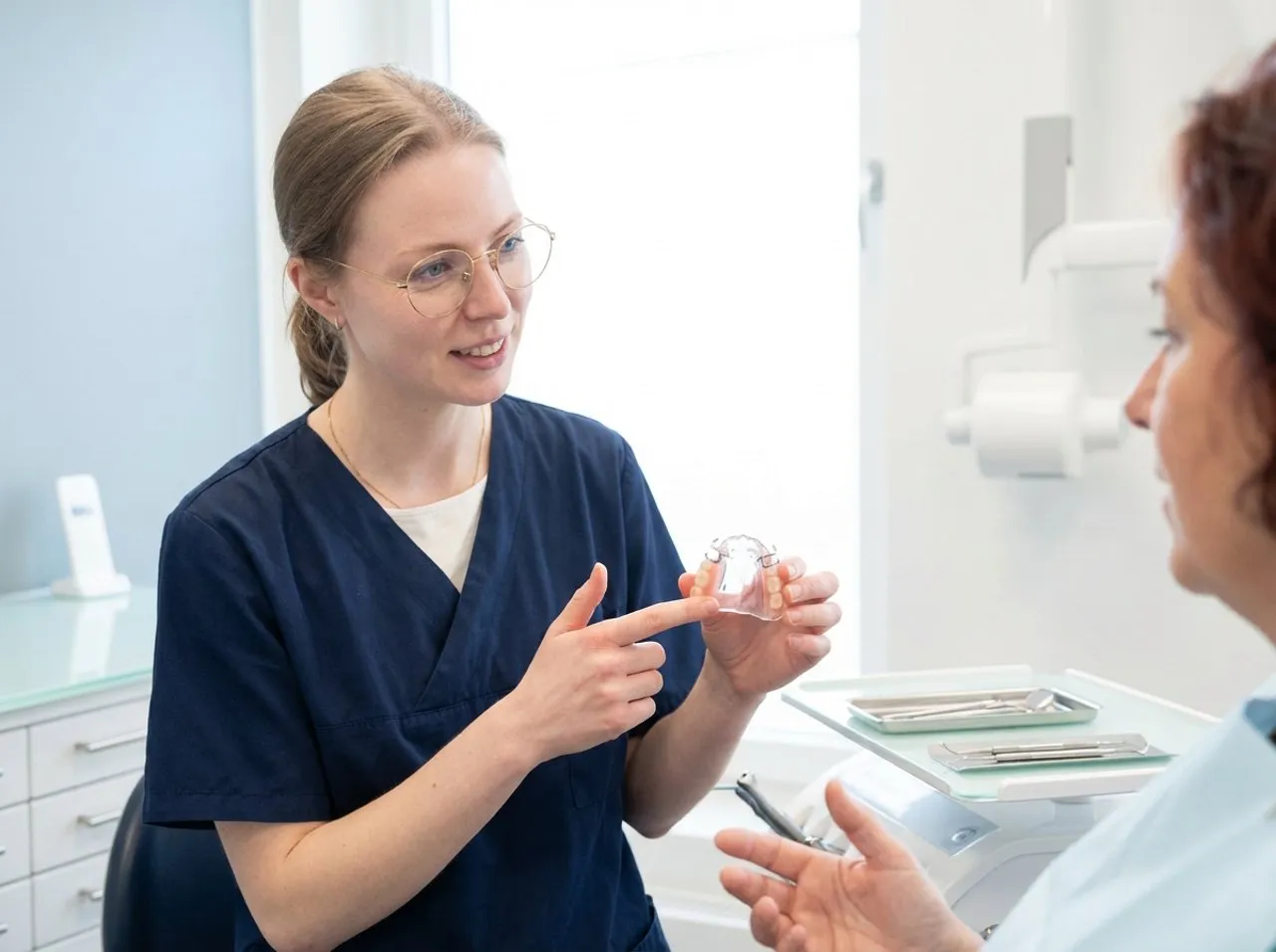
Check-ups are important after the denture has been fitted. Pressure sores are normal at first. Minor grinding adjustments provide quick relief.
Relining is often needed later. It compensates for bone loss. This improves retention.
Repairs may also be necessary. A tooth can come loose. The base can break if the denture is dropped.

Repairs and replacements: keeping your denture practical for everyday use
Small repairs can often be carried out quickly. It is important to act promptly. Otherwise, rough fracture edges can develop.
Store your denture safely. Use a basin of water when cleaning it. This reduces the risk of dropping it.
Ask about emergency procedures at the practice. This is helpful when travelling. A spare case is also a good idea.
Metal base and thin palatal plate in the upper jaw
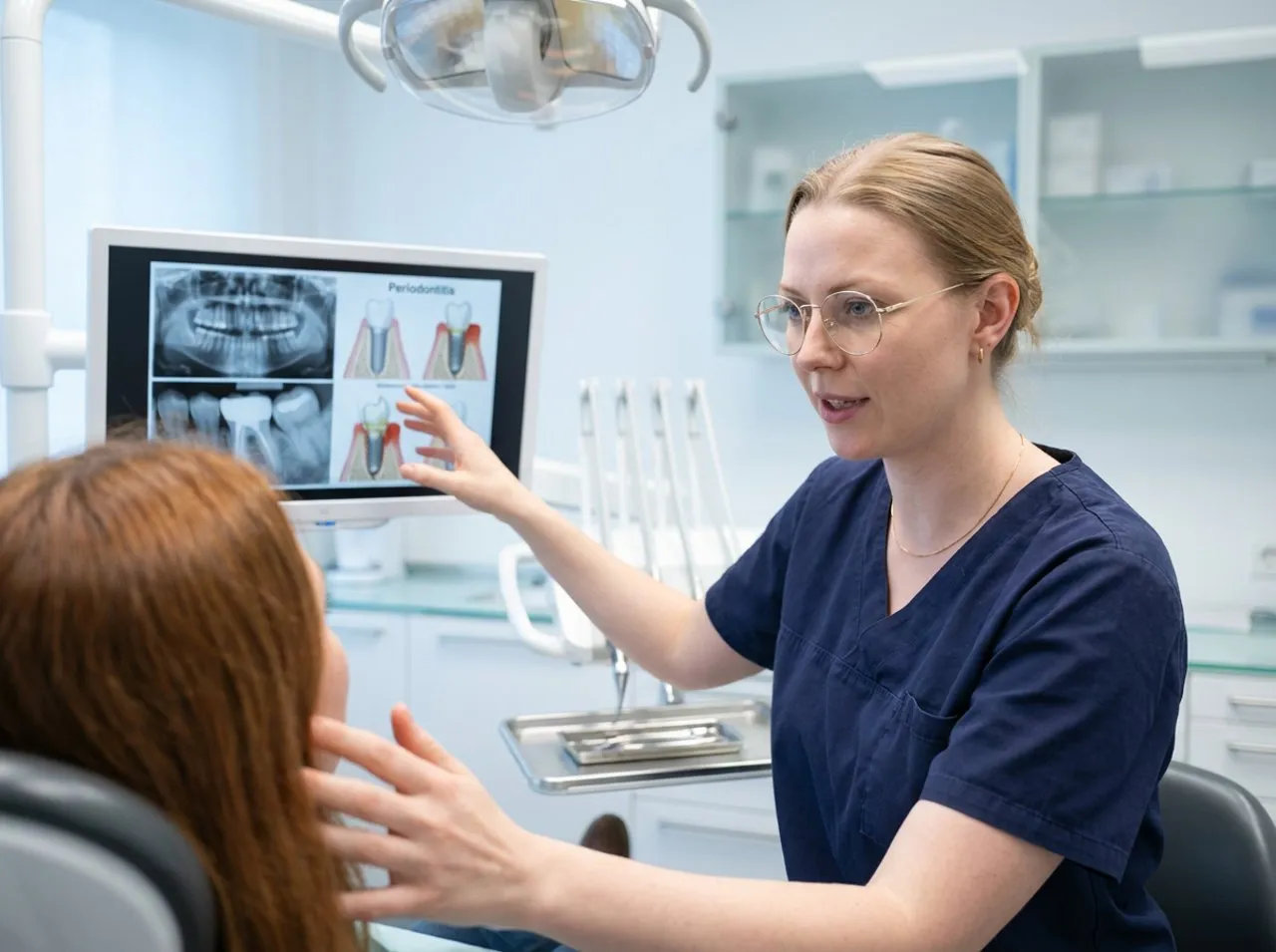
Many people find a thick palate plate bothersome. A metal base can be thinner. This can improve speech and taste.
Metal is very stable. Nevertheless, there are often additional costs. The health insurance fund's fixed subsidy remains unchanged.
Whether this is suitable depends on the dental findings. We assess this during a consultation at Wunschlachen. You can then decide without time pressure.
Denture adhesive, care and wearing comfort
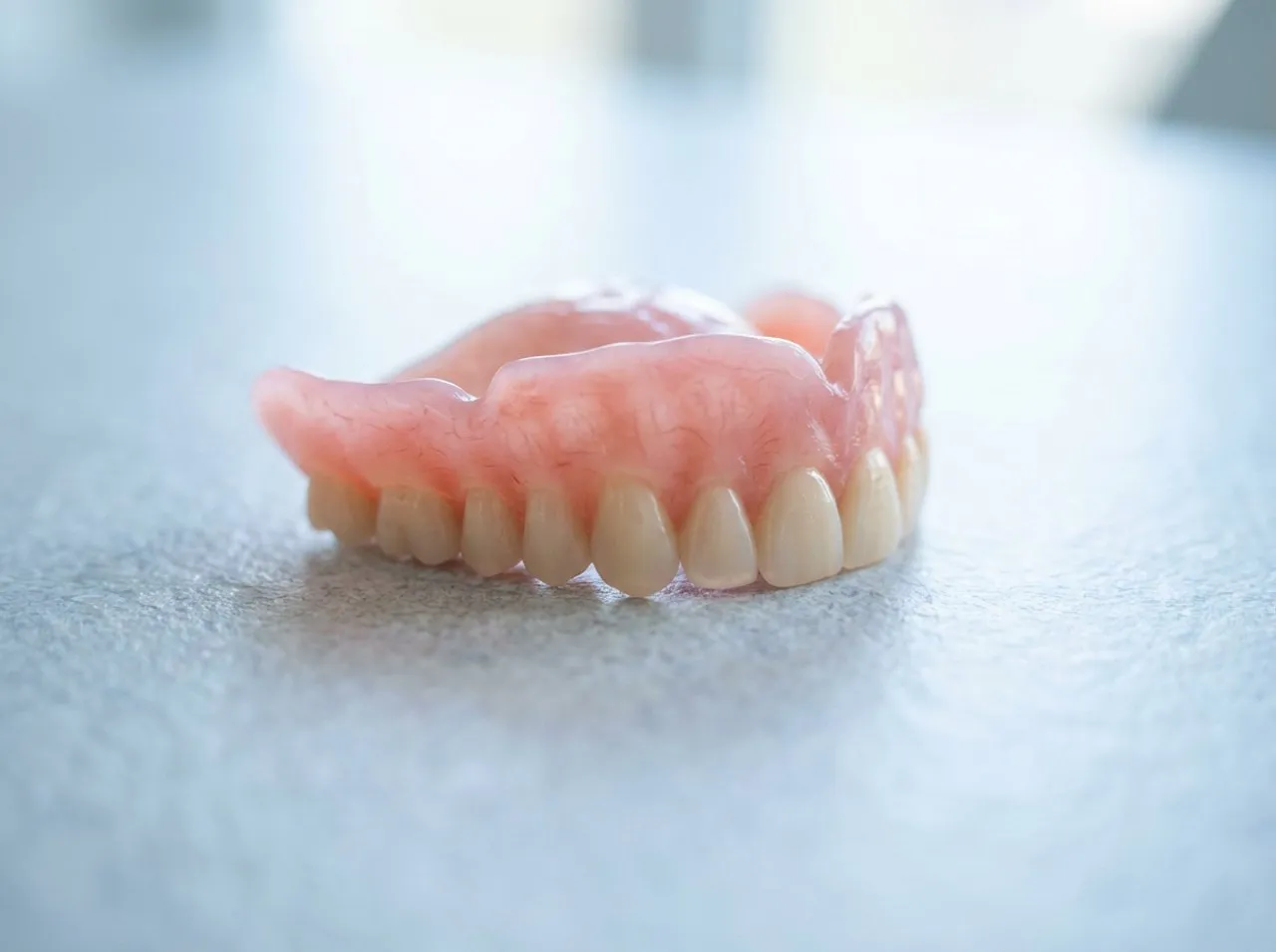
Denture adhesive can make everyday life easier. However, it is no substitute for a good fit. Use only a small amount.
Clean your denture daily. Use a soft brush and mild soap. Hot water can change its shape.
Care for your oral mucosa as well. Gently massage your gums. This improves blood circulation.
Alternatives to the conventional complete denture
Not every jaw provides good retention. Implant-supported solutions can then be an option. They provide greater confidence when eating.
Press studs or a bar are typical. Locator systems are also common. The denture then clicks securely into place.
The health insurance fund still pays only the fixed subsidy. You usually pay the additional costs yourself. Supplementary insurance can help.
How to reduce costs despite not having a bonus booklet
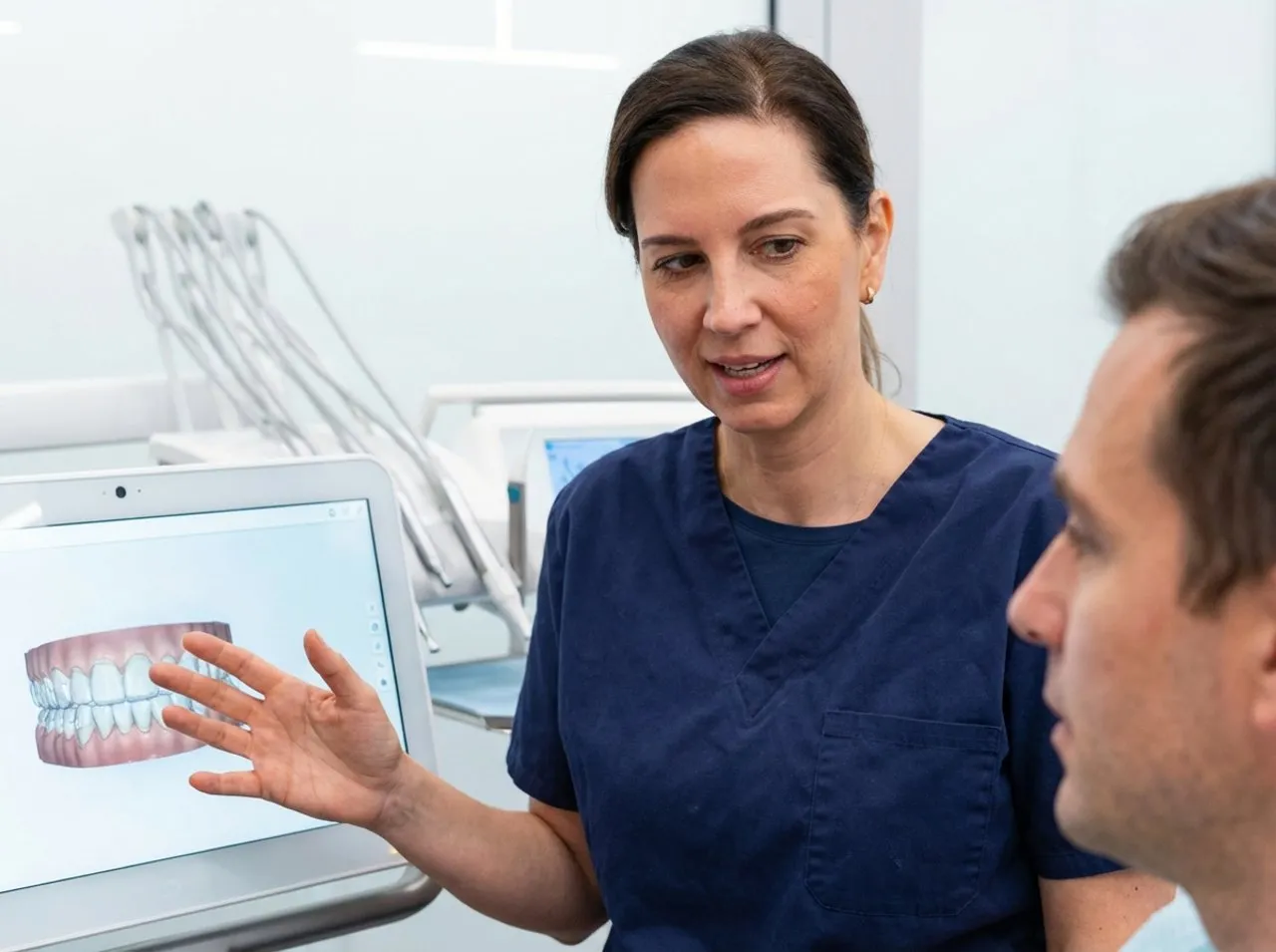
Have a treatment and cost plan drawn up. It shows standard care and alternatives. This gives you a clear picture of your own contribution.
Seek a second opinion if necessary. Prices and laboratories can differ. An accurate fit remains important.
Start attending preventive check-ups again now. Every appointment counts towards the new bonus booklet. This helps with future dental work.
Also check whether you are entitled to hardship provisions. With a low income, the subsidy can increase. Your health insurance fund will explain the thresholds.
Instalment payments and budget planning at Wunschlachen
Dentures are often a major expense. Many patients would like fixed monthly instalments. This eases the strain on their finances.
At Wunschlachen, we discuss a suitable instalment plan with you. You receive a clear breakdown of the items. The term remains flexible.
We also include aftercare in our planning. This includes check-ups and possible relining. This keeps the budget realistic.
Treatment at the practice: from planning to fitting
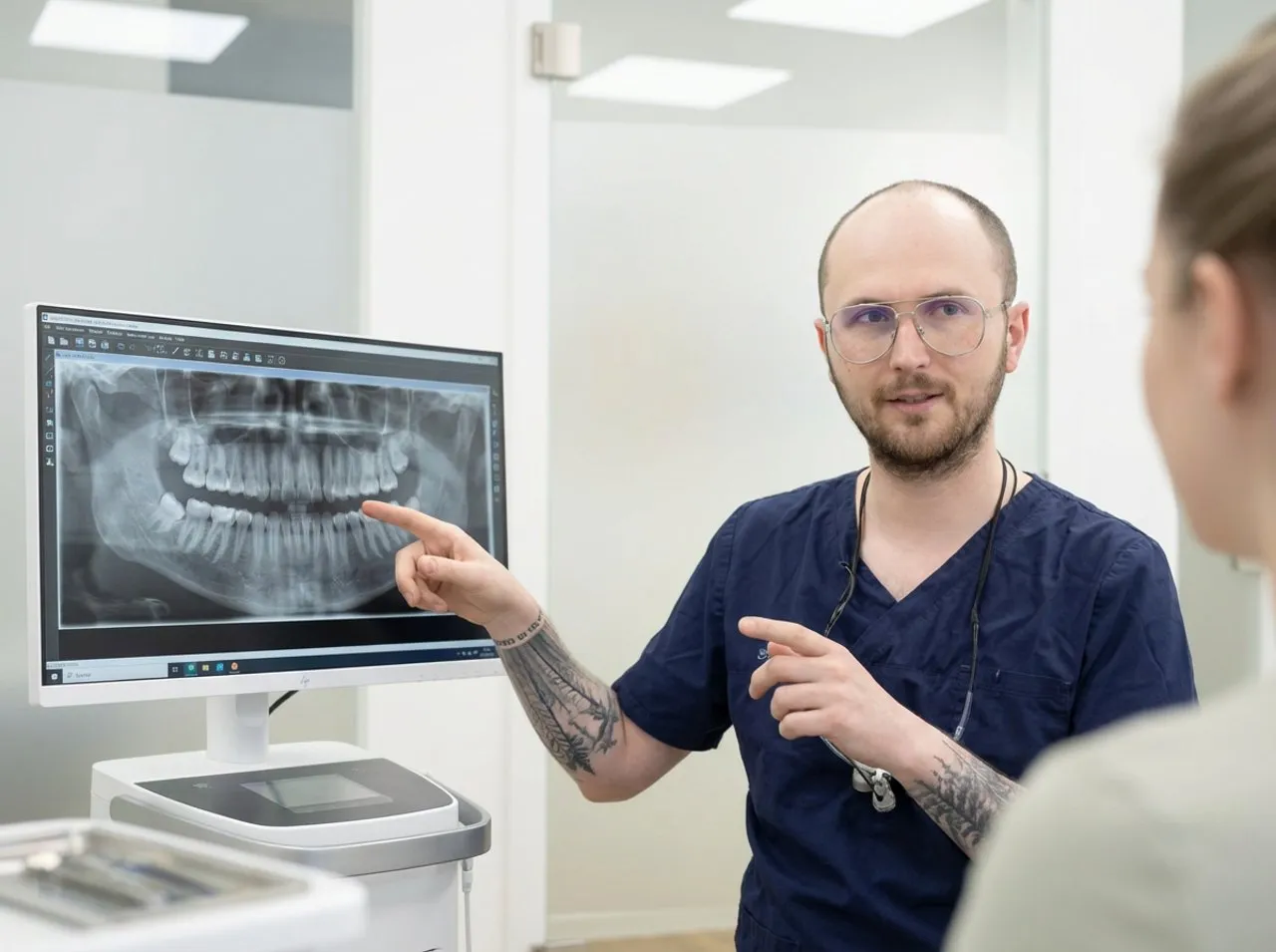
The process begins with an examination. Impressions and bite records follow. The laboratory makes the denture to fit precisely.
There is usually a try-in before completion. We check the bite, speech and aesthetics. The denture is then fitted.
We see you regularly during the first few weeks. We carefully adjust any pressure points. This ensures comfortable and secure wear.