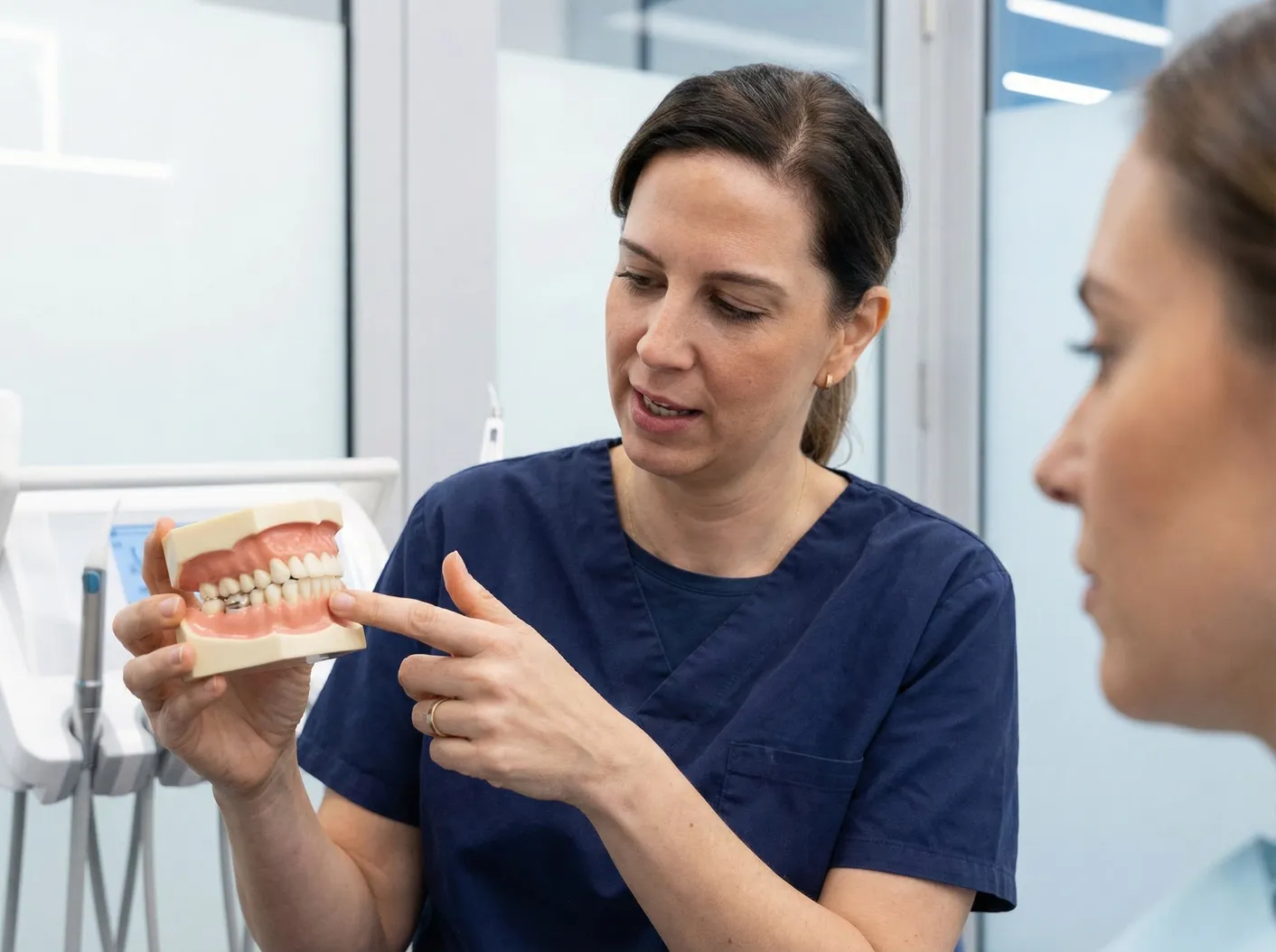
How do braces work? Simply explained
A brace moves teeth deliberately into a better position. The aim is a stable bite and a harmonious smile. Many misalignments can be corrected gently in this way.
Über 350 Google-Bewertungen
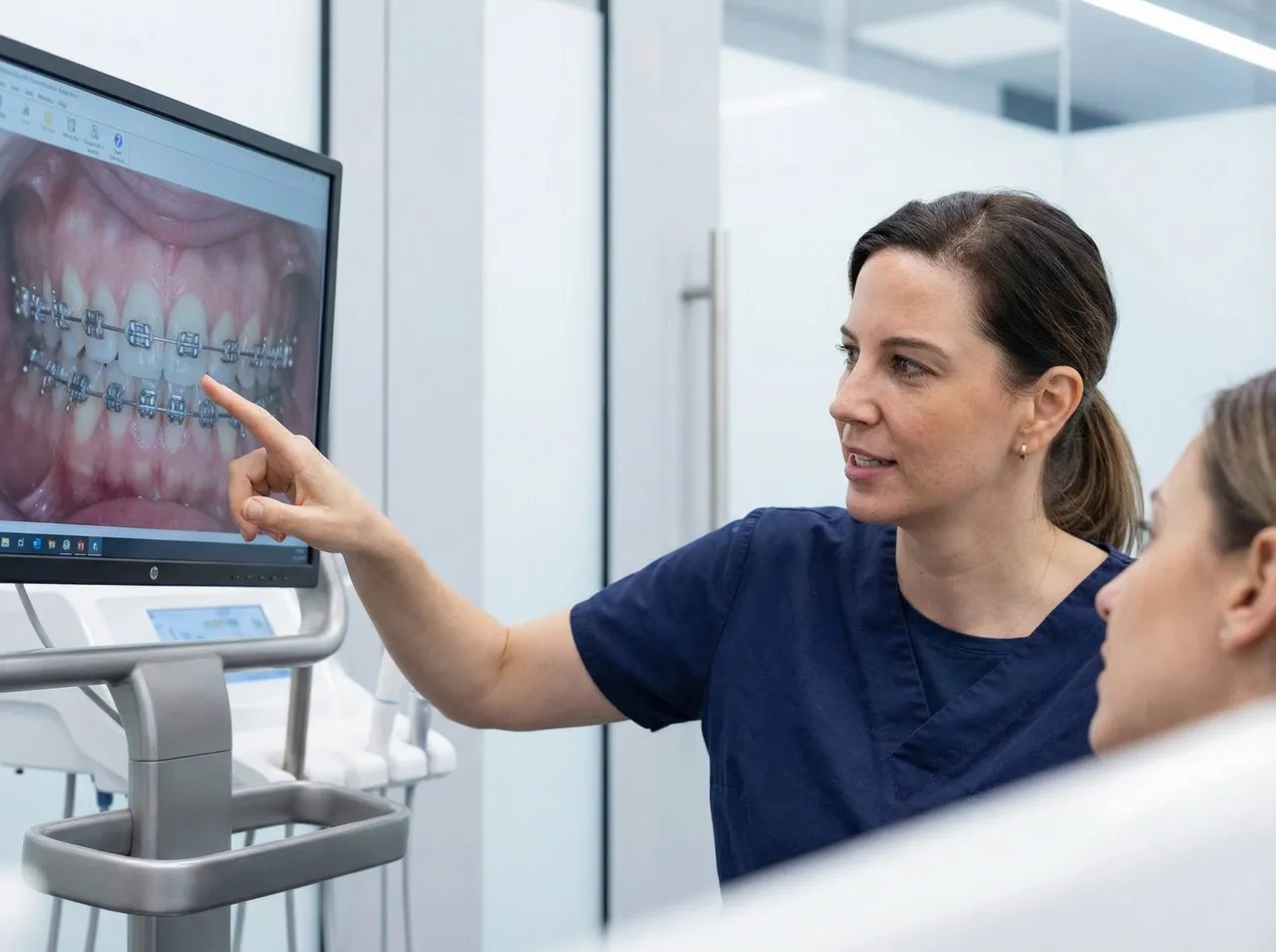
Common reasons for a brace
Common issues include crowding, gaps or rotated teeth. Crossbite, overbite and open bite are also typical findings. The aim is good function and easier cleaning. Correction can also relieve strain on the jaw joints. It distributes the chewing load more evenly. This protects teeth and gums in the long term.
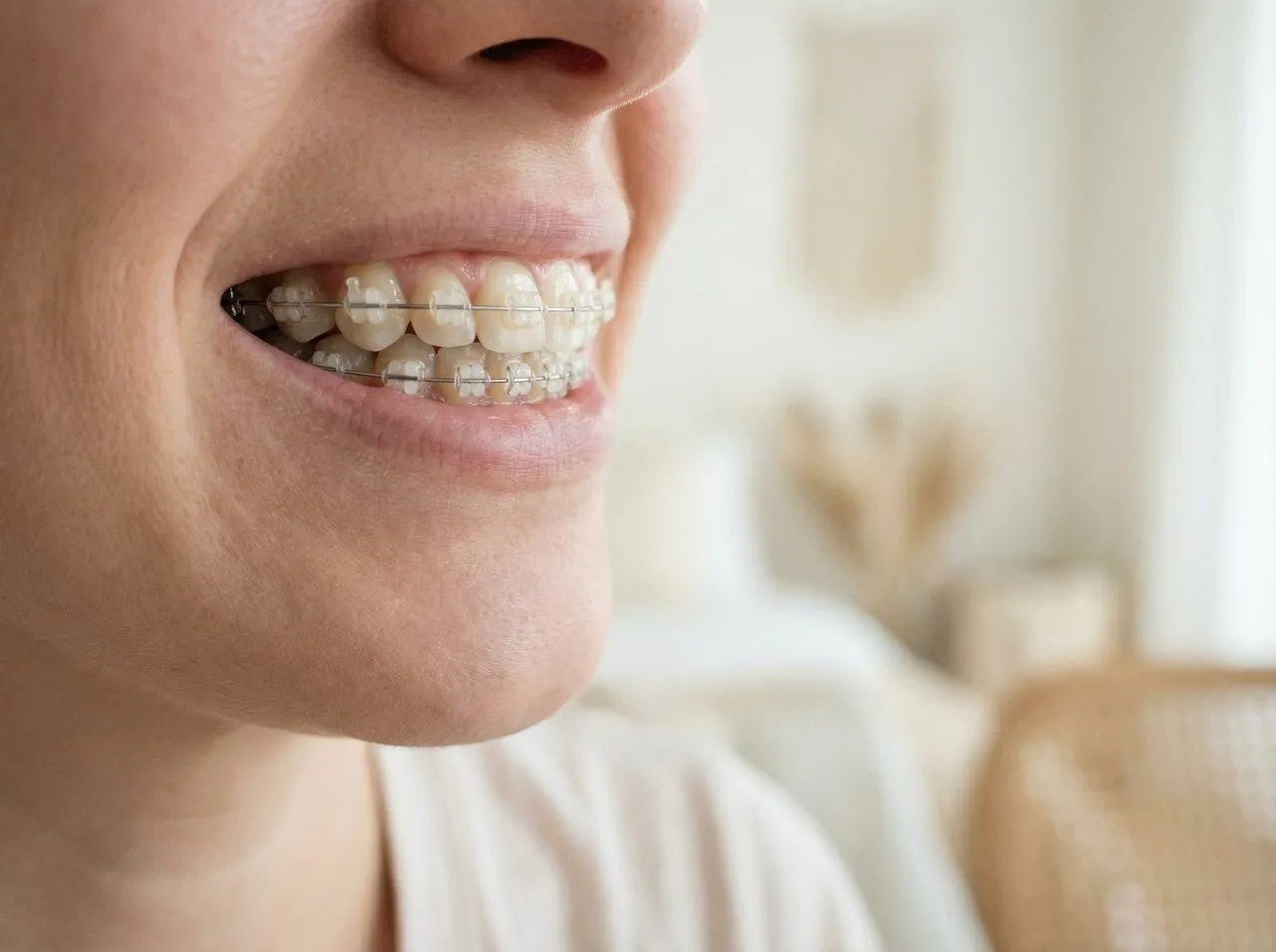
Basic principle of tooth movement
Teeth are not rigidly fixed in the jawbone. They are suspended by fine fibres in what is known as the periodontal ligament space. This means they can be moved in a controlled way.
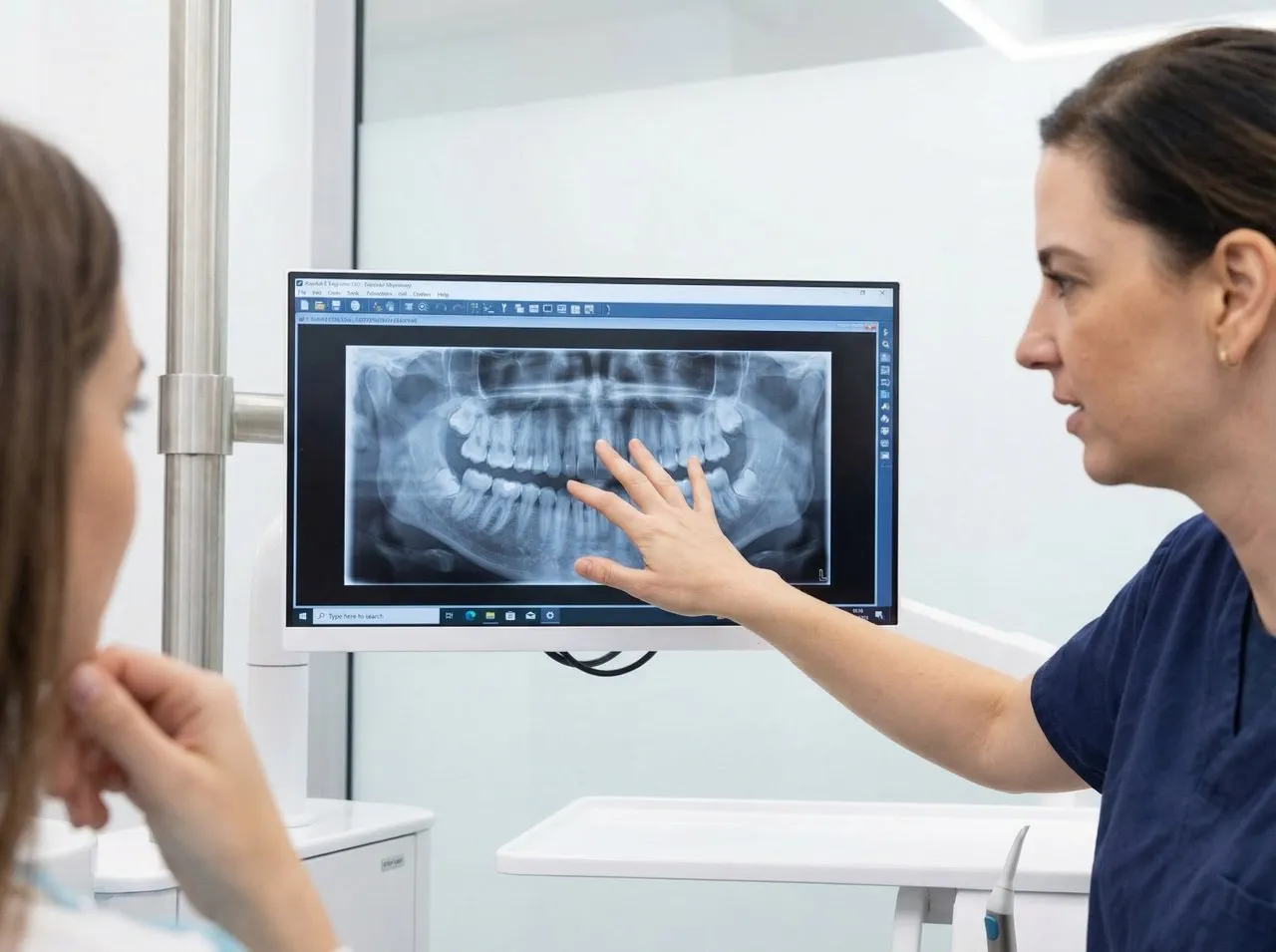
How a brace works in the bone
A brace applies pressure and tension to individual teeth. Bone is broken down on the pressure side. New bone is built up on the tension side. This process is called alveolar bone remodelling. It takes time and regular check-ups. Excessive pressure is undesirable.
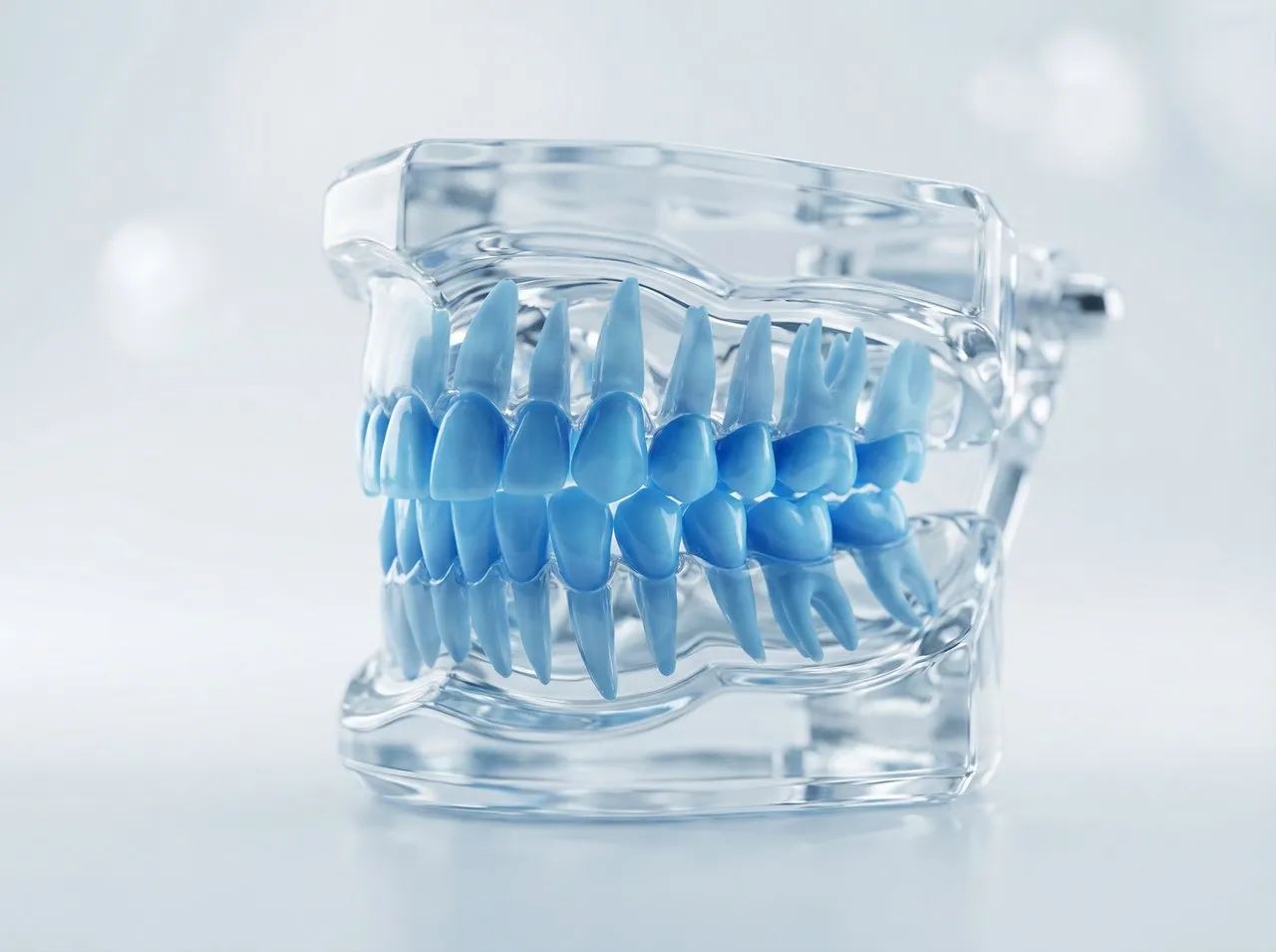
What movements can a brace produce?
Teeth can tilt, rotate or move sideways. Moving teeth out of or into the bone can also be controlled. Planning depends on the roots, bone and bite.
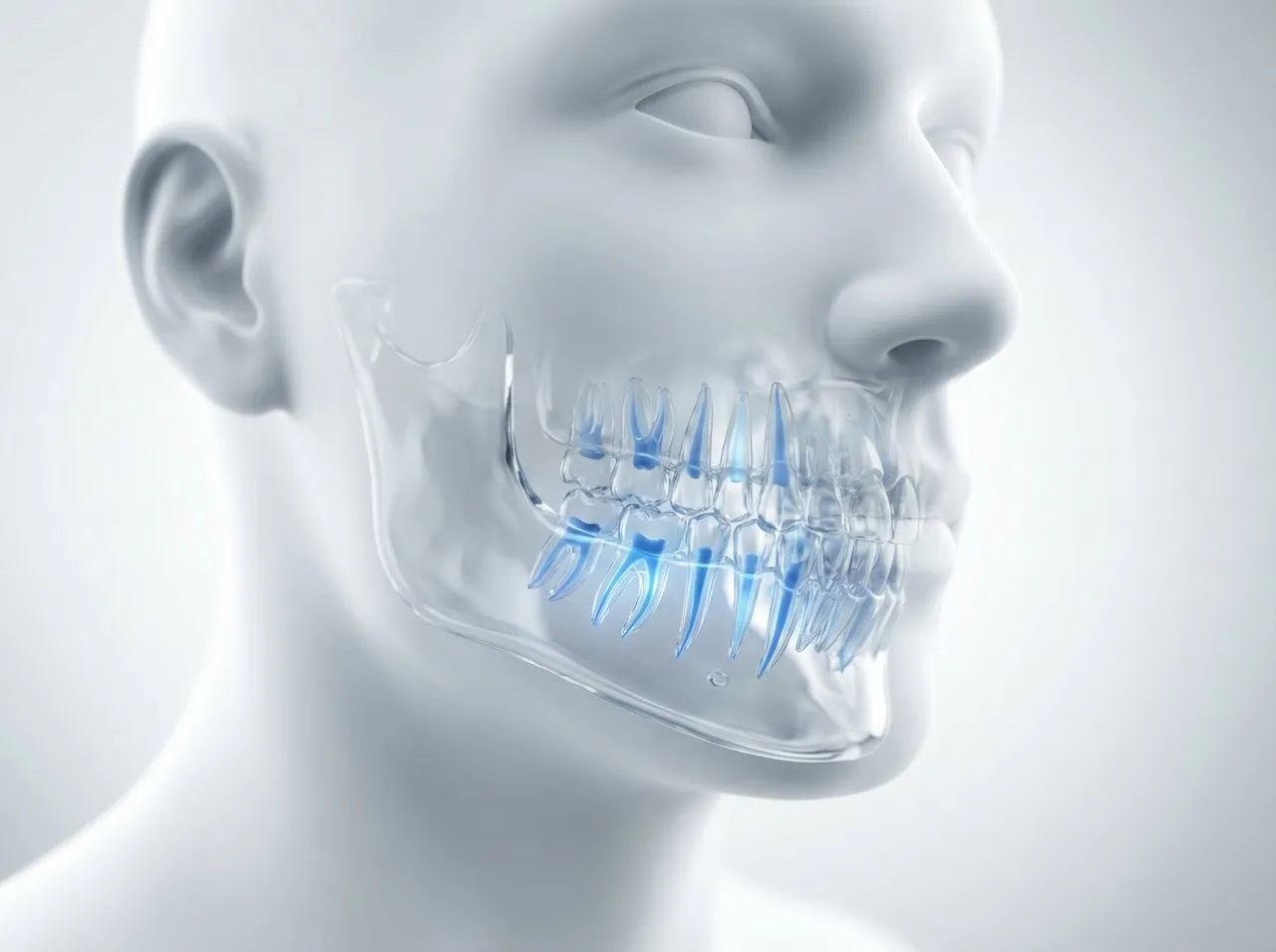
Anchoring and controlling the forces
A stable anchorage is needed for these forces to work. The molars often serve as anchor teeth. If necessary, palatal bars or mini-screws in the bone can help.
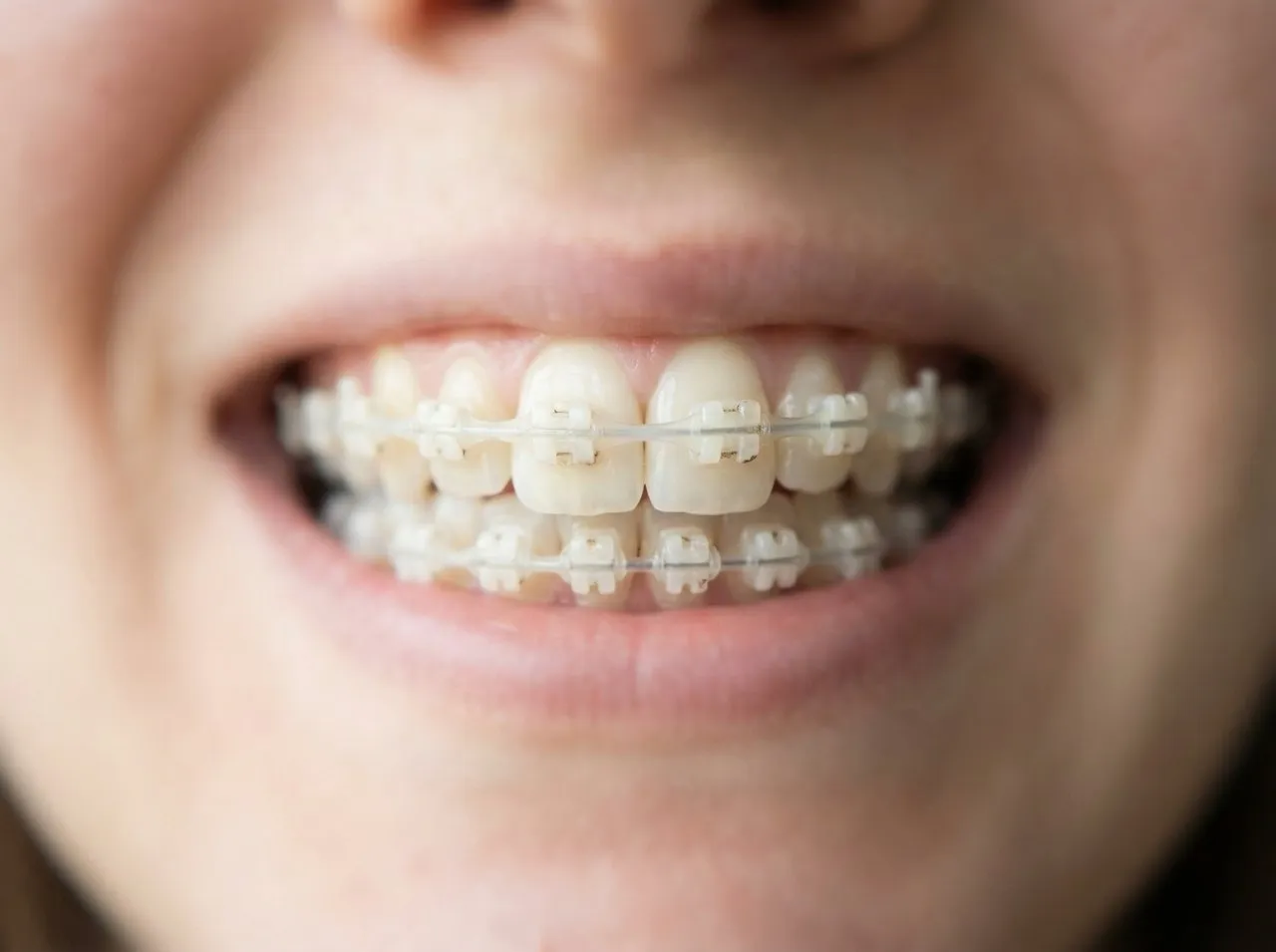
Fixed braces with brackets
A fixed brace uses brackets attached to the teeth. A metal archwire connects the brackets. The archwire stores tension and guides movement. The orthodontist gradually shapes the archwire according to plan. Sometimes ligatures or small clips are also used. They hold the wire securely in the bracket base. Elastics also control the position of the jaws. They work between the upper and lower jaws. This allows the bite to be adjusted precisely.
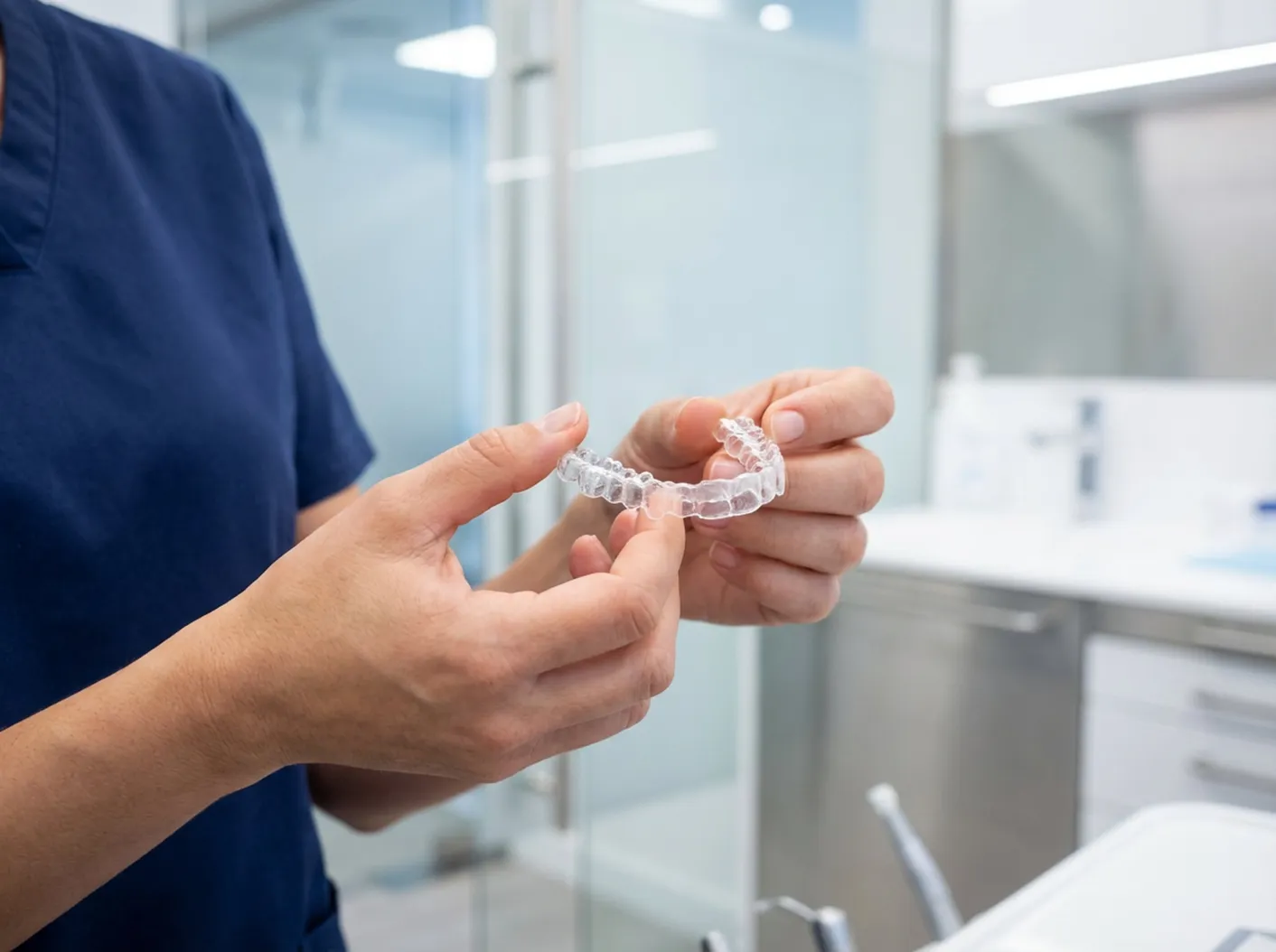
Removable braces and aligner trays
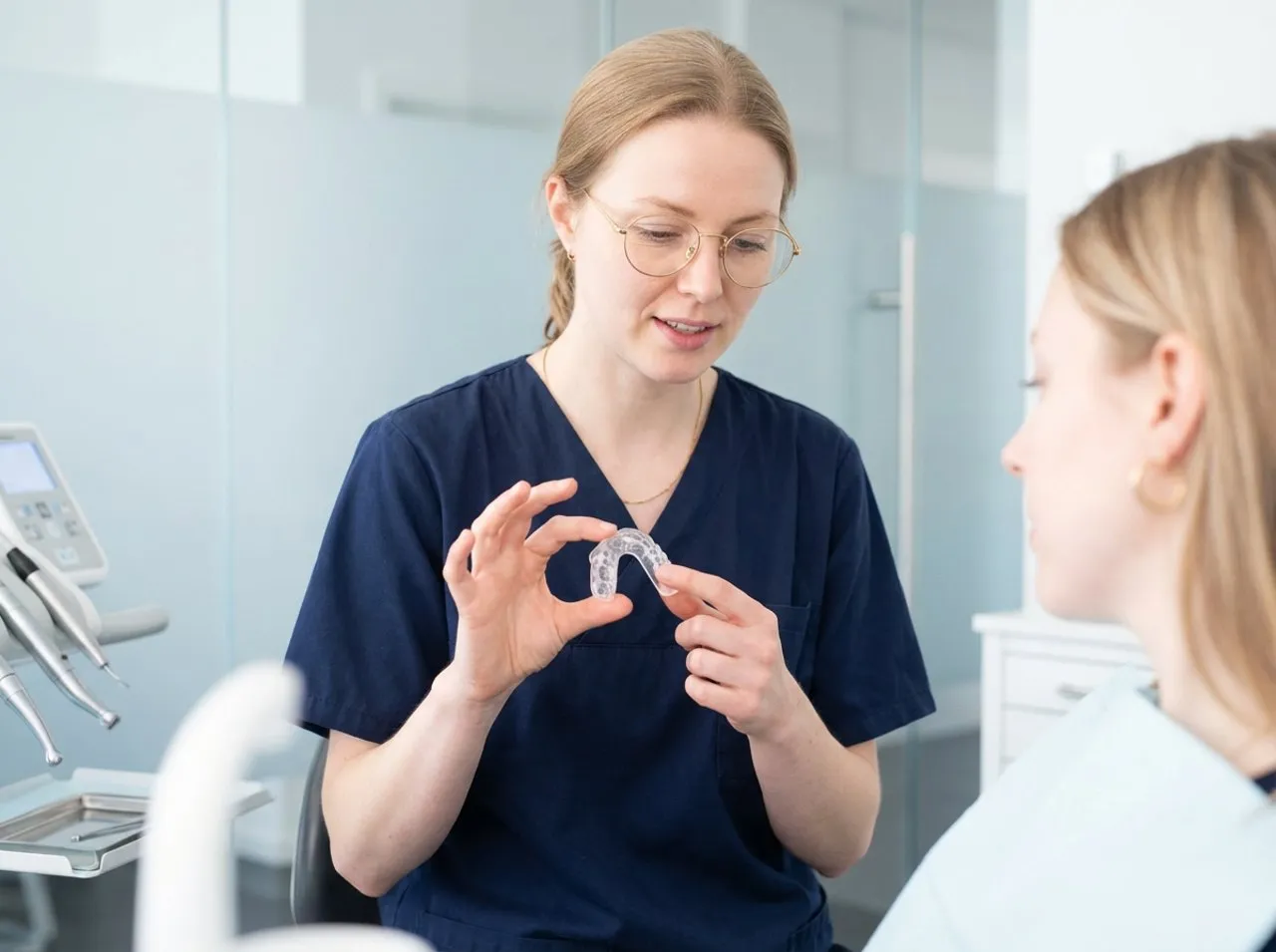
A removable brace usually works using plastic and wire clasps. It uses springs or screws for minor corrections. These appliances are often useful in children. Aligners are transparent plastic trays. Each tray moves teeth by only a few tenths of a millimetre. This works through gentle, even pressure. Wearing time is crucial for a good result. Aligners should remain in the mouth for almost the entire day. They are removed for eating and cleaning.
The treatment process at the orthodontist
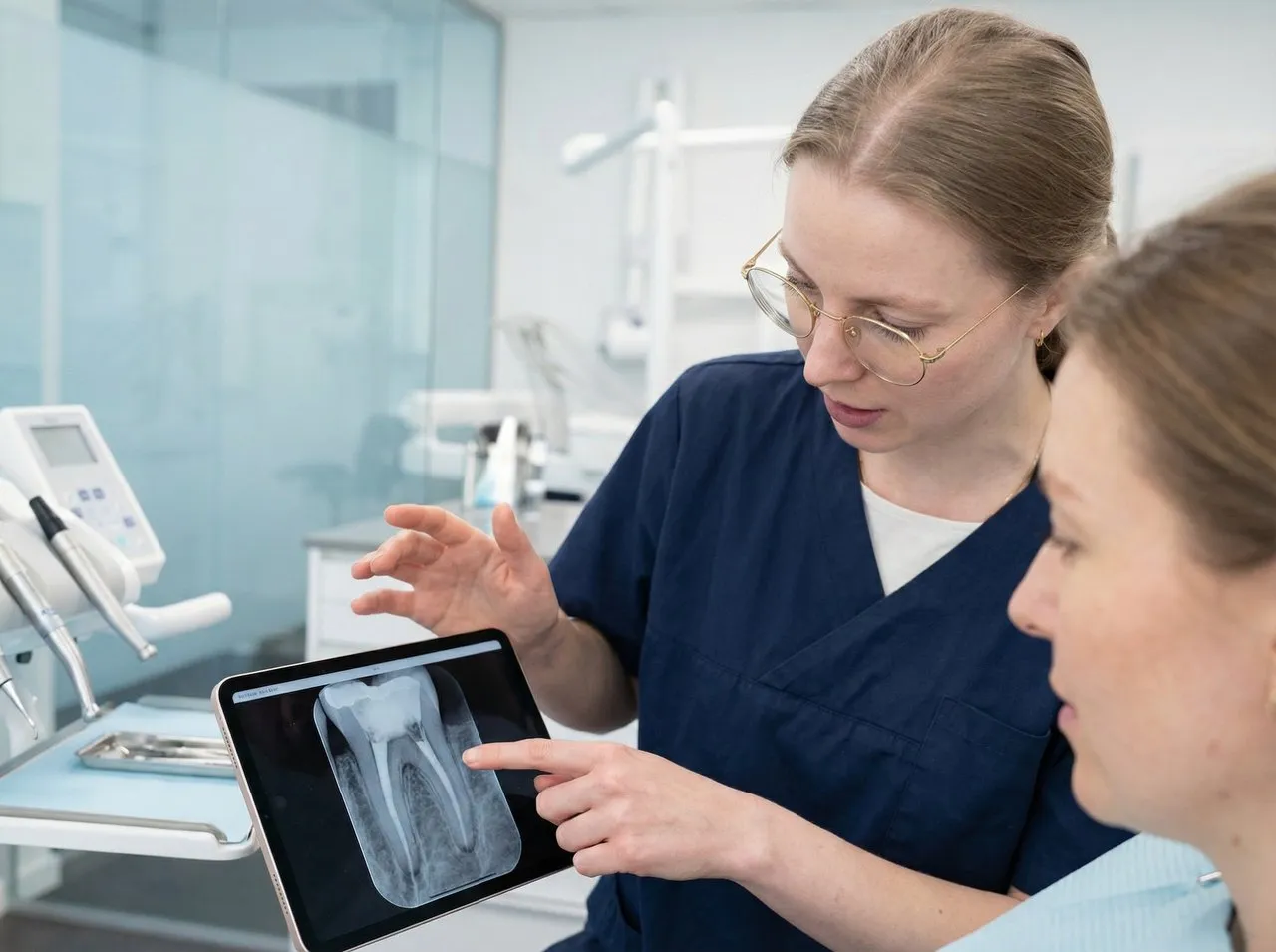
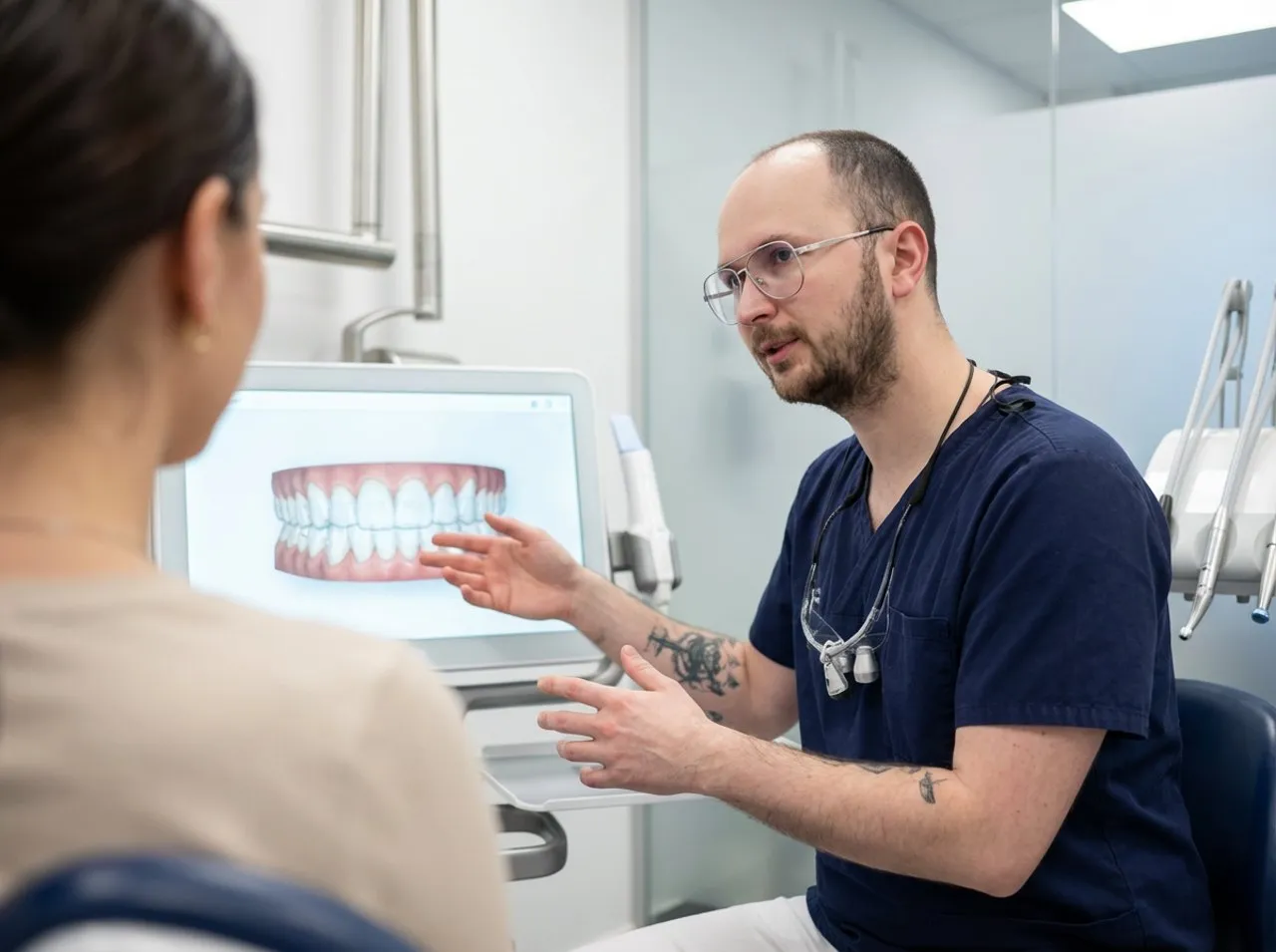
Treatment begins with a thorough diagnosis. This includes photographs, impressions or an intraoral scan. X-rays show the roots and bone structure. An individual treatment plan then follows. It sets out goals, steps and the expected duration. The appropriate type of brace is also selected. At the Wunschlachen practice in Berlin, we explain every option. You receive a clear schedule and care instructions. This keeps the treatment easy to plan. With a fixed brace, the brackets are bonded in place. The first archwire is then inserted. The teeth now begin to move into alignment. Fine adjustment of the bite follows later. Wires, archwires or elastics are adjusted for this purpose. Finally, the brackets are carefully removed and the teeth are polished.
Check-ups and cooperation
Check-up appointments are usually every four to eight weeks. Archwires are changed or adjusted at these visits. Aligner therapy also involves regular checks. Patient cooperation is a major factor in success. Elastics must be worn as agreed. Good oral hygiene is essential in every case.

Pressure, pain and possible risks
A feeling of pressure is normal in the first few days. This is especially true after an adjustment. Soft food and a cold compress usually help. Sore spots on the cheeks can occasionally occur. Wax on the bracket protects the mucous membrane. If you experience severe pain, you should come to the practice. Root resorption or inflammation occurs very rarely. This is why check-ups and the application of appropriate forces are so important. Smoking and poor hygiene increase the risk.

Care and diet with a brace
Brush as thoroughly as possible after every meal. Interdental brushes clean around brackets and wires. A fluoride toothpaste also strengthens tooth enamel. Sugary drinks promote caries and white spots. Hard foods can loosen brackets. Soften hard foods and cut your fruit into pieces. Sport is usually possible without complications. A mouthguard protects lips, teeth and brackets. With musical instruments, a short adjustment period often helps.
Retainers and the retention phase
After correction, the result must remain stable. Retainers are fitted in the mouth to hold the results in place. Night-time trays are sometimes also worn. The retention phase is just as important as the movement phase. Otherwise, the teeth can move back to their original position. Regular check-ups remain advisable.
Conclusion
Braces use controlled forces and bone remodelling. Whether fixed or removable, the principle is similar. With patience, the result is a healthy, stable bite.
FAQ – Frequently asked questions about palatal expansion
Usually only by millimetres per month. The pace depends on age, bone and force.
A feeling of pressure is common; severe pain is rare. It usually subsides after a few days.
Ideally 20 to 22 hours per day. Otherwise, tooth movement is delayed.
They control the bite between the upper and lower jaws. This corrects contacts and jaw position.
Yes, bone remodels in adulthood too. Treatment sometimes takes a little longer.
The wire may then work less precisely. Contact the practice promptly.
Use a toothbrush, interdental brushes and dental floss. A professional dental cleaning can also help.
A retainer holds the teeth in their new position. It prevents them from moving back after treatment.
Yes, poor care can lead to white spots and tooth decay. Fluoride and thorough brushing reduce the risk.
Usually every four to eight weeks. Come earlier if problems arise.