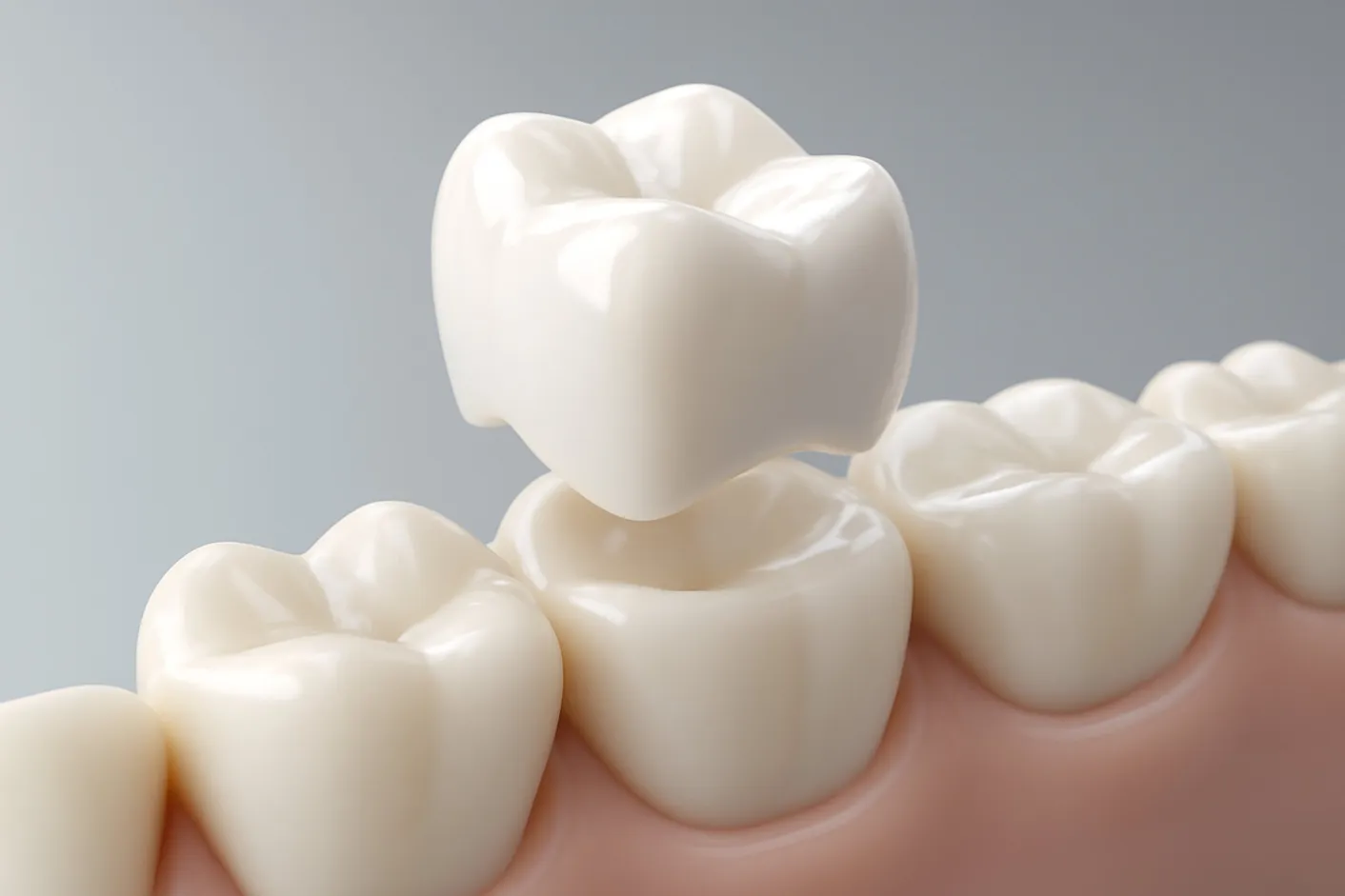
Ceramic crowns: an aesthetic solution for tooth replacement
Dental crowns are one of the most common solutions in restorative dentistry. They are used when a tooth is severely damaged or worn, whether due to decay, wear or a fracture. Of the various materials used for dental crowns, the ceramic crown has become particularly...
Über 350 Google-Bewertungen

What is a ceramic crown?
A ceramic crown is a type of dental restoration used to restore a damaged tooth. It is made from a special ceramic material known for its high strength, durability and aesthetic appeal. Ceramic crowns are used to repair teeth that have been severely damaged by decay, wear or accidents. Ceramic crowns best mimic the natural tooth colour. This allows them to blend in very well with the appearance of the dentition. They are often used on visible front teeth. However, they can also be used on molars, albeit with some limitations regarding strength.
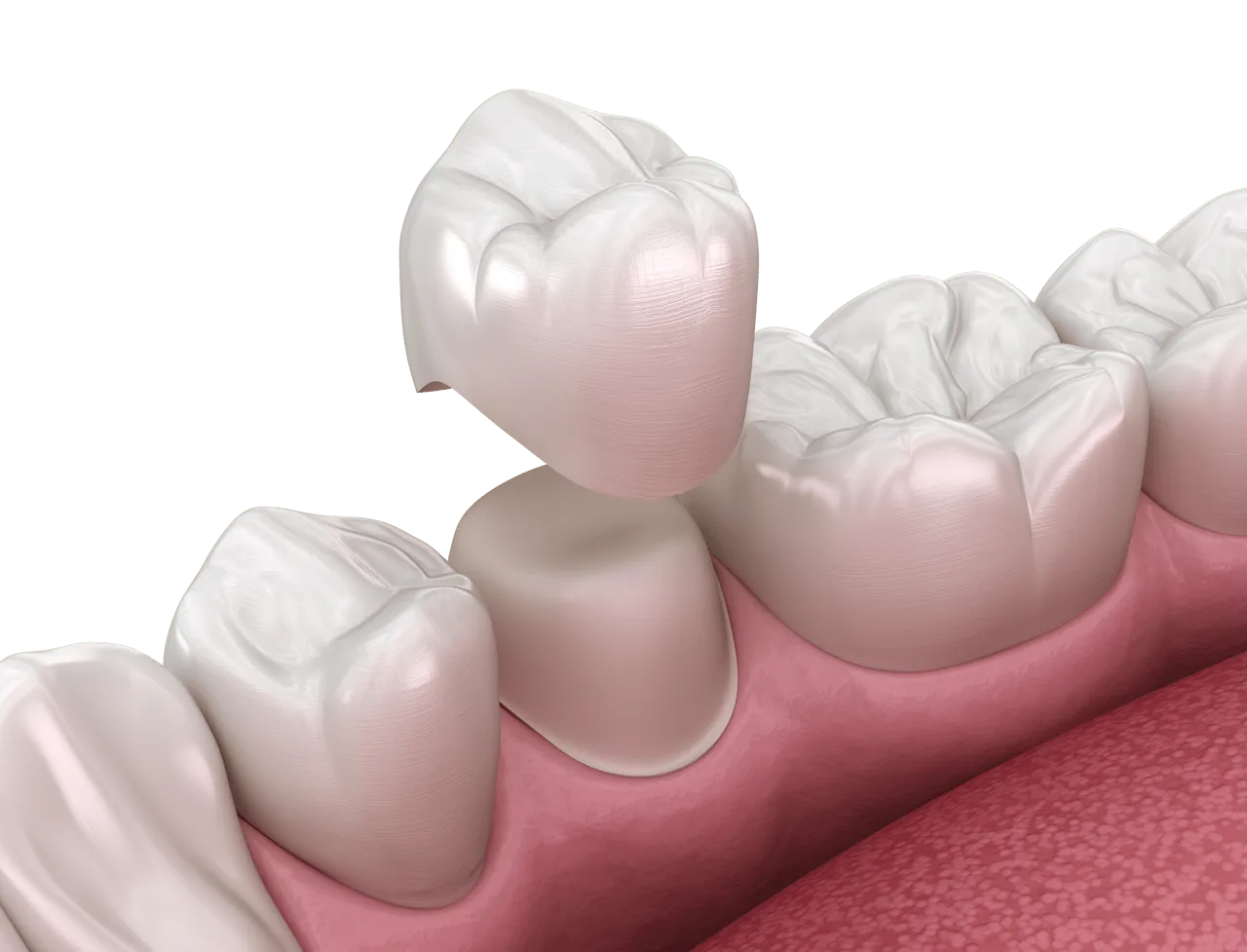
Advantages of ceramic crowns
1. Aesthetics: One of the greatest advantages of a ceramic crown is its resemblance to natural teeth. It blends perfectly into the row of teeth and fits harmoniously into the overall appearance. Particularly for front teeth, where appearance plays an important role, a ceramic dental crown is the ideal choice. 2. Biocompatibility: Ceramic is a biocompatible material, which means that it is well tolerated by the human body. It does not trigger allergic reactions. This makes it an excellent choice for people with sensitive gums or other dental problems. 3. Durability: Ceramic dental crowns are very robust and durable. They are resistant to abrasion and can last for many years if well cared for. Depending on care and the stress placed on the tooth, a ceramic crown can last between 10 and 20 years. 4. No discolouration: Unlike other materials, ceramic crowns do not discolour over time. They retain their natural tooth colour and are therefore particularly suitable for patients with high aesthetic expectations. 5. No metal content: An all-ceramic crown consists exclusively of ceramic materials, with no metals used. This is particularly beneficial for people who wish to avoid metallic materials, whether for health or aesthetic reasons.
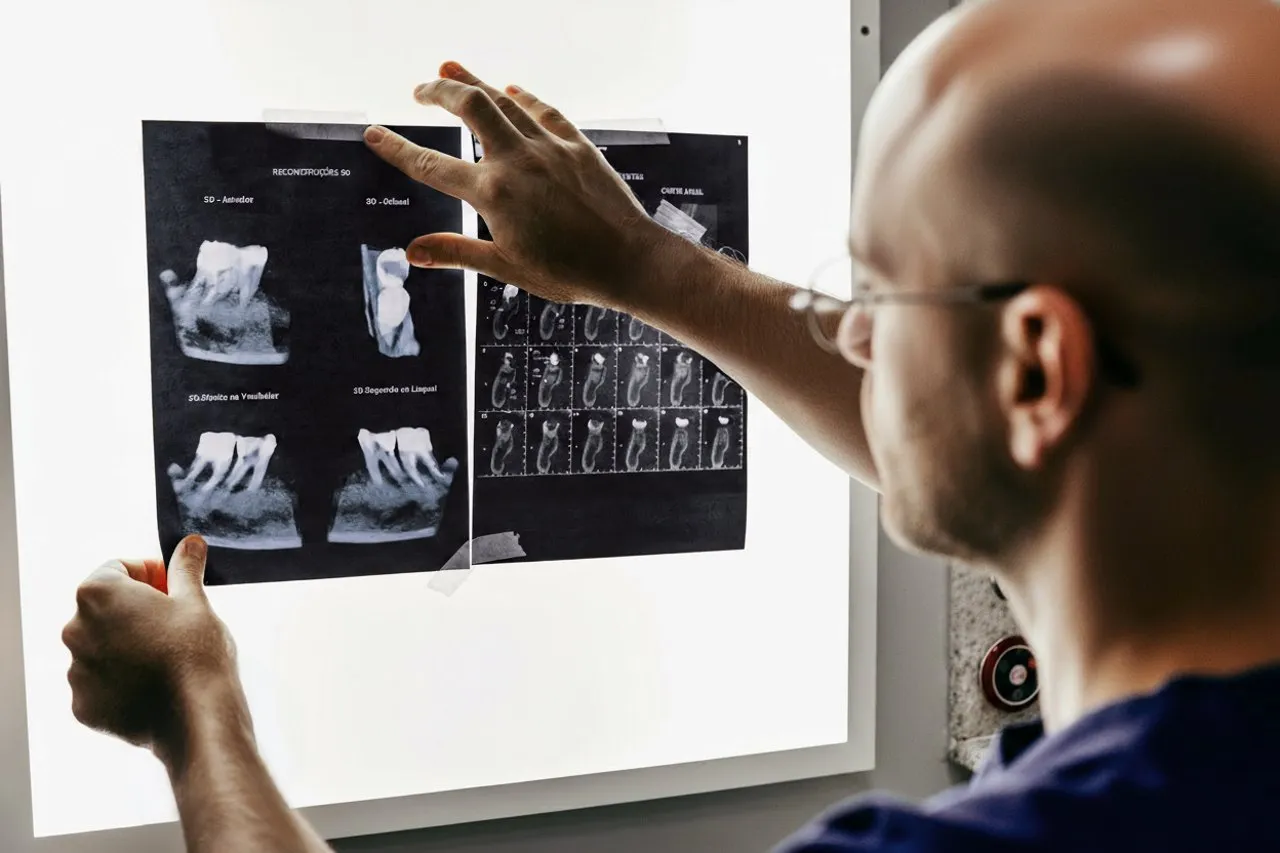
How are ceramic crowns made?
Ceramic crowns are generally manufactured using CAD/CAM technology (computer-aided design and computer-aided manufacturing). First, an impression of the damaged tooth is taken and then digitised. Based on this digital template, the crown is precisely manufactured from a ceramic block. This process ensures a very precise fit and minimises the need for adjustments.
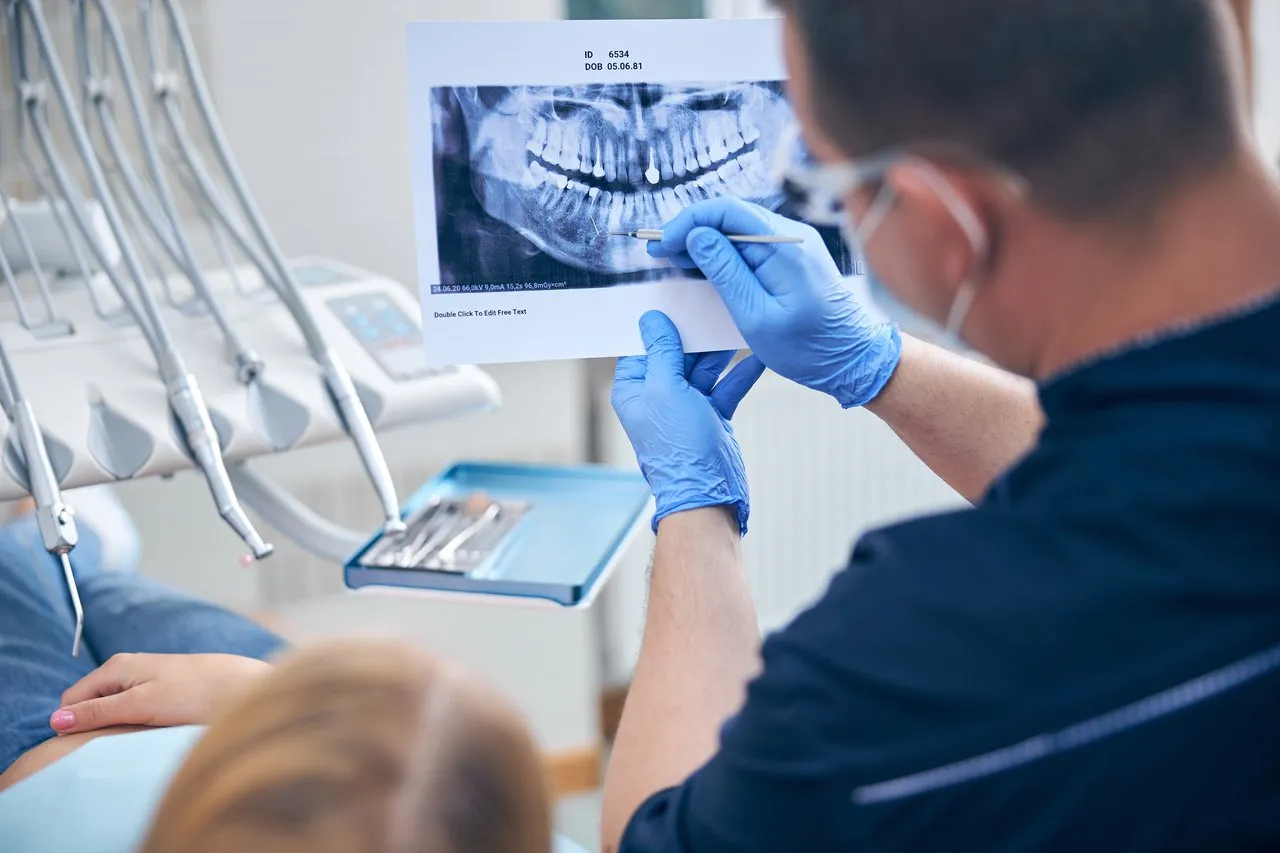
Disadvantages of ceramic crowns
Although ceramic is an excellent choice for dental restorations, there are also some disadvantages of all-ceramic crowns that should be considered: • Strength: Ceramic crowns on molars are generally less durable than metal crowns. Molars are subjected to greater stress, particularly when chewing hard foods. An all-ceramic crown could therefore break or chip more quickly under intense stress, such as teeth grinding or hard chewing. For this reason, a ceramic crown with a metal core, which increases strength, is preferred for molars. • Cost: Ceramic crowns are generally more expensive than metal crowns or metal-ceramic combinations. The manufacturing costs and complex production process make them a more expensive option. This can be a limitation for some patients. • Susceptibility to cracking: Ceramic is more brittle than metals. If handled improperly or subjected to extreme forces, the material can crack more easily. This can become a problem, particularly if the crown is not fitted correctly or if the patient chews on hard objects.

How long do ceramic dental crowns last?
The durability of ceramic dental crowns depends on several factors, including care of the tooth, the quality of the crown and the type of stress placed on it. In general, ceramic crowns can last between 10 and 20 years with good care. However, it is important to check the crown regularly for signs of wear or cracks.
Care tips for ceramic crowns
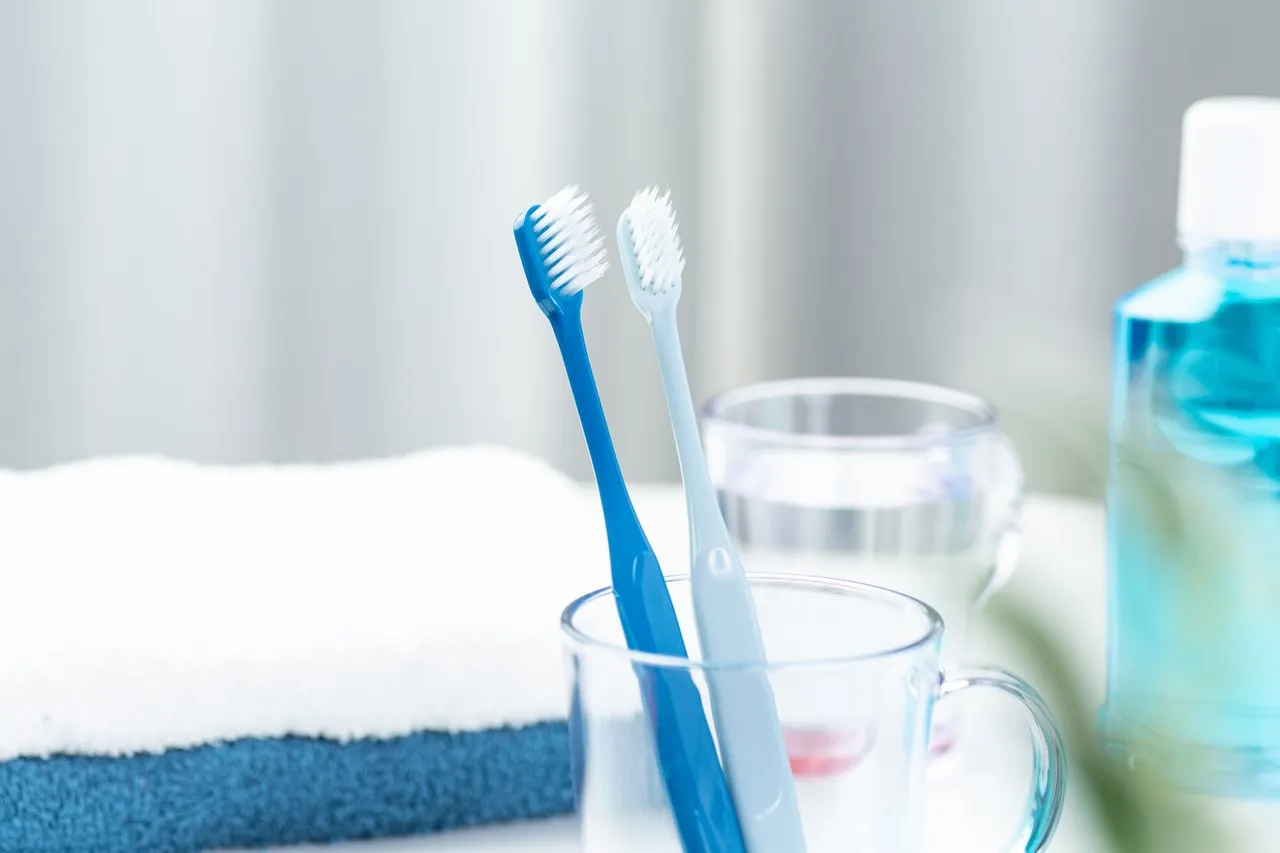
To maximise the lifespan of the ceramic crown, it is important to maintain good oral hygiene. This includes: • Regular brushing with a toothbrush suitable for dental restorations. • Using dental floss to remove plaque and food debris from between the teeth. • Avoiding excessive pressure on the crown, particularly when chewing hard foods or grinding your teeth. In some cases, a dental splint may be recommended.
FAQs about ceramic crowns
A ceramic crown is a dental restoration made from ceramic materials. It is used to restore a damaged tooth.
With good care, ceramic dental crowns can last between 10 and 20 years.
Ceramic crowns offer excellent aesthetics, biocompatibility and long-lasting durability. They are particularly suitable for front teeth.
Yes, all-ceramic crowns can break more easily under intense stress. They are generally more expensive than other types of dental crown.
Yes, there are special ceramic crowns for molars, although they are more susceptible to cracking under heavy force.
A ceramic crown is made using modern CAD/CAM technology. A digital impression of the tooth is taken, and the crown is then precisely manufactured from a ceramic block.
It is important to brush your teeth regularly, use dental floss and avoid heavy stress on the crown.
Yes, ceramic crowns are generally more expensive than metal crowns because they are more complex to manufacture.
No, ceramic dental crowns retain their colour and do not discolour like other materials.
Ceramic crowns are suitable for most patients. However, for heavily stressed molars, they should also be combined with a stronger material.