New denture: after how many years?
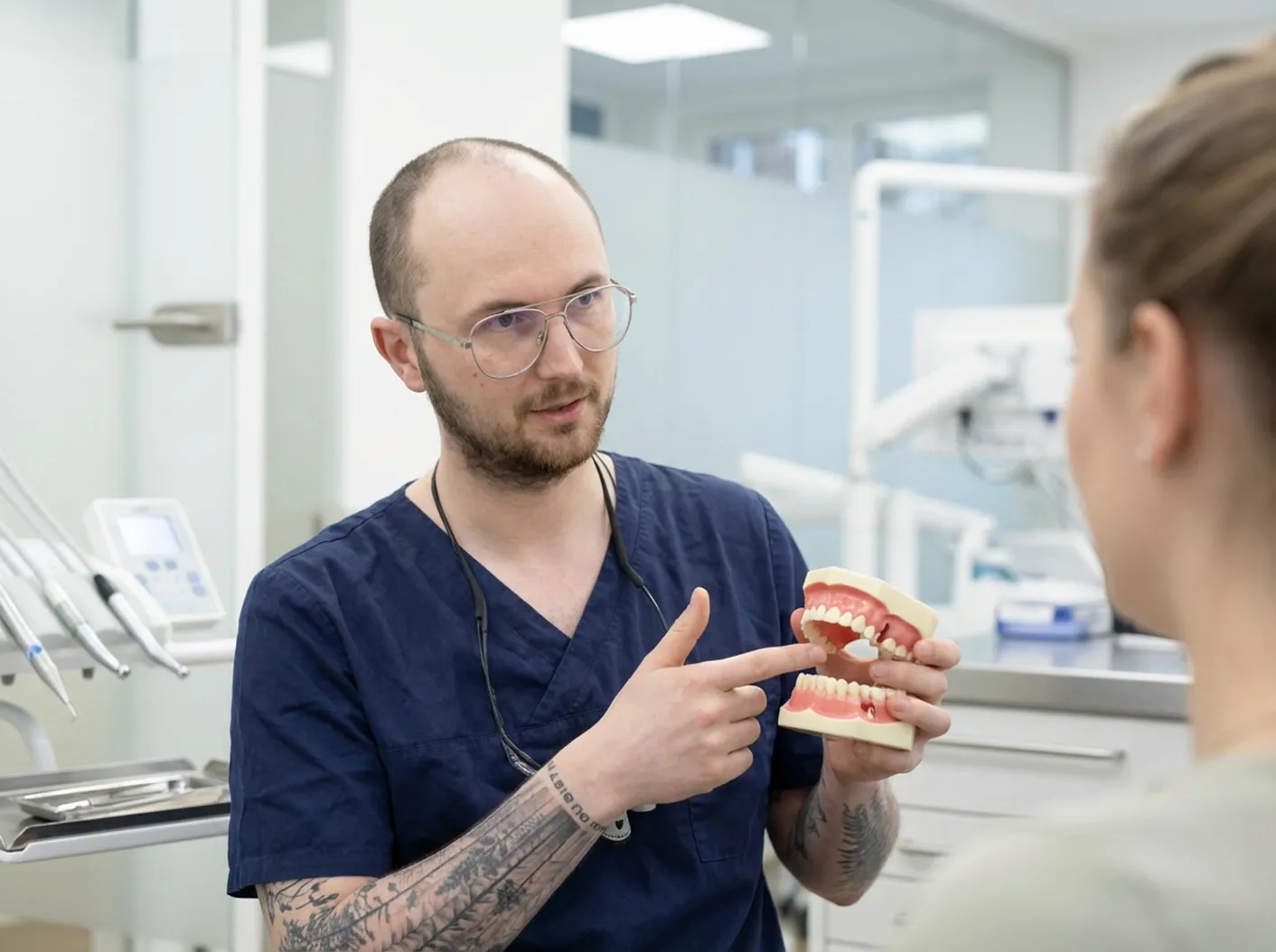
There is no fixed time limit. The key factors are fit, occlusion and tissue health. The alveolar ridge changes continuously. This reduces the retention of the denture base. The denture-bearing tissues also become more sensitive to pressure.
Über 350 Google-Bewertungen
How long does a denture last on average?
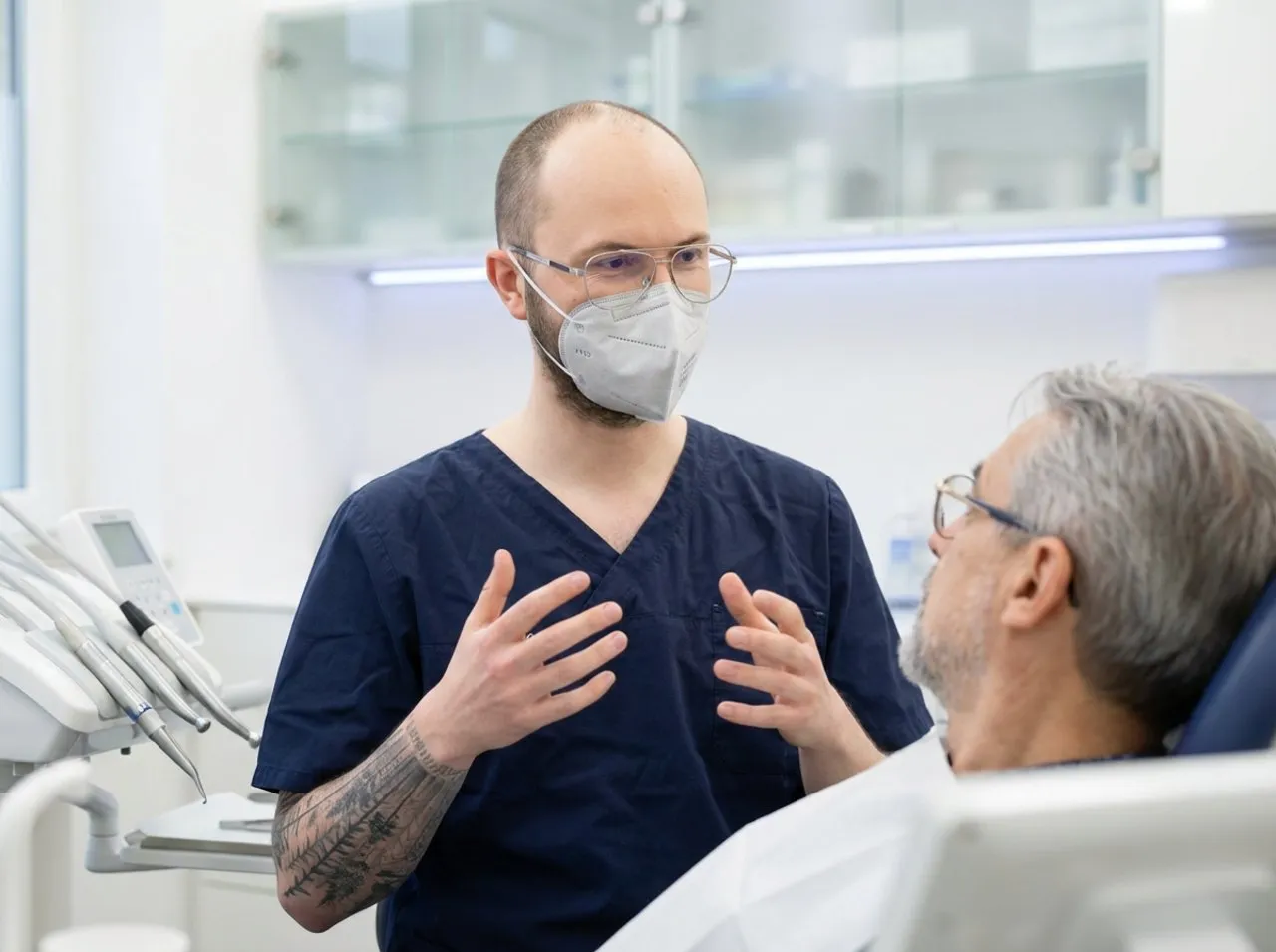
In everyday use, a full denture often lasts five to eight years. Partial dentures frequently show wear earlier. This depends on the material, care and load. Acrylic teeth gradually wear down. This changes the bite height. Specialists refer to abrasion and loss of occlusion. The mucosa also changes over time. It becomes thinner or more irritated. This affects retention when chewing.

Why does a denture fit less well after several years?
Alveolar ridge atrophy often occurs after tooth loss. The bone gradually resorbs. The denture then no longer rests evenly on the tissues. This is particularly noticeable with lower dentures. The supporting surface is smaller. The tongue and muscles can displace the denture more easily. With partial dentures, leverage acts on the clasps. This loosens retention. Abutment teeth are sometimes overloaded. Bruxism also plays a role. Clenching at night increases the load from chewing. This can cause microcracks in the denture.

Typical warning signs: when is replacement necessary?
A ‘wobble’ is often the first sign. The denture tilts when you bite down. This quickly leads to pressure sores. Sore areas are medically significant. They can lead to denture stomatitis. Even small ulcers should be investigated. Some patients unconsciously change their bite. They chew on one side only. This places strain on the jaw joint and muscles. The appearance also changes. Worn teeth look shorter and darker. The face loses support as a result.
Relining, repair or a new denture?
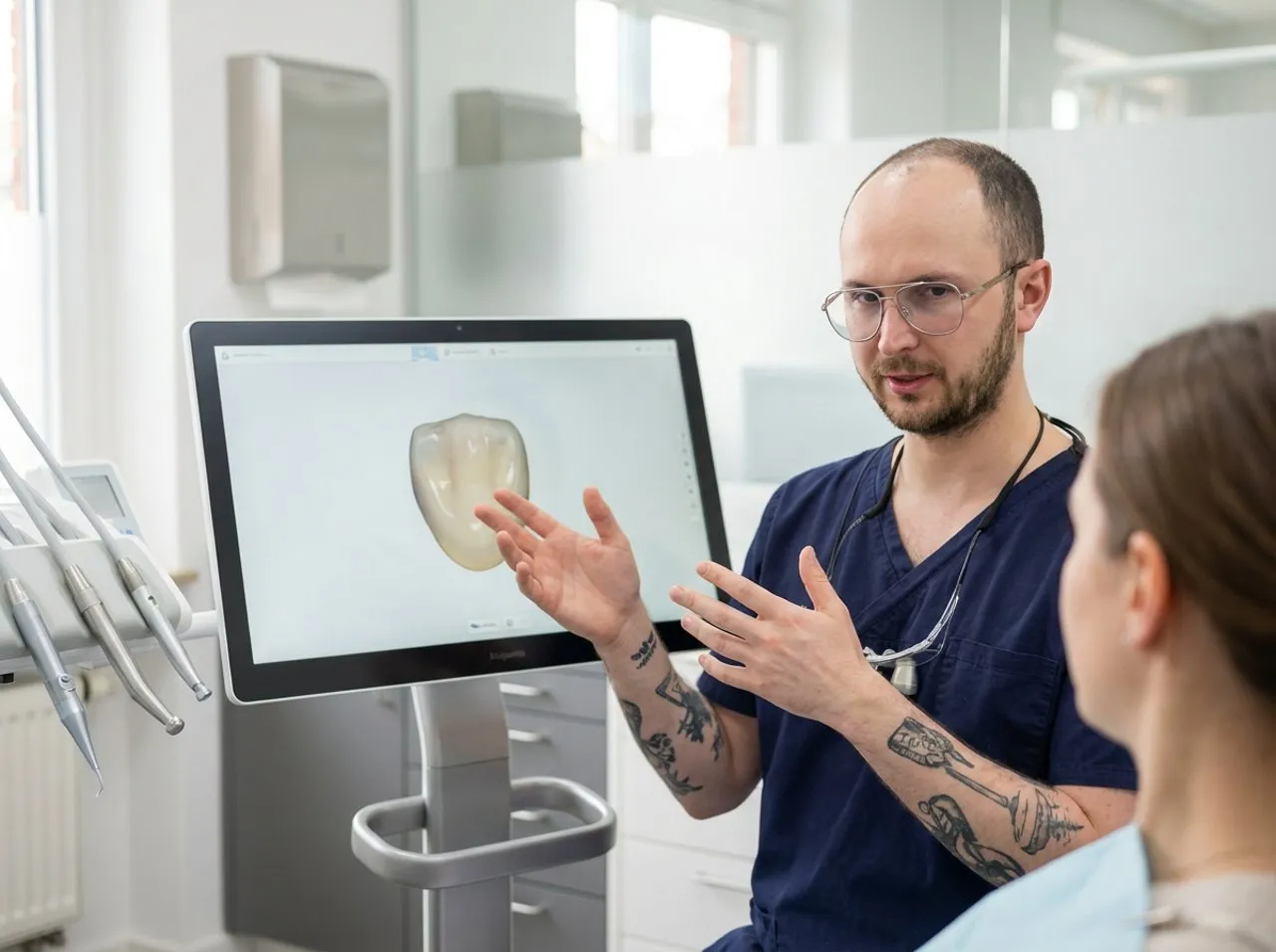
Not every denture needs to be replaced immediately. Relining is often sufficient. This involves adapting the base to the jaw. Relining improves pressure distribution and the seal. It noticeably improves retention. This often extends the denture's useful life. Repair is advisable for cracks or detached teeth. Broken clasps can often be replaced too. Nevertheless, we always investigate the cause. A new denture is advisable when the occlusion is incorrect. It is also advisable after numerous repairs. Sometimes the teeth and base are simply worn out.
‘Teeth out, denture in’: what does this mean?
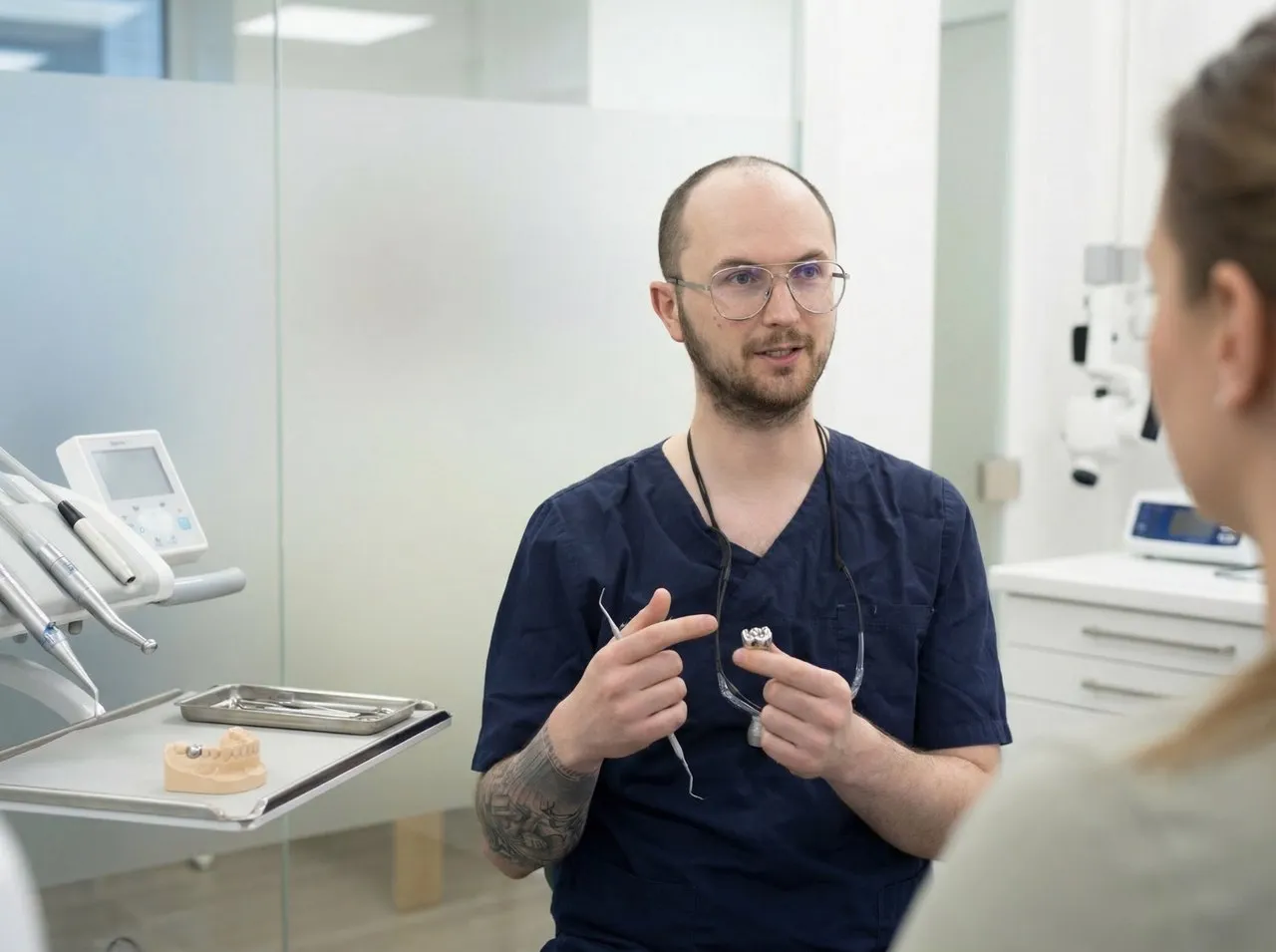
Many people use the phrase ‘teeth out, denture in’. It refers to an immediate denture after extractions. It is fitted immediately after the procedure. The jaw shrinks considerably during the first few months. The denture then quickly loses retention. Check-ups and adjustments are therefore essential. A definitive denture often follows later. Wound healing is complete by then. The fit is generally more stable.

Costs and health insurance: what is usual?
With statutory health insurance (GKV), the clinical findings matter, not the calendar year. The basis is the treatment and cost plan. The insurer pays a fixed subsidy towards standard care. The subsidy increases with a bonus booklet. A hardship provision may apply for people on a low income. The guarantee is also important. In practice, adjustments are often possible for two years. This applies from the fitting of the dental prosthesis.
Molar denture: what treatment does this refer to?
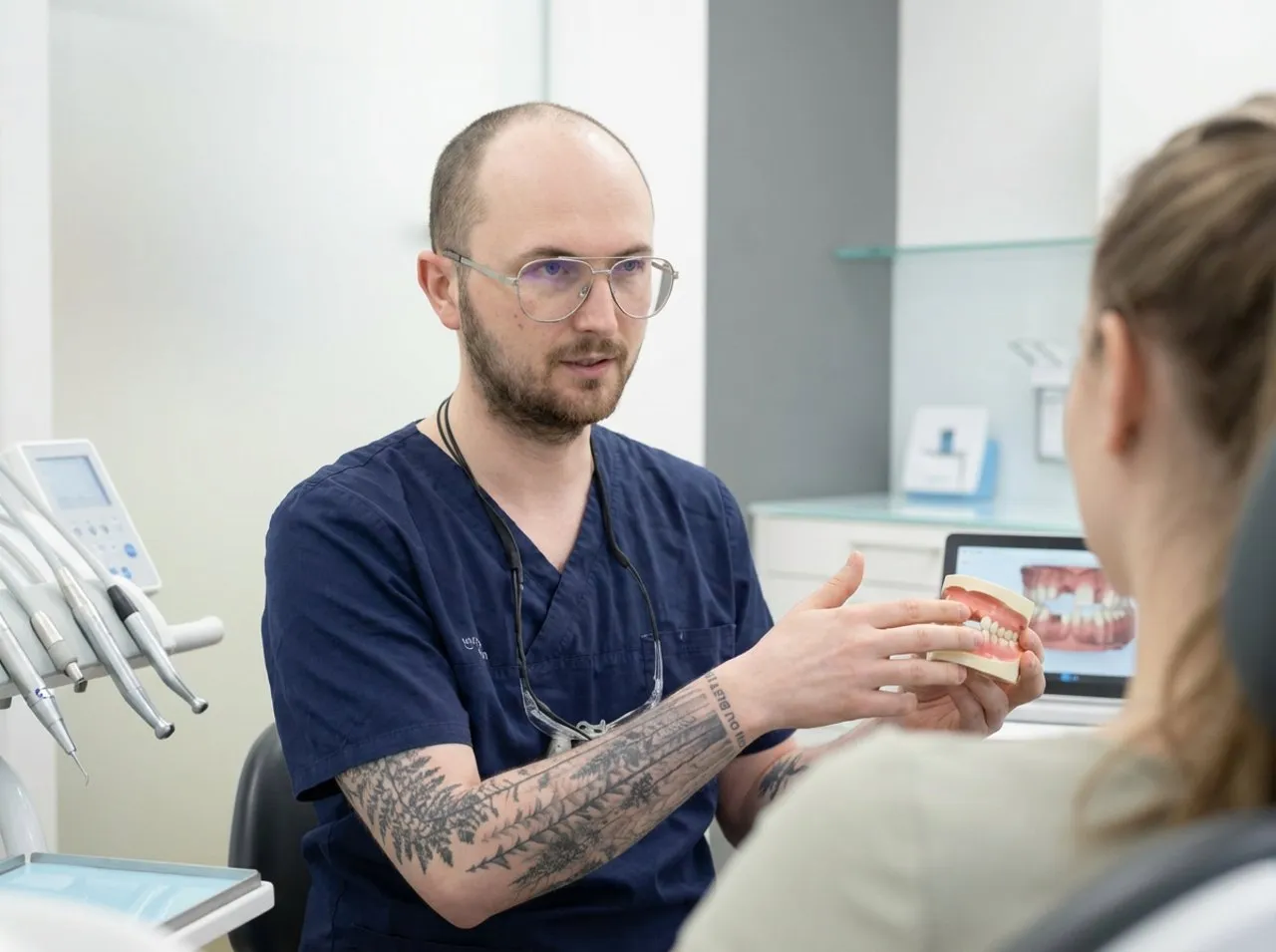
The term ‘molar denture’ is non-specific and refers to several types of restoration. It usually means a partial denture in the posterior region. Depending on the situation, other solutions may also be possible. A cast metal framework denture can help with larger gaps. Telescopic crowns can provide stability and guidance. This often makes the denture more secure when chewing. Implants are another option. They improve retention and chewing stability. Whether this is possible depends on the amount of available bone.
How we determine the right time at Wunschlachen
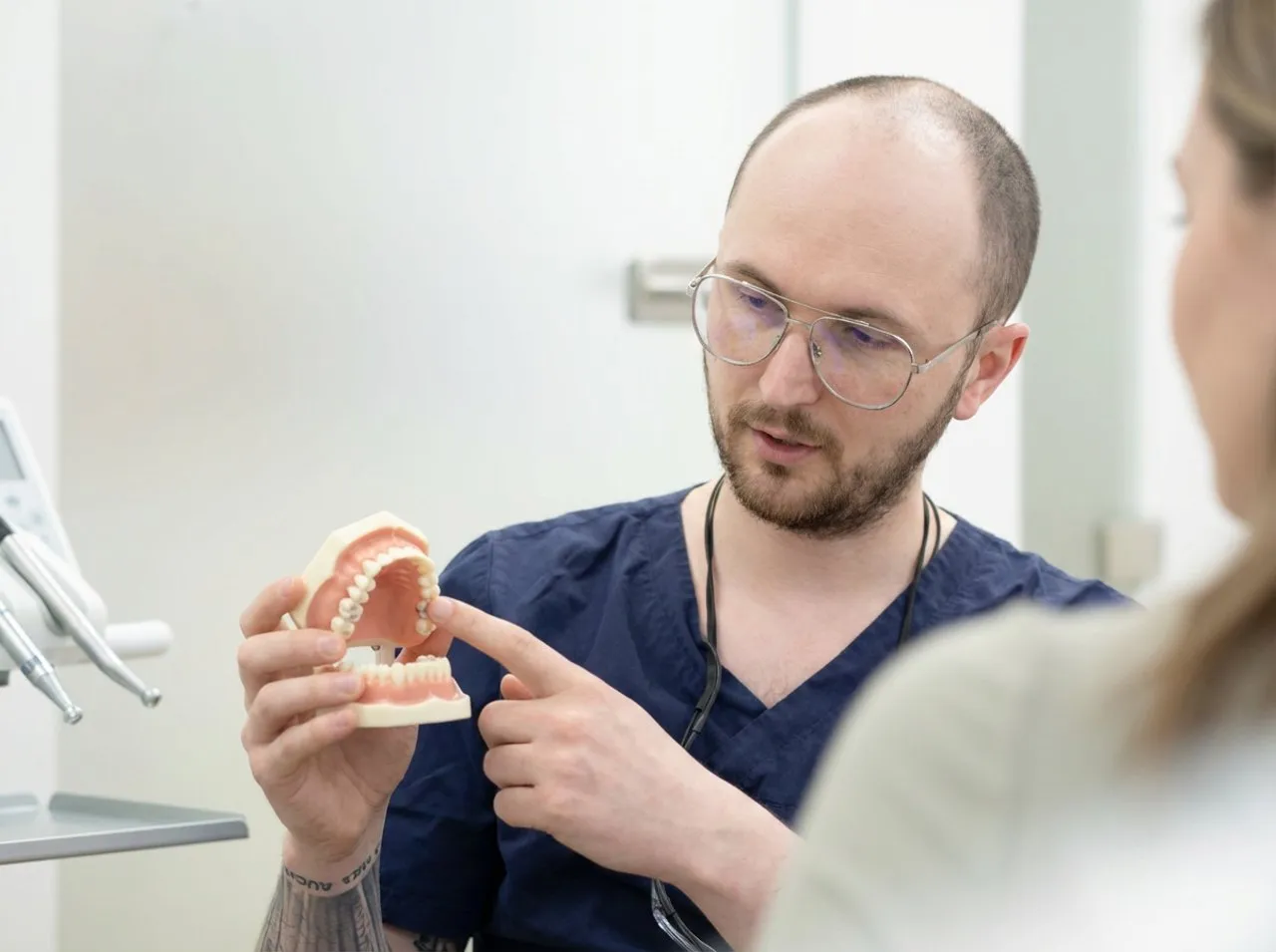
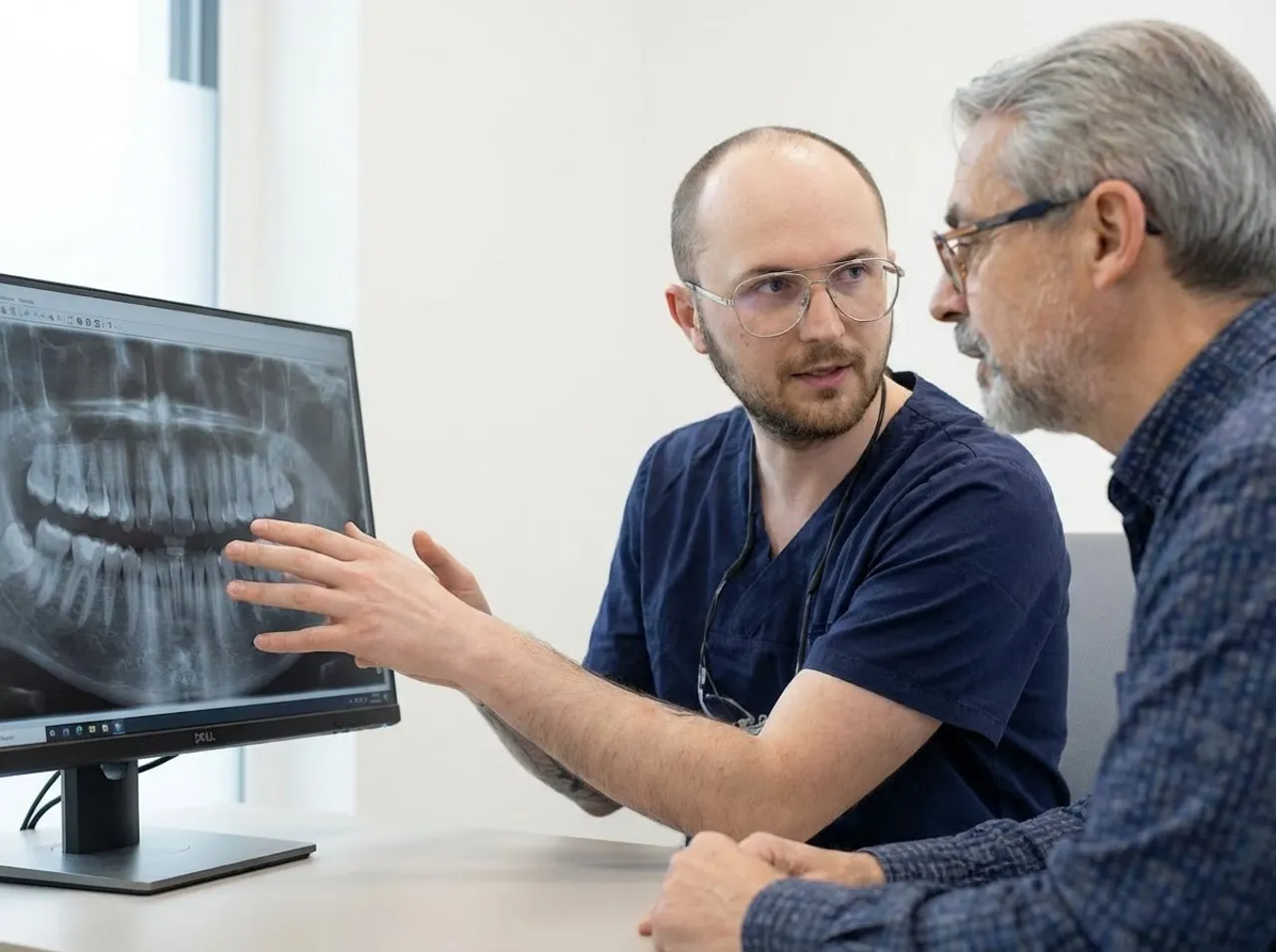
First, we check the fit and denture border. We test suction, stability and pressure points. The mucosa is also carefully assessed. We then analyse the occlusion. We check the bite height and contact points. This enables us to identify excessive loading early. Next, we discuss your goals. Some people want greater comfort when eating. Others want improved aesthetics. We then draw up a clear treatment plan. You will receive a transparent cost estimate.
Care: how to extend its lifespan
Clean the denture mechanically every day. Use a denture brush and mild cleaners. Abrasives can roughen acrylic. Store the denture as instructed. Some materials need moisture. We recommend the appropriate routine on an individual basis. Attend regular check-ups. Small corrections prevent major problems. This often saves time and follow-up costs.
Conclusion
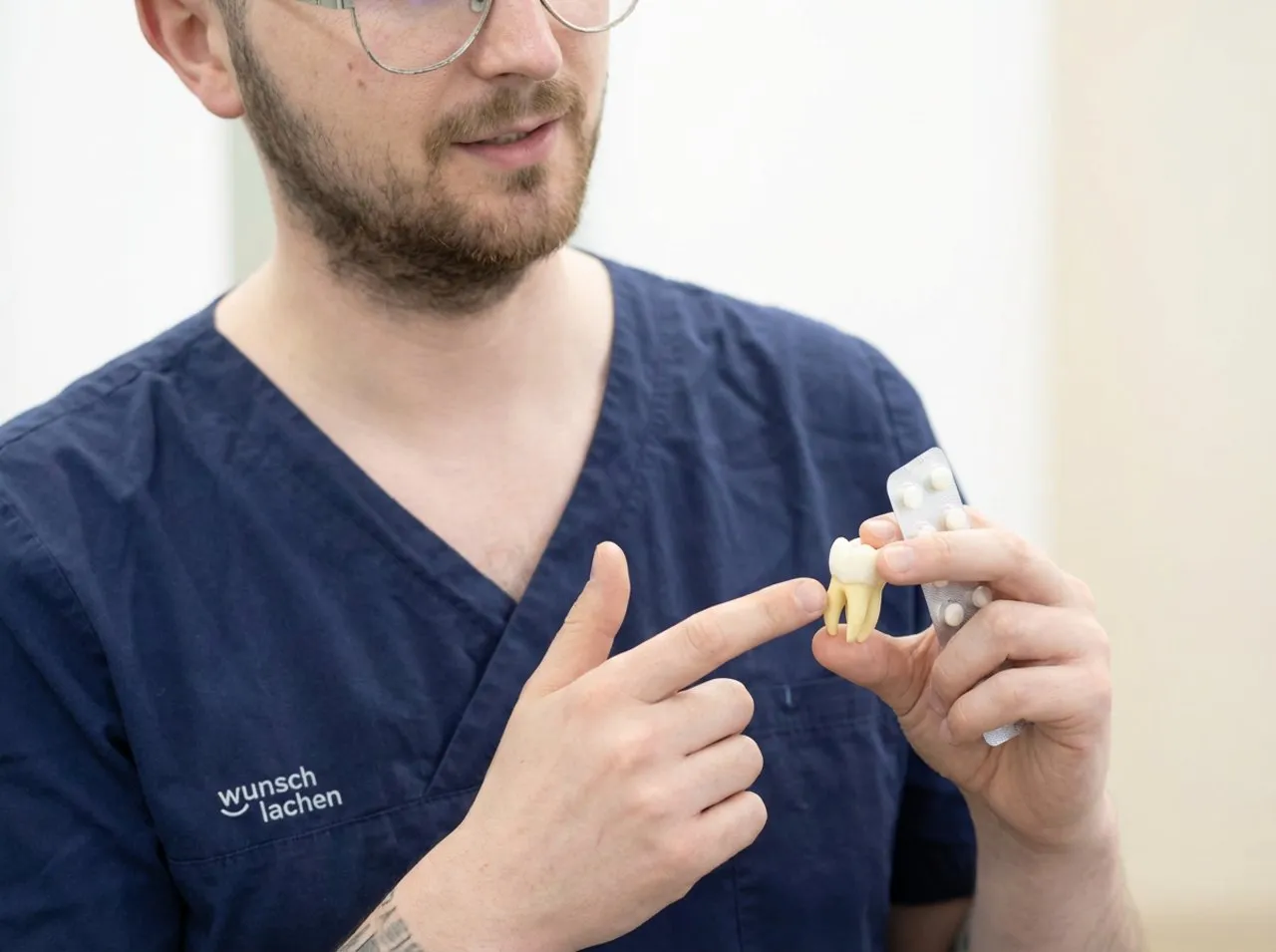
A new denture is rarely needed ‘according to a schedule’. Replacement often takes place between five and ten years. Fit, function and the tissues are decisive. If you notice warning signs, have it checked. Wunschlachen in Berlin provides calm, clear advice. This helps keep your dental prosthesis comfortable in the long term.
FAQ
Many dentures often last five to eight years. Some last considerably longer. Fit matters more than age.
A loose fit is a common sign. Pressure sores and pain also indicate this. A changed bite is also typical.
If the alveolar ridge has resorbed, relining often helps. The base is then adapted. Severe defects usually require more extensive treatment.
A repair fixes localised damage. A new denture completely replaces the base and teeth. The decision depends on function and occlusion.
This describes an immediate denture after extractions. It stabilises the healing phase. It is often replaced or modified later.
Statutory health insurance (GKV) pays according to clinical findings and guidelines. There is no fixed schedule. An approved treatment and cost plan is decisive.
Regular preventive care increases the fixed subsidy. This is particularly worthwhile in the long term. Missing entries can reduce the subsidy.
It usually means a partial denture in the posterior region. Sometimes it refers to a bridge or implant solution. The clinical findings determine the most appropriate treatment.
This is often due to excessive loading caused by bruxism. An unstable bite can also be responsible. The occlusion must then be corrected.
Alternatives include implants or a removable partial denture. What is suitable depends on the clinical findings, bone and budget.