How long should you brush your teeth? The ideal duration explained
The appropriate brushing time is a key part of daily oral hygiene. For most patients, brushing for approximately two minutes twice a day is recommended. The brushing technique must, however, be systematic and gentle.
Über 350 Google-Bewertungen
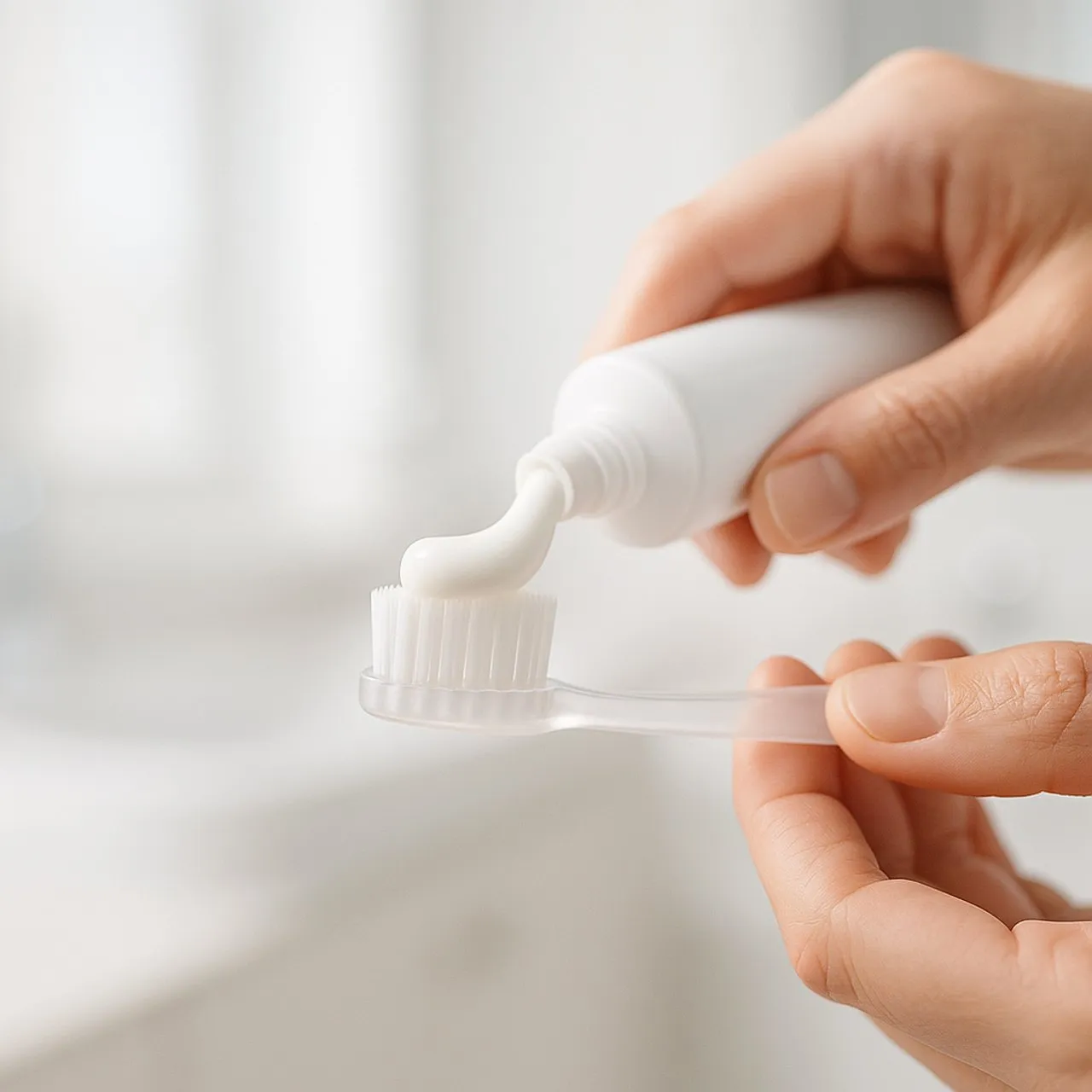
Why brushing time matters for oral health
The duration of toothbrushing has a considerable influence on the quality of plaque removal. Brushing for too short a time leaves bacterial deposits on the tooth surfaces. This increases the risk of caries, gingivitis and other oral diseases.
However, brushing for an excessively long time is not automatically beneficial either. If high pressure is applied, the marginal gingiva may become irritated. Abrasive defects on exposed tooth necks are also possible in such cases.
It is therefore important to strike a balance between duration, technique and thoroughness. In dentistry, two minutes is regarded as a practical guideline. This recommendation is easy for many patients to follow in everyday life.

How long should you brush your teeth?
As a rule, dental professional associations recommend brushing the teeth twice a day. The recommended duration is usually around two minutes per brushing session. This allows all relevant surfaces to be cleaned systematically.
The recommendation generally applies to adults and adolescents. In children, implementation depends more on age and motor development. Guidance from parents therefore remains advisable for a longer period.
It is essential to distribute the brushing time evenly. The outer, inner and occlusal surfaces should be cleaned systematically. Only in this way can plaque be controlled as thoroughly as possible.

Is two minutes enough for a thorough clean?
Two minutes are sufficient for many patients. However, this requires a correct and methodical brushing technique. An unstructured approach significantly reduces the cleaning effect.
In practice, individual areas are often neglected. The lingual tooth surfaces and posterior regions in particular often remain inadequately cleaned. Plaque can accumulate there for prolonged periods.
It is helpful to divide the dentition into four quadrants. Approximately 30 seconds can be allocated to each quadrant. This creates a clear and reproducible routine.

Brushing technique is just as important as duration
Cleaning time alone does not determine the effectiveness of dental care. Technique is also of central importance. If performed incorrectly, significant deposits remain even after brushing for longer.
Controlled, low-pressure movements are recommended. Excessive pressure on the teeth and gingiva should be avoided. Cleaning should be efficient but gentle on the tissues.
Depending on individual circumstances, the modified Bass technique may be useful. The brush is positioned at a slight angle to the gingival margin. This also makes it easier to reach the transitional areas between the tooth and gingiva.
Electric toothbrushes can provide additional support. Many models have an integrated timer. This makes it easier to adhere to the recommended brushing time.

Why are morning and evening brushing important?
Both morning and evening dental care are important. In the morning, bacterial deposits that have formed overnight are removed. In the evening, the main focus is on removing plaque and food debris that have accumulated during the day.
Evening cleaning is often particularly important. Salivary secretion is reduced during the night. This impairs the natural self-cleaning mechanisms of the oral cavity.
Irregular oral hygiene encourages the persistence of bacterial deposits. This can lead to carious lesions or inflammatory changes. A consistent routine is therefore advisable.
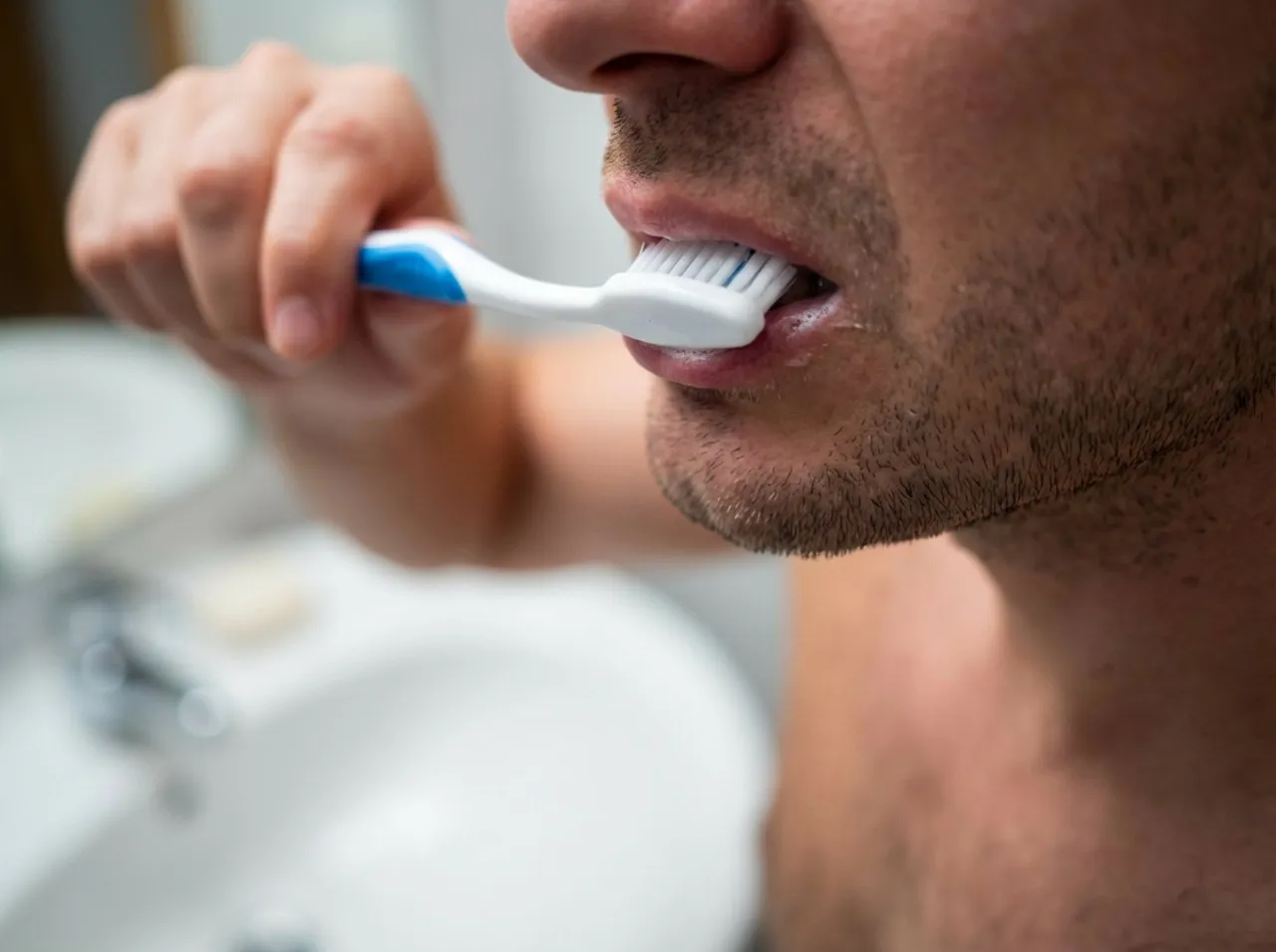
What are the consequences of brushing for too short a time?
If the cleaning time is regularly too short, biofilm remains on the tooth surfaces. This can be particularly problematic at the gingival margin. Initial gingivitis often begins in this area.
Persistent plaque can also mineralise. This results in calculus, which can no longer be removed by oral hygiene at home. In such cases, professional dental cleaning is indicated.
Halitosis can also be promoted by inadequate oral hygiene. Bacterial metabolic processes then produce unpleasant odours. Thorough cleaning reduces this risk.
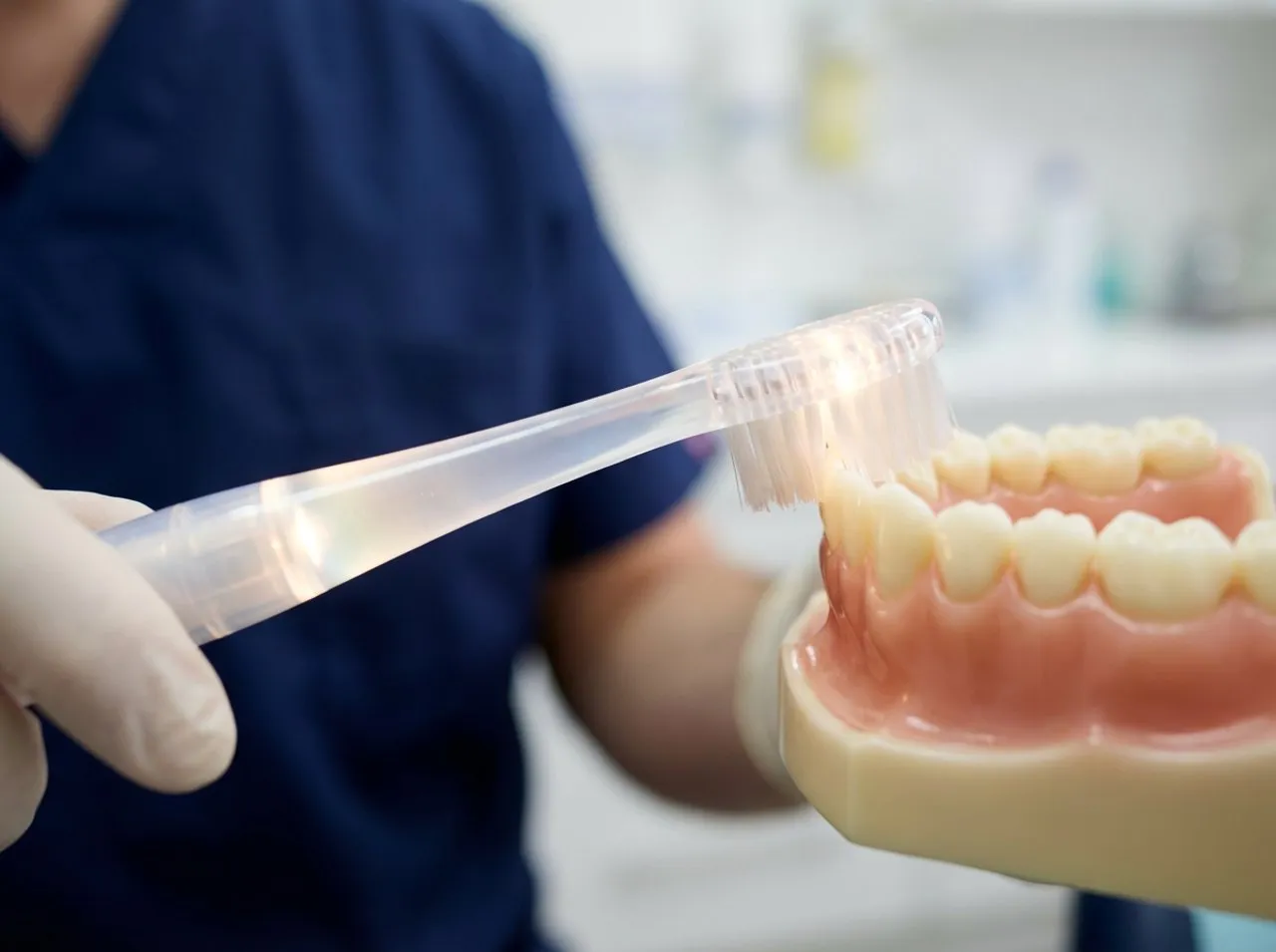
Can you brush your teeth for too long?
Excessive cleaning can also be problematic. This is particularly true with hard bristles and strong pressure. In such cases, soft tissues and dental hard tissue can be placed under strain.
Possible consequences include gingival irritation and wedge-shaped defects. Exposed tooth necks in particular are often sensitive. Moderate pressure should therefore always be used.
With electric toothbrushes, it is usually sufficient to guide the brush head gently. Additional pressure generally does not improve cleaning performance. Rather, it can place unnecessary strain on the oral mucosa.

Why cleaning between your teeth is essential
A toothbrush can only reach the interdental spaces to a limited extent. Yet food debris and bacterial deposits often accumulate in these very areas. Brushing alone is therefore usually not enough.
Dental floss or interdental brushes are useful additions. They support the daily cleaning of hard-to-reach contact surfaces. This significantly improves plaque control at home.
Tongue cleaning can also be part of oral hygiene. It helps reduce bacterial deposits on the dorsum of the tongue. It can also help freshen the breath.

Which toothbrush helps you brush for the right amount of time?
Both manual toothbrushes and electric models can be suitable. A small brush head and soft bristles are particularly important. This allows hard-to-reach areas to be cleaned in a controlled manner.
Electric toothbrushes offer practical advantages for several patient groups. Timer functions make it easier to keep track of time while brushing. Some systems also indicate when to move to the next quadrant.
This can be helpful for patients with an irregular brushing routine. The preset time structure supports a standardised routine. As a result, the recommended brushing time is often adhered to more consistently.
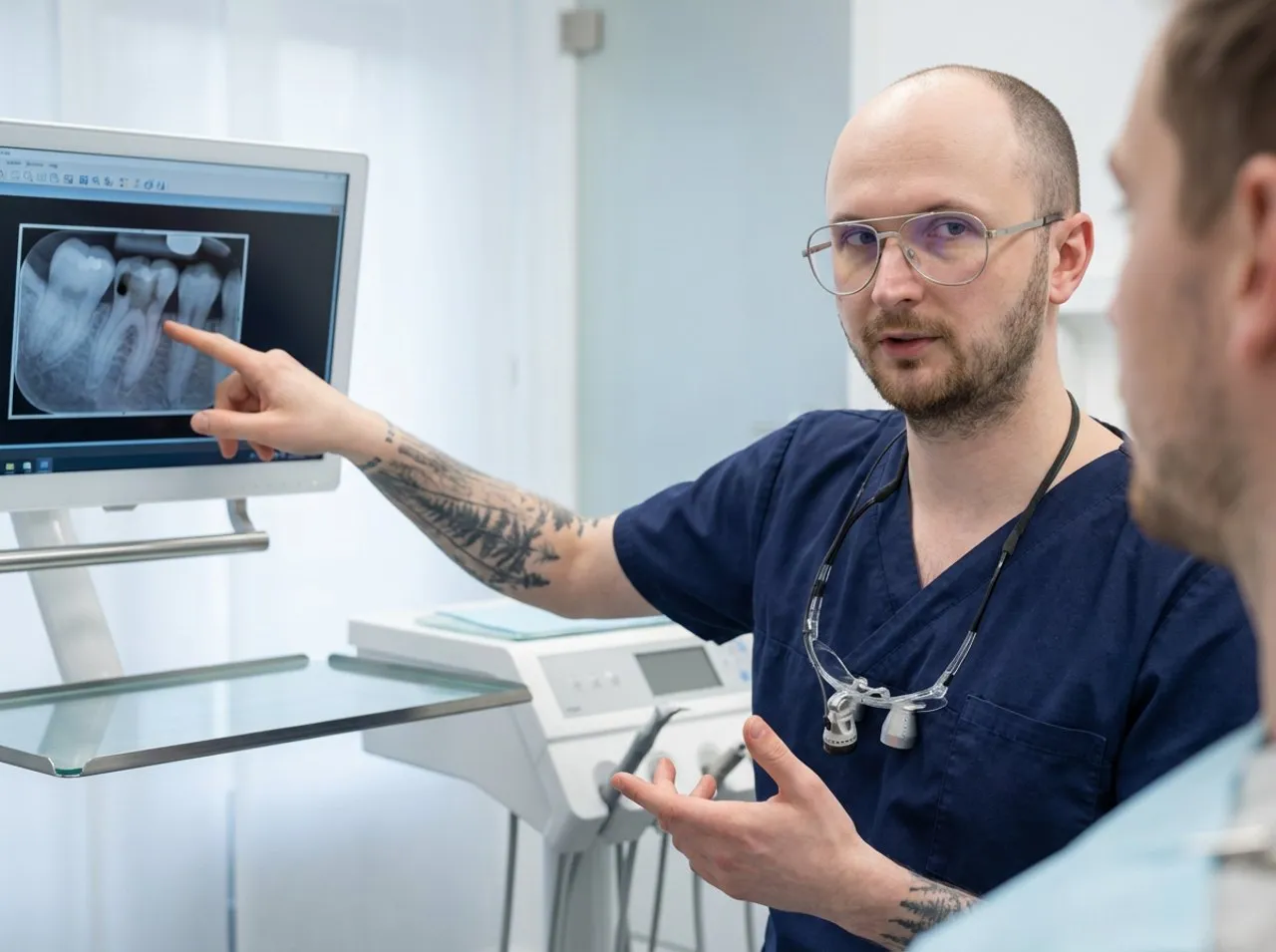
How to establish a structured brushing routine
A consistent routine improves long-term oral hygiene. It is advisable to brush your teeth at fixed times every day. This makes it easier for the routine to become automatic.
Aids such as timers or electric toothbrushes can also help. With children, guidance and supervision by parents are also important. This allows the correct brushing technique to be practised from an early age.
In the long term, effective prevention is achieved primarily through regularity. The recommended brushing time is only one component. Technique, thoroughness and cleaning between the teeth are equally important.