How many teeth does a person have?
Many people ask: how many teeth does a person have? The answer depends on age and wisdom teeth. We explain it simply and in a dentally accurate way.
Über 350 Google-Bewertungen

How many teeth does an adult have?
An adult usually has 32 permanent teeth. This applies when all four wisdom teeth are present. In practice, however, these teeth are often absent.

How many teeth does a person have without wisdom teeth?
Without wisdom teeth, there are normally 28 teeth. This is the most common number in adult patients. The four rearmost molars have either never developed or have been removed.
How many teeth does a person have with wisdom teeth?
With wisdom teeth, there are generally 32 teeth. Some people have only one or two wisdom teeth. Others have none at all.
Which teeth count in an adult?
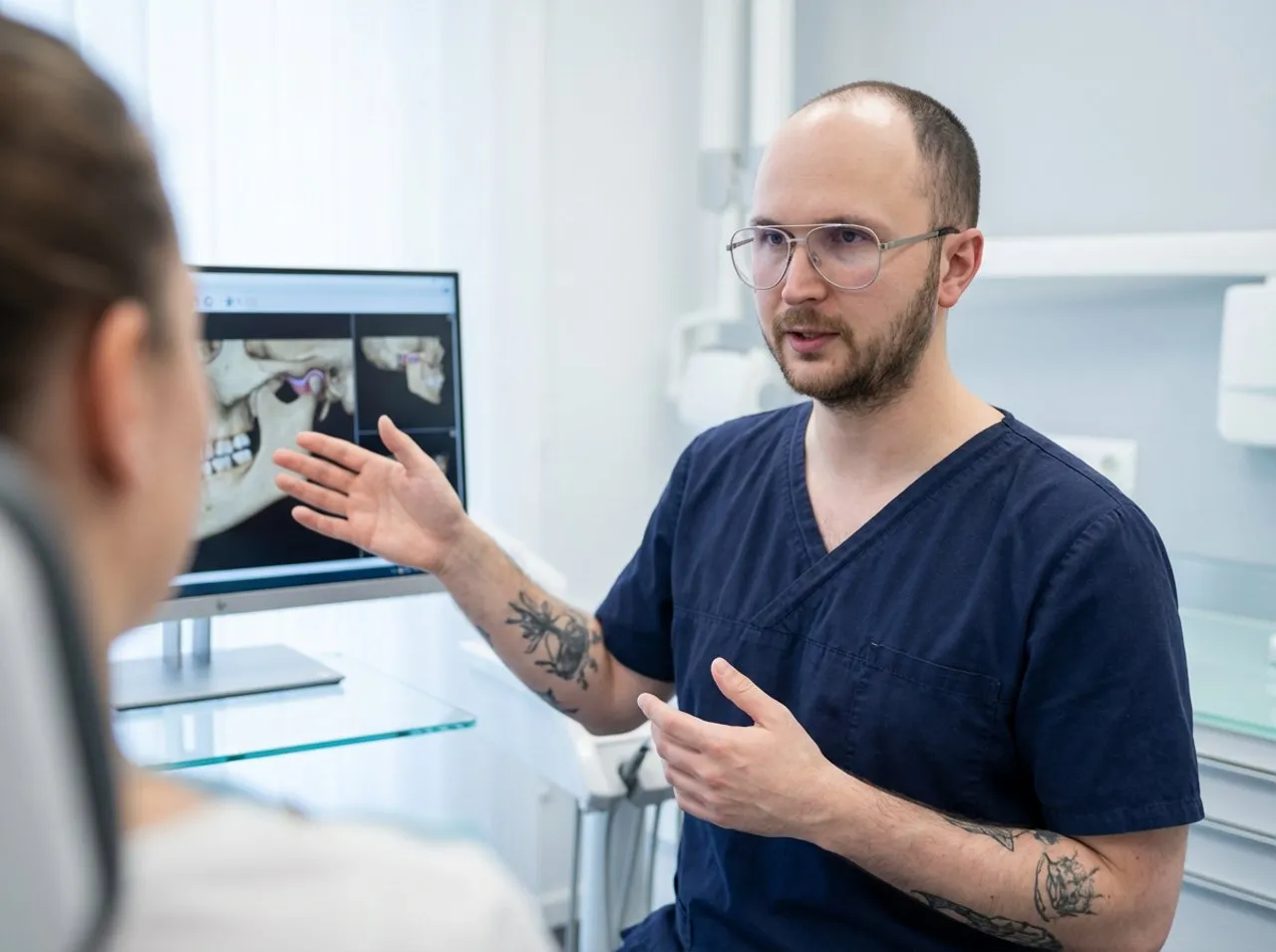
The permanent teeth are distributed between the upper and lower jaws. Each half of the jaw has eight teeth. This makes a total of 16 teeth per jaw. There are four incisors in each half of the jaw. In addition, there are two canines. These are followed by four posterior teeth, including the wisdom tooth. We often divide the posterior teeth into premolars and molars. Premolars are located in front of the large grinding teeth. Molars grind food particularly effectively.
How many teeth does a child have?
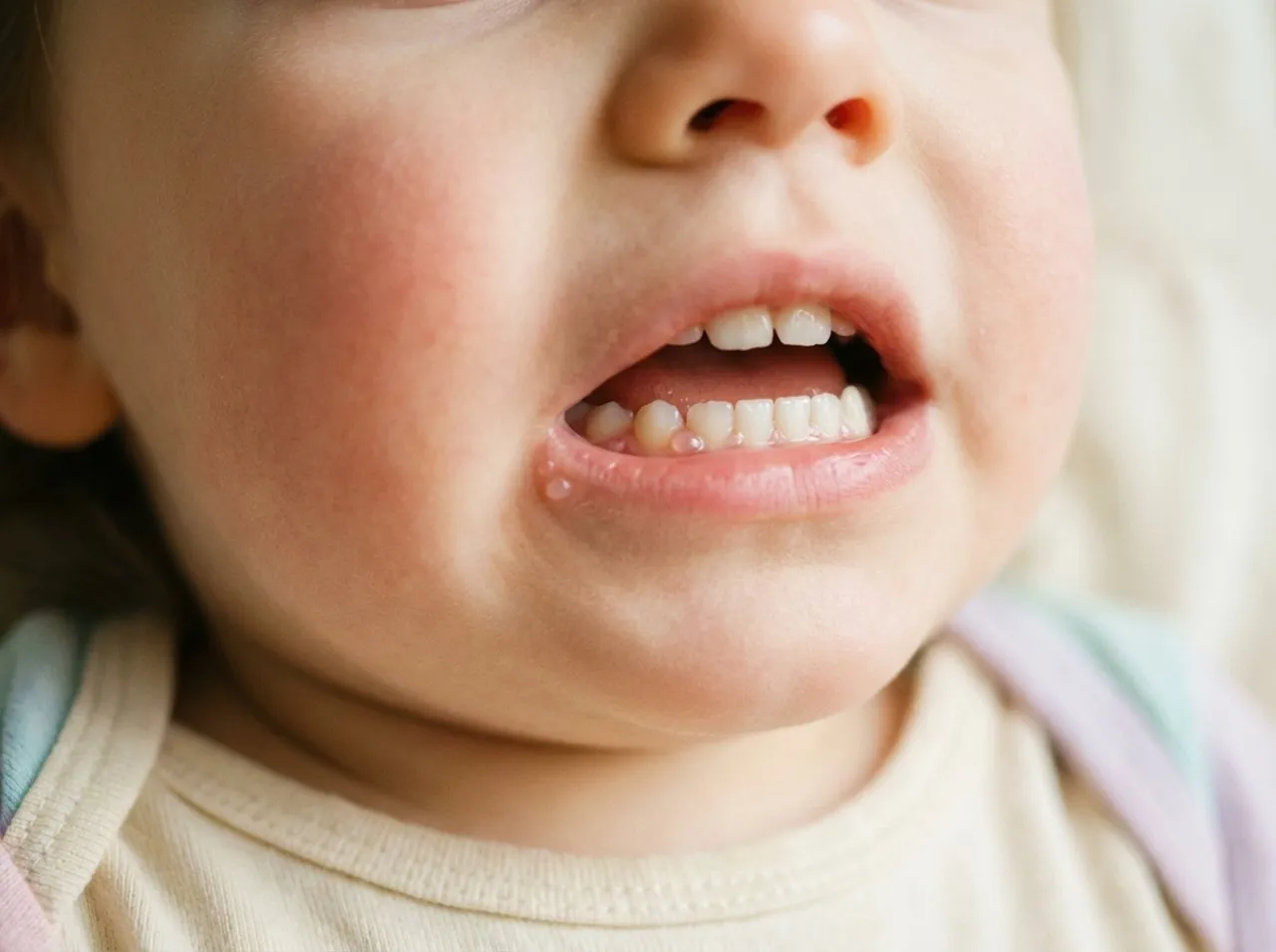
Children have milk teeth first. A complete set of milk teeth has 20 teeth. It does not include premolars or wisdom teeth. The first milk teeth usually come through around the sixth month of life. The set of milk teeth is complete by around the age of three. The teeth then begin to change at around six years of age. During this process, the milk teeth gradually fall out. The permanent teeth then come through. This process often continues into early adolescence.
Why do the numbers differ?
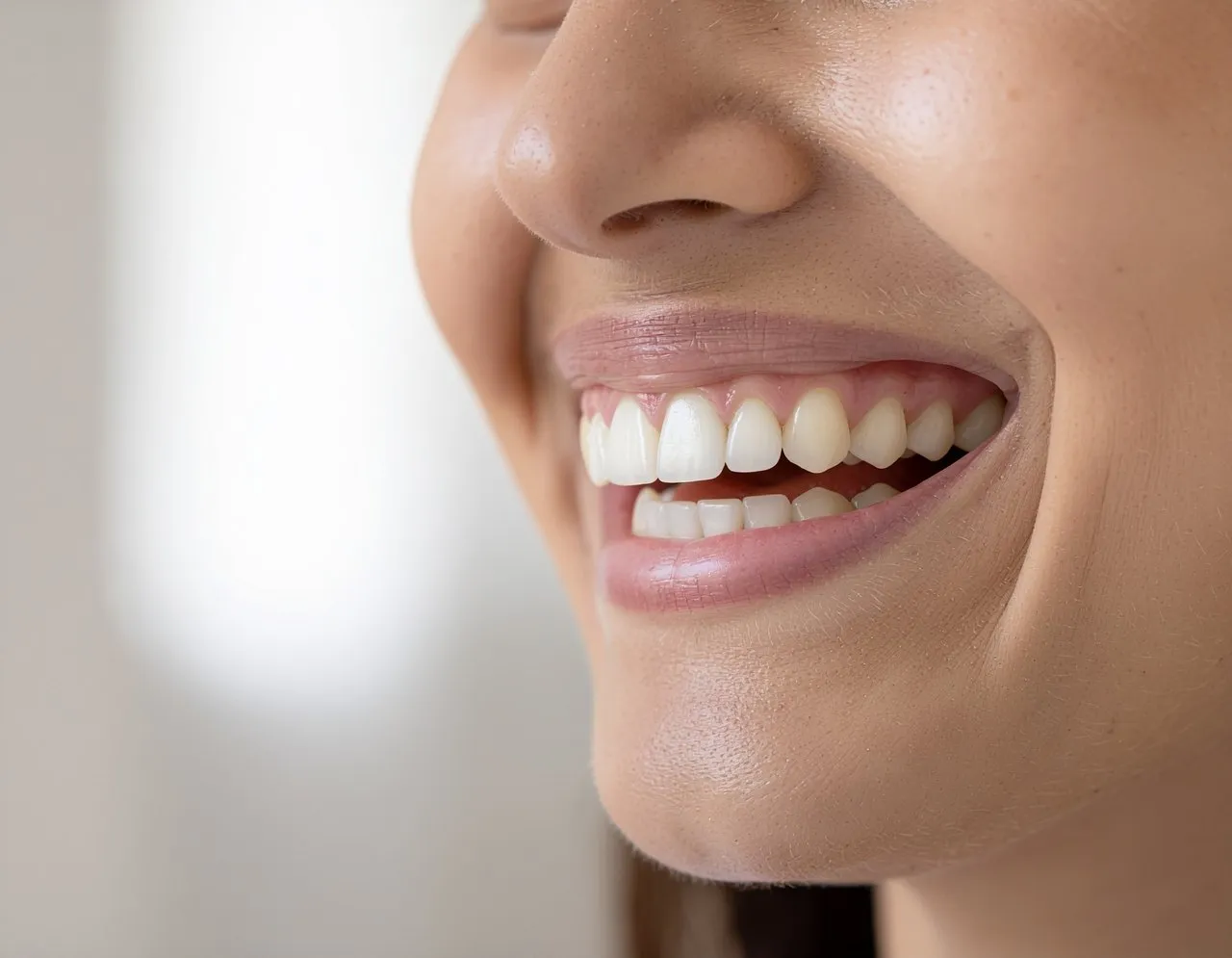
Teeth develop in stages. The set of baby teeth is smaller and simpler in structure. This suits the growing jaw. Later, the body needs more chewing surface. Premolars and additional molars therefore develop. This allows food to be broken down more effectively. Wisdom teeth are the last teeth in the dentition. They often emerge between the ages of 17 and 25. Many people do not have enough space for them.

What happens if wisdom teeth are missing?
Missing wisdom teeth are usually not a problem. Many people manage perfectly well without them. Chewing function generally remains stable. Problems are more likely to arise when wisdom teeth grow at an angle. They can then put pressure on neighbouring teeth. Inflammation of the gums is also possible. In such cases, we assess their position using an X-ray. We then decide on the next steps together. Removal is often advisable.
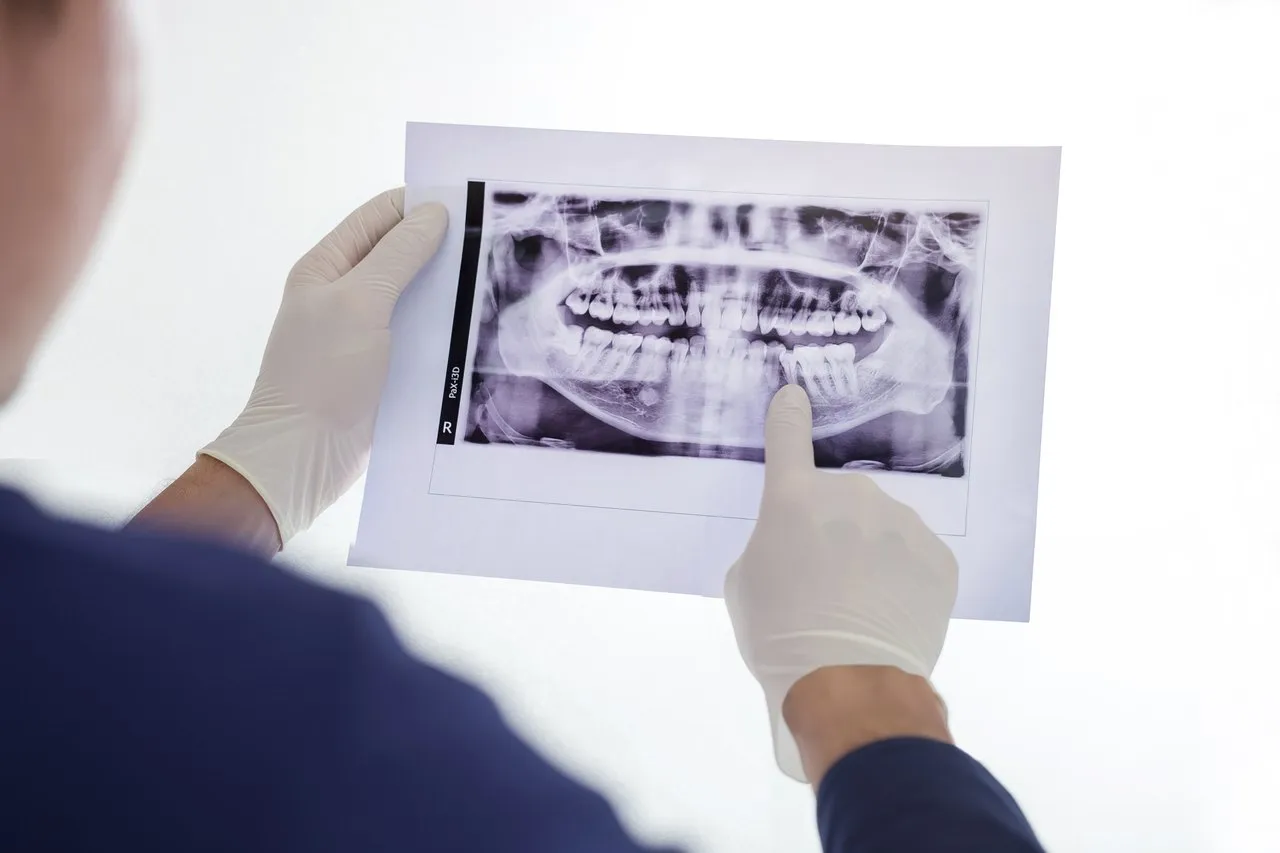
How many teeth does an adult really have?
In everyday life, most adults have 28 permanent teeth. With a full set of wisdom teeth, they have 32. Some people have fewer than 28 teeth. This can be due to tooth extraction or teeth never having developed. Accidents or tooth decay can also result in tooth loss. Other people have extra teeth. This is known as supernumerary teeth, or hyperdontia in medical terms. Such teeth can interfere with the bite.
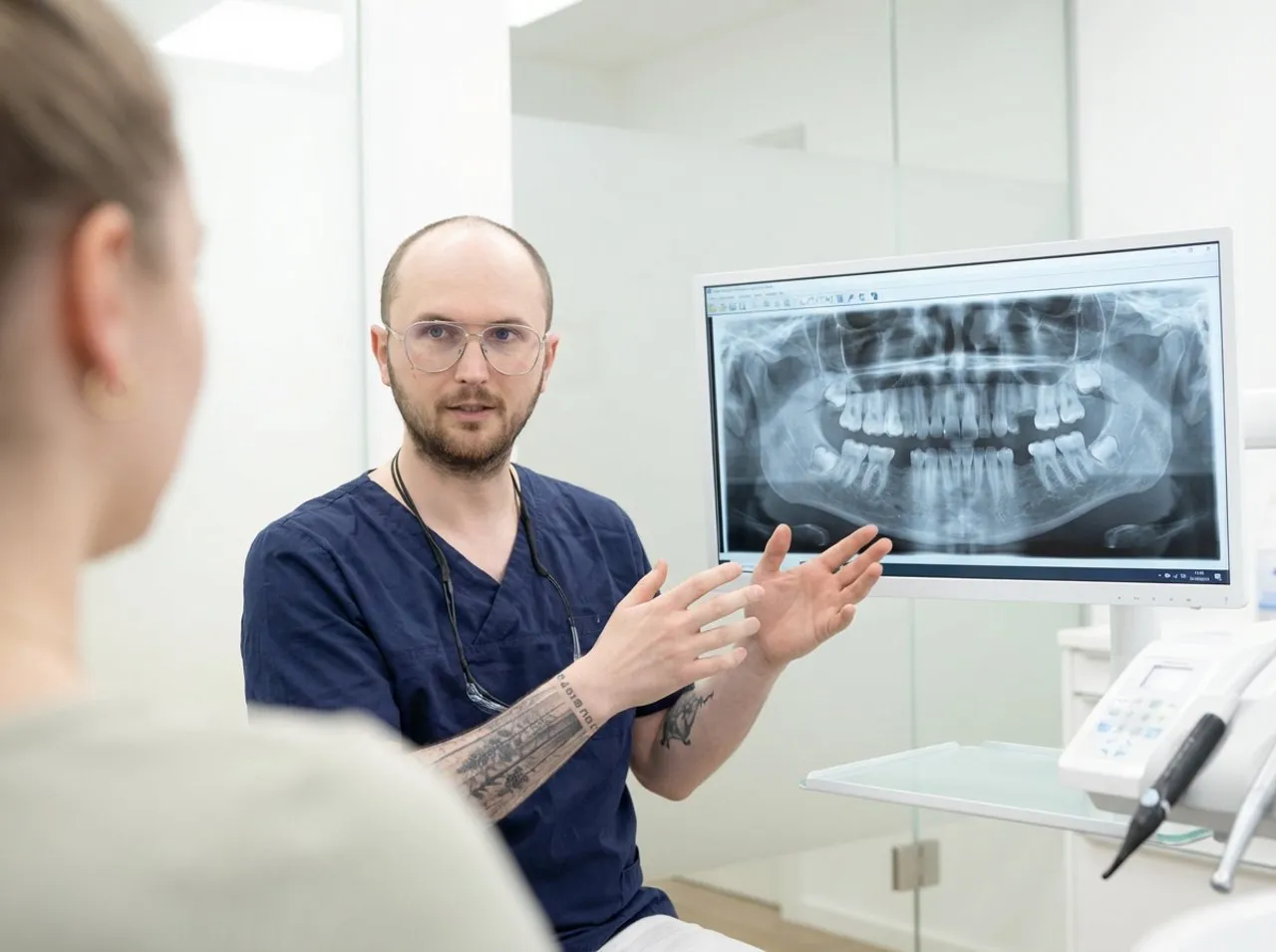
How many teeth are ‘normal’?
Normal means whatever is functional and healthy. The standard numbers provide a useful guide. Chewing comfort, hygiene and a stable bite are what matter most. If teeth are missing at the back of the mouth, neighbouring teeth often tilt. Opposing teeth can grow out of position. This can place strain on the jaw joint. Tooth replacement should therefore be discussed early. Implants, bridges or dentures are possible options. We determine individually which solution is suitable.

Counting teeth: how to do it correctly
It is best to count from the centre towards the back. Start with the incisors. Next come the canine, two premolars and three molars. Without the wisdom tooth, the row ends at the second molar. With the wisdom tooth, there is one additional molar. This allows you to quickly determine whether there are 28 or 32 teeth. If you are unsure, a check-up at the practice can help. We examine your teeth systematically. We also check your gums and bone in the process.
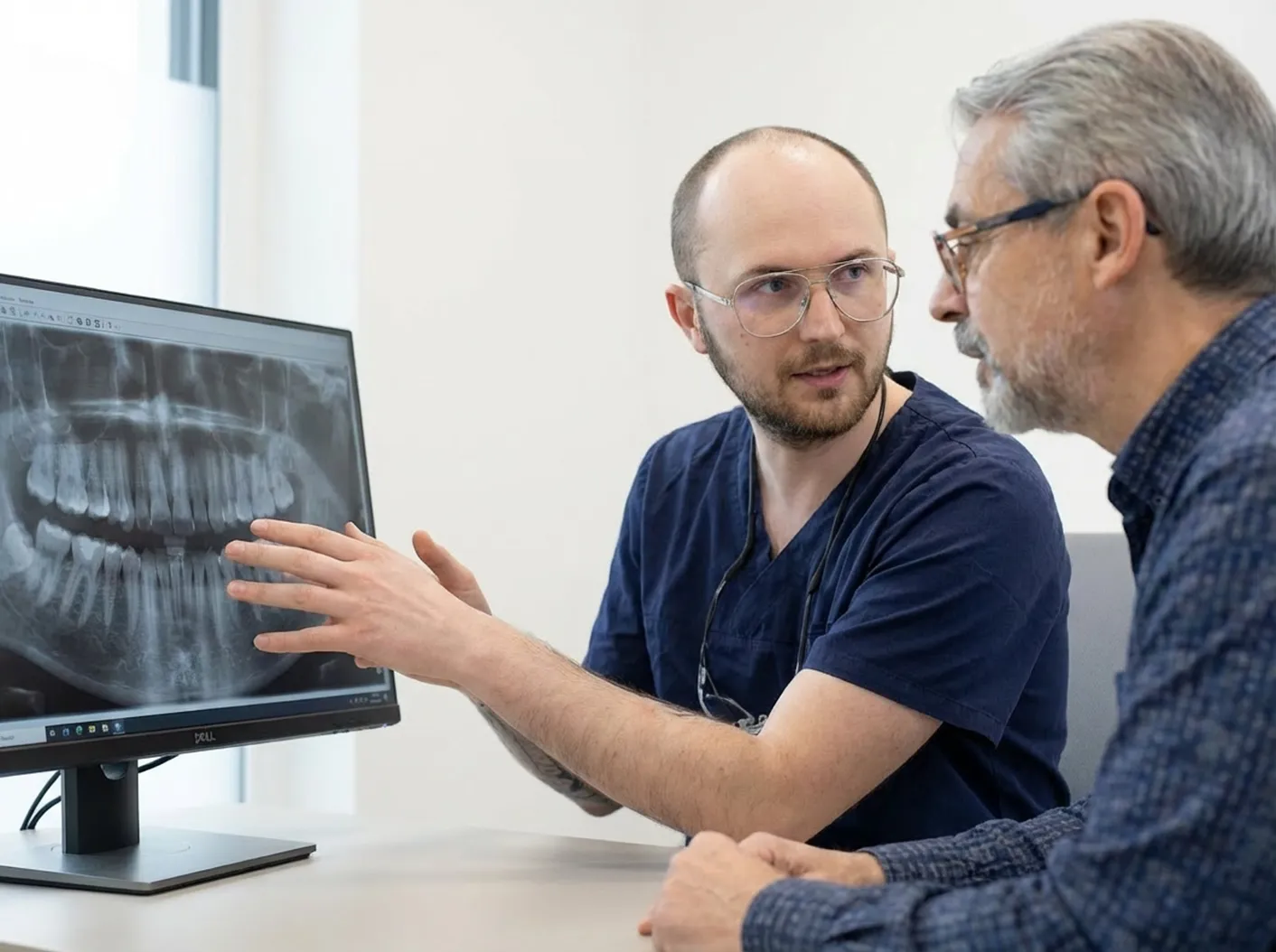
Dental formula 2-1-2-3: a useful memory aid
Dentists often use a dental formula. For an adult, it is 2-1-2-3 for each half of the jaw. This means two incisors, one canine, two premolars and three molars. Without the wisdom tooth, it becomes 2-1-2-2. The third molar at the end is then missing. This allows you to quickly put your own number into context.
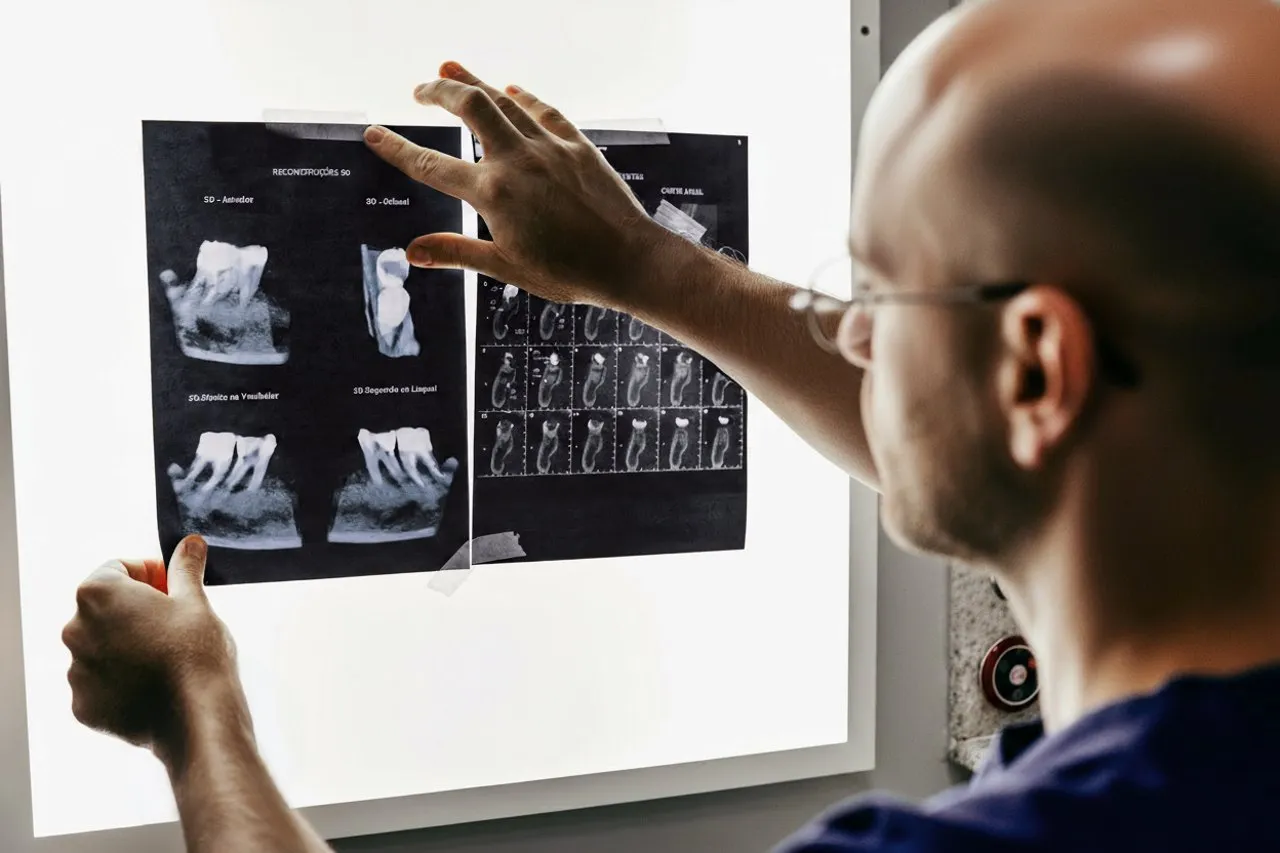
Why the exact number of teeth matters for treatment
The number of teeth affects bite alignment. It also determines how forces are distributed during chewing. This is important for teeth grinding, splints and tooth replacement. We plan differently when closing a gap than when treating a full set of teeth. Every supporting tooth also matters for crowns or bridges. This is why we always record teeth systematically.
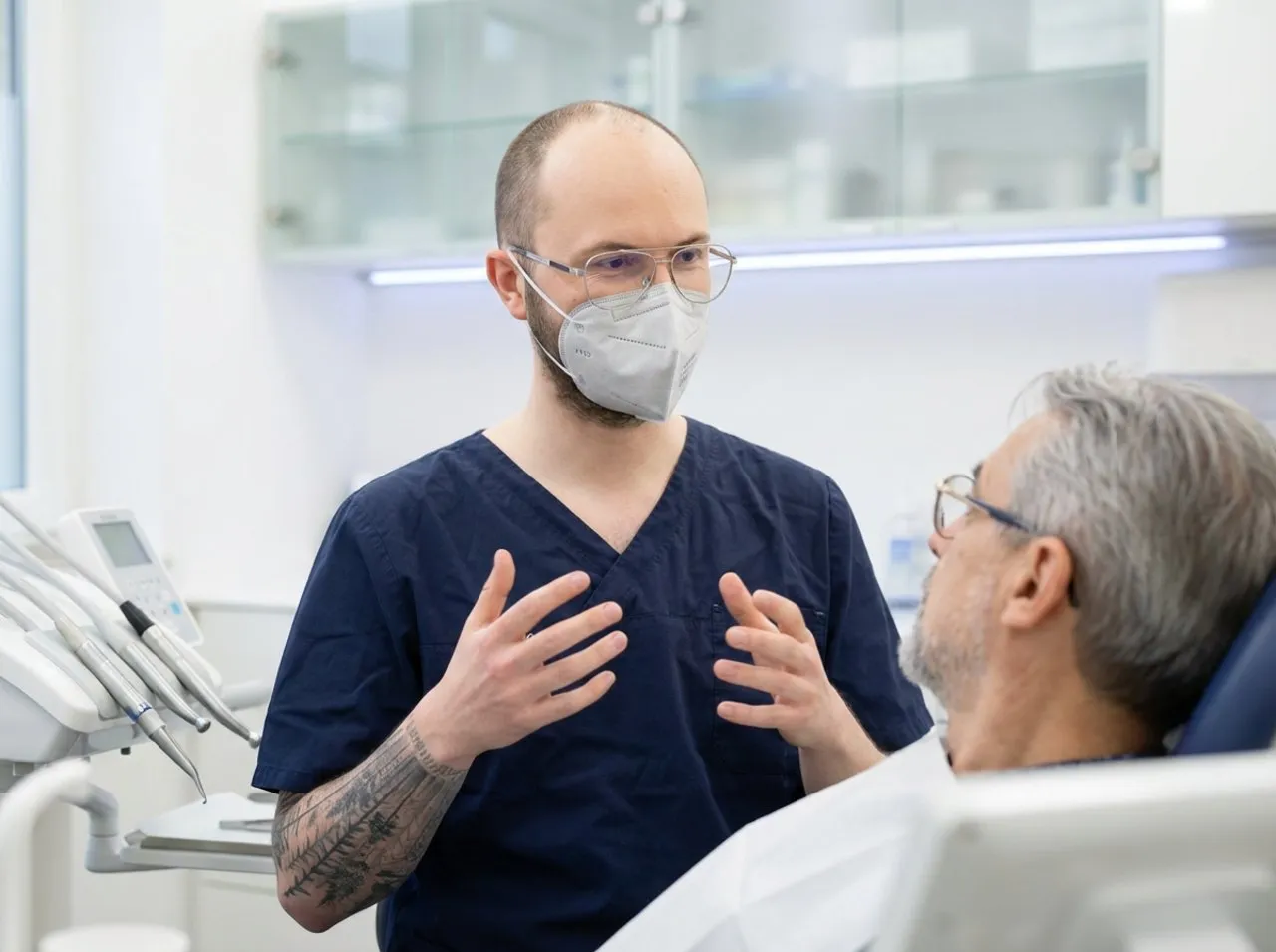
When should you see a dentist?
Make an appointment if you experience pain, swelling or pressure. An assessment is also important if you have gaps or loose teeth. Early diagnosis often prevents more extensive procedures. At the Wunschlachen dental practice in Berlin, we provide structured advice. We explain our findings clearly and draw up a plan. This helps you keep track of your dental health in the long term.
FAQ – Frequently asked questions about: How many teeth does a person have
An adult usually has 28 to 32 teeth. Children have 20 baby teeth.
The search ‘how many teeth does a person have’ refers to the same question. It means 28 without and 32 with wisdom teeth.
The standard number is 32 teeth. Without wisdom teeth, it is often 28.
Here too, 28 or 32 is typical. The exact number depends on the wisdom teeth.
Without wisdom teeth, an adult usually has 28 teeth. The four rearmost molars are then missing.
With wisdom teeth, there are usually 32 teeth. Not every wisdom tooth emerges.
This wording is often used in searches. It also refers to up to 32 teeth.
They often appear between the ages of 17 and 25. Sometimes they remain entirely within the bone.
A complete set of baby teeth has 20 teeth. These are later replaced by permanent teeth.
Missing teeth should be assessed early. Tooth replacement protects the bite, neighbouring teeth and jawbone.