Dental floss – the invisible helper for healthy teeth
A radiant smile stands for health and well-being. While regular toothbrushing is second nature to many people, the daily use of dental floss is often neglected.
Yet it serves a crucial function. It cleans the spaces between the teeth, which...
Über 350 Google-Bewertungen
Why is dental floss so important?
Even with thorough brushing, food debris and plaque often remain in the narrow spaces between the teeth. These provide an ideal breeding ground for bacteria. The result: tooth decay, gum inflammation and, in the worst case, periodontitis.
Floss helps to clean these hard-to-reach areas and maintain long-term oral health. Using dental floss regularly significantly reduces the risk of inflammatory processes in the mouth and supports healthy gums.

How do I use dental floss correctly?
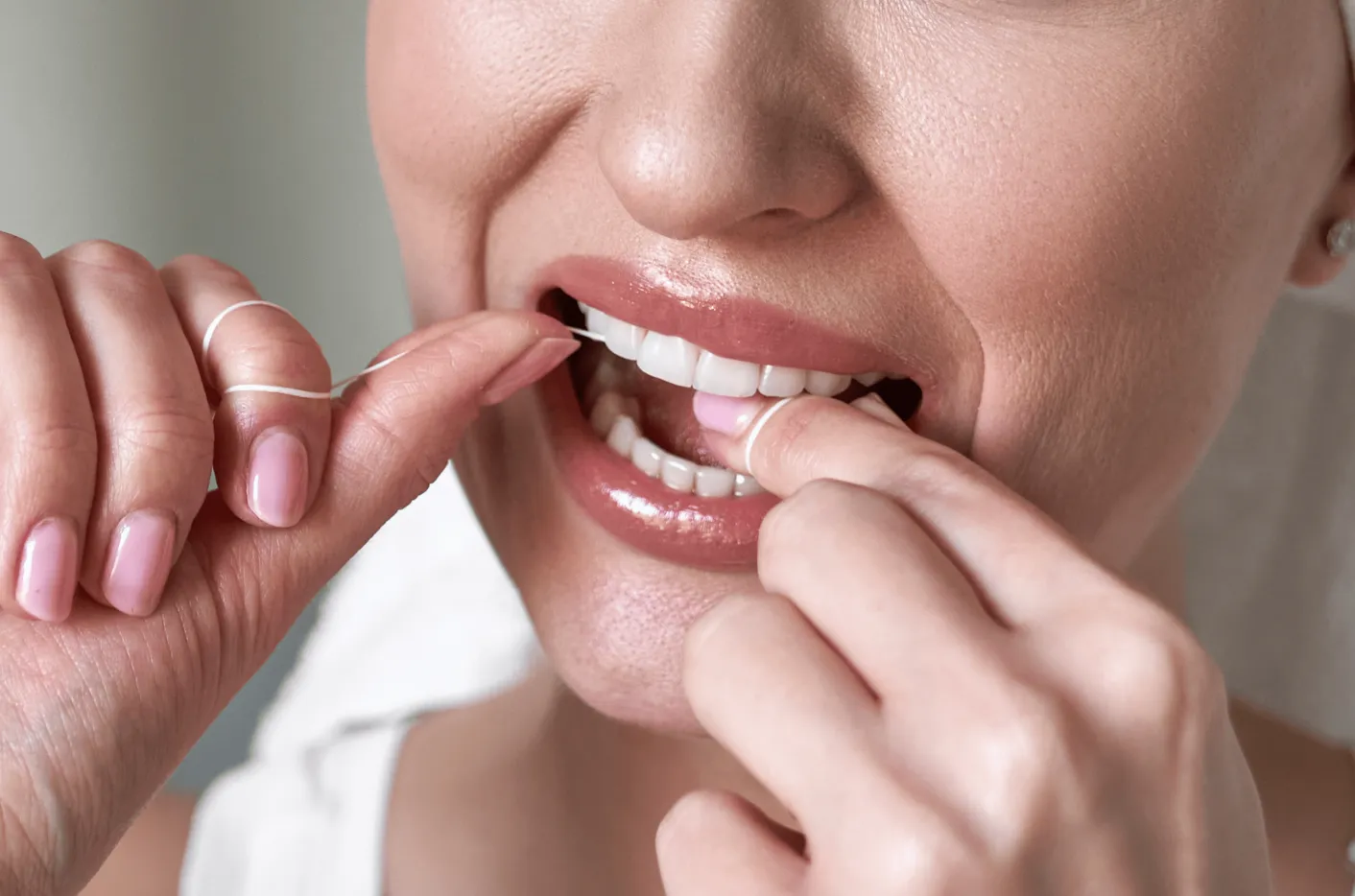
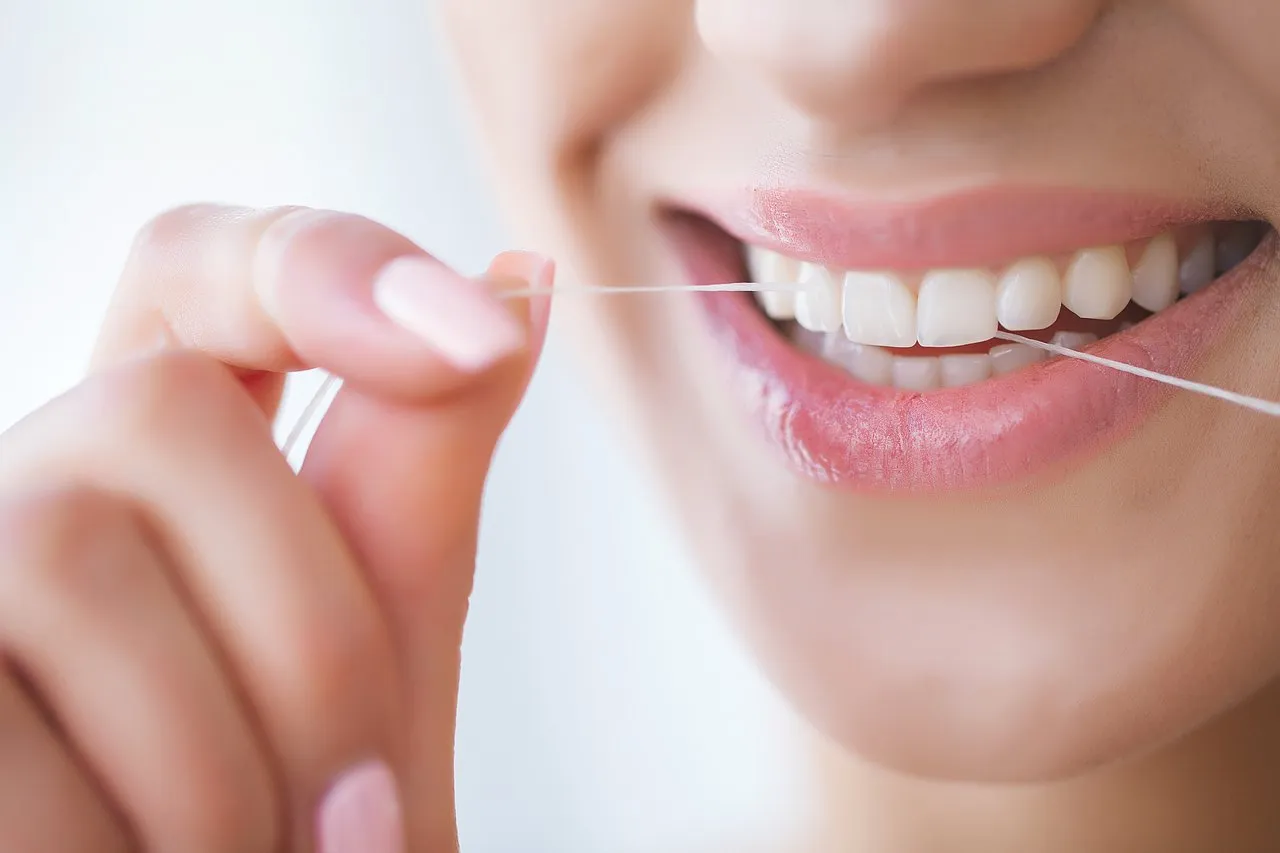
Using dental floss correctly is simple, but it takes a little practice. Cut off approximately 40–50 cm and wrap the ends around your middle fingers. Use your thumbs and index fingers to hold the floss taut and carefully guide it into the spaces between your teeth.
Take care not to snap it into your gums with too much pressure. Instead, gently curve the floss around the tooth and move it up and down along the tooth surface.
Dental floss before or after brushing?
The question of whether floss should be used before or after brushing is a valid one. Studies show that it makes most sense to use dental floss before brushing your teeth.
This first removes the deposits between the teeth. The toothpaste can then penetrate the cleaned spaces more effectively. This enhances the cleaning effect and strengthens the protective action of the fluoride.
Dental floss for bridges and fixed dental prostheses
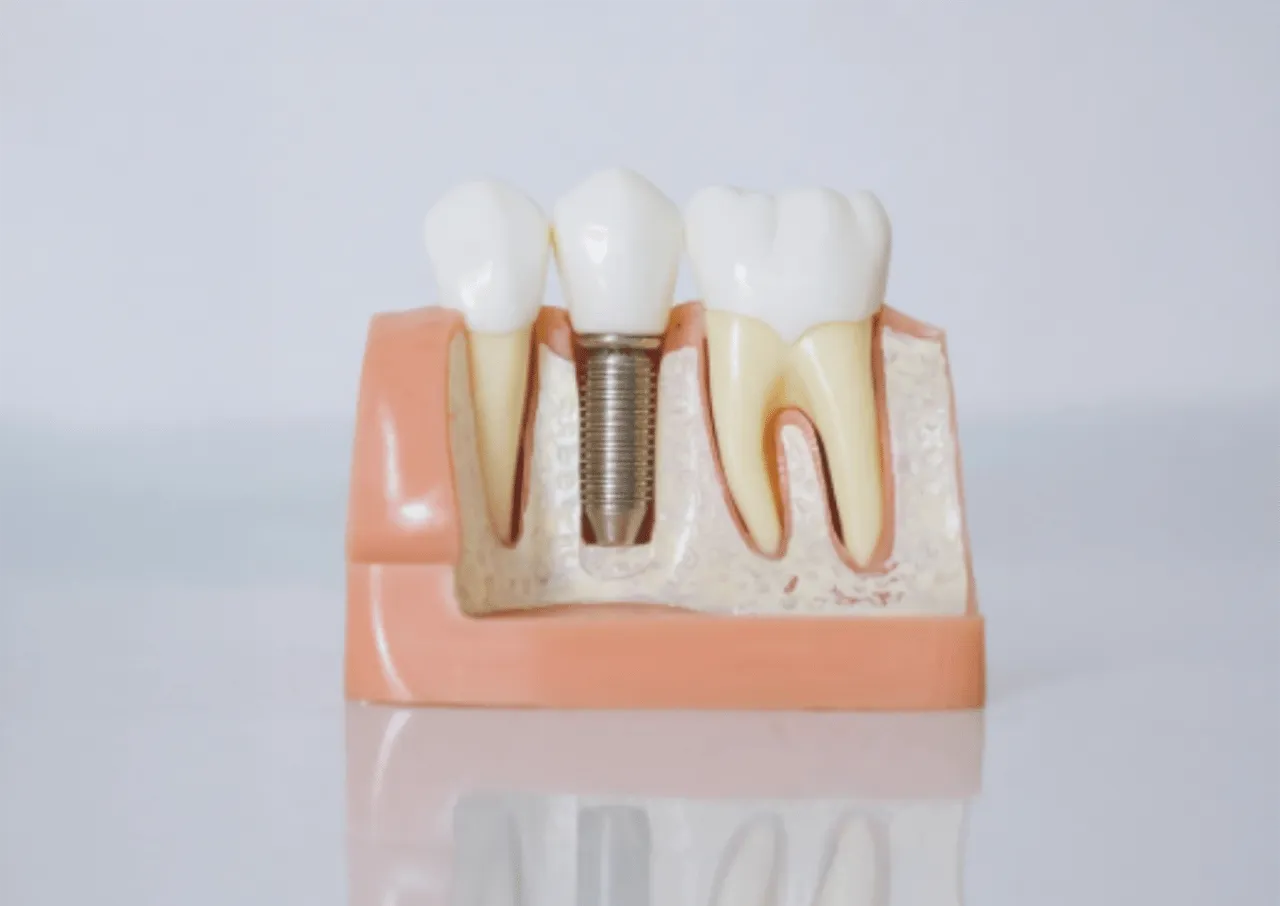
Patients with bridges or fixed dental restorations need to use a special technique. So-called Superfloss dental floss is also a useful aid.
It is reinforced at one end, making it easier to insert under bridge components. At our practice, we will give you personalised recommendations for your dental care.
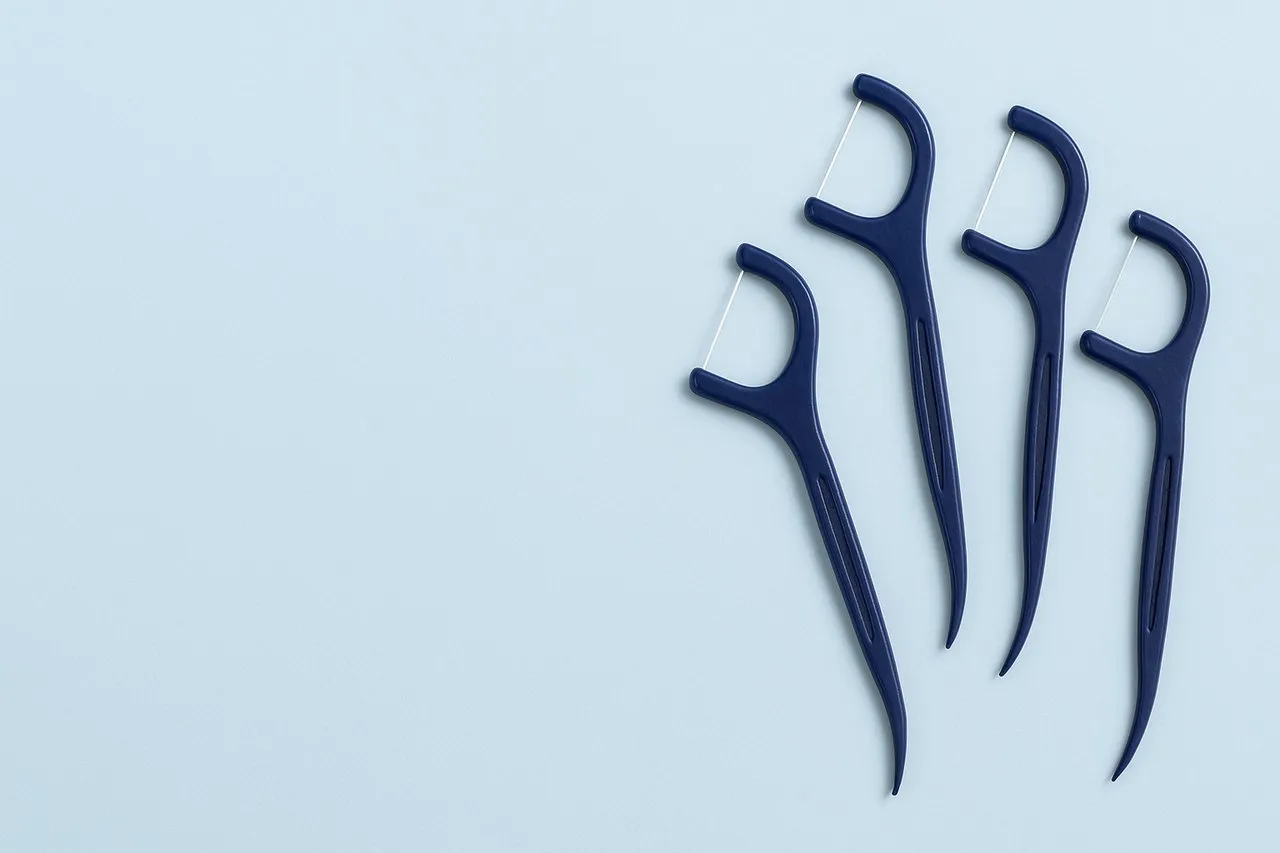
Floss picks – a practical alternative?
Floss picks are very popular. These small plastic holders with floss stretched across them are particularly practical when you are on the go. They are also well suited to people with limited finger mobility.
You should make sure that you clean the spaces between your teeth with the picks as gently and thoroughly as with conventional floss. It is important not to make any jerky movements when using them, so as not to injure your gums.

How often should dental floss be used?
The rule of thumb is: once a day. More is generally neither necessary nor harmful, provided you use it gently.
Ideally, incorporate flossing into your evening routine. This removes all of the day's food debris and creates a clean foundation for a healthy oral flora overnight. Using dental floss regularly protects not only the spaces between your teeth, but also all of your gums and the periodontium.
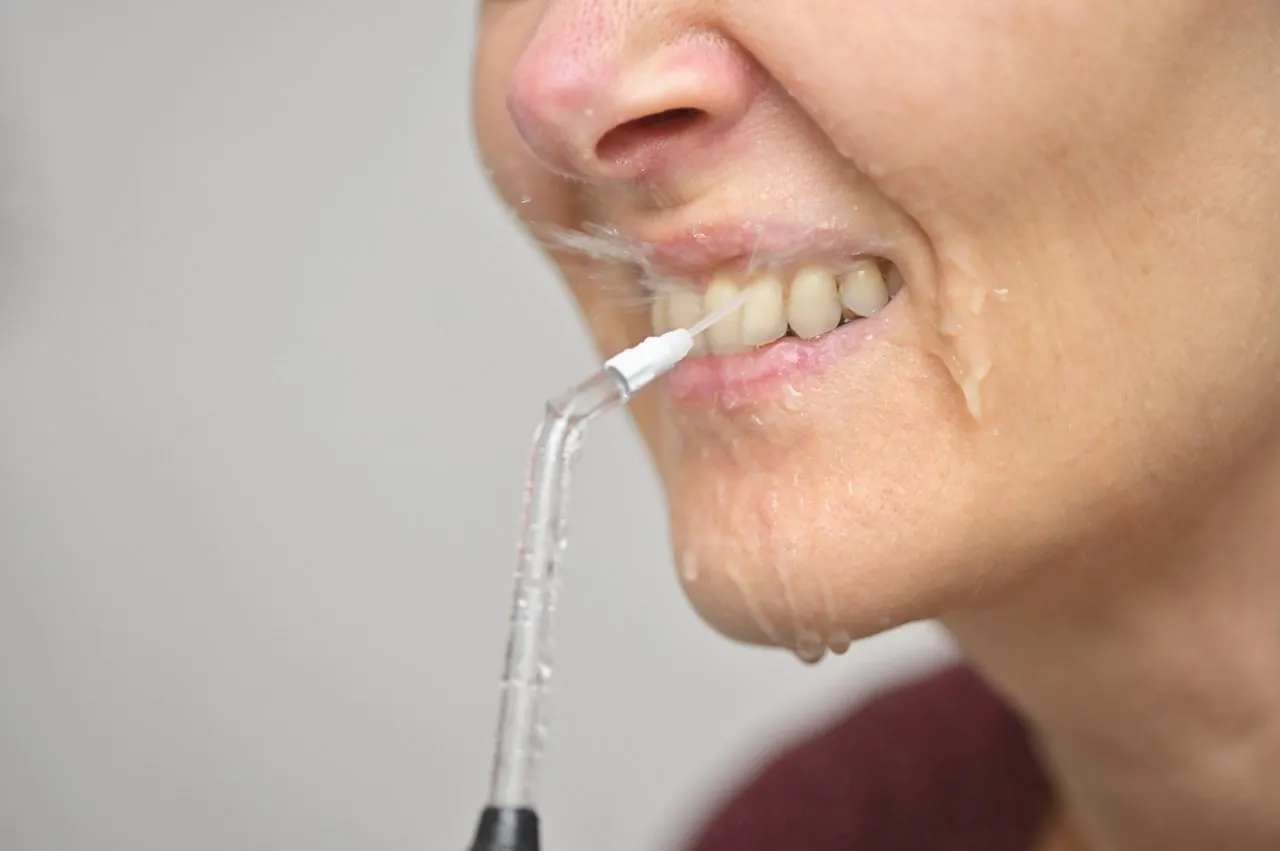
Alternatives to dental floss – what else is available?
If you cannot get on with conventional floss, alternatives are available. Interdental brushes, oral irrigators and interdental sticks are also effective tools for cleaning between the teeth. Which option is best for you depends on your individual oral situation. At the Wunschlachen dental practice, we would be happy to advise you on a suitable alternative.
Conclusion: A small thread with a big impact
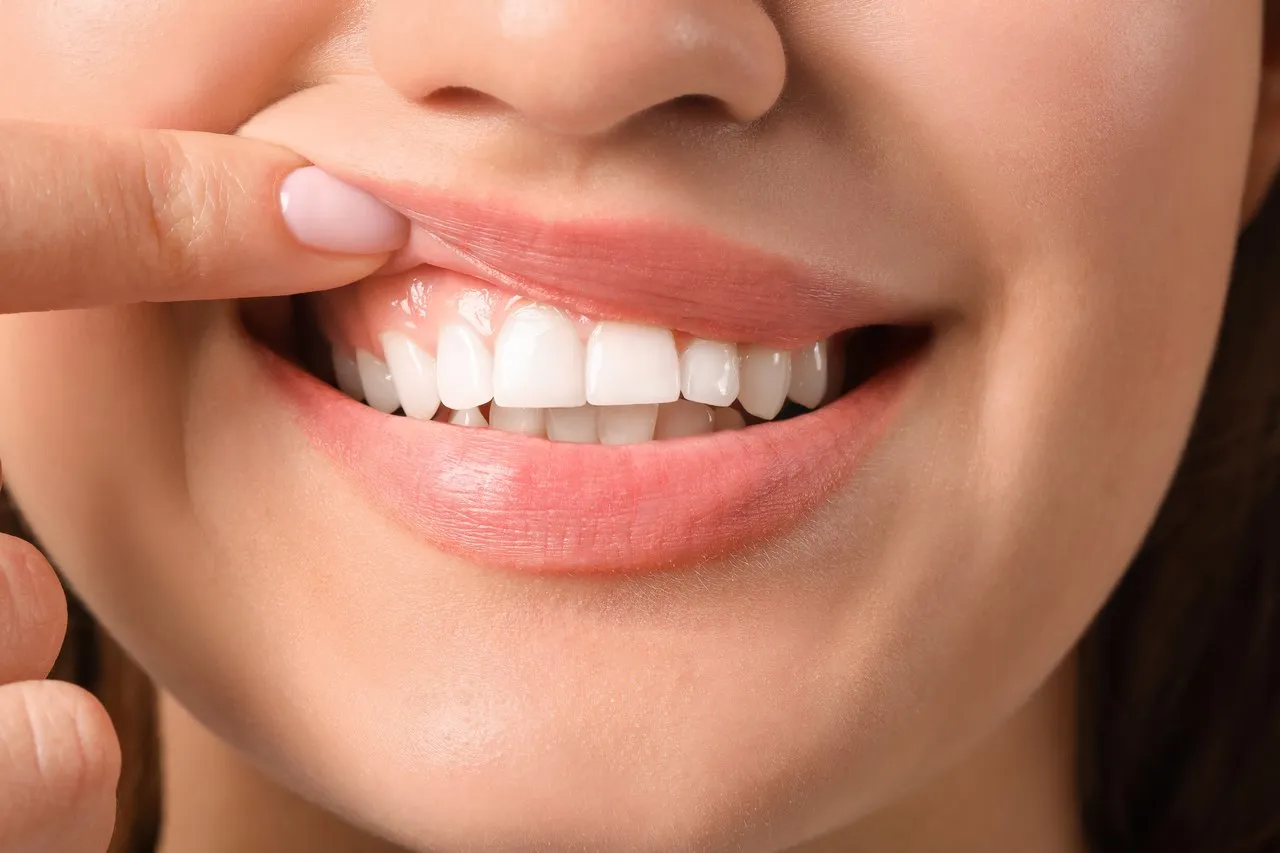
Dental floss is an indispensable part of daily oral hygiene. It reaches places that no toothbrush can reach and protects against tooth decay and gum disease.
The most important thing is to use it correctly. At our practice, we will explain the technique to you and work with you to find a suitable solution for your needs.
Related topics to read next
FAQs about dental floss
Carefully guide the floss between your teeth and curve it around each tooth in a C-shape. Gentle up-and-down movements remove plaque.
Preferably before brushing your teeth. This allows the toothpaste to reach the cleaned spaces between your teeth more effectively.
Once a day is ideal, preferably in the evening.
Superfloss or special floss with a threader that can be passed under the bridge.
Yes: interdental brushes, oral irrigators and interdental sticks.
No, when used correctly it actually protects the gums. It is important to use it gently and without pressure.
That depends on the individual spaces between your teeth. A combination is often useful.
Yes, with help from their parents or special floss picks for children, they can start practising early on.
Waxed floss glides more easily, while unwaxed floss offers slightly more ‘grip’. Both clean effectively.
The cause may be spaces that are too narrow or poor-quality floss. Try alternative products such as picks or coated dental floss.