
Implant or crown: which solution is right for you?
An implant or a crown is not a matter of style, but a decision based on clinical findings. The key factors are preserving the tooth, available bone, neighbouring teeth and your expectations. We provide a clear explanation of the indications, procedure, cost range and risks.
Über 350 Google-Bewertungen
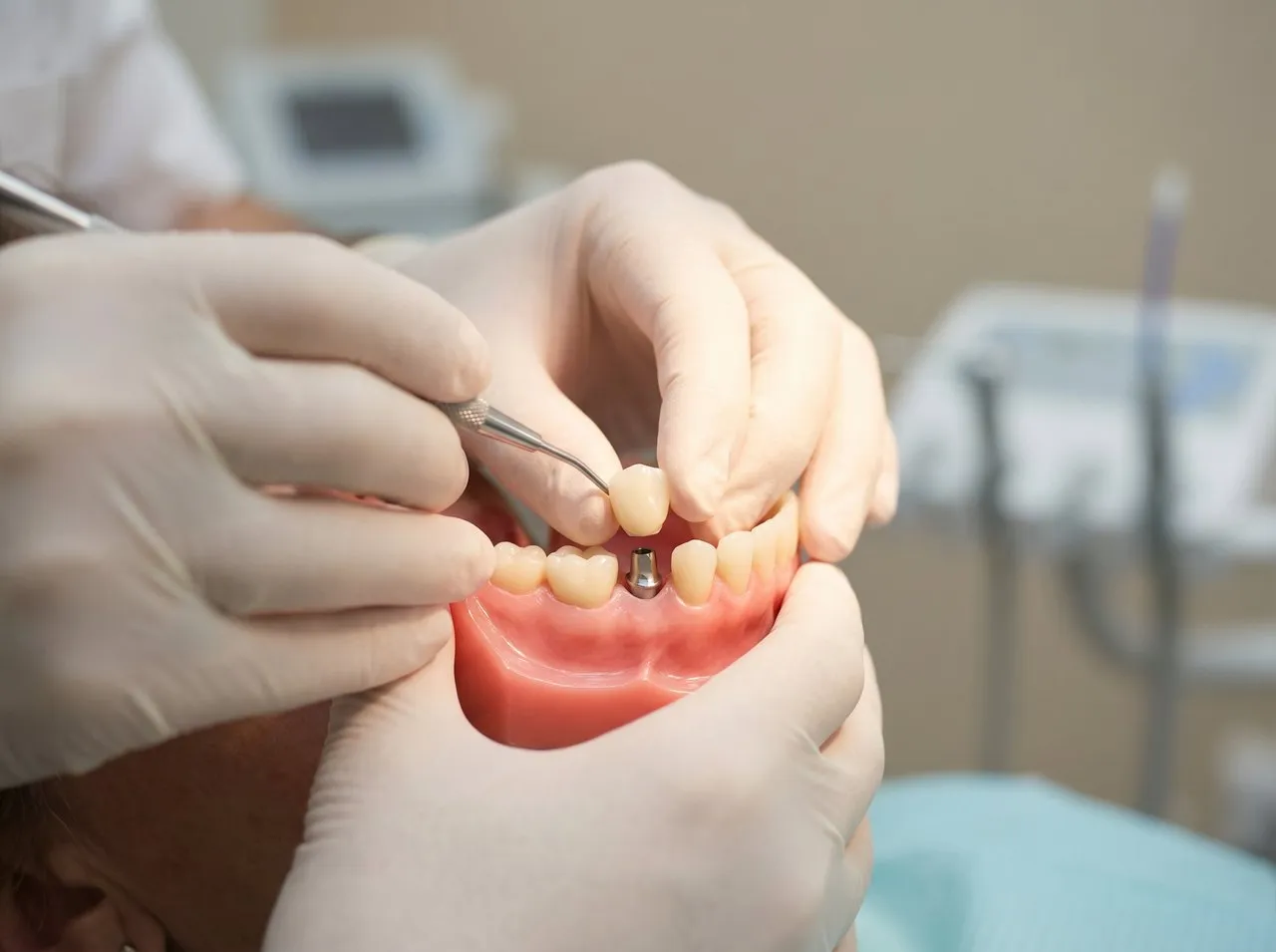
Implant or crown: what is actually being replaced?
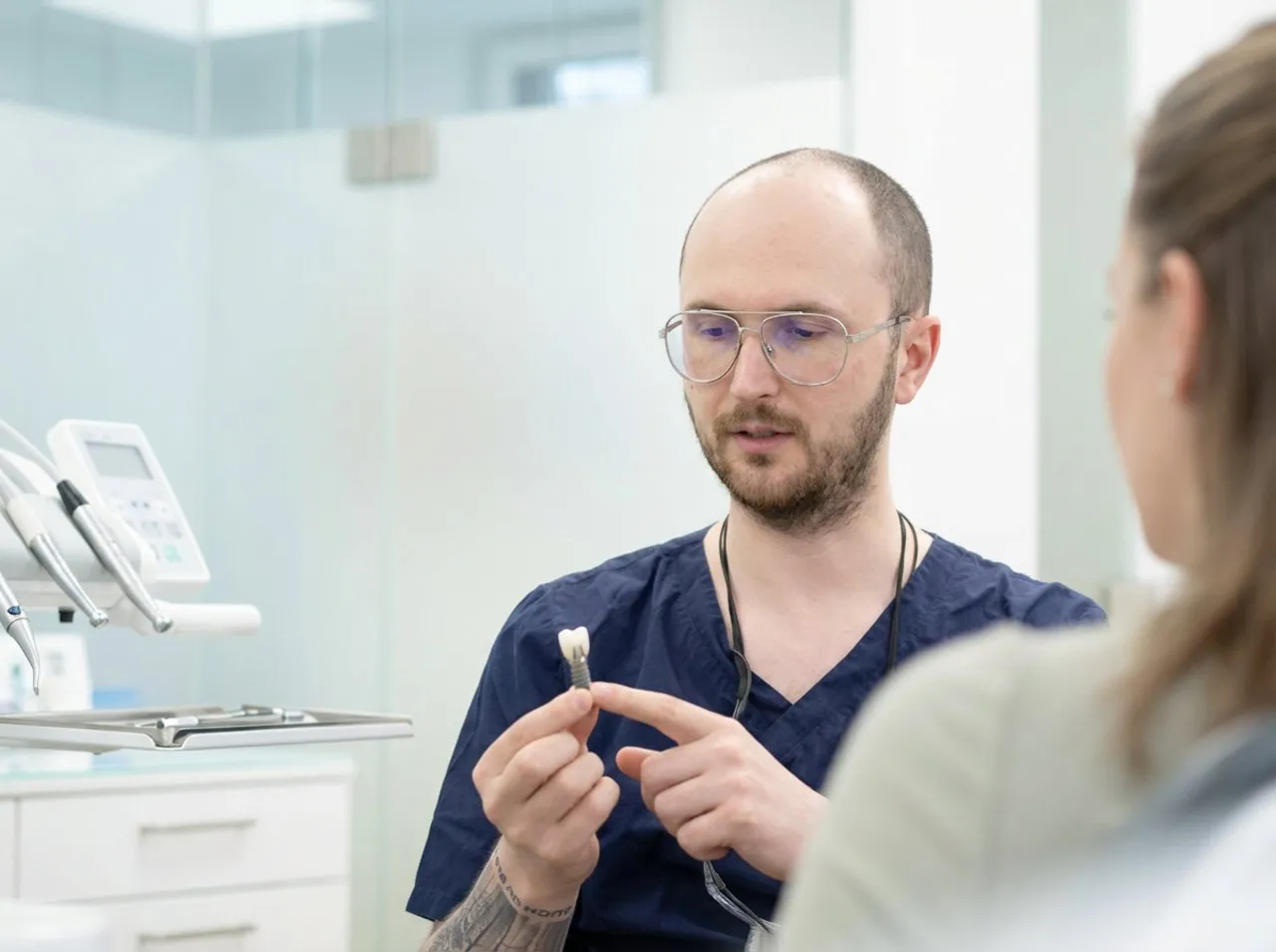
A crown encases one of your own teeth and stabilises it. An implant replaces a missing tooth root in the jawbone. An implant crown is attached to it later. Both solutions can look natural and allow you to chew well. The best choice depends on the initial clinical findings. Careful diagnostics are therefore the first step.
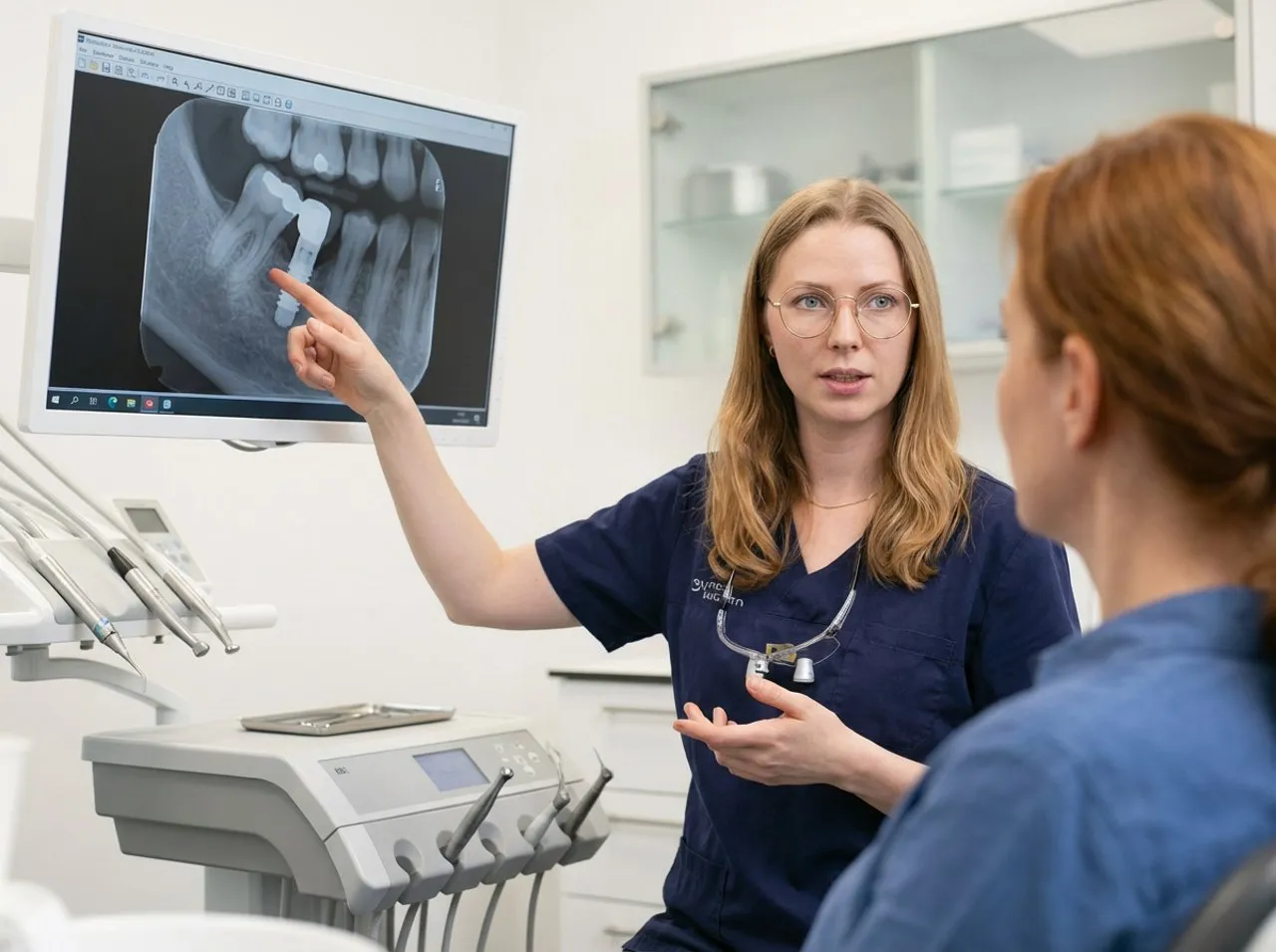
When is a crown the right choice?
A crown is advisable if the tooth is still worth preserving. This applies to large defects, cracks or after Root canal treatment. Sufficient stable remaining tooth substance is essential. The tooth's supporting structures must also be able to bear the load. With advanced periodontitis, we first assess the inflammation. A crown can then provide long-term protection. In the front teeth, aesthetics are the main focus. All-ceramic usually provides a very natural effect in the light. In the back teeth, stability is what matters most.

When is an implant the better option?
An implant is indicated when a tooth can no longer be saved. This applies to longitudinal fractures, caries that cannot be treated successfully or severe loosening. Implant planning can also take place after an extraction. Implants avoid placing strain on neighbouring teeth because nothing is ground down. They keep the gap stable and reduce bone loss through the stimulus of loading. This requires sufficient bone volume. If bone is lacking, augmentation may be necessary. In the upper jaw, a sinus lift may occasionally be an option. This is planned in advance using 3D diagnostics.

Implant or crown: function, aesthetics and durability
With good oral hygiene, both types of restoration are long-lasting. Crowns often last many years if the tooth remains sealed. Implants can also function for decades, but require consistent care. The risks differ in their causes. With a crown, secondary caries and marginal gap problems are potential risks. With an implant, peri-implant inflammation is the main concern. Very good chewing function can be achieved with both options. The key factors are correct bite design and stable occlusion. This is checked carefully during fitting.
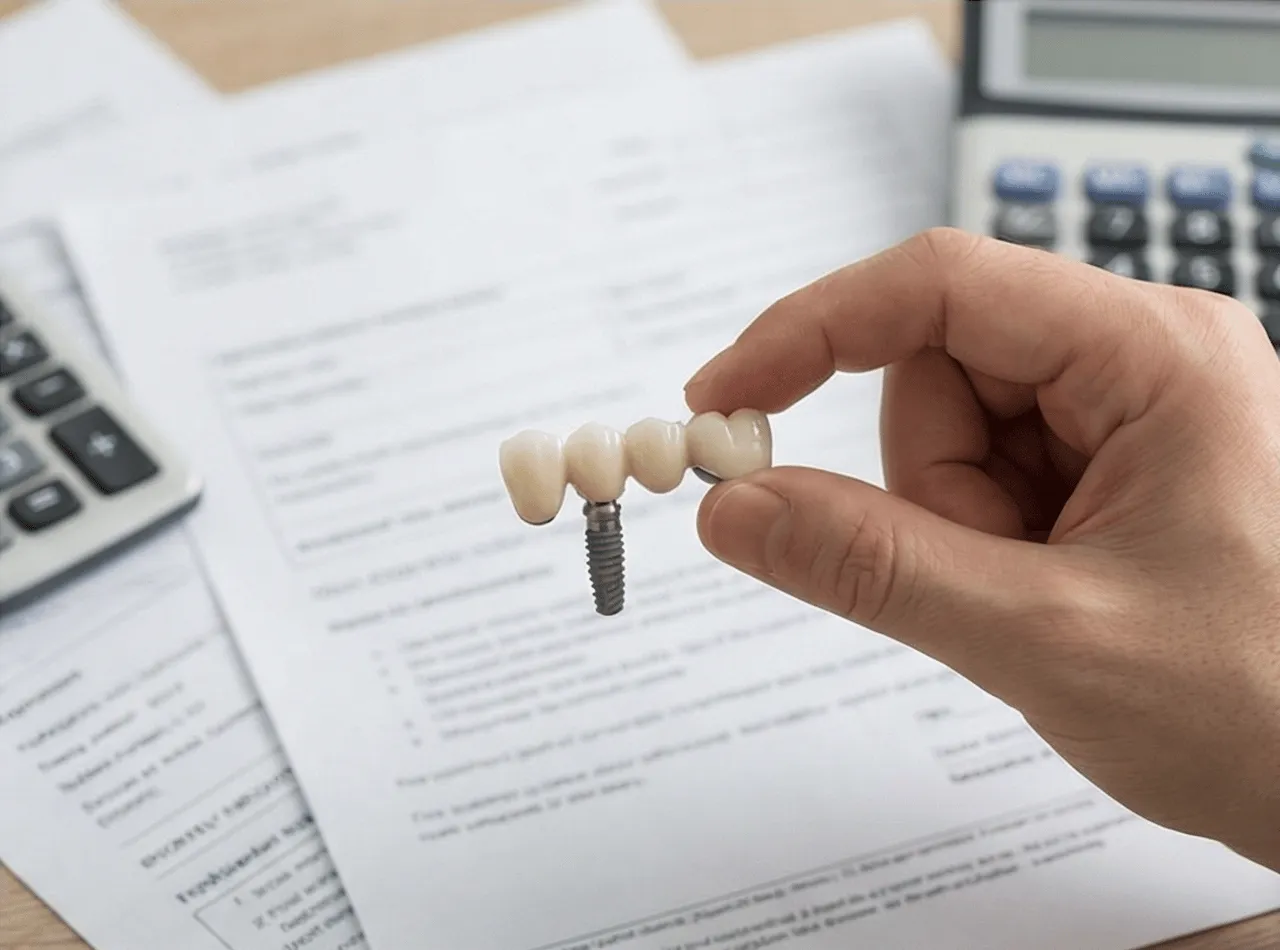
Bridge, crown and tooth gap: when is a bridge suitable?
A bridge is also an option for a single-tooth gap. The neighbouring teeth are fitted with crowns that support the replacement tooth between them. Many patients call this a “bridge crown”. A bridge is often completed more quickly than an implant. However, it requires healthy neighbouring teeth to be ground down. In addition, the jawbone in the gap is subjected to less load. An implant restoration protects the neighbouring teeth. It can better preserve the bone structure. We will discuss which option is suitable based on your situation.
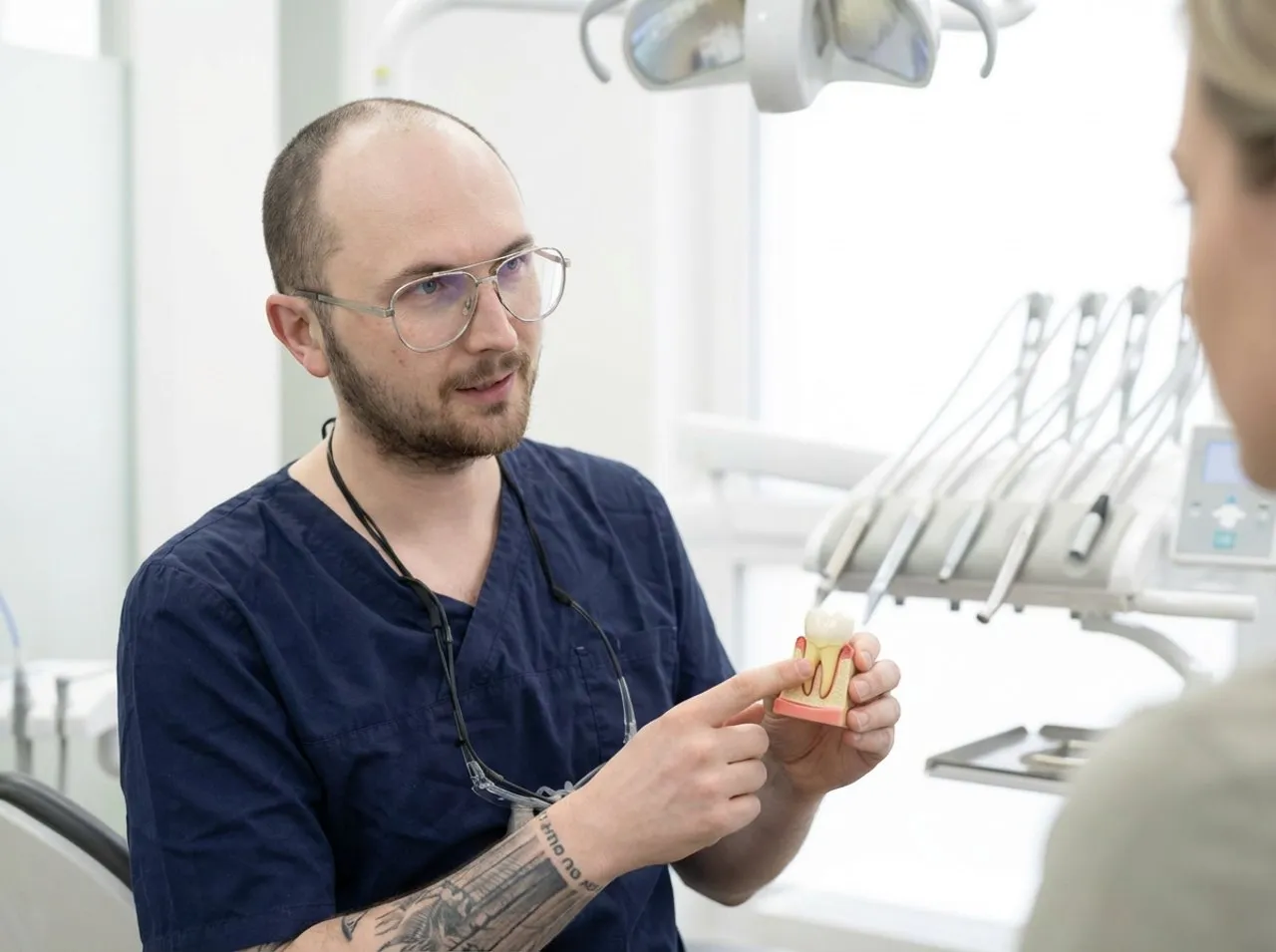
Treatment process at Wunschlachen in Berlin
The first steps are an examination and X-ray diagnostics. For questions about implants, we often use 3D imaging. This allows us to assess the bone, nerve pathway and positions. For a crown, the tooth is prepared. We then take a digital or conventional impression. A temporary crown protects the tooth until the final crown is made. For an implant, we surgically insert the artificial root. This is followed by the healing period, usually several weeks. The implant crown is then made in the laboratory.

Costs, health insurance and treatment and cost plan
Costs depend on the material, complexity and initial situation. For crowns, preliminary treatments and laboratory work affect the overall cost. For implants, planning, surgery and the superstructure are added. People with statutory health insurance receive a fixed subsidy based on the clinical findings. This applies to standard care and can increase with the bonus booklet. The remainder is usually your own contribution. Before we begin, we draw up a treatment and cost plan. This gives you a transparent overview of the subsidy, your own contribution and alternatives.
Aftercare: how to keep the result stable
A crown needs well-sealed margins and good care. Interdental cleaning and professional preventive care are important. This reduces the risk of tooth decay and inflammation. An implant also requires consistent hygiene. We look for inflammation-free mucous membranes and stable pocket depths. Regular check-ups are crucial. Grinding or clenching can place strain on both types of restoration. A splint may then be advisable. We assess this during functional diagnostics.

Consultation: which solution is best for you?
If the tooth can be preserved, a crown is often the first choice. If the tooth is missing or cannot be preserved, an implant becomes relevant. In some cases, a bridge is also advisable. At the Wunschlachen practice, we provide structured, easy-to-understand advice. We explain the advantages and disadvantages and document our findings transparently. This enables you to make a confident decision.
FAQ: implant or crown
A crown is possible if enough tooth substance and stability remain. We assess this clinically and radiologically.
An implant is often more advisable when the neighbouring teeth are healthy. They then do not need to be ground down.
Yes, the implant crown is the visible dental prosthesis on top of the implant. It is screwed in or cemented.
A crown is often completed within a few weeks. An implant also requires a healing period.
Both procedures are performed under local anaesthetic. Post-operative discomfort is usually easy to control.
There is a fixed subsidy for standard care. The subsidy can increase with a bonus booklet.
Both can be very long-lasting. The key factors are oral hygiene, risk factors and check-ups.
The risk of peri-implant inflammation is important. Smoking and poor hygiene increase this risk.
Common issues include marginal gaps, secondary caries and fractures. A good fit reduces these risks.
Yes, a temporary restoration may be advisable after an extraction or if the prognosis is unclear. It stabilises the situation until the final restoration is fitted
Book your appointment now
We would be happy to advise you in person at our practice.