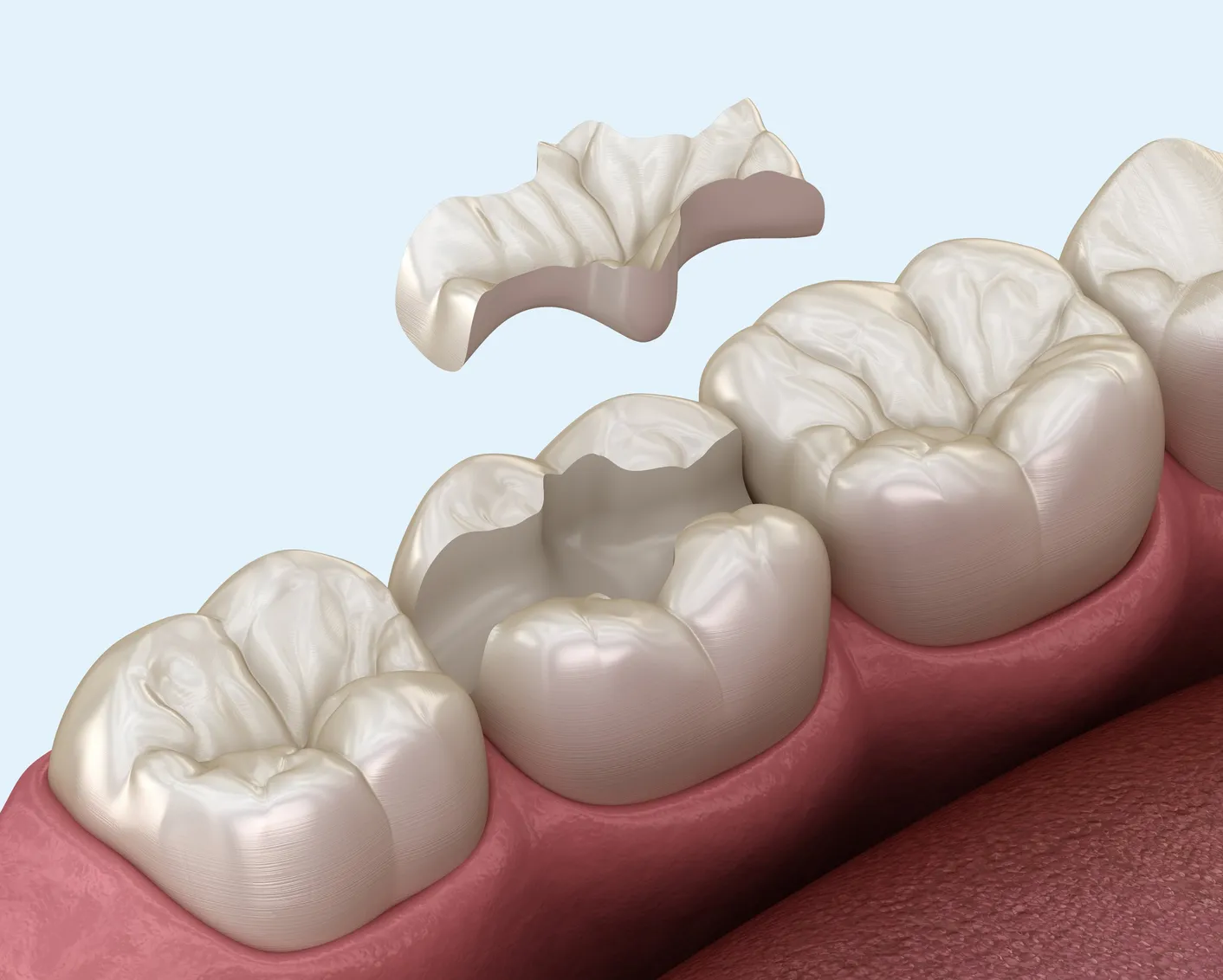
Inlays – precise and aesthetically pleasing dental care in Berlin
At our Wunschlachen dental practice in Berlin, we attach great importance to high-quality, long-lasting dental restorations. Inlays are a particularly precise and aesthetically pleasing solution. They are especially suitable when a tooth has been damaged by tooth decay or fractures. In this article...
Über 350 Google-Bewertungen
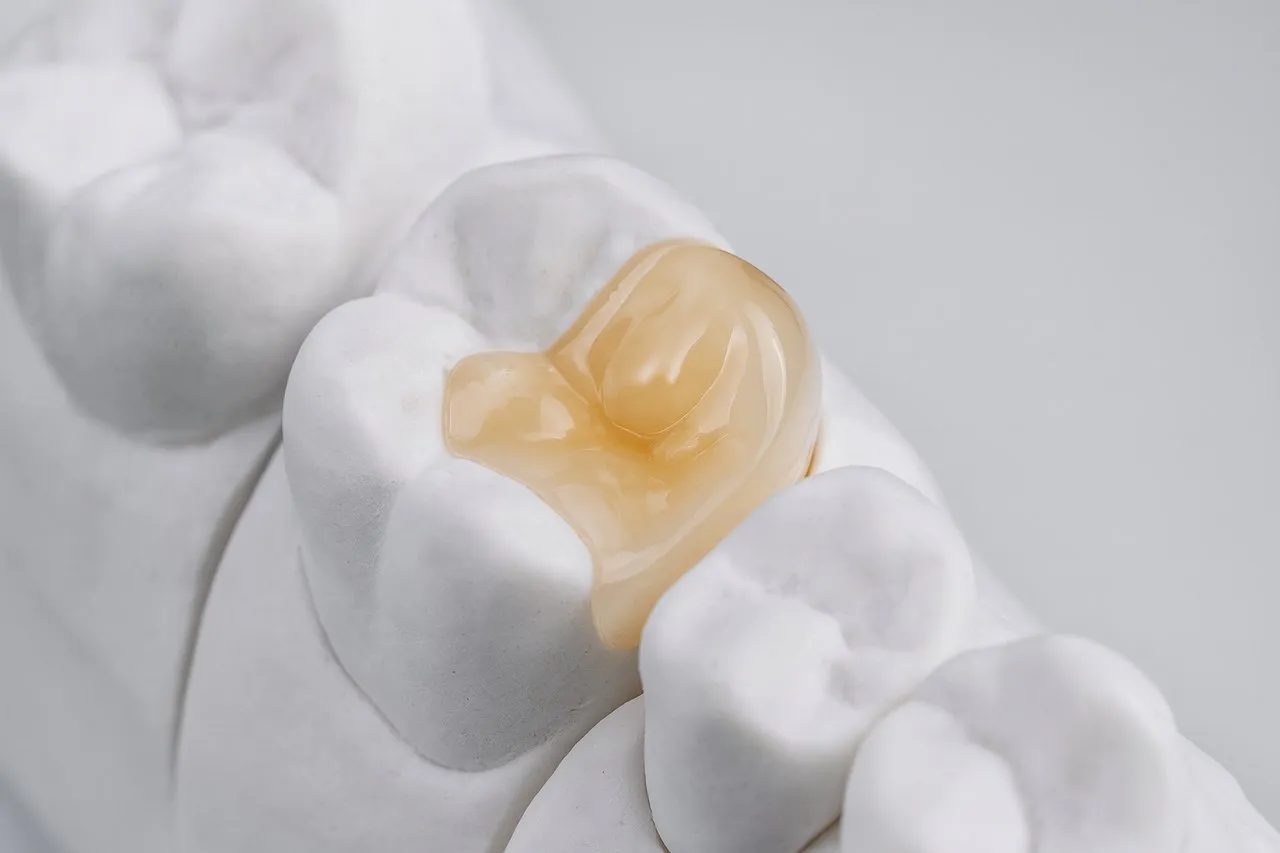
What is an inlay?
It is a custom-made dental filling produced in a dental laboratory and bonded into the prepared tooth. Unlike conventional fillings, an inlay is created in a separate step in the laboratory.
This makes it possible to achieve a particularly precise fit and long-lasting durability. What are inlays? They are a form of indirect filling therapy in dentistry. They are often used in the posterior region when large parts of the chewing surface need to be replaced.

Ceramic inlays
Ceramic inlays are particularly popular because they can be matched perfectly to the natural tooth colour. Ceramic inlays are biocompatible, do not discolour and are highly stable. They therefore offer not only long-lasting durability but also an aesthetically pleasing result.
Even on close inspection, they are barely distinguishable from natural teeth. For patients who value a flawless smile, ceramic inlays are often the first choice.
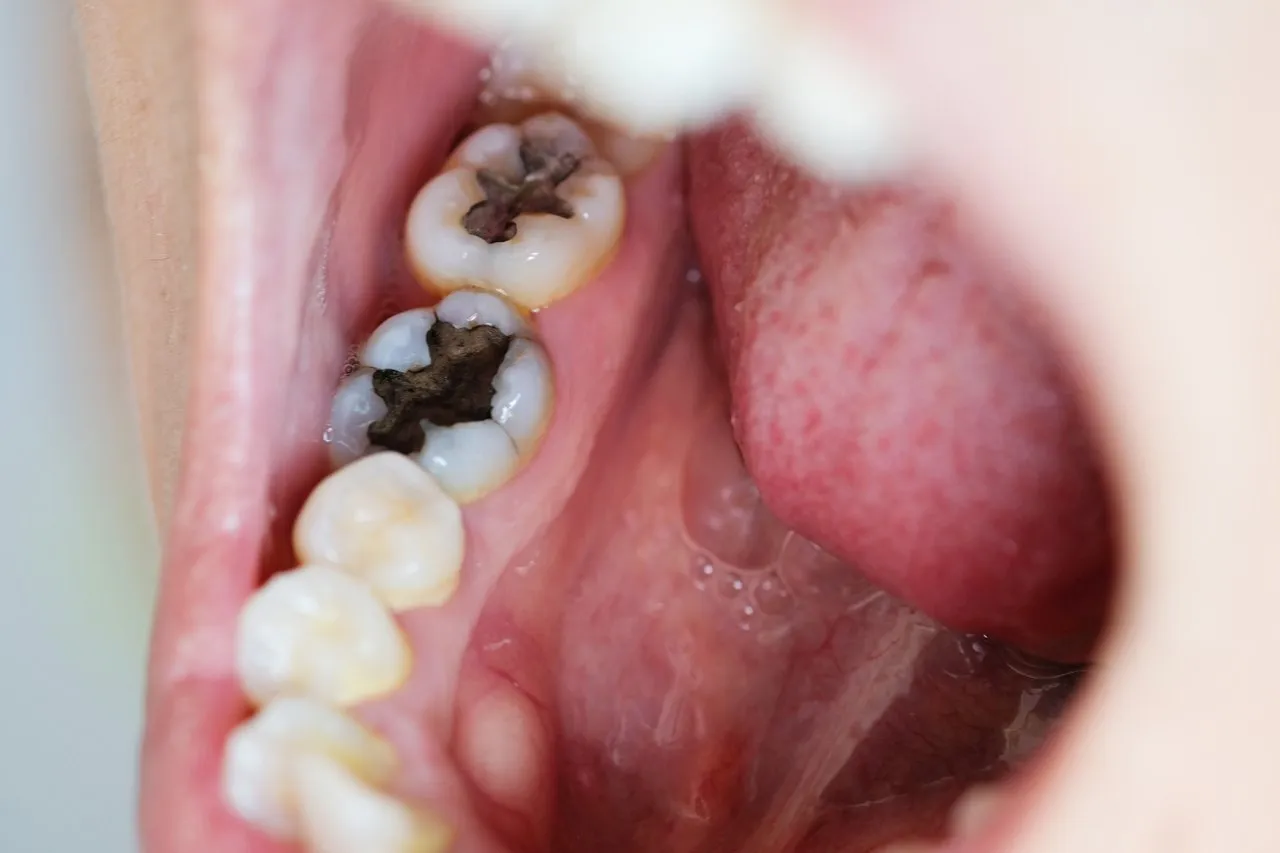
Inlays in dentistry – when are they used?
In dentistry, inlays are used primarily when a conventional composite filling is no longer sufficient. Reasons for this can include extensive caries, old and leaking fillings, or fractures in the posterior region. An inlay makes it possible to preserve tooth substance, as only the damaged area is removed. The healthy tooth is preserved.
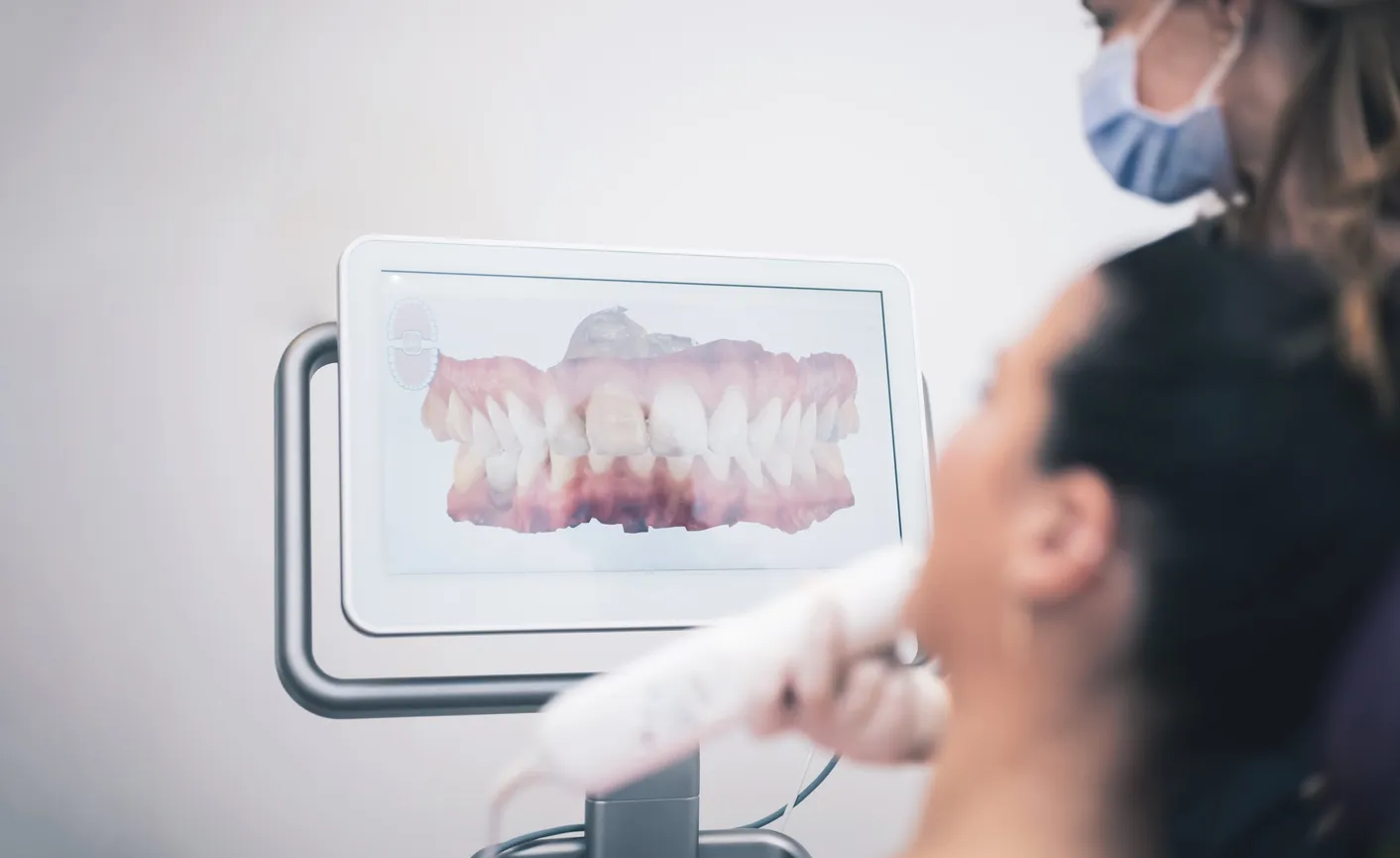
The inlay treatment procedure
Treatment with an inlay usually takes two appointments. At the first appointment, the affected tooth is treated under local anaesthetic to remove the caries. This prepares the tooth to receive the inlay.
An impression or digital scan is then taken, which serves as a template for fabrication in the dental laboratory. Until the finished inlay is fitted, the patient receives a temporary filling to protect the tooth.
At the second appointment, the inlay made in the laboratory is fitted. Its fit and colour are checked, and it is then firmly bonded to the tooth. This procedure results in a very stable and durable restoration. This restores the tooth to its original shape and function.
Dental inlays – durability and care
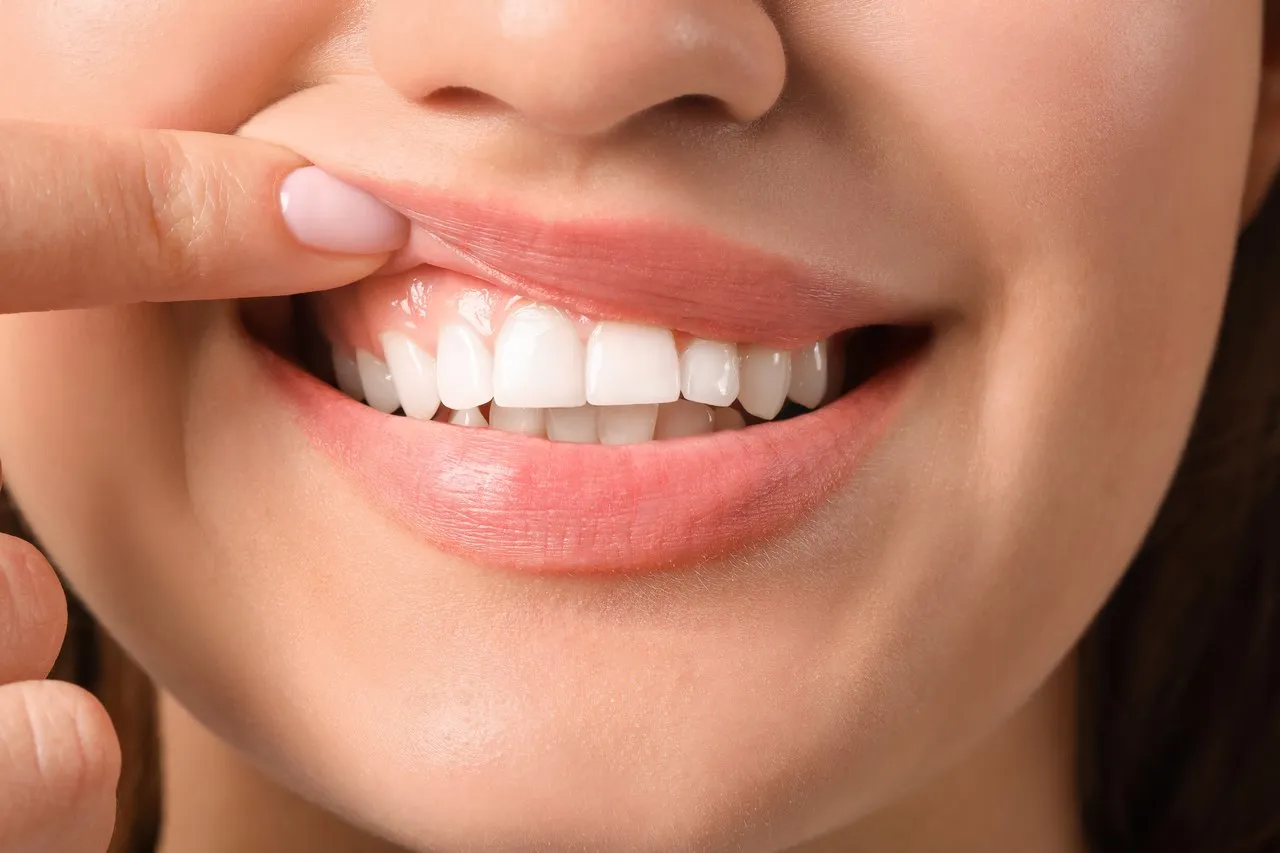
High-quality inlays are known for their long lifespan. Ceramic dental inlays can remain functional for many years, often even decades, with good care. Caring for them is no different from normal dental care. Thorough brushing at least twice a day, the use of dental floss or interdental brushes and regular professional dental cleaning at the dental practice are all important.
Advantages of an inlay
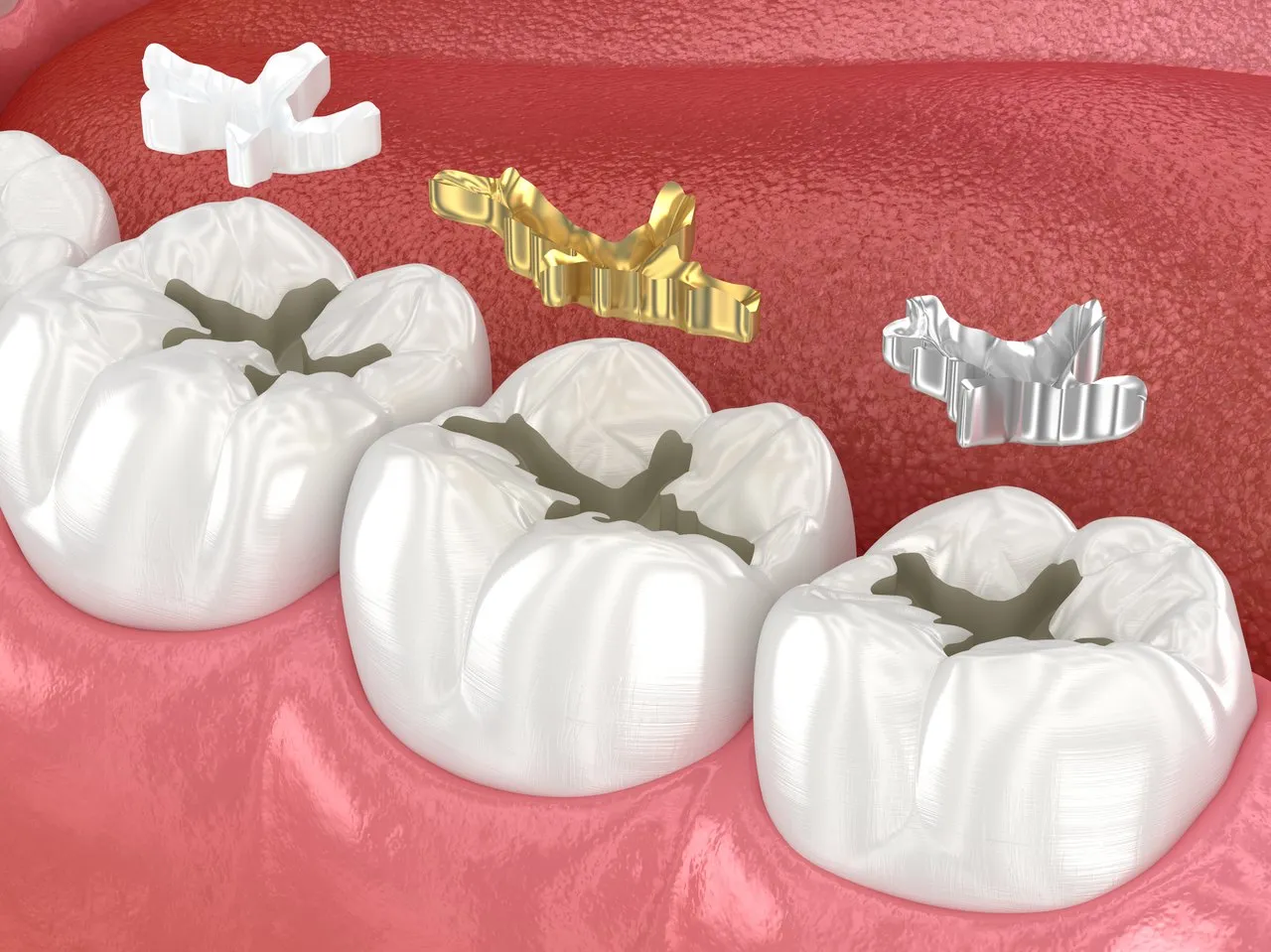
Dental inlays offer numerous advantages over conventional fillings. In addition to their high stability and excellent fit, they are particularly impressive in terms of aesthetics. Ceramic inlays in particular are colour-stable and blend harmoniously with the natural teeth.
They also do not shrink, as can happen with some composite fillings. This means they provide a permanently tight marginal seal.
Ceramic inlays – the most aesthetically pleasing option
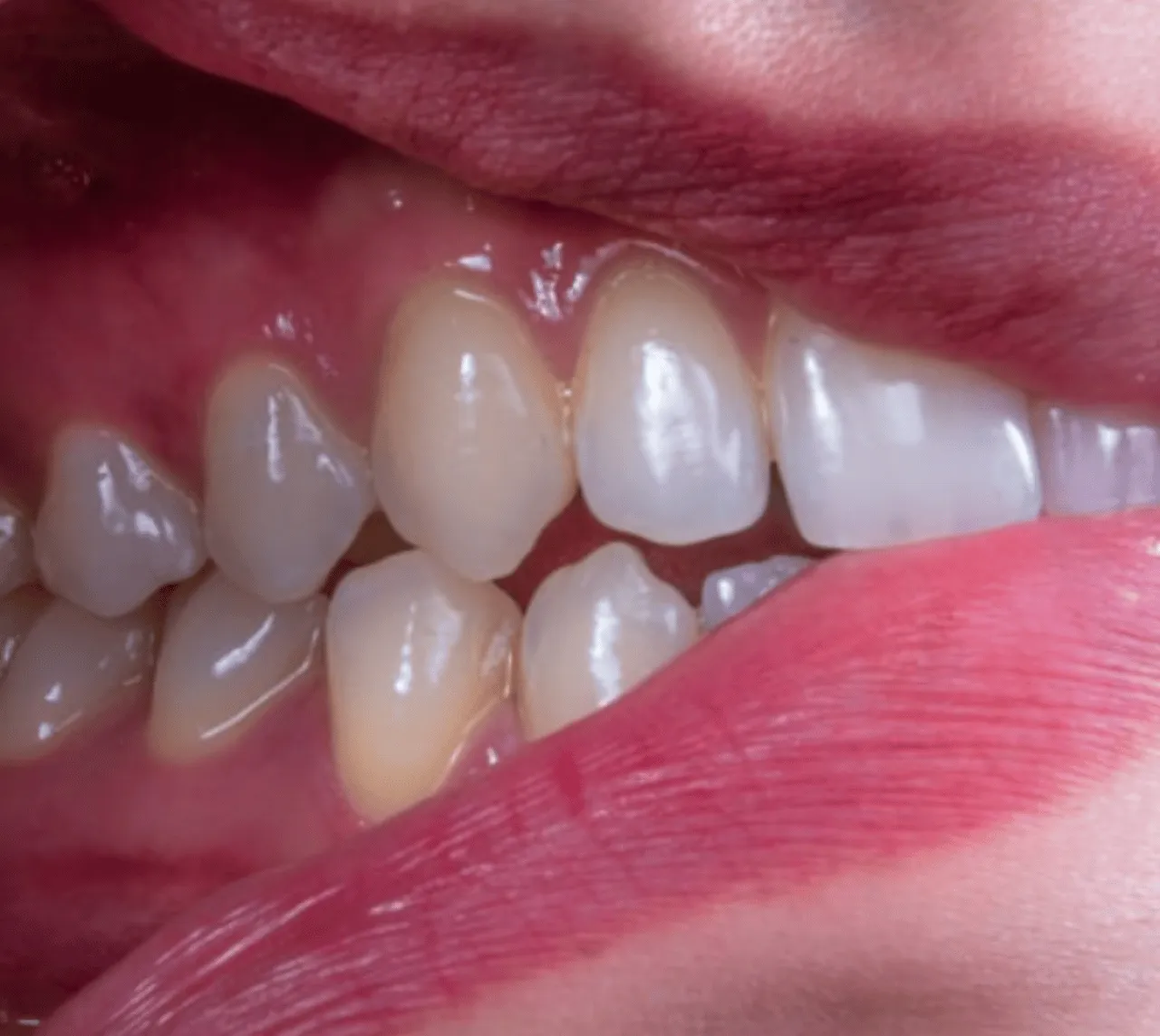
The ceramic inlay is the most aesthetically sophisticated type of inlay. It reflects light in a similar way to natural tooth enamel and therefore blends in discreetly. Ceramic is also an excellent choice for patients with allergies. It contains no metallic components and is particularly well tolerated.
Which is better, an inlay or a filling?
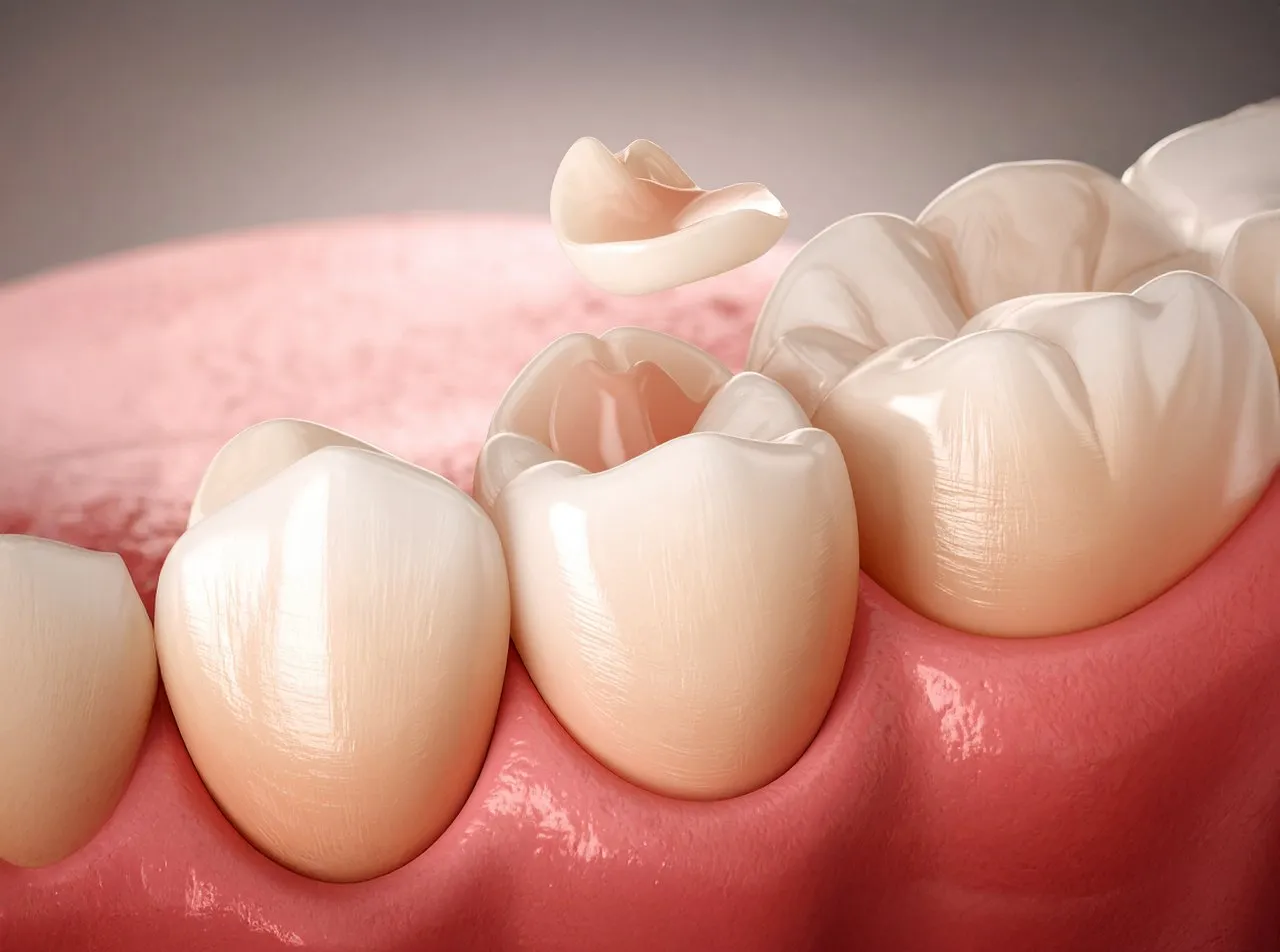
An inlay is manufactured with the utmost precision in a dental technology laboratory. This sets it apart from conventional fillings, which are shaped directly on the tooth. It allows an anatomically exact fit to the shape of the tooth. Compared with onlays, which also cover the cusps of a tooth, an inlay focuses on the inner area of the chewing surface.

Durability and cost-effectiveness
Although a high-quality inlay costs more initially than a simple composite filling, it often proves to be cost-effective. You benefit from it for many years. Patients therefore receive not only a functional solution but also one that is cost-efficient in the long term.

Individual advice at our practice
At our Wunschlachen dental practice, we take the time to provide a detailed consultation. Together with you, we find the best solution for your dental health.
Whether you choose a ceramic inlay or another form of restoration, we ensure that functionality, durability and aesthetics are in harmony. Experience our professionalism for yourself.
FAQ – frequently asked questions about inlays
An inlay is a filling made in a laboratory. It is precisely fitted into a prepared tooth and permanently bonded in place.
Inlays are indirect dental fillings that are mainly used in the back teeth to repair larger defects.
Inlays can be made from ceramic, gold or special composite materials.
A ceramic inlay is an inlay made from high-quality ceramic that is particularly aesthetically pleasing and durable.
For larger dental defects, when conventional fillings no longer provide sufficient stability.
With good care, an inlay can last for many years, often over a decade.
In many cases, yes, because it is dimensionally stable, durable and aesthetically pleasing.
The treatment is carried out under local anaesthetic and is therefore pain-free.
Statutory health insurance funds usually only cover the cost of standard fillings; inlays are often private treatment.
Regular dental care, dental floss and professional dental cleaning are crucial for longevity.