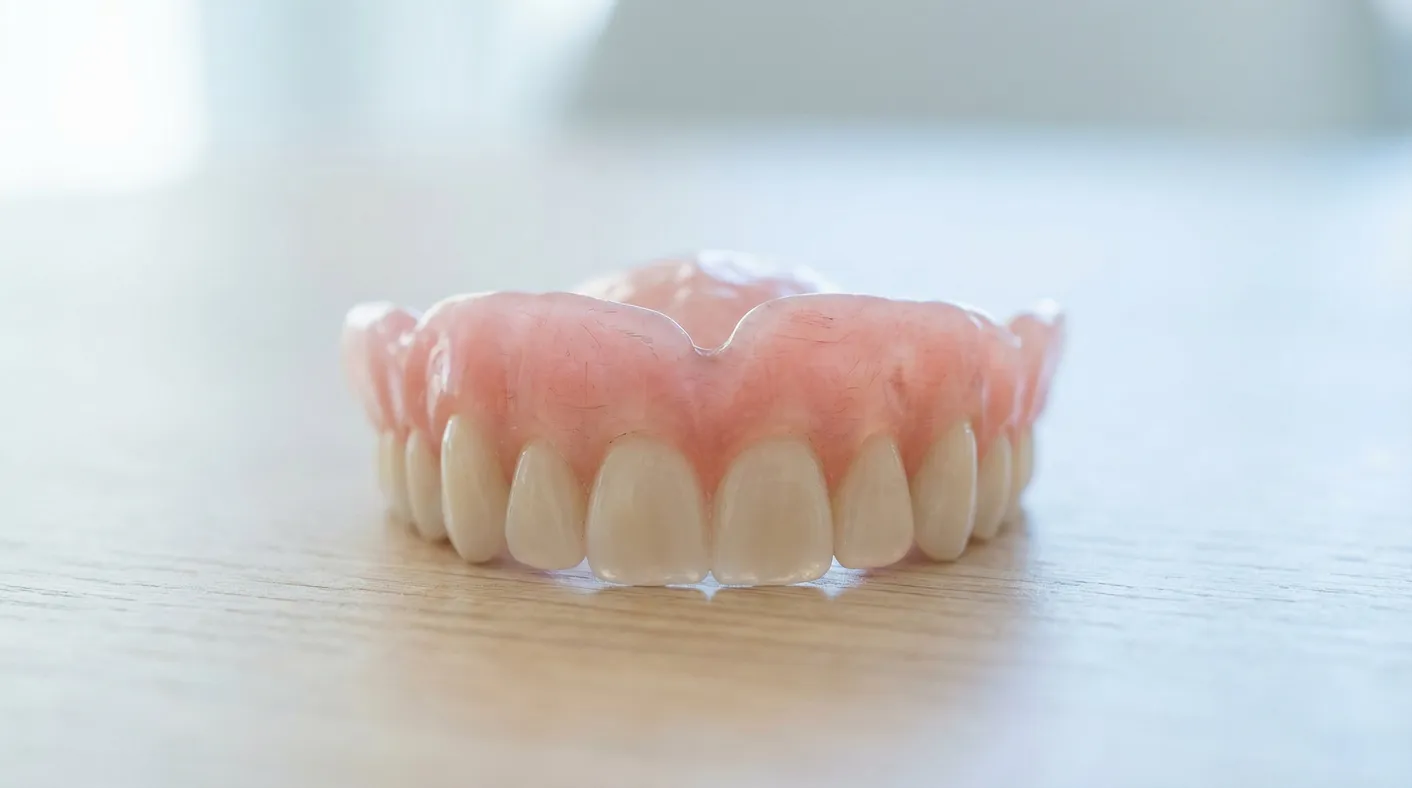
Interim denture: dental prosthesis for the transitional period
A gap between teeth can appear suddenly. Often after an extraction or an accident. Many patients then want to feel confident again quickly. A temporary dental prosthesis can stabilise this phase. It bridges the time until the final restoration. This preserves appearance, chewing and speech...
Über 350 Google-Bewertungen
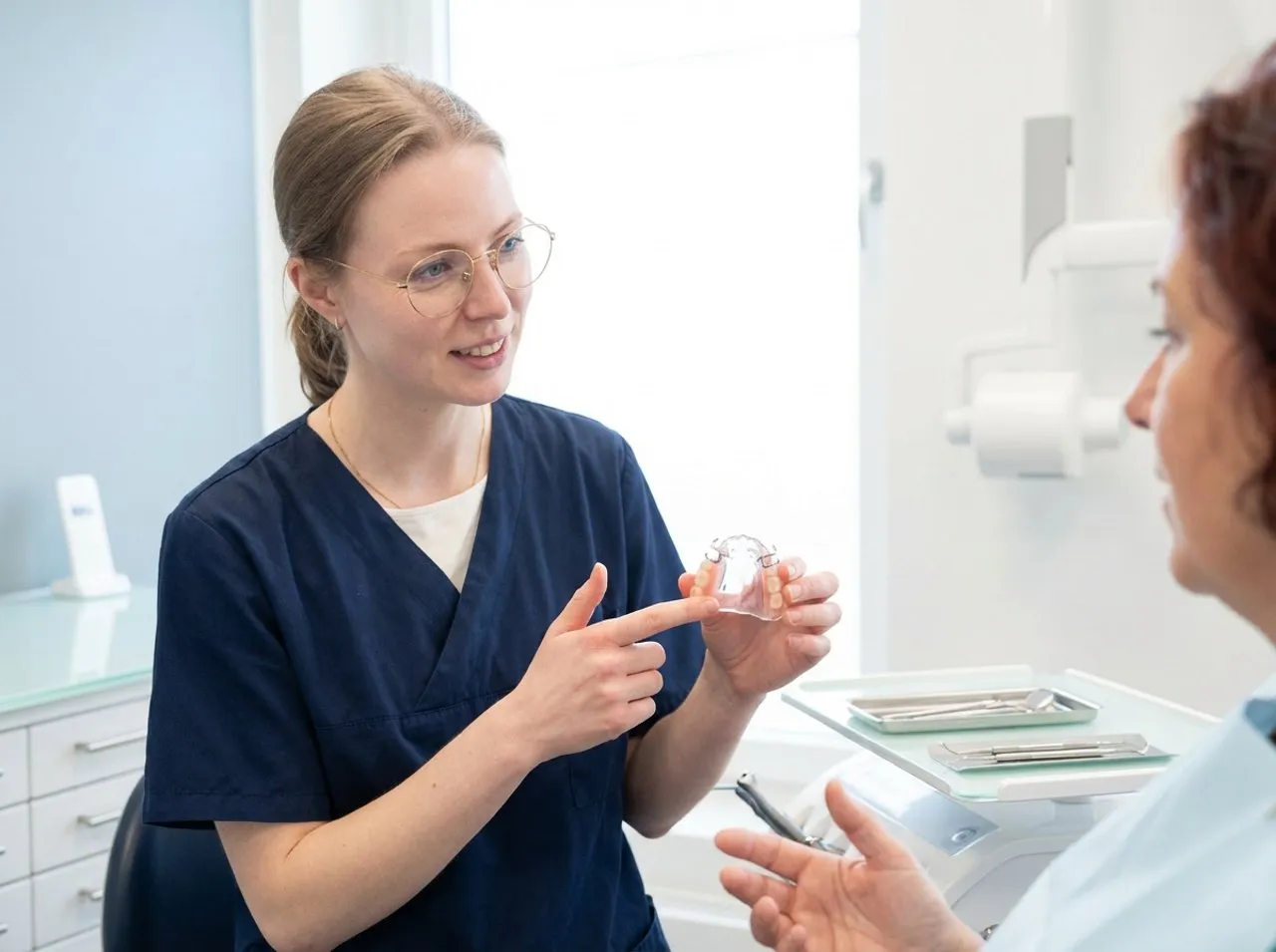
What is an interim denture?
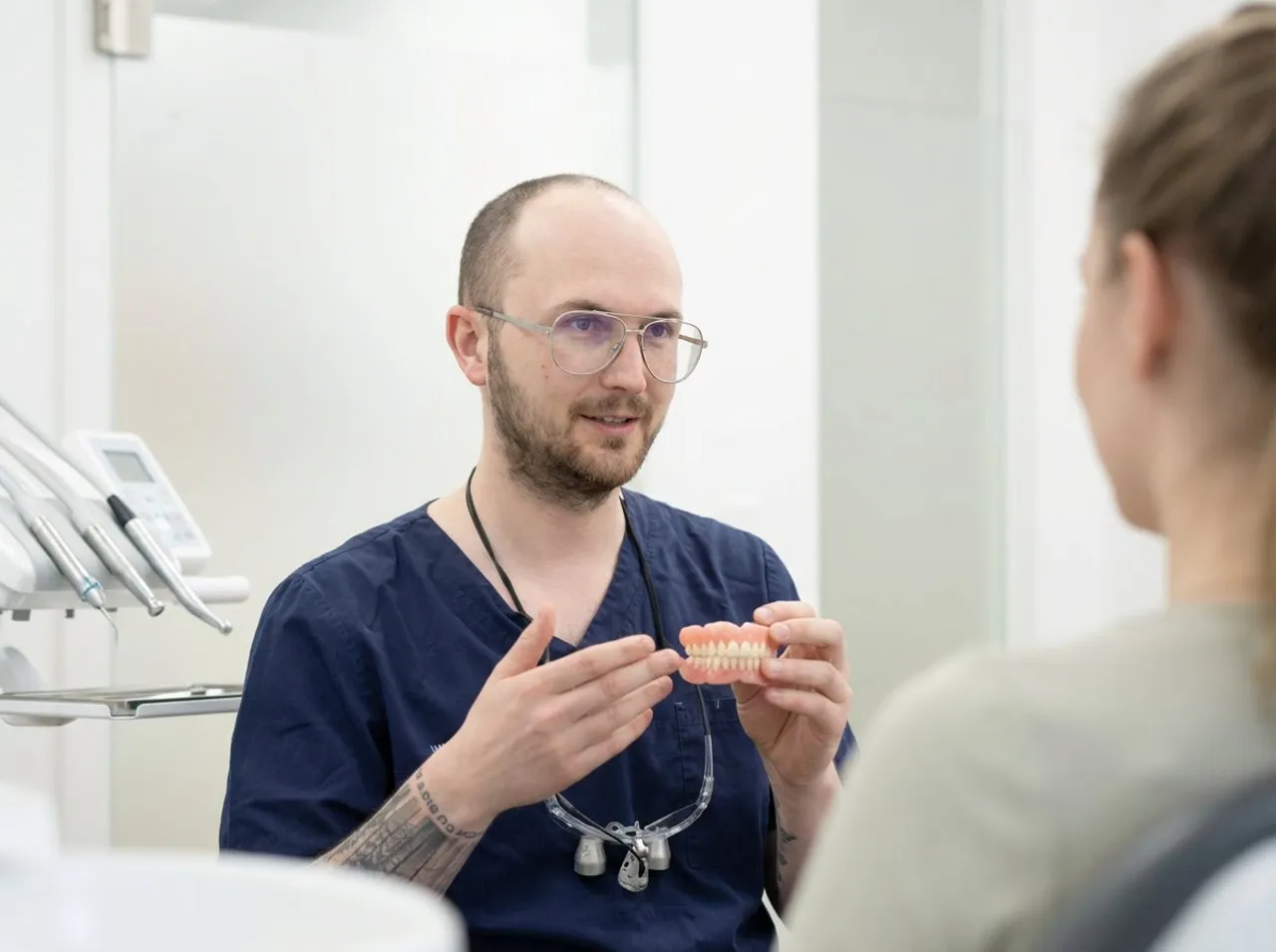
An interim denture is a removable temporary dental prosthesis. It is usually made of plastic. It replaces one or more missing teeth. It is a provisional prosthesis that is worn temporarily. However, it is not a permanent solution.
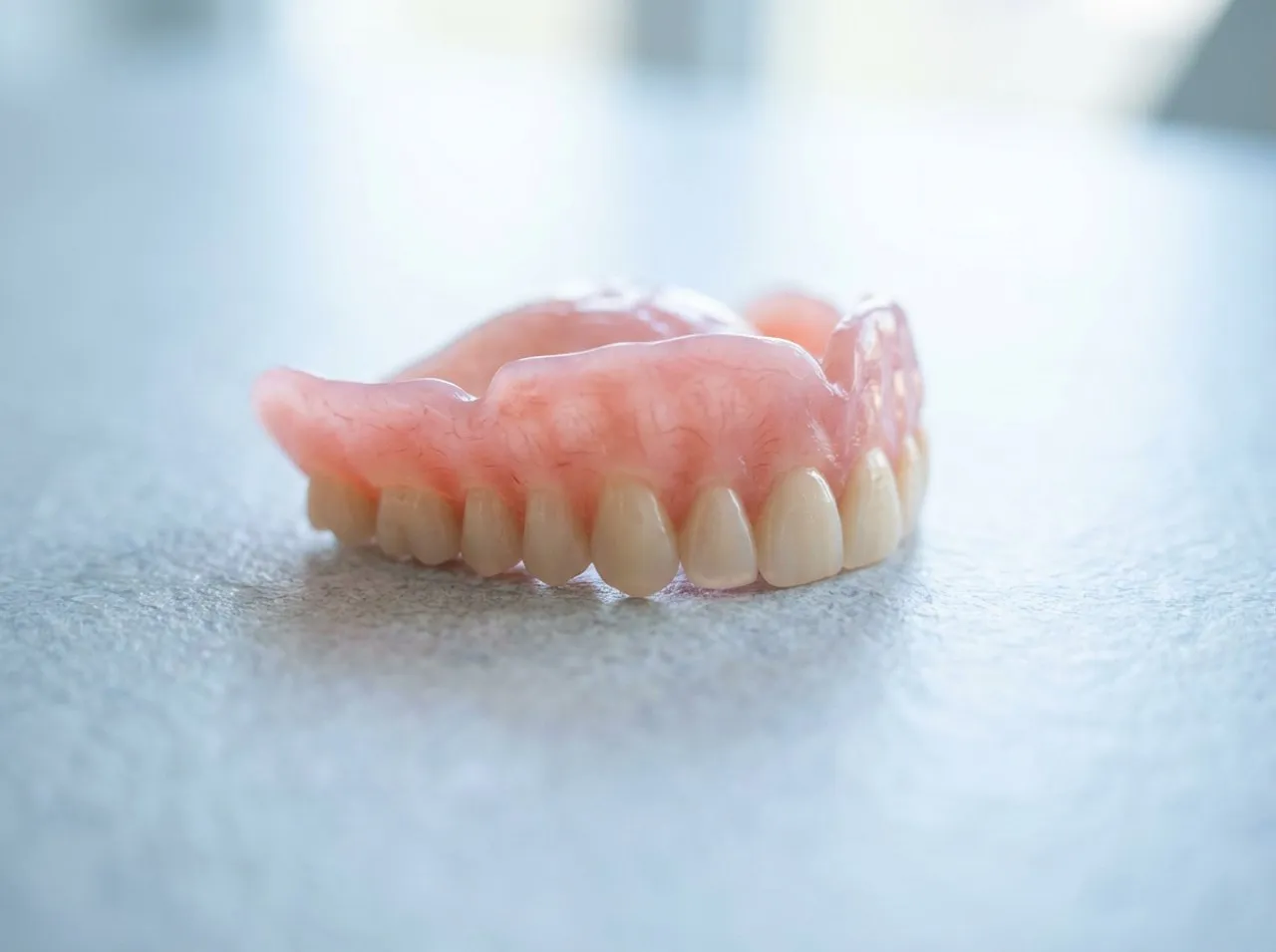
Why it is better to restore a gap between teeth
An open gap changes the position of the teeth. Adjacent teeth can tilt and rotate. Opposing teeth can over-erupt. These movements often disrupt subsequent planning. The bite can also shift. A temporary restoration can reduce the risk.
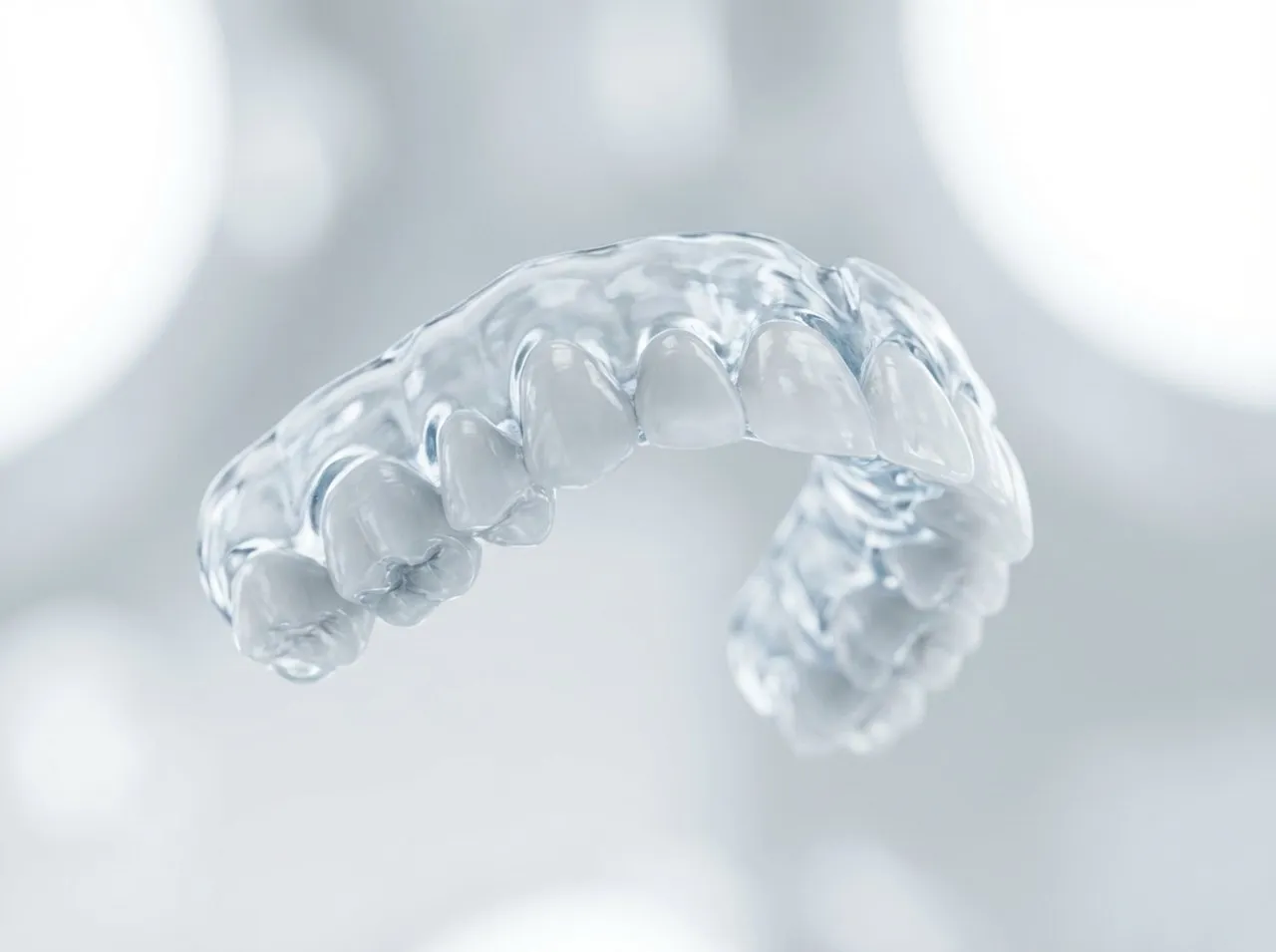
When is a temporary denture useful?
A temporary denture is useful when healing takes time. This applies after extractions and in cases of inflammation. It is also helpful after surgical procedures. A provisional prosthesis is often used with implants. It protects the tissue during the healing phase. It also helps with everyday speech.
What types are available?
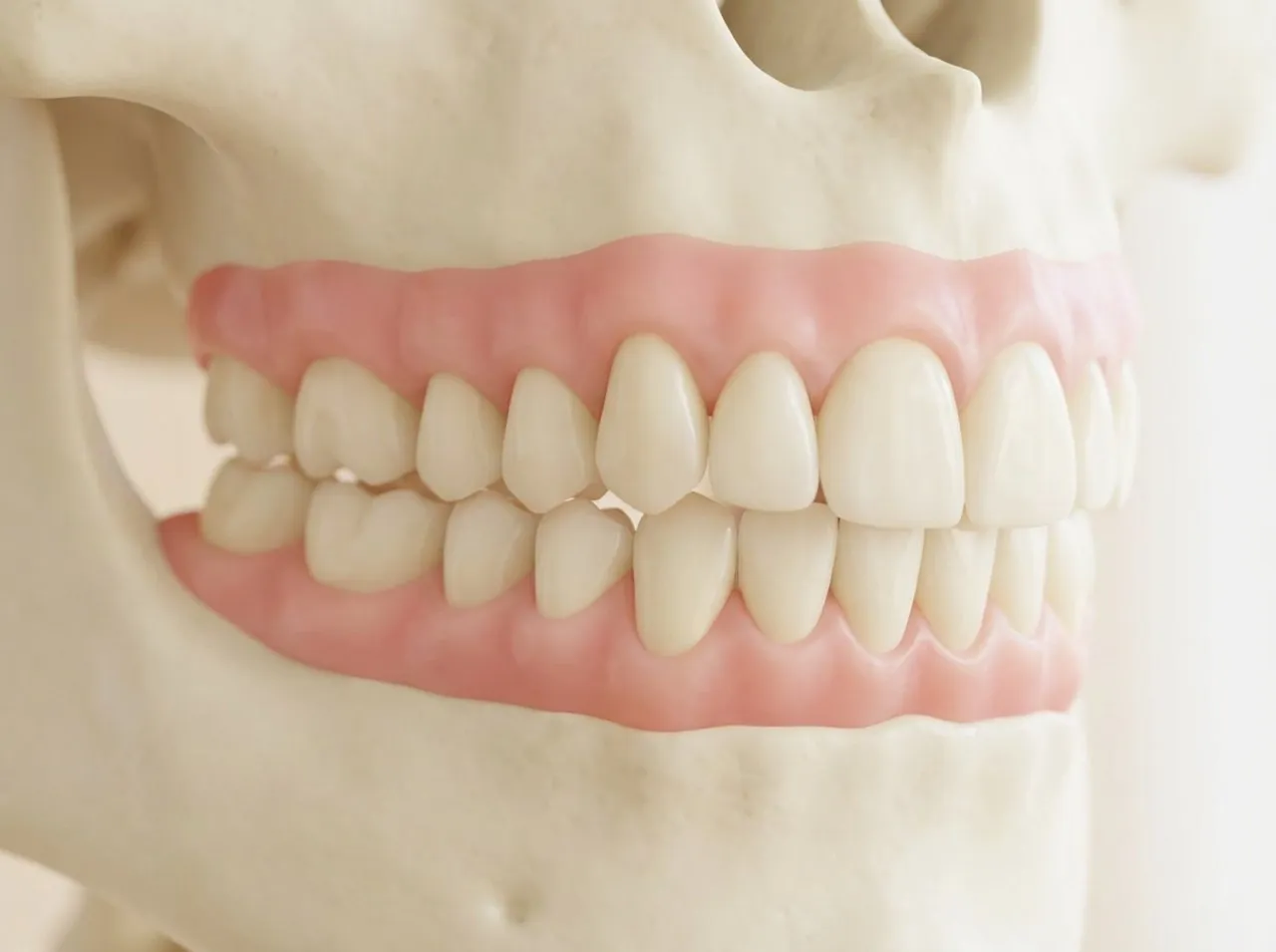
There are partial and full provisional dentures. Partial dentures are supported by the remaining teeth. Clasps often secure them in place. A full denture rests on the jaw ridge. Its fit then depends heavily on how well it fits. Saliva and muscle movement also play a role.

Materials and wearing comfort
Plastic is lightweight and easy to adjust. This means a temporary dental prosthesis can be made quickly. Its colour usually looks natural. Comfort depends on the fit. Pressure may occur initially. Minor adjustments are then normal.
The process at Wunschlachen in Berlin
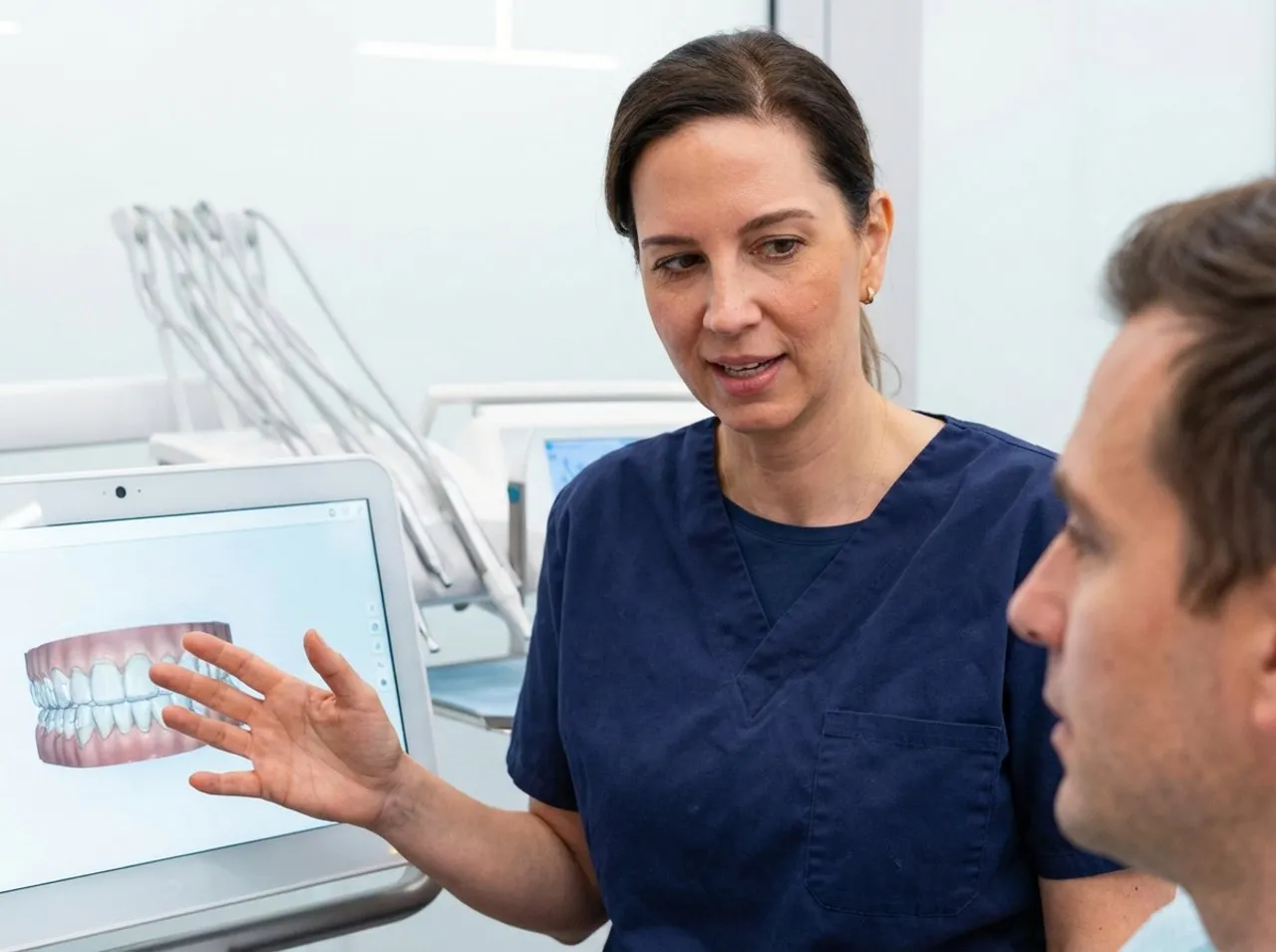
First, you will have an examination at our practice. We check your teeth, gums and bite. We then discuss your goals and the available options. Next, we take impressions or a digital scan. The provisional denture is made from these in the laboratory. For immediate restoration, we plan it in advance. When fitting it, we check the contact points. We also check speech sounds. Short follow-up appointments then follow.

Inserting and removing it correctly
Insert the dental prosthesis using gentle pressure. With clasps, an even fit helps. If you are unsure, we will show you the technique. Remove it over the washbasin. Place a towel in the basin. This reduces the risk of breakage.

Getting used to it: eating, speaking and everyday life
Everything feels unfamiliar during the first few days. Some sounds may initially sound different. This usually improves quickly. Soft foods help when eating. Chew slowly and on both sides. Very sticky foods can be problematic at first.
Interim denture problems
Pressure points are often the cause. The tissue changes during healing. Clasps can also cause irritation. The fit can become loose as swelling subsides. An adjustment is then advisable. Breakages occur less frequently. Falls and heavy loads are typical causes. Repairs are often possible.
What helps with pressure points or a loose fit?
Please never adjust the provisional prosthesis yourself. Small changes often worsen the fit. It is better to book an appointment promptly. We identify pressure points precisely. We then relieve the affected areas. Relining is carried out if necessary.
Denture care and cleaning
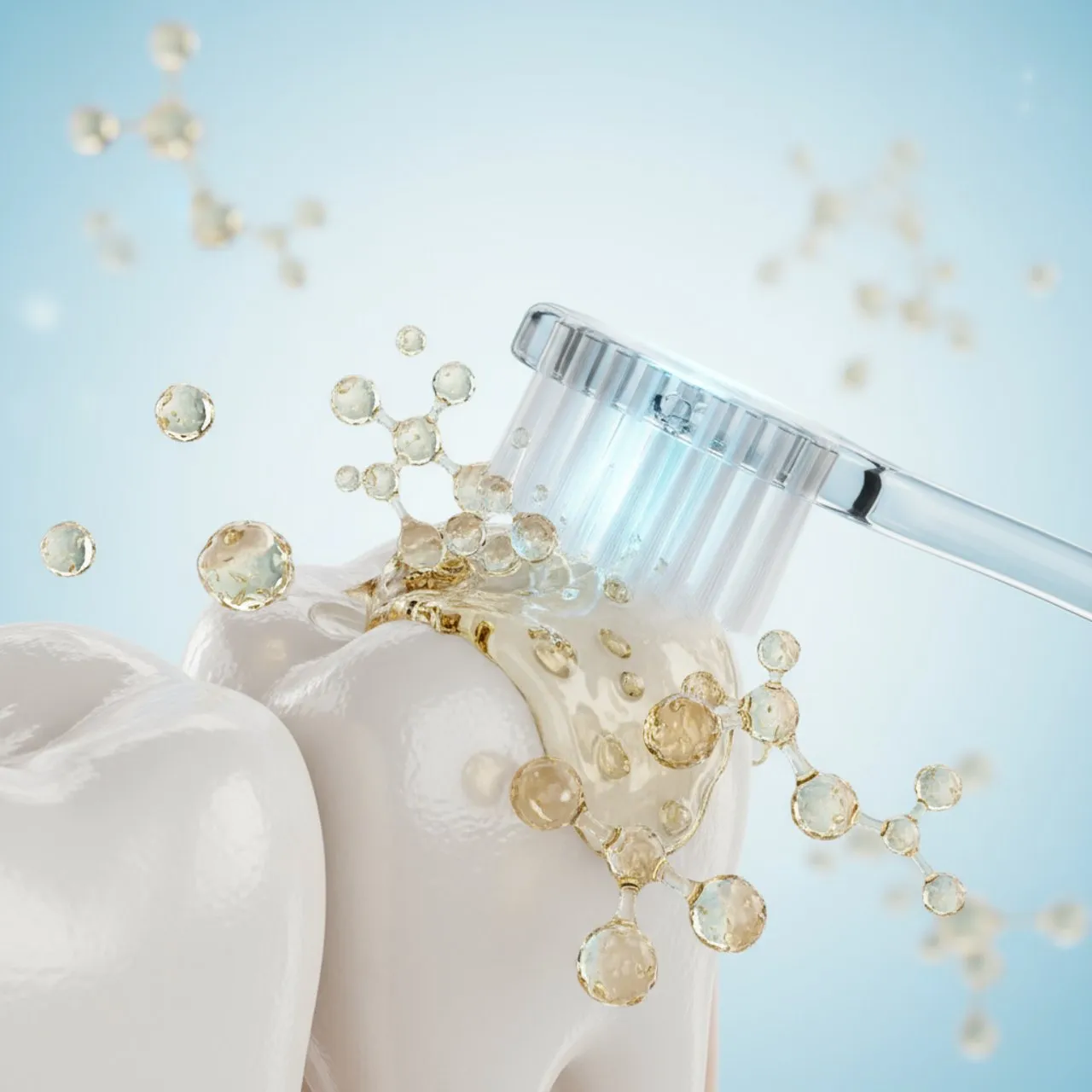
Clean the prosthesis daily. Use a denture brush and mild soap. Toothpaste is often too abrasive. Rinse with water after meals. Keep the prosthesis moist when it is out of your mouth. Dryness can warp the material. Oral hygiene also remains important. Thoroughly brush your remaining teeth and clean between them. This reduces the risk of inflammation.
How long the temporary dental prosthesis is worn
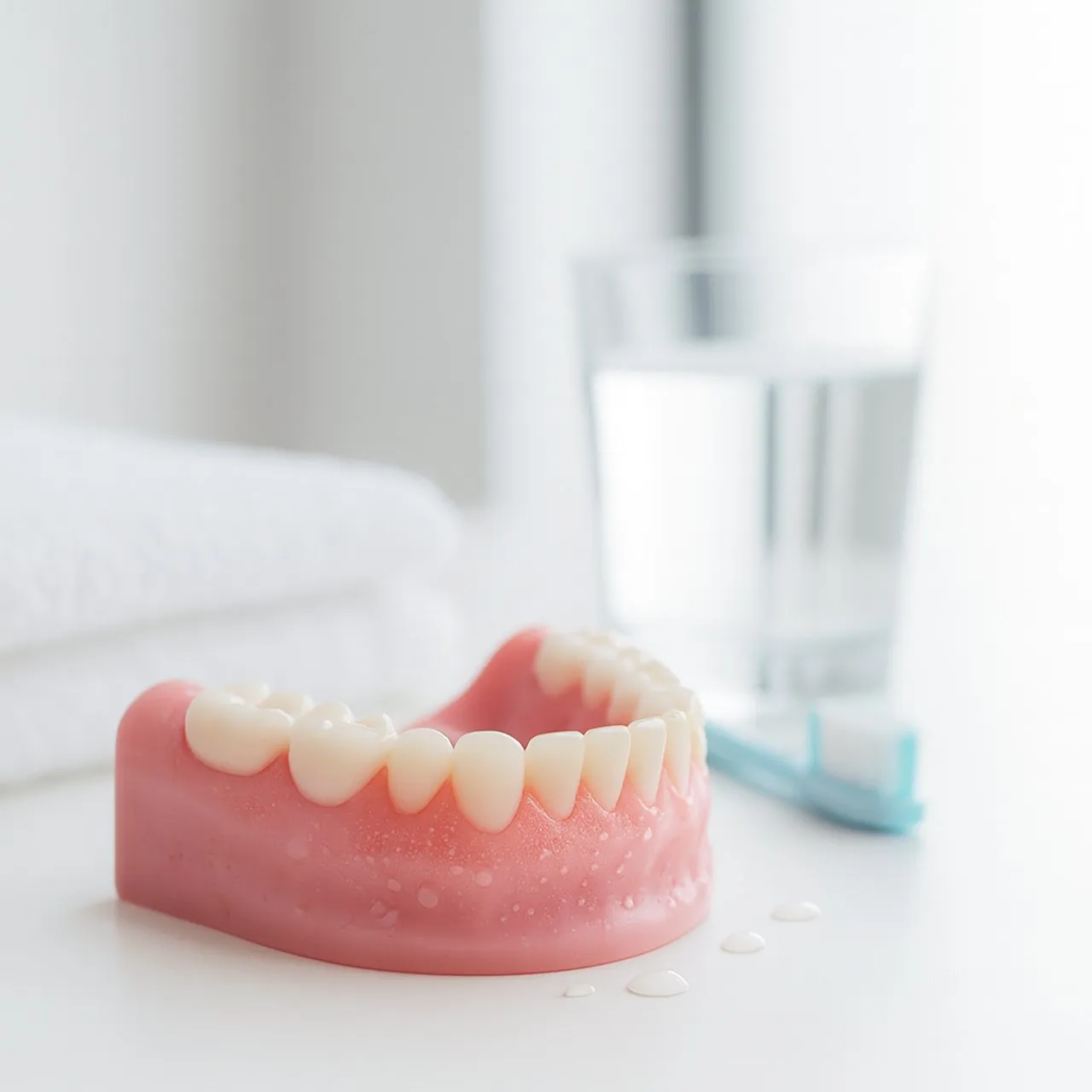
Interim dentures are usually worn for weeks to months. The duration depends on healing and the treatment plan. It may be longer with implants. Once the tissue is stable, the definitive restoration follows. This may be a crown, bridge or implant crown. Sometimes a new denture is planned.
Limitations of a provisional prosthesis
A temporary dental prosthesis is not intended to last for years. Plastic wears out more quickly. The fit also changes as the jaw ridge changes. Relining is sometimes necessary. In individual cases, a new provisional prosthesis is made. We decide this after an examination.
Costs, allowances and financing
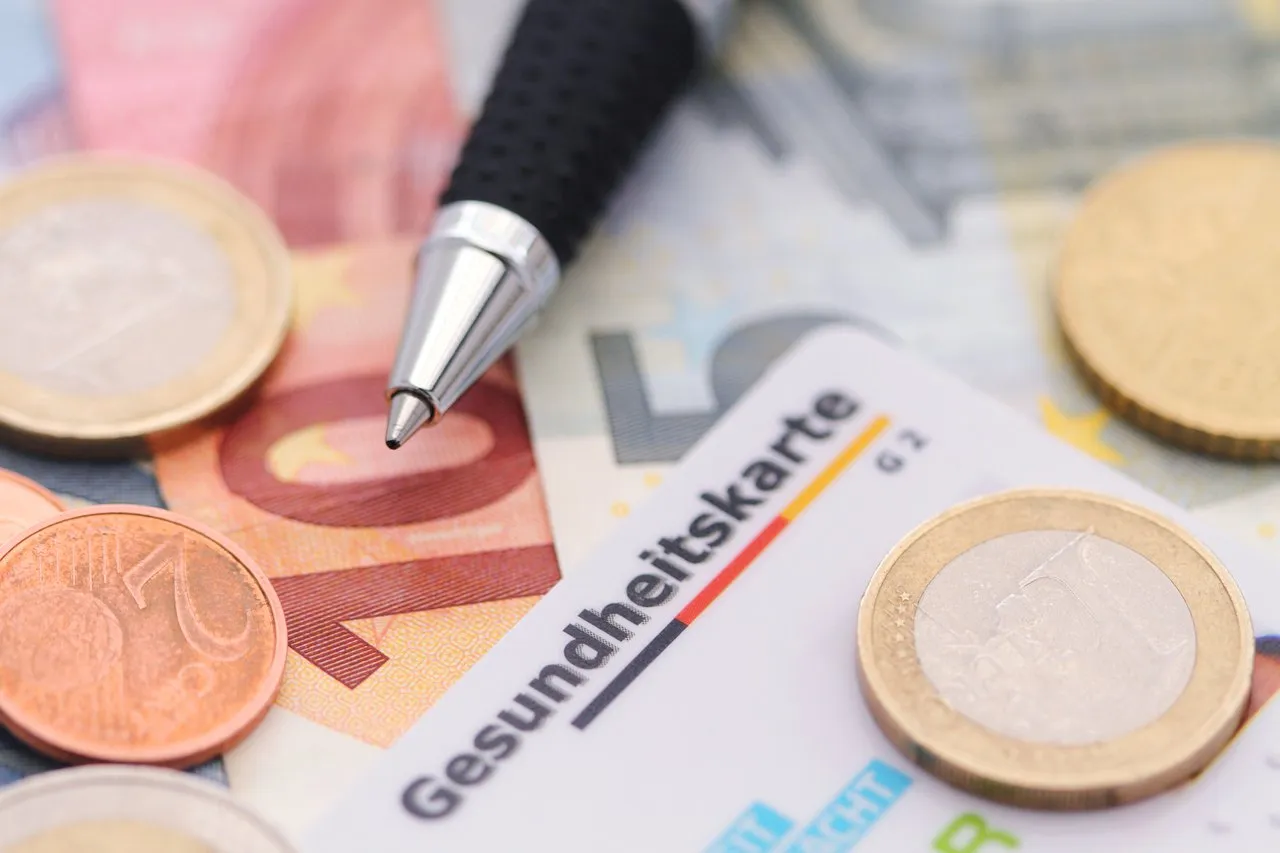
The costs depend on the extent of treatment. Statutory health insurers often pay a fixed allowance based on the diagnosis. A treatment and cost plan provides transparency. Private insurance plans may reimburse differently. We will explain the options at your leisure. Flexible instalments are available on request.

Conclusion: a stable transition to the final solution
A temporary denture can make the transitional period much easier. It supports function and aesthetics in everyday life. Check-ups and good care are important. We would be happy to advise you at Wunschlachen. We choose a solution suited to your diagnosis. We then support you through to the final restoration.
FAQs about temporary dental prostheses
A removable, temporary dental prosthesis worn for a limited period.
Often within a few days, or on the day of treatment for immediate solutions.
Usually yes, after a short adjustment period and with a suitable diet.
The healing process changes the tissue, which creates pressure points.
Pressure points, a loose fit, irritation from clasps and, rarely, breakages.
The dentist decides; it is often advisable to remove it.
Brush daily, use mild soap and then rinse thoroughly.
Weeks to months depending on the treatment, sometimes longer with implants.
Yes, often as a protective provisional prosthesis during the healing phase.
There is often a fixed allowance; the personal contribution varies.