Jaw joint: structure, function and symptoms
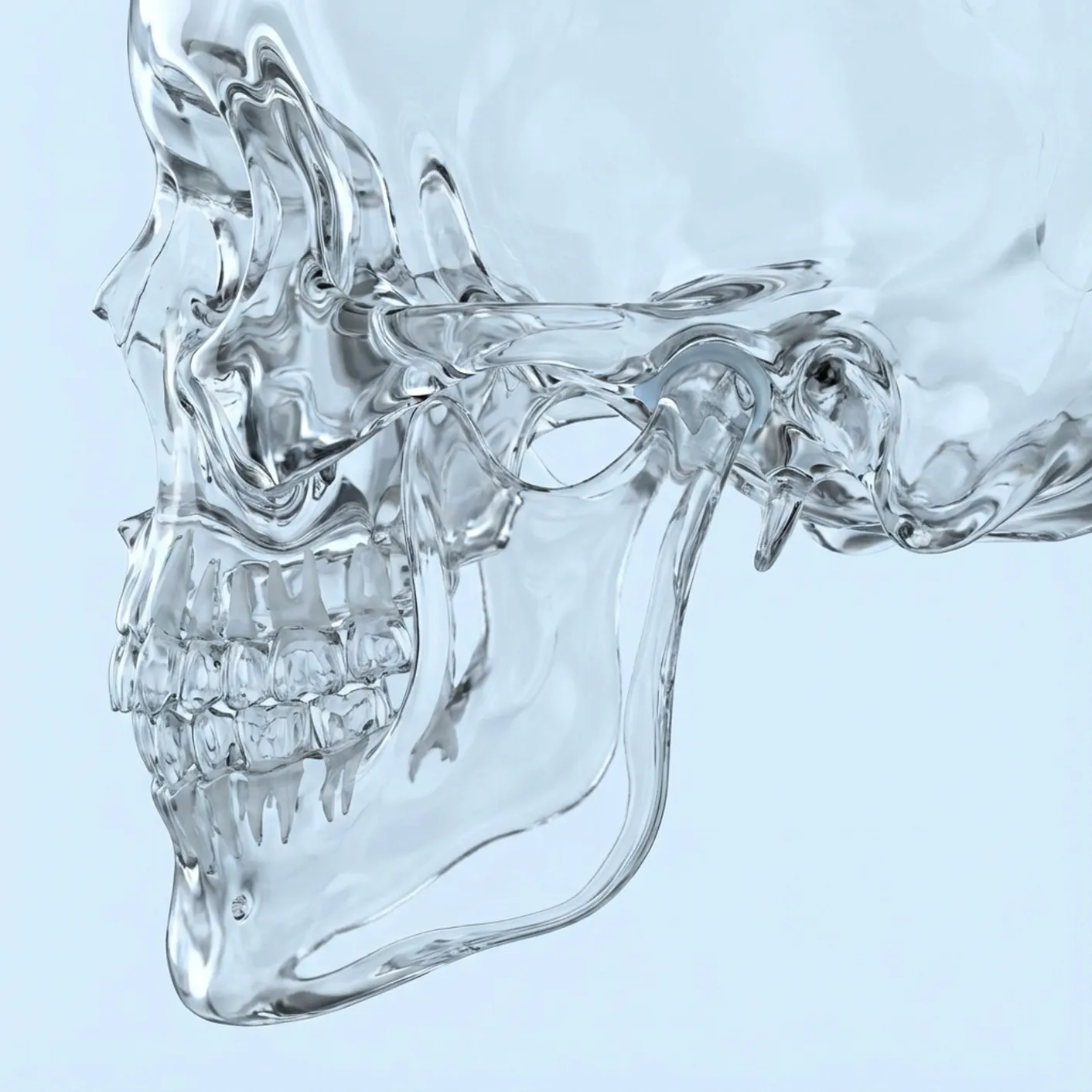
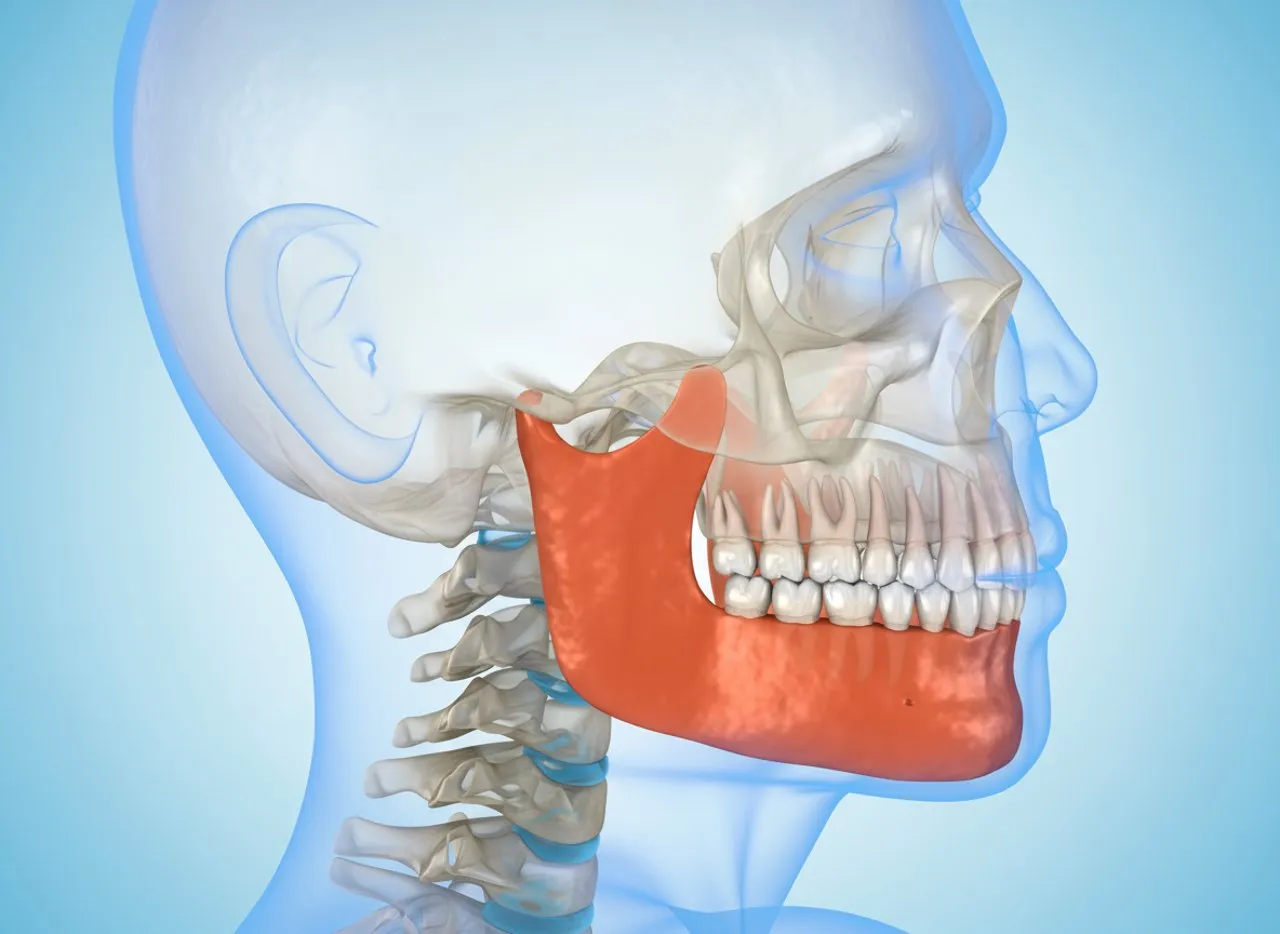
The jaw joint is a central joint in the head. It connects the lower jaw to the skull. Everyone has two jaw joints. They are located in front of the left and right ears. The jaw joint is one of the most complex joints in the body. It enables rotational and gliding movements.
Über 350 Google-Bewertungen
What is the jaw joint?
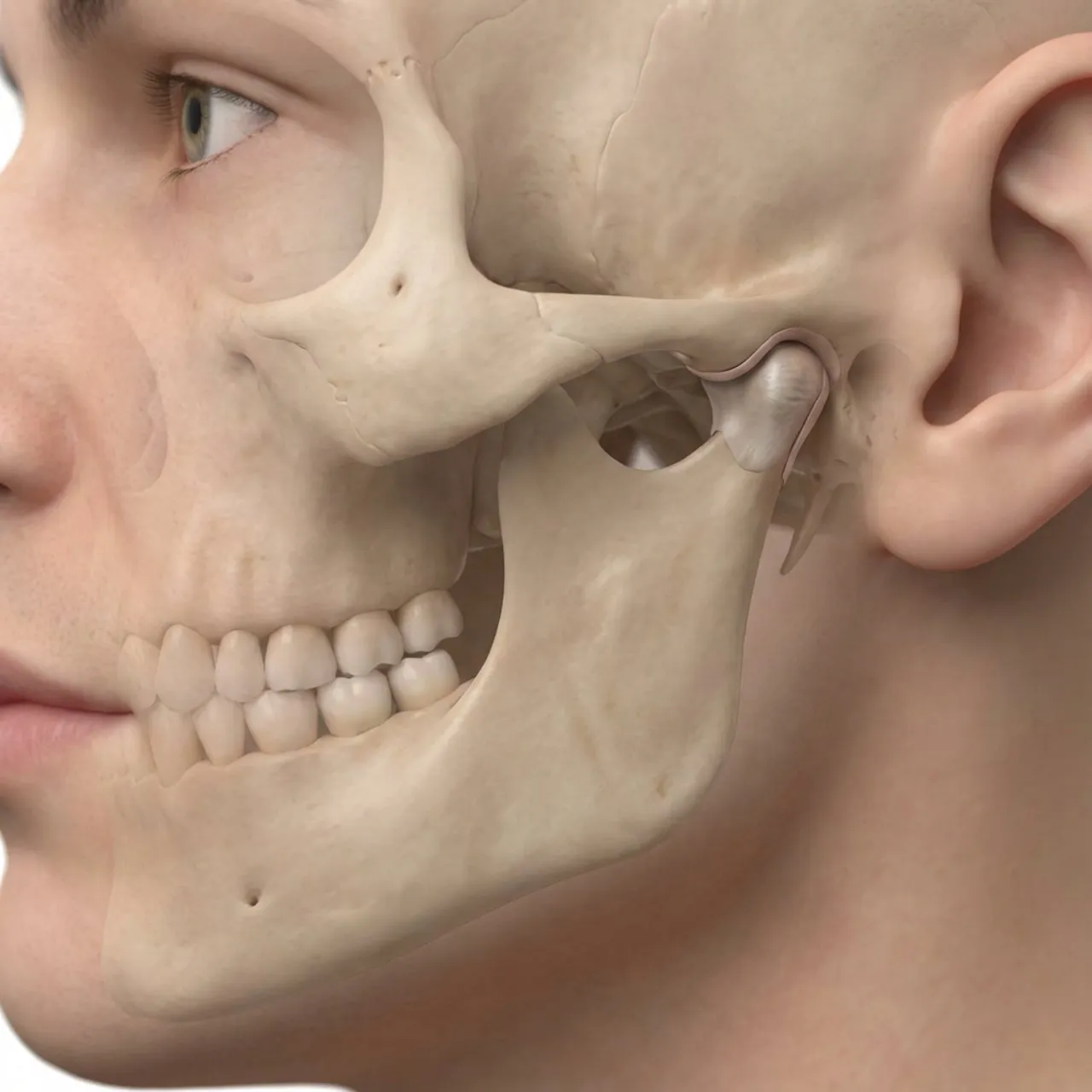
The jaw joint is the connection between the lower jawbone and the base of the skull. It is one of the so-called hinge and gliding joints. The joint is in constant use at every meal. It also moves continuously when you speak and swallow.
Structure and anatomy of the jaw joint
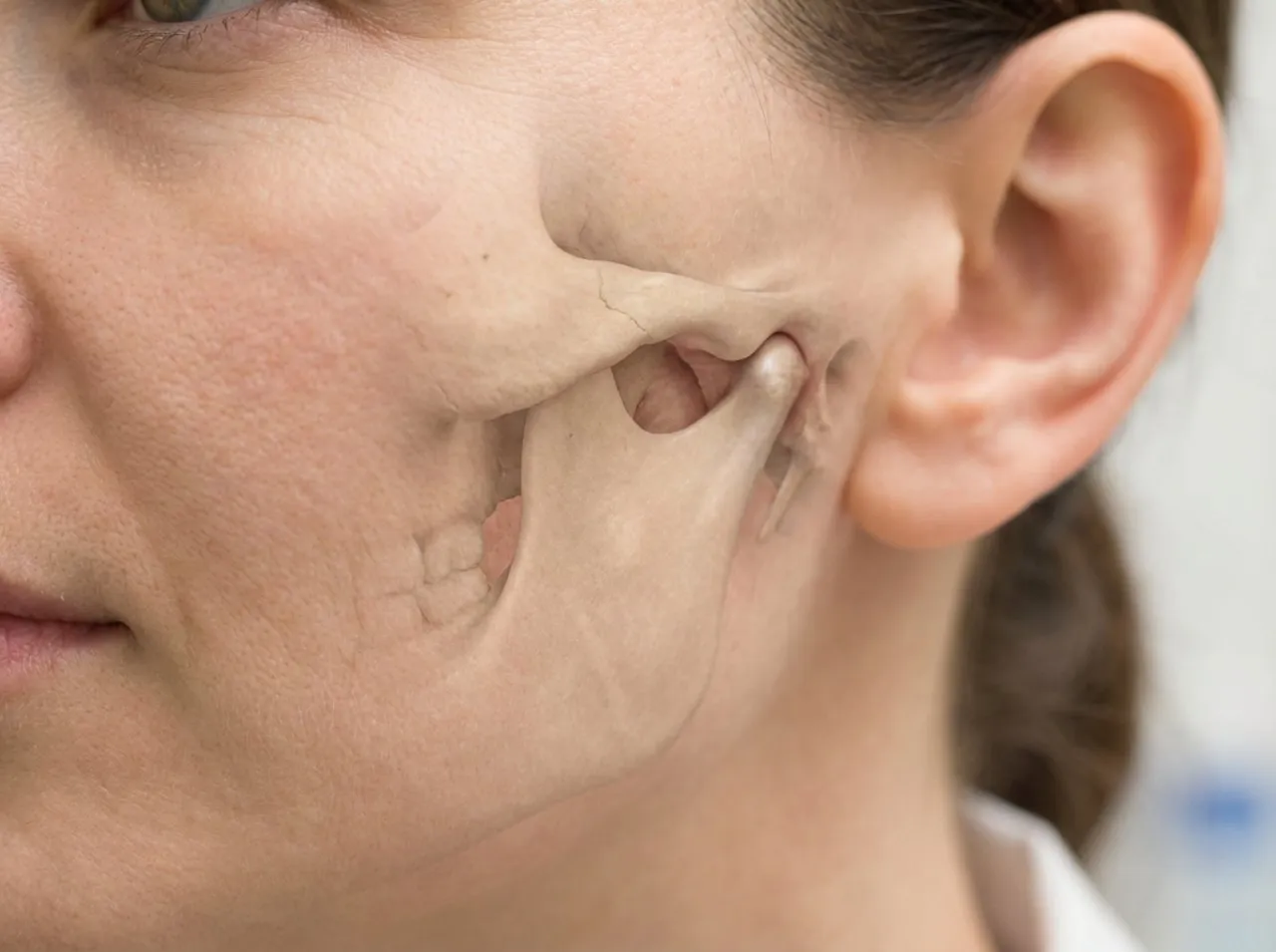
The joint consists of several structures. These include bones, cartilage, an articular disc, muscles and ligaments. Part of the skull bone lies above the joint. Below it is the joint head of the lower jaw. Together, these two parts form the joint space. Cartilage tissue lies between the bones to prevent them from rubbing directly against each other. It acts as a cushion and distributes the load. A special structure is the articular disc, also known as the discus. It separates the upper and lower joint compartments. A capsule surrounds the joint. It stabilises the area and contains synovial fluid. Several masticatory muscles control jaw movements. They attach to the lower jaw and partly to the skull. Elastic ligaments provide additional support for the jaw joint. They limit forward and sideways movement.
Function of the jaw joint in everyday life
Its most important function is opening and closing the mouth. In doing so, the lower jaw performs a combined rotational and gliding movement. This makes wide mouth opening possible. The lower jaw also moves sideways when chewing. This allows food to be broken down effectively. The jaw joint is closely connected to the teeth and masticatory muscles. A problem in one part affects the entire system. This is known as the masticatory organ or masticatory system.
Common jaw joint symptoms
Many people suffer from jaw joint pain. Typical symptoms include a pulling or pressing pain in front of the ear. It often radiates to the temple, cheek or neck. Another symptom is clicking in the jaw joint. The noise usually occurs when opening or closing the mouth. Sometimes the articular disc shifts in the process. Restricted mouth opening can also occur. Those affected can no longer open their mouth wide. This is known as trismus. Some patients report grinding noises when chewing. Others experience a sensation of blockage in the joint. In severe cases, the lower jaw visibly shifts. These symptoms are part of what is known as craniomandibular dysfunction syndrome, or CMD for short. This involves the entire masticatory system being out of balance. Headaches or neck tension are often also present.
Causes of jaw joint problems
The reasons for jaw pain can be varied. Teeth grinding or clenching often plays a role. These habits place considerable strain on the joint and muscles. Misaligned teeth can also overload the joint. An incorrect bite following dental restoration can also be a cause. The jaw joint then tries to compensate for the misalignment. Stress is another important factor. Many people respond with tension in the jaw area. The muscles then remain constantly active. Inflammation in the joint can also cause symptoms. In rare cases, a rheumatic disease is behind it. Injuries following accidents also sometimes play a role.

Diagnosis at the Wunschlachen dental practice
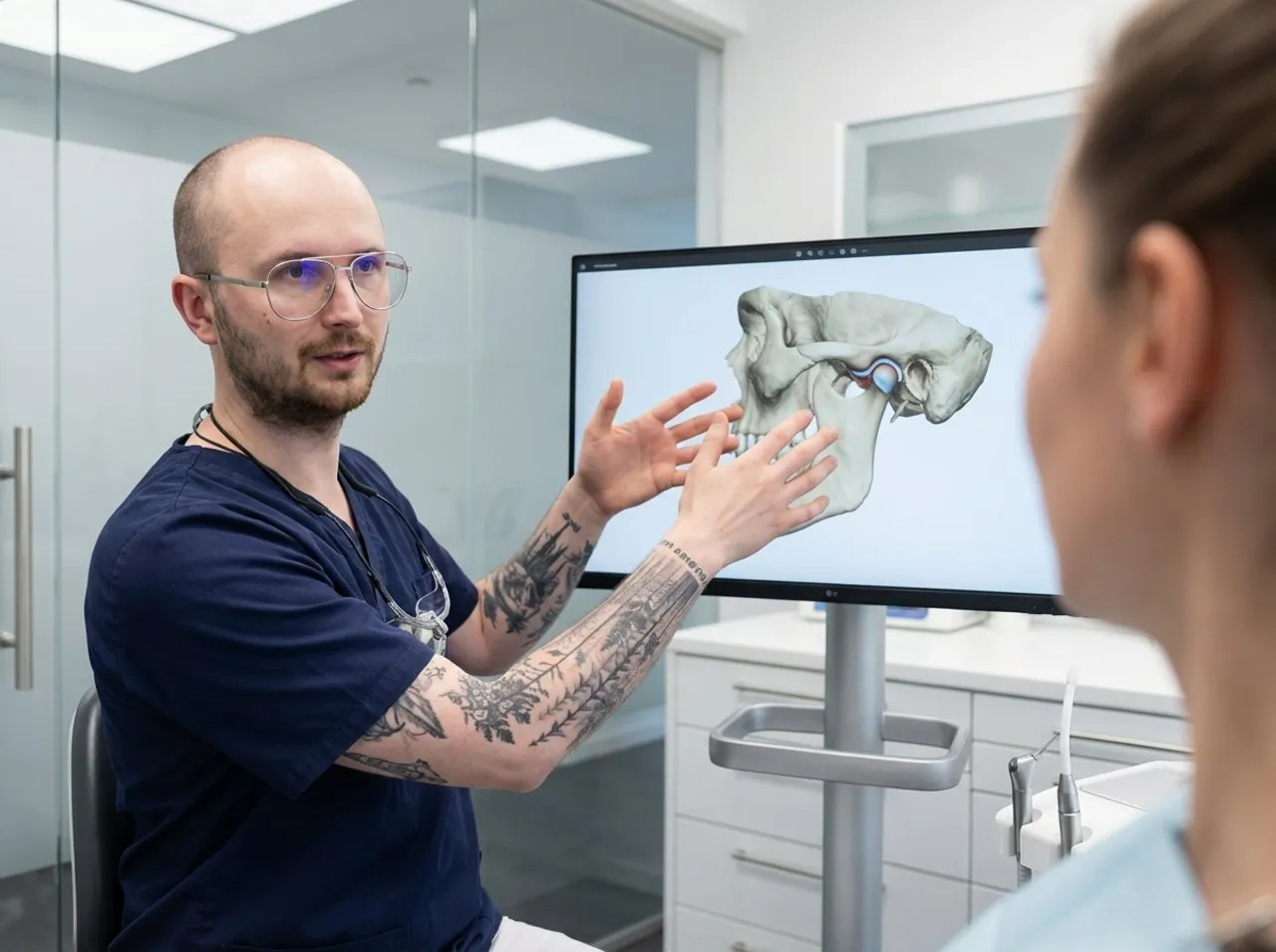
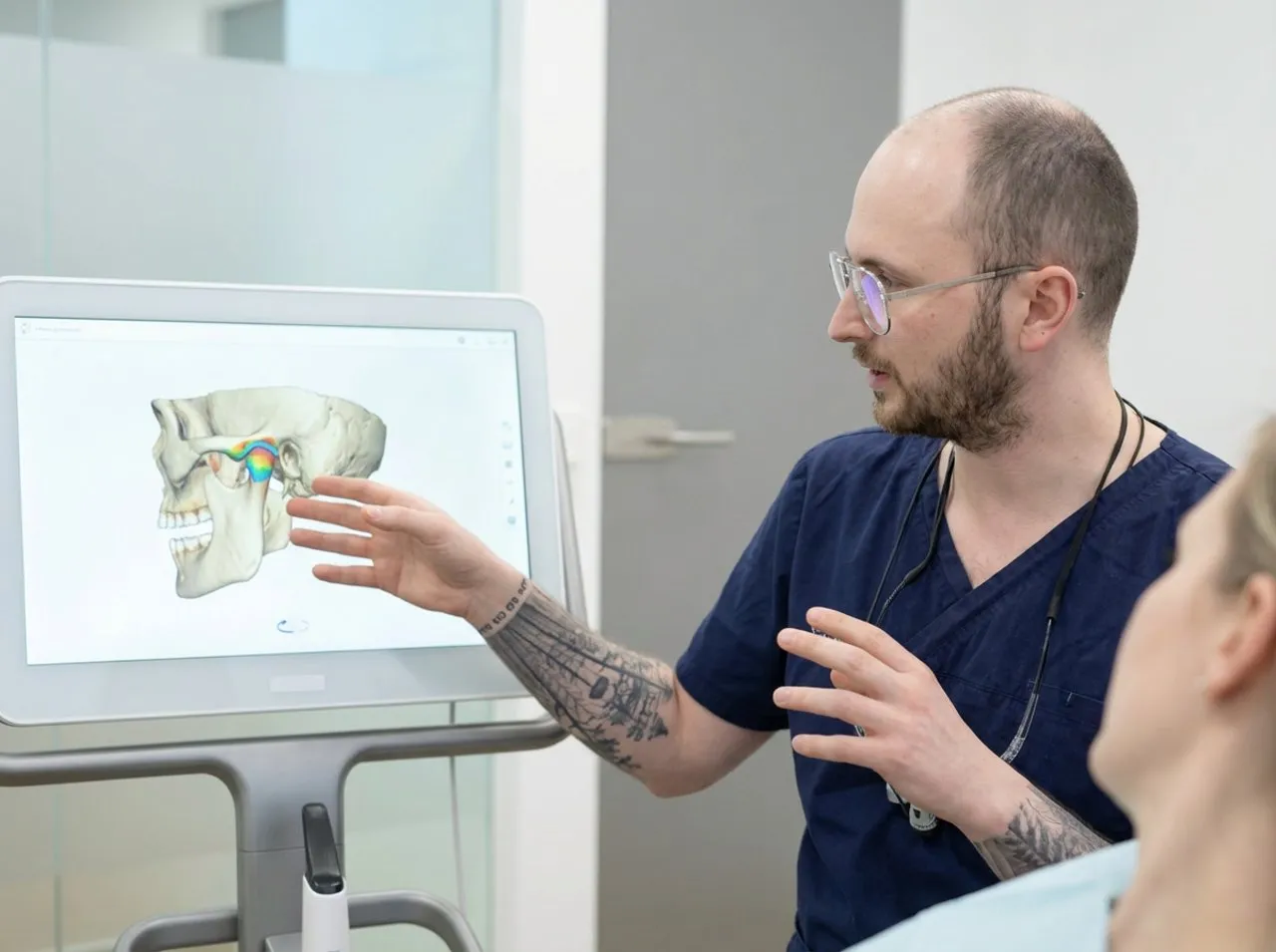
You should see a dentist if you have persistent jaw joint pain. At our Wunschlachen practice in Berlin, we take time to address your concerns. First, we focus on a detailed consultation. This is followed by a thorough examination of the teeth, muscles and jaw joint. We check your bite, mouth opening and sideways movements. Important clues can often already be identified at this stage. Imaging techniques such as X-rays or 3D scans may also be useful. They show the position of the joint heads in the skull. Changes to the bones or articular disc also become visible.

Treatment options and therapy
Treatment depends on the cause and symptoms. An occlusal splint made of plastic often helps. It relieves strain on the joint and protects the teeth from grinding. Physiotherapy is also used alongside this. Special exercises relax tense muscles. Manual techniques improve jaw joint mobility. Relaxation techniques can also be helpful. They help reduce stress as a trigger. These include breathing exercises, muscle relaxation and breathing breaks in everyday life. Orthodontic treatment may be necessary for pronounced misalignment of the teeth. In some cases, existing dental restorations are adjusted. The aim is always a harmonious bite.

What patients can do themselves
Pay attention to your jaw posture in everyday life. Your teeth should not be pressed firmly together when at rest. Your lips should be closed and your tongue resting loosely against the roof of your mouth. Avoid very hard or chewy foods. Nuts, hard bread or tough meat put strain on the joint. Softer foods temporarily relieve strain on the jaw. Heat packs on the masticatory muscles can be relaxing. Gentle stretching exercises improve mobility. Your dentist or physiotherapist can show you suitable exercises.
Conclusion: A healthy jaw joint for a relaxed smile
The jaw joint is small but enormously important. It enables powerful chewing and fluent speech. At the same time, it is sensitive to strain. Anyone who pays attention to early warning signs can avoid subsequent damage. If you have persistent jaw pain, you should not hesitate. Visit our Wunschlachen practice in Berlin for a consultation. Together, we will find a suitable treatment for your jaw joint. This will keep your masticatory system functioning properly. And your smile relaxed and carefree.
FAQ – Frequently asked questions about the jaw joint
The joint is located in front of the left and right ears. It connects the lower jaw to the skull.
The articular disc often shifts briefly. This causes the typical clicking sound.
It is usually caused by a functional problem. Nevertheless, persistent symptoms should always be assessed.
CMD describes disorders in the interaction between the jaw joint, muscles and teeth. Headaches or neck pain often also occur.
Yes, an occlusal splint relieves strain on the joint and teeth. It often also reduces night-time grinding.
Yes, stress often leads to tension in the jaw. This overloads the muscles and joint.
A clinical examination is carried out first. X-rays or 3D scans may also be useful.
This varies greatly from person to person. However, many patients notice an improvement after a few weeks.
Avoid clenching your teeth tightly. Heat, stretching exercises and relaxation can also help.
If you have recurring or severe jaw joint pain. Also if you experience clicking, blockages or restricted mouth opening.