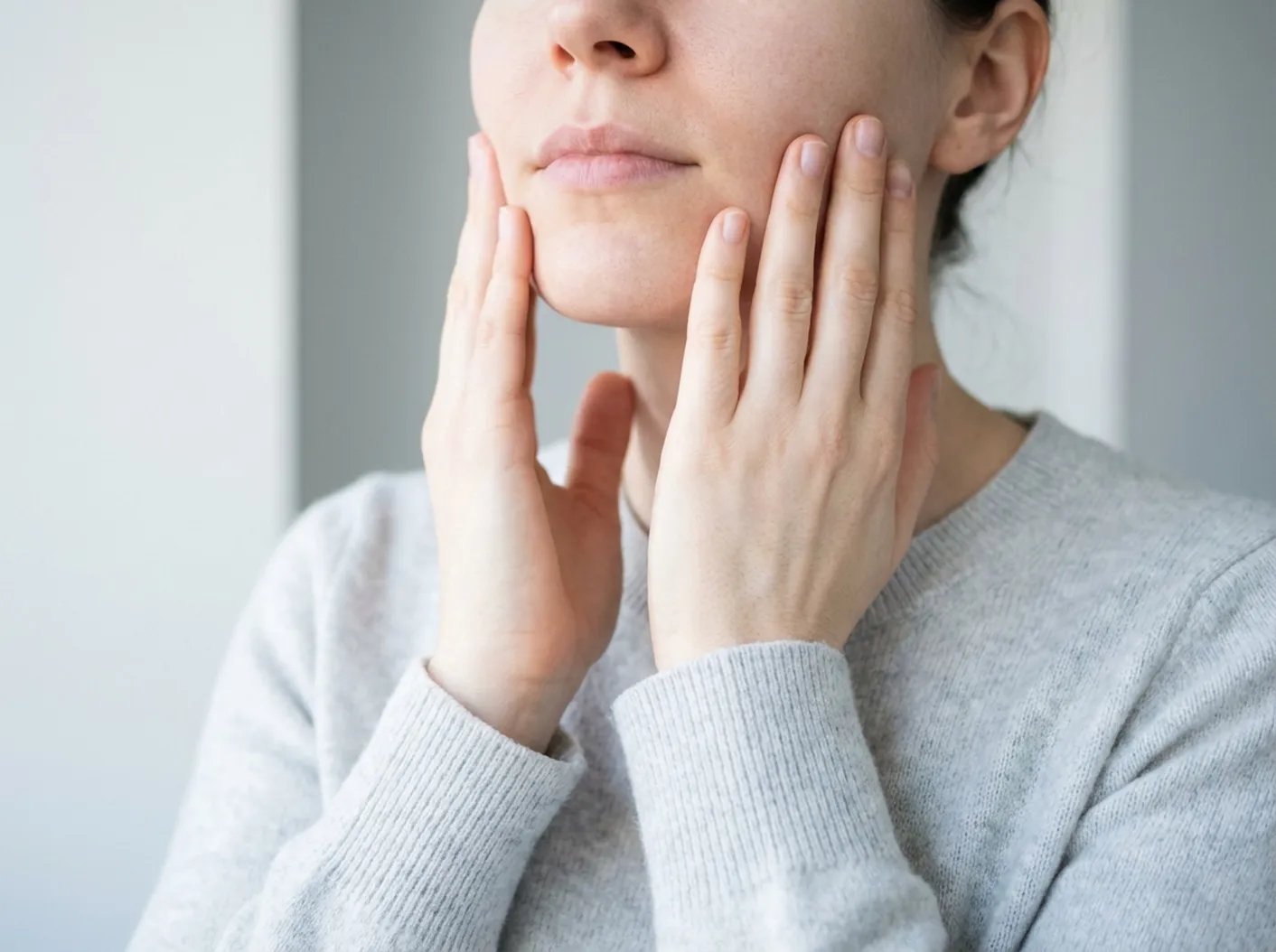
Jaw joint pain: causes and treatment
Jaw joint pain is common. Many people only notice it when chewing. Others notice it when yawning or in the morning. The temporomandibular joint connects the lower jaw to the skull. It moves when you speak and eat. It works together with the teeth, muscles and nerves.
Über 350 Google-Bewertungen

Typical symptoms
Pain often occurs in front of the ear. Clicking or grinding may occur when opening the mouth. Some people can hardly open their mouth wide. Headaches are possible, as are ear noises or a feeling of pressure in the ear. Neck and shoulder pain can also occur.
Common causes
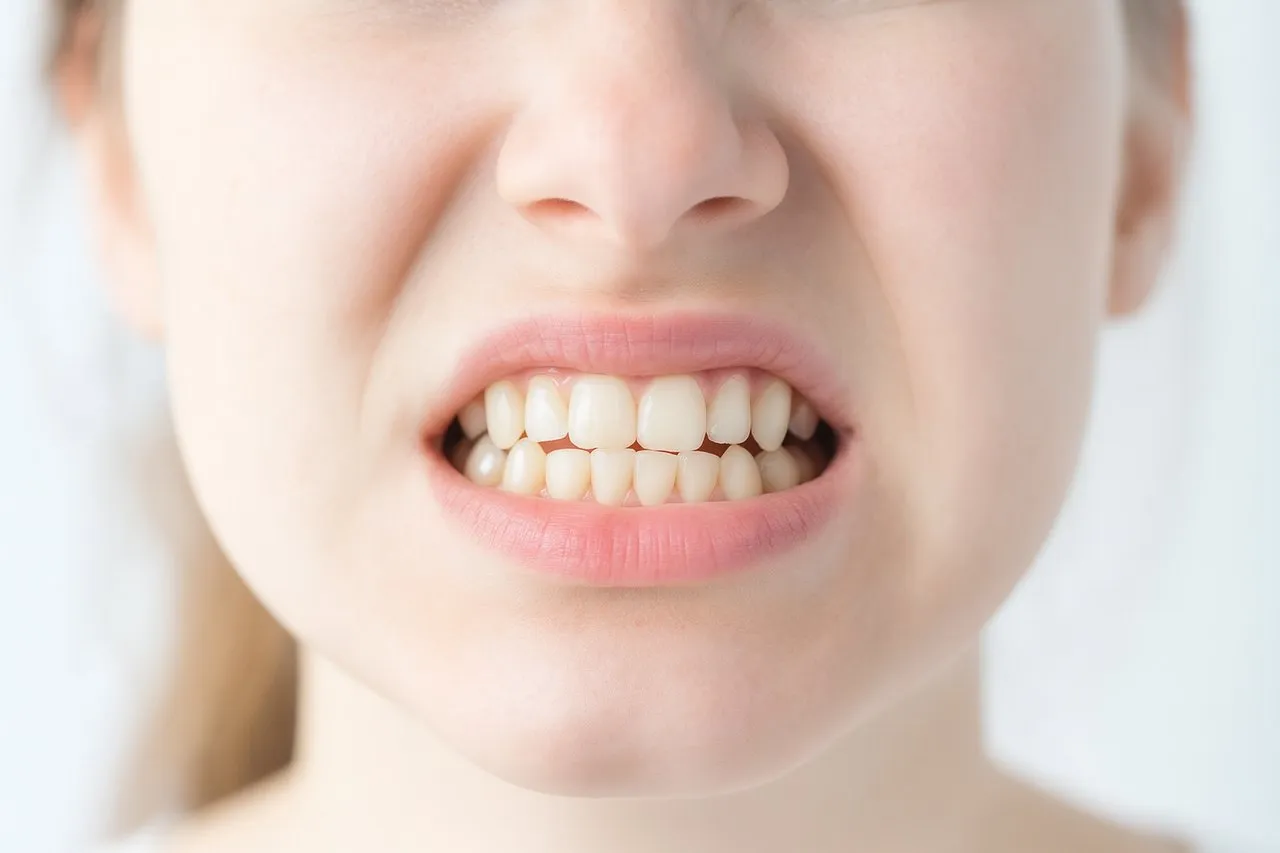
Several factors usually play a role together. Teeth grinding puts strain on the joint. Stress increases muscle tension. Faulty contact between the teeth interferes with the bite. Poor head posture worsens the symptoms. Osteoarthritis or inflammation is also possible.
CMD: when the system is out of balance
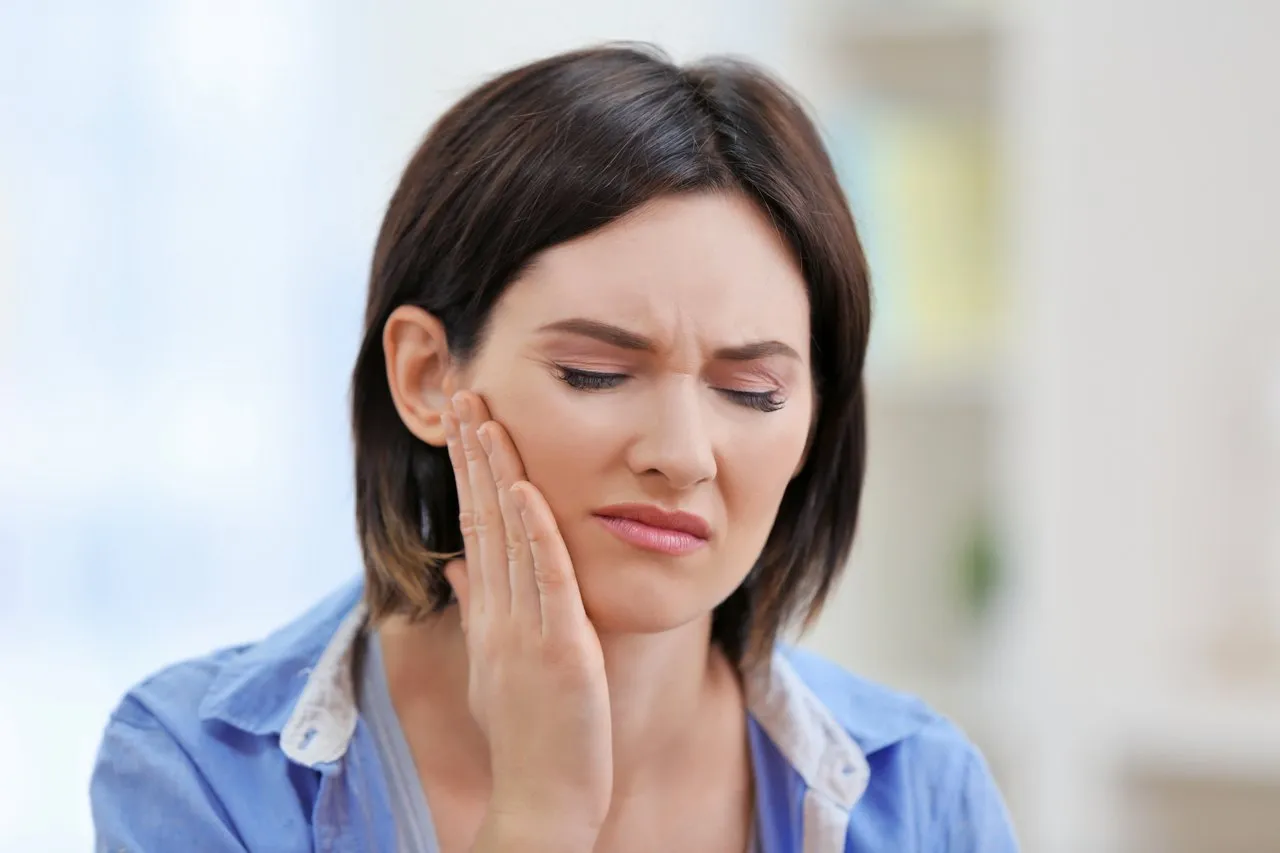
CMD stands for craniomandibular dysfunction. The system comprising the jaw, muscles and teeth is disrupted. Even minor problems can cause pain. Those affected often notice that they chew more on one side, or they hear clicking sounds. Sleep frequently deteriorates.
When you should see a dentist
Seek help if pain persists. Also come in if your jaw locks or swells severely. The same applies if you have a fever. Accident-related injuries must be assessed. Pain following a prolonged period of grinding should also be investigated.

Diagnosis at the Wunschlachen practice
We begin with a detailed consultation. We then examine jaw movements and muscles. We test your bite. Digital scans help with the analysis. X-rays or an MRI scan may be useful. This enables us to identify the precise cause.

Immediate relief at home
Warmth relaxes the muscles. Apply a warm compress. Gentle stretching exercises may provide relief. Avoid hard foods. Chewing gum places additional strain on the joint. Consciously rest your jaw. Painkillers may help in the short term. Consult your doctor first. Alcohol and nicotine impair healing.
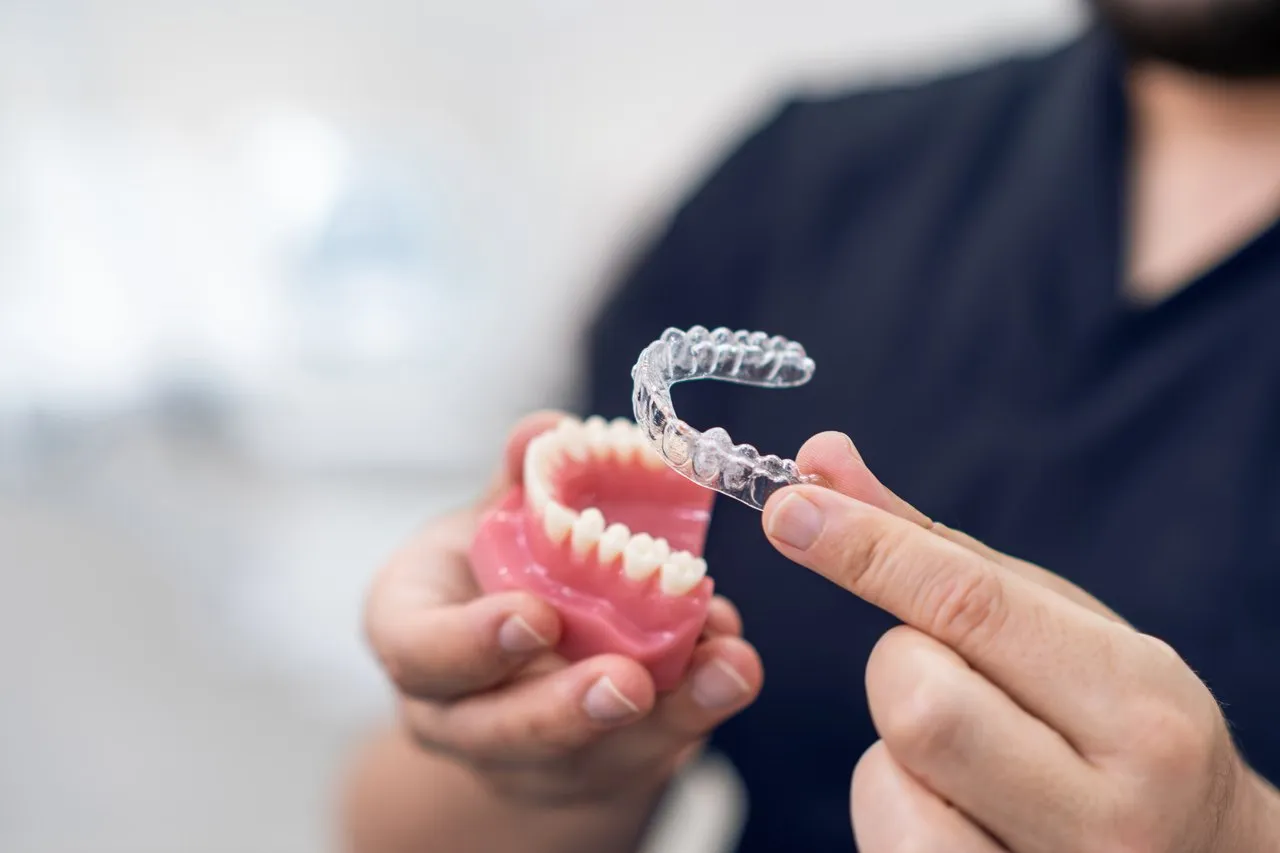
Splint therapy for teeth grinding
An occlusal splint protects the teeth. It distributes forces evenly. It provides noticeable relief for the jaw joint. We customise the splint for you. It can be worn at night or during the day. Regular check-ups ensure its effectiveness.

Physiotherapy and exercises
Manual techniques release trigger points. Targeted exercises improve mobility. Posture training reduces strain. We show you exercises that fit into everyday life. Short daily sessions are often sufficient. The benefits build up steadily.

Reduce stress, reduce pain
Stress increases muscle tone. Relaxation has a direct effect on the jaw. Breathing exercises and progressive relaxation are proven methods. Biofeedback can also be useful. Short breaks provide relaxation during the day. This reduces the tendency to grind at night.

Injections and medication
Injections can help with persistent myalgia. Botulinum toxin can reduce overloading. Its effects last for several months. Anti-inflammatory medication provides additional support. We avoid long-term use of tablets. We always combine this with treatment of the underlying cause.
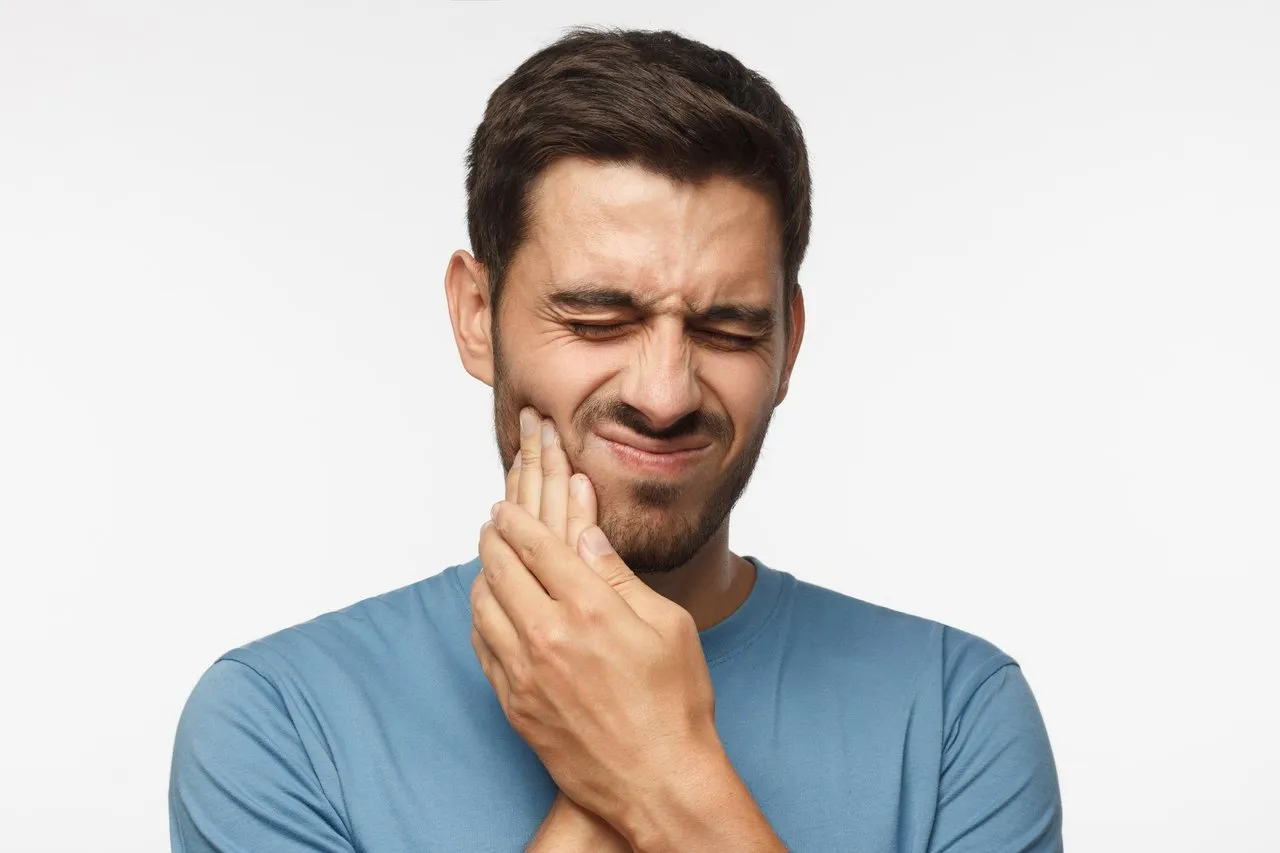
When osteoarthritis or inflammation is present
Osteoarthritis causes grinding noises. The joint surfaces are worn. Inflammation causes acute pain. We use a gentle, step-by-step approach to treatment. Conservative treatment first, then minimally invasive procedures. Surgery is rarely necessary.
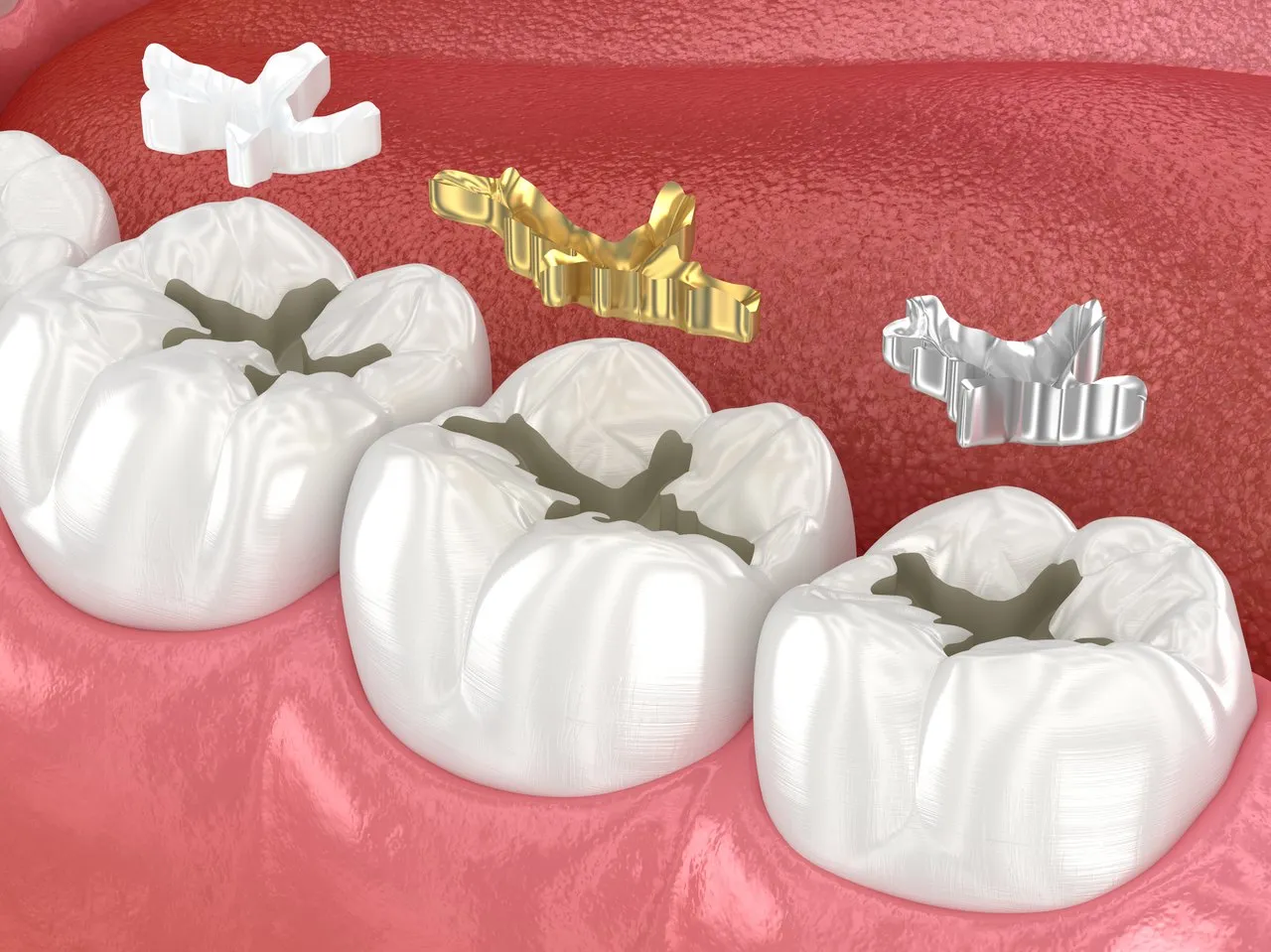
Occlusal adjustments
High fillings can sometimes interfere with the bite. Minor adjustments bring immediate relief. We plan more extensive changes precisely. Dental prosthetics must fit exactly. Digital techniques help with this. This keeps the joint in balance.

Diet and everyday tips
Eat soft foods during an acute episode. Soups and steamed vegetables are ideal. Cut firm foods into small pieces. Avoid frequently opening your mouth wide. Yawn in a controlled manner. Hold your mobile phone at eye level. Maintain an upright posture. Clenching your jaws together is bad. Keep your tongue relaxed, lips closed and teeth apart.

Progress and prognosis
Many symptoms improve rapidly. Consistent action is important. The earlier treatment starts, the easier it is. Complex cases require a team. Dentistry and physiotherapy work together. This is how we maintain the results.
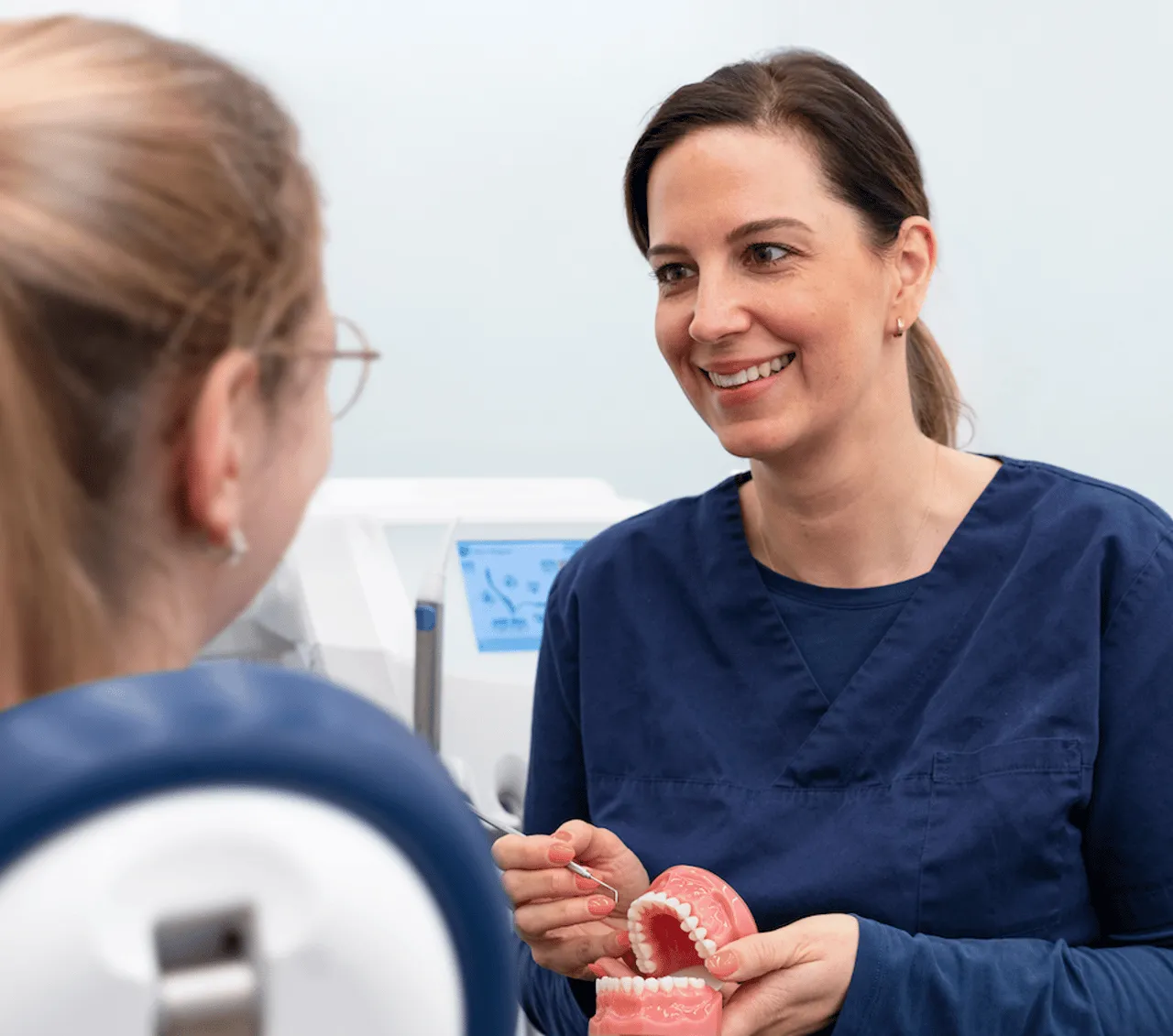
Treatment at Wunschlachen
We draw up an individual plan. It includes a splint, exercises and coaching. If necessary, we add further steps. Transparent costs are important to us. Statutory health insurance funds cover many costs in part. Payment by instalments is available if needed. Our goal is practicality in everyday life. You should be able to chew with little pain again and sleep peacefully.
Prevention: avoiding relapses
Continue doing the exercises. Wear the splint as agreed. Attend check-ups. Reduce sources of stress. Pay attention to your posture. Avoid heavy chewing.
FAQ about jaw joint pain
Pain in front of the ear, clicking and restricted mouth opening. Headaches or earache are also common.
CMD is a functional disorder of the masticatory system. The muscles, joint and bite are out of sync.
Yes, they protect the teeth and joint. They distribute forces and reduce muscle tension.
Warmth, soft foods and gentle stretches. Avoid chewing gum and taking large bites.
If joint pathology is suspected, for example in cases of locking, osteoarthritis or inflammation.
This varies. Many people notice an improvement within weeks.
Yes, very often. Both increase muscle tension and place strain on the joint.
It can help with severe teeth grinding. Its effects are temporary.
Rarely. A splint, exercises and adjustments are usually sufficient.
Yes. We work across disciplines and draw up a clear plan.