Jaw misalignment – causes, symptoms and treatment
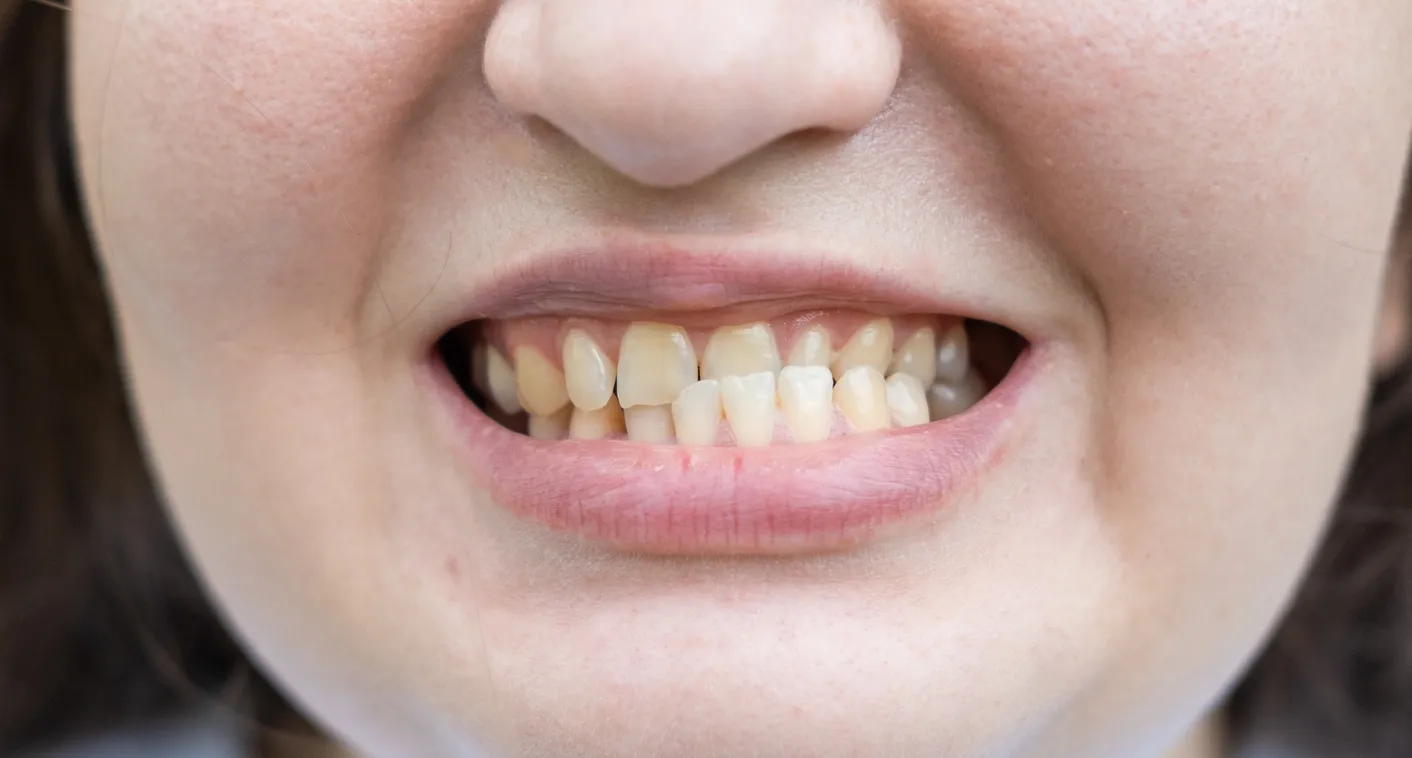
Jaw misalignment occurs when the upper and lower jaws are not optimally aligned. This can affect the position of the teeth, chewing function and even facial harmony. Some deviations are purely a cosmetic concern, while others can place strain on chewing, speech or the jaw joints. From...
Über 350 Google-Bewertungen
What is jaw misalignment?
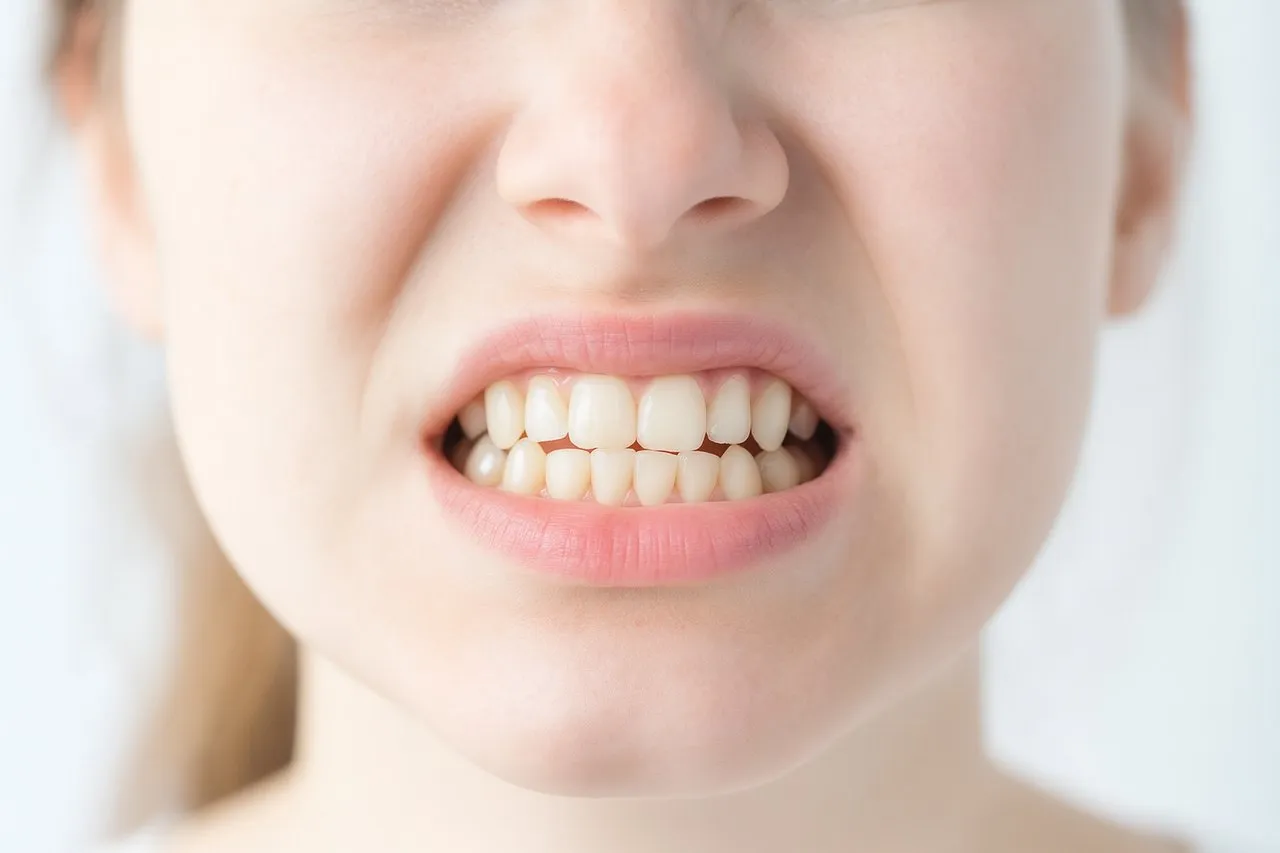
A misalignment describes a deviation in the position of the jaw in a horizontal, vertical or lateral direction. It can be congenital, develop during childhood or arise over the course of a person's life. As well as genetic factors, habits such as thumb sucking, tongue thrusting or an incorrect swallowing pattern can play a role.
Types of jaw misalignment
The best-known forms are:
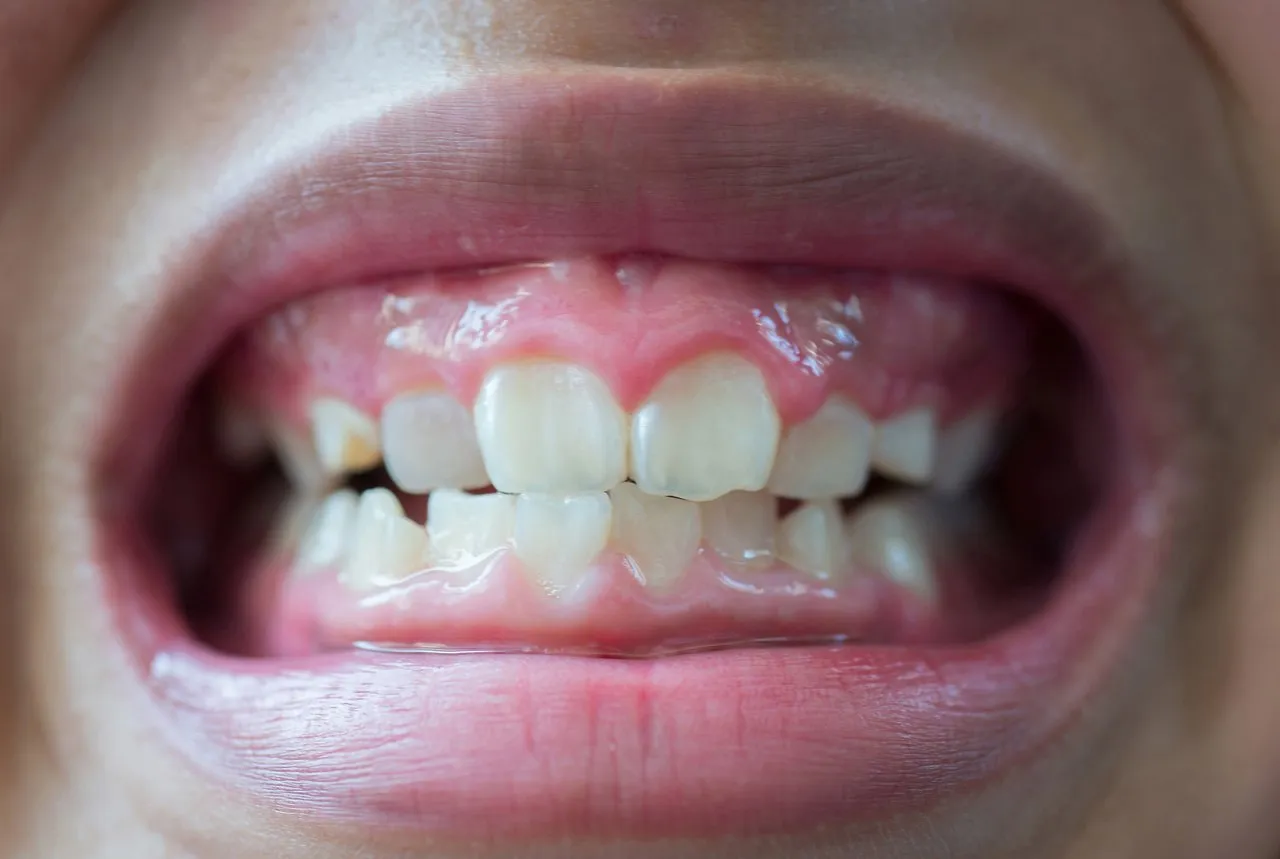
Jaw misalignment: overbite
The upper front teeth protrude significantly beyond the lower teeth. The upper jaw or teeth are often positioned too far forward.
Jaw misalignment: underbite
The lower jaw protrudes beyond the upper jaw, which can result in a characteristic ‘protruding chin’.
Deep bite
The upper incisors overlap the lower incisors significantly, sometimes as far as the gums.
Open bite
The front teeth do not meet when biting down, leaving a gap.
Crossbite
Parts of the lower row of teeth sit outside the upper row, often due to an upper jaw that is too narrow.
Mixed forms often occur, requiring individual treatment.

Jaw misalignment symptoms – how to recognise them
Not every malocclusion causes symptoms, but there are typical signs:
• Problems biting off food and chewing
• Speech disorders or a lisp
• Temporomandibular joint pain or clicking
• Frequent tooth wear or overloading of individual teeth
• Tension in the neck and shoulders
• Dissatisfaction with your own profile or smile
Depending on its severity, a jaw misalignment can affect not only oral health but also quality of life.
What should you do about jaw misalignment?
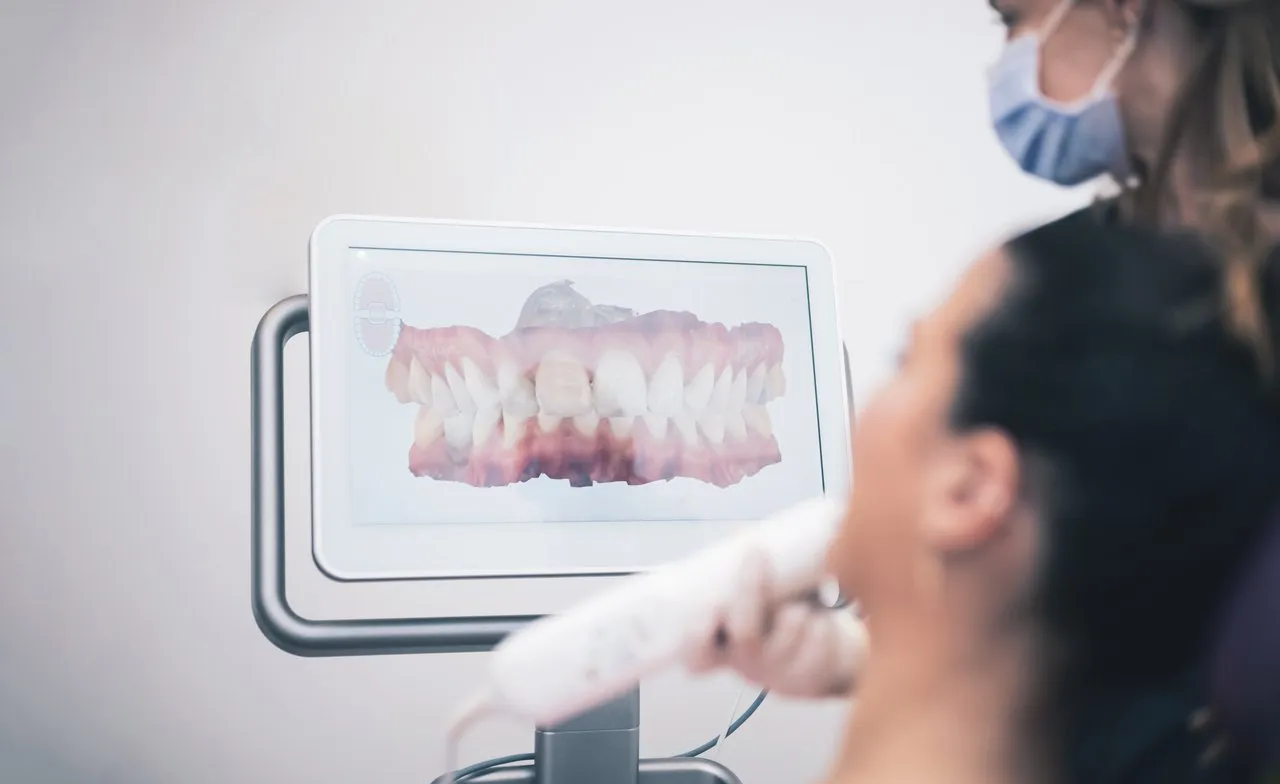
Anyone who notices signs of a malocclusion or is advised of one by their dentist should undergo a thorough diagnostic assessment. At our Wunschlachen practice, we first carry out a detailed examination with X-rays, impressions and, where necessary, digital 3D scans. This allows us to determine the exact position of the jaws and draw up an individual treatment plan.
The earlier a jaw misalignment is detected, the simpler and gentler the treatment. This is particularly true in childhood and adolescence, when jaw growth can still be influenced.
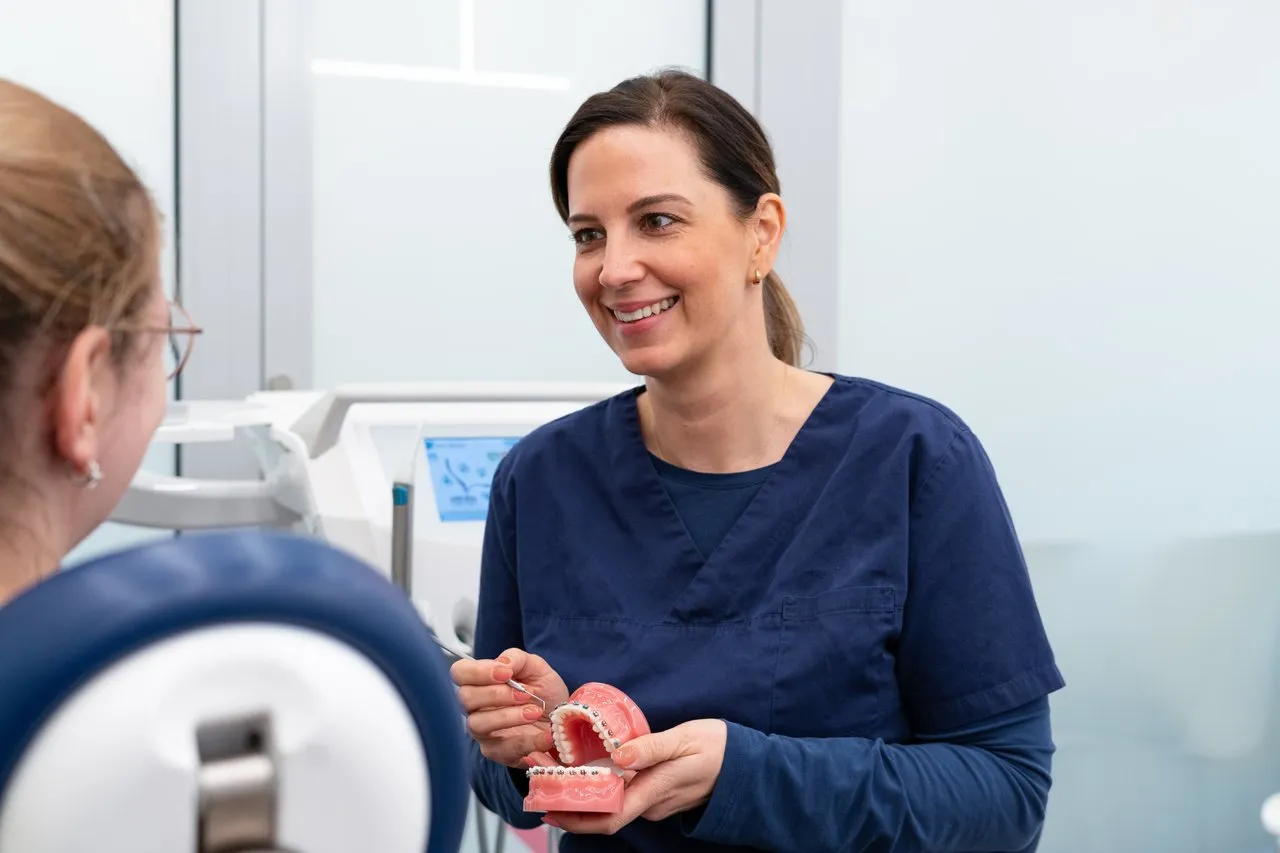
Jaw misalignment treatment – from gentle to surgical
Treatment for the malocclusion depends on its type and severity and the patient’s age.
Orthodontic treatment
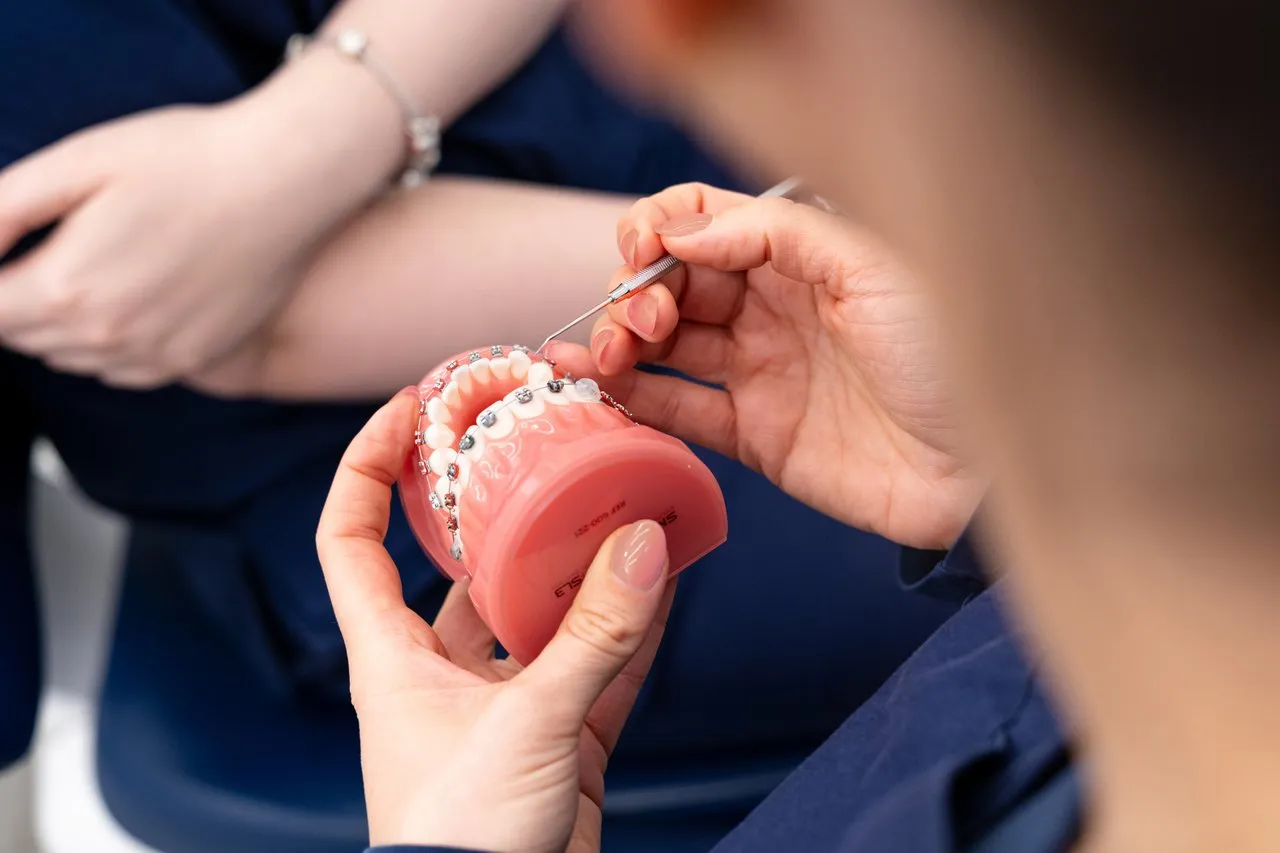
Braces – fixed or removable – can correct tooth alignment and also guide jaw growth in children and adolescents. Clear aligners are often used in adults, as they are discreet and suitable for everyday use.
Functional orthodontic appliances
Special appliances can influence the position of the jaw by guiding muscle and bone growth.
Jaw misalignment surgery
In severe cases, particularly in adults, orthodontic treatment alone is not sufficient. A combined therapy involving braces and surgical correction may then be necessary. The operation is carried out in close collaboration with oral and maxillofacial surgeons. Its purpose is to bring the upper and lower jaws into a harmonious position.
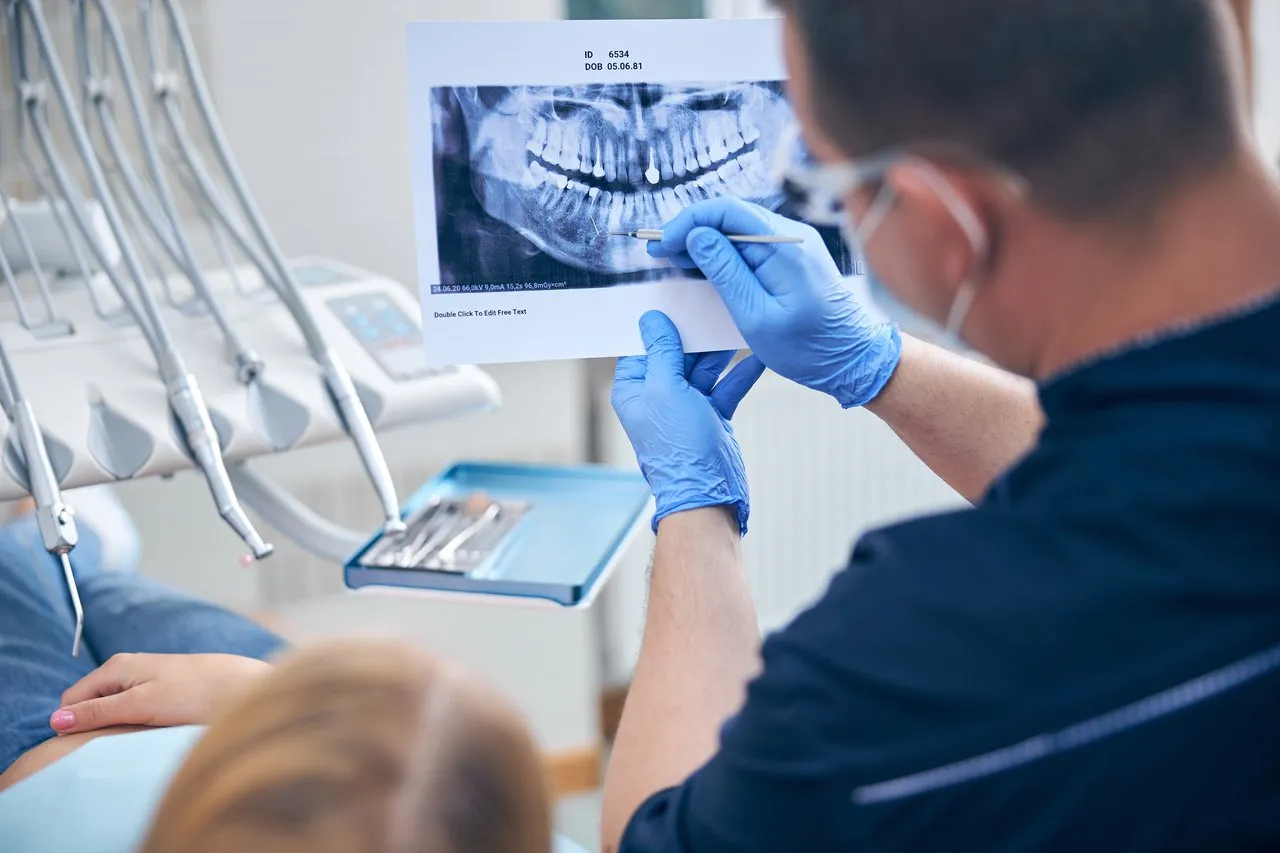
Jaw misalignment surgery – when is it necessary?
Surgical correction may be considered if the malocclusion causes functional problems or significant aesthetic impairment. Examples include a pronounced underbite or a severe overbite.
These types of malocclusion cannot be corrected by orthodontic treatment alone. The operation is usually performed as an inpatient procedure and is combined with orthodontic treatment beforehand and afterwards.
Prognosis and prevention
With a timely diagnosis and the appropriate therapy, most misalignments can be corrected successfully. Direct prevention is only possible to a limited extent, as many causes are genetic. However, parents can reduce the risk by preventing harmful habits such as thumb sucking or using a dummy for too long.
Conclusion
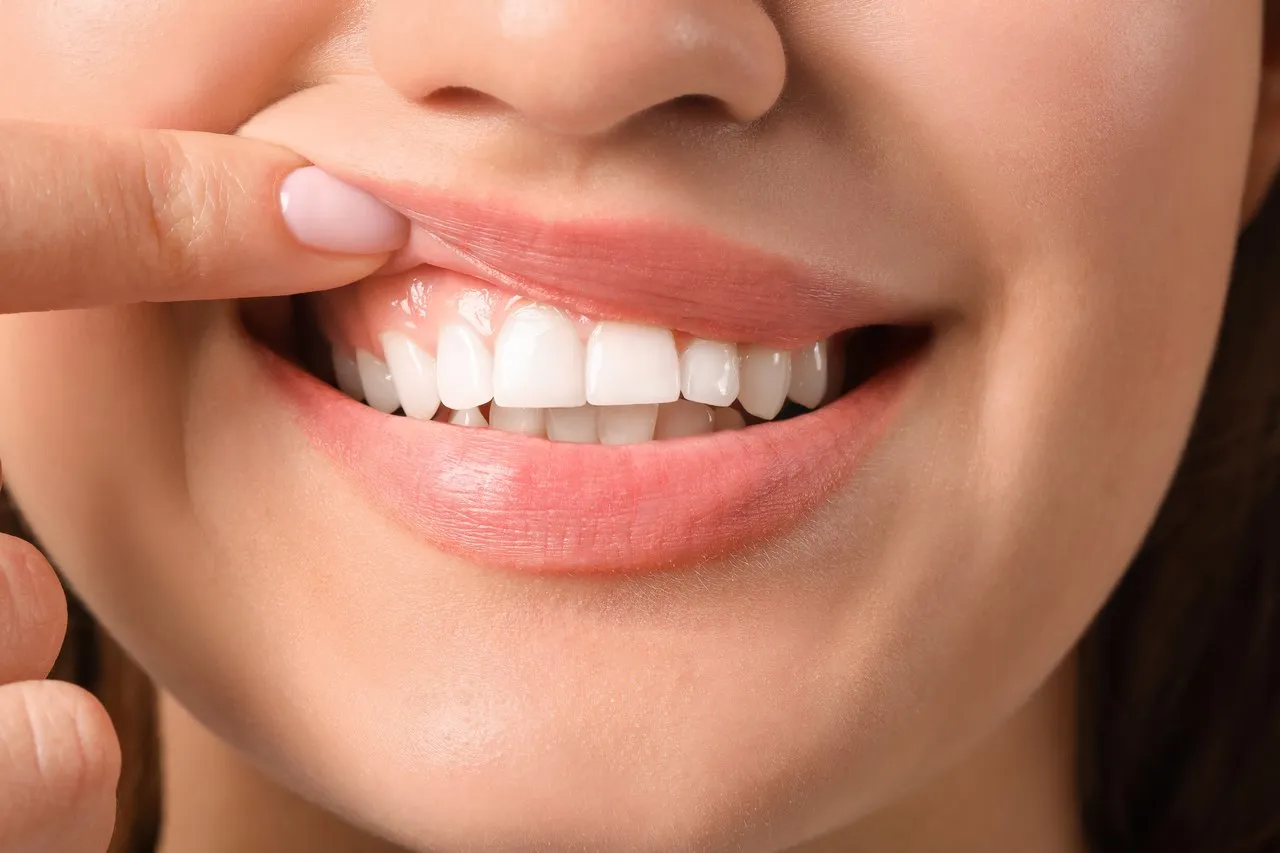
A jaw misalignment is more than just a cosmetic problem. It can have a lasting impact on oral health and well-being. Modern dentistry now offers numerous options for correction.
At our Wunschlachen practice, we support you from the initial consultation through to the successful completion of treatment. With a personalised, empathetic approach and state-of-the-art technology.
FAQ – frequently asked questions about jaw misalignment
A deviation in the position of the jaw in which the upper and lower jaws are not optimally aligned.
Problems chewing, jaw joint pain, speech disorders, tooth wear and aesthetic impairment.
See a dentist or orthodontist and have an examination and individual treatment planning carried out.
Depending on its severity, with braces, aligners, functional orthodontic appliances or surgical procedures.
A form in which the upper front teeth sit markedly in front of the lower teeth.
The lower jaw sits in front of the upper jaw, often accompanied by functional problems.
For severe misalignments that cannot be corrected by orthodontics alone.
Yes, successful corrections are also possible in adults, often in combination with surgery.
Between a few months and several years, depending on the severity and the chosen method.
Often for children and adolescents; for adults, only in medically necessary cases.