Jaw pain caused by dentures: causes and solutions
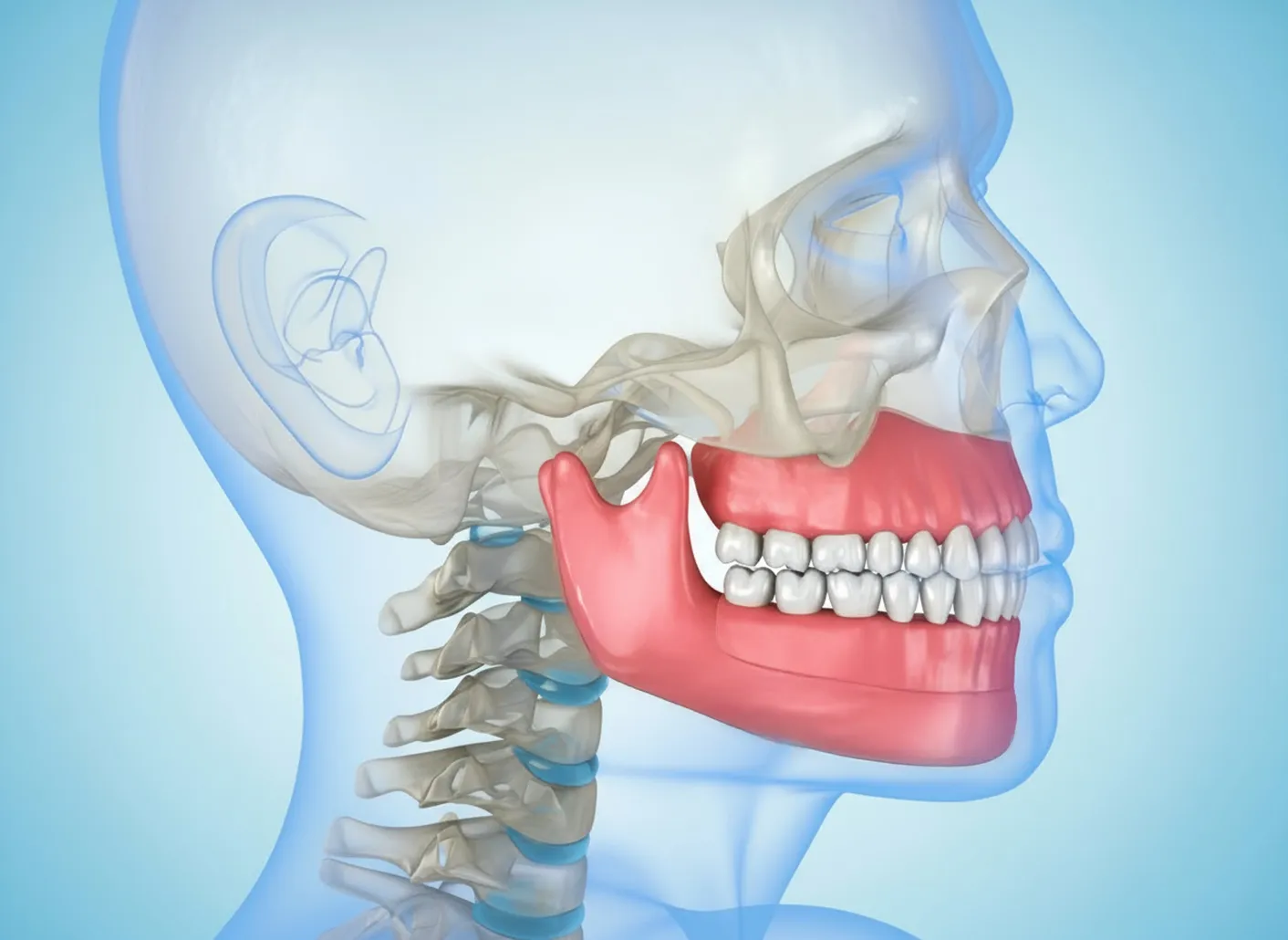
Jaw pain associated with a denture is a common problem affecting many patients. This pain can be triggered by various factors and is often accompanied by unpleasant associated symptoms. In this article, we look at the causes of...
Über 350 Google-Bewertungen

Causes of jaw pain caused by a denture
Pressure sores and friction: A poorly fitting denture can cause pressure sores on the jawbone and the surrounding soft tissues. Painful rubbing is not uncommon, particularly when you first start wearing a new denture. This is caused by uneven pressure exerted by the denture on the jaw. Denture fit: Another common cause of jaw pain is an inadequate fit between the denture and the jaw. If the denture is not optimally matched to the shape of the jaw, this can result in an incorrect bite and therefore pain. The loss of bone substance in the jaw can also affect the fit of the denture. Jawbone loss: Natural loss of jawbone often occurs after teeth are lost. A denture then exerts uneven pressure on the jaw, which can lead to irritation and pain. This can cause considerable discomfort, particularly after the denture has been worn for a long time without regular adjustments. Inflammation and infections: In rare cases, a denture can cause inflammation in the jaw area, especially if the denture is not cared for properly. Inadequate oral hygiene leads to deposits that encourage bacteria and can promote infections. These can cause severe pain and inflammation in the jaw. Incorrect use or irregular fit: A denture that is not regularly removed and cleaned can overstrain the jaw muscles. Incorrect use, such as chewing on one side or applying too much pressure to the denture, can also lead to pain. Lack of bite guidance: Inadequately adjusted dentures in particular can cause misalignment of the teeth, which places uneven strain on the jaw and therefore leads to pain. Denture adhesion: If food debris becomes trapped under the denture or its adhesive strength diminishes, this can lead to unpleasant friction and pain. This is particularly problematic if the denture is not cleaned regularly and thoroughly.
Solutions for jaw pain caused by dentures
Denture adjustment: The first step towards pain relief is regular adjustment of the denture by a dentist. This ensures that the denture fits correctly and does not place unnecessary strain on the jaw. In many cases, even a minor adjustment can significantly reduce discomfort. Use of pads or foam materials: If pressure sores occur, special pads or foam inserts can be used in the denture to distribute the pressure evenly. These are temporary solutions that increase comfort and relieve pain. Anti-inflammatory agents: For inflammatory symptoms, anti-inflammatory medicines or ointments can help relieve pain and promote healing. In more severe cases, the dentist may prescribe antibiotics if an infection is present. Jaw exercises and physiotherapy: In some cases, jaw exercises or physiotherapy can help relax the muscles and relieve the symptoms. This is particularly useful if the jaw is overstrained due to an incorrect bite. Regular cleaning and care: Good oral hygiene is essential to prevent inflammation and infections. Dentures should be cleaned and disinfected regularly to prevent deposits and bacteria. Alternative dental prosthetic solutions: In some cases, a denture may not be the best solution, especially if it regularly causes discomfort. Dental implants or other fixed solutions offer a more stable and comfortable alternative, as they are anchored directly in the jaw and do not press on the jawbone. Use of denture adhesive creams: If the denture does not fit ideally, a special adhesive cream can help secure it firmly in the mouth and thus minimise pain caused by friction. Dental prostheses in the form of bridges or implants: In severe cases where the denture regularly causes discomfort, bridges or implants can offer a permanent solution to relieve strain on the jaw in the long term.
Your dental practice in Berlin – locations
Our dental practices in Berlin are located in Reinickendorf, Schöneberg, Friedrichstraße and Charlottenburg. We offer you high-quality treatments and modern technology. Make an appointment with a dentist now, online or by telephone, for a radiant smile.
General dentistry and surgery
Reinickendorf
Zahnarzt & Implantate
Gotthardstr. 27, 13407 Berlin Tel.: 030 / 495 20 10[email protected]Mo-Do: 08:00–20:00 Fr: 08:00–14:00
Mehr erfahrenSchöneberg
Zahnarzt & Implantate
Bayerischer Platz 7, 10779 Berlin Tel.: 030 / 854 44 83[email protected]Mo-Do: 08:00–20:00 Fr: 08:00–14:00
Mehr erfahrenFriedrichstraße
Zahnarzt & Implantate
Friedrichstraße 147, 10117 Berlin Tel.: 030 / 959 990 644[email protected]Mo-Do: 09:00–18:00 Fr: 09:00–14:00
Mehr erfahrenCharlottenburg
Zahnarzt & Implantate
Savignyplatz 5, 10623 Berlin Tel.: 030 / 233 290 390[email protected]Mo-Do: 09:00–18:00 Fr: 09:00–13:00
Mehr erfahrenOrthodontics and paediatric dentistry
Reinickendorf
Kieferorthopädie & Kinderzahnmedizin
Gotthardstr. 27, 13407 Berlin Tel.: 030 / 495 20 10Mo-Do: 08:00–20:00 Fr: 08:00–14:00
Mehr erfahrenSchöneberg
Kieferorthopädie & Kinderzahnmedizin
Bayerischer Platz 7, 10779 Berlin Tel.: 030 / 854 44 83Mo-Do: 08:00–20:00 Fr: 08:00–14:00
Mehr erfahren10 frequently asked questions (FAQs) about jaw pain caused by dentures
Jaw pain can be caused by a poorly fitting denture, pressure sores or an inadequate fit between the denture and the jaw.
Make sure your denture is adjusted regularly so that the pressure is distributed evenly across the jaw.
Regular cleaning of the denture and consistent oral hygiene help prevent inflammation and infections.
In some cases, the pain disappears over time if the denture is well adjusted and regularly cared for.
If your denture repeatedly causes pain, dental implants or another dental restoration solution may be a better option.
If the pain lasts longer than a few days or gets worse, you should see a dentist.
Yes, regular readjustments by a dentist can help improve the fit and reduce pain.
It is recommended that you clean your denture daily to prevent deposits and bacteria.
A good fit provided by a dentist and, if necessary, adhesive cream can help prevent the denture from slipping.
In this case, you should ask about alternatives such as dental implants or consider using padding and special cleaning solutions.