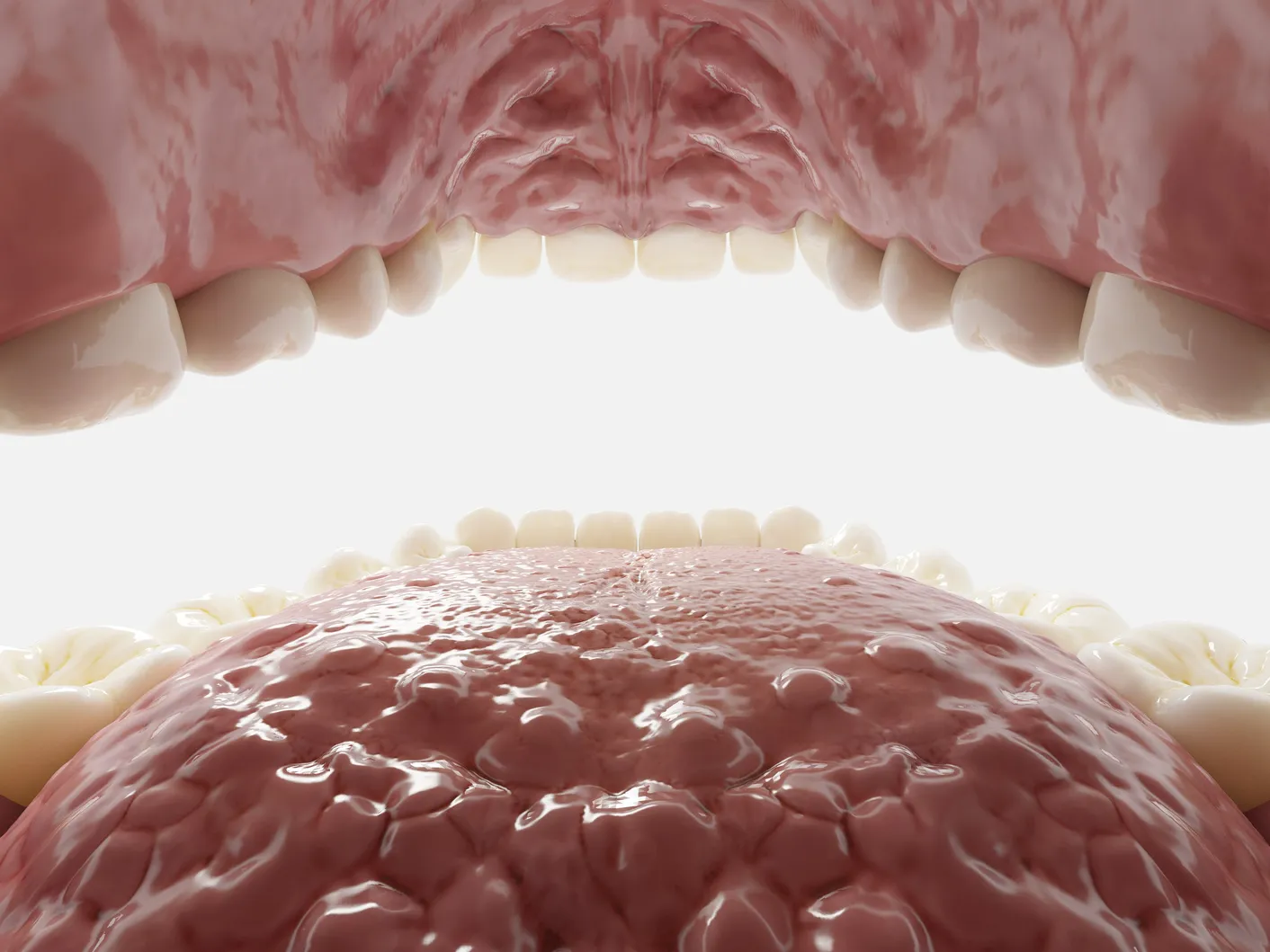
Maxillary sinus: function, inflammation and toothache
The maxillary sinus is an important paranasal sinus in the body. It is located in the upper jaw, directly below the eyes. The maxillary sinus helps to reduce the weight of the skull and improves ventilation of the airways. However, when the maxillary sinus is inflamed, this can lead to...
Über 350 Google-Bewertungen

What is the maxillary sinus?
The maxillary sinus is one of the paranasal sinuses. It is an air-filled cavity in the upper jawbone. The maxillary sinus helps to reduce the weight of the skull and humidify the air. It is connected to the nasal cavity and produces mucus to filter out pathogens.

Function of the maxillary sinus
The maxillary sinus has several functions. It makes breathing easier by improving airflow in the nasal area. It also helps to reduce the weight of the skull. The maxillary sinus is also important for vocal resonance.

Inflammation of the maxillary sinus (sinusitis)
Inflammation of the maxillary sinus is called sinusitis. It can be caused by viruses or bacteria. The inflammation causes the mucous membranes to swell and blocks ventilation of the maxillary sinus. The most common symptoms include toothache, headaches and facial pain, as well as a blocked nose.

Toothache caused by maxillary sinusitis
Toothache caused by inflammation of the maxillary sinus often occurs in the upper molars. The roots of these teeth are close to the maxillary sinus. When this sinus is inflamed, pressure on the tooth roots causes pain. The pain is often dull and can spread to several teeth.
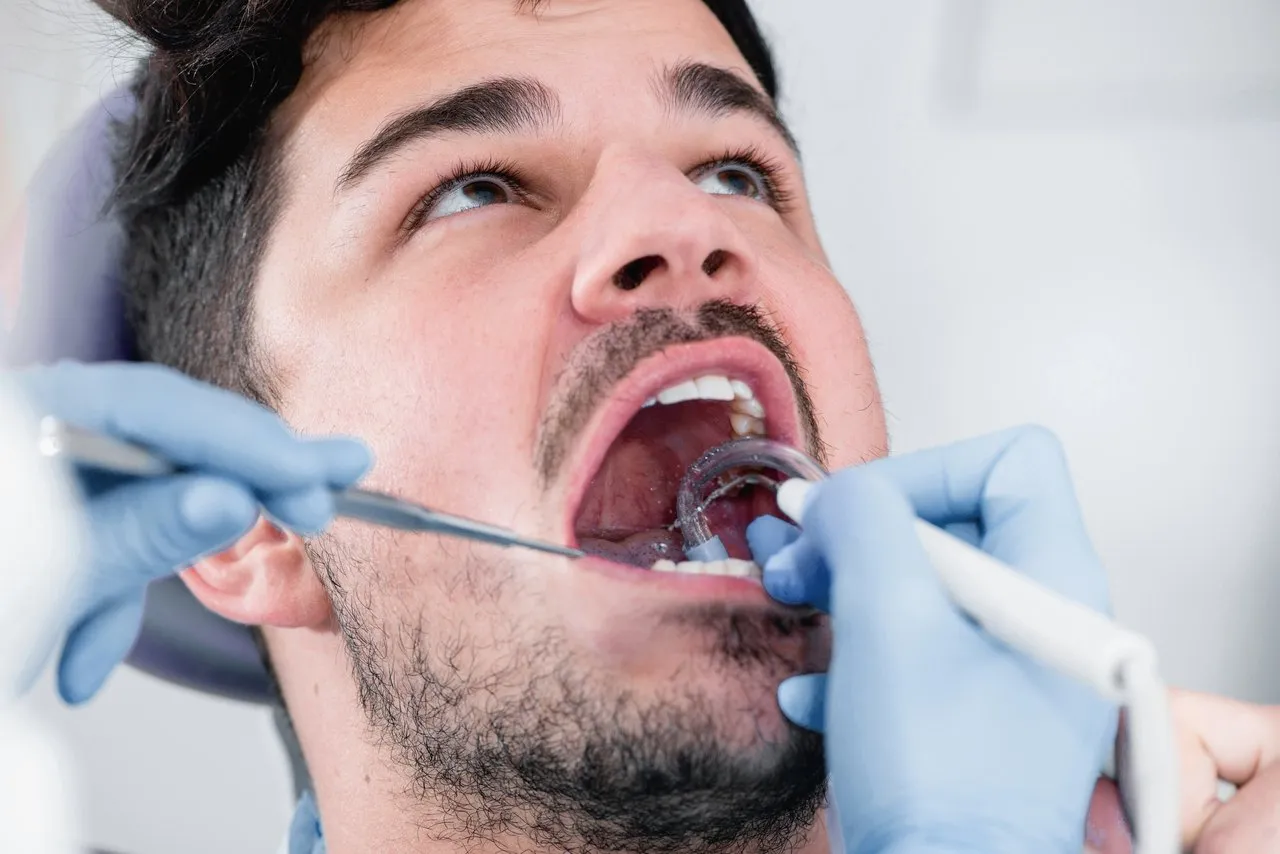
Symptoms of maxillary sinusitis
The symptoms of inflammation of the maxillary sinus are: • Toothache, especially in the upper molars • Facial swelling • Headaches • Tenderness to pressure in the jaw area • Blocked nose and fever The symptoms are similar to those of a cold or sinusitis, which is why an accurate diagnosis is important.

Treatment options for maxillary sinusitis
Treatment for inflammation of the maxillary sinus depends on the cause. If bacteria cause the inflammation, antibiotics are prescribed. For viral inflammation, symptomatic treatment with painkillers and decongestant nasal sprays usually helps. In severe cases, surgery may be necessary.

Prevention and good oral hygiene
Good oral hygiene helps to prevent dental diseases that could trigger inflammation of the maxillary sinus. Regular toothbrushing and cleaning between the teeth are crucial for preventing inflammation and infections. Dental appointments are also important for detecting problems early.

When to see a dentist?
It is advisable to see a dentist if toothache persists after a cold or sinusitis, or becomes particularly severe. If symptoms such as fever, facial swelling or a blocked nose also occur, you should also see a doctor to rule out inflammation of the maxillary sinus.
Conclusion
The maxillary sinus has many important functions, but when it is inflamed, this can lead to unpleasant toothache. Early diagnosis and treatment are important to relieve the inflammation and prevent damage to the teeth. Good oral hygiene and regular dental appointments help to prevent these problems.
Frequently asked questions about the maxillary sinus
The maxillary sinus is one of the paranasal sinuses and is located in the upper jaw. It helps to reduce the weight of the skull and improve airflow.
The roots of the upper molars are close to the maxillary sinus. When it is inflamed, pressure on the teeth can cause pain.
Toothache caused by inflammation of the maxillary sinus often affects several teeth in the upper jaw and gets worse when bending over or lying down.
Painkillers and decongestant nasal sprays can help to relieve the symptoms. A dental appointment is necessary to determine the exact cause.
In rare cases, toothache can also occur in the lower jaw if the inflammation spreads.
If the toothache lasts longer than a week or is very severe, you should consult a dentist.
Treatment includes painkillers, nasal sprays, antibiotics (for bacterial infections) and sometimes surgery.
Home remedies such as steam inhalation and nasal irrigation can help, but medical treatment is often necessary.
Viral inflammation usually takes a few days to a week to heal. Bacterial infections often require longer treatment with antibiotics.
Acute inflammation of the maxillary sinus usually heals without lasting consequences. In rare cases, the inflammation can spread to neighbouring areas such as the eyes or brain. Prompt medical help is required in the event of a high fever, swelling around the eyes, severe facial pain, sensitivity to light or a stiff neck.