Mesiodens: causes, symptoms and treatment
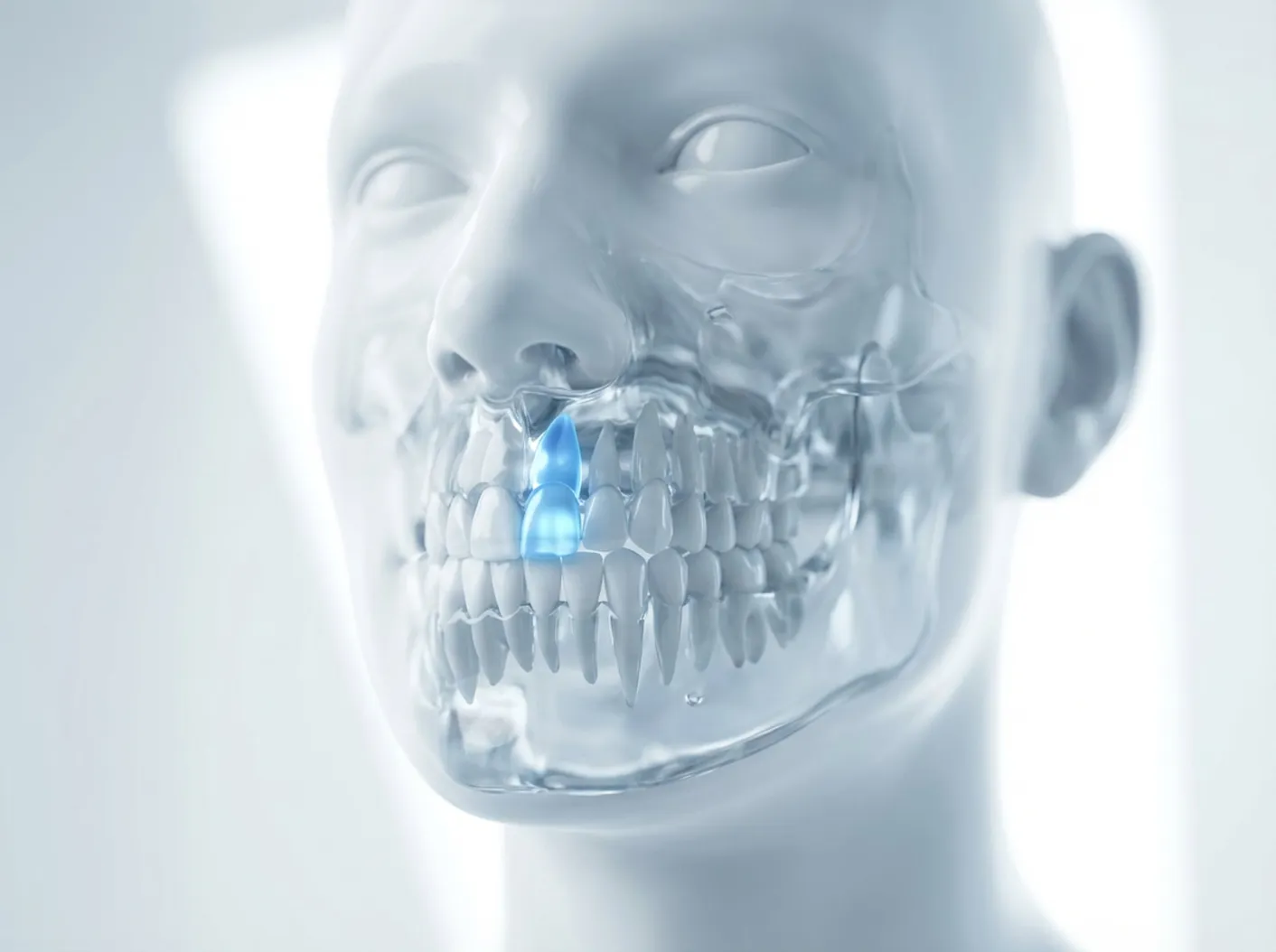
A mesiodens is an extra tooth in the front teeth region. It is usually located between the upper central incisors. This finding is often worrying for parents. At the Wunschlachen dental practice in Berlin, we mainly see mesiodens in children. The extra tooth is often noticed during...
Über 350 Google-Bewertungen
What is a mesiodens?
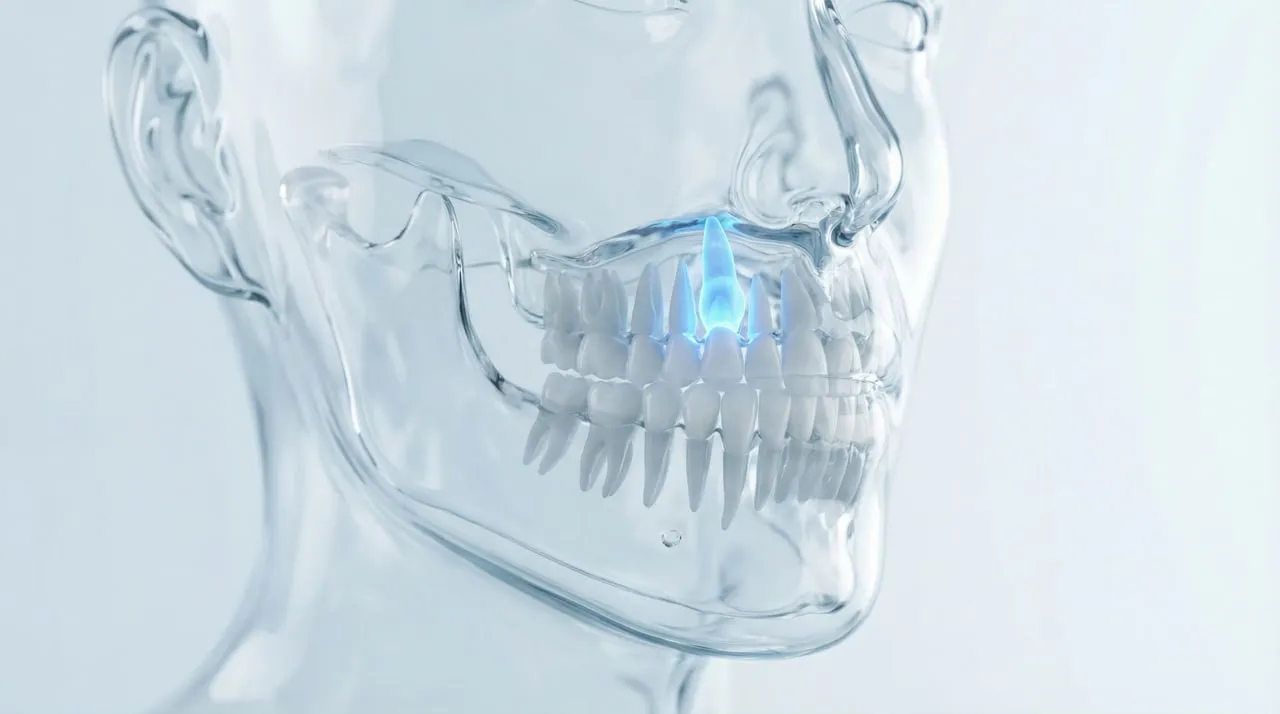
The term mesiodens describes an extra tooth in the upper jaw. It is located in the centre, directly in the incisor region. Specialists refer to it as a supernumerary tooth. A mesiodens tooth may be completely normal in shape. However, it is often smaller or peg-shaped. Sometimes it remains completely hidden within the jawbone.
What symptoms does a mesiodens cause?
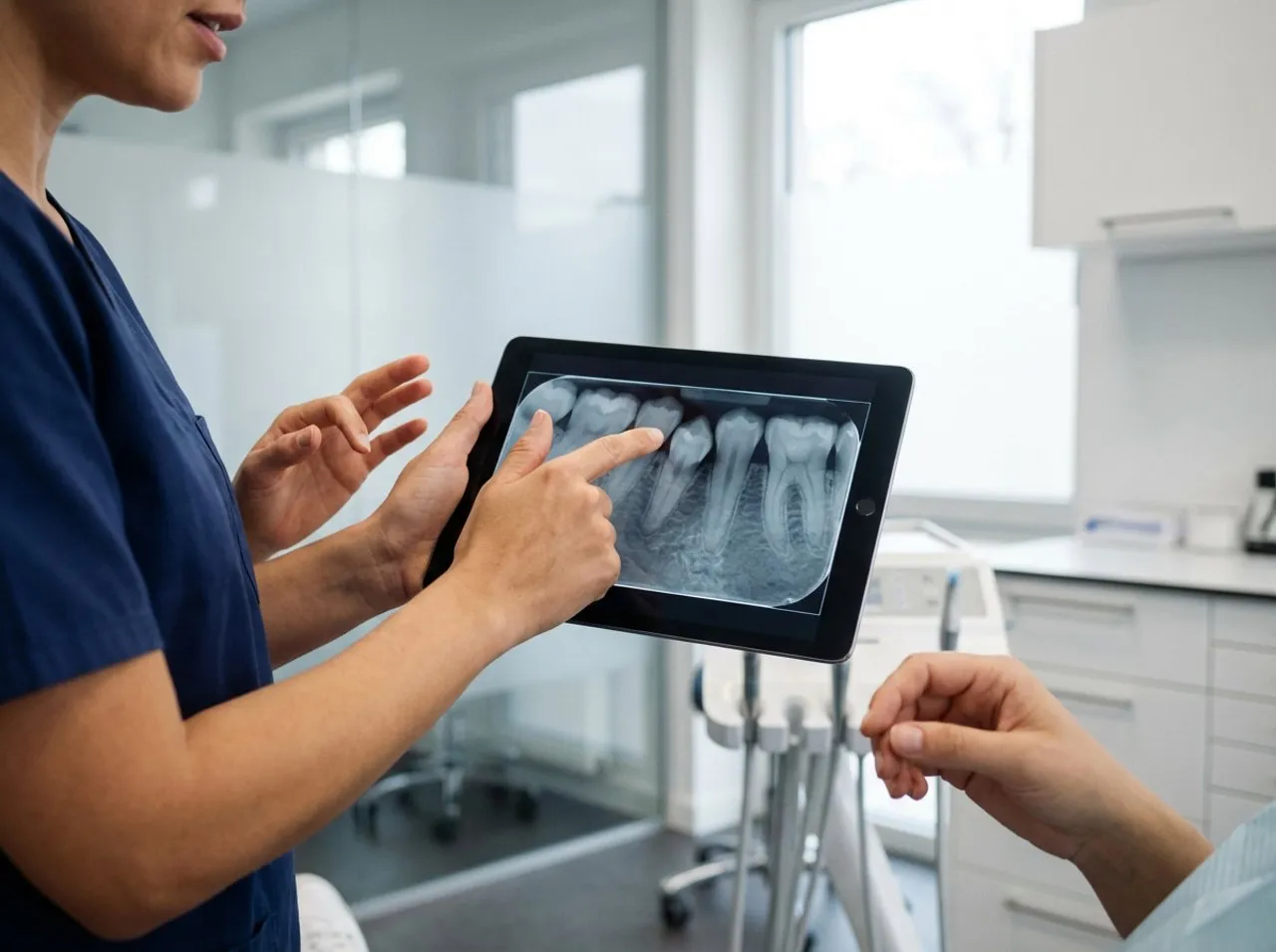
A mesiodens does not always cause symptoms. Many cases of mesiodens are discovered by chance on an X-ray. Nevertheless, the extra tooth can cause problems. A typical sign is an excessive gap between the incisors. This creates a visible gap in the centre, known as a diastema. The mesiodens can displace the normal incisors, making the teeth appear rotated or displaced. In some cases, a permanent tooth remains entirely within the jaw.
Mesiodens in children
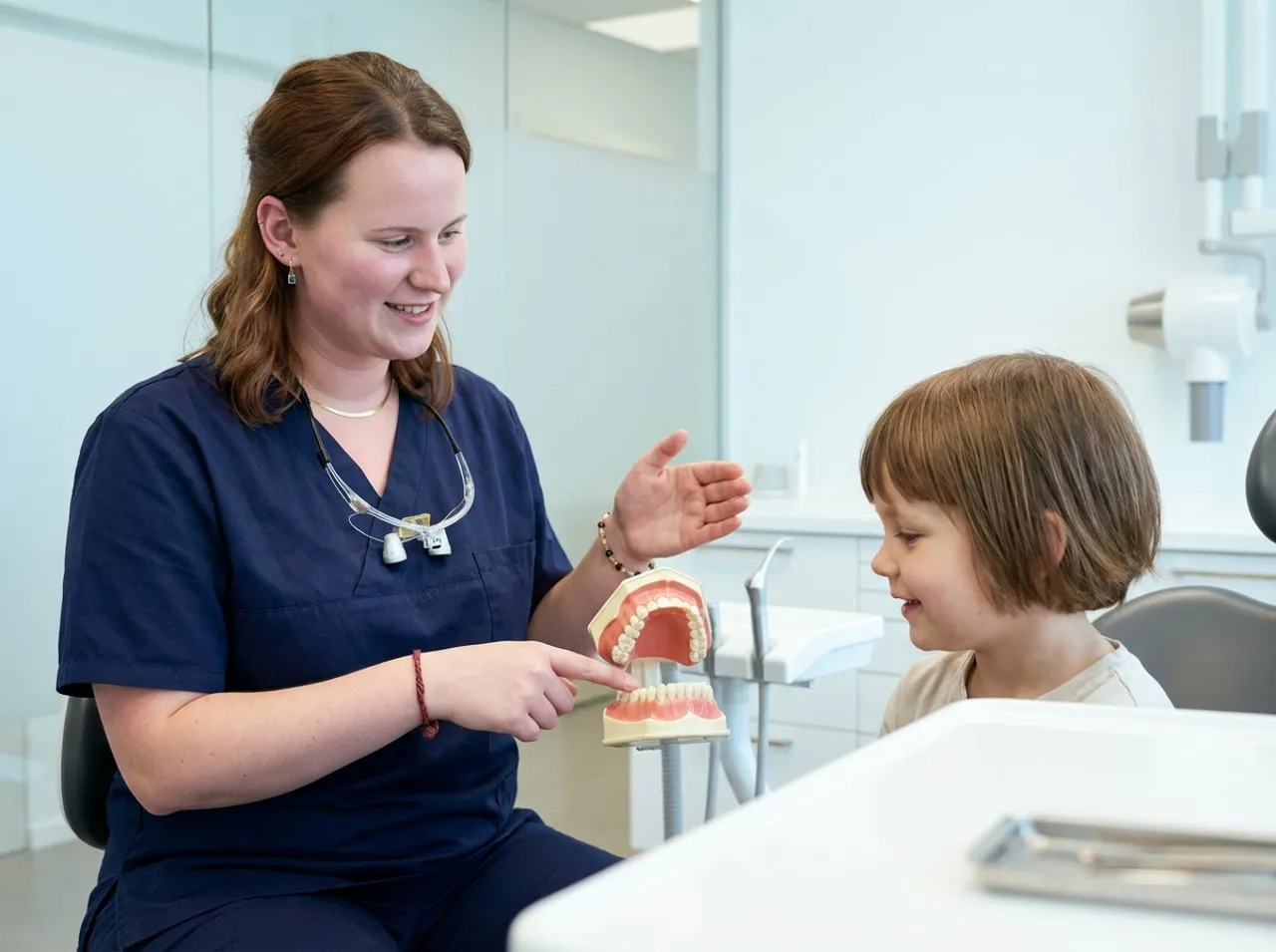
Mesiodens is particularly common in children. It is usually detected during the transition from baby teeth to permanent teeth. Parents then notice irregularities in the front teeth region. Searches for ‘mesiodens child’ almost always concern situations like these. The extra tooth interferes with the natural eruption of the incisors. This can throw the entire dental arch out of balance. The earlier a mesiodens is detected, the simpler the treatment. That is why regular dental check-ups are so important. At our practice, we examine the transition to permanent teeth very closely.

Causes and risks of an extra tooth
The exact cause of mesiodens is not fully understood. Hereditary factors are thought to play a major role. Supernumerary teeth often occur more frequently in certain families. If a mesiodens is left untreated, various consequences are possible. Crowding and misalignment of the front teeth may occur. Jaw development may be adversely affected.
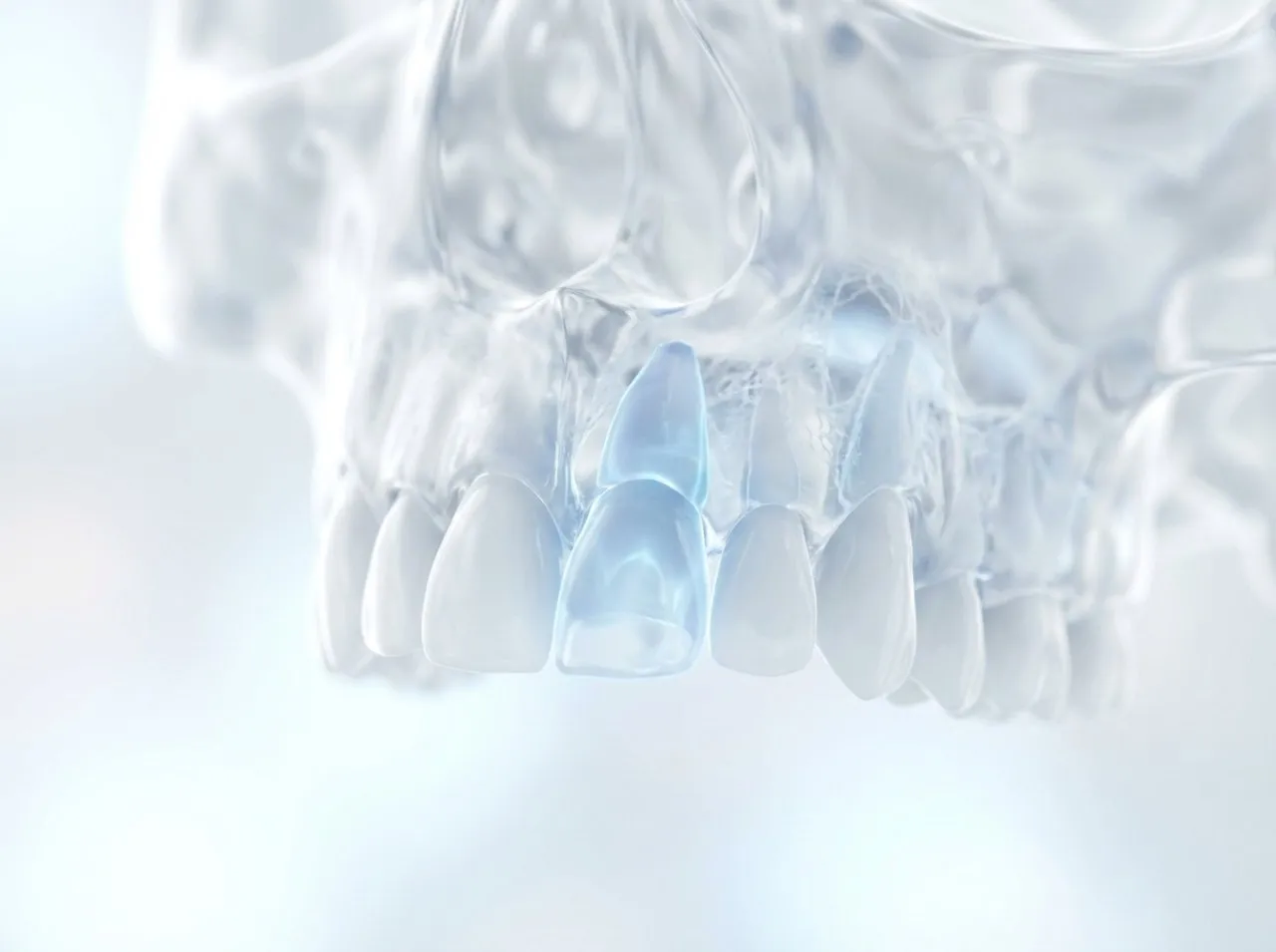
Treat a mesiodens or wait?
Not every mesiodens has to be removed immediately. The decisive factors are its position, shape and effect on neighbouring teeth. The child's age also plays an important role. If the mesiodens is not causing any problems, it can be monitored for the time being. We check its development regularly during this period. As soon as problems become apparent, we recommend removal. If the extra tooth is blocking the eruption of the incisors, we tend to recommend early surgery. This helps prevent misalignment later on. Extensive orthodontic correction can often be reduced as a result.
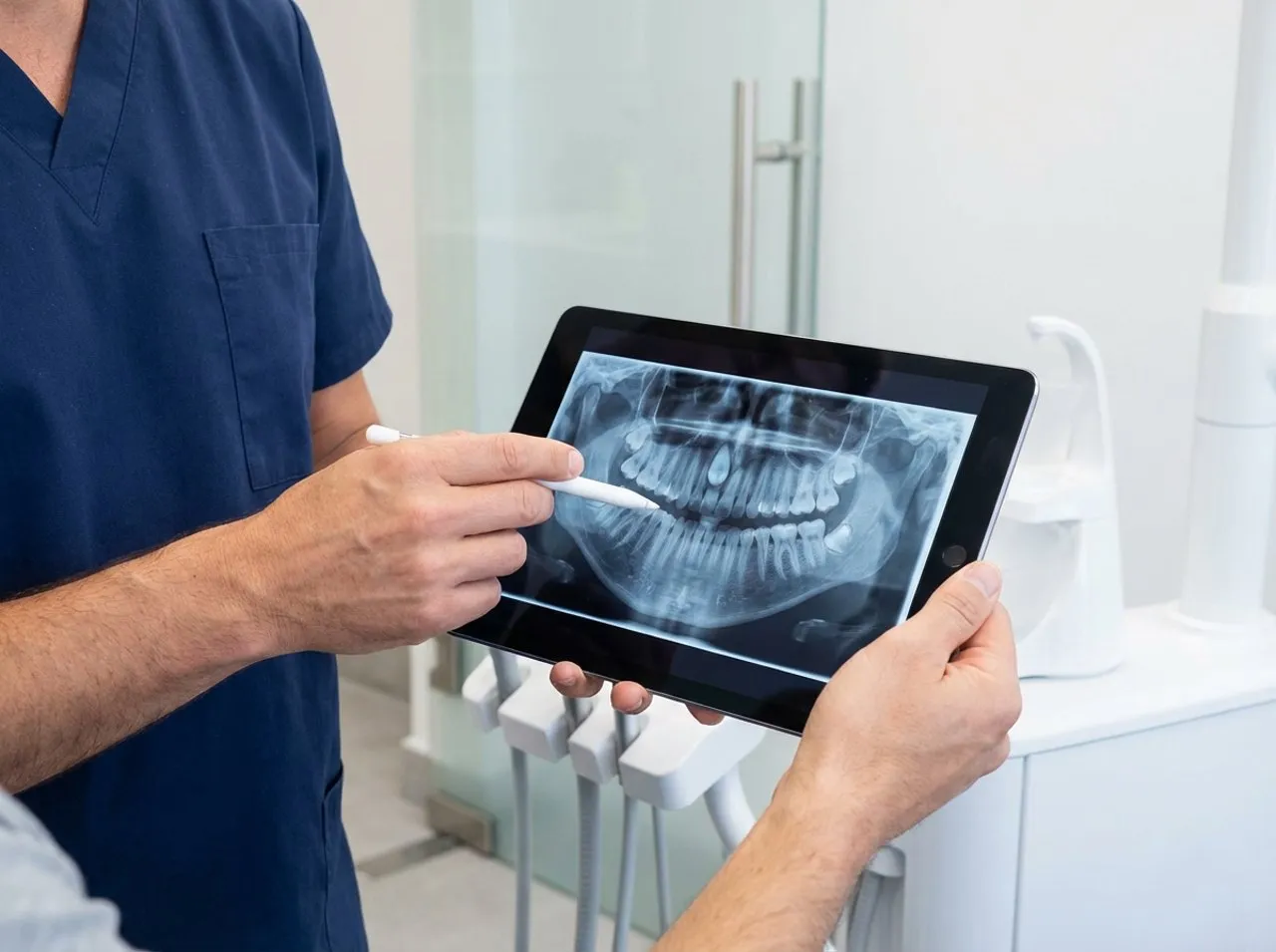
What happens during mesiodens surgery
Removal is usually performed under local anaesthetic. Additional sedation is available on request. We expose the mesiodens through a small opening. The extra tooth is then gently removed. We then suture the wound carefully. The procedure is generally short. Children can usually go home the same day. We explain to parents exactly what they need to look out for.
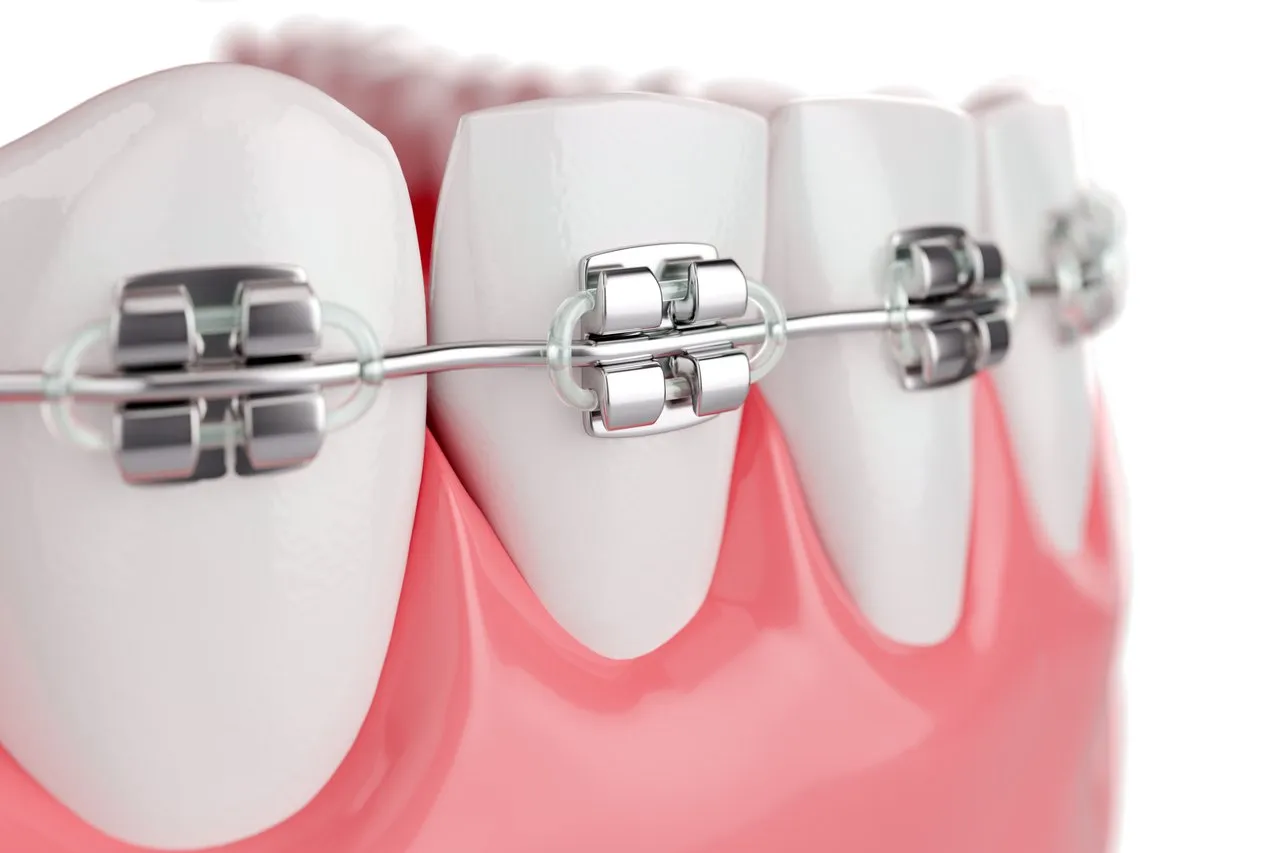
Mesiodens and braces
Orthodontic treatment often follows removal of a mesiodens. This is especially true if the front teeth have already shifted. Braces realign the teeth correctly. In many cases, early intervention enables us to avoid extensive orthodontic treatment. The less the mesiodens has altered the position of the teeth, the simpler the correction. This is why the timing of treatment is so crucial. At Wunschlachen, we work closely with orthodontists. This results in a coordinated treatment plan. Your child receives comprehensive care.
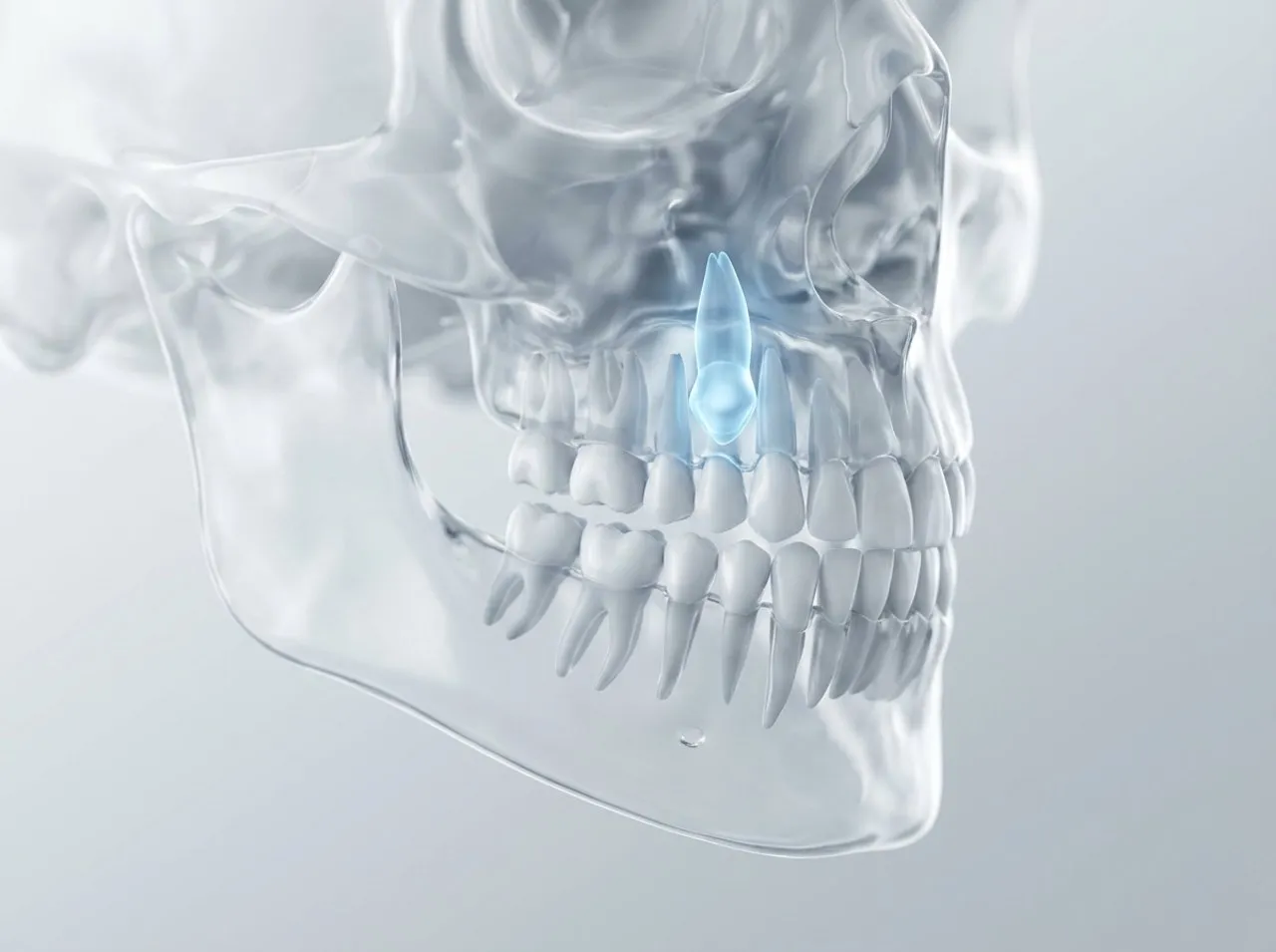
Conclusion: Act early to prevent long-term damage
A mesiodens is a common extra tooth in the front of the mouth. It mainly affects children whose baby teeth are being replaced by permanent teeth. Left untreated, it can significantly disrupt jaw development. Modern diagnostics allow a mesiodens to be detected reliably. Targeted removal protects the permanent teeth. Early treatment often avoids lengthy and complex therapies. At the Wunschlachen dental practice in Berlin, we provide comprehensive support. We explain every step clearly and in a child-friendly way. This helps keep your child's smile healthy in the long term.
Mesiodens FAQs
A mesiodens is a supernumerary tooth in the front teeth region. It is usually located between the upper incisors.
A gap or displacement of the incisors is often noticeable. However, only an X-ray provides a definitive diagnosis.
It is not directly life-threatening. However, if left untreated, it can cause misalignment and other problems.
No, not in every case. The decisive factors are symptoms, position and effect on the neighbouring teeth.
Treatment often takes place in the early school years. In other words, during the phase when the permanent incisors erupt.
The procedure is performed under local anaesthetic. Your child usually feels only pressure, but very little pain.
Initial wound healing takes around one to two weeks. Complete stabilisation takes a little longer.
Not in every case, but often. The orthodontist makes the decision after removal.
Usually yes, provided there is a medical necessity. We are happy to clarify this with you in advance.
The first point of contact is your dentist or paediatric dentist. At our Wunschlachen practice, we assess the findings comprehensively.