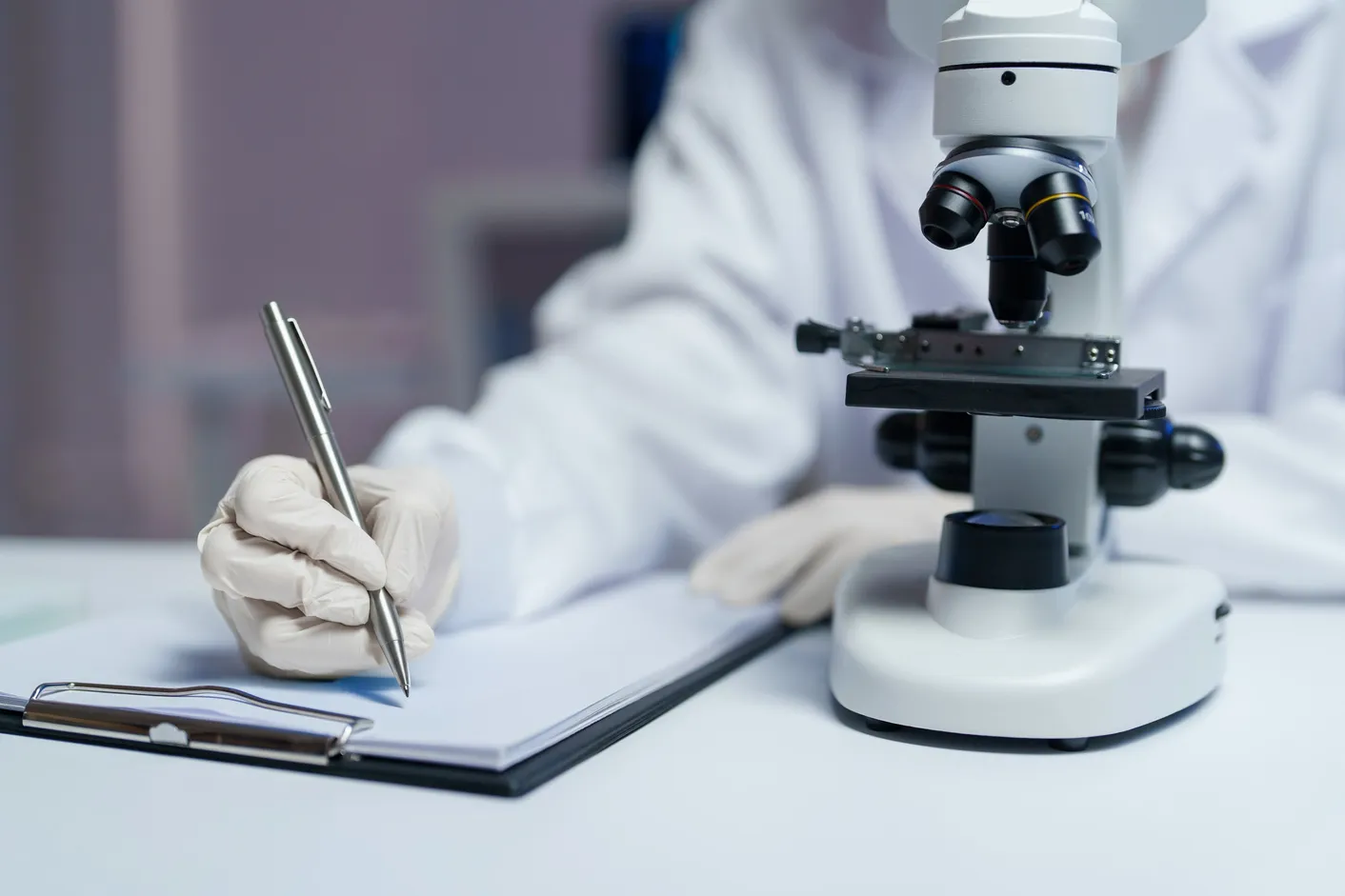
Pathology in dentistry: why it is so important
Pathology is a core medical discipline. It deals with the causes, mechanisms and effects of diseases. The discipline is also known as the study of disease. Pathology also plays an important role in dentistry. It helps,...
Über 350 Google-Bewertungen
What exactly is pathology?
Pathology is the science of abnormal changes in the body. It examines both the causes and the processes that lead to diseases. This science explains why and how diseases develop and how they appear in tissue. In dentistry, this concerns all structures in the mouth and jaw area: teeth, gums, oral mucosa, jawbone and salivary glands.

The importance of pathology in dentistry
The importance of pathology in dentistry The importance of this discipline for dentists lies in the precise analysis of abnormalities. It must be clear whether a change is harmless or a serious disease. Only then can appropriate treatment be provided. The study of disease can help to answer the following questions, among others: • Is a change to the mucous membrane an inflammation or a precursor to cancer? • Is a swelling in the jaw a cyst, a tumour or another disease? • What causes a bone defect in the jaw area?
Pathological conditions in the mouth
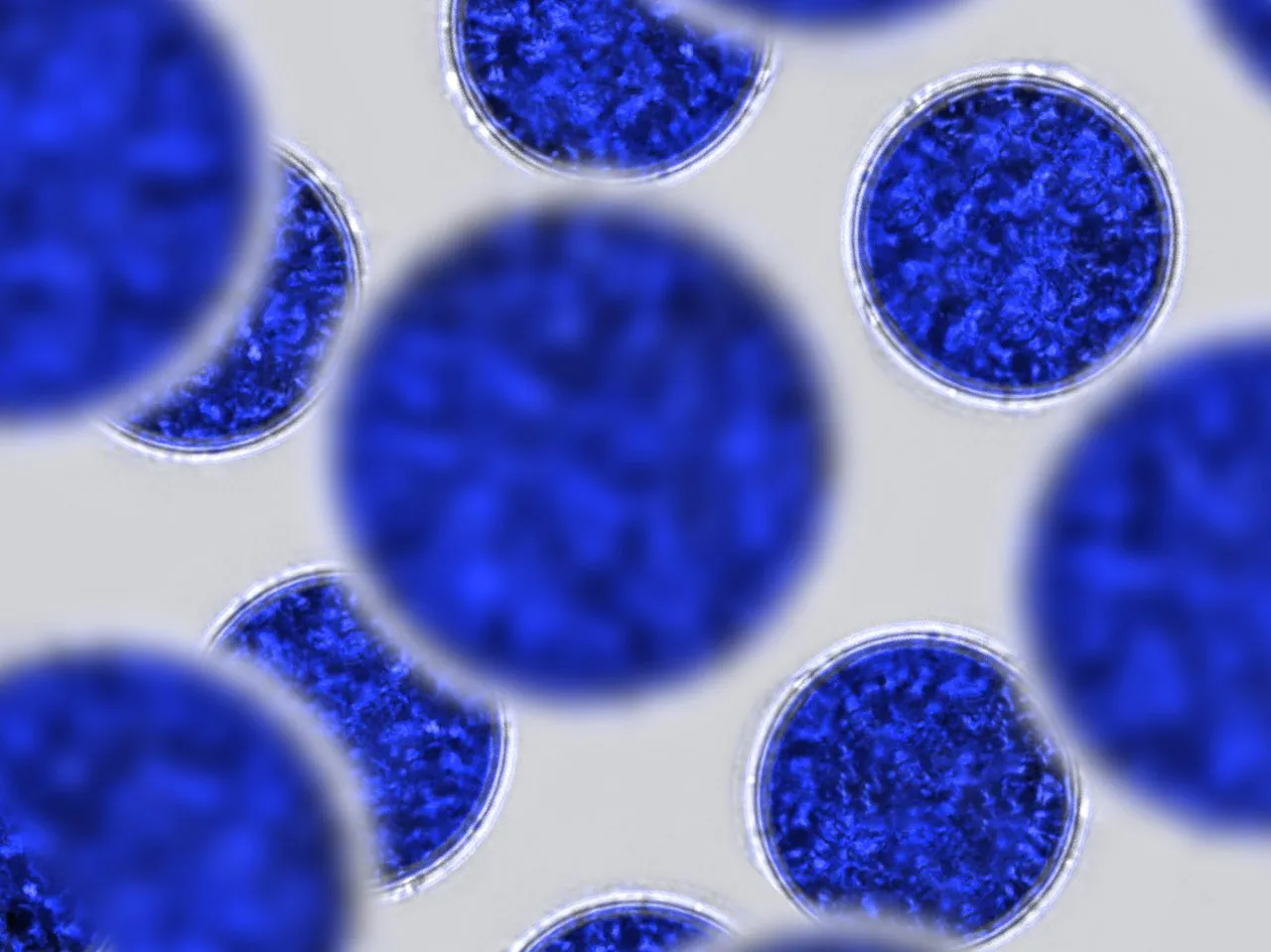
The term ‘pathologies’ refers to the full range of abnormal changes. In dentistry, these can take many different forms: • Inflammatory pathologies: e.g. periodontitis, pulpitis or abscesses • Degenerative pathologies: e.g. temporomandibular joint disorders, bone loss • Tumour-related pathologies: both benign and malignant tumours in the oral cavity or jaw • Developmental pathologies: malformations of the teeth or jaw • Infectious pathologies: diseases caused by viruses, bacteria or fungi
The early detection of these changes is crucial to ensure that effective treatment can be initiated in good time.
Is a pathologist a doctor?
The question ‘what is a pathologist?’ is often asked when patients are not exactly sure what this specialist does. It usually refers to a specialist in pathology.
This doctor specialises in examining tissue samples (biopsies) under the microscope. Based on even the smallest changes in tissue, such a specialist can determine whether a disease is present. They can also identify what type of disease it is. In dentistry, this means that if a dentist discovers a suspicious change, they will take a small tissue sample. This tissue sample is then examined by a pathologist. This makes it possible to determine reliably whether the change is harmless or requires treatment.

Collaboration between dentist and pathologist
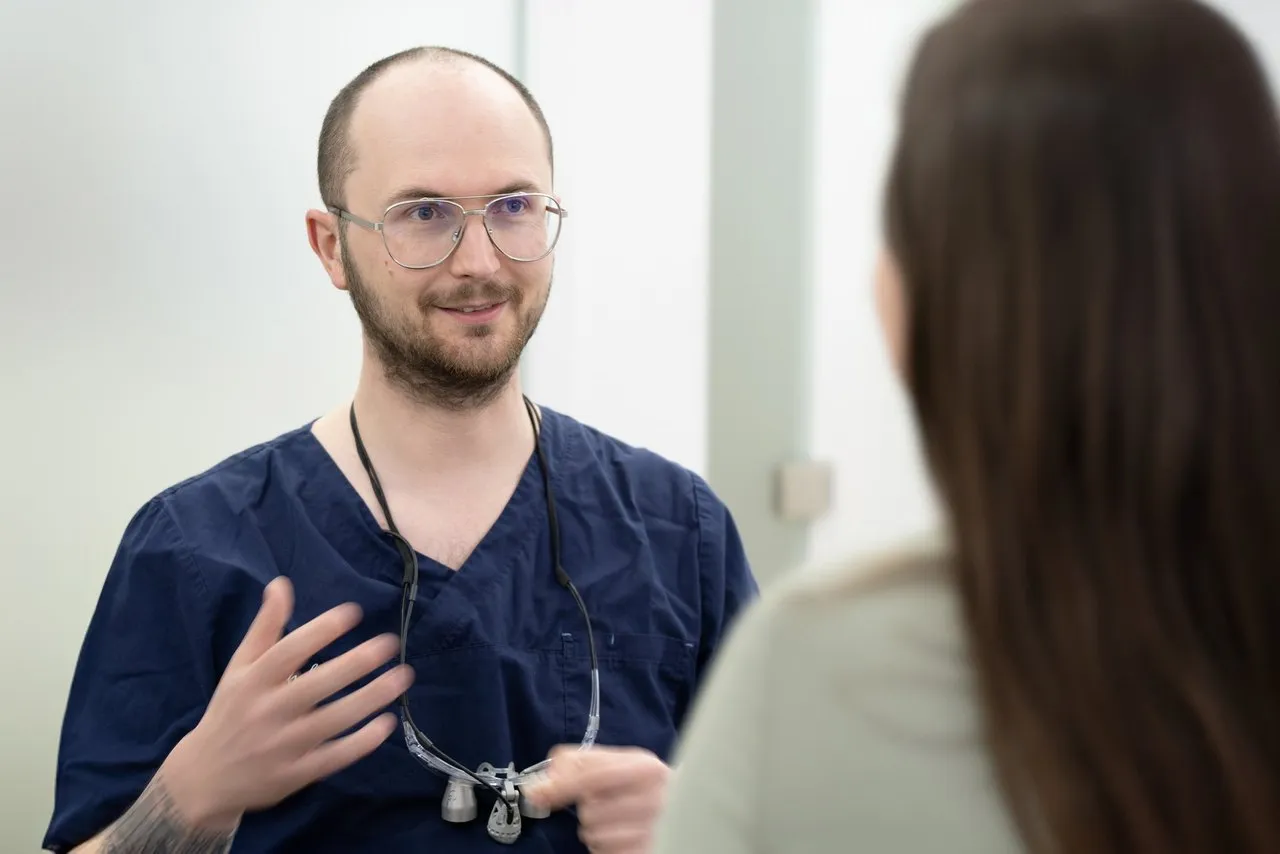
Close collaboration between dentist and pathologist ensures a precise diagnosis. The dentist identifies clinically visible changes, while the pathologist assesses them at a cellular level. This combination provides a high degree of diagnostic certainty. This is a crucial factor for successful treatment.

Examples of typical pathological findings
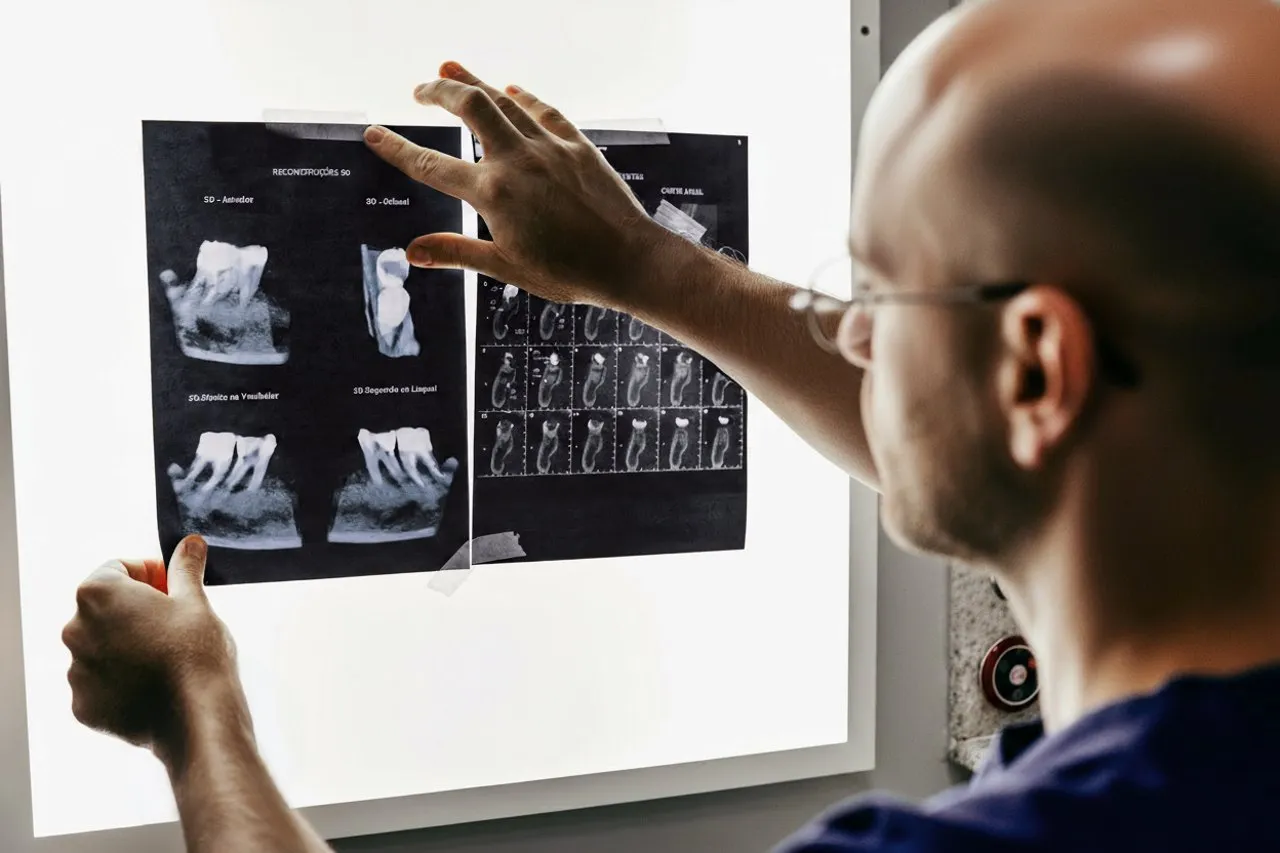
A few examples illustrate the importance of the study of disease in dentistry: • White patches on the oral mucosa: these can be harmless, but can also indicate precursors to cancer. Only a pathological examination can provide certainty. • Jaw cysts: these are often discovered by chance on an X-ray. The study of disease determines the type of cyst. • Tumours: both benign and malignant changes must be classified by the pathologist. • Bone diseases: in cases of bone loss or unusual changes to the jawbone, the study of disease provides important insights.

Conclusion: pathology as an indispensable part of dentistry
The importance of this discipline in dentistry is enormous. It ensures reliable diagnoses and provides the basis for effective treatments. This science is indispensable for health in the mouth and jaw area.
FAQs about pathology in dentistry
It is the science of abnormal changes in the body and their causes.
It examines changes to the teeth, gums, mucous membrane and jaw in order to detect diseases.
In everyday language, this usually refers to a specialist in pathology who examines tissue samples.
They analyse tissue samples under a microscope to diagnose diseases such as inflammation, cysts or tumours.
Because many diseases must be detected early so that they can be treated in good time.
Examples include inflammation, tumours, cysts, bone changes and malformations.
Often through visible abnormalities in the mouth or through X-rays. They are reliably confirmed by a tissue examination.
No, only a small tissue sample is taken, usually under local anaesthetic.
No, many changes are harmless. However, it is crucial to determine early on whether a serious disease is present.
Whenever unusual changes appear in the mouth that persist for more than two weeks.