New crown: bite not right – causes and help
A new dental crown should feel unobtrusive. Sometimes, however, the occlusion is not right straight away. The tooth then feels “too high” or “crooked” when you bite down. Immediately after treatment, this sensation is often distorted. The anaesthetic changes pressure and sensation in the jaw. Irritated...
Über 350 Google-Bewertungen
Typical signs: when to pay attention
Pain when chewing is one warning sign. Many people feel a hard initial contact at one point. This can feel like a small “bump”. A feeling of pressure in the treated tooth is also common. Some people notice new sensitivity to cold or heat. Headaches or tension in the jaw occasionally occur. If you grind your teeth at night, the symptoms often get worse. The chewing muscles and temporomandibular joint then react more quickly. The risk of overloading increases.
Common causes when your bite is not right
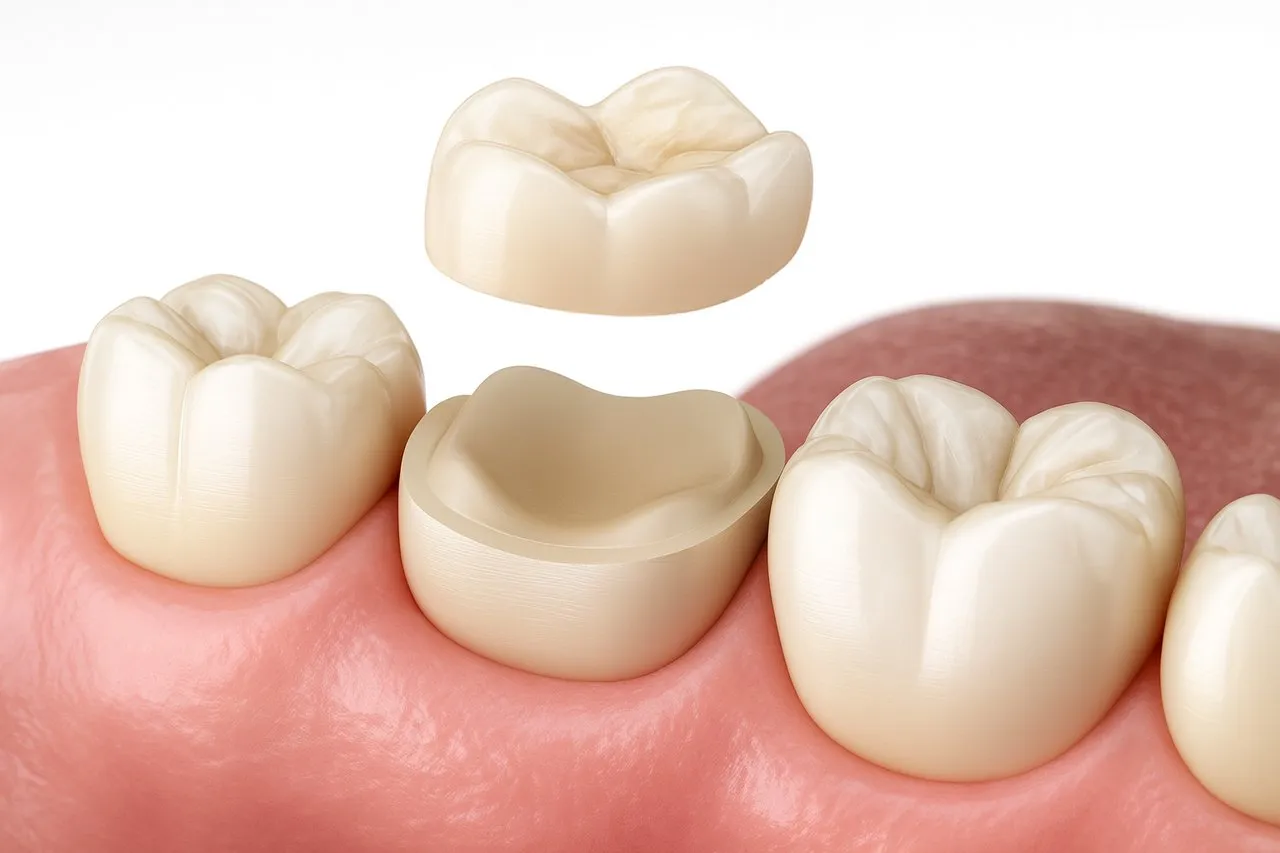
The most common cause is a crown that is too high. Even a few tenths of a millimetre can cause problems. The opposing tooth is then subjected to too much load. Contact points with neighbouring teeth can also be incorrectly positioned. Dental floss may then catch or food may constantly get stuck. Both can indirectly alter your bite. Sometimes the overall bite height has changed. This is more likely with several crowns or bridges. Temporary crowns can also affect your perception. Rarely, there is inflammation of the dental nerve. The tooth then reacts strongly to pressure. The crown is not necessarily “wrong”; the tooth is irritated.
What are the consequences of a crown that is “too high”?
An incorrect bite can overload the tooth. This causes pain in the structures supporting the tooth. In some cases, the crown's attachment may loosen. Cracks in the tooth enamel are also possible. Existing fillings may chip. This applies particularly when you clench your teeth hard. The temporomandibular joint can be subjected to incorrect loading. This leads to clicking, fatigue or restricted mouth opening. Some people affected report pressure in the ear.
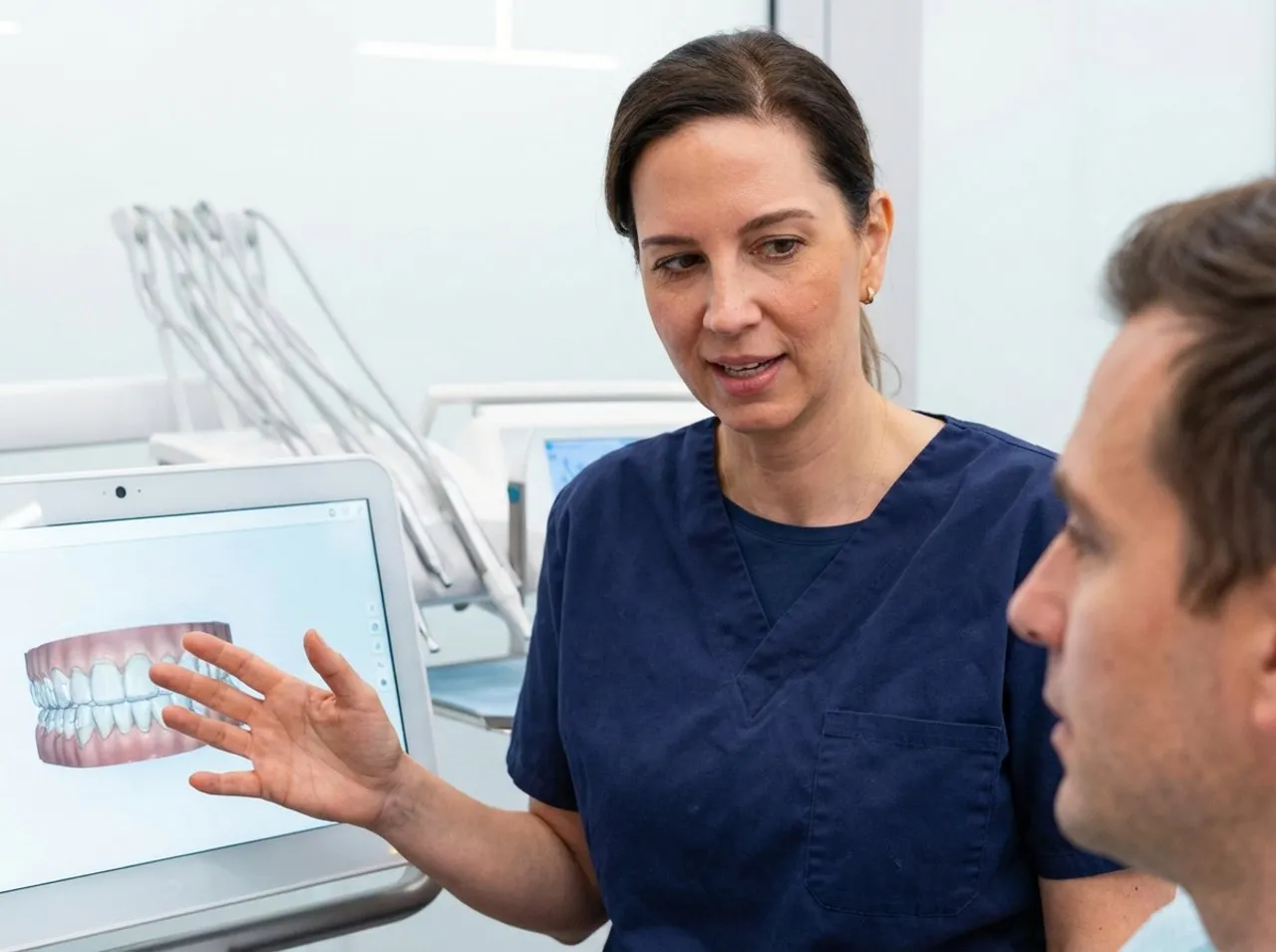
What you can do yourself straight away
Chew on the other side for now. Choose soft foods and avoid hard crusts. This reduces the pressure on the new crown. Cooling can help with irritated gums. Painkillers can provide short-term relief; follow the packet instructions. Avoid alcohol if the tissue is sensitive. Never file your crown yourself. Sandpaper is not a solution either. This creates edges and new problems.

When should you see a dentist?
If your bite feels “high” straight away, come in soon. A small adjustment is often quick to carry out. The sooner, the better for the tooth and joint. If you have severe pain or throbbing, come in on the same day. Numbness, severe swelling or fever are also warning signs. Inflammation must then be ruled out. If symptoms last longer than two to three days, we will check them. This also applies to recurring headaches. A follow-up check is part of safe care.
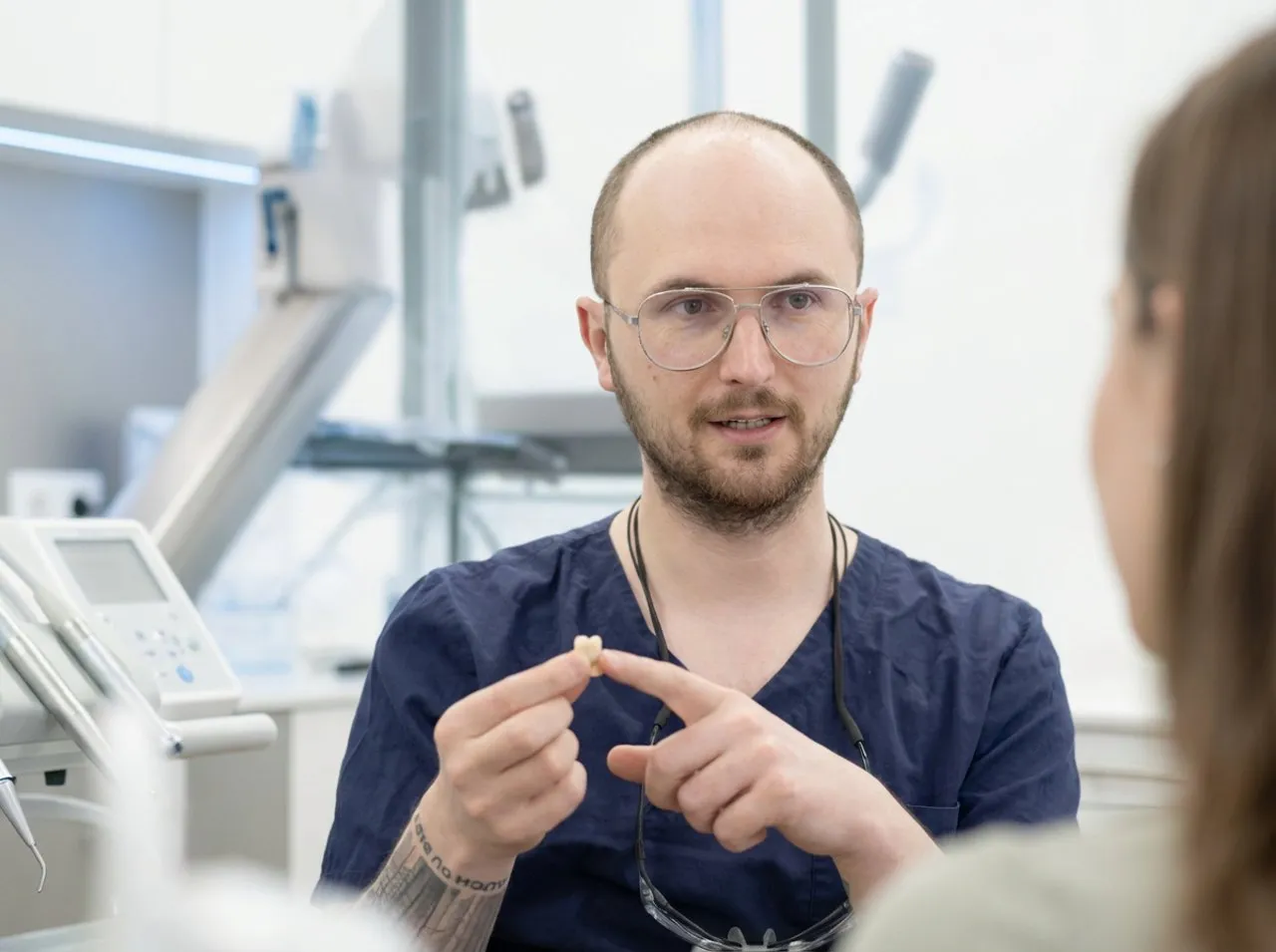
How your bite is professionally adjusted
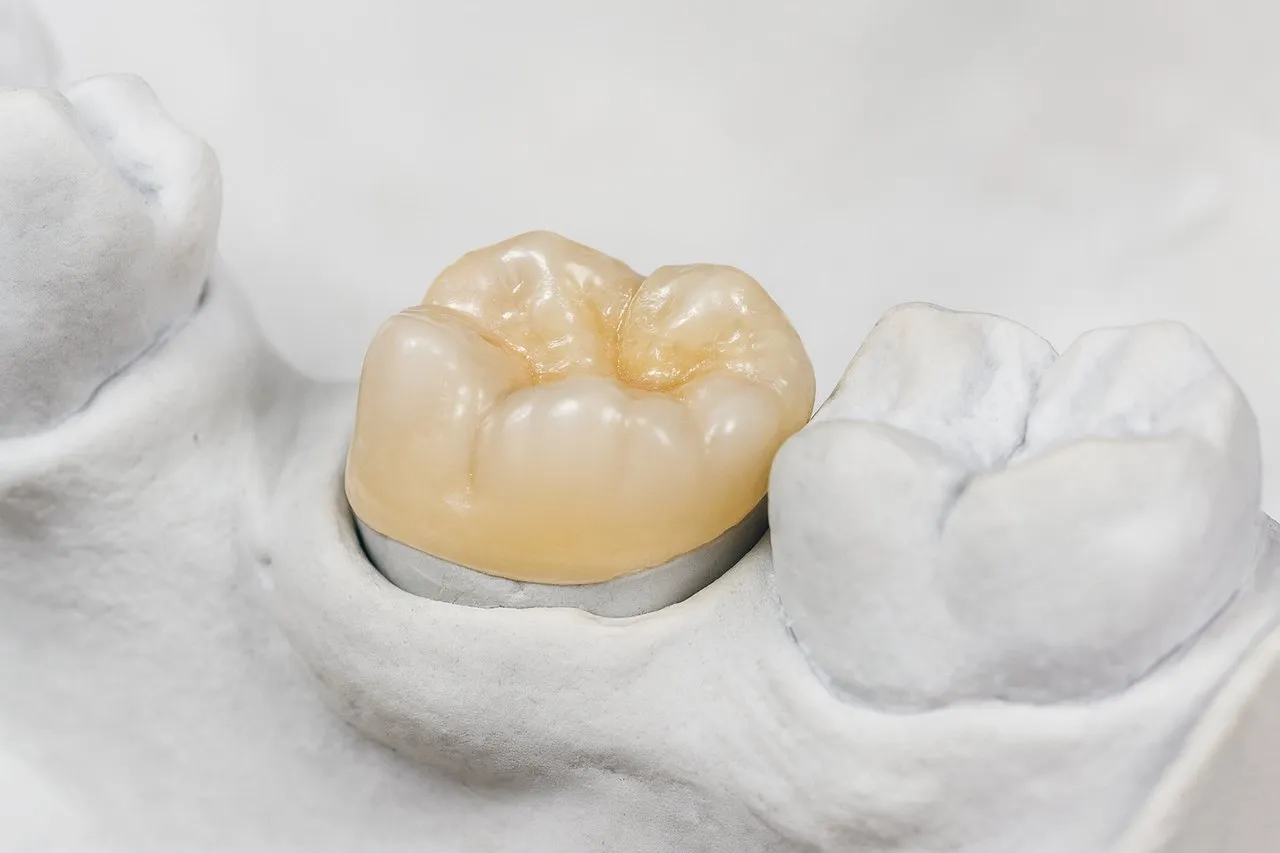
We check the contacts with articulating paper. Coloured marks show the spots that are “too high”. These are carefully ground down. This is usually followed by a fine adjustment during chewing movements. The static bite is not the only important factor. Side-to-side movements must also be harmonious. With ceramic, the surface is then polished. This protects the opposing tooth and reduces abrasion. Occasionally, a new glaze is advisable. If the basic shape is not right, the crown is replanned. This applies, for example, to incorrect cusps or grooves. In that case, remaking the crown is better than “grinding it down”.
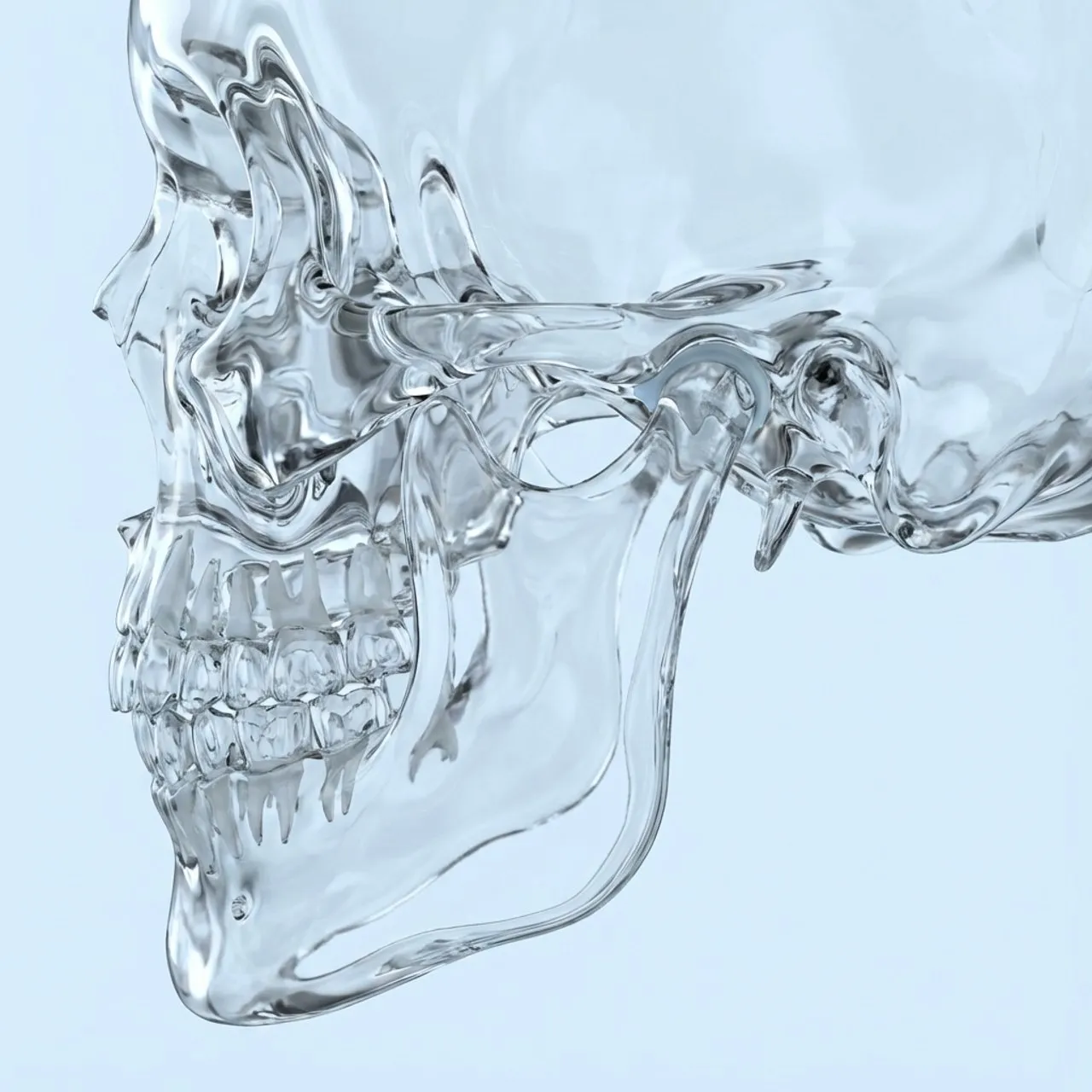
Why a short period of monitoring is important
After the adjustment, the jaw needs a little time. The muscles and joint have to settle into their new position. This often takes one to two days. If you wear a grinding splint, use it consistently. It protects the crown and opposing tooth from excessive loading. We can adjust the splint if necessary.
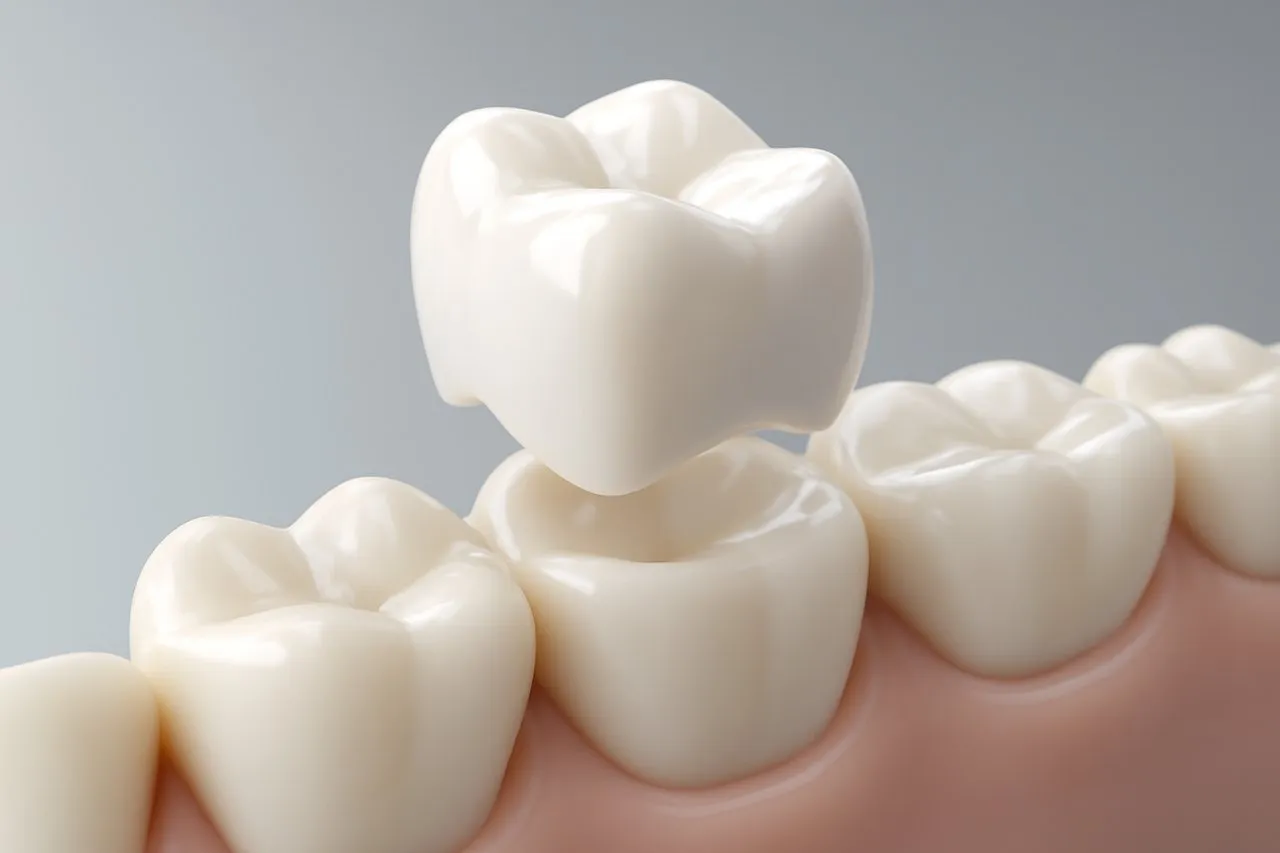
Temporary or permanent crown: are there differences?
A temporary crown often feels slightly “softer”. It provides protection until the permanent crown is fitted. Minor discrepancies are more common here. The permanent crown must fit more precisely. It is made in the laboratory exactly to specifications. Nevertheless, a small adjustment may still be necessary.
How we proceed at Wunschlachen
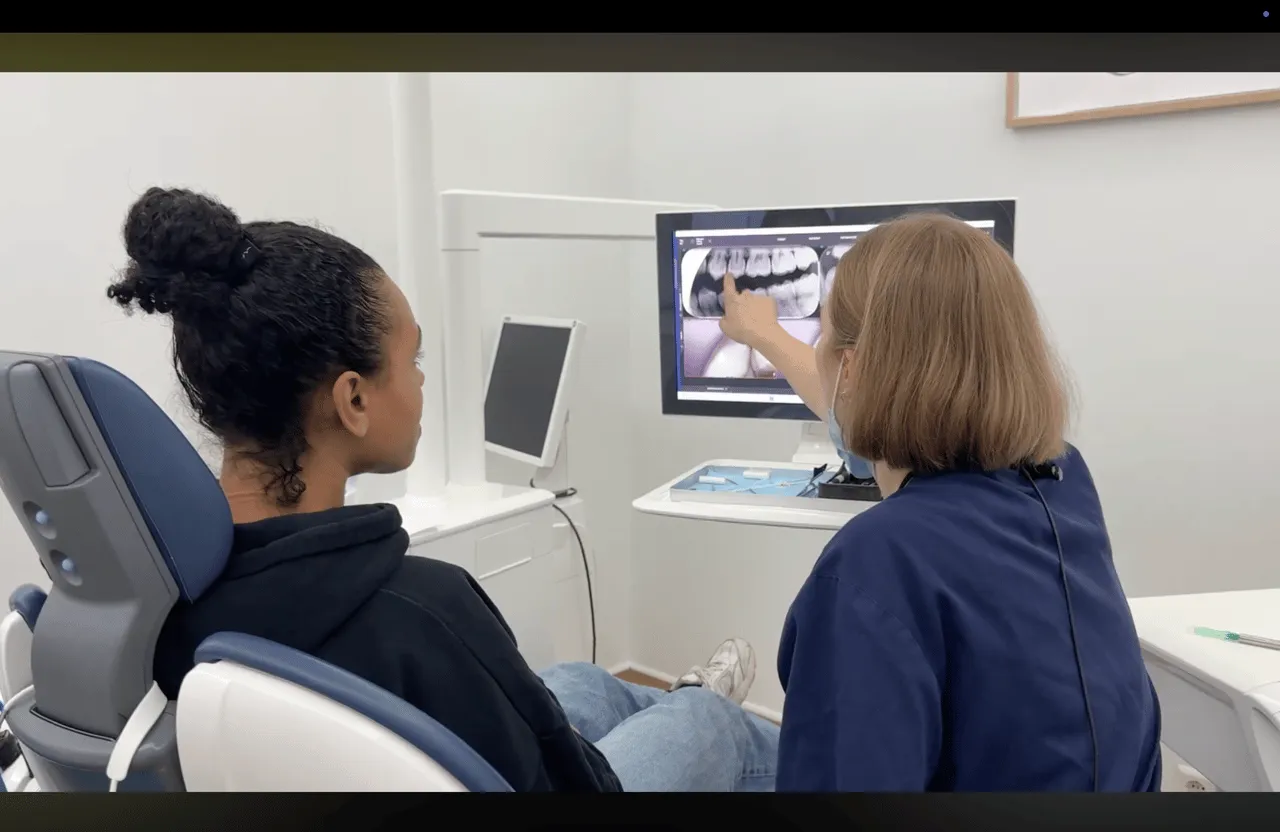
At Wunschlachen in Berlin, we start with a bite analysis. We check the contact points, joint and muscles. We also take any existing splints into account. If necessary, we gently adjust the crown. The aim is a calm, even bite. You should be able to eat and speak comfortably again. We explain every step clearly. You receive clear instructions on resting and caring for your crown. We schedule check-ups according to the findings.
Conclusion: the problem can usually be resolved easily
If new crowns affect your bite, this should be taken seriously. Often, a brief adjustment and polish are enough. It is important to have it checked promptly rather than waiting. Proper occlusion protects your teeth and jaw joint. This helps the crown remain stable in the long term. And your smile feels natural again. An examination at the dental practice remains essential.
FAQ: New crown – bite not right
The crown is often slightly too high or the anaesthetic distorts the sensation.
No, an initial contact can cause overloading and should be checked.
Ideally within a few days, or immediately if you are in severe pain.
Usually not, because only material is removed from the crown.
Yes, pain on pressure when chewing is a typical sign.
This can lead to muscle tension, joint problems and damage to the tooth or opposing tooth.
Dental floss tears or catches, and food debris constantly gets stuck.
Yes, an irritated dental nerve or inflamed gums can cause pain.
No, this can destroy the fit and damage the ceramic.
Yes, if the shape or bite position has been fundamentally planned incorrectly.