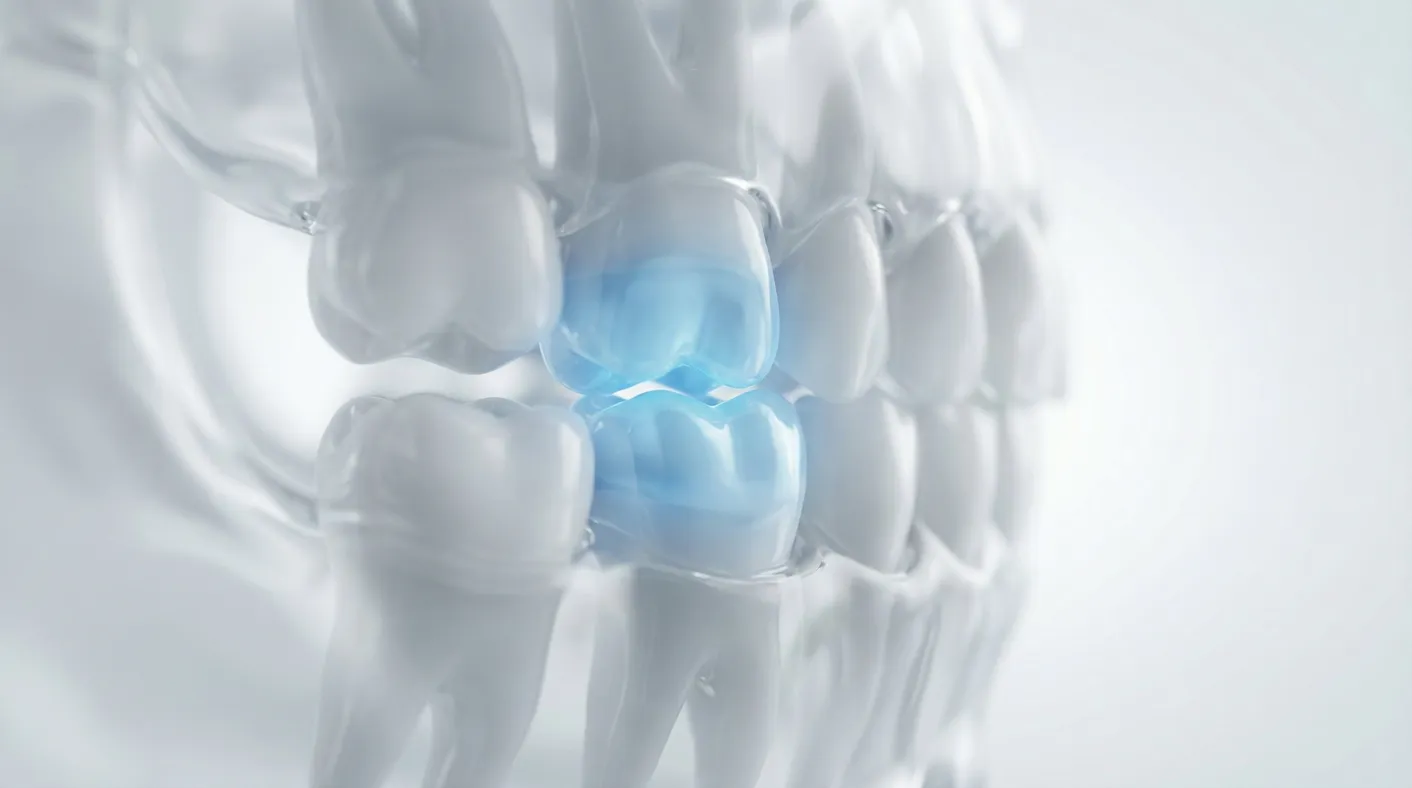
Occlusion: how a stable bite develops
Healthy occlusion feels unremarkable. Chewing works reliably. Speech also sounds clear. When the contacts between teeth are not right, irritation often occurs. Some patients feel pressure. Others complain of tension.
Über 350 Google-Bewertungen
What is occlusion?
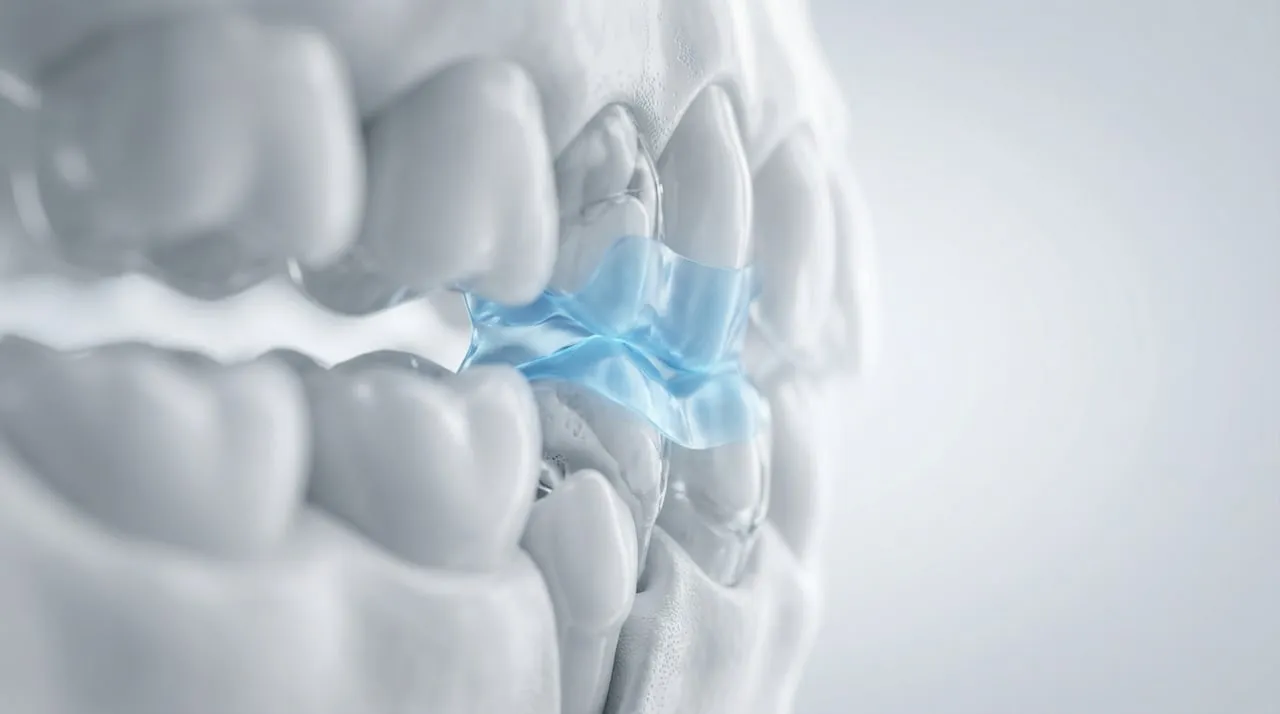
Occlusion describes contact between the upper and lower jaws. It refers to all contacts when biting together. This also includes gliding movements. Many people simply call this the bite or bite position. At our practice, we examine these contacts closely. This allows us to identify problem areas.
What occlusion means in everyday life
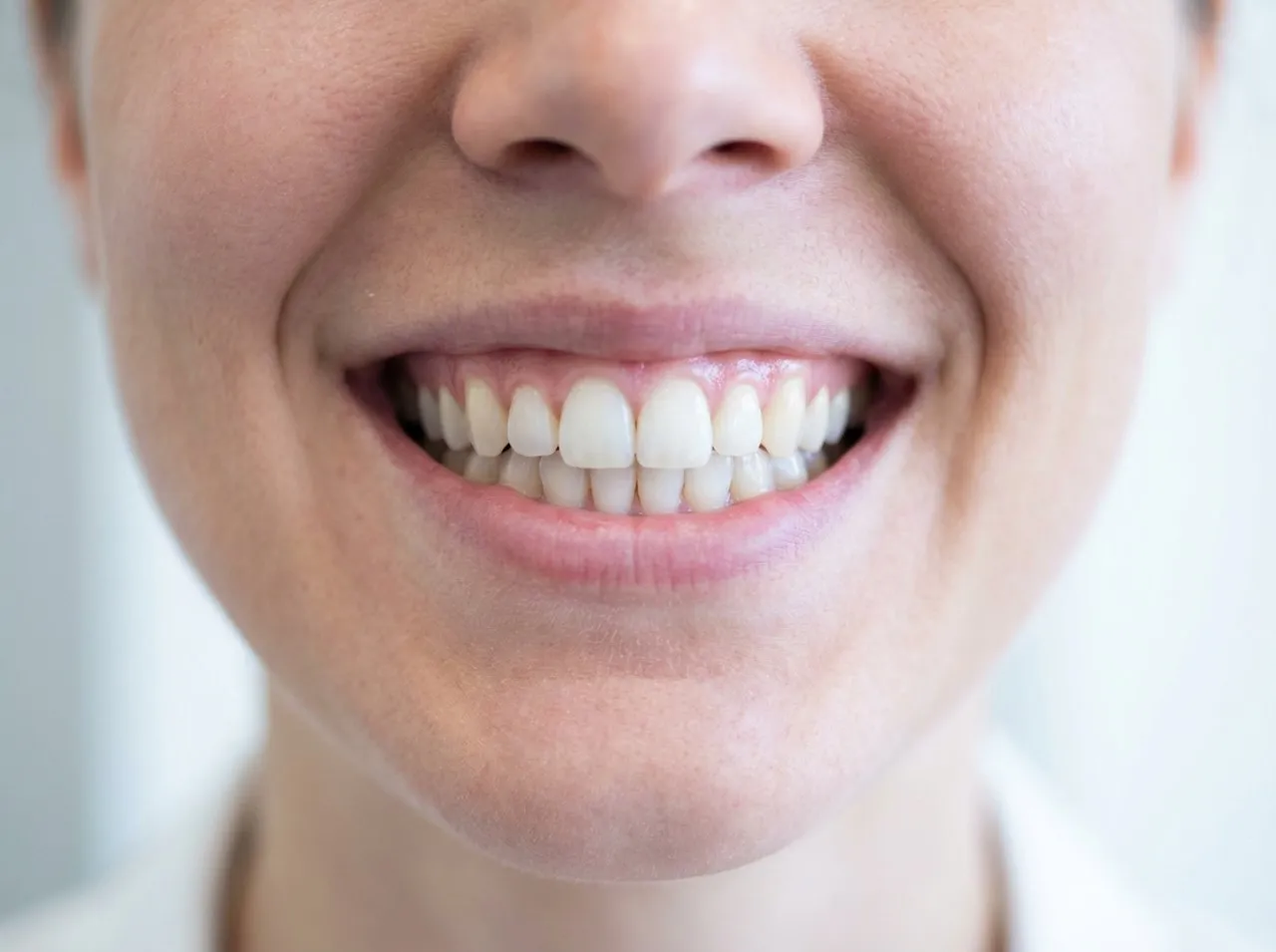
The function of tooth contacts is relevant every day. Only even contact distributes forces effectively. This protects the teeth and periodontium. The temporomandibular joint also benefits from stable contacts. This reduces the risk of overloading. Stable occlusion supports the lips and cheeks. This gives the face a more harmonious appearance. It can also make speaking easier.
Occlusion in medicine and occlusion in dentistry
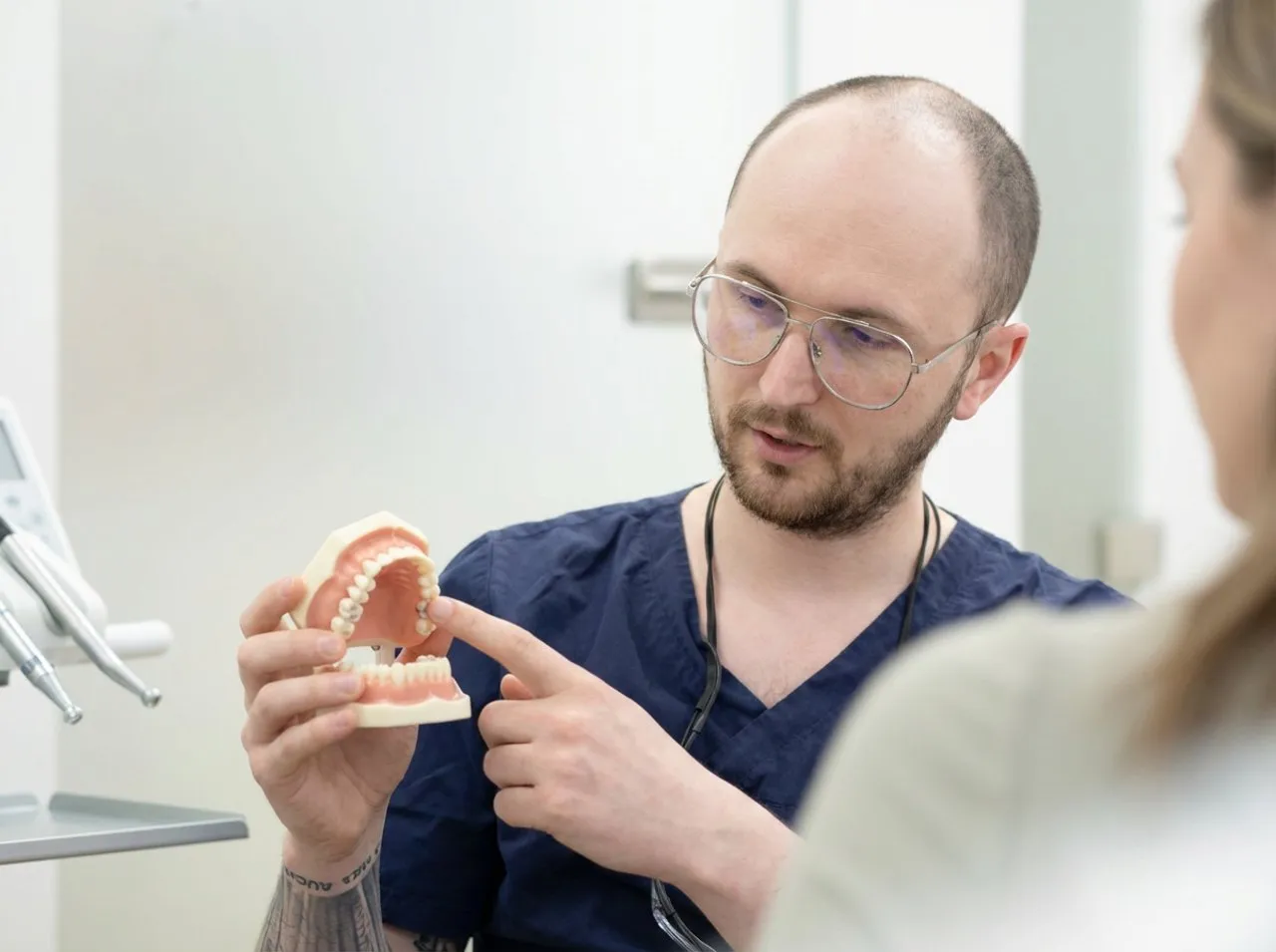
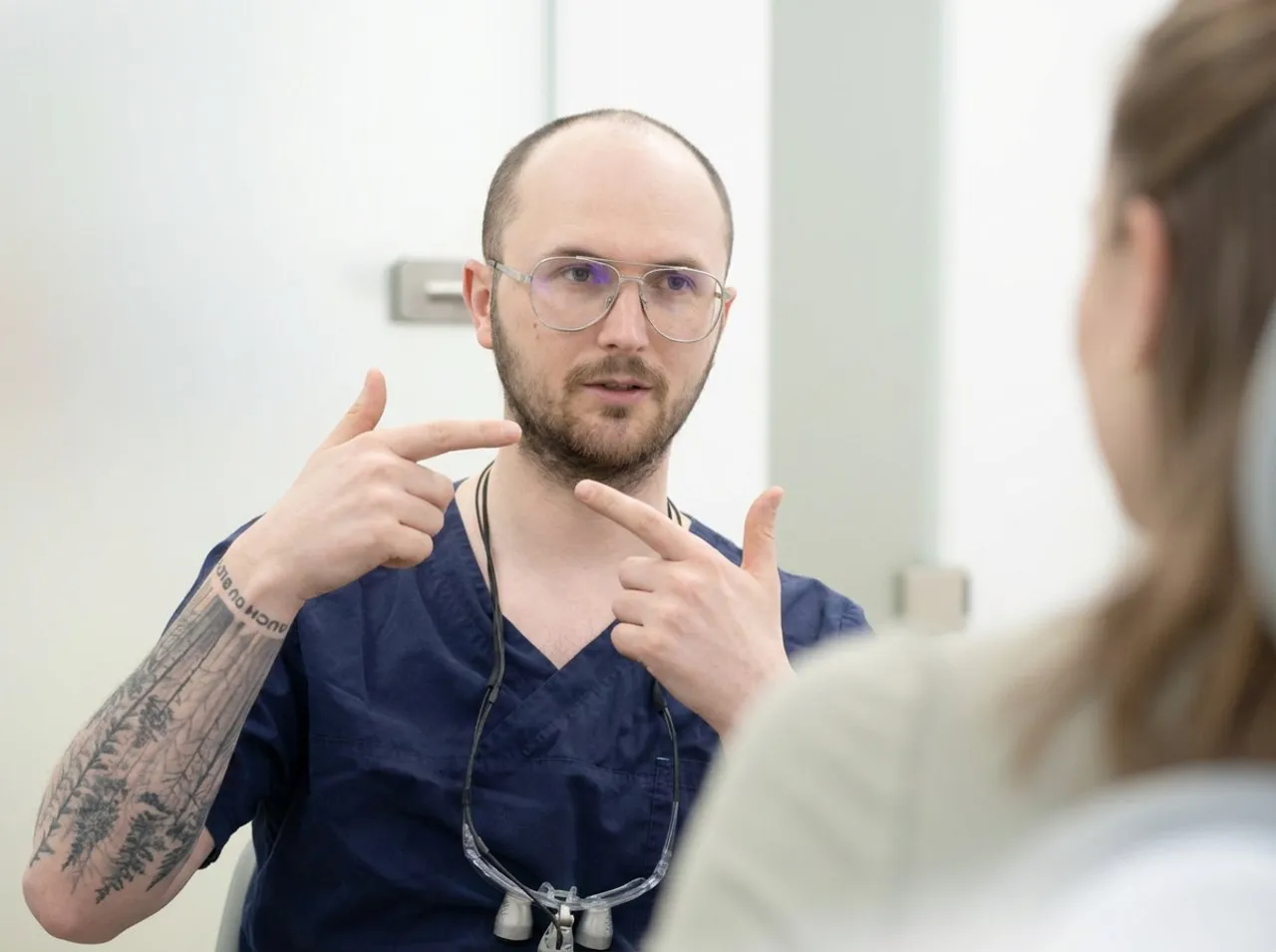
The terms ‘occlusion in medicine’ and ‘occlusion in dentistry’ appear frequently. In dentistry, the definition is very specific. It concerns bite contacts. In dentistry, occlusion means the way the teeth meet throughout the entire system. This includes the joints, muscles and chewing movement. This is also referred to as function. That is why looking at individual teeth is not enough. We always consider the interaction. This is important for long-lasting results.
Occlusal surface: what does occlusal mean?
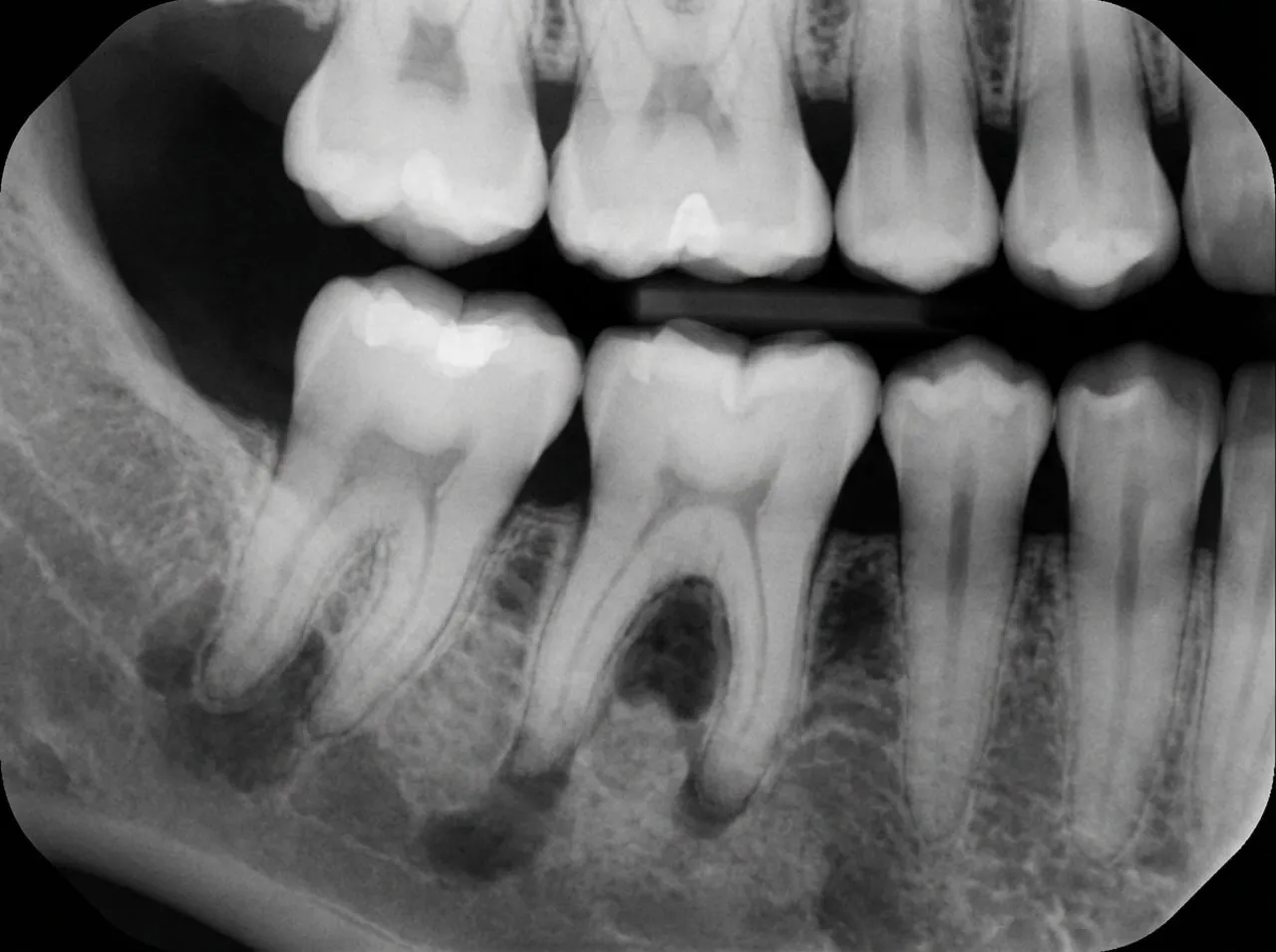
The term ‘occlusal’ describes the chewing surface of a back tooth. This is where the cusps and fissures interlock. Most contacts occur here. The term ‘occlusal tooth’ is also used in this way. It refers to the same surface. Its shape and height are crucial. If cusps are too high, chewing is disrupted. If they are too flat, guidance is lacking. Both can promote symptoms.
Occlusion of the teeth: what good contact feels like
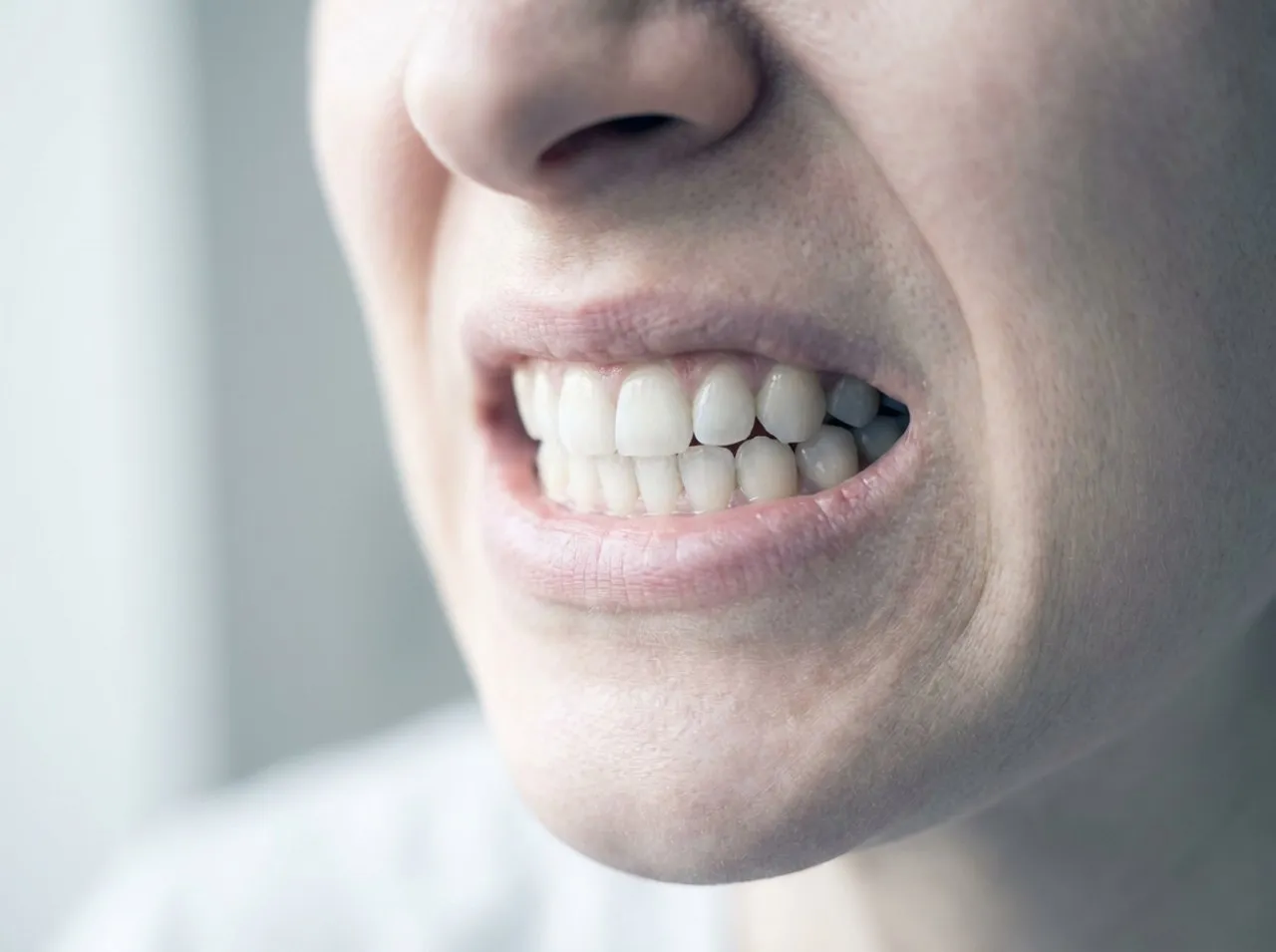
For occlusion of the teeth, the following applies: force is distributed across several teeth. Individual points do not dominate. This gives a calm feeling. When closing, the teeth glide together without catching. There are no blockages when chewing. The temporomandibular joint remains free from excessive strain. Good contact does not necessarily have to be perfect. It is individual. Being free of symptoms is what matters.

Typical signs of disturbed occlusion
Many symptoms are non-specific. Nevertheless, there are typical signs. These include teeth that are sensitive to pressure. Clicking in the temporomandibular joint can also occur. Some patients report headaches. Night-time grinding is common. Teeth also wear down more quickly. Wear facets develop. Sometimes fillings can break.
Common causes of incorrect bite contacts
A filling that is too high is a common trigger. Just a few micrometres are enough. This creates a premature contact. Crowns, inlays or bridges can also cause problems. This applies particularly after new dental restorations. That is why we check after every fitting. Tooth loss changes the bite position. Neighbouring teeth often tilt. Opposing teeth sometimes move out of their sockets. Stress increases clenching and grinding. This overloads the muscles. As a result, small irregularities become noticeable.
Occlusion after dentures and implants
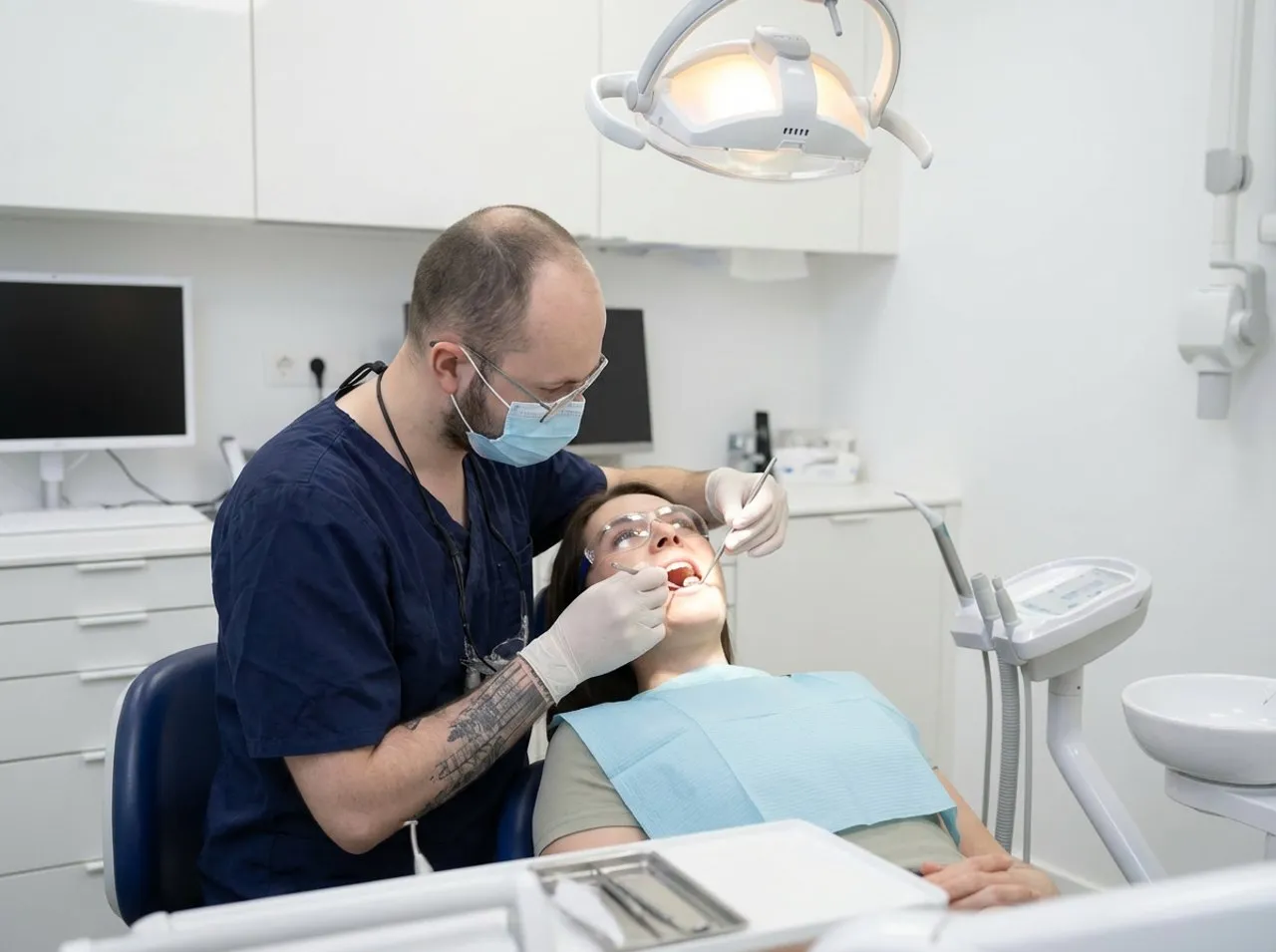
New restorations change the contact points. We check this consistently. They lack the cushioning provided by the periodontal ligament. That is why we plan the contacts very carefully. Fine adjustment follows placement. We check the occlusion tooth by tooth. This prevents overloading. Dentures also need stable support points. Otherwise, they tip during chewing. This can promote pressure sores. For major reconstructions, we use bite registration. This preserves the vertical dimension.
Diagnostics at Wunschlachen in Berlin
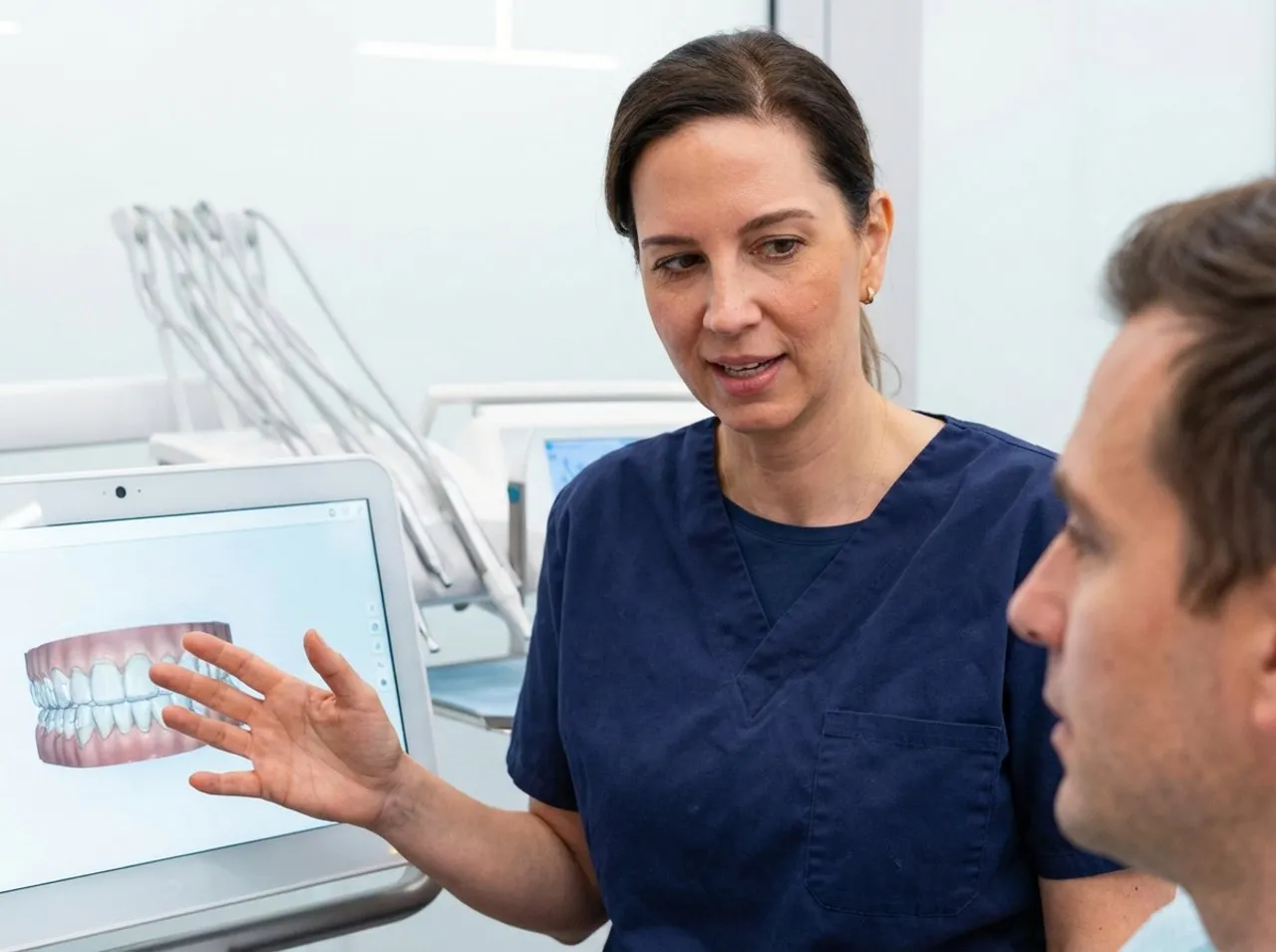
We begin with a conversation. We ask about pain and habits. Your sleep situation is also relevant. This is followed by a clinical functional examination. We use articulating paper and foils. This makes contact points visible. If necessary, we work with digital scans. An articulator can also be useful. It allows us to simulate movements precisely. This enables us to identify problem areas and incorrect guidance. We also examine the temporomandibular joint. This is part of the diagnostic process for craniomandibular dysfunction (CMD).
Treatment: improving occlusion in a targeted way
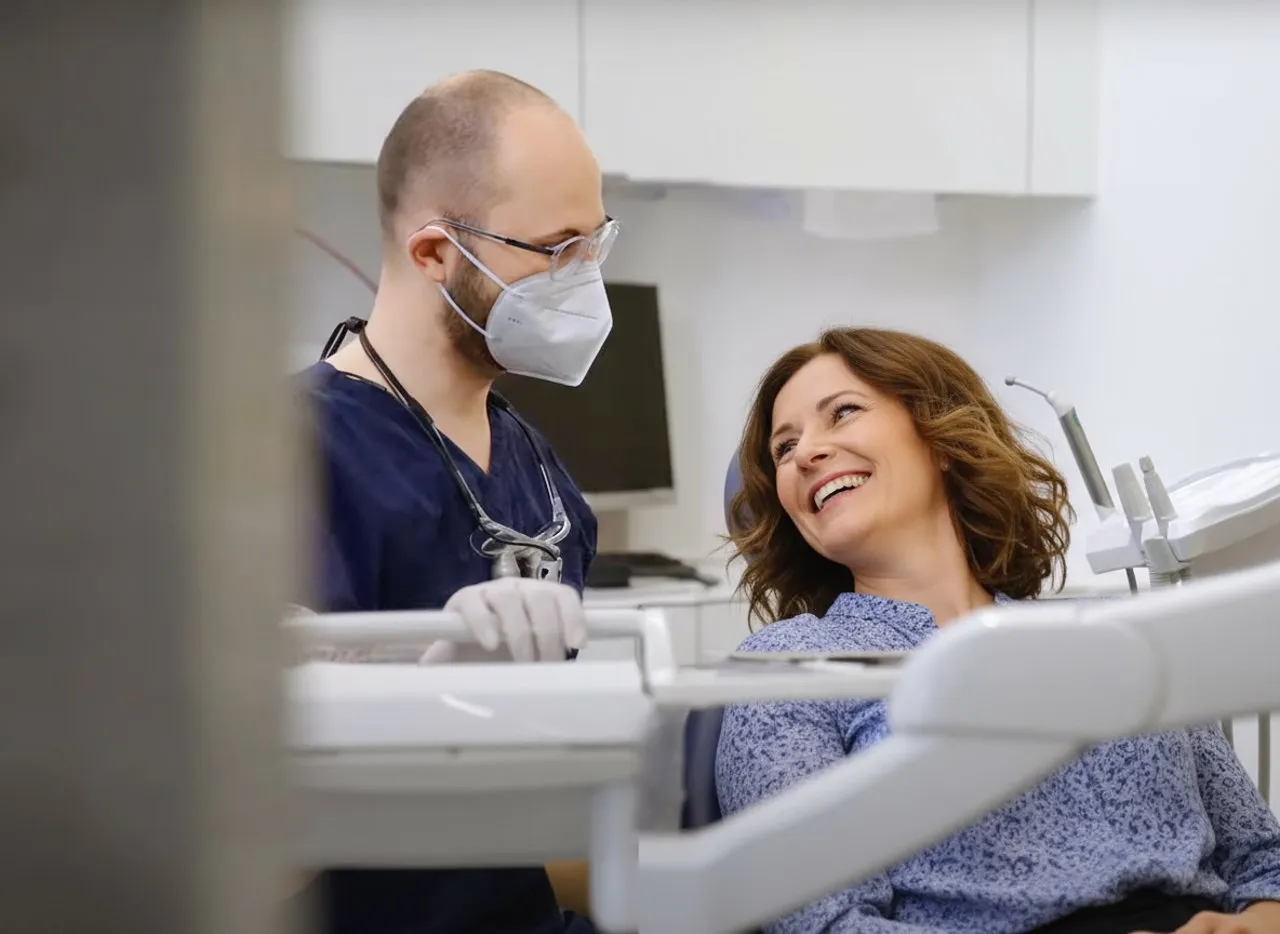
Minor interfering contacts can often be ground down. This is done carefully. The aim is to distribute forces evenly. An occlusal splint often helps with grinding. It relieves strain on the teeth and joints. It also protects the margins of restorations. Sometimes a bite raise is needed. This applies in cases of severe abrasion. We then plan treatment with composite or ceramic. Orthodontics can help with misaligned teeth. Clear aligners are also an option. Planning is carried out on an interdisciplinary basis. We replace missing teeth appropriately. Implants or bridges stabilise the occlusion. This prevents teeth from tipping.

What you can do yourself for a relaxed bite
Avoid sustained hard chewing. This includes ice cubes and nuts. Chewing gum can also be problematic. Look out for signs of stress during the day. Do not clench your teeth at the office. Your lips may remain closed. Regular check-ups are important. This allows us to detect changes early. It increases the lifespan of dental restorations.

When should you book an appointment?
Come and see us if you have a persistent feeling of pressure. Pain when chewing is also a sign. The same applies to recurring broken fillings. Seek help if you have painful jaw clicking. Morning tension is also relevant. We investigate the cause systematically. At Wunschlachen, you will receive a structured analysis. You will be given clear steps. This will make your occlusion stable again.
FAQ – frequently asked questions about occlusion
Occlusion means the contacts between your teeth when you bite together. It affects function and comfort.
It can overload the teeth and joints. This increases the risk of pain.
You can often feel a single high point. The dentist makes it visible with paper.
Yes, even a filling that is minimally too high is enough. This creates pressure when biting together.
Incorrect contacts can overwork the muscles. This promotes CMD symptoms in some patients.
A splint relieves strain and protects. However, it does not always replace correction.
Occlusal describes the chewing surface of the back teeth. Many contacts occur there.
Yes, gaps change the bite position. Teeth tilt or move into the gap.
Usually not. Corrections are carried out gently and with the contacts under control.
That depends on the findings. Often, one or two appointments are enough.