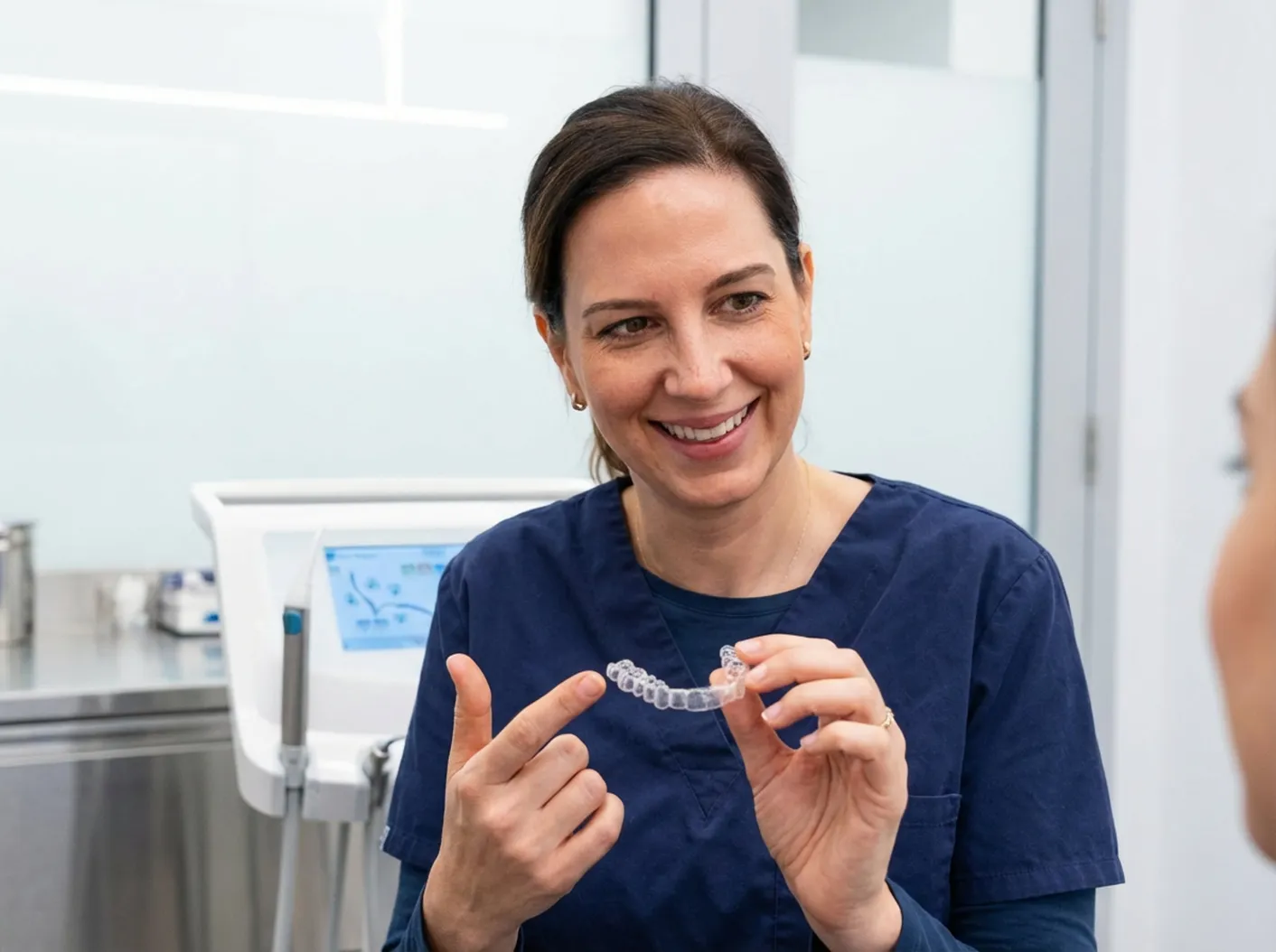
Orthodontist for adults: modern teeth straightening
Straight teeth are not just a concern for young people. Many misalignments persist into adulthood. Others develop later as teeth shift. Correction often improves appearance and function. It makes dental care easier and can help prevent inflammation. The jaw joint can benefit too...
Über 350 Google-Bewertungen
When adults should see an orthodontist
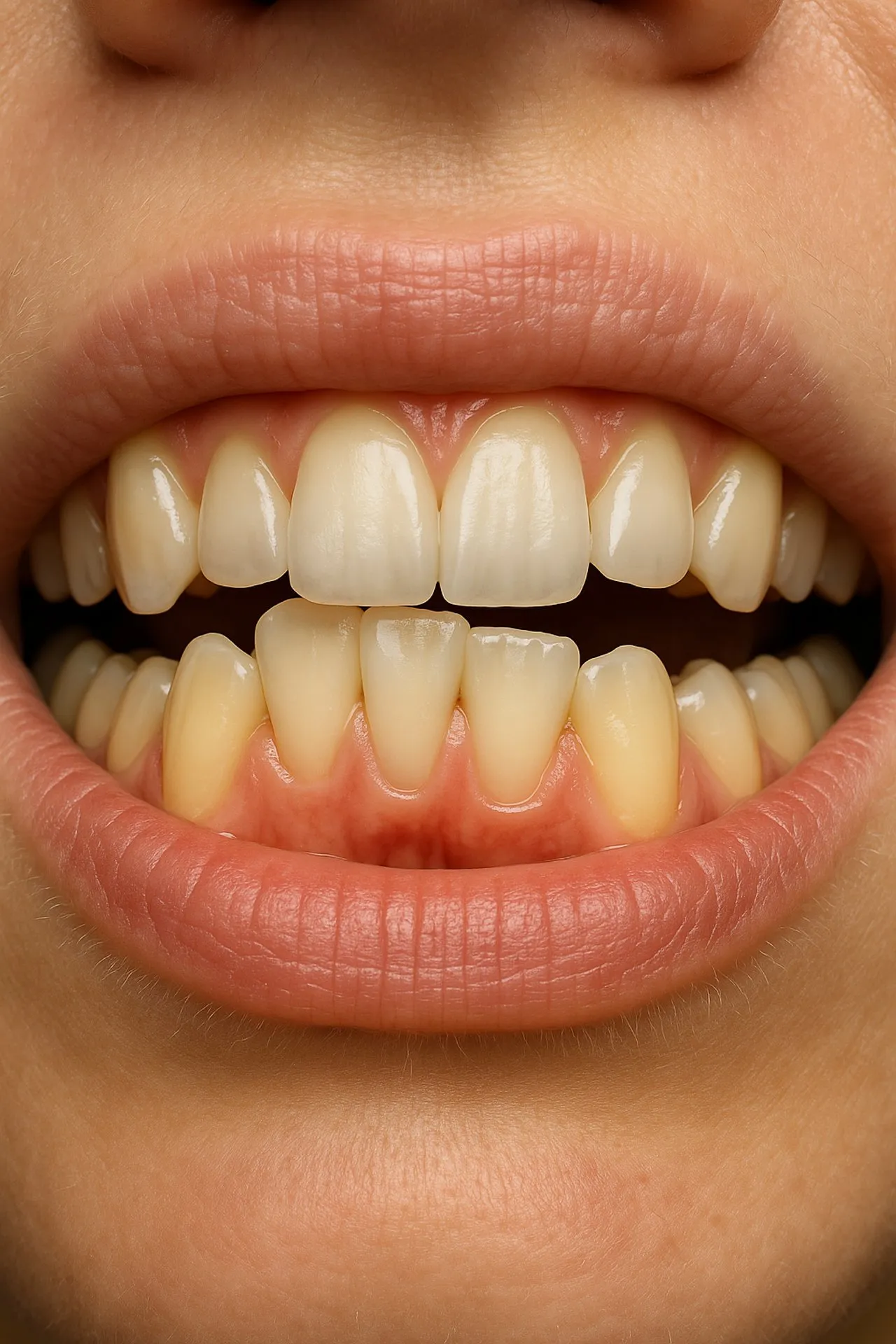
Common reasons include crowding and gaps. An overbite or deep bite also often becomes noticeable when symptoms occur. A crossbite can cause greater wear to the tooth enamel. Some patients grind their teeth at night. This can lead to pressure points and muscle tension. Orthodontic planning may be advisable here. Tooth alignment is also important before dental restorations. Bridges, crowns and implants require a reliable bite. Preliminary treatment creates the space and symmetry needed for this.
Which treatments are possible for adults
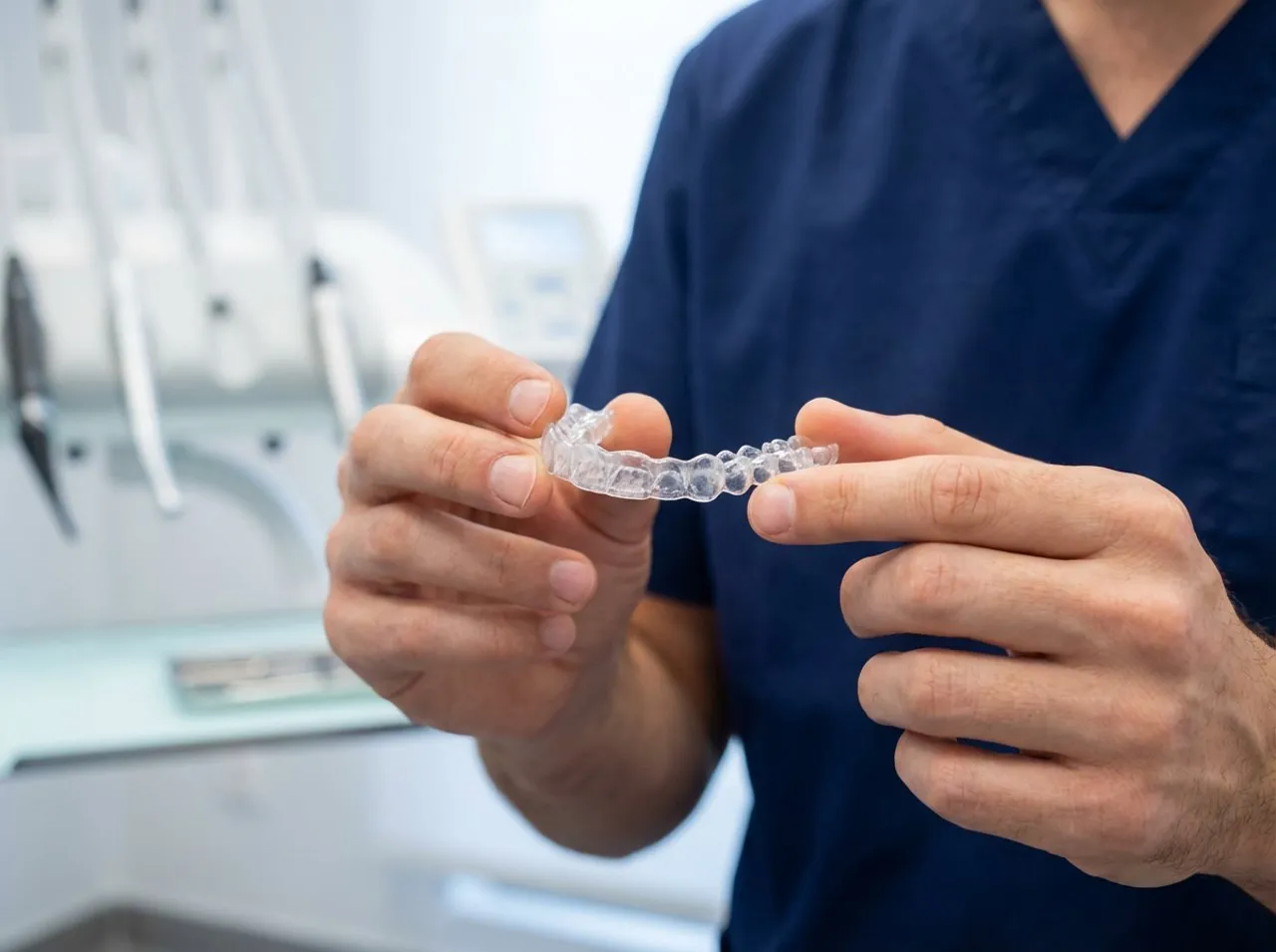
Teeth are less mobile in adults than in children. Nevertheless, teeth straightening is usually perfectly feasible. A precise treatment plan is essential. Aligner trays are very popular. They are removable and discreet. Many models are barely visible in everyday life. Fixed brackets are an alternative. Ceramic brackets are less noticeable than metal ones. They are also suitable for more complex misalignments. Lingual braces are another option. With this method, the fixed brace sits on the inside of the teeth. This means it cannot be seen from outside. The most suitable method depends on the clinical findings. Professional requirements also play a role. We explain the advantages and disadvantages transparently.
How treatment usually proceeds
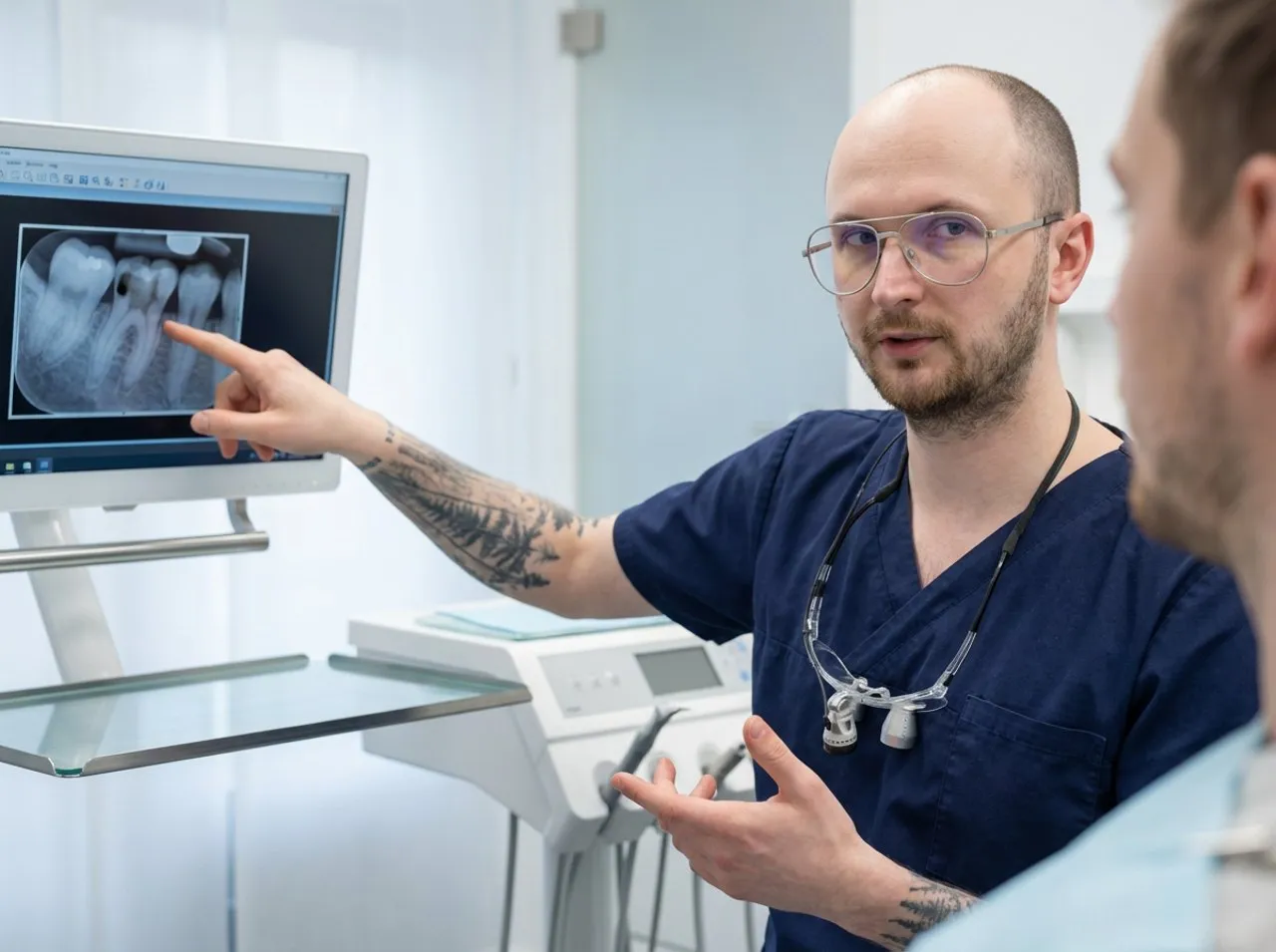
At the start, we carry out a thorough examination. This includes photographs, a 3D scan and often X-rays. This allows us to assess the tooth axes and bone relationships. We then draw up an individual treatment plan. It describes the goals, duration and individual steps. You will receive a clear breakdown of the costs. With aligners, you will receive several sets of trays. You change the trays according to the plan. Check-ups monitor your progress. With fixed braces, regular adjustments are made. The archwires are readjusted. This allows the teeth to move in a controlled manner. The active phase is followed by retention. Retainers stabilise the result. This is particularly important for adults.
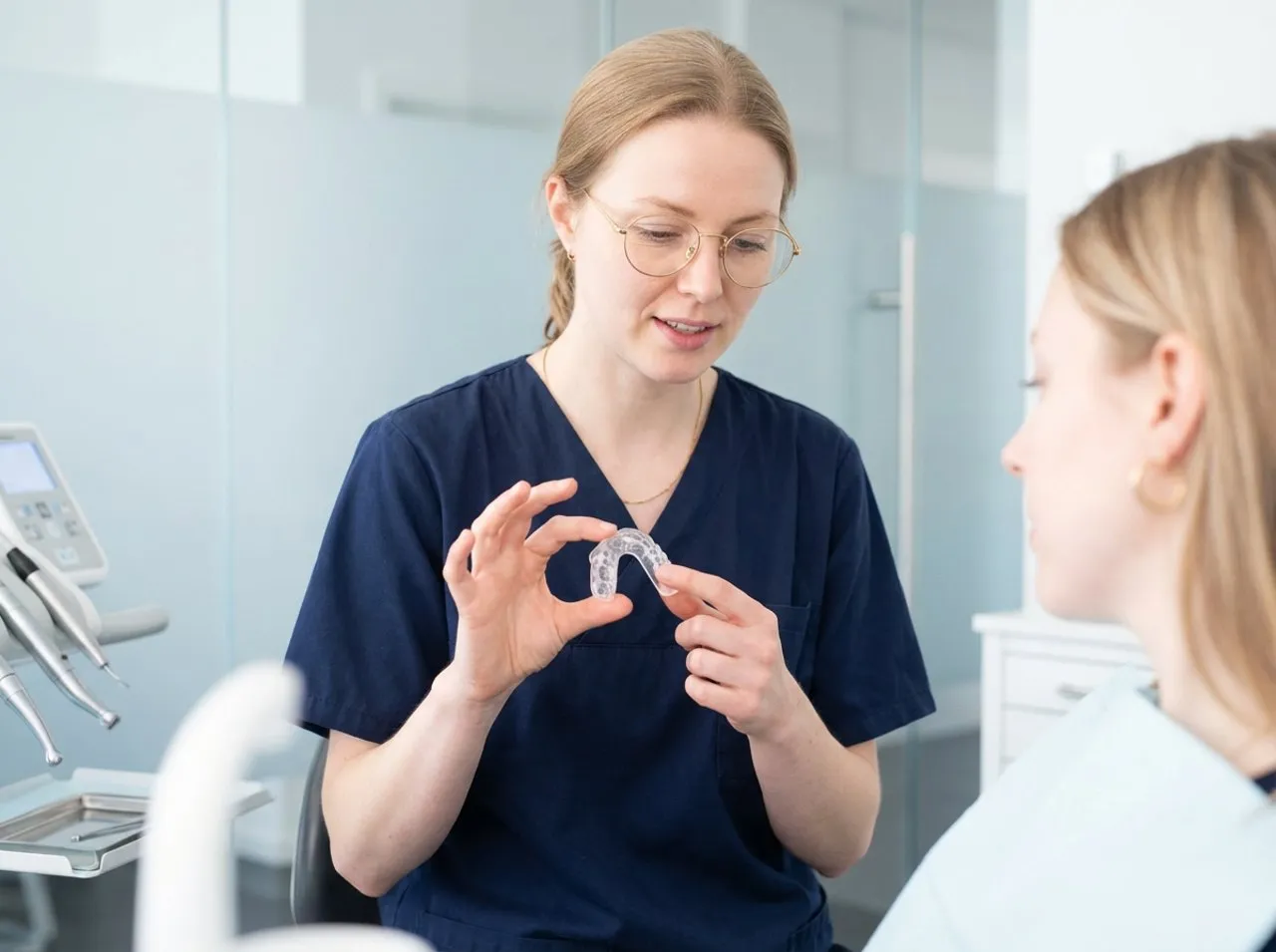
How long does teeth straightening take for adults?
The duration varies considerably from person to person. Minor crowding often takes only a few months to correct. Extensive corrections tend to take one to two years. Your cooperation is important. Aligners should be worn for many hours every day. Regular appointments keep treatment on track. The initial situation also matters. Periodontitis must be treated beforehand. Healthy, inflammation-free conditions protect the supporting structures of the teeth.
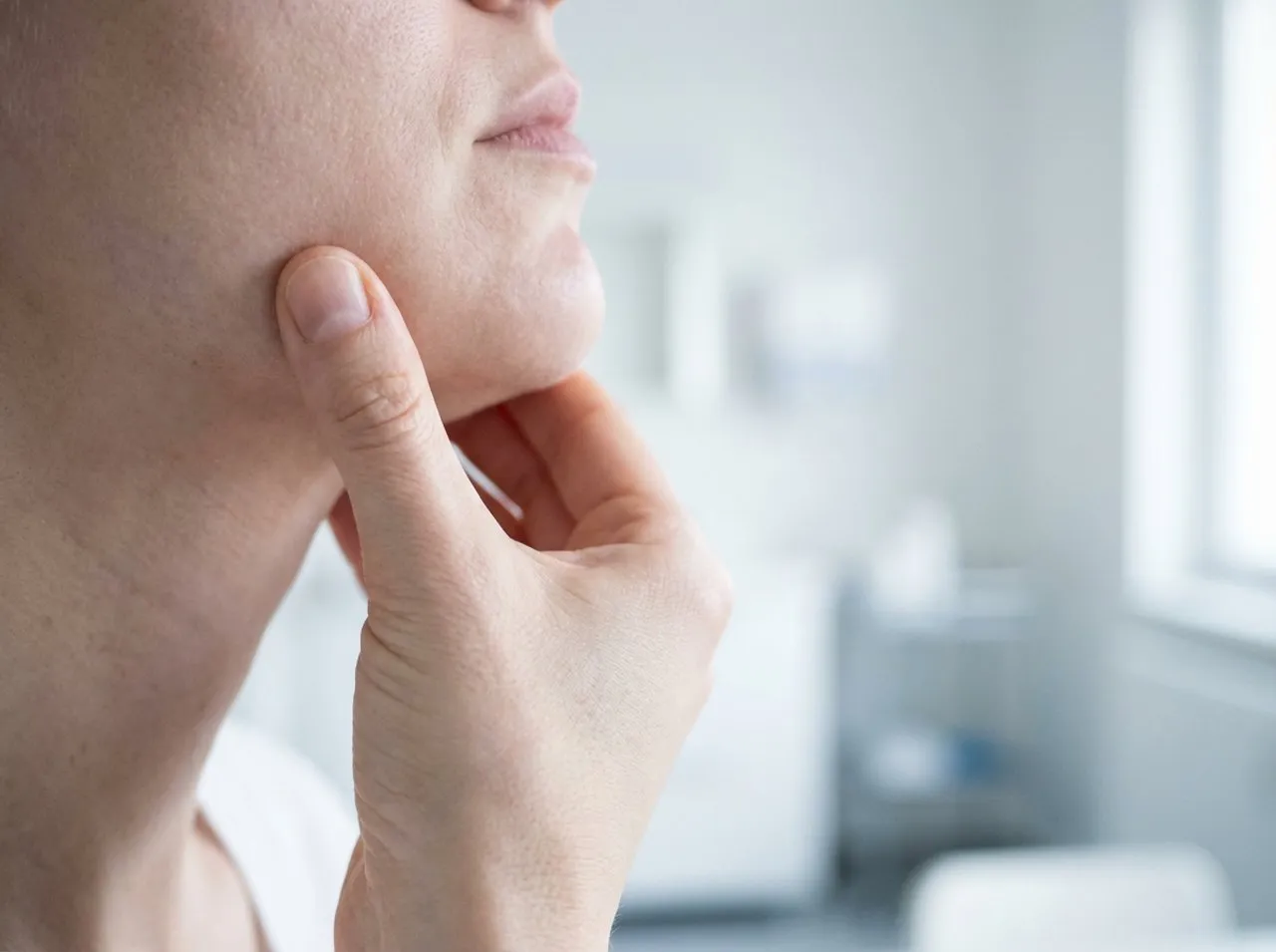
Assessing pain, risks and side effects realistically
A feeling of pressure is common at first. This is a sign that the teeth are moving. It usually subsides after a few days. Irritation of the cheeks or tongue is possible. Wax or smooth brackets can help. With aligners, the edge can be adjusted. Good oral hygiene is essential. Fixed braces increase the risk of tooth decay. Professional dental cleaning can help. Root resorption occurs rarely. This is why check-ups and X-ray examinations are important. We carefully weigh up the benefits and risks.
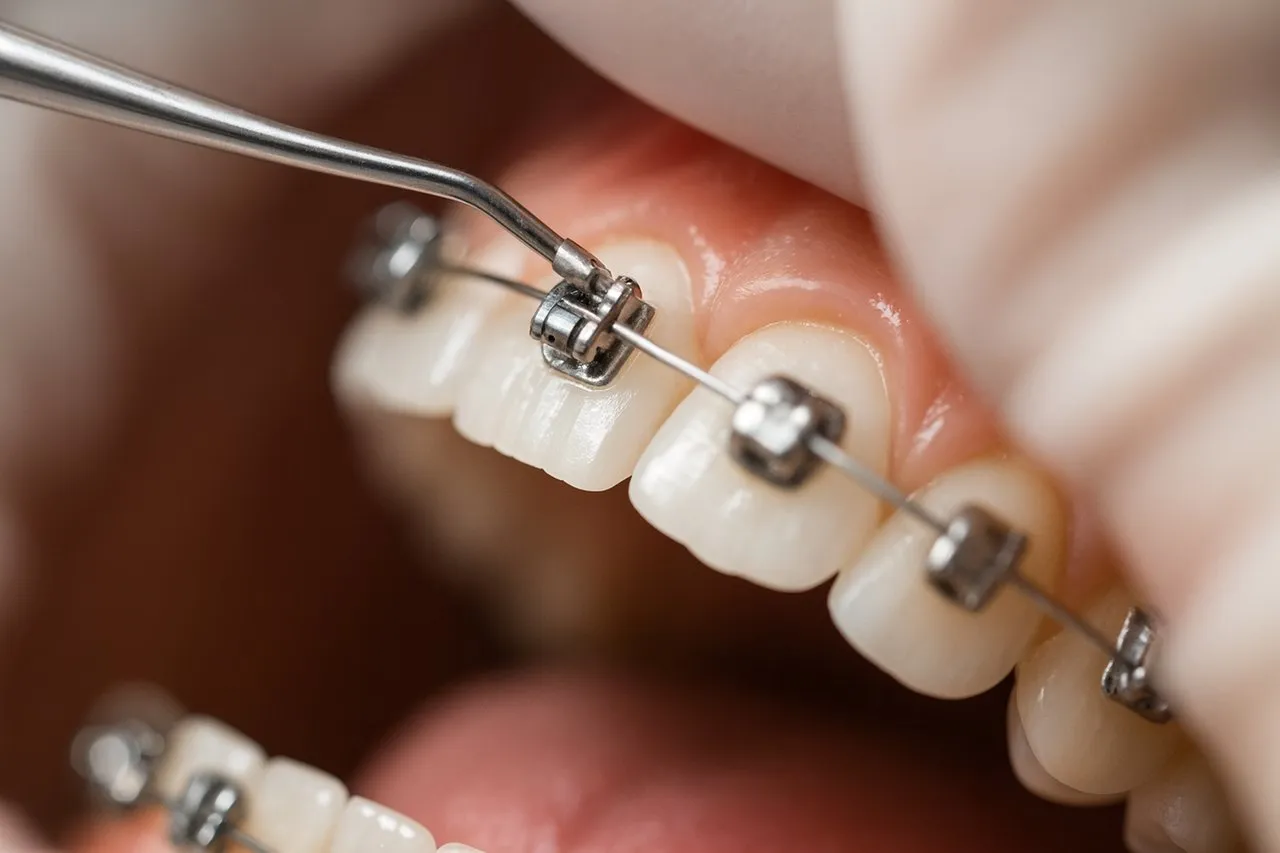
Tips for everyday life with aligners and brackets
Clean your teeth and the spaces between them thoroughly. Use interdental brushes and fluoride toothpaste. If you wear aligners, rinse the tray after eating. Avoid very hard or sticky foods. They can dislodge brackets or worsen pressure points. Soft foods help during the first few days. Wear elastics or attachments as agreed. Even small deviations often prolong treatment. This applies particularly to aligners.

Costs and cost cover for adults
The costs depend on the method and extent of treatment. Aligners and lingual braces are often more expensive. Standard fixed brackets are usually cheaper. Statutory health insurers rarely cover the costs for adults. There are exceptions for severe malformations. Sometimes combined treatment is then necessary. Private insurance plans more often reimburse part of the costs. A treatment and cost plan provides clarity. We will help you with the paperwork. If you wish, payment by instalments is possible. This keeps the treatment financially predictable. Please ask our team about this.
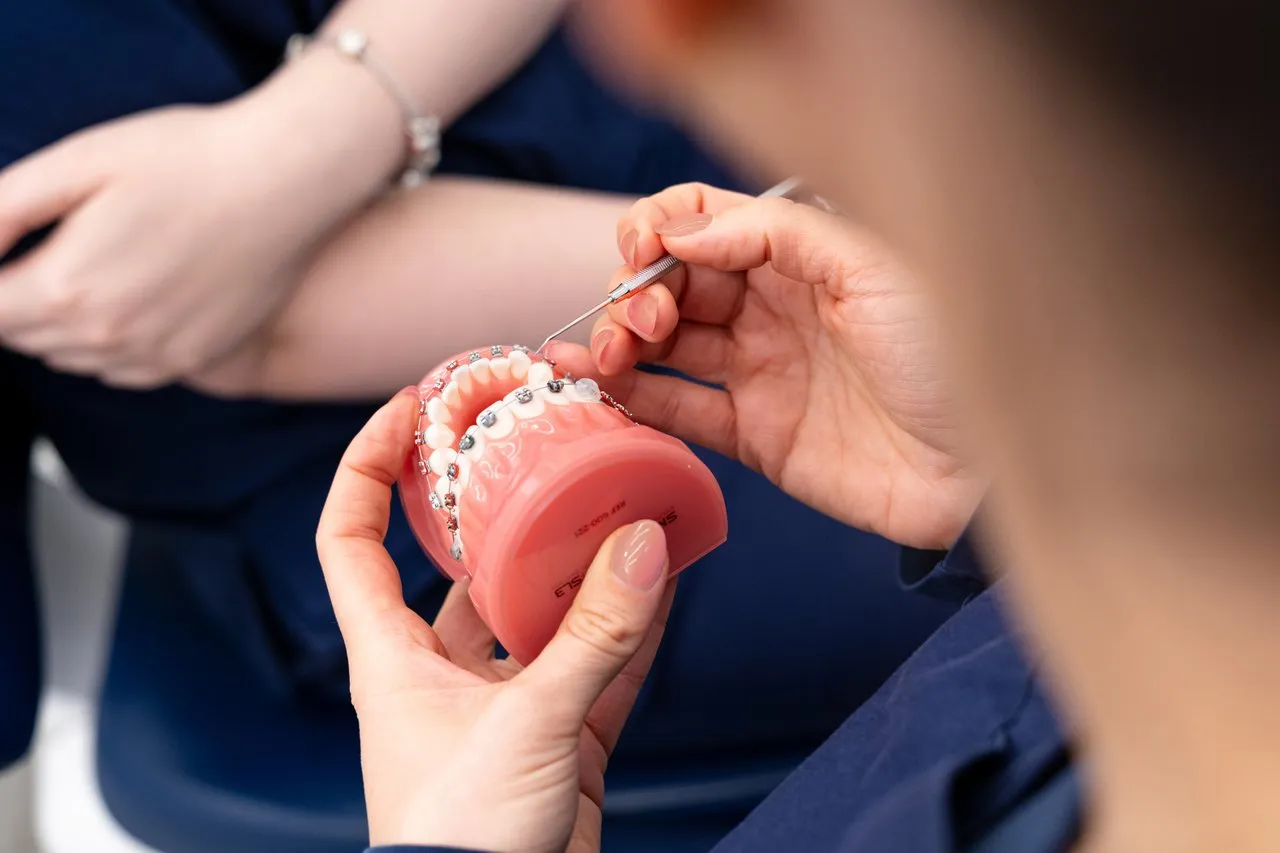
Your benefits at Wunschlachen in Berlin
We work digitally and precisely. 3D scans make planning easier. This enables us to provide precisely tailored treatment. We focus on function and appearance. We pay attention to your bite and your smile. We also keep an eye on the supporting structures of your teeth. You will receive personal support throughout. Appointments are clearly structured. We answer questions in a way that is easy to understand.

Conclusion: an orthodontist for adults offers long-term benefits
Teeth straightening can also be worthwhile later in life. It improves hygiene and appearance, and often chewing function too. Modern methods are discreet and easy to plan. Have your bite checked. A brief analysis will show what is possible and where the limits lie. This allows you to make a well-informed decision.
FAQ – Frequently asked questions about orthodontists for adults
Yes, age is rarely an obstacle. Healthy teeth and stable gums are important.
Aligners are discreet and removable. Fixed appliances are often more effective in complex cases.
Wearing them for 20 to 22 hours is usually recommended. Only take them out to eat and brush your teeth.
Pressure is normal during the first few days. Severe pain is unusual and should be assessed.
Usually not for cosmetic corrections. There may be exceptions for severe malformations.
Yes, retention is essential. Without a retainer, teeth can shift again.
Yes, for some bite problems. A functional analysis will clarify the connection.
Yes, inflammation must be treated first. This is the only way to ensure that tooth movement is safe.
Yes, usually after a short adjustment period. Speech remains almost unchanged with aligners.
A check-up is advisable if you have crowding, gaps or bite problems. It is also worth seeking advice before dental restorations.