Orthodontist for adults: costs & financial support
More and more adults want a straight smile. Often, it is also about achieving a stable bite. Both can significantly improve quality of life.
Über 350 Google-Bewertungen
Why orthodontics is worthwhile in adulthood
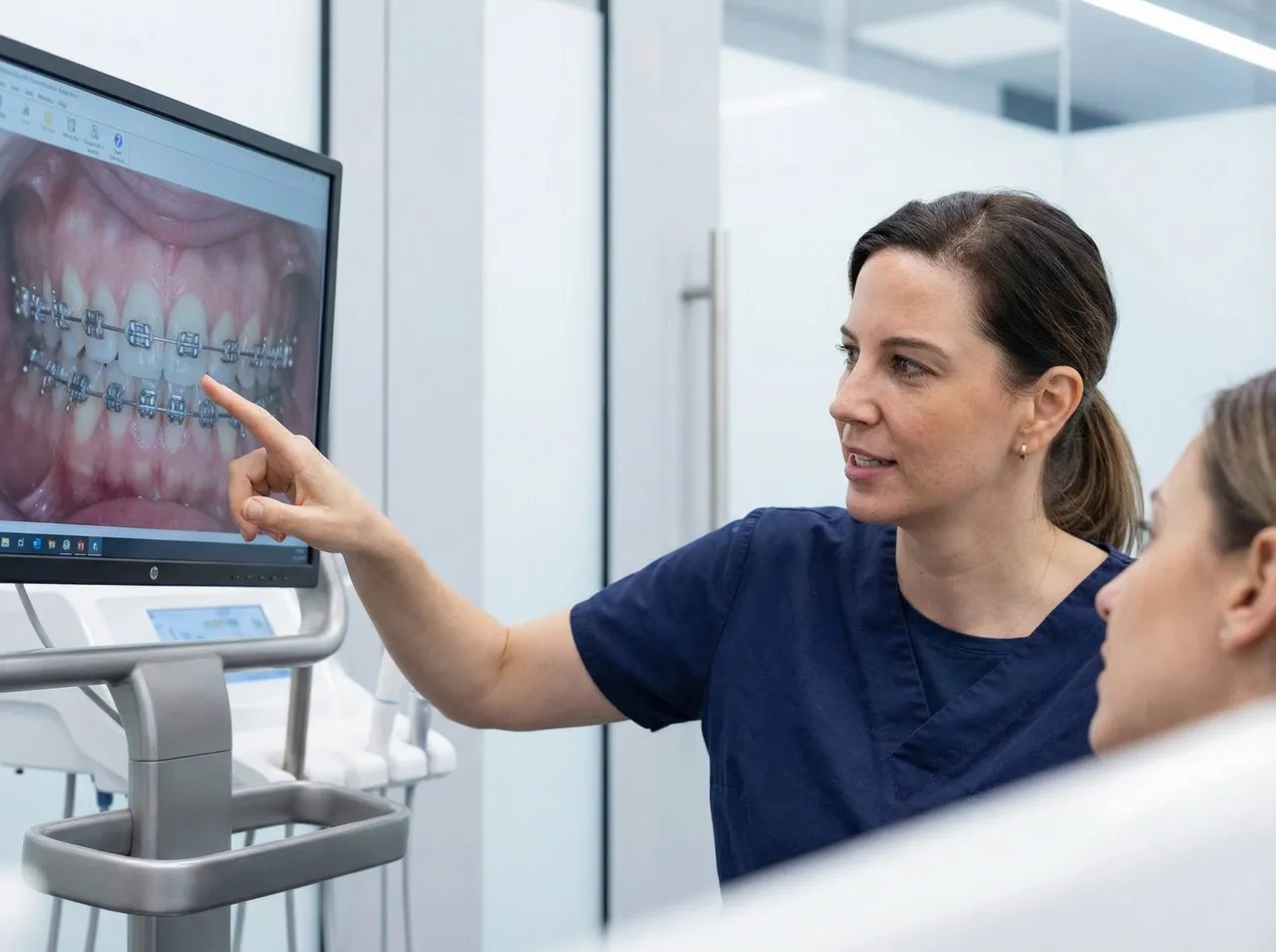
Crooked teeth are not just a cosmetic problem. They can make cleaning more difficult. This increases the risk of tooth decay and inflammation. Functional problems are also common. These include clicking in the temporomandibular joint and overloaded teeth. Correction can reduce these strains.
Orthodontic costs for adults at a glance
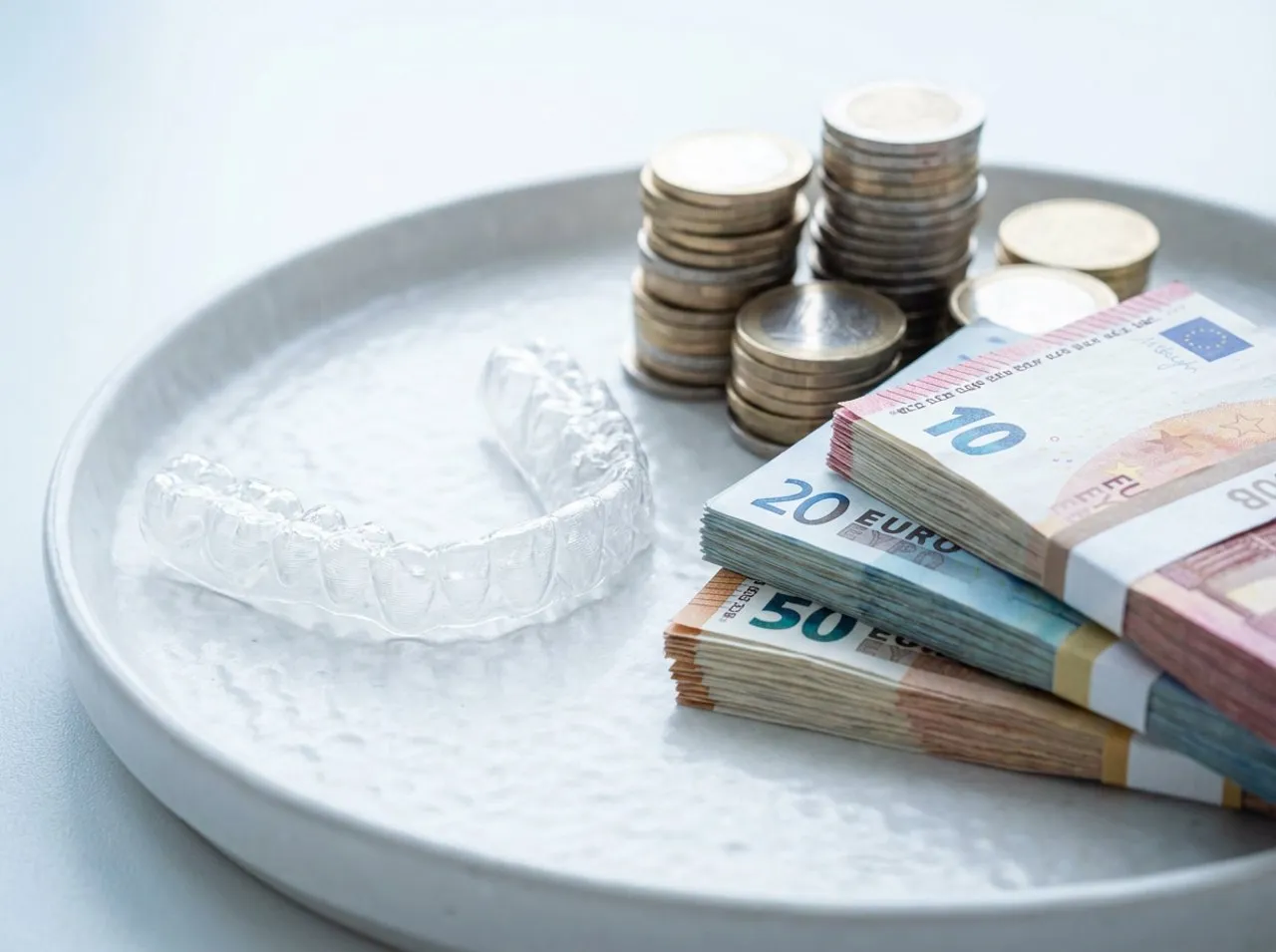
A flat-rate figure is rarely available. The price depends on the clinical findings and the method used. For minor tooth movements, costs start at around €2,000. For extensive treatment, you should expect to pay from €5,000. Complex cases requiring specialised techniques may cost more. The important thing is the total cost, including planning. This covers diagnostics, the appliance and aftercare. Retainers and follow-up appointments are also included.
What services are included in the price?
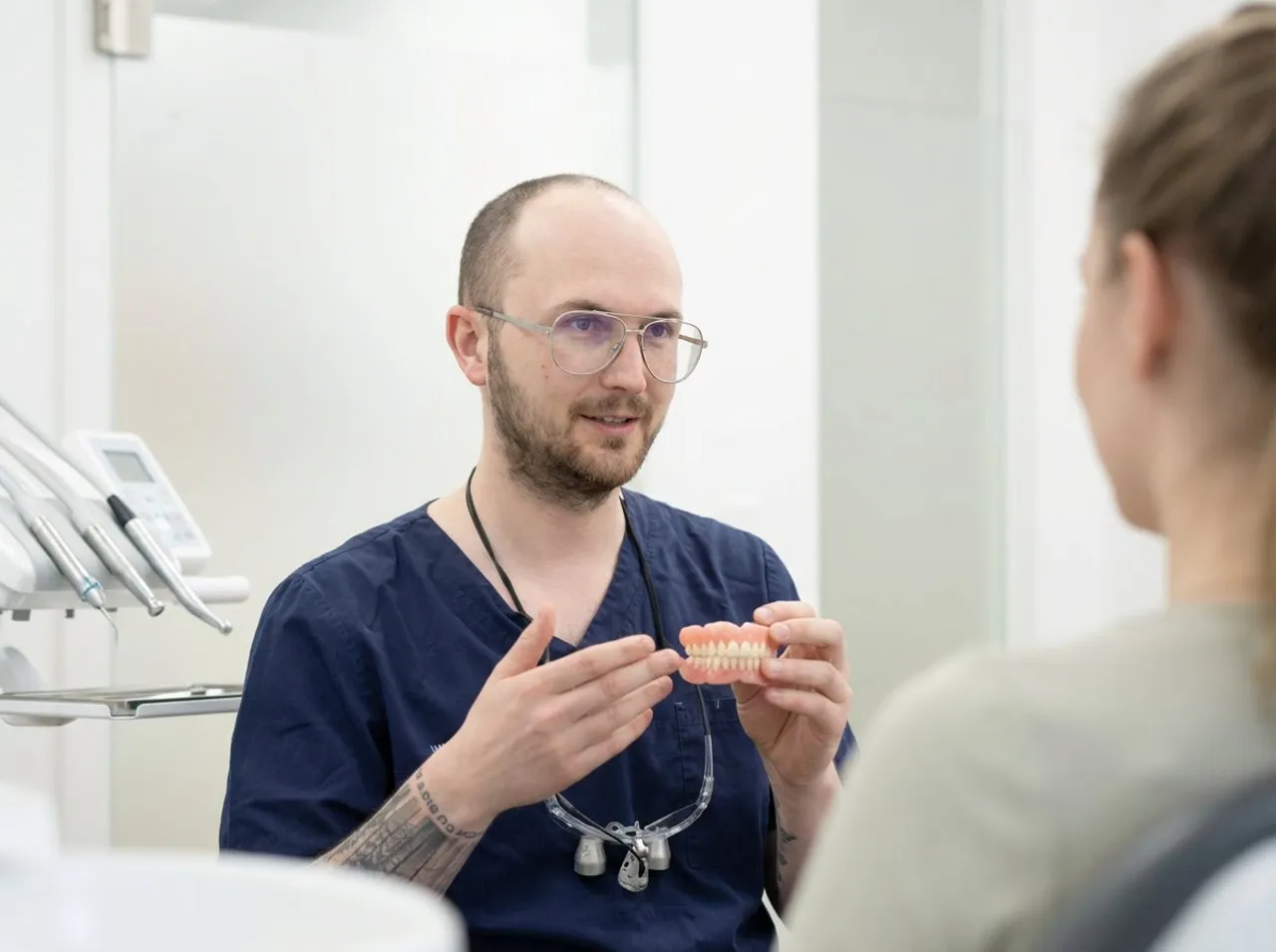
At the outset, a detailed assessment is required. This includes photographs, bite registrations and digital scans. X-rays may also be needed, depending on the case. These items should be clearly listed in the cost plan. • Diagnostics and treatment planning. • Appliances or series of aligners. • Check-ups and adjustments. • Retention with a retainer or splint. • Repairs and replacement parts as required.
This allows you to compare quotes fairly. Make sure they cover the same range of services. Only then will the price comparison be valid.
Which factors determine the costs?
The severity of the misalignment is decisive. More movement generally means more time and material. This increases fees and laboratory costs. Treatment duration also has an impact. Longer therapies require more check-ups. This increases the overall effort. The choice of appliance significantly affects the work involved. Visible brackets are often cheaper than concealed systems. Clear aligners usually fall somewhere in between.
Methods and typical price ranges
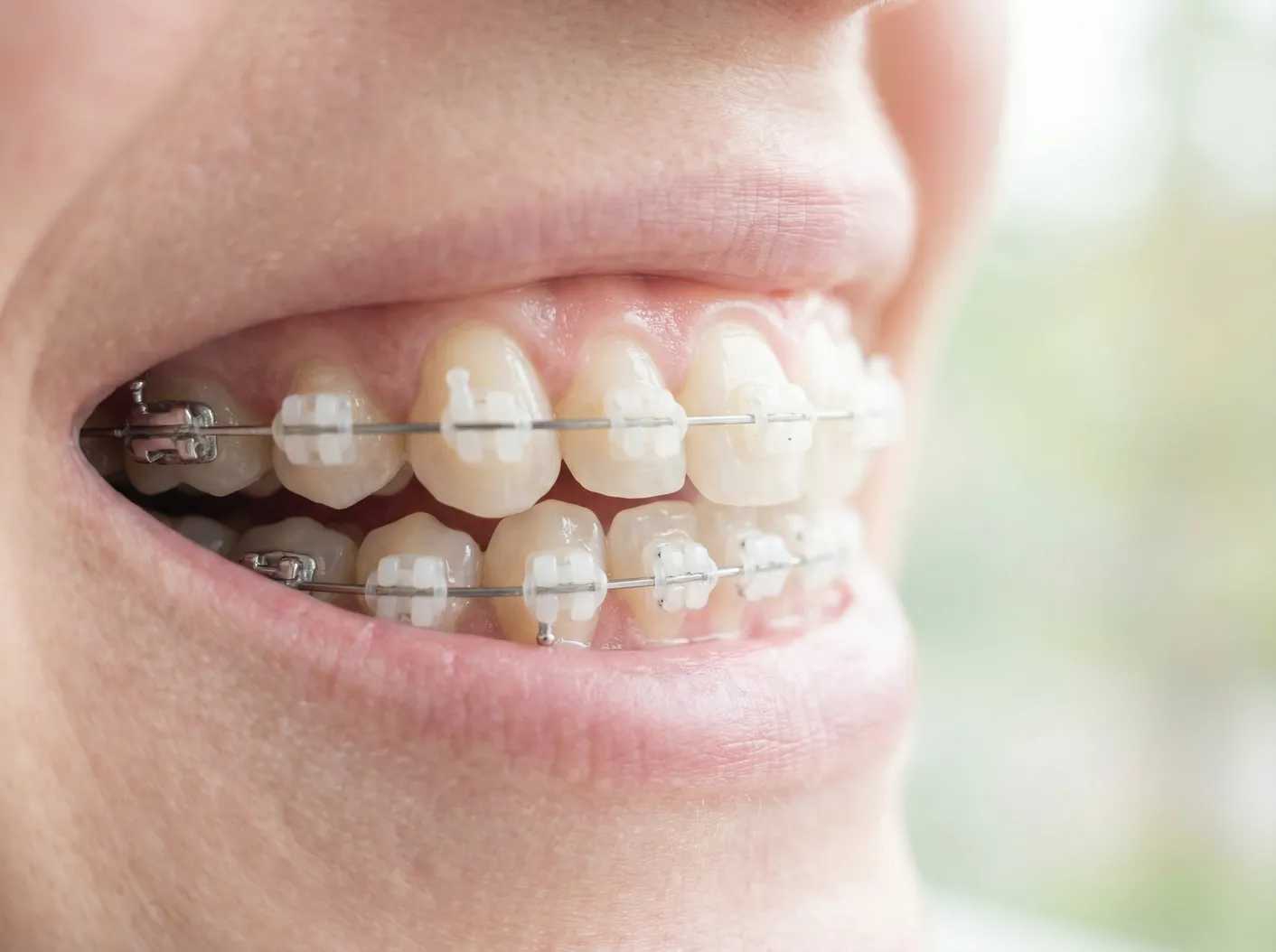
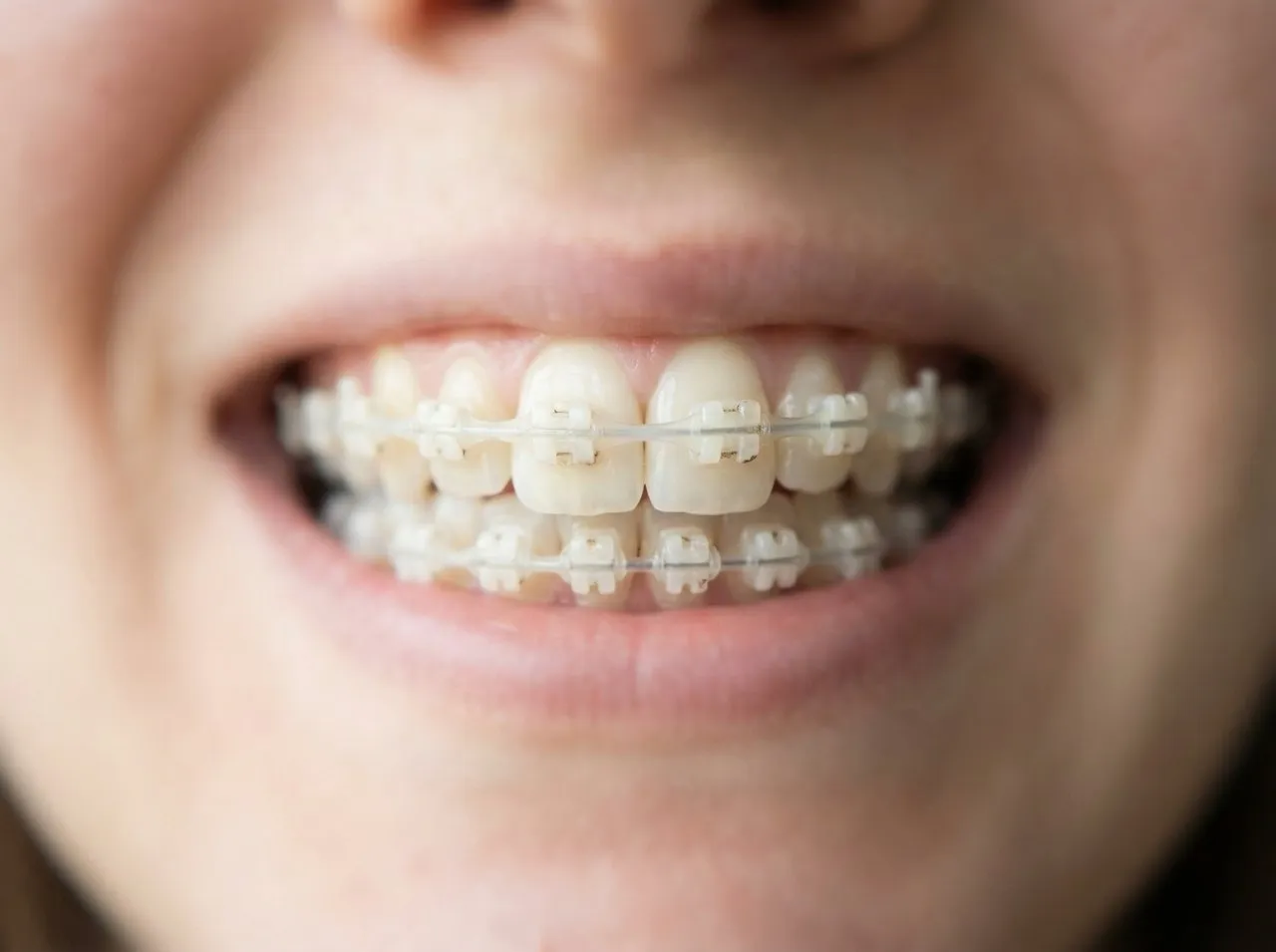
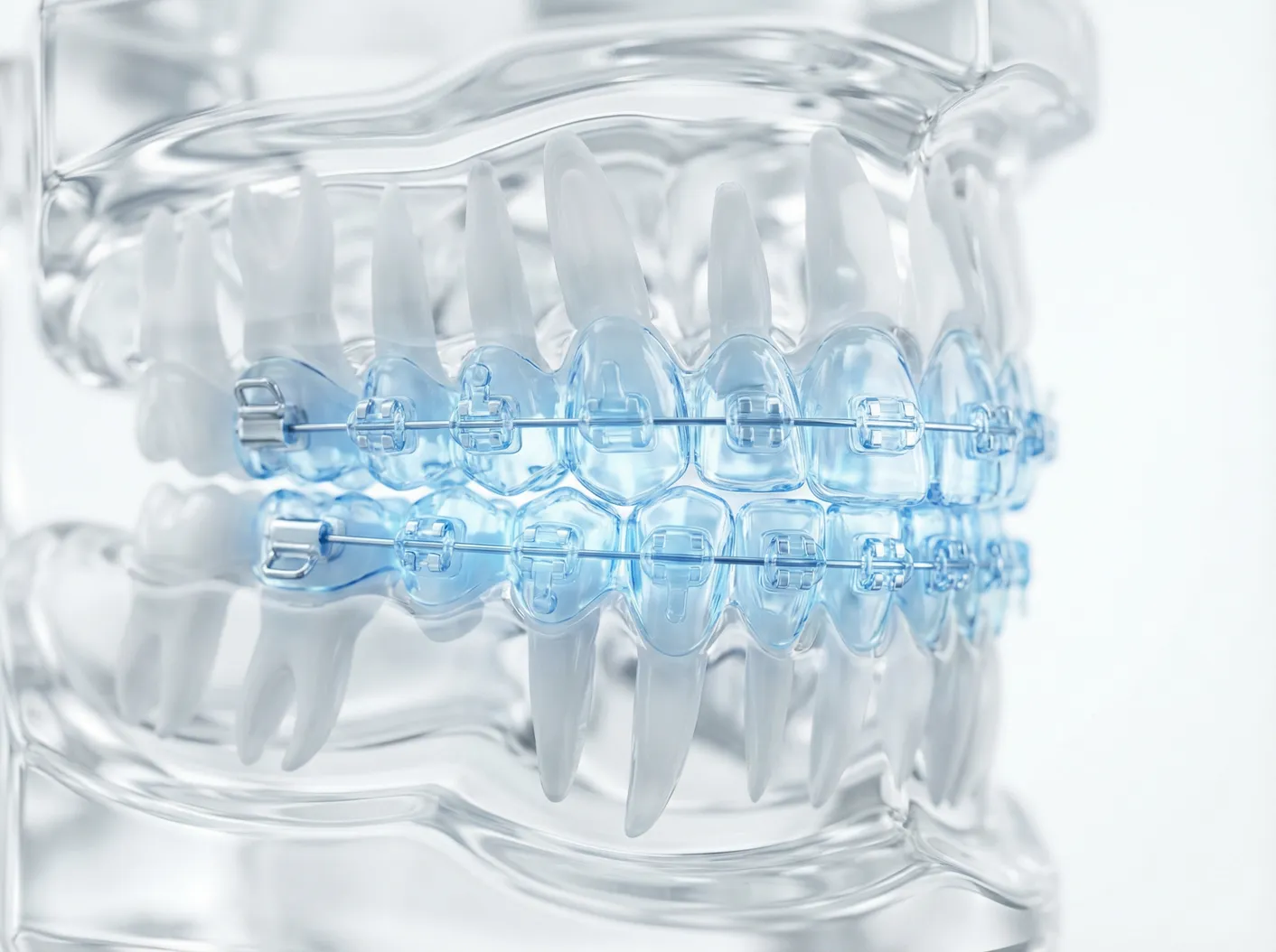
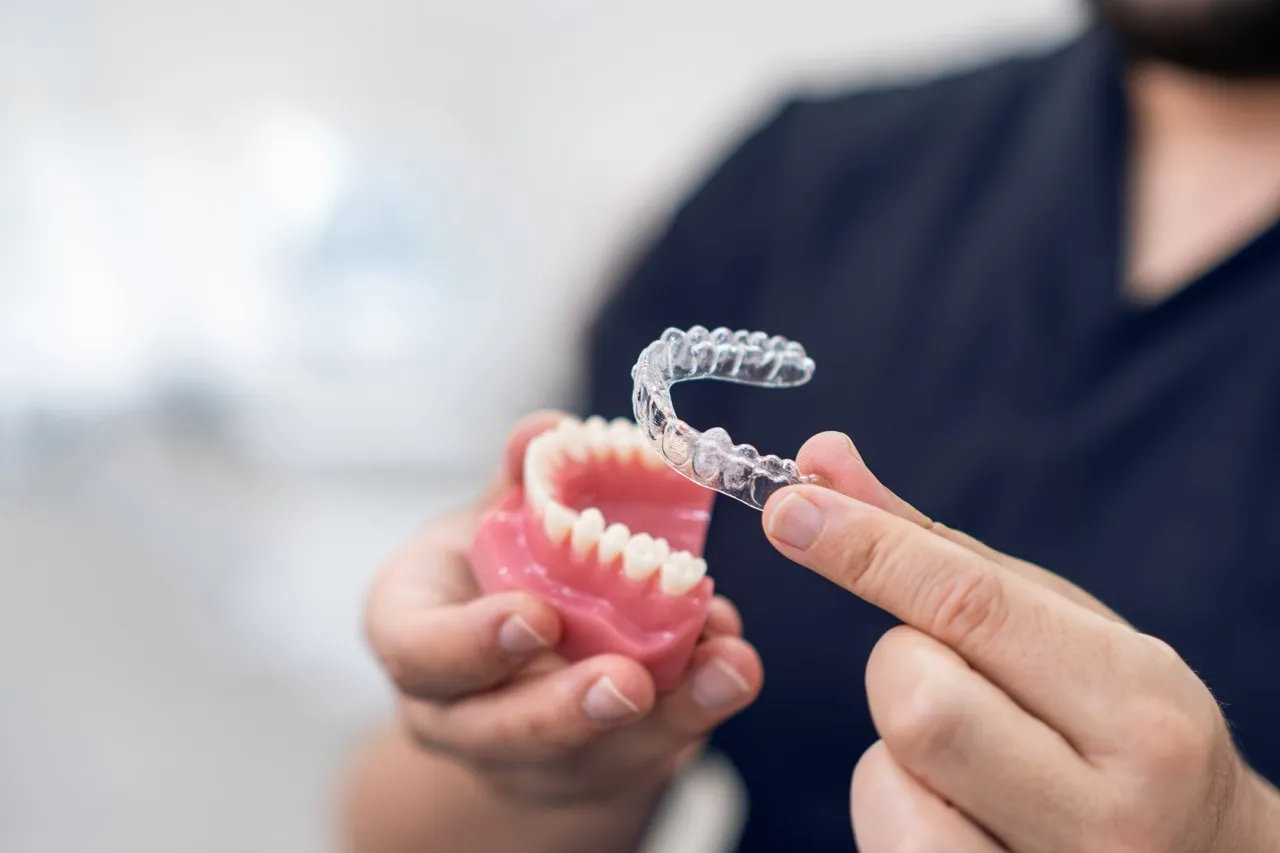
Fixed braces work very reliably. They are also suitable for more extensive corrections. Costs depend on the material and how visible they are. Ceramic brackets are less noticeable than metal ones. They are usually more expensive, but popular in professional life. Lingual braces are the most discreet option. Aligners are transparent plastic trays. They are manufactured in series and changed regularly. Planning is digital and highly personalised. Sometimes partial treatment is sufficient. This applies, for example, to mild crowding. This reduces both treatment time and costs.
Retention: an often underestimated cost
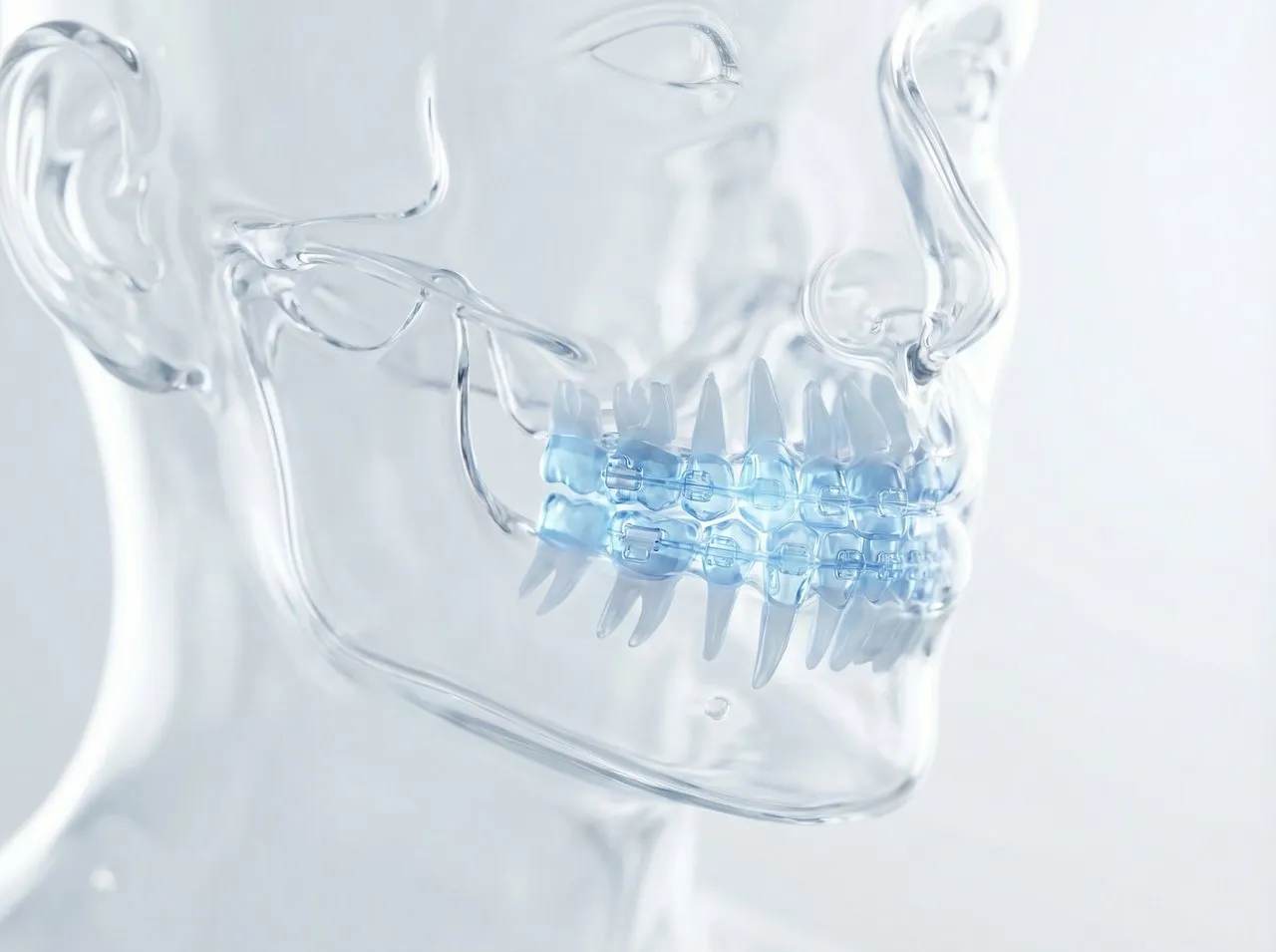
Following the active phase comes stabilisation. This is called retention and is crucial. Without retention, teeth can move back. A fixed retainer is often bonded in place. Alternatively, removable night-time retainers are available. Some cases need both. Plan retention for the long term. It protects your investment in your tooth alignment. It is part of the concept for your teeth correction.
Orthodontic costs for adults and health insurance
For statutory health insurance providers, there is usually a clear rule. Standard cases are rarely covered in adulthood. An exception is severe jaw anomalies. Combined treatment may then be necessary. This sometimes includes a surgical procedure. Jaw surgery costs are reviewed in advance using a treatment plan. Without approval, there is often a personal contribution. Private insurance and supplementary policies are more flexible. Reimbursement depends on the plan and waiting periods. A cost estimate provides certainty here.
Saving without compromising quality
Many people want affordable braces. This is possible, but not with promises of quick fixes. A sound plan is crucial. Ask about alternatives with a similar effect. Sometimes partial correction with a retainer is sufficient. Treatment duration can often be optimised too. Nevertheless, ‘affordable braces for adults’ should still be professionally appropriate. Cheap systems without supervision can increase risks. In the long term, this often works out more expensive. A transparent second opinion is helpful. It clarifies whether the scope is really necessary. It also gives you greater confidence about the method.
Advice and cost planning at Wunschlachen
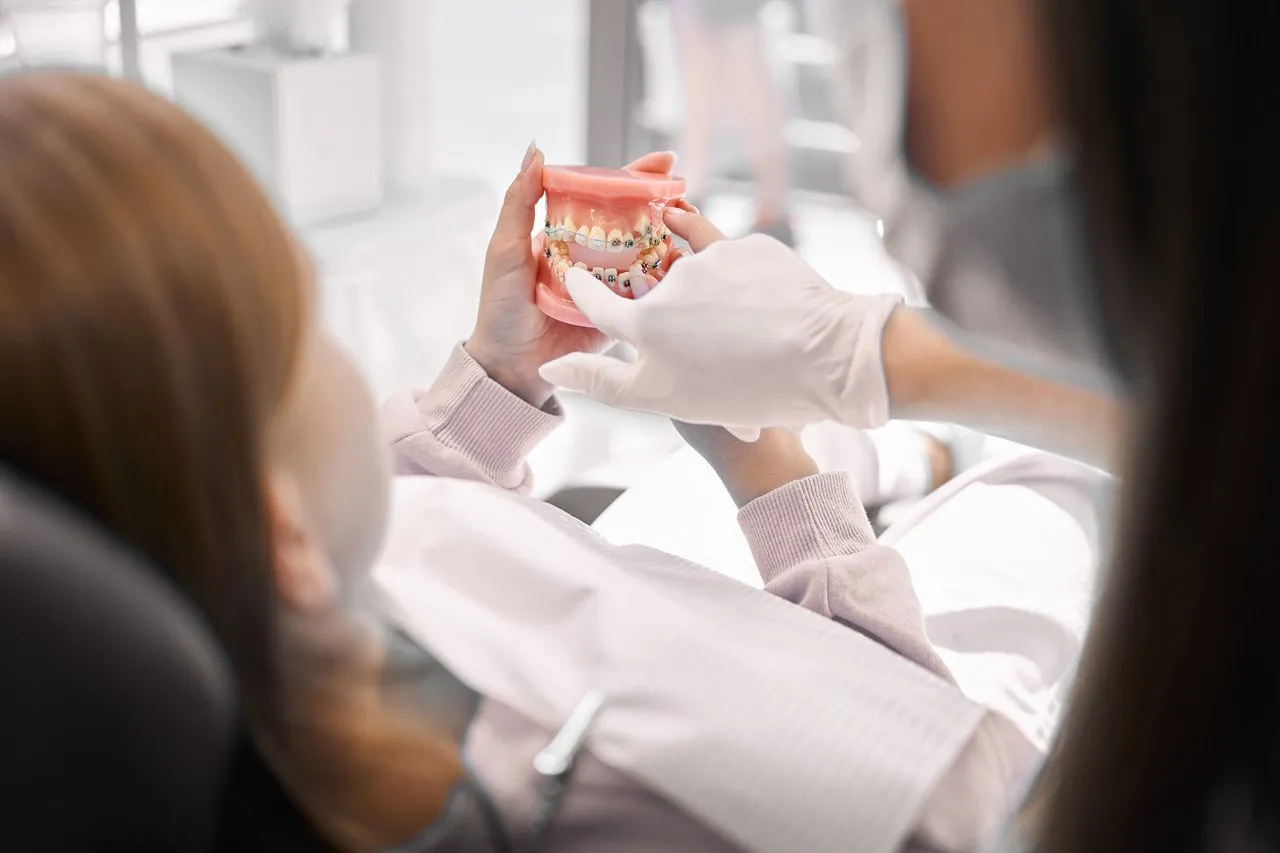
At Wunschlachen, we begin with a thorough analysis. We examine your teeth, bite and temporomandibular joint. We then discuss your goals. You receive a transparent plan with options. We explain differences, benefits and limitations. This gives you a clear understanding of your costs. We also state the likely range for each treatment approach. This allows you to plan your budget realistically. We clarify outstanding points before starting. If you wish, we can explore financing options. We also provide documentation for insurers.
Conclusion
Costs depend heavily on the clinical findings. Diagnostics, method and retention are important. Good advice prevents expensive detours. If you would like clarity about the work involved and your budget, contact us. We draw up a well-founded cost plan and guide you safely through the process. This turns your goal into a stable result.
FAQ: Frequently asked questions about adult orthodontic costs
Costs start at €2,000. The exact amount depends on the method and duration.
Misalignment, diagnostics and the appliance vary considerably. Laboratory costs and retainers also affect the total.
Usually not if treatment is purely to straighten teeth. Exceptions apply to severe jaw malformations.
Surgery may be necessary for pronounced jaw positions. Treatment is then often combined with fixed braces.
Not necessarily, but they often are in the mid-range segment. Complex series of aligners can become expensive.
Additional costs arise depending on the system. It protects the result in the long term.
Look for diagnostics, planning and aftercare. Do not just compare the starting price.
Yes, many practices offer payment by instalments. This keeps monthly costs manageable.
Diagnostics, the appliance, check-ups and retention should be included. Also ask about possible additional costs.
Initial changes are often visible after a few weeks. The final result usually takes several months.