Possible side effects of bone augmentation
A stable jawbone is the most important foundation for the long-term success of dental implants. If there is insufficient bone, for example due to tooth loss, inflammation or age-related bone loss, bone augmentation may be necessary. This surgical procedure creates the foundation for securely anchoring implants in the jaw.
However, as with any medical procedure, risks and side effects can also occur here. Below, we provide an overview of possible associated symptoms, differences between the upper and lower jaw, and the most important information about bone substitute materials.
Über 350 Google-Bewertungen
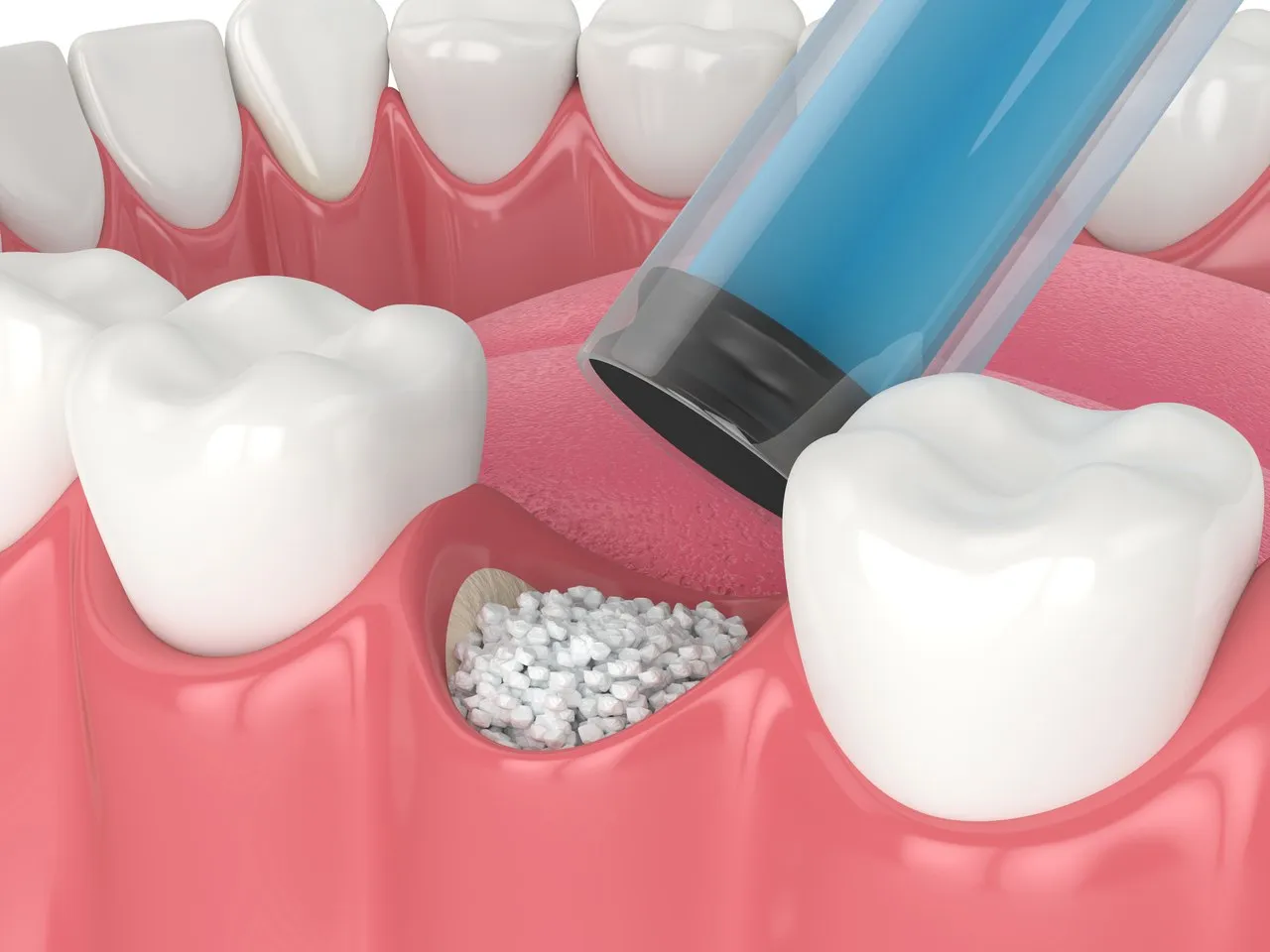
Which side effects can occur with bone augmentation?
Following bone augmentation, the body responds to the surgical procedure with natural healing processes. Mild pain, swelling and bruising are typical and usually harmless reactions during the first few days. These symptoms generally subside within a few days to weeks. If necessary, they can be relieved with suitable painkillers and by applying cold.
Somewhat less frequently, heavier bleeding or infections may occur in the surgical area. In these cases, close follow-up monitoring by the treating dentist is crucial. It is important that patients consistently follow the postoperative instructions. These include resting, careful oral hygiene and attending follow-up appointments.

Problems after bone augmentation in the upper jaw
Bone augmentation can be particularly challenging in the upper jaw. The jawbone is often thinner and softer here than in the lower jaw. For larger defects, a procedure known as a sinus lift is often performed. During this procedure, the floor of the maxillary sinus is raised and filled with bone or bone substitute material.
Possible problems after bone augmentation in the upper jaw primarily include swelling in the area of the maxillary sinus. Other effects can include temporarily restricted nasal breathing or a feeling of pressure. In rare cases, an opening into the maxillary sinus may occur, requiring a longer healing period. However, this risk can be significantly minimised through careful planning and modern surgical techniques.

Problems after bone augmentation in the lower jaw
The lower jaw often has a denser bone structure, but specific side effects can also occur here. One possible problem is the proximity to nerve pathways in the lower jaw, particularly the so-called inferior alveolar nerve.
If this nerve is irritated or injured during the procedure, numbness or tingling may occur in the lip, chin or tongue. These sensory disturbances are usually temporary and resolve within weeks to months. In rare cases, however, they may persist for longer.

Side effects of bone substitute material
Either the patient's own bone or a bone substitute material is used for bone augmentation. The latter can be of animal, synthetic or human origin. In general, modern materials are very well tolerated and have been used successfully for many years.
Nevertheless, in rare cases, the bone substitute material may be rejected. Symptoms of such a reaction can include persistent pain, swelling, redness or delayed wound healing. A failure of new bone to form is also a possible consequence. In such cases, the treating dentist must decide whether the material needs to be removed or replaced.

Implant rejection – who pays?
In rare cases, problems occur after bone augmentation and subsequent implantation. This can result in an implant failing to integrate and being rejected.
The cost arrangements depend on various factors. The following factors play an important role:
• the cause of the rejection
• the type of insurance
• the individual agreements with the practice
Statutory health insurance providers usually only cover the fixed subsidy for standard care. Private supplementary or comprehensive insurance policies, on the other hand, may cover a larger proportion of the costs. It is worth clarifying the exact conditions with your insurer in advance. We will support you in communicating with your insurance provider.

Recognising the symptoms of bone substitute rejection
A particularly feared complication is the rejection of bone substitute material. Symptoms may include severe pain, persistent swelling, pus formation or an open wound. An unpleasant odour or small particles escaping from the wound can also be warning signs. If these symptoms occur, you should seek immediate attention from the practice treating you to discuss the next steps.
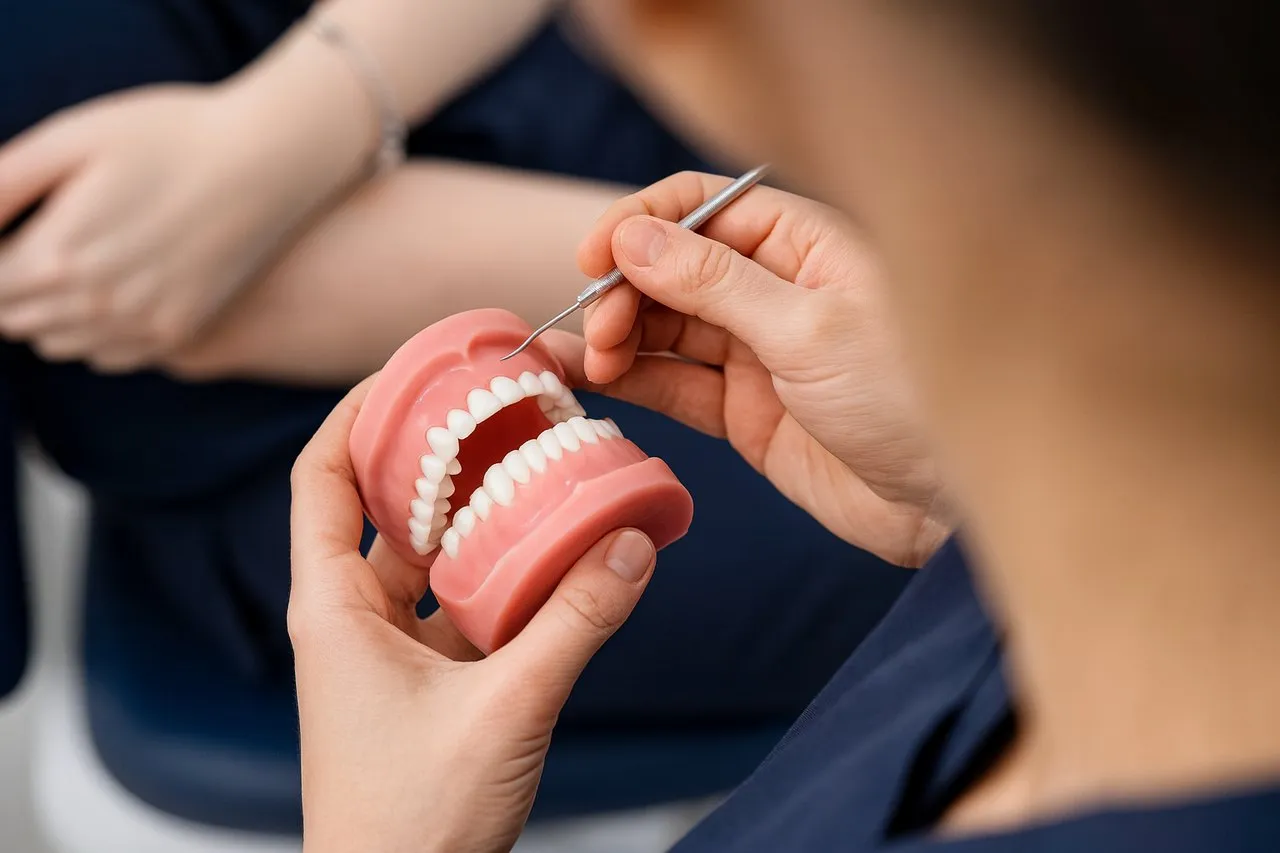
Conclusion: risks are rare, prevention is crucial
Bone augmentation is a tried-and-tested, safe procedure that proceeds without problems in the vast majority of cases. The possible side effects can be greatly reduced through careful planning, modern surgical techniques and good aftercare.
Patients should receive comprehensive advice beforehand. Possible risks must be assessed. During the healing phase, it is advisable to work closely with their practice. This will ensure that nothing stands in the way of successful implant treatment on a stable foundation.