Partial crowns: an efficient solution for damaged teeth
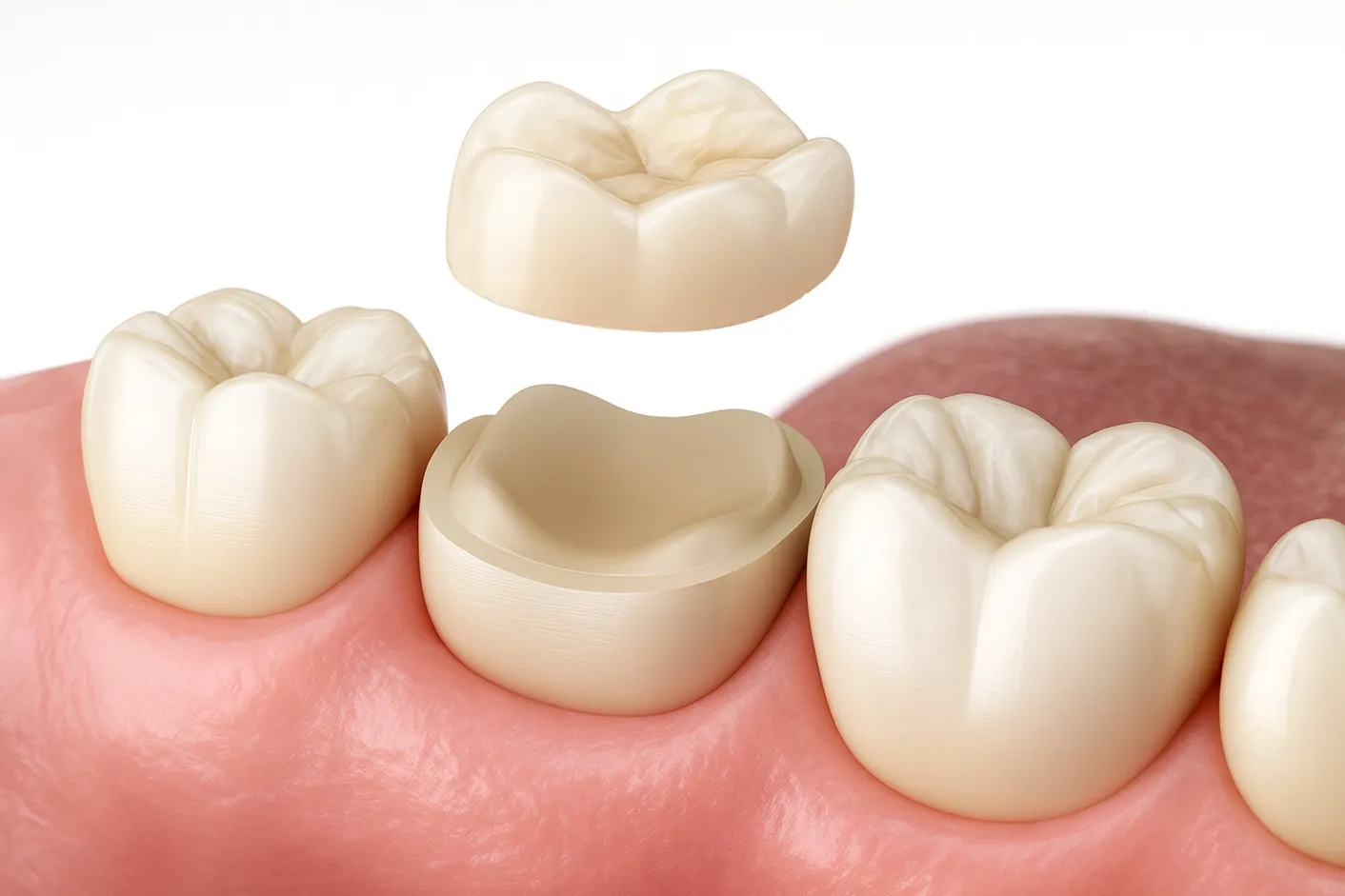
Partial crowns are a tried-and-tested dental solution for restoring damaged or severely worn teeth. They provide targeted treatment for teeth that have not been completely destroyed. This type of crown is particularly suitable in cases of tooth damage that affects only part of the tooth...
Über 350 Google-Bewertungen
What is a partial crown?
A partial crown is a dental restoration that partly covers a damaged tooth but does not cover it completely. This restoration is often used when the tooth is only partially worn or damaged. The dental restoration is usually made of high-quality materials such as ceramic, zirconia or metal. These are not only durable but also very aesthetically pleasing.
When is a partial crown needed?
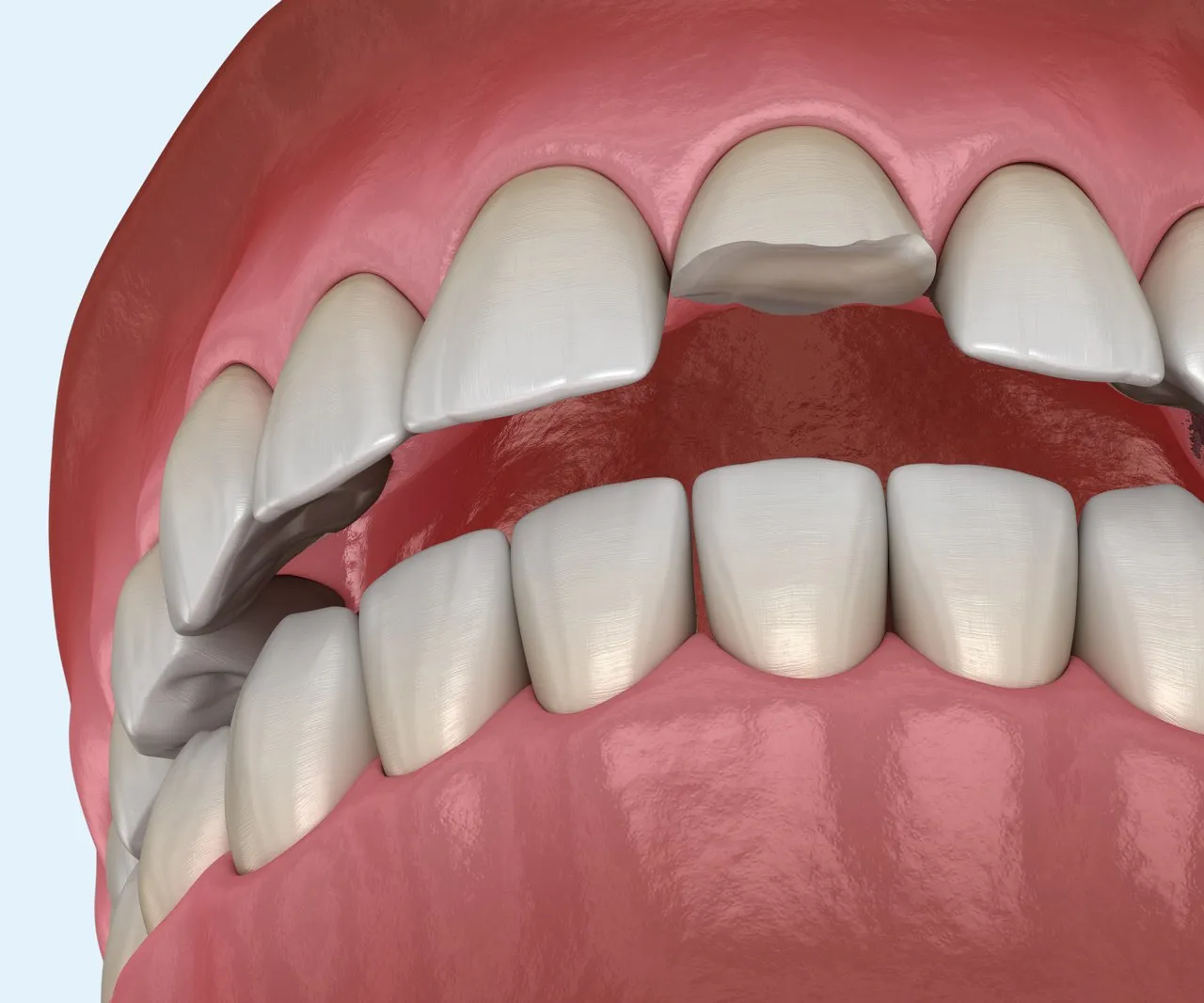
A partial crown is used primarily when a tooth has been damaged by tooth decay or an accident. It is an ideal solution for teeth where the damage affects only part of the tooth. It is often used for molars where large fillings are no longer sufficient.

Partial crowns on molars: special requirements
They are particularly commonly used on molars, as these teeth are exposed to greater loads. Molars are responsible for chewing and grinding food and are therefore subjected to greater strain. A crown like this can restore the molar’s function and stability. A major advantage of using this type of crown on molars is that only the affected area is treated. This preserves the existing tooth substance. A partial crown for molars is generally made of strong materials such as zirconia or gold. These offer a long lifespan and high resistance to chewing forces.

Partial crowns on incisors: aesthetic requirements
Partial crowns can be used not only on molars but also on incisors. An aesthetically pleasing restoration is particularly important for incisors that have been damaged by tooth decay or mechanical injury. This is where ceramic crowns are used. This material can be matched exceptionally well to the natural tooth colour. It offers excellent aesthetics and is particularly suitable for teeth in the visible area. A partial crown for incisors provides a precise and aesthetically pleasing solution. They are discreet and help the tooth fit perfectly back into the overall appearance of the smile.
Partial crown treatment: step by step
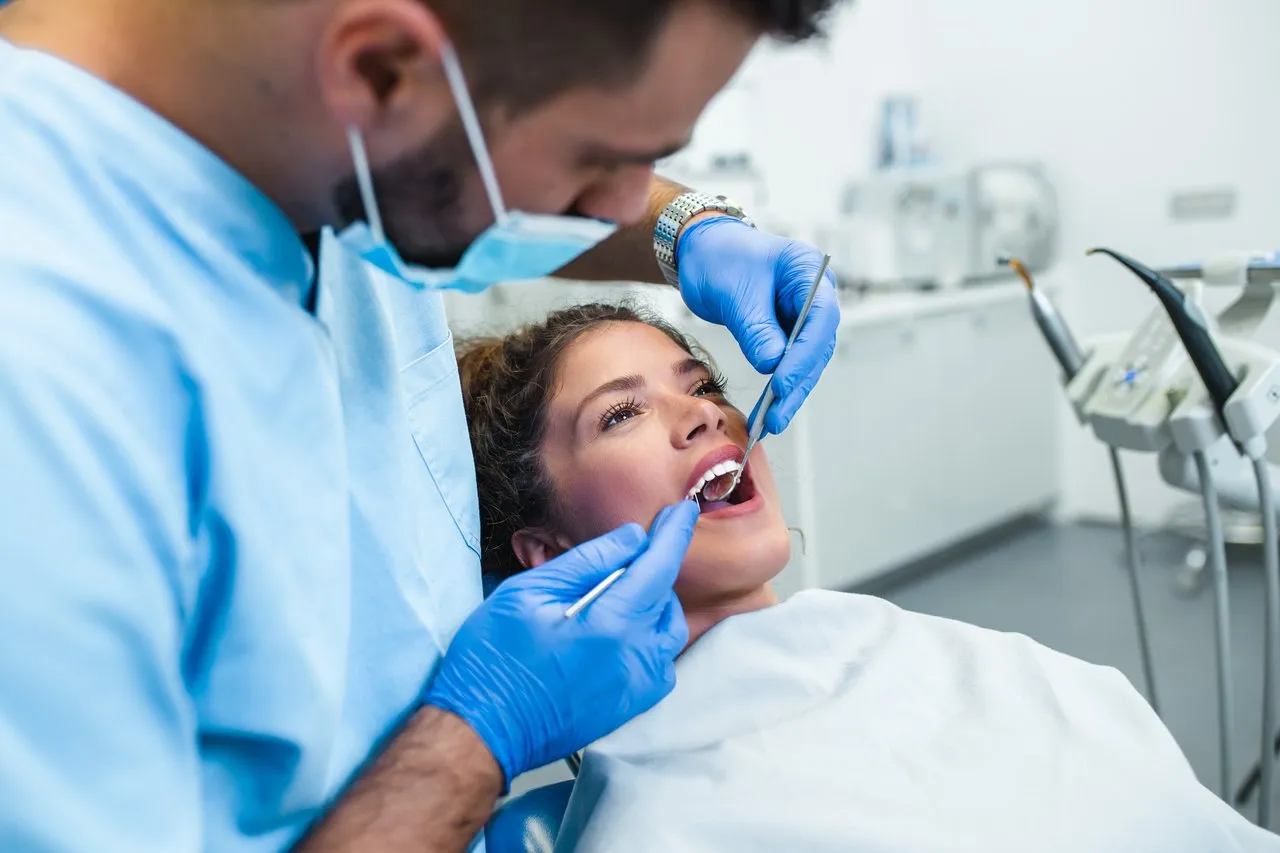
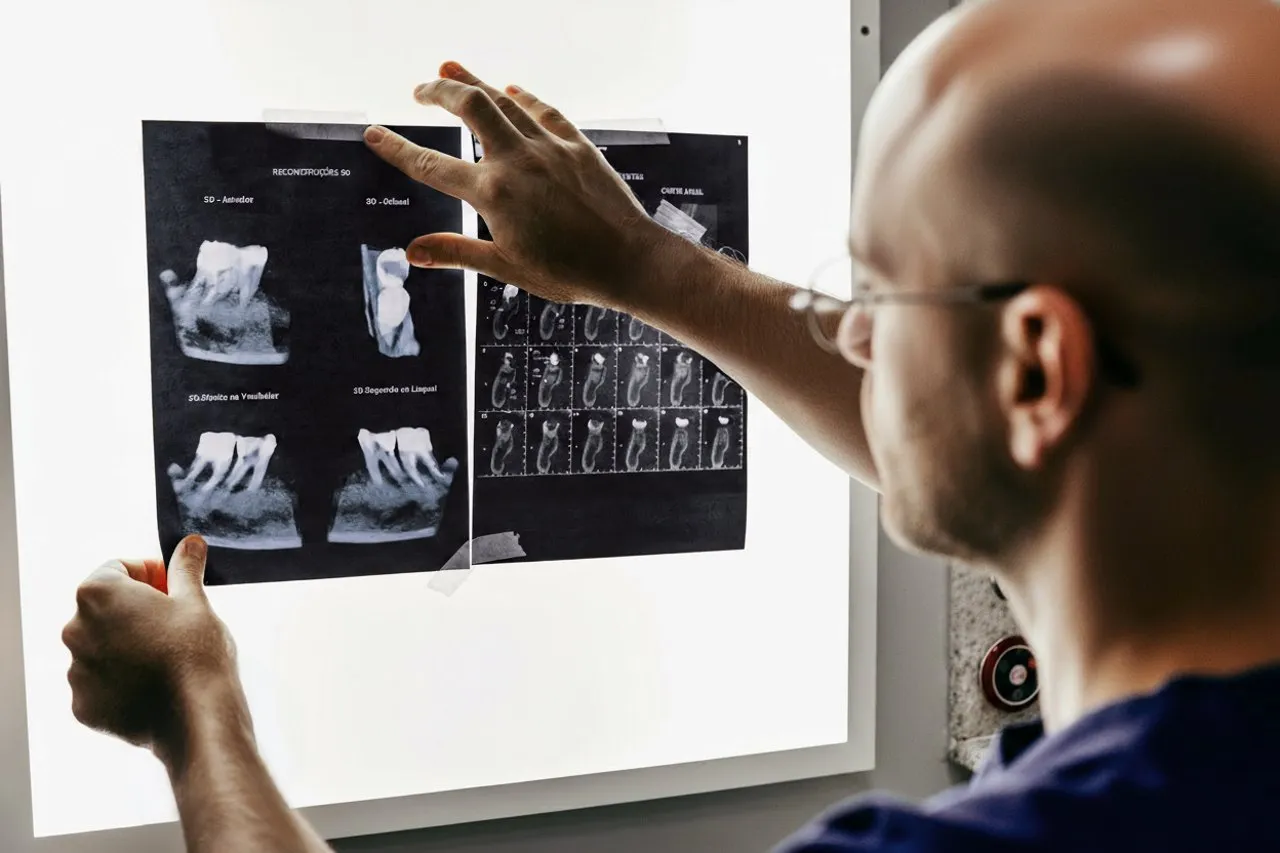
The treatment process is usually straightforward and involves several steps. At the first appointment, the dentist will thoroughly examine the affected tooth. The treatment process is as follows: 1. Examination and planning: First, the dentist will thoroughly inspect the damaged tooth. X-rays may be required to determine the extent of the damage. It must be ensured that the tooth still has enough healthy substance for the crown. 2. Preparing the tooth: In the next step, the dentist will remove the damaged area of the tooth. As much tooth substance as necessary, but as little as possible, is removed to prepare the tooth correctly. The dentist shapes the tooth so that the crown fits perfectly. 3. Taking an impression: After the tooth has been prepared, an impression of the tooth is taken to produce the precisely fitting partial crown. In some cases, a digital impression can also be used to speed up the process. 4. Making the partial crown: The dental restoration is made in a dental laboratory. This process can usually take a few days, depending on the material and the complexity of the restoration. 5. Fitting the partial crown: Once the crown is complete, it is placed on the tooth and secured. The dentist checks whether the fit and bite are correct and makes adjustments if necessary. 6. Aftercare and follow-up: Regular follow-up examinations are necessary after fitting. This ensures that the dental restoration functions properly and no problems arise.

Disadvantages of partial crowns: what should you consider?
Like any dental treatment, partial crowns have their disadvantages. One possible disadvantage is that they are only suitable for teeth that still have a sufficient amount of tooth substance. A full crown may be necessary for very severely damaged teeth to stabilise the tooth completely. Another disadvantage may be the amount of material required and the costs. In particular, a ceramic partial crown can be more expensive than simple fillings because of the material used and the manufacturing technique.
FAQs about partial crowns
It is a dental restoration that partly covers and stabilises a damaged tooth.
A partial crown is used when a tooth is damaged but not completely destroyed. There must be sufficient tooth substance.
The restoration can last for many years, depending on the material used and the patient’s oral hygiene.
It preserves more healthy tooth substance than a full crown and provides a stable solution for damaged teeth.
One disadvantage is that a partial crown can only be used on teeth with sufficient tooth substance. It can be more expensive than simple fillings.
Yes, they are often used on molars to ensure the tooth’s stability and functionality.
Yes, a ceramic partial crown can also be used on incisors because it is aesthetically pleasing.
The partial crown is secured to the tooth with a strong dental adhesive.
The tooth is prepared, an impression is taken, the partial crown is made and then fitted.
Treatment with partial crowns usually causes little pain, as the tooth is prepared under local anaesthetic.