Periodontitis and periodontosis: causes, treatment and tips
What do periodontitis and periodontosis mean? Many people still say periodontosis. The correct clinical term today is periodontitis. Both affect the supporting structures of the teeth. These include the gums, bone and fibres. Some people search for ‘Patodontitis’. They almost always mean periodontitis. The disease starts...
Über 350 Google-Bewertungen
The difference between periodontosis and periodontitis
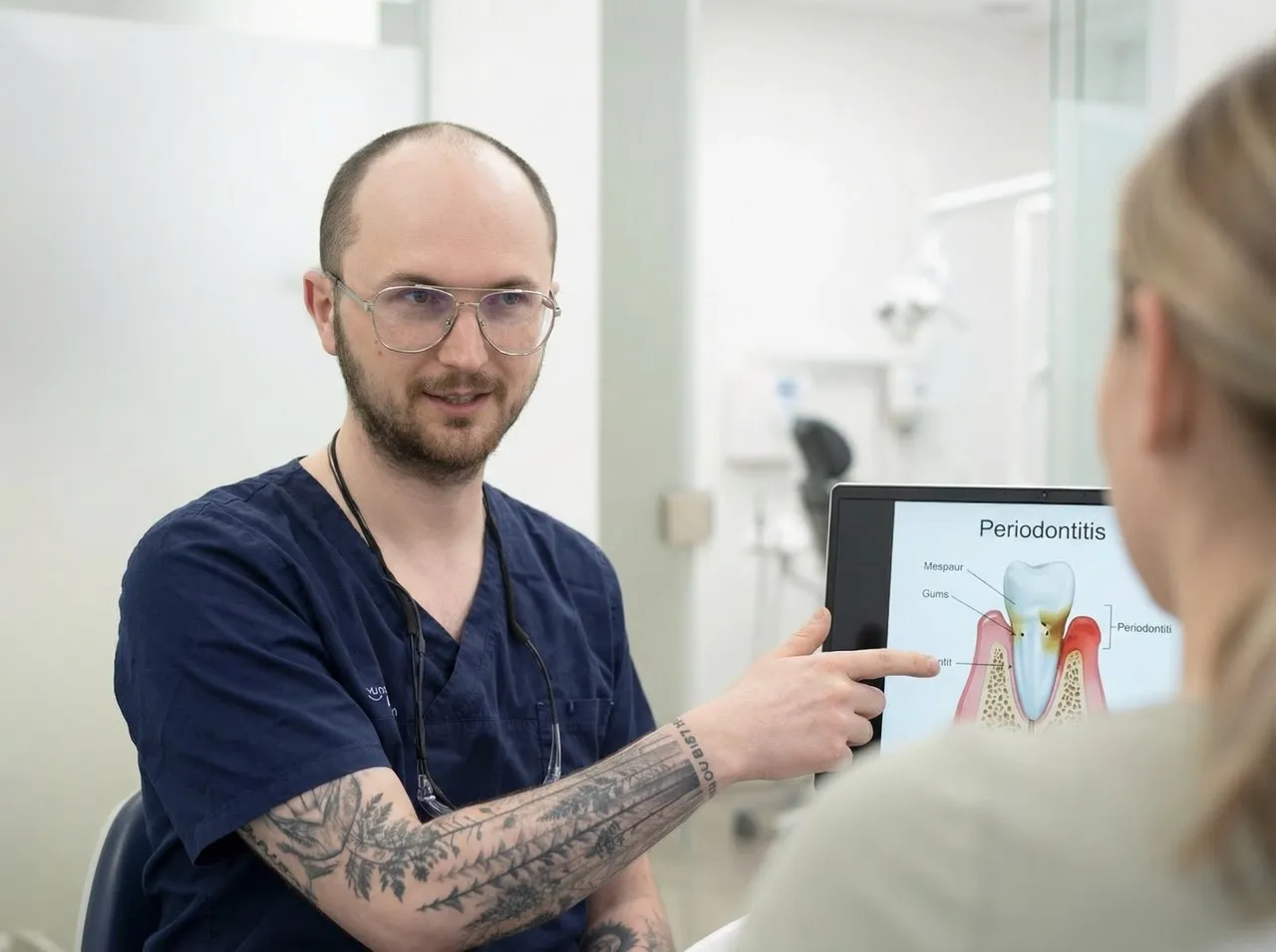
Periodontosis used to be an umbrella term. It referred to receding gums. Today, the term periodontitis is generally used. This is a bacterial inflammation. The difference is important for treatment. Inflammation requires targeted cleaning. Recession alone requires protection against excessive strain. Both processes often occur together.
Stages and progression of the disease
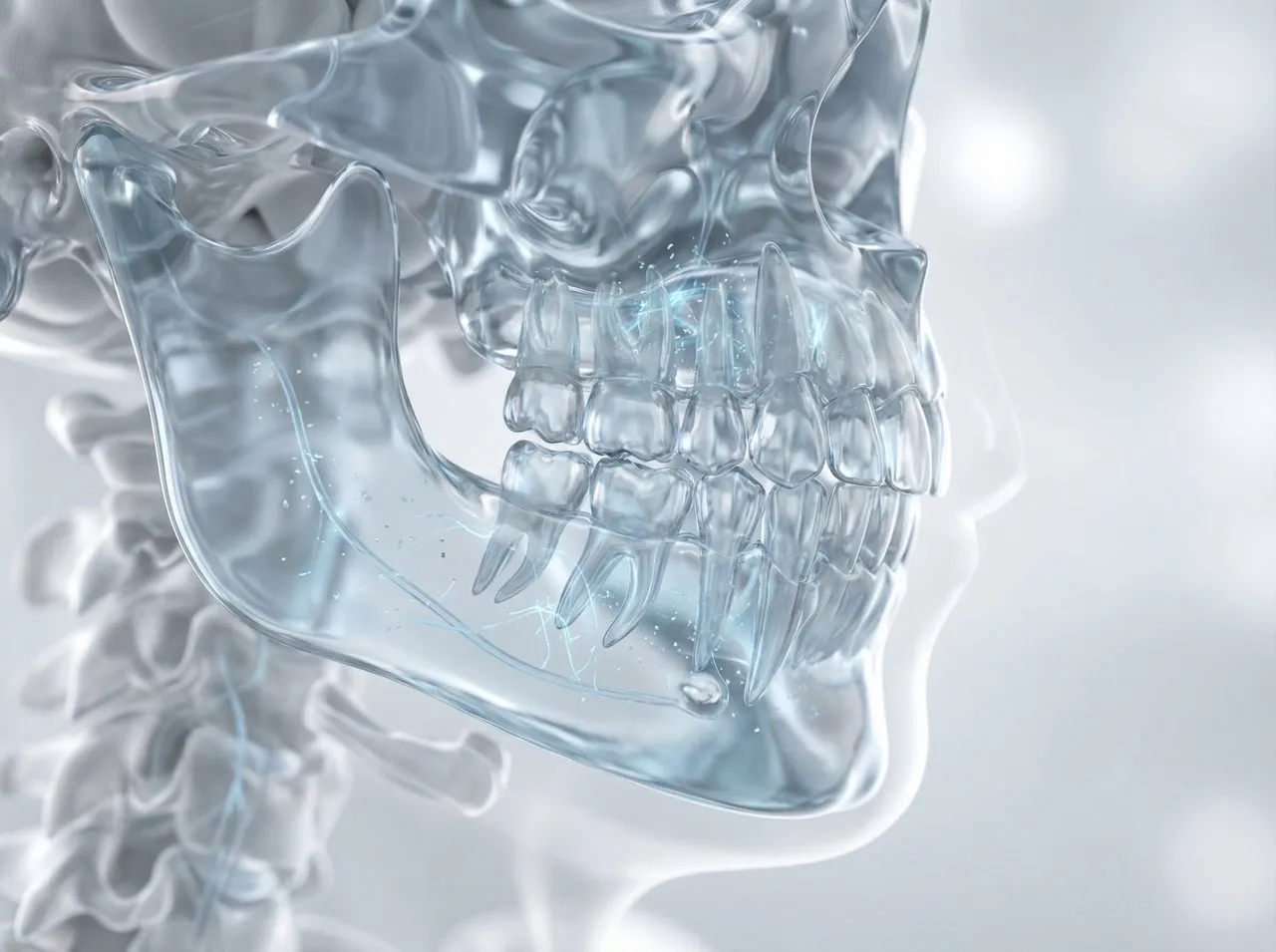
It usually starts with inflammation of the gums. This is called gingivitis. Without treatment, pockets can develop. This is known as periodontitis. Later, the bone is gradually lost. This is called bone loss. The teeth lose their support. In severe cases, tooth loss may result.
Typical symptoms of periodontitis
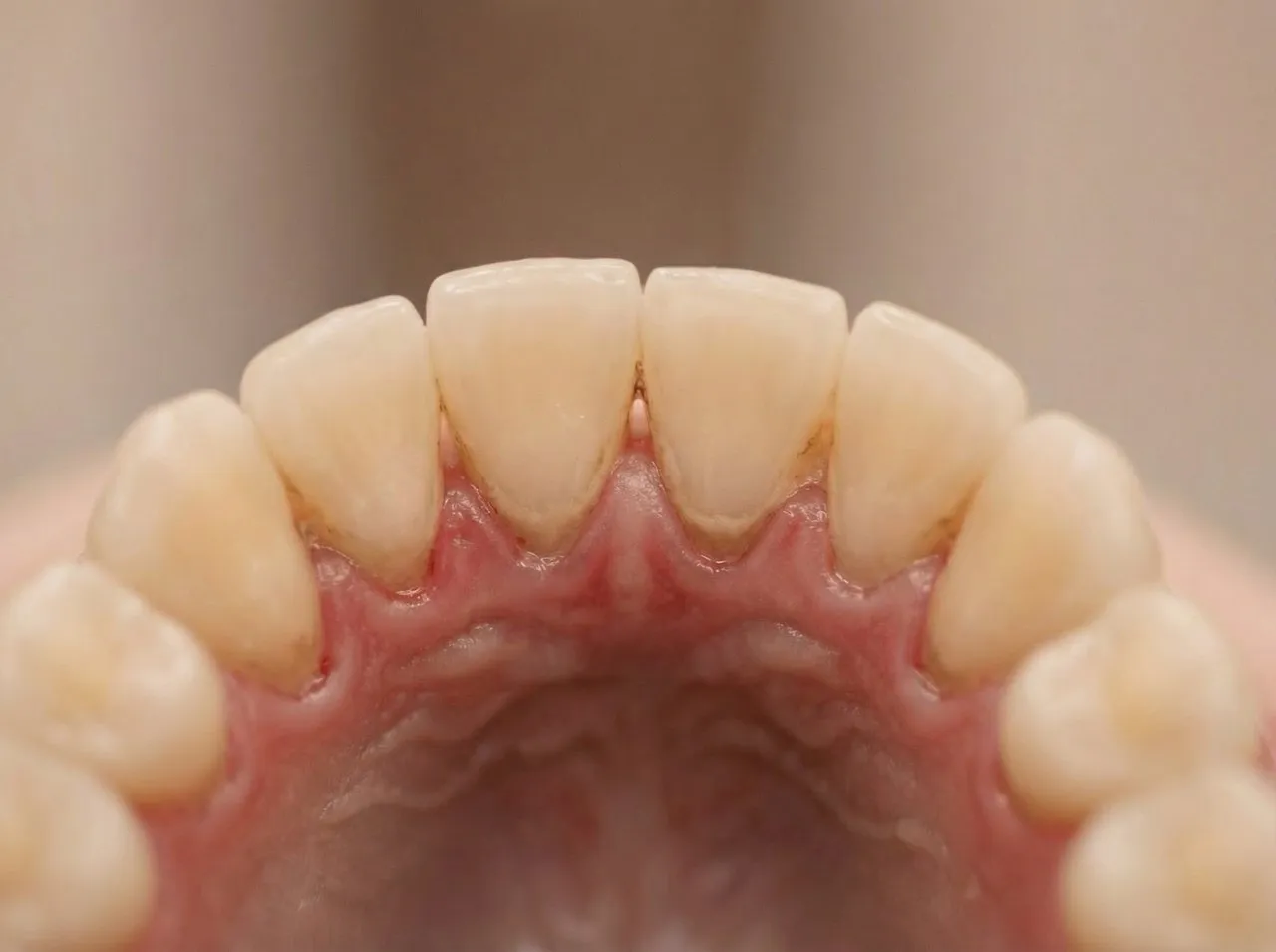
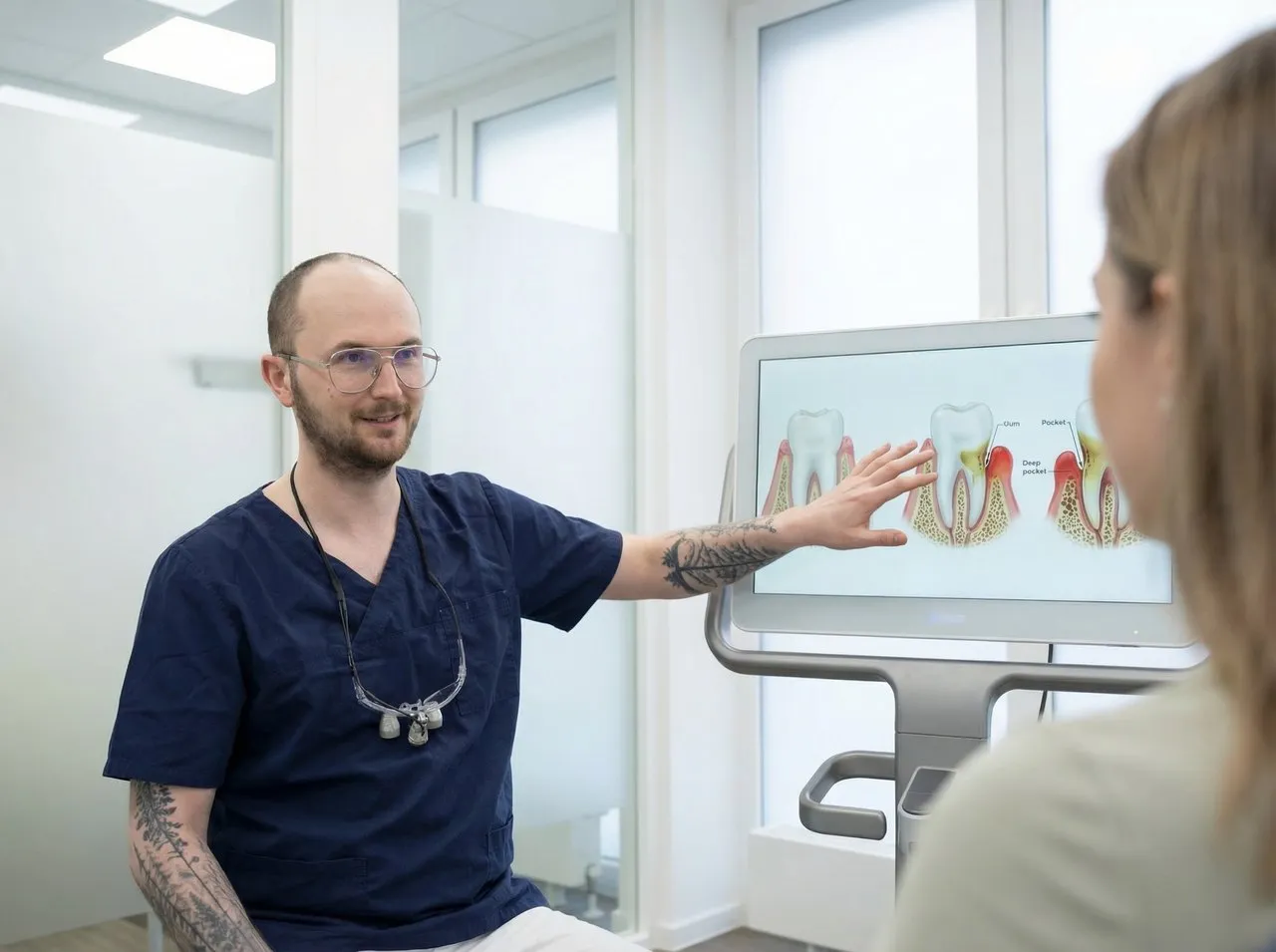
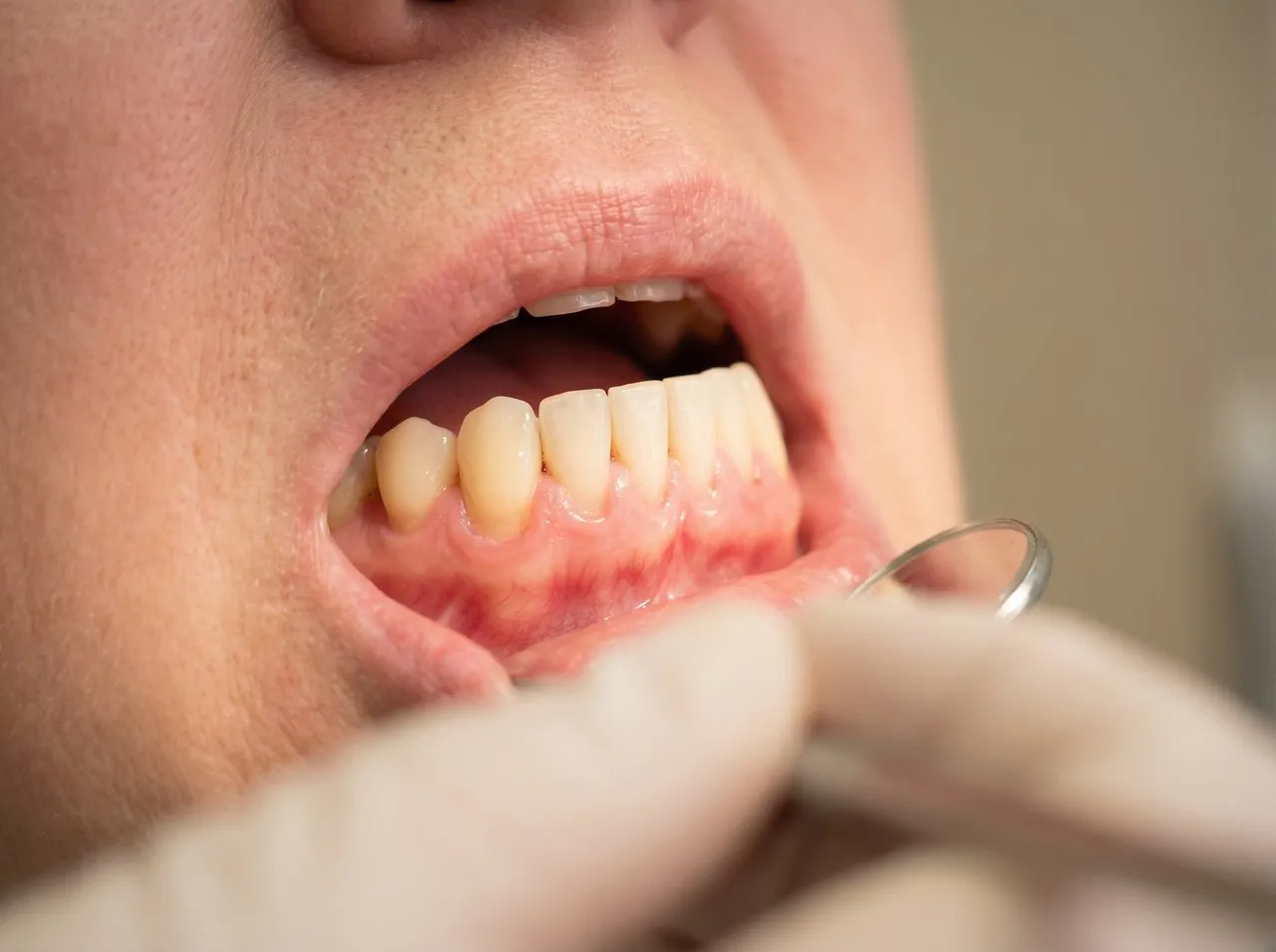
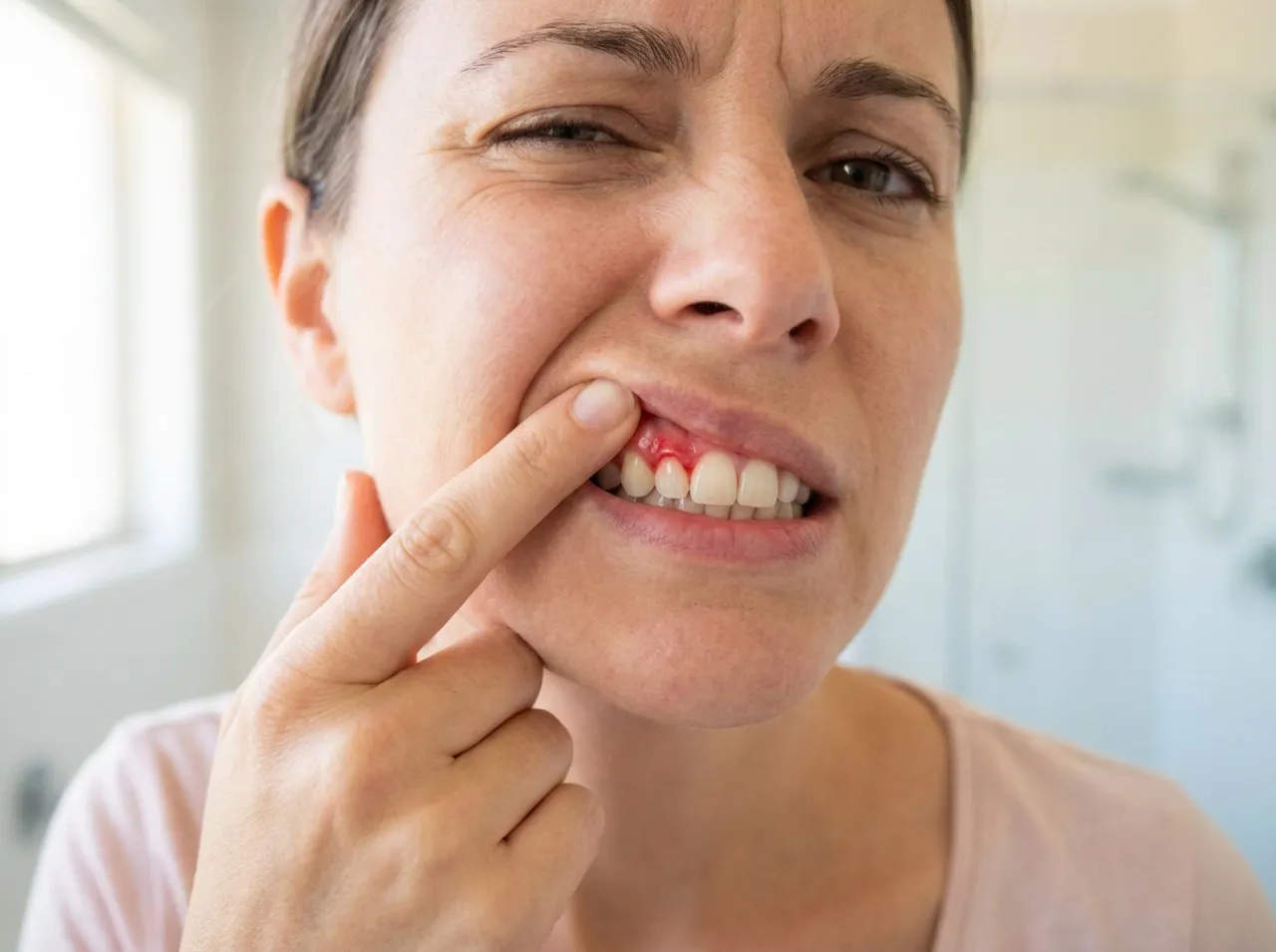
Bleeding gums are an early warning sign. They occur when brushing. Many people affected also notice bad breath. Sometimes the breath tastes unpleasant. The gums may be red. They often appear swollen. Later, they recede. The teeth then look longer. Another sign is periodontal pockets. Plaque and bacteria collect there. As the disease progresses, teeth become loose. Some people notice gaps or a shifting bite.
Causes and risk factors
The main cause is bacterial deposits, also known as plaque. They harden into tartar. Bacteria irritate the gums. The body responds with inflammation. Smoking significantly increases the risk. It also masks bleeding. Diabetes can worsen the condition. Stress also plays a role. Genetics may be a contributing factor. A weak immune response promotes damage. Crowded teeth make cleaning more difficult. Overhanging filling edges also encourage plaque build-up.
Consequences: bone loss and strain on the body
Left untreated, periodontitis leads to bone loss. The teeth lose support. The bite changes. This places greater strain on individual teeth. Inflammation in the mouth can place a strain on the body. It often raises inflammatory markers. Diabetes can become harder to control. Many studies show this. Cardiovascular issues are also discussed. The evidence is not always conclusive. However, the benefits of treatment are clear. A healthy mouth reduces sources of inflammation.
Diagnosis at the dental practice
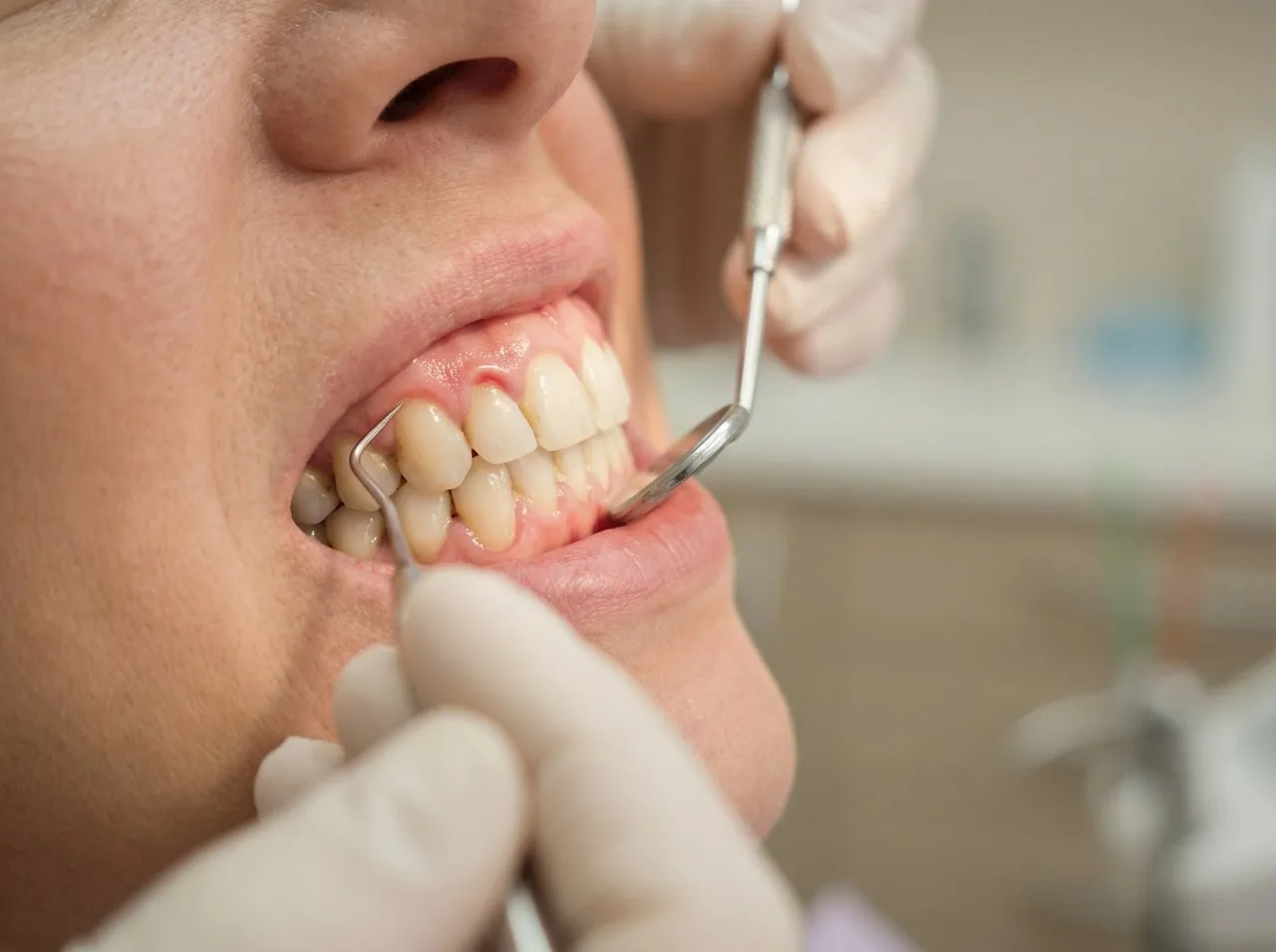
We measure the depth of the periodontal pockets. We use a fine probe for this. We also check for signs of bleeding. These readings show how active the inflammation is. X-rays help us examine the bone. This allows us to detect bone loss. We also check tooth mobility. In addition, we assess the bite. Sometimes a bacterial test is useful. It identifies important types of bacteria. This may lead to targeted antibiotic treatment. We decide this on an individual basis.
Treatment: periodontitis therapy step by step
It starts with clear, easy-to-understand advice. You will learn better brushing techniques. This is often followed by a professional dental clean. This reduces bacteria and deposits. We then clean deep inside the pockets. This is called scaling and root planing. We remove biofilm and calculus. The root surface is smoothed. If necessary, we use local disinfection. Gels or mouth rinses are sometimes used as well. In severe cases, antibiotics can help. This only applies when there is a clear clinical indication. If pockets remain very deep, surgery may be an option. The tissue is carefully lifted. This allows us to reach hidden areas. The gums can then reattach more effectively.

Aftercare: maintenance therapy is crucial
Periodontitis is often chronic. It requires regular monitoring. Supportive periodontal therapy is important. It is abbreviated to UPT. We schedule regular recall appointments. Usually every three to six months. We remove new tartar during these visits. We also measure the pockets again. Consistency at home matters too. Use interdental brushes and dental floss. A soft toothbrush protects the gums. Fluoride strengthens tooth enamel.
Periodontitis and tooth replacement
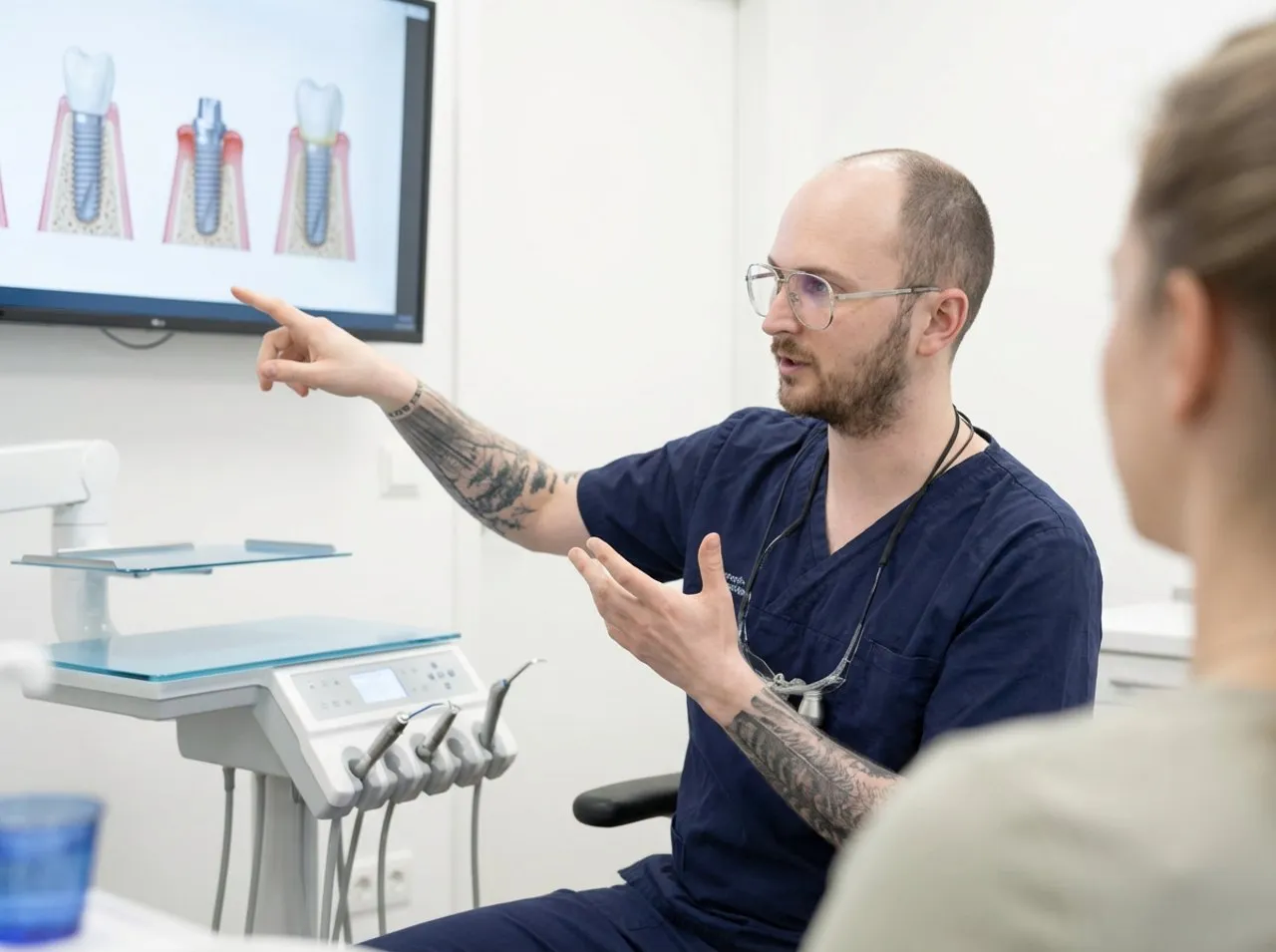
If teeth are loose, we check your bite. A splint can sometimes help. Missing teeth should be replaced. Otherwise, the strain on the remaining teeth increases. Implants also need healthy gums. Active periodontitis must be stopped first. This then reduces the risk of inflammation around implants. This improves the long-term prognosis.

Duration and cost of treatment
Treatment usually takes place over several appointments. The exact duration depends on the pockets. Two to four sessions are often needed. Aftercare then follows. Many health insurance funds cover systematic treatment. This often requires findings documented in accordance with the guidelines. We explain your share of the costs transparently. We can draw up a cost plan on request.
Periodontitis treatment at Wunschlachen in Berlin
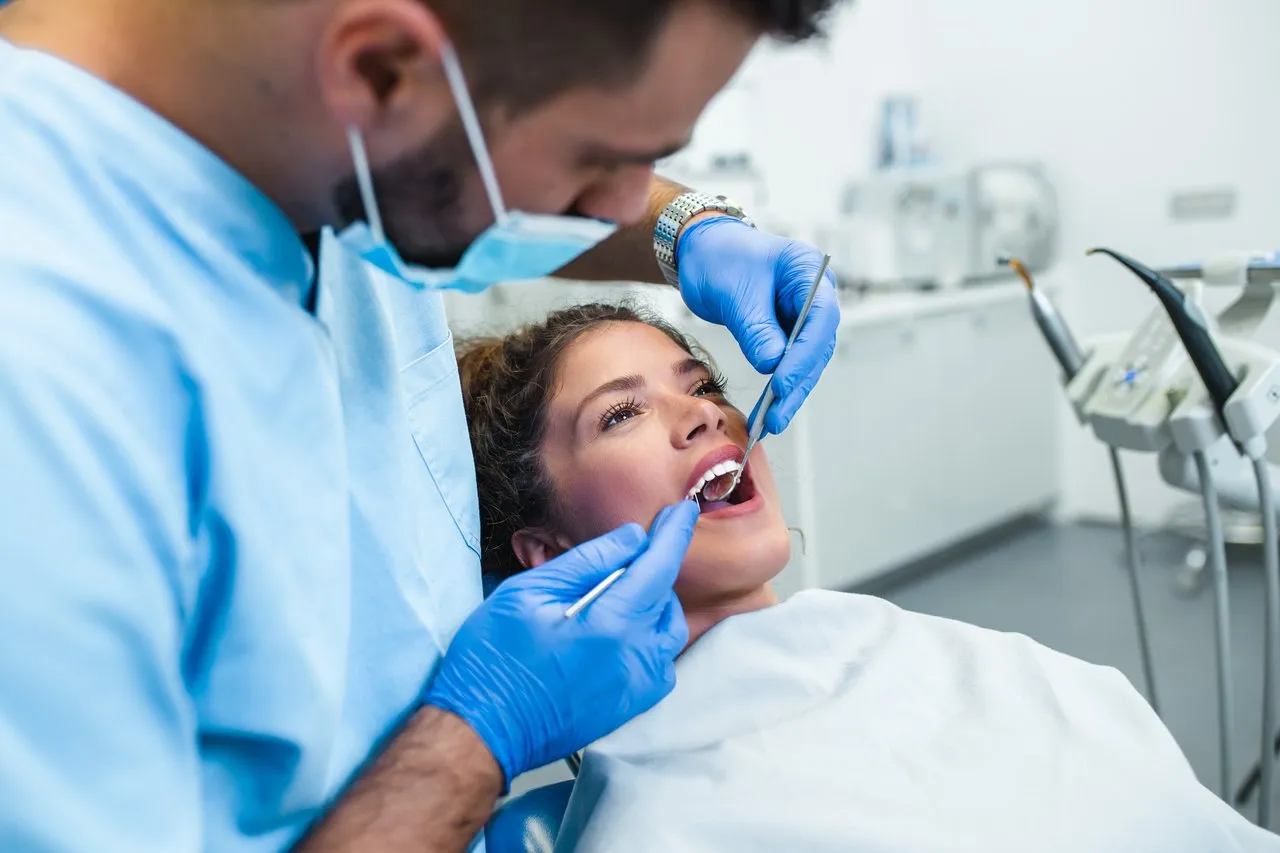
At the Wunschlachen practice, we take gum problems seriously. We work in a structured way. You receive a clear diagnosis. We then draw up a treatment plan. Our goal is to preserve your teeth. We stop inflammation and stabilise the bone. We explain every step. This gives you control and peace of mind. Contact us early. The earlier treatment starts, the better. This protects your smile in the long term. And you avoid extensive procedures.
FAQs – Frequently asked questions about periodontitis and periodontosis
Both terms relate to the supporting structures of the teeth. Periodontitis is now the clinical term.
Periodontosis is an older term. Periodontitis refers to the bacterial inflammation.
The gums often bleed. Bad breath can also be a sign.
Bacteria can be transmitted. However, your own risk is the decisive factor.
It often causes little pain. Pain is more likely to occur with abscesses.
Bone loss is very likely to occur. Teeth can become loose and fall out.
It is an important part of treatment. On its own, it is often not enough when pockets are present.
First comes a hygiene phase. This is followed by deep cleaning of the pockets.
Usually every three to six months. This depends on your risk.
Many services are subsidised. Details are set out in the Heil- und Kostenplan (treatment and cost plan).