How to maintain good oral hygiene: tips for healthy teeth
Good oral hygiene protects the teeth, gums and entire mouth. It reduces the risk of tooth decay, gum inflammation and bad breath. People who brush systematically every day, clean between their teeth and attend check-ups can often maintain their dental health in the long term.
Über 350 Google-Bewertungen
Why good oral hygiene is so important
Good oral care involves more than brushing your teeth every day. It removes plaque and reduces the number of bacteria in the mouth. This helps to protect teeth and gums.
If plaque remains in place for a long time, acids and inflammation can develop. This can lead to tooth decay and gingivitis. Periodontitis may also develop later.
Fresh breath also depends on clean, well-cared-for teeth. Otherwise, bacteria accumulate on the teeth and tongue. This promotes unpleasant odours in the mouth.

The basis of daily dental care
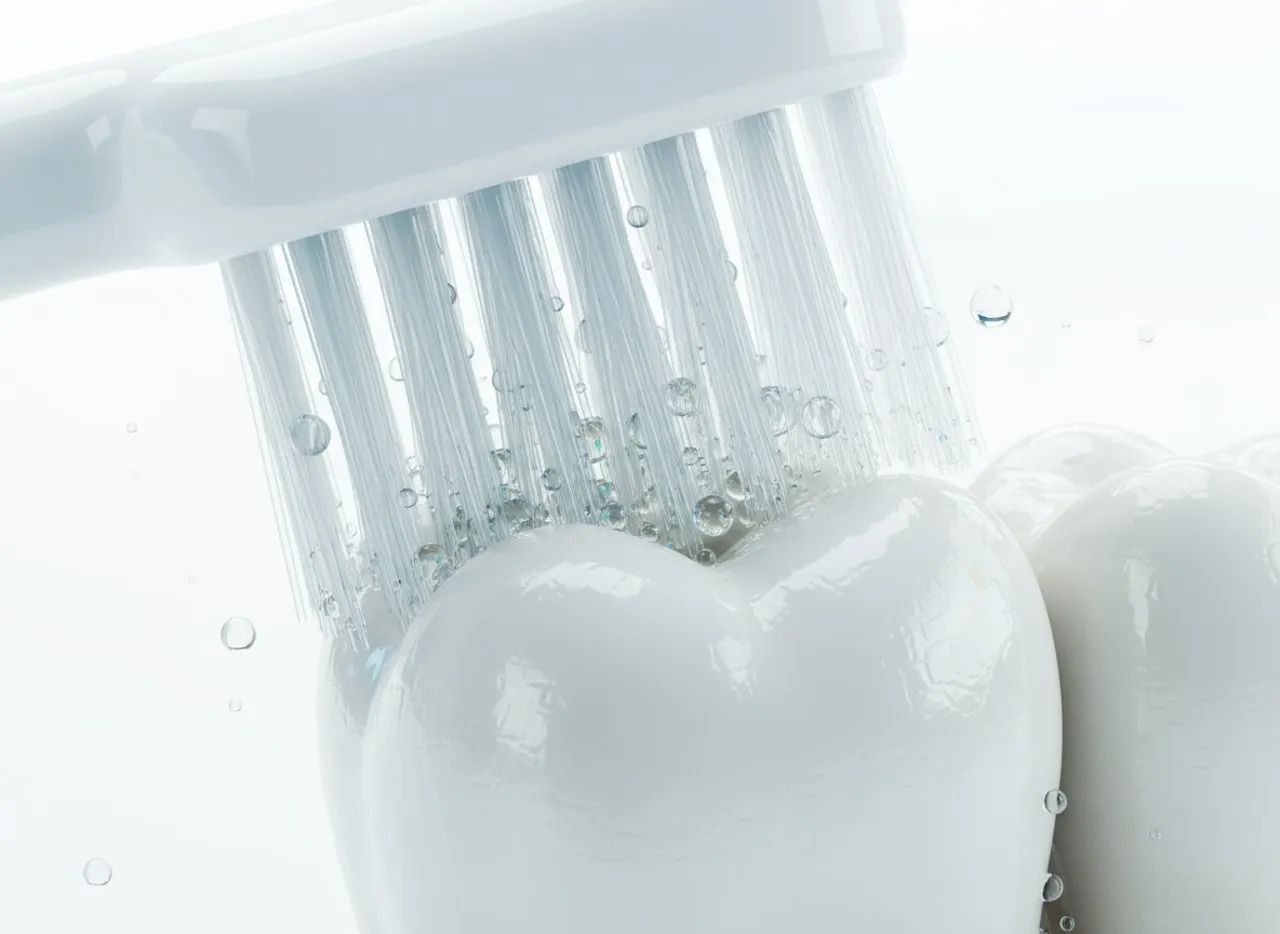
Proper oral hygiene includes brushing your teeth twice a day. A fluoride toothpaste is suitable. Fluoride strengthens tooth enamel and helps to prevent tooth decay.
The toothbrush should not be too hard. Soft to medium bristles are often advisable. This allows thorough yet gentle cleaning.
Electric toothbrushes can improve brushing performance. This is particularly true if your brushing technique is erratic. Manual toothbrushes are also suitable when used correctly.

Brushing teeth properly: technique and duration
Many people brush for too short a time or apply too much pressure. Both can impair oral hygiene. Brushing for approximately two to three minutes is advisable.
Brush systematically and without rushing. Clean the outer surfaces, inner surfaces and chewing surfaces. This ensures that no area is missed.
Plaque often accumulates along the gumline. The brush should be guided particularly carefully there. Jerky movements are best avoided.

Clean between your teeth every day
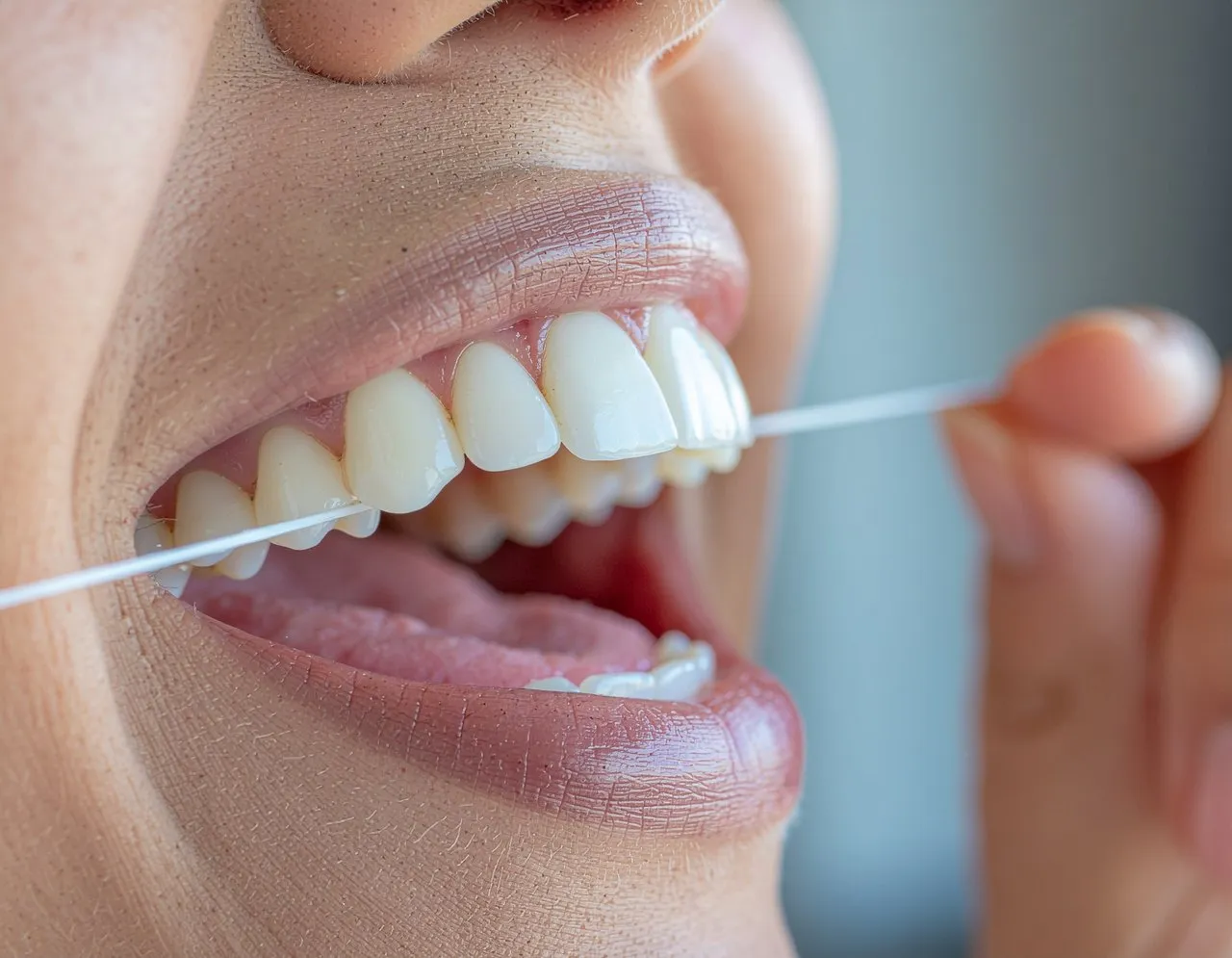
A toothbrush has only limited reach into narrow interdental spaces. Food debris and plaque often remain there. Interdental cleaning is therefore a central part of oral hygiene.
Dental floss is suitable for tight contacts. Interdental brushes are often very effective for larger spaces. Which option is suitable depends on the individual dentition.
Those who skip this cleaning overlook important problem areas. Tooth decay and gum irritation often begin in precisely these areas. A good routine therefore provides twofold protection.

Do not forget the tongue
The tongue is also part of oral care. Bacteria and plaque accumulate on its surface. This can contribute to bad breath.
A tongue cleaner or a soft brush can help. Cleaning should be gentle. Once a day is usually sufficient.
Mouthwash as a useful addition
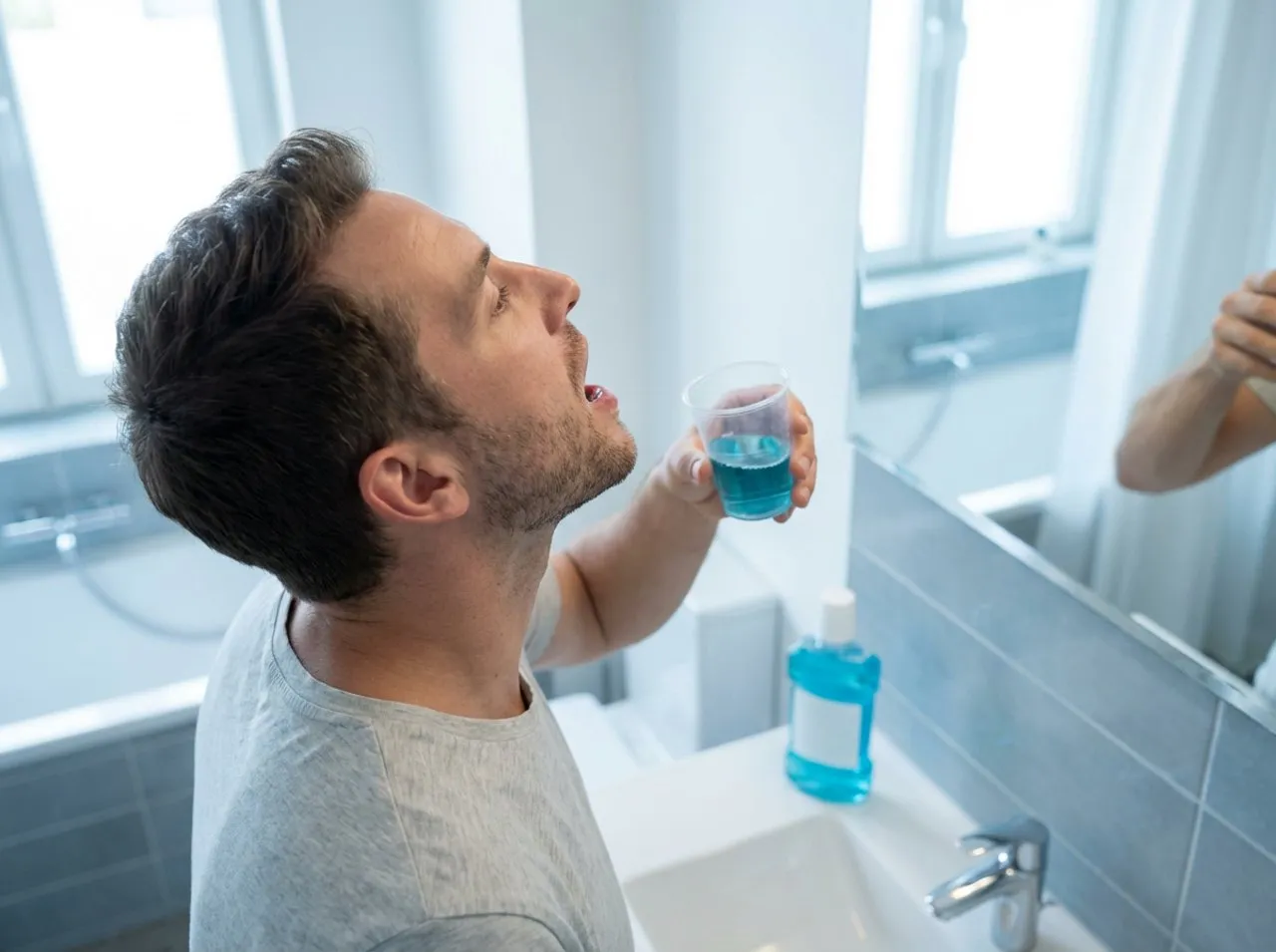
Mouthwashes can complement daily care. However, they do not replace a toothbrush and dental floss. Their benefit depends on their composition.
Fluoride mouthwashes can support tooth enamel. Antibacterial solutions are only advisable in certain situations. The choice should suit the clinical findings.
Not every mouthwash is intended for continuous use. It is therefore worth seeking a recommendation from your dentist. This allows care to be tailored specifically.

Diet and oral hygiene
Good oral hygiene does not end in the bathroom. Diet also affects dental health. Frequent sugar intake significantly promotes tooth decay.
Sugary drinks and sticky snacks are particularly problematic. They often cling to the teeth for a long time. This increases acid exposure.
Water is usually the best choice for teeth. Regular breaks between meals are also advisable. This allows the mouth to recover better.
Oral hygiene for children and adults
Children need age-appropriate oral care from their very first tooth. Parents should supervise and help with brushing from an early age. This establishes stable habits.
Adults' care needs often change over the years. Crowns, implants or exposed tooth necks require adapted aids. Individual advice is therefore important.
Meticulous oral hygiene is also crucial with fixed braces. Plaque accumulates more easily around brackets. Special brushes can make cleaning easier.
Professional support at the dental practice
Even good home care has its limits. Hard deposits often cannot be removed on your own. Regular check-ups are therefore advisable.
Professional dental cleaning can complement oral hygiene. Hard-to-reach areas are thoroughly cleaned. At the same time, early changes can be identified.
At the Wunschlachen dental practice, we provide individual advice on proper oral hygiene. We demonstrate suitable techniques and appropriate aids. This results in a care concept tailored to your dentition.