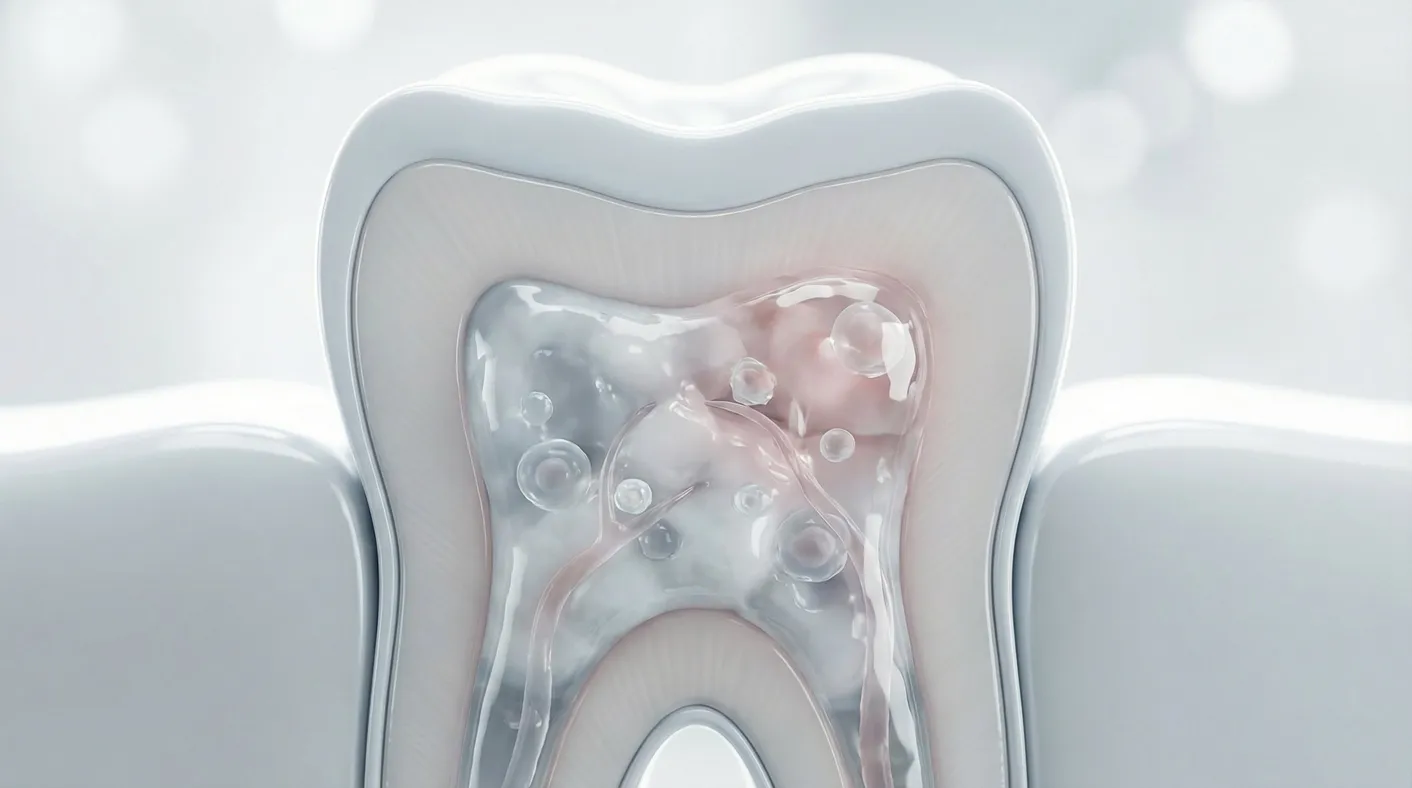
Pulpitis: When the dental nerve is inflamed
Pulpitis is inflammation of the dental pulp. Those affected often experience severe toothache. Acting quickly protects the tooth.
Über 350 Google-Bewertungen
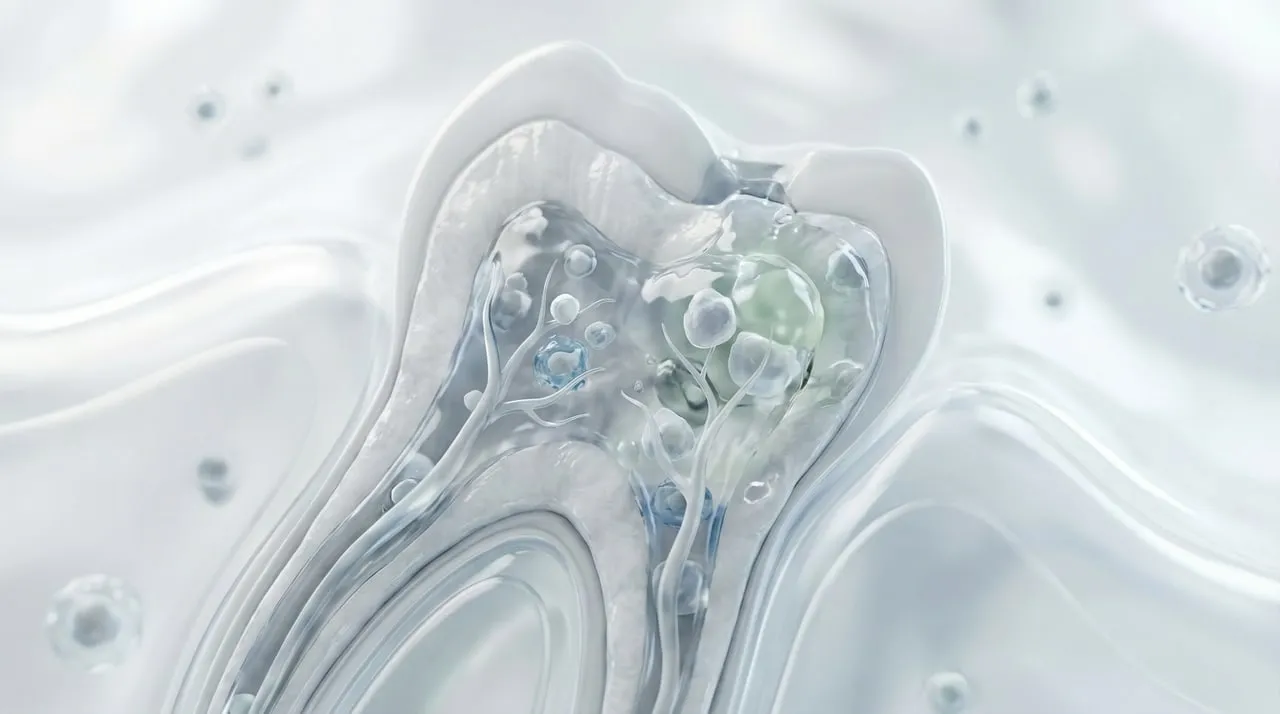
What is pulpitis?
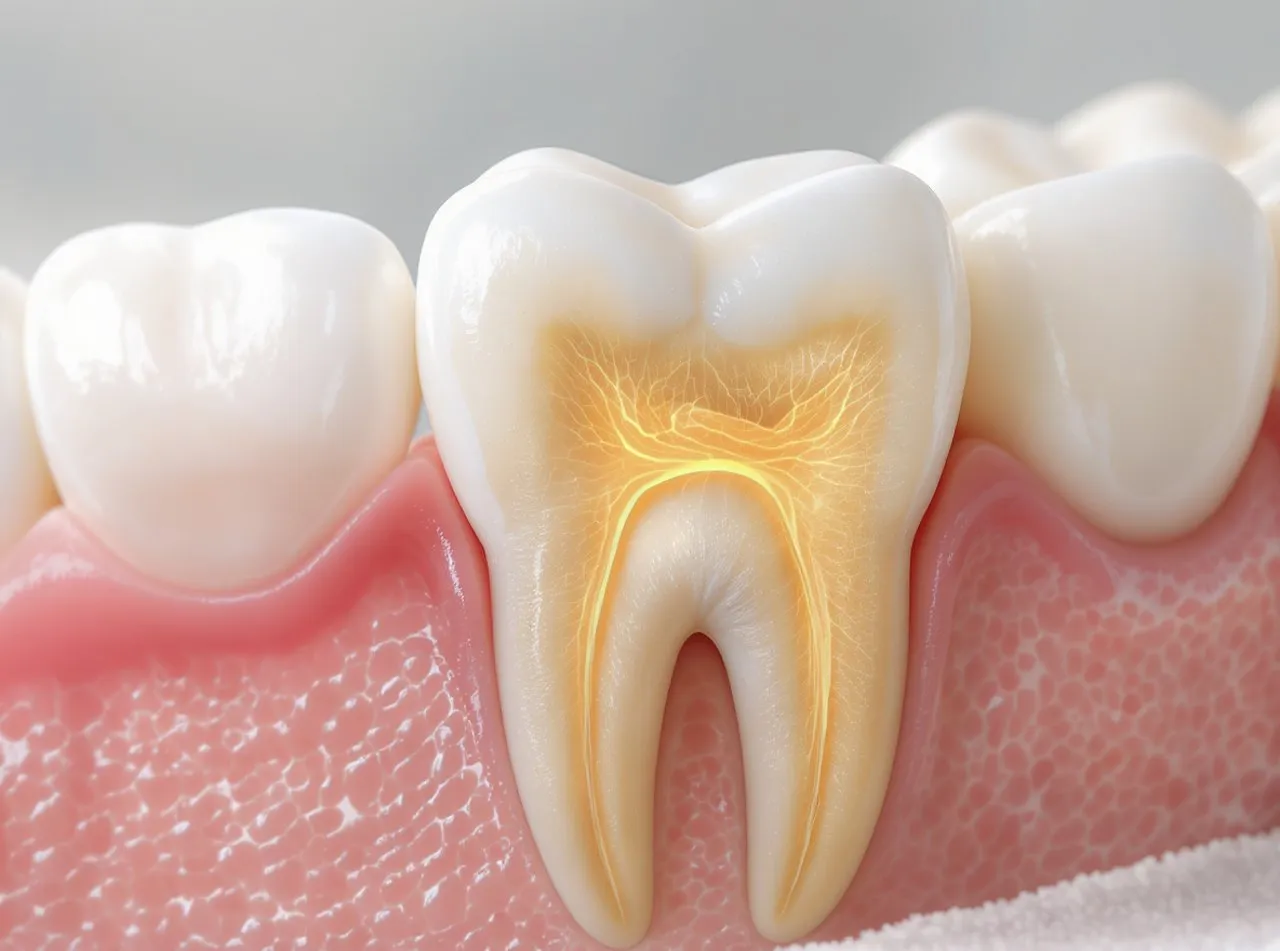
The pulp lies inside every tooth. It contains nerves and blood vessels. When this tissue becomes inflamed, it is known as pulpitis. The cause is usually external irritation. Bacteria often enter through tooth decay. Fine cracks in the enamel can also play a role.
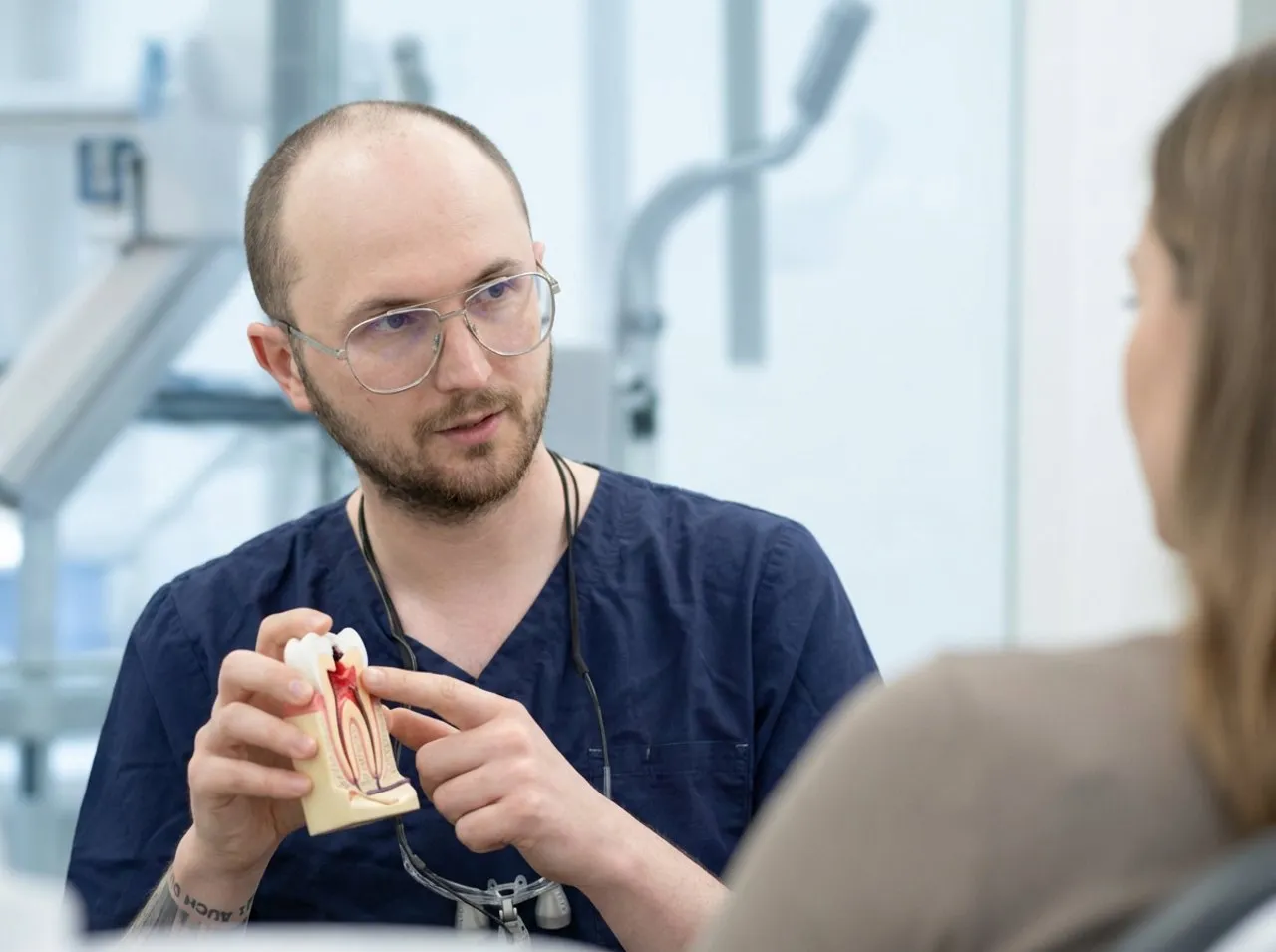
Pulpitis in a tooth: Common causes
Deep caries is the most common trigger. This allows the infection to reach close to the nerve. The pressure inside the tooth increases. Leaky fillings can also cause problems. Plaque builds up beneath the edge. New caries then develops. Sometimes trauma is the cause. A fall can damage the pulp. Severe grinding also places strain on the structure.
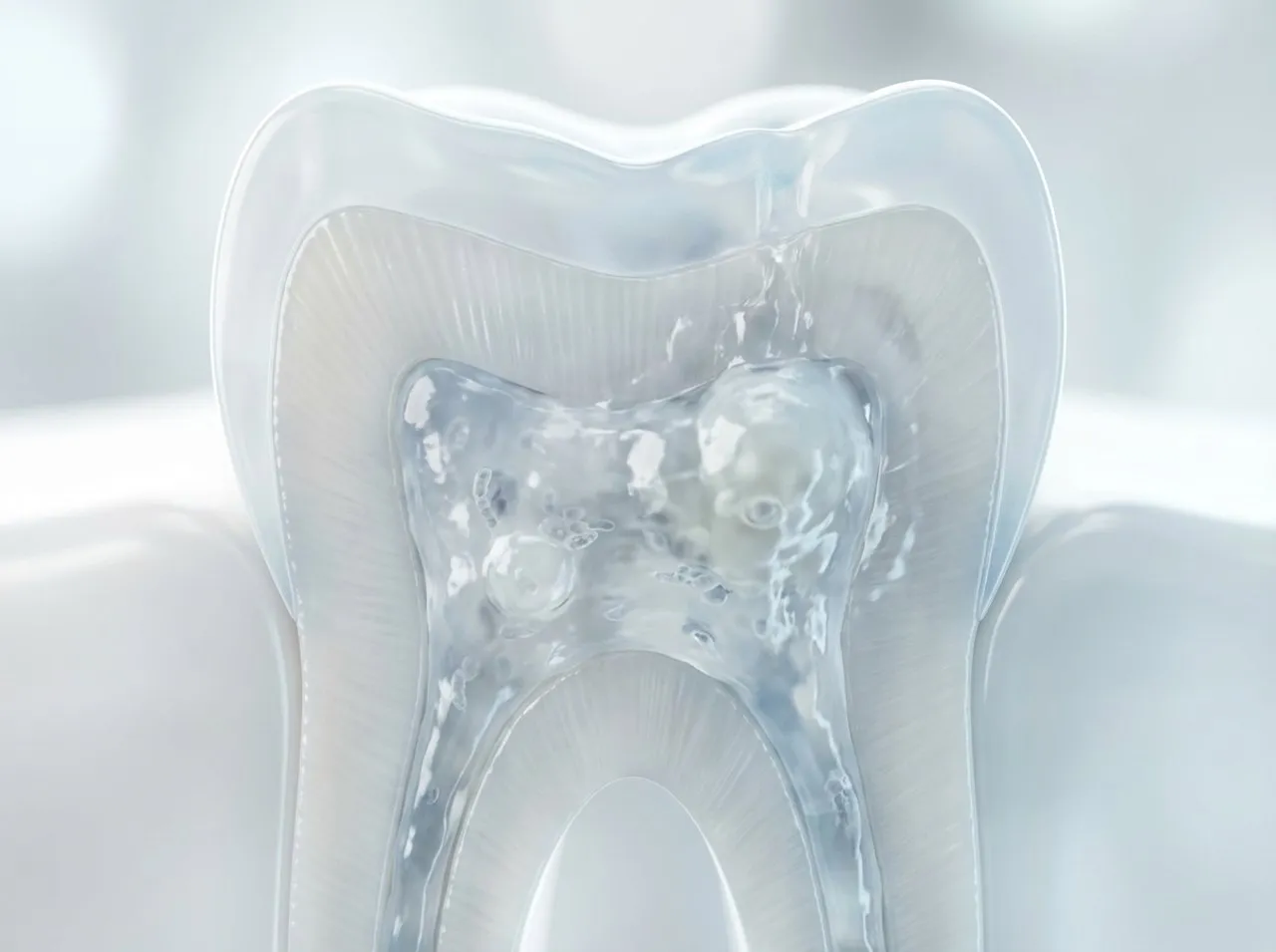
Pulpitis symptoms and acute pulpitis symptoms
Many patients report pain in response to cold or heat. The pain lasts longer than expected. This is a warning sign. Throbbing pain is typical. It often comes in waves. It frequently gets worse at night. Another indication is pressure when chewing. A tooth that feels ‘high’ may also be noticeable. Sometimes the pain radiates into the jaw.
Stages of pulpitis: From reversible to irreversible
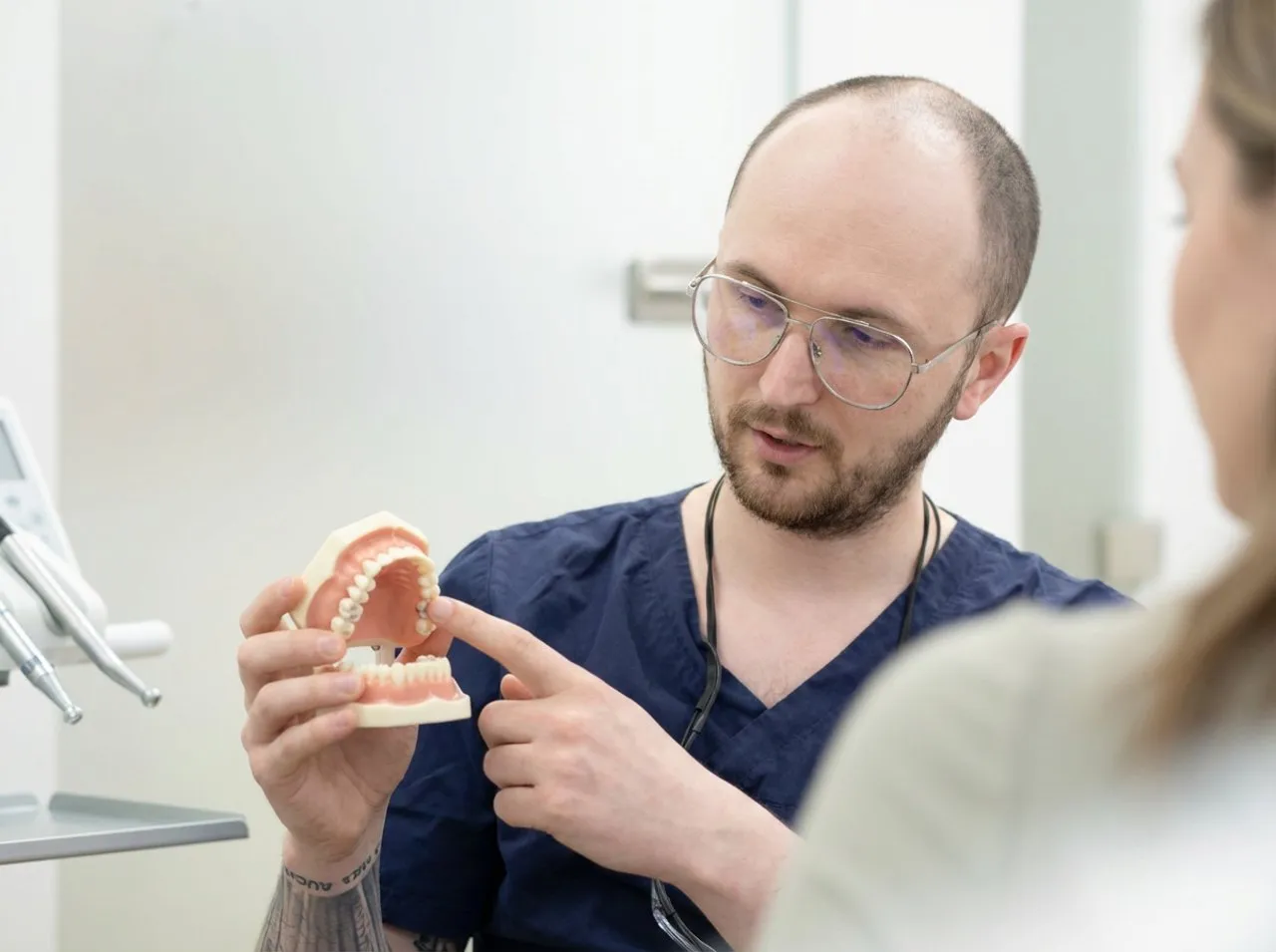
Dentists distinguish between several stages. The decisive factor is the pulp's ability to heal. This affects the treatment. In a reversible form, the irritation is still limited. The nerve can recover. Early treatment is essential. Many people ask: how long should you wait with reversible pulpitis? Waiting is usually not a good idea. Early treatment improves the prognosis. In an irreversible form, the inflammation is more advanced. Spontaneous pain occurs more frequently. Root canal treatment is then often necessary. A special form is pulpitis sicca. In this case, the tissue is chronically irritated. The symptoms tend to be dull.
Diagnosis at the practice
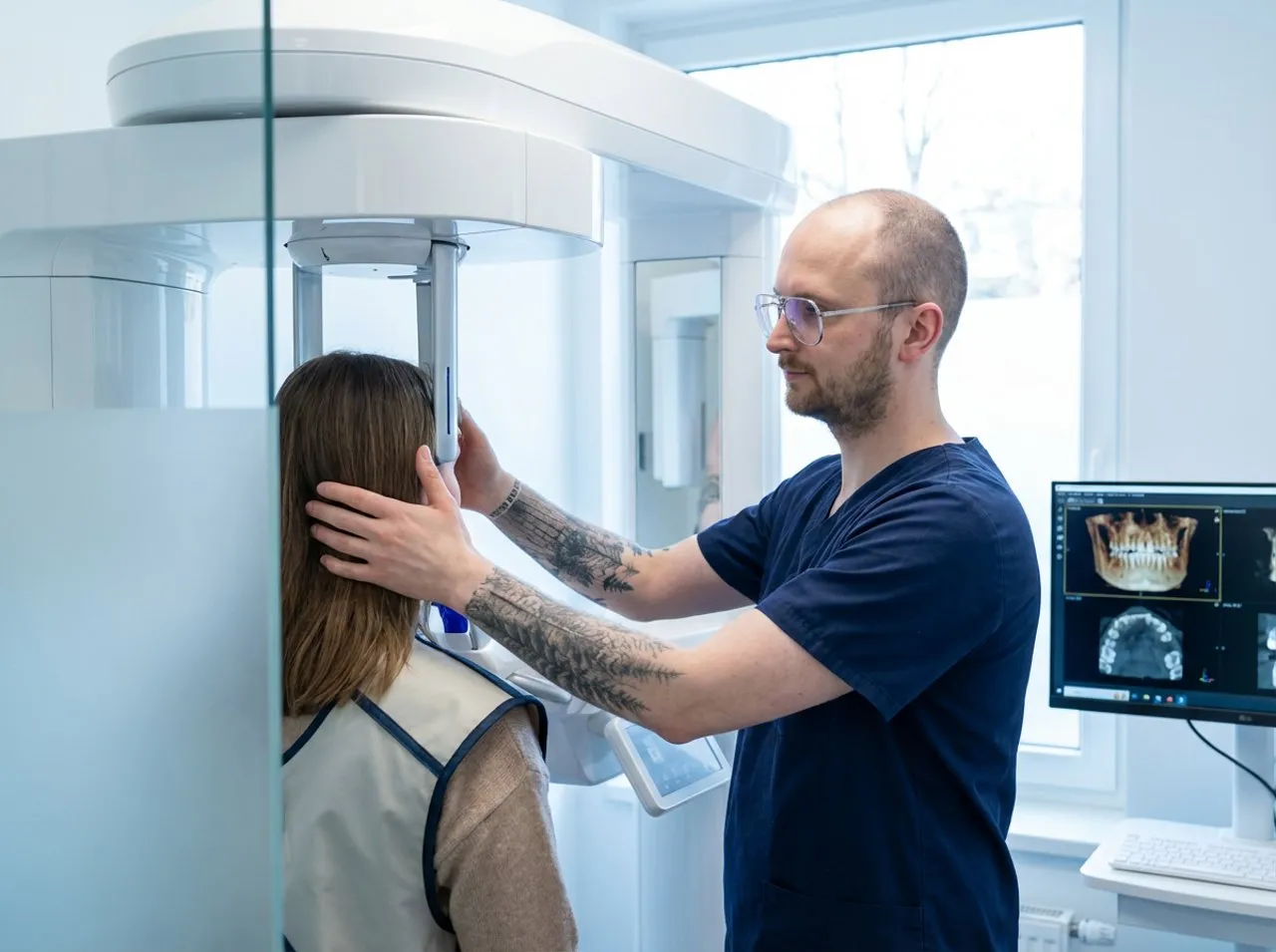
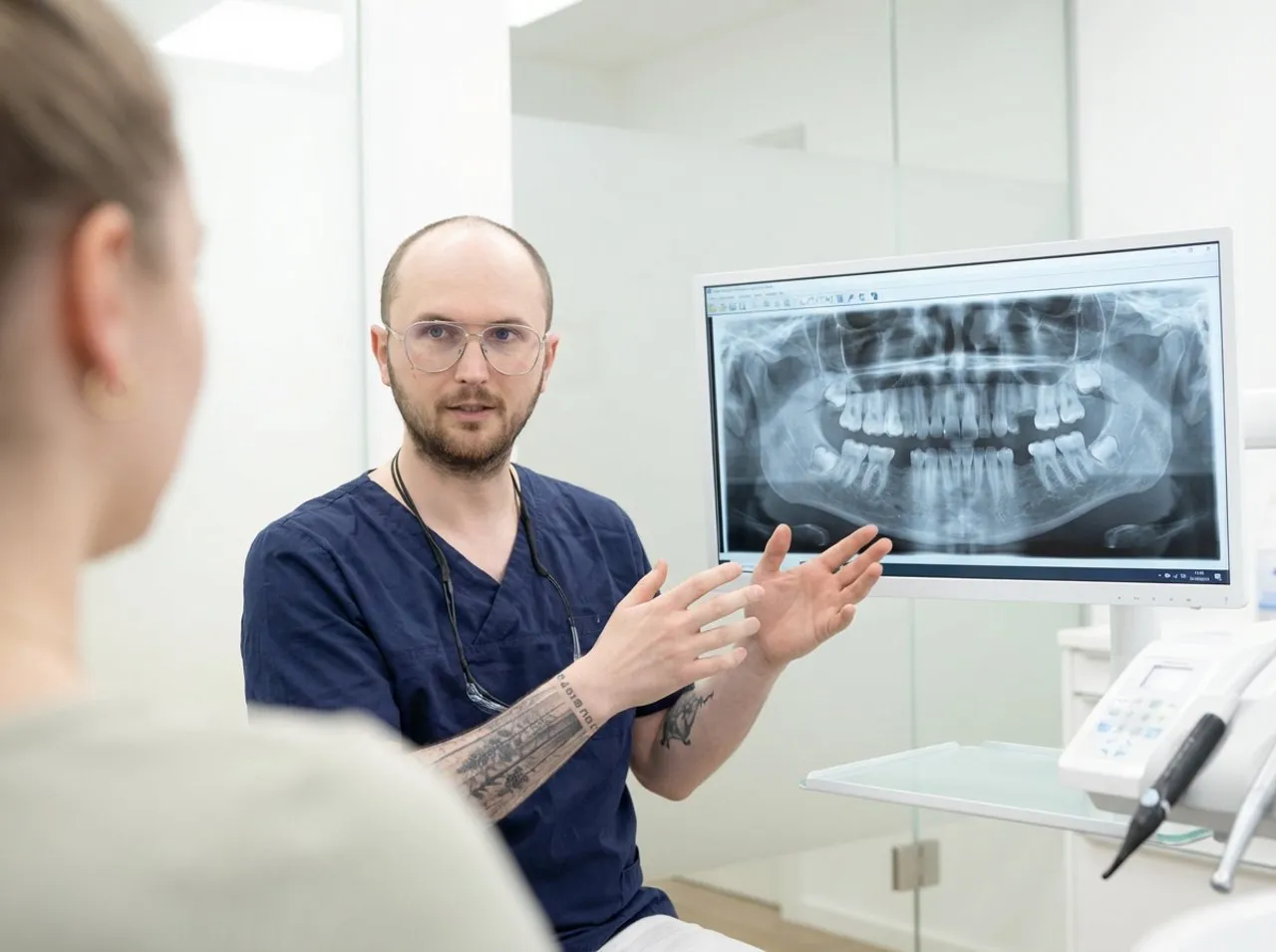
The first step is a conversation. We discuss the duration, triggers and type of pain. An examination follows. Cold and percussion tests are important. These allow us to check the tooth's vitality. The bite is also checked. An X-ray for pulpitis often reveals the cause. It can show tooth decay, old fillings or changes to the root. Very early stages sometimes remain invisible.
Consequences of leaving the dental pulp untreated
Without treatment, the pulp can die. Bacteria can then travel towards the root tip. An abscess may develop. Some pain may suddenly subside. This is not a good sign. Often, the nerve has already been damaged by then. If left untreated, the infection can spread. The jawbone may be affected. Treatment then becomes considerably more complex.
Treatment: Preserving the tooth is the priority
The aim is always to preserve the tooth. Treatment depends on the stage. This is why diagnosis is so important. With early inflammation, we thoroughly remove the decay. We then protect the nerve with a lining material. This is followed by a sealed filling. For advanced findings, root canal treatment is advisable. This involves removing the diseased tissue. The canals are then cleaned and filled. Sometimes a crown is required. It stabilises the tooth in the long term. This applies particularly to large defects.
Pulpitis sicca treatment: What is different?
With chronic irritation, the focus is on relief. We remove sources of irritation such as tooth decay or gaps around fillings. A new restoration often helps too. The symptoms are often less acute. Nevertheless, the pulp can continue to be damaged. Regular check-ups are therefore important.
How to approach painkillers and antibiotics
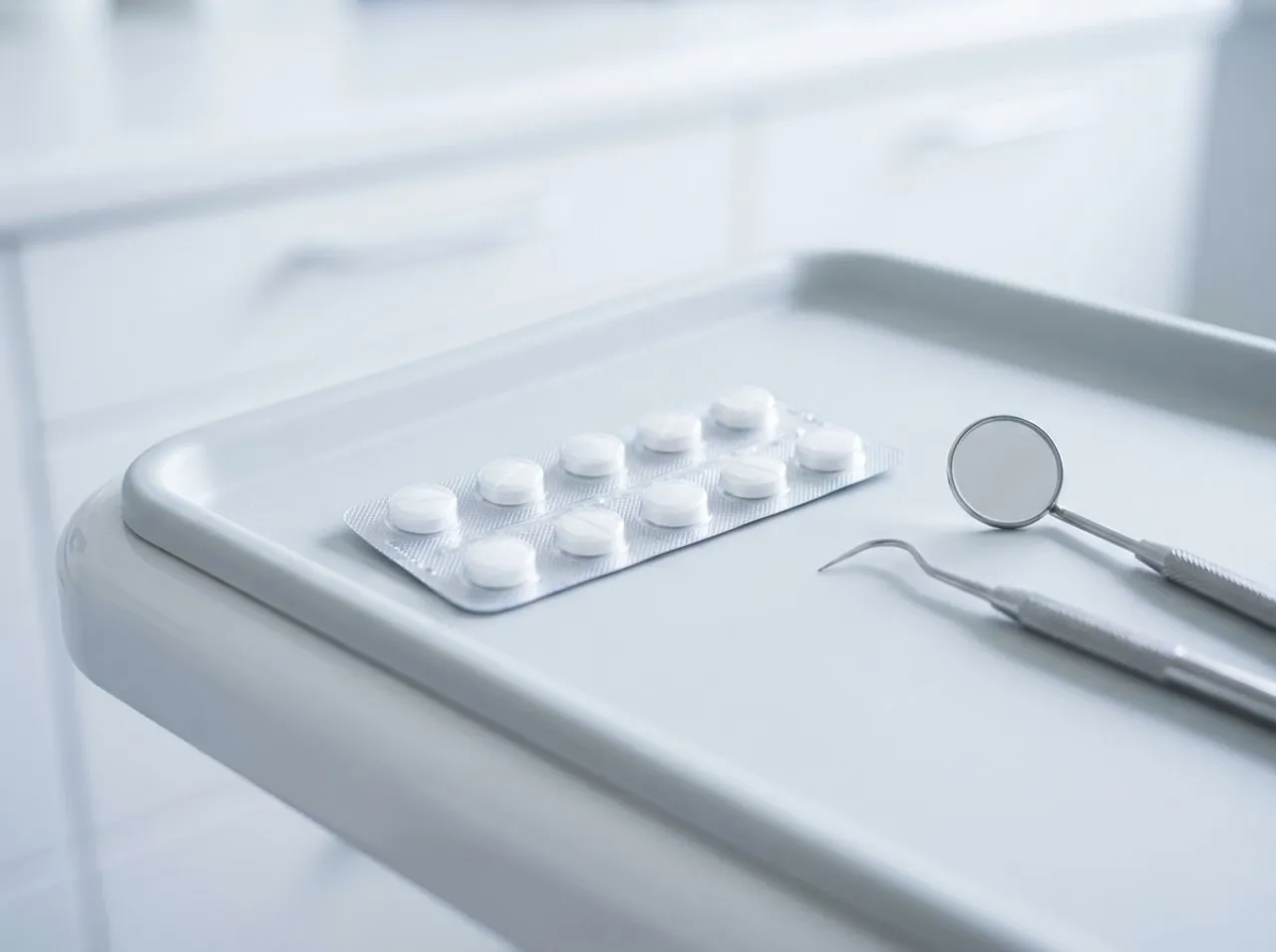
Many people first turn to painkillers. These can help in the short term. However, they do not replace a diagnosis. Antibiotics are rarely the first solution. They do not work at every stage. The key is local treatment of the tooth.

Pulpitis sicca: Diet and everyday life
Many people search for ‘pulpitis sicca diet’. Diet does not heal the nerve. However, it can reduce irritation. Avoid very cold and very hot foods and drinks. Acidic drinks cause additional irritation. Soft foods take the strain off the tooth. Stress also plays a role. Teeth grinding increases pain on pressure. A mouthguard can help.

Prevention in everyday life
Brush thoroughly twice a day. Use dental floss or interdental brushes. This reduces the risk of tooth decay. Arrange regular check-ups. Small defects are detected early. This protects the inside of the tooth.

When should you see a dentist immediately?
Visit the practice promptly if you experience spontaneous pain. Night-time pain is also a warning sign. The same applies to swelling. A fever or a ‘swollen cheek’ are signs of an emergency. These may indicate that the infection has spread. In such cases, you need prompt help.

Your treatment at Wunschlachen in Berlin
At our Wunschlachen practice, we treat inflammation inside the tooth gently. We work precisely under effective local anaesthesia. This keeps the procedure manageable. If you have severe anxiety, we will discuss suitable options. These include a calm approach and frequent breaks. Together, we will find a safe way forward.

Conclusion
Pulpitis is inflammation inside the tooth that must be taken seriously. When detected early, it can often be cured. If you have severe pain, a prompt assessment can help.
FAQ – Frequently asked questions about pulpitis
It is inflammation of the pulp. It affects nerves and blood vessels.
Pain in response to cold and heat, throbbing and night-time pain are common. Pressure when chewing is also possible.
Acute symptoms often include severe, spontaneous pain. It sometimes occurs without any trigger.
An examination with cold and percussion tests can help. An X-ray supplements the diagnosis.
A distinction is made between reversible and irreversible forms. Pulpitis sicca is considered a chronic variant.
It is best not to wait long at all. Early treatment protects the dental nerve.
No, not with reversible irritation. It is often advisable for irreversible inflammation.
The aim is to remove sources of irritation. This includes removing tooth decay and providing a sealed restoration.
It does not replace treatment. However, it can reduce irritation from temperature and acid.
It becomes dangerous if there is swelling, fever or pus. Prompt help is then required.