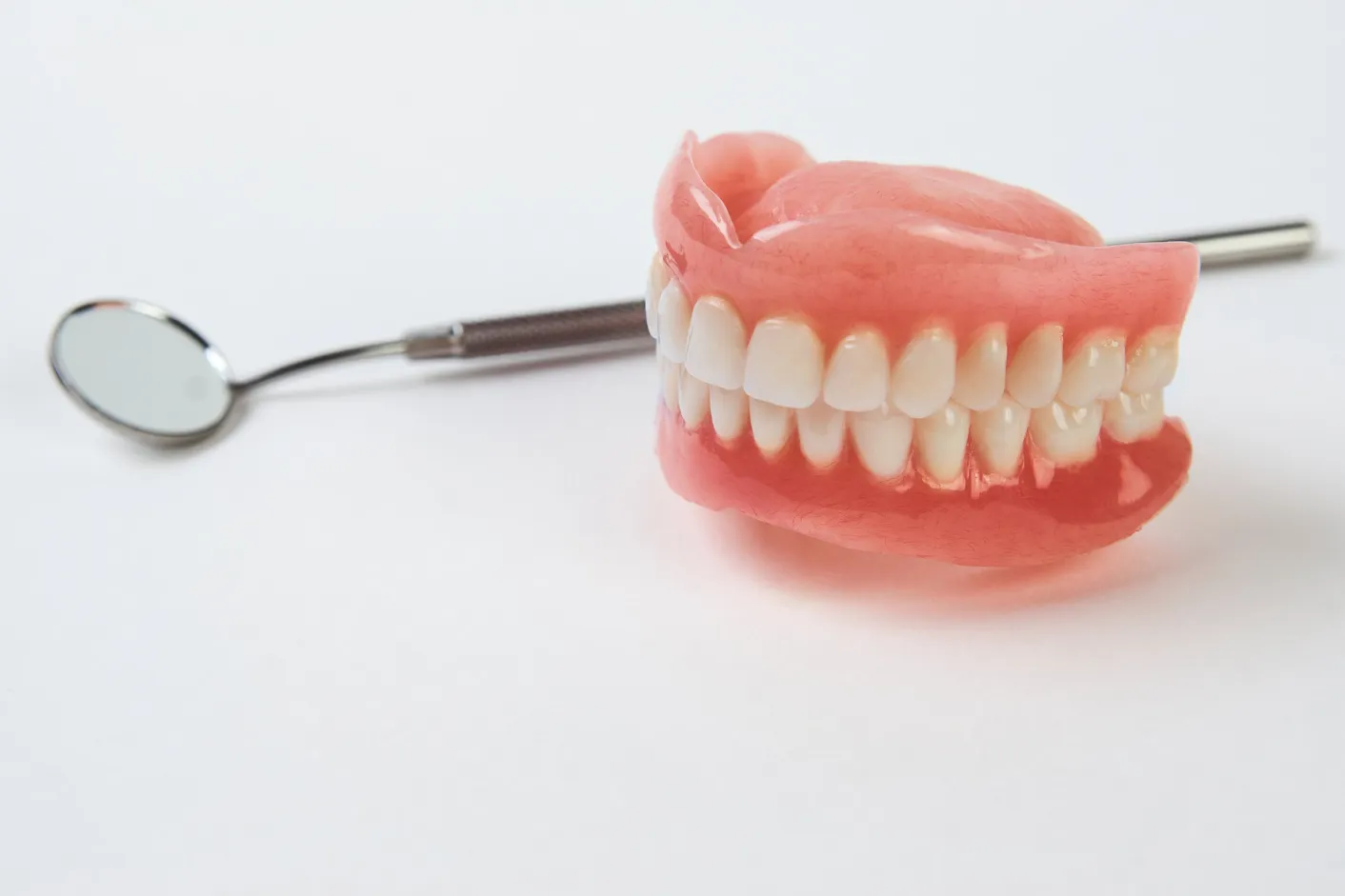
Relining a denture: everything you need to know
Relining a denture is a dental procedure that often becomes necessary when the fit of the denture changes over time. This can be due to natural jawbone loss, shrinking gums or other dental changes....
Über 350 Google-Bewertungen
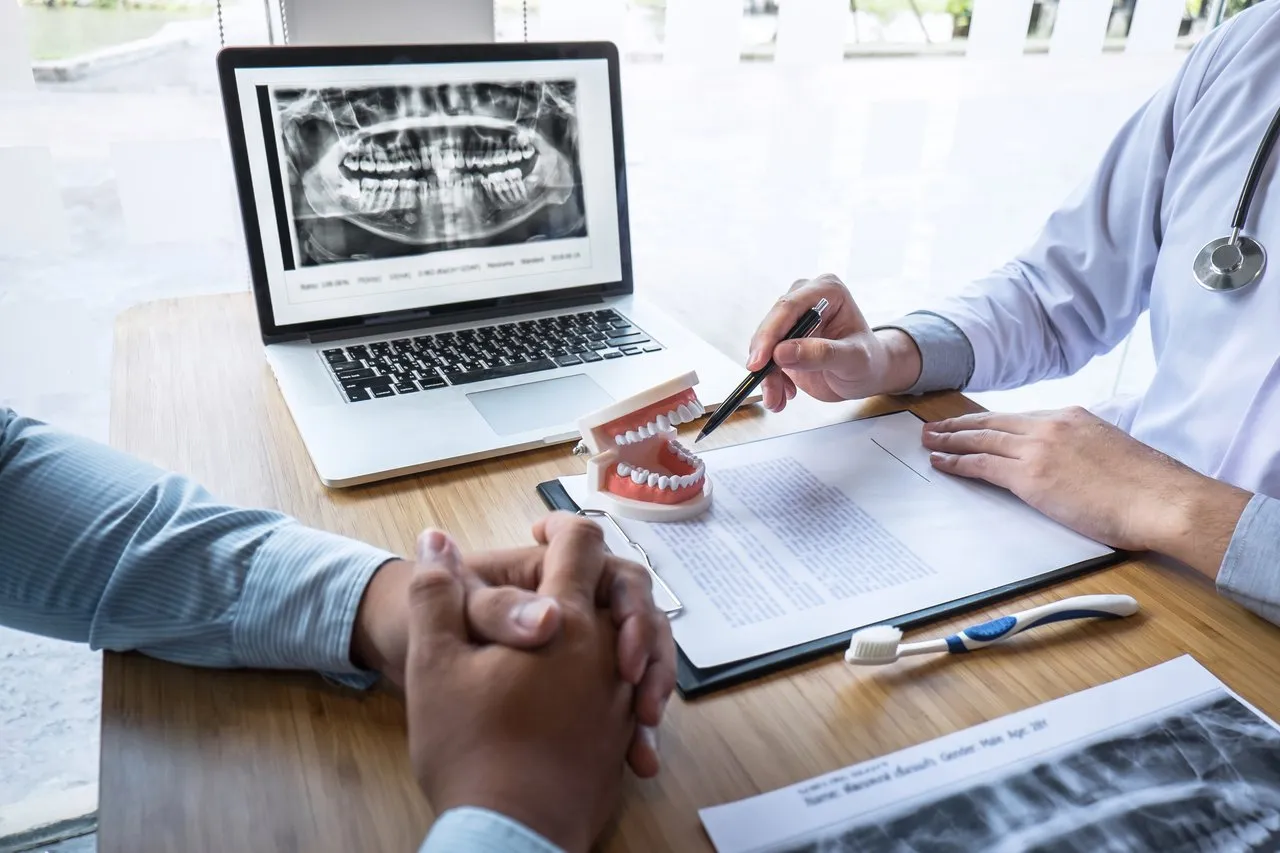
What does relining a denture involve?
Relining is the process of adding material between the denture and the jaw to improve the fit of the denture. This is usually done with a soft, flexible material that makes the denture fit securely and comfortably again. The dentist uses materials such as acrylic resin or silicone, which are applied directly to the inside of the denture.
Why is relining necessary?
Over time, many structures in the patient's mouth change, particularly after tooth loss or extensive dental treatment. These changes can cause the denture to become loose. The jawbone recedes, which can also affect the fit of the denture. Common reasons why relining is necessary include: • Bone loss: after teeth are lost, the jawbone often recedes because it is no longer placed under strain by the teeth. • Changes to the gums: the gums can also change, resulting in a poor fit. • Gradual settling: new dentures can settle during the first few months, which may also require relining.
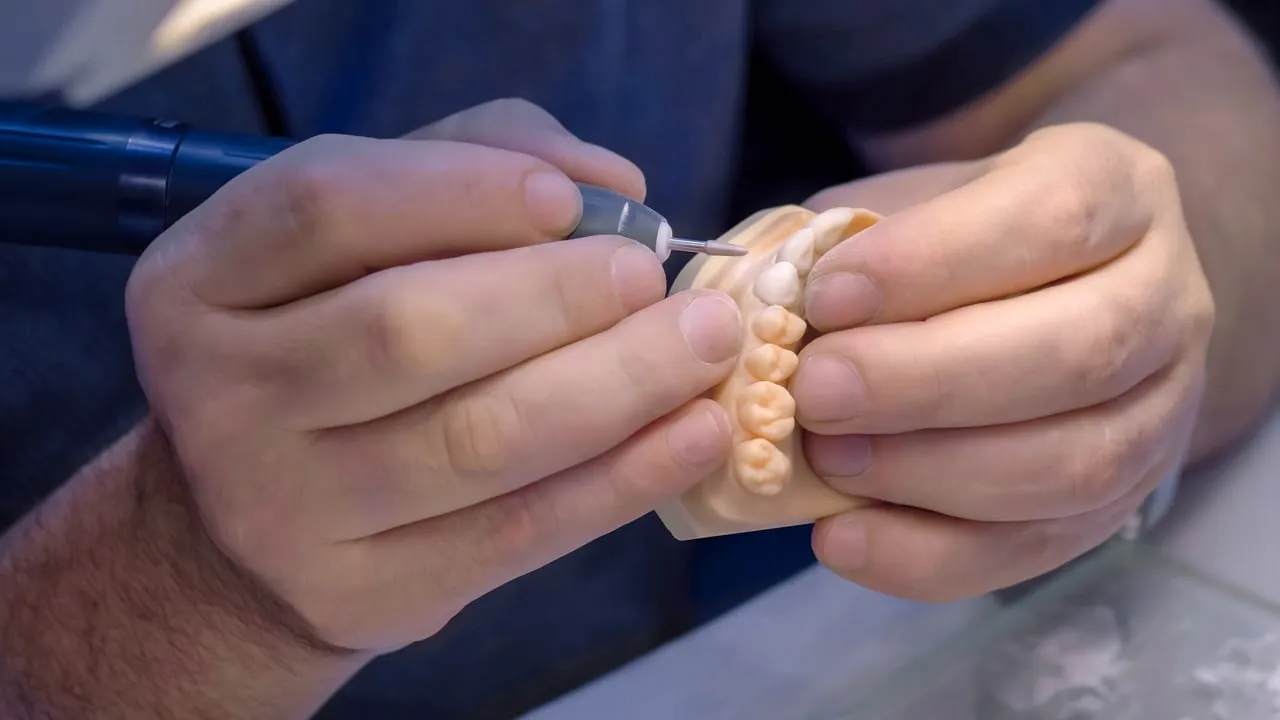
The relining procedure
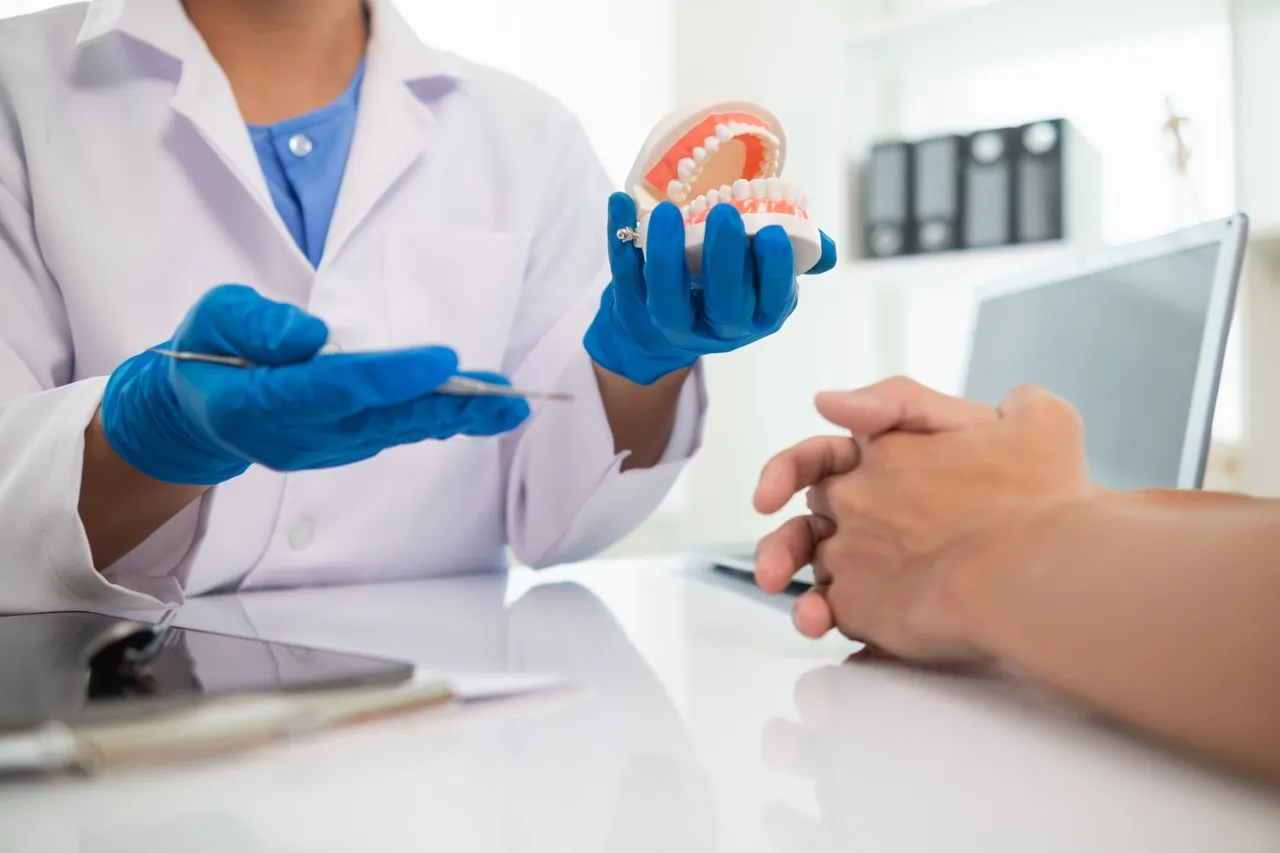
Relining a denture involves several steps carried out by the dentist. First, the dentist checks how well the denture still fits. The inside of the denture is then lined with a special material to improve its fit. The dentist will try the denture in and, if necessary, make further adjustments to ensure that it fits perfectly.
Which materials are used for relining?
The choice of material is crucial, as it affects not only the fit but also the durability of the denture. The most commonly used materials include: • Acrylic resin: a very robust material that provides a stable base and is frequently used. • Silicone: used primarily for softer, more comfortable adjustments and provides a better fit and fewer pressure sores.

Advantages of relining a denture
Relining offers several advantages for patients who wear their dentures for a long time: 1. Better fit and comfort: the adjustment keeps the denture in place more effectively, significantly improving wearing comfort. 2. Longer denture lifespan: instead of having a new denture made, relining can offer a cost-effective alternative. 3. Improved functionality: a secure fit ensures better chewing function, thereby also improving quality of life. 4. Prevents further jawbone loss: a stable fit helps to stimulate the jaw and prevent the progression of bone loss.
When is relining not sufficient?
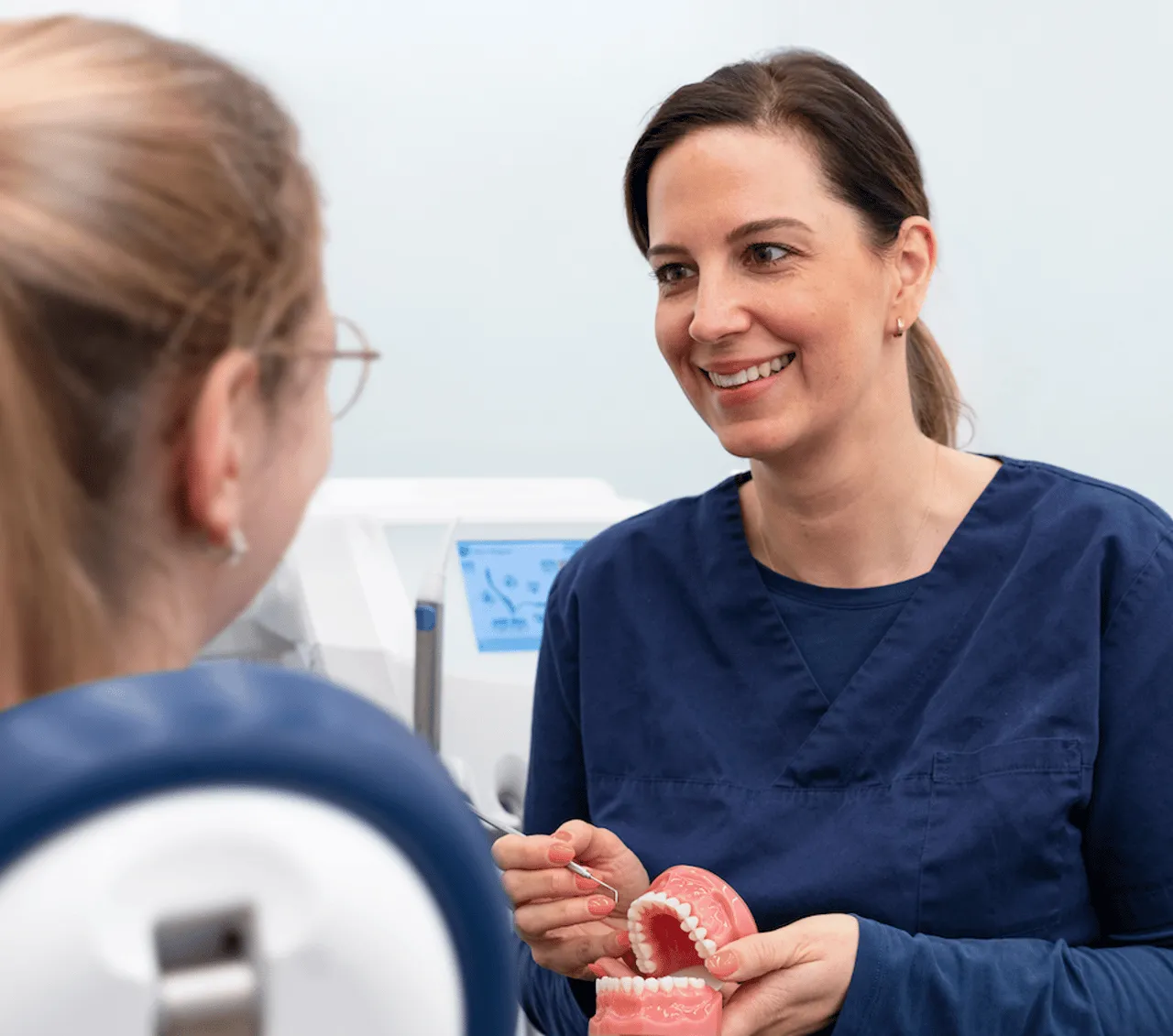
In some cases where the jawbone has severely receded or the denture is damaged, relining may not be sufficient. In such situations, it may be necessary to replace the denture or take further measures, such as dental implants. The dentist will recommend the best course of action based on the individual situation.
Conclusion
Relining a denture is an important and effective method of improving the fit and function of a denture. It can help to increase comfort, extend the lifespan of the denture and optimise chewing function. With regular dental check-ups and proper care, relining can be a cost-effective and long-term solution for patients.
Frequently asked questions (FAQs) about relining a denture
A denture needs to be relined to achieve a better fit when the jawbone recedes or the gums change.
This depends on individual needs. Relining is generally necessary every few years or when the denture becomes noticeably loose.
Relining is a process that causes little pain. It is a non-invasive procedure that does not require any major intervention.
Yes, in most cases patients can wear their denture again immediately after relining.
Acrylic resin and silicone are frequently used, selected according to the requirements for stability and comfort.
The process normally takes just one appointment, lasting around 30 to 60 minutes.
Relining improves the fit of the denture, but does not replace a fundamental repair or replacement in the event of serious damage.
If the denture is loose or causes pressure sores, relining is advisable.
Yes, relining is an additional dental procedure that incurs costs. However, these are usually lower than the cost of replacing the entire denture.
After relining, it is advisable to have the fit checked regularly to ensure that the denture continues to fit optimally.