Removable braces: how they work, types and everyday life
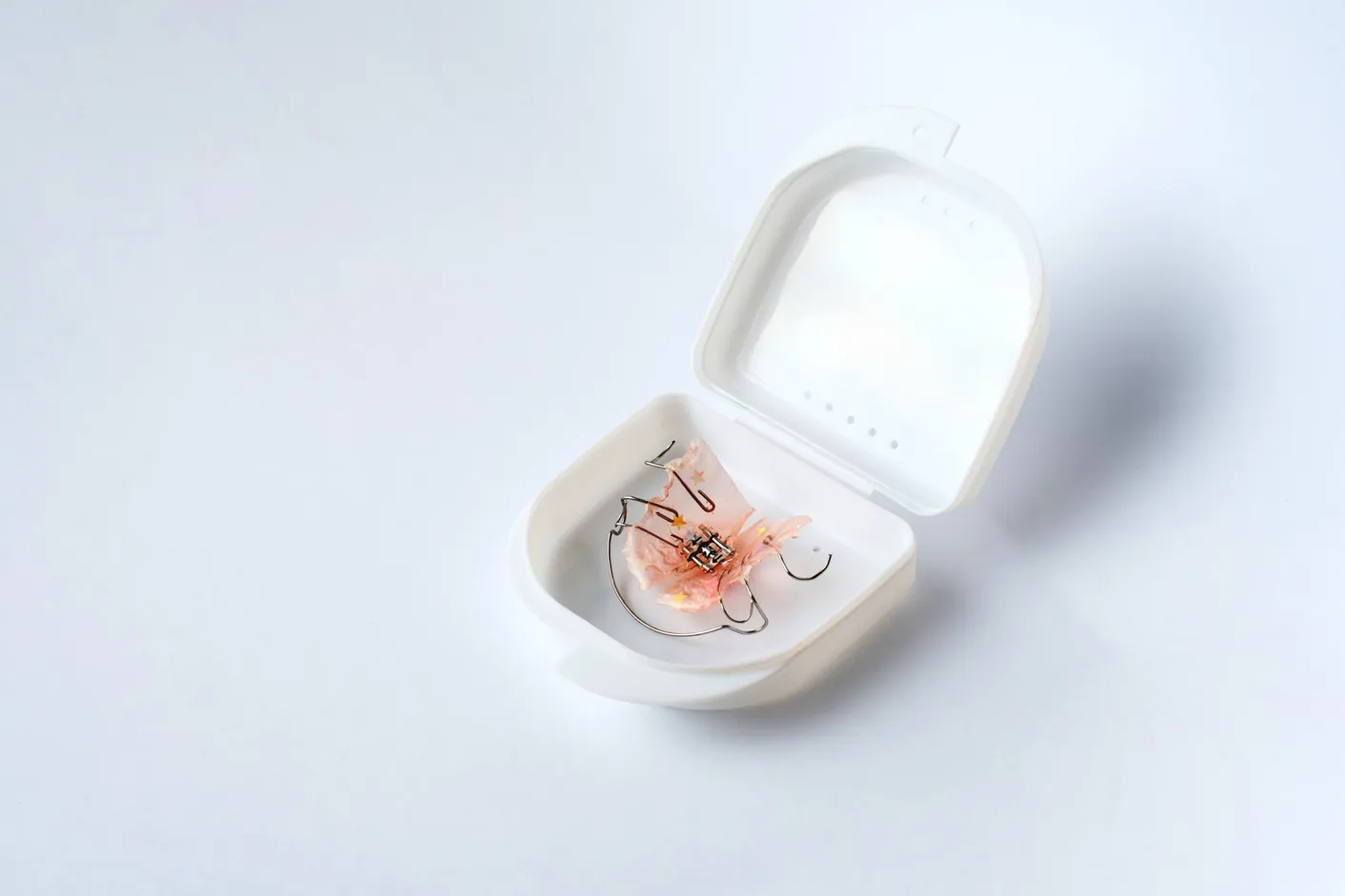
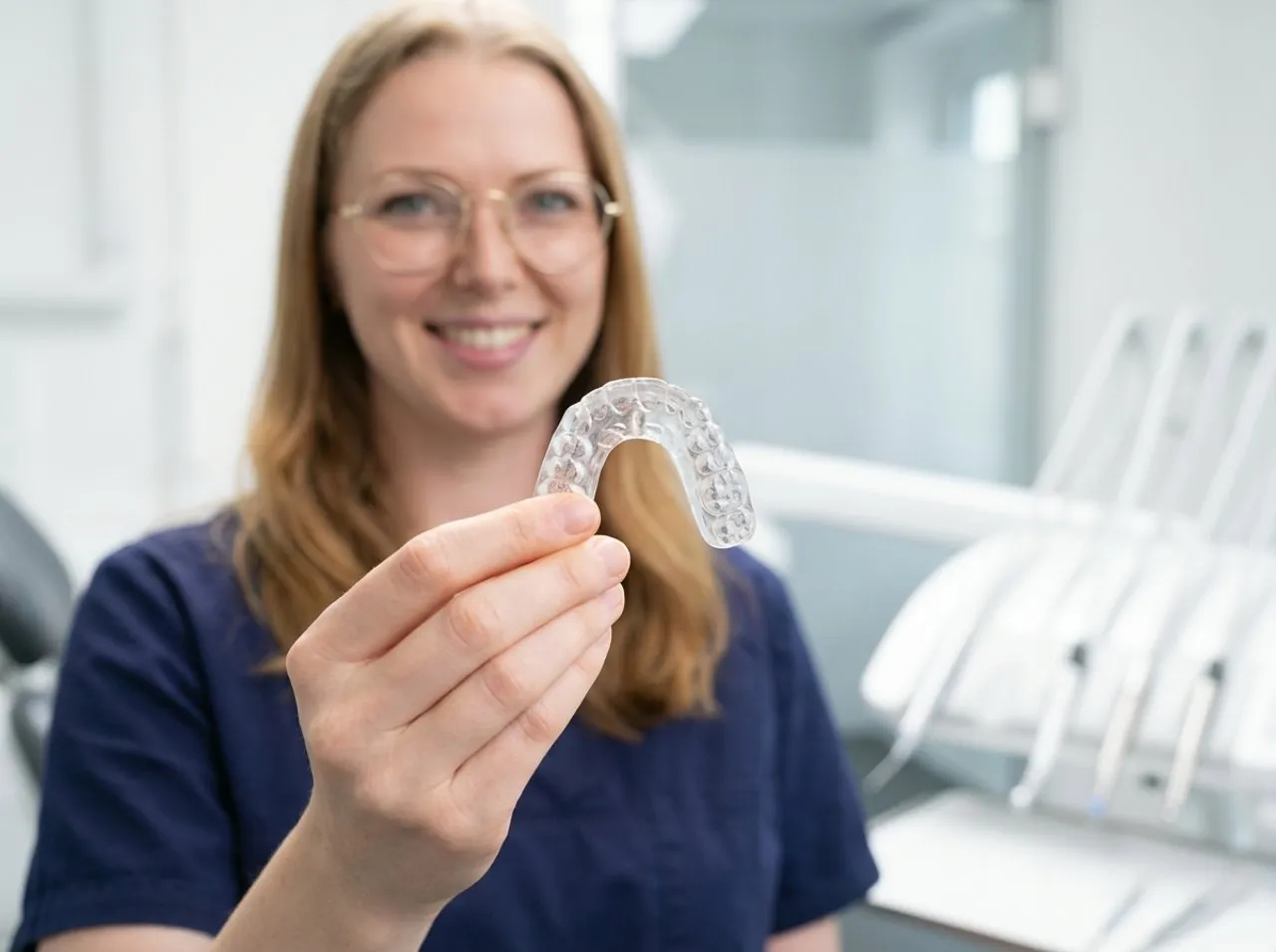
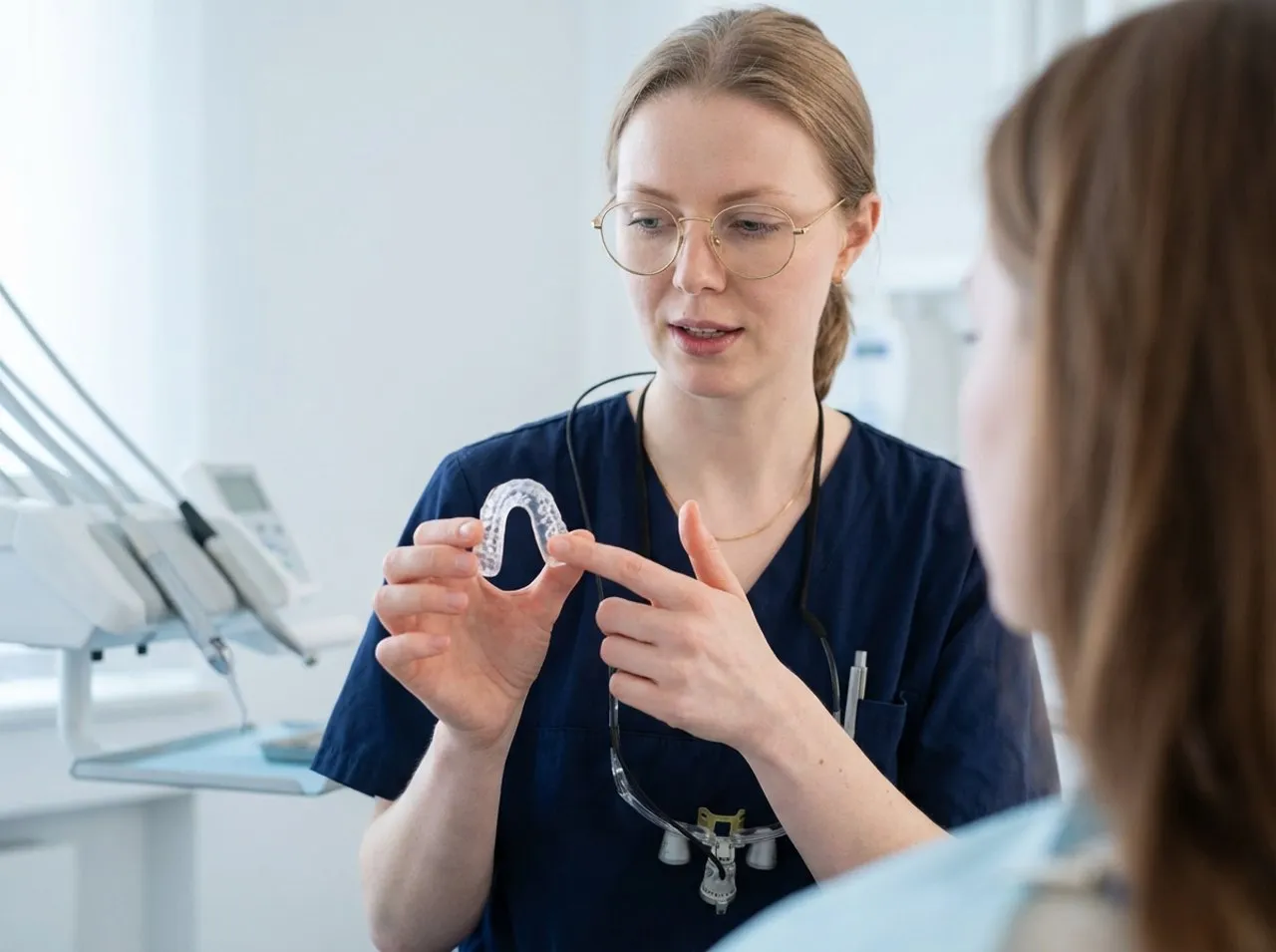
A removable brace is a removable orthodontic appliance. Many people also call it a loose brace or plate. It consists of acrylic, wire clasps and often a labial bow. The brace rests against the palate or the floor of the mouth. It works by applying small, continuous forces to...
Über 350 Google-Bewertungen
How the treatment works biologically
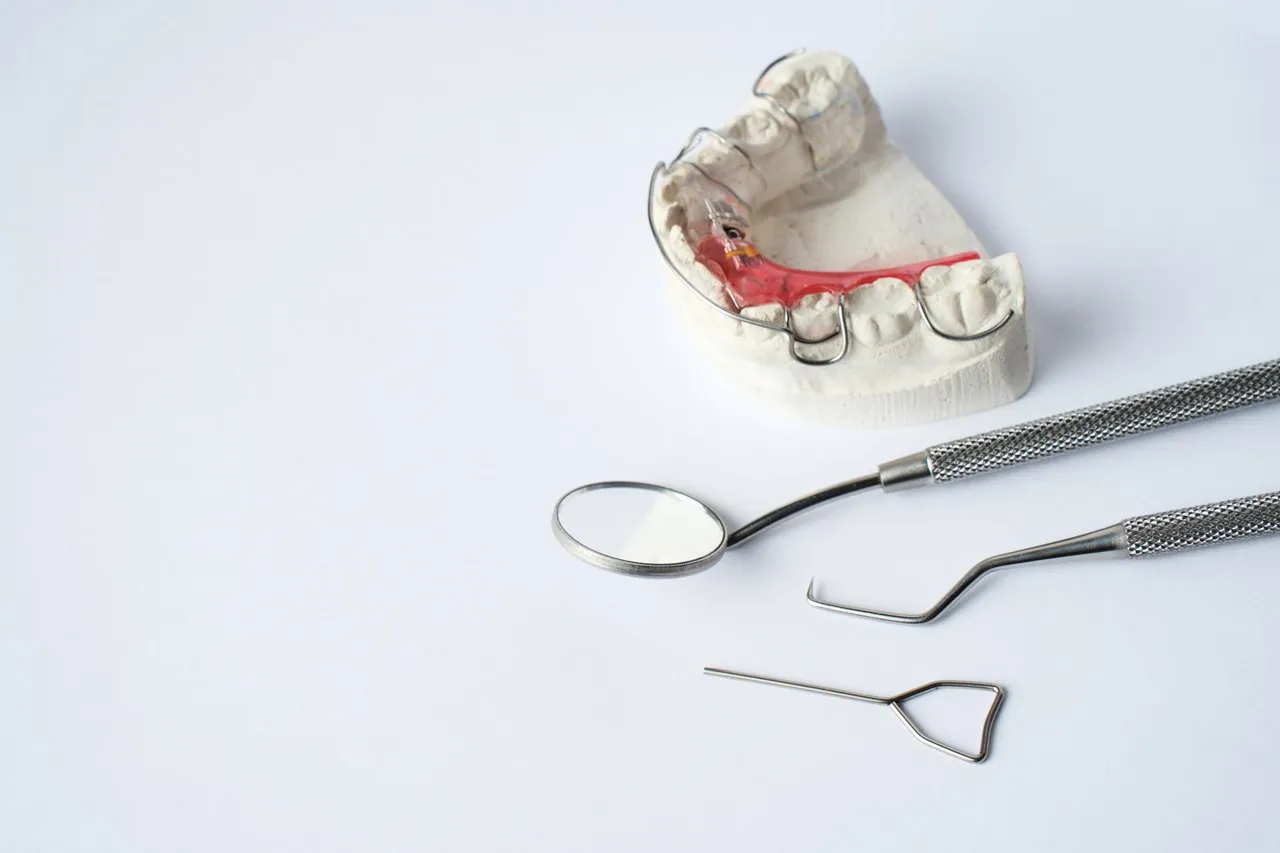
Teeth can only move through tissue remodelling. Fibres in the periodontal ligament are stretched and reorganised. Bone is resorbed and formed at different sites in the alveolar bone. The forces must remain carefully controlled. Excessive forces increase the risk of pain and irritation of the mucous membranes. This is why orthodontic check-ups are essential.
Treatment for children
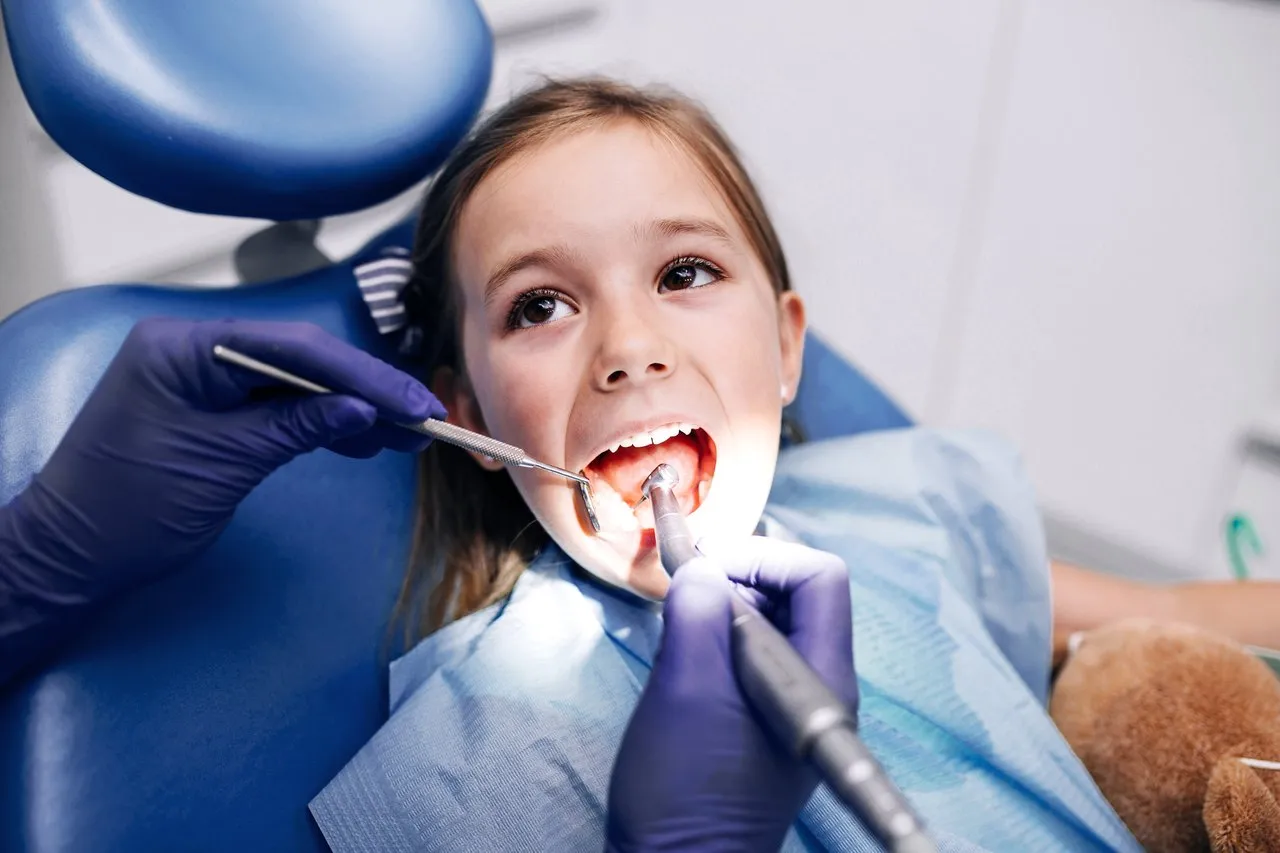
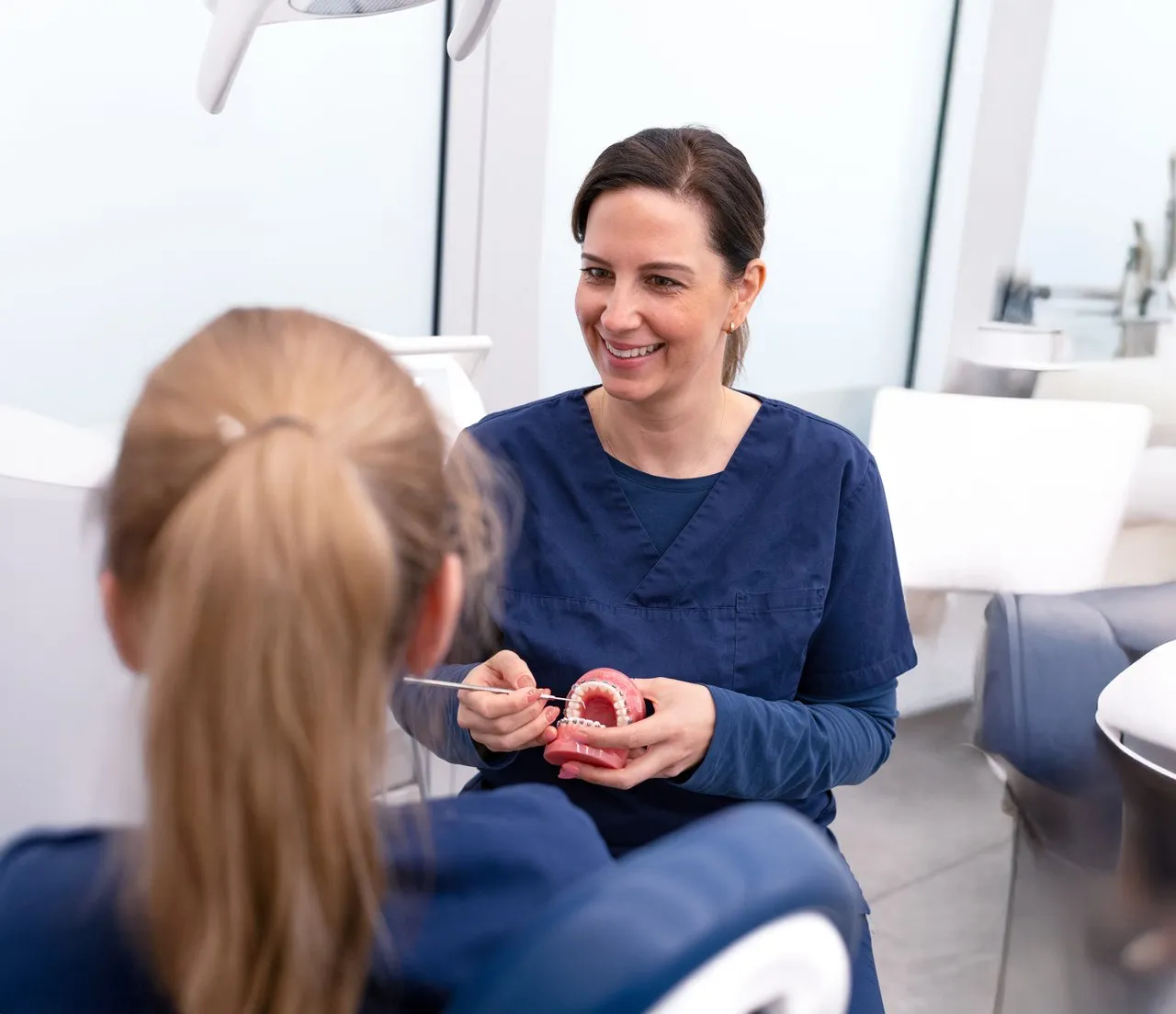
A removable brace for children makes use of natural growth. It is suitable for crowding, crossbite or a retruded lower jaw. Tongue dysfunction can also sometimes be supported with myofunctional therapy. Functional orthodontic appliances are often used. These include the activator, bionator and Twin Block. They influence jaw position and muscle tone. Good cooperation often shortens the overall treatment time. Parents should support their child with wearing times calmly and consistently. This keeps the treatment predictable.
Treatment for adults
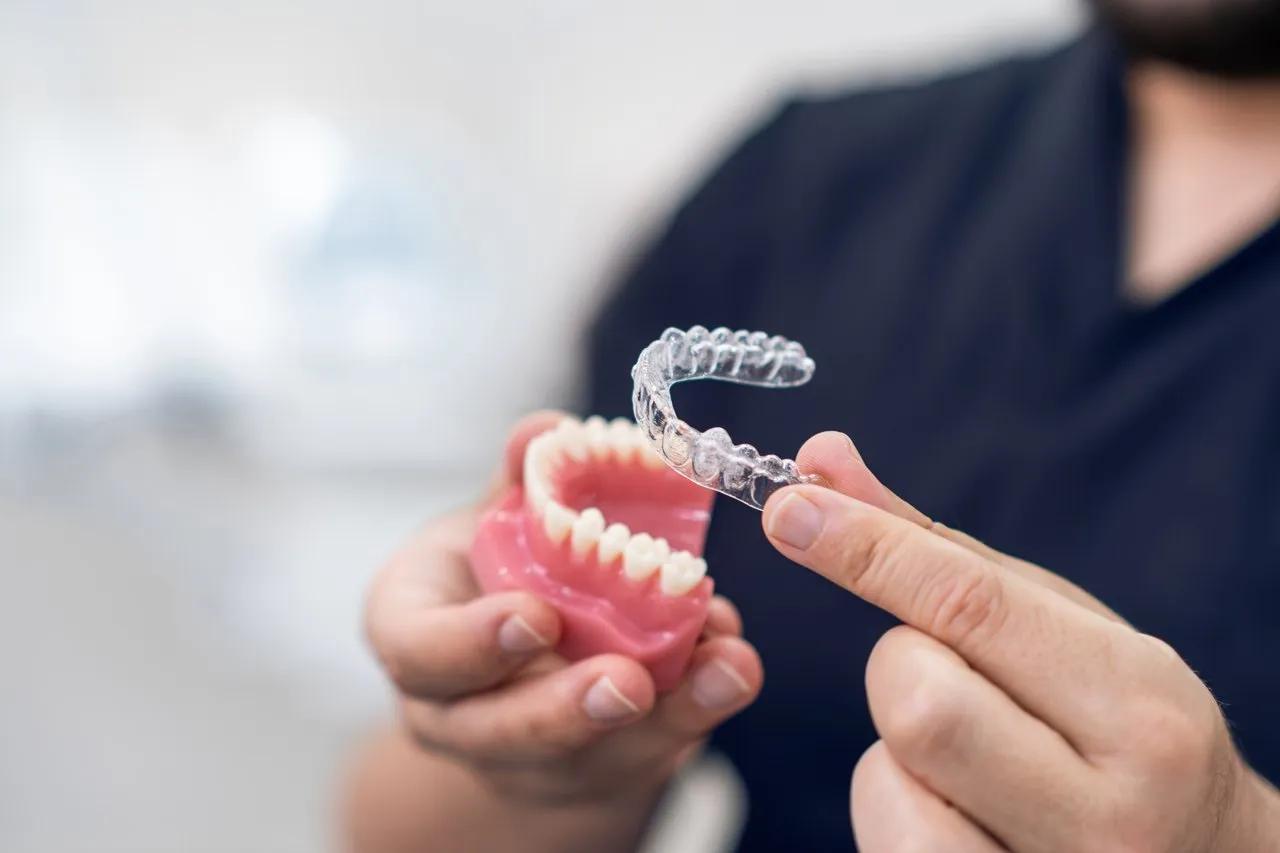
A removable brace for adults is usually intended for minor corrections. It is often used for stabilisation following fixed appliances or aligners. This is called retention. Bone metabolism is somewhat slower in adulthood. Tooth movements then often take longer. Stability is achieved when the retention phase is taken seriously. Sometimes an old brace is already sitting in a cupboard. Whether it still fits must be checked professionally. Tooth migration changes the fit.
The different types available
Active plates move individual teeth or expand the dental arch. They often contain an expansion screw in the acrylic. Adjustments follow a set protocol. Retention plates maintain the new tooth positions. They are usually worn at night and are robust. Long-term stability is determined during the retention phase. Models with additional components are also available. A removable brace with hooks also has small hooks for elastic bands. These allow the bite to be guided more precisely.

How the treatment works
The first step is a clinical and functional assessment. We check your bite, jaw joints and tooth alignment. We often use digital scans instead of conventional impressions. The appliance is then custom-made in a laboratory. When fitting it, we check for pressure areas and examine the retention components. You practise inserting it until you can do so confidently. For plates with a screw, we provide a clear turning schedule. Never turn the screw based on guesswork or tips from the internet. Incorrect activation can tip teeth and disrupt the occlusion.
Wear time, speech and eating
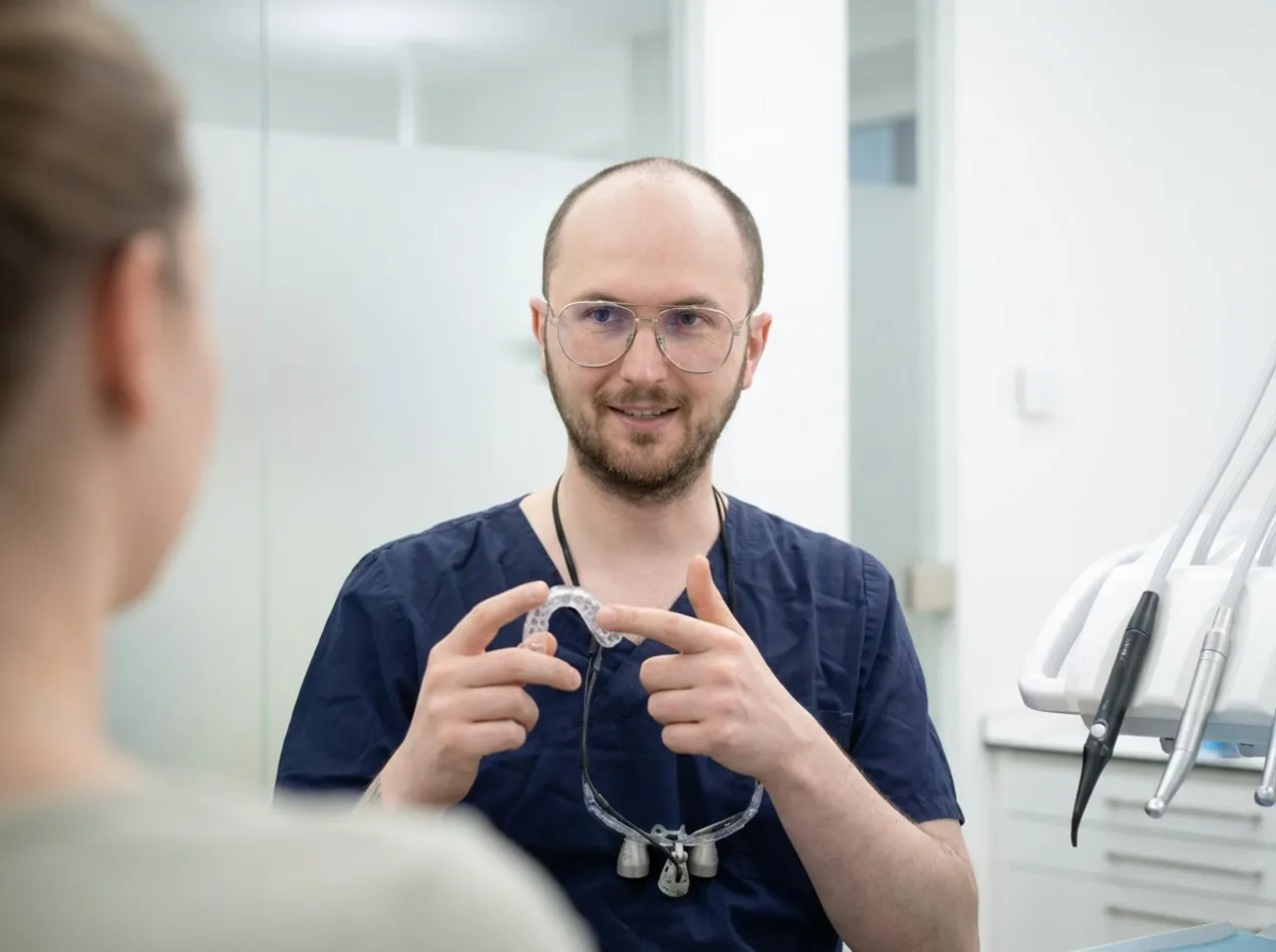
Success depends directly on wear time. Many appliances need to be worn for 14 to 16 hours a day. For retention, wearing them at night is often sufficient. The brace is usually removed for meals. Afterwards, you should clean your teeth and rinse briefly. Only then should the appliance go back into your mouth. At first, speech may sometimes sound slightly slurred. This is due to the position of the tongue against the plastic. Reading aloud often helps within a few days.
Common problems and safe solutions
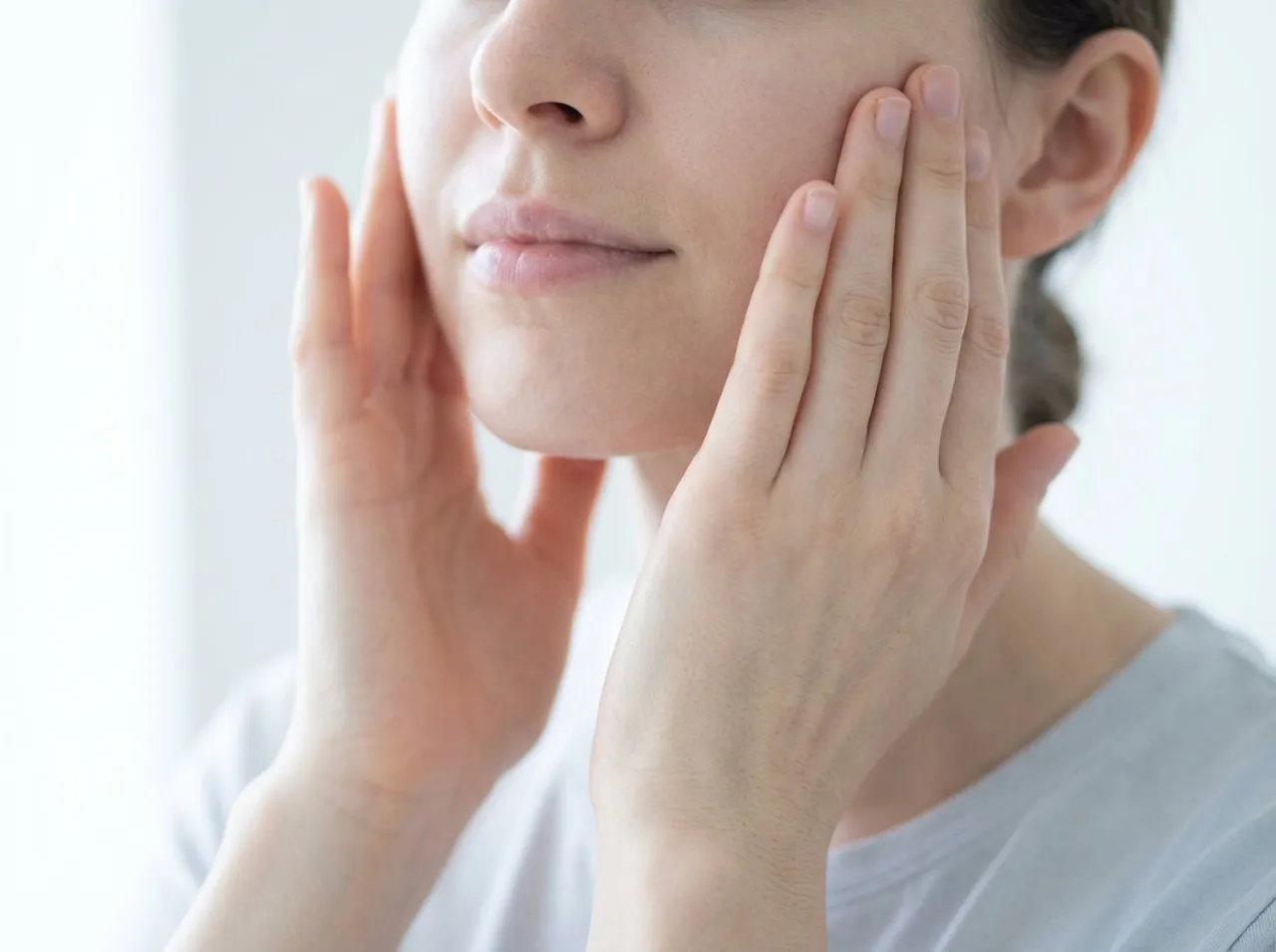
A removable brace should not wobble or rattle. If it slips, the fit is often incorrect. It then needs to be adjusted. Many people describe the sensation as a loose clasp in the mouth. Often, a wire is bent or a retaining arm is too wide. Please never bend the wire yourself. Pressure points are possible at first but should subside. If they persist, we will polish the brace in the relevant areas. This helps you avoid lesions of the mucous membranes. A brace for the lower jaw can also slip out. Tongue pressure and the film of saliva play a role in this. Further polishing usually improves retention.
Cleaning and caring for the material
Clean the appliance daily with lukewarm water. Use a soft brush and mild soap. Toothpaste can create microscopic scratches and should be used with caution. Cleaning tablets can be useful occasionally. Rinse thoroughly afterwards so that no residue remains. Never use hot water. Always keep the brace in a case. Wrapping it in a napkin often leads to loss. Pets can damage the plastic and wires.
Costs, statutory health insurance (GKV) and planning
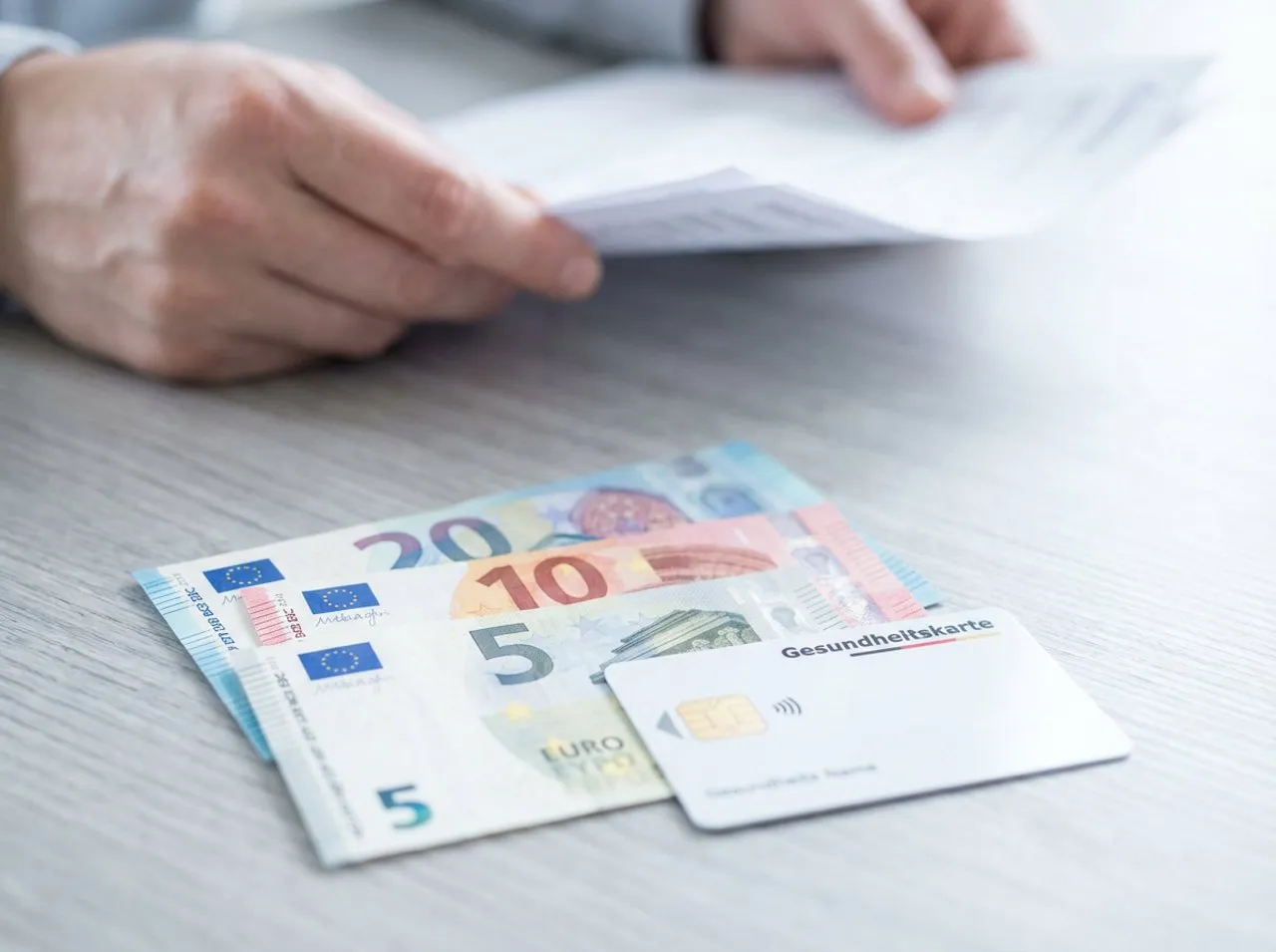
Costs depend on the type of appliance and the work involved. For children, statutory health insurance (GKV) often covers part of the cost. Classification is based on the orthodontic findings. For adults, GKV only pays in exceptional cases. This usually applies to severe jaw misalignments requiring a combined treatment plan. Private insurance policies reimburse costs depending on the contract. At Wunschlachen in Berlin, we provide transparent advice. We explain the alternatives and prepare cost breakdowns. This allows you to make a well-informed decision.
When you should book an appointment
Come in promptly if you experience pain, cracks or lose the appliance. A check-up is also important if your bite suddenly changes. This helps prevent relapse. Regular follow-up care stabilises the result. Retention is essential, particularly after active tooth movement. This keeps your smile harmonious in the long term.
Conclusion
Treatment with a removable brace is flexible and well established. It can guide growth and stabilise tooth positions. Consistent patient cooperation remains the key. If you have any questions, we are happy to help. We can check the fit, function and hygiene in a short appointment. Simply book an appointment at Wunschlachen.
FAQ: frequently asked questions about removable braces
A removable appliance is easier to clean. Wearing it reliably for the required time is crucial.
This depends on the clinical findings and patient cooperation. Growth treatment often takes several months.
Many people manage 14 to 16 hours by establishing set routines. The longest periods of wear are often possible at night and in the afternoon.
Only according to the practitioner's plan. Otherwise, the dental arch may change unfavourably.
Have the brace polished promptly. This helps irritated areas heal more quickly.
Clasps can bend or teeth can shift. A check-up is then necessary.
Use a brush, lukewarm water and mild soap. Add tablets if needed.
Usually yes, without restrictions. A mouthguard is advisable for contact sports.
Yes, for minor corrections or retention. Planning is then particularly tailored to the individual.
Teeth can shift back. This can significantly extend the retention phase.