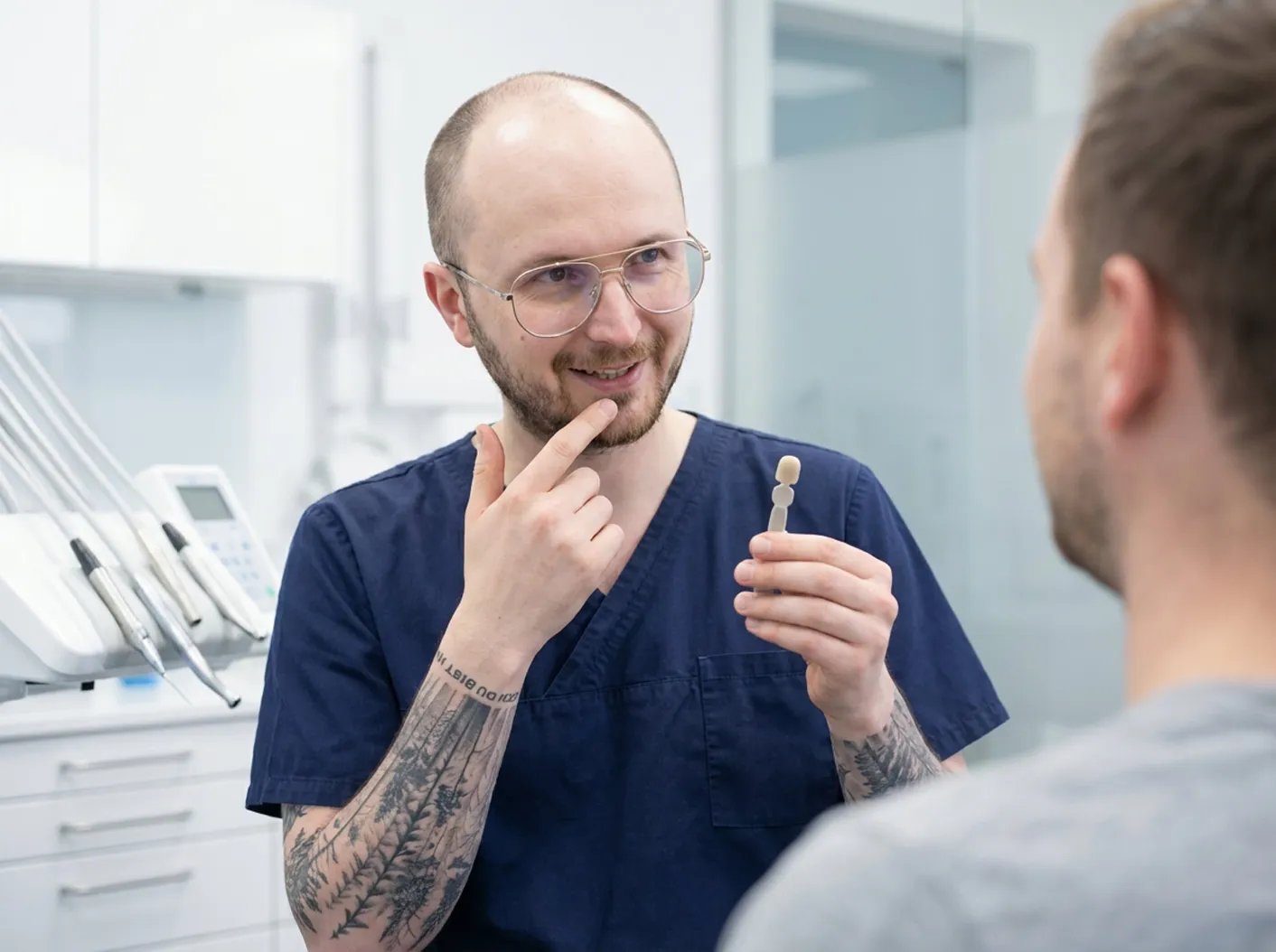
Why replacing a dental filling is important
A filling protects the tooth from further damage. Over time, however, materials wear down. Replacing the filling can prevent new pain and tooth decay. Many people want to replace a filling before problems arise. Defective edges allow bacteria to get underneath the filling. This often leads to...
Über 350 Google-Bewertungen

When does a filling need to be replaced?
Many fillings last for several years. Nevertheless, regular check-ups are important. The dentist can detect small leaks early. Replacement is advisable if there are visible cracks. Chipped areas are also a warning sign. The same applies to frequent problems with your bite. Sometimes the colour is bothersome in the front teeth. A tooth-coloured replacement can then help. This is particularly common with older materials.

Typical causes of defective fillings
High chewing pressure places strain on fillings in molars. Grinding increases this pressure considerably. A splint can then provide additional help. Large, deep defects also increase the risk. The tooth is left thinner after drilling. Material is then more likely to break off. Caries at the margin is another common reason. It develops due to leakage or deposits. Good oral hygiene reduces this risk. Some fillings are very old. Materials age and shrink slightly. This creates fine gaps at the margin.

Symptoms: how can I tell there is a problem?
Pain when chewing is a typical sign. Sensitivity to cold or sweet foods can also occur. Sometimes you can feel an edge with your tongue. An unpleasant taste may indicate a leak. A dark margin can also be suspicious. Visible cracks should always be checked. Not every twinge is immediately an emergency. If symptoms last longer than two days, it is advisable to make an appointment. Severe pain requires prompt assessment.
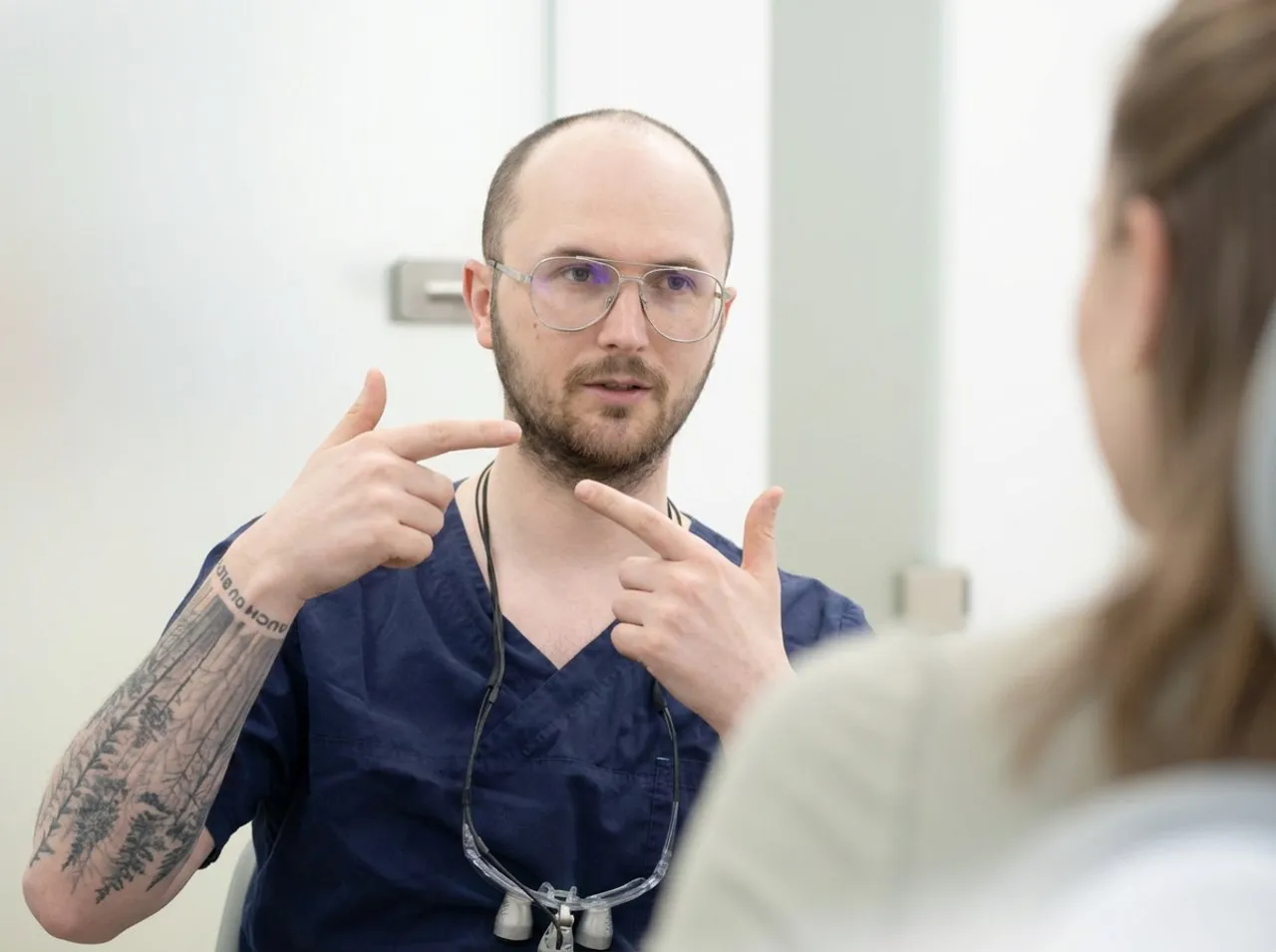
Having a filling replaced by a dentist: the procedure at the practice
A short examination comes first. The dentist checks the margin, contact point and bite. An X-ray may be taken if necessary. The process of having a filling replaced by a dentist is easy to plan. Anaesthesia is then used if necessary. Many small defects can also be treated without an injection. This depends on depth and sensitivity. The old filling is carefully removed. All caries is removed. This leaves only healthy tissue. The tooth is then prepared. It is cleaned and dried. The new restoration is then built up in layers. With composite, each layer is cured. The dentist then shapes the surface precisely. Finally, the filling is polished. The bite is checked and adjusted. This prevents pressure points when chewing. After a short time, the tooth feels normal again.
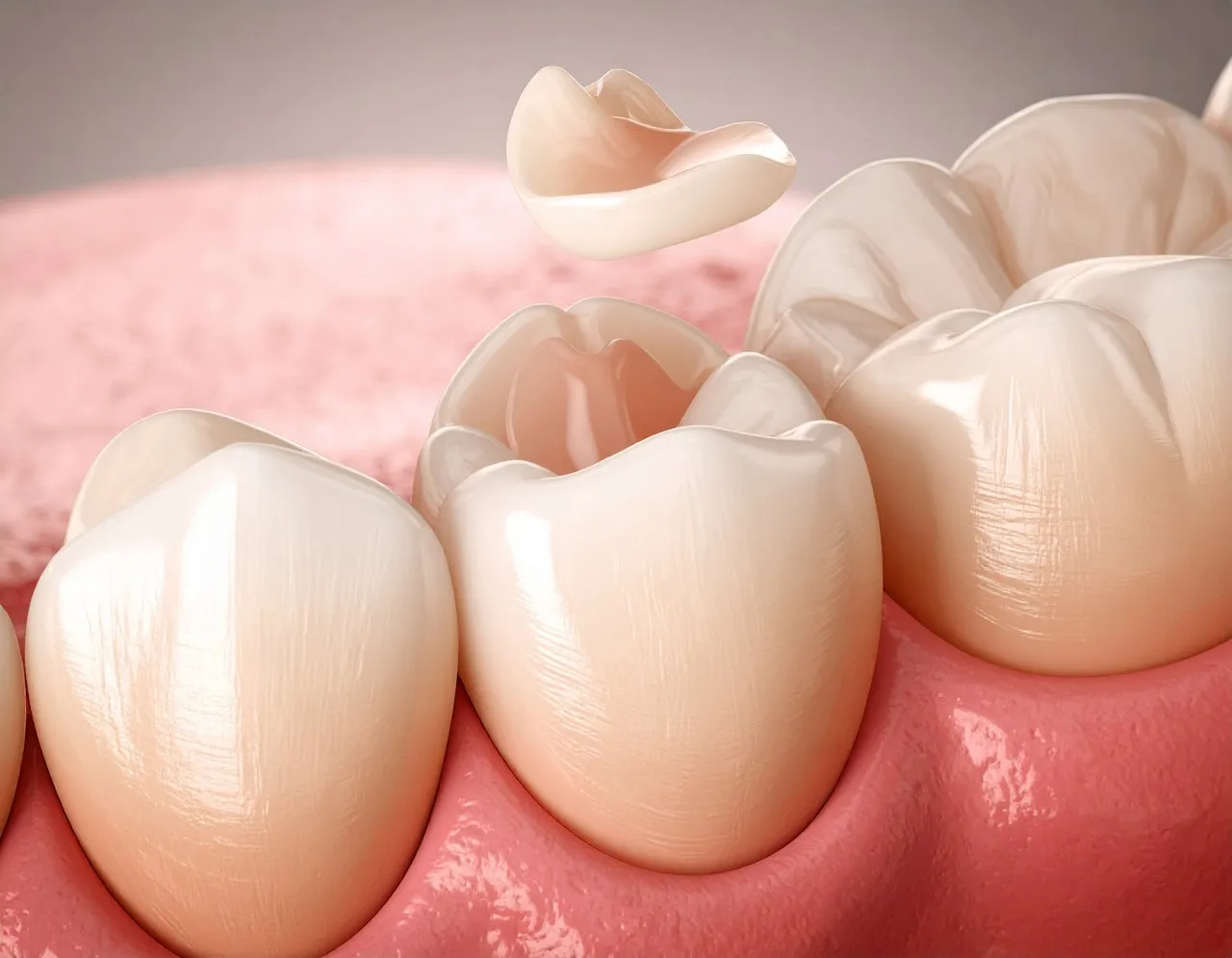
Which materials are suitable for replacement?
Composite is tooth-coloured and versatile. It is suitable for both front and back teeth. The appearance is usually very natural. Glass ionomer cement is often used as a temporary solution. It releases fluoride and is quick to place. It is less suitable for heavy chewing loads. Ceramic inlays are very stable and precisely fitted. They are made in a laboratory or using CAD/CAM. This usually requires two appointments. The right material depends on the defect. Location, bite and aesthetics also play a role. We explain the options clearly during your consultation.

Costs and health insurance explained clearly
The costs depend on the material and the work involved. The size and position of the tooth are also decisive. Preliminary treatments can increase the price. Statutory health insurance funds usually pay for basic care. Tooth-coloured options for back teeth are often private. The exact amount is set out in the treatment and cost plan. Private insurance and supplementary insurance policies often reimburse more. This depends heavily on the policy. We can help you submit your claim. If you wish, we offer payment in instalments. This makes financial planning easier. Simply ask us about it.
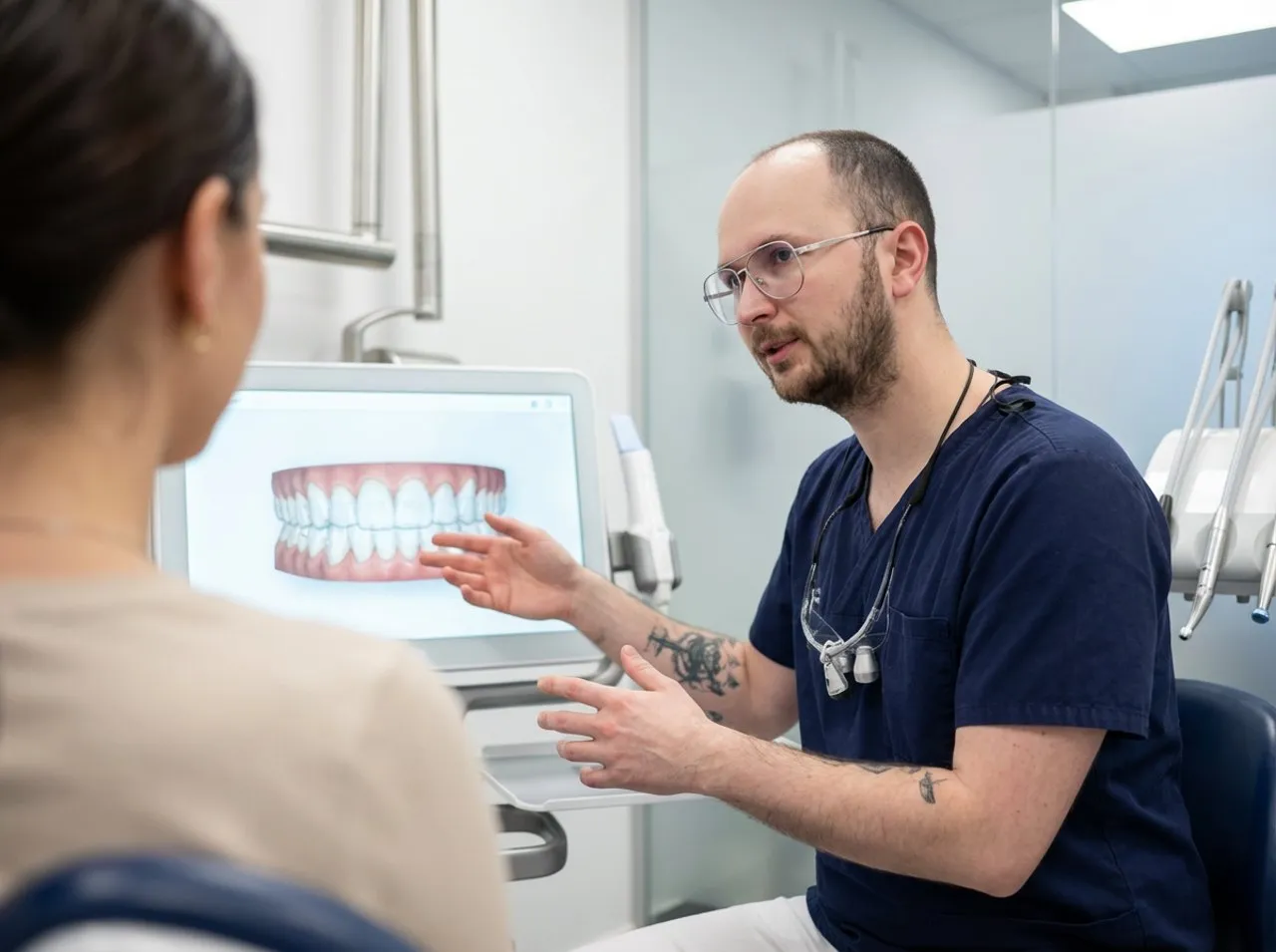
Durability and care after replacement
Durability depends on care and strain. Regular check-ups are essential. This allows marginal problems to be detected early. Brush thoroughly twice a day. Use dental floss or interdental brushes. Plaque accumulates particularly at the contact point. Avoid hard food immediately after the appointment. Otherwise, there is a risk of biting yourself while anaesthetised. Everything is stable after a few hours. If you grind your teeth, a mouthguard protects the filling. This significantly reduces the risk of fracture. The jaw joints often benefit too.

Replacing a dental filling at Wunschlachen in Berlin
At Wunschlachen, we take time to answer your questions. We check whether replacement is really necessary. Our aim is to preserve your teeth with clear planning. We work with modern, tooth-coloured materials. This creates a harmonious result in everyday life. We also check your bite very carefully. You receive a transparent breakdown of costs. If you wish, we can discuss alternatives and priorities. This enables you to make a well-informed decision.
FAQ – Frequently asked questions about replacing a dental filling
There is often pain when chewing or sensitivity to cold. Cracks, edges or dark margins are also indications.
Usually not, because a local anaesthetic can be used. An injection is often unnecessary for small defects.
Small fillings often take 20 to 40 minutes. Larger defects can take longer.
After an anaesthetic, you should not eat again until the numbness has worn off completely. Without an anaesthetic, you can usually eat after a short time.
Many composite fillings last for several years. Check-ups and good care increase their lifespan.
Composite is flexible and usually less expensive. Ceramic is very stable and often longer-lasting.
Statutory health insurance usually covers standard care. Additional costs often arise for tooth-coloured options for back teeth.
Bacteria can get underneath the filling. This can lead to tooth decay, pain and, in extreme cases, root problems.
During replacement, the old filling is removed. Only as much material as necessary is removed.
The next routine check-up is usually sufficient. If you experience symptoms, you should make an earlier appointment.