Retainers – long-term stability of orthodontic results
Following successful orthodontic treatment, patients want above all for their teeth to remain straight permanently. This is exactly where dental retainers come in. They keep the teeth in place after treatment with braces or aligners. In this...
Über 350 Google-Bewertungen
What is a retainer?
A retainer is a special retaining device. It is used after orthodontic treatment to maintain the corrected position of the teeth. The word ‘retainer’ comes from English and means ‘to hold back’.
The aim is to stabilise the teeth in their new position. This continues until the jaw and surrounding tissue have adapted to the change. There are various types of dental retainers. Fixed and removable versions are available. Which type is used depends on numerous factors, e.g. the individual starting situation, the patient’s wishes and the dentist’s recommendation.
Why are retainers so important?
After orthodontic treatment, teeth tend to move back into their old position. This process is called a relapse. A dental retainer prevents this movement by holding the teeth in their new position.
This preserves the results of treatment in the long term. Without a dental retainer, months or years of orthodontic treatment could quickly be undone. We will advise you on which type of dental retainer is best suited to your treatment.
Types of retainers
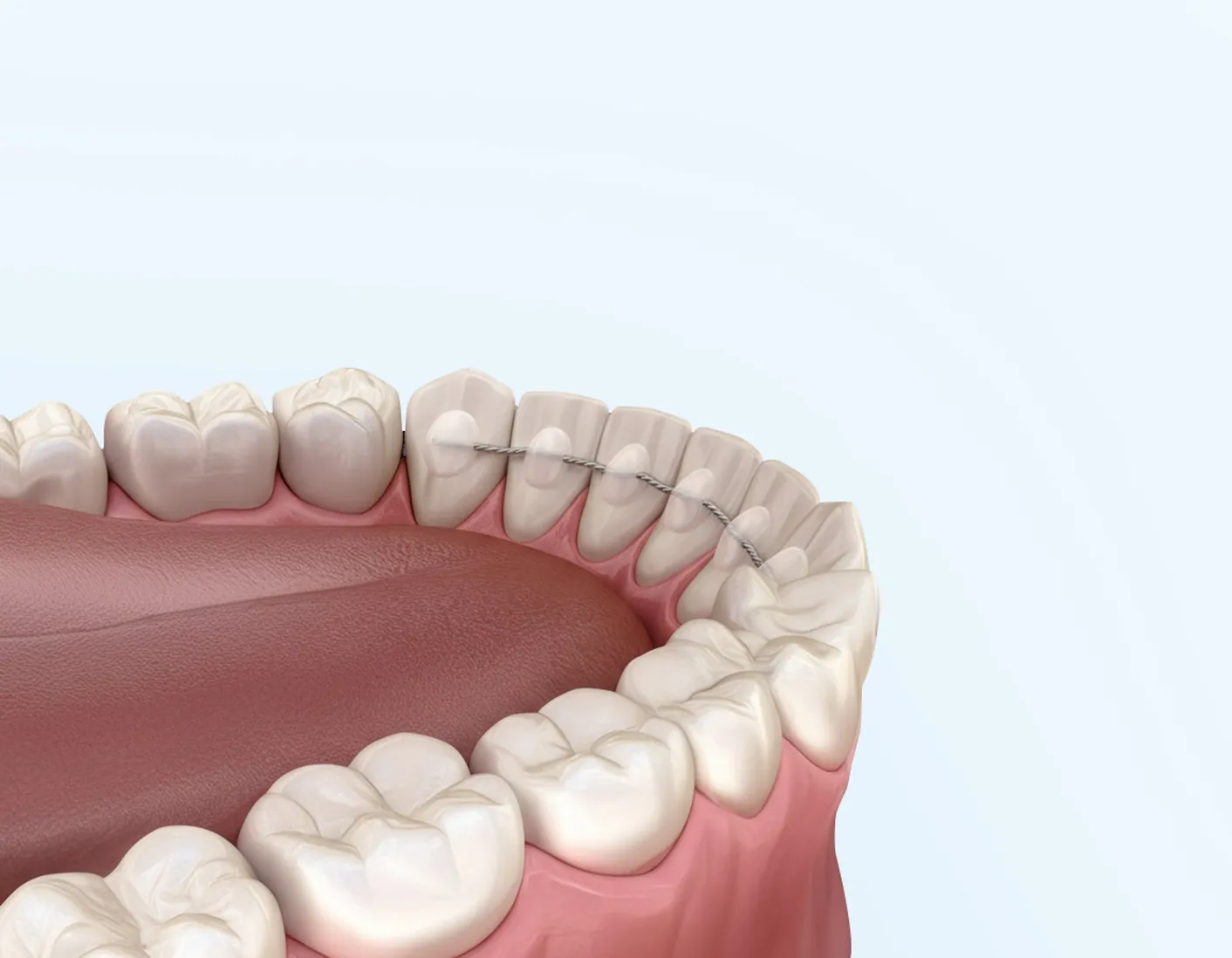
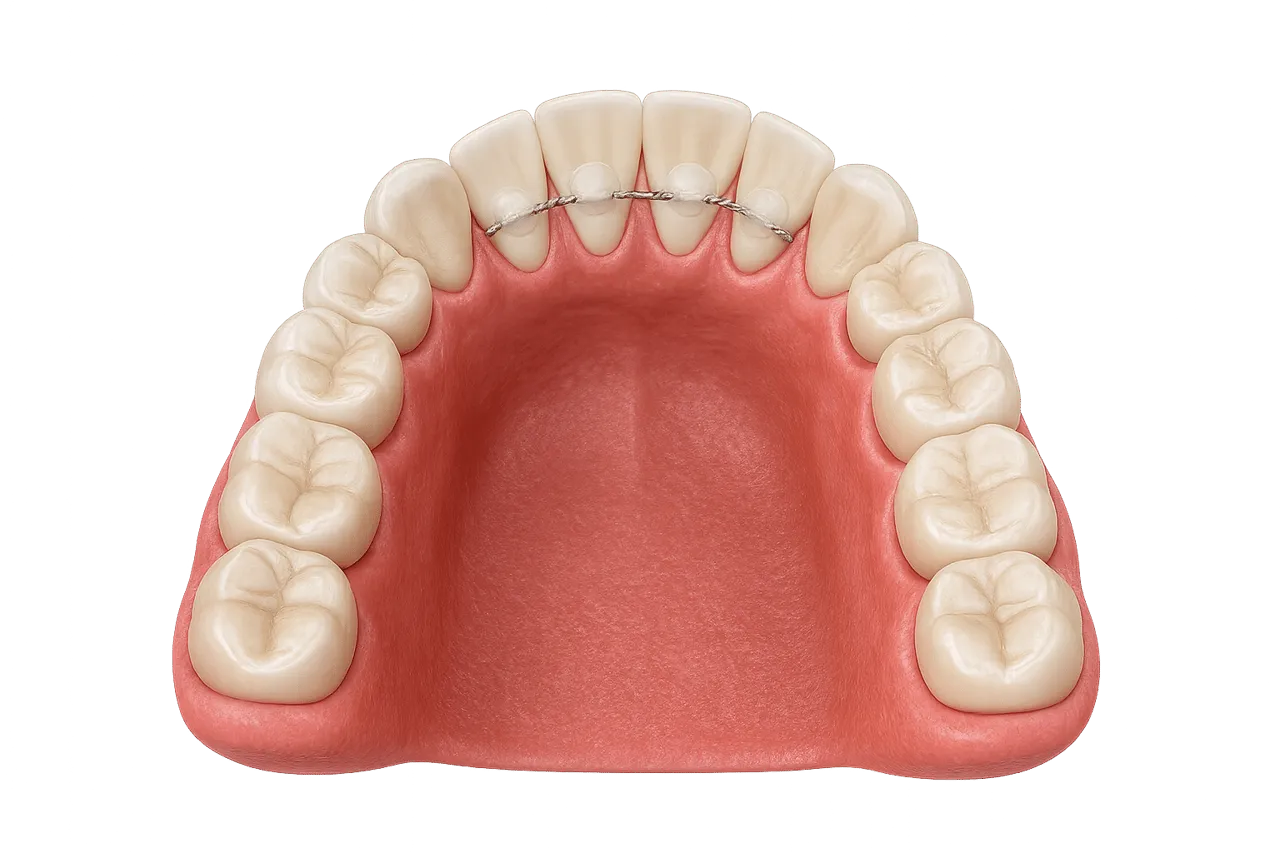
There are two main types of dental retainers, which are used individually depending on the patient: 1. Fixed retainer • A thin wire is bonded to the back of the front teeth. • Advantage: Invisible, as it is attached behind the teeth. • It works continuously and requires no active cooperation from the patient. • Particularly suitable for the lower jaw, where the risk of teeth shifting is greater.
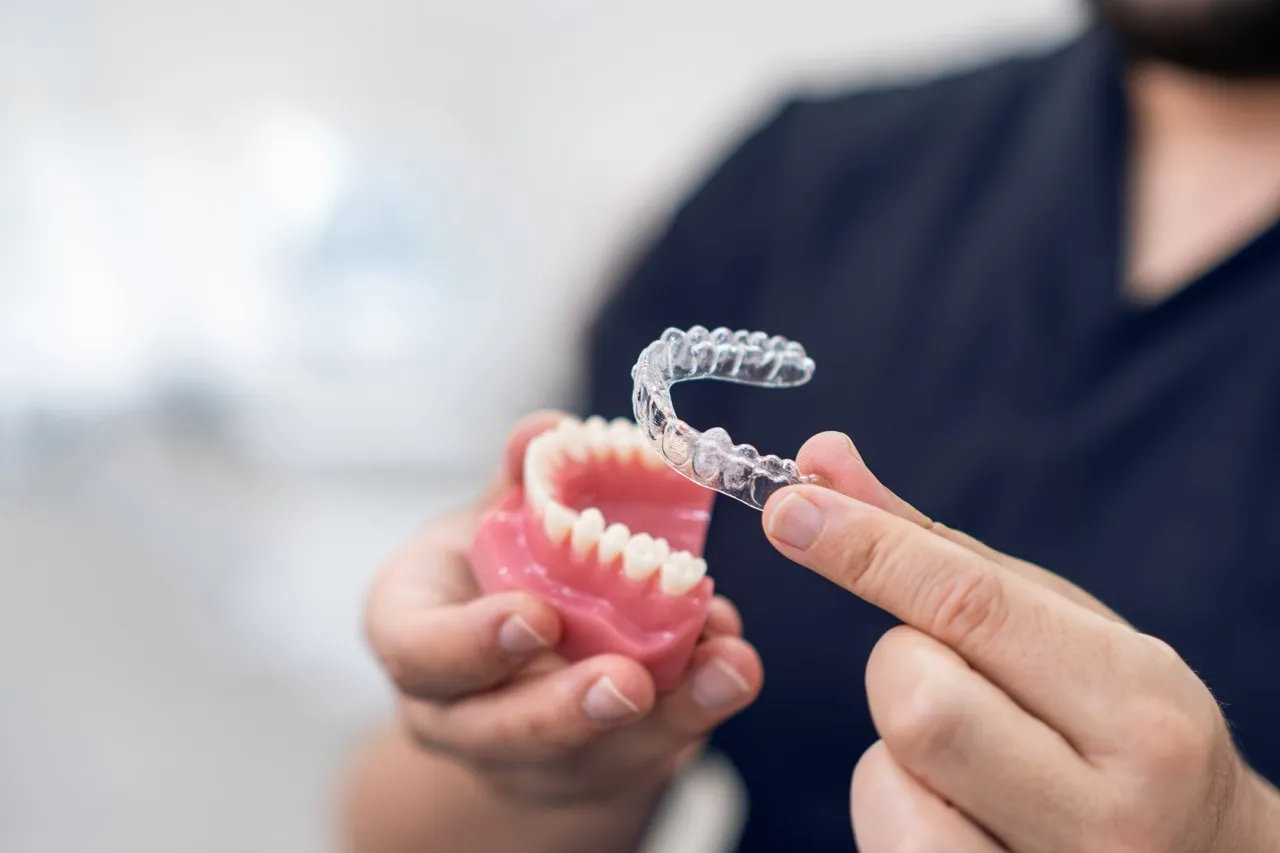
2. Removable retainer • A clear plastic tray, similar to an aligner tray. • Advantage: Can be removed for eating and dental care. • Disadvantage: The length of time it is worn depends on the patient’s discipline. • Both versions have their advantages and disadvantages. The dentist recommends the appropriate solution, often a combination of a fixed and removable dental retainer.

How long should you wear a retainer?
As a general rule: the longer, the better. The risk of teeth shifting is greatest in the first few months after orthodontic treatment.
Many dentists recommend wearing a retainer for several years. In some cases, even for life. A fixed dental retainer can remain in the mouth for many years without any problems, provided it is checked regularly. Removable dental retainers should be worn daily, especially in the first few years; later, wearing them at night is often sufficient.
Retainer costs at the dentist
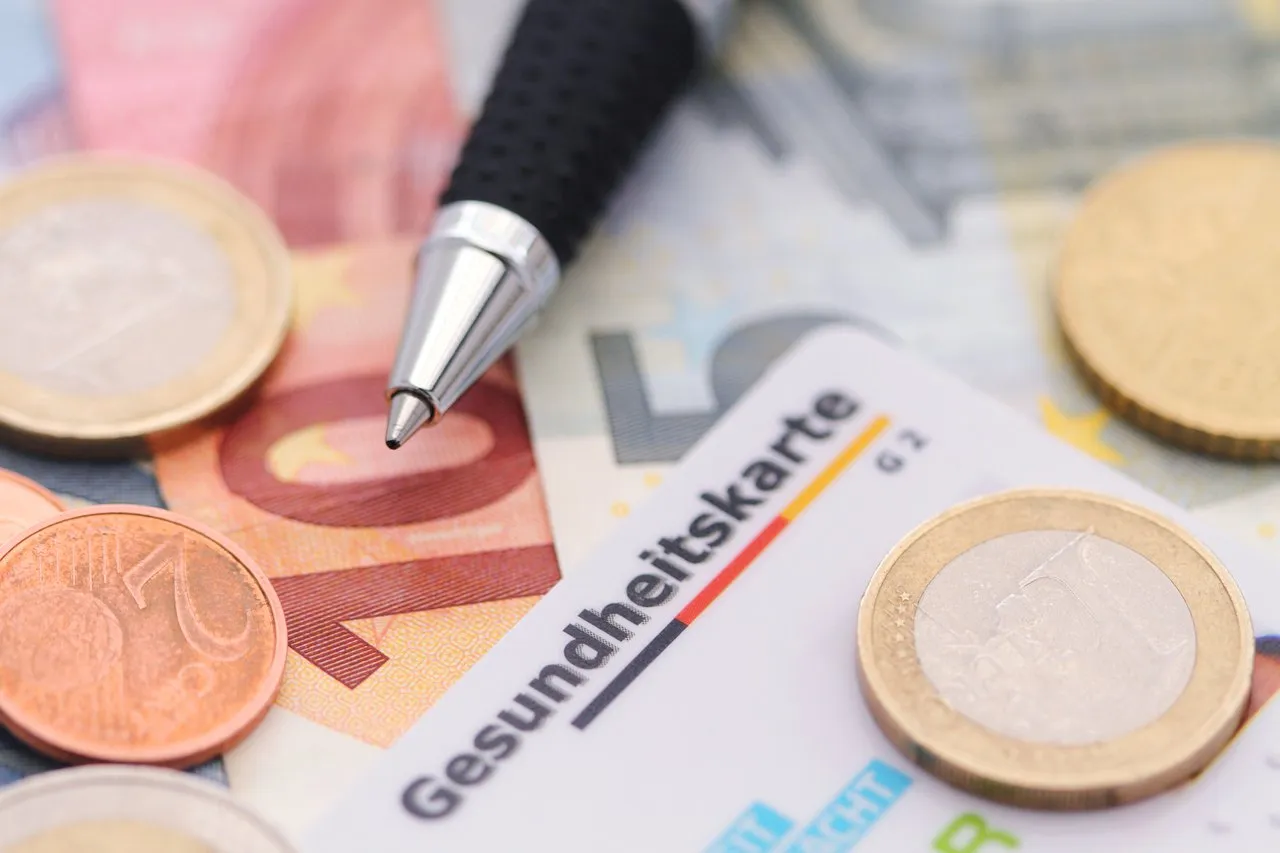
Costs vary depending on the type and complexity of treatment. A fixed dental retainer usually costs between 200 and 500 euros per jaw. Removable dental retainers are usually slightly cheaper, at around 100 to 300 euros. Whether the health insurance fund covers the costs depends on the individual case. However, patients often have to bear the costs themselves. Statutory health insurance in Germany does not fully cover long-term stabilisation following orthodontic treatment.
Care and maintenance of retainers
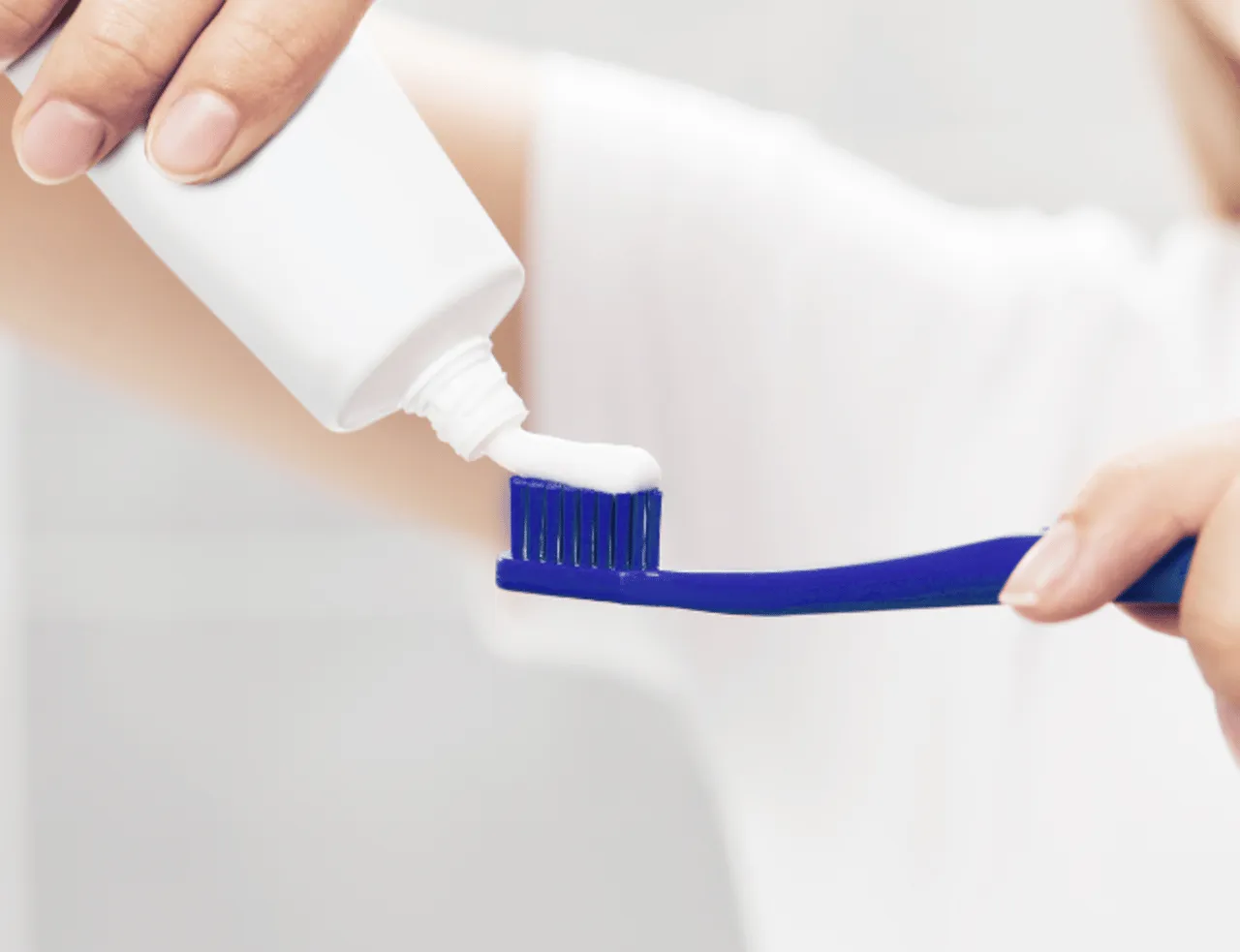
A dental retainer requires regular care to remain effective in the long term. • Fixed dental retainer: Thorough dental care with dental floss and interdental brushes is important, as plaque can build up on the wire.
• Removable dental retainer: Rinse with water after each use and clean regularly with special cleaning tablets.
You should also attend regular dental check-ups so that the stability and fit of the dental retainer can be checked.
Conclusion
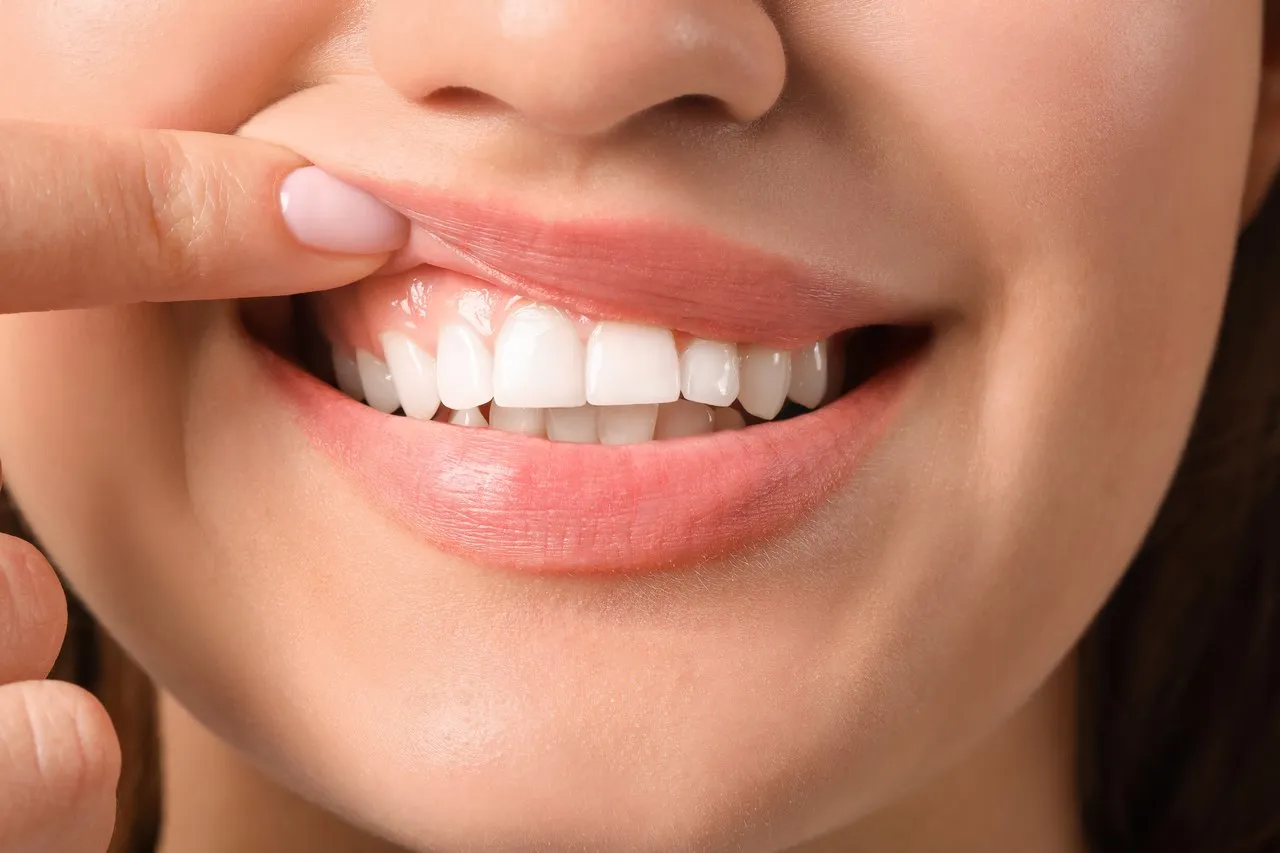
A dental retainer is the key to maintaining the results of orthodontic treatment in the long term. Without this important step, there is a high risk that the teeth will shift again. Investing in a dental retainer is therefore not only sensible, but essential for a permanently beautiful smile.
FAQ – frequently asked questions about retainers
It is a retaining device that holds the teeth in position after orthodontic treatment.
Many dentists recommend several years. Permanent retention is often even necessary.
Fixed dental retainers (wire behind the teeth) and removable dental retainers (transparent trays).
Depending on the type, between 100 and 500 euros per jaw. We will provide you with detailed advice and draw up a cost plan at our practice.
In many cases, health insurance does not cover the full costs.
Fixed dental retainers are invisible, as they are attached behind the teeth. Removable dental retainers are transparent.
Yes, the wire in fixed dental retainers in particular can come loose. Regular check-ups are therefore important.
You may feel slight pressure after it is fitted, but pain is rare.
Clean fixed dental retainers with dental floss/interdental brushes; clean removable dental retainers regularly with water and cleaning tablets.
The teeth can shift again and the results of the treatment will be lost.