
Salivary stones – causes, symptoms and treatment
A salivary stone is a hardened deposit in the salivary glands or ducts that obstructs the flow of saliva. These small but often painful calcified stones can cause various symptoms and should be treated promptly. Below, you will learn everything about the causes,...
Über 350 Google-Bewertungen
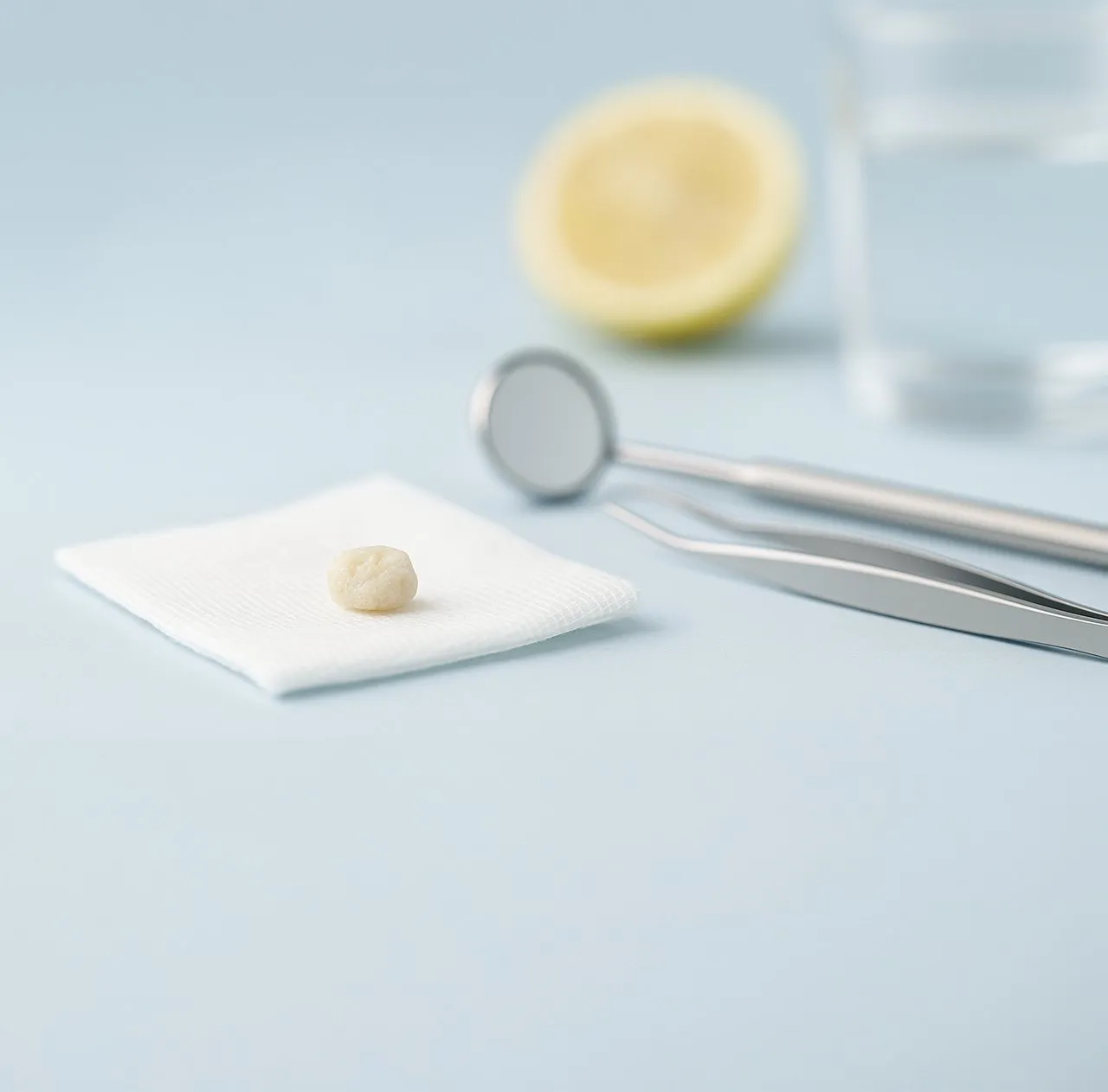
What is a salivary stone?
A salivary stone (known medically as a sialolith) is a mineralised deposit that forms in the excretory ducts of the salivary glands. It usually consists of calcium salts and can vary considerably in size and shape. The submandibular glands are most commonly affected, and less often the parotid or sublingual glands.

Causes of salivary stones – why they develop
Sialoliths have many different causes, which cannot always be clearly identified. Common triggers include:
• Reduced saliva flow due to dehydration or certain medications
• High mineral content in the saliva (e.g. calcium)
• Inflammation in the salivary glands
• Mechanical narrowing in the salivary ducts
• Chronic conditions such as gout or metabolic disorders
Insufficient saliva flow encourages minerals to precipitate out of the saliva and form crystals. These can gradually develop into a sialolith.
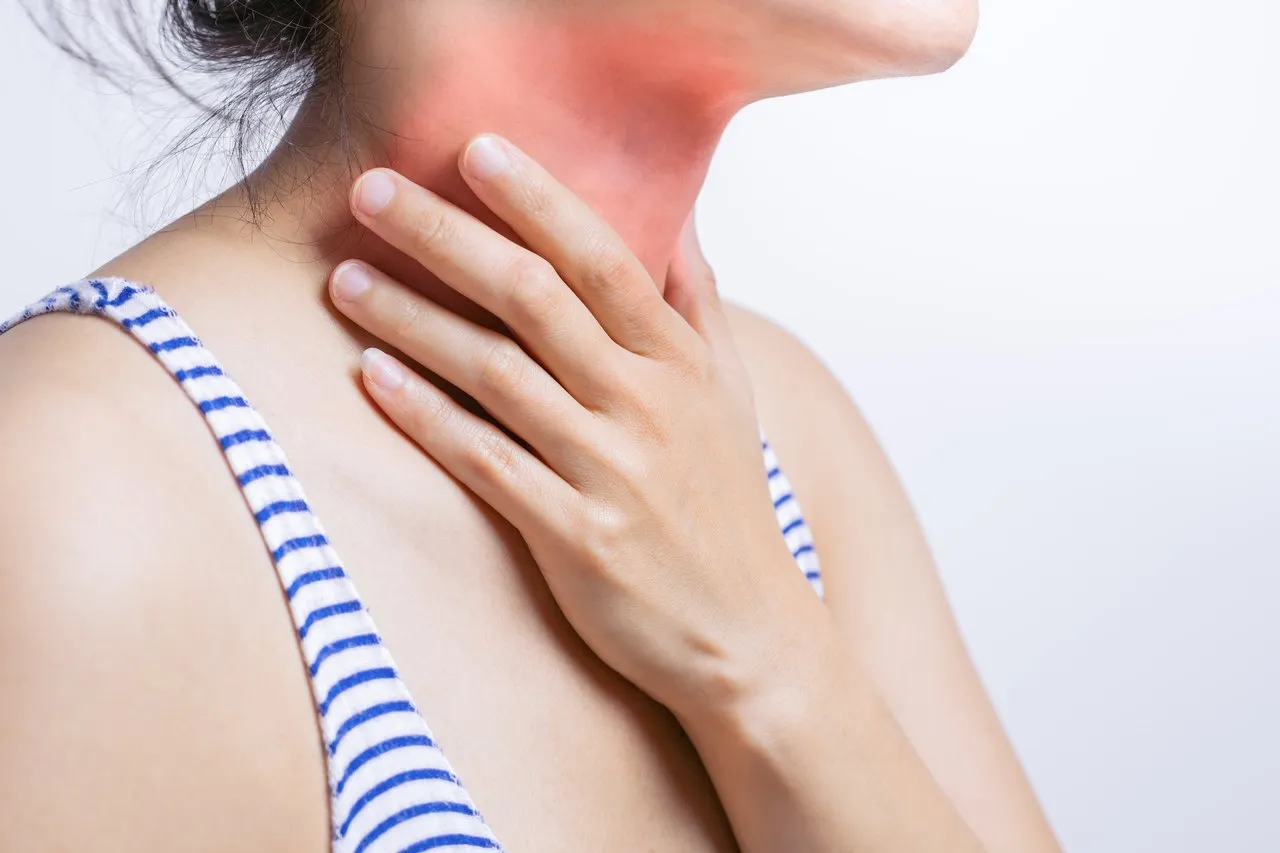
Salivary stone symptoms – how to recognise them
The symptoms of the condition often depend on the size and location of the stone. Typical signs include:
• Pain and swelling in the area of the affected salivary gland
• Increasing discomfort when chewing or eating (especially with acidic foods)
• A feeling of pressure in the mouth or jaw area
• Redness or warmth in the affected area
• Possible discharge of pus if accompanied by an infection
The symptoms often occur in episodes, particularly during meals, when saliva production increases.

Salivary stones – diagnosis by a dentist
To diagnose a sialolith with certainty, the dentist first carries out a clinical examination. Imaging techniques such as ultrasound or X-rays may also be used to determine the location and size of the stone. In rare cases, an MRI or CT scan is necessary.

Home remedies for salivary stones – gentle supportive methods
For smaller stones, home remedies can help promote the drainage of saliva:
• Drink plenty of fluids (especially water)
• Chew acidic foods (e.g. lemon slices) to stimulate saliva production
• Gently massage the affected gland towards the excretory duct
• Apply external warmth to promote saliva flow
These measures can be helpful, but they do not replace an examination by a dentist, particularly if symptoms persist.
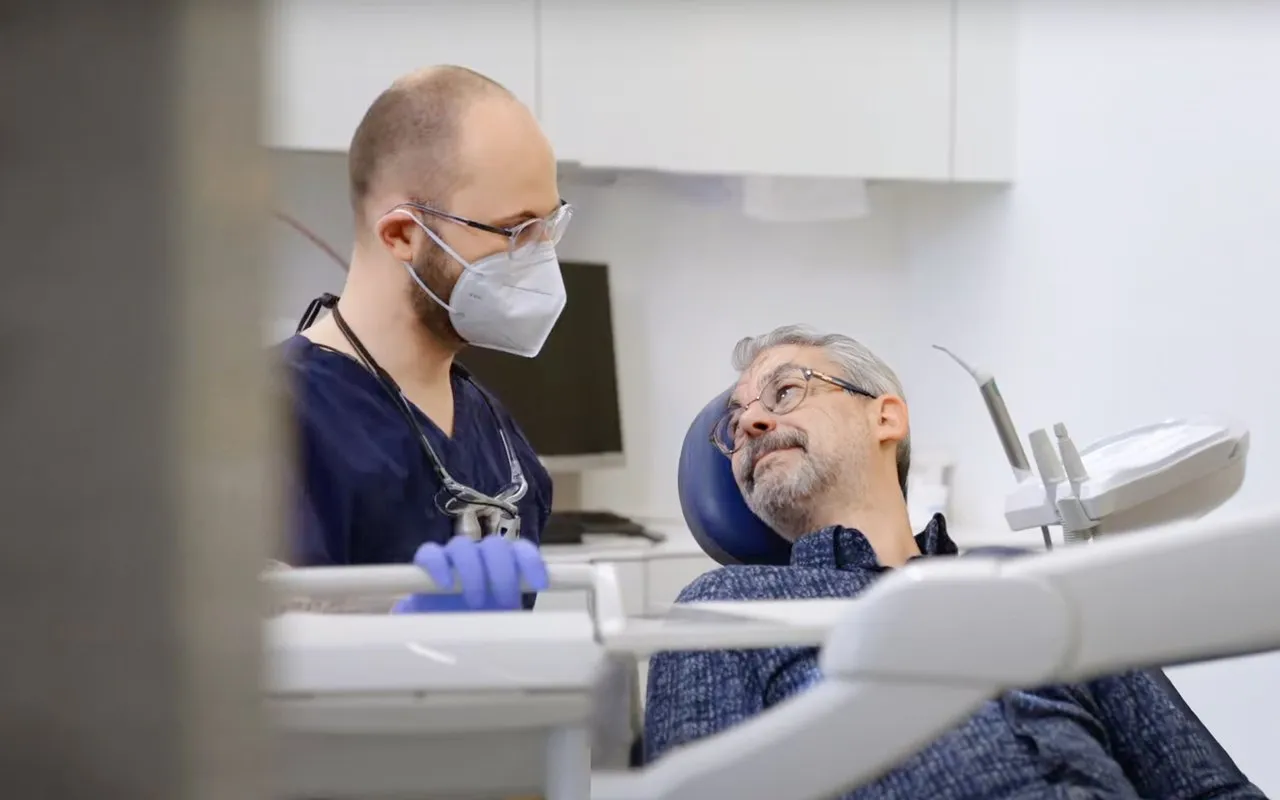
Removing salivary stones – professional treatment
If home remedies are not sufficient, the dentist must remove the salivary stone. Different methods are available depending on its location and size:
1. Manual removal: The dentist carefully massages the stone out of the duct.
2. Probing: Special instruments are used to open the duct and remove the stone.
3. Minimally invasive procedures: Endoscopic techniques (sialendoscopy) enable gentle removal.
4. Surgery: An operation may be necessary for very large or deep-seated stones.
Prompt removal is important to prevent infections and permanent damage to the salivary gland.

Preventing salivary stones
The following measures can help reduce the risk:
• Drink enough fluids
• Chew sugar-free gum to stimulate saliva flow
• Have regular dental check-ups
• Eat a healthy diet with plenty of fresh fruit and vegetables
• Maintain good oral hygiene

Conclusion
A sialolith is usually very treatable, but can cause considerable discomfort. Anyone who notices symptoms of a salivary stone, such as swelling or pain in the jaw area, should see a dentist promptly. Timely diagnosis and treatment, whether using home remedies for salivary stones or professional procedures, can prevent complications.
FAQs – frequently asked questions about salivary stones
Dehydration, a high mineral content in the saliva, inflammation and mechanical narrowings in the salivary ducts.
Pain, swelling and a feeling of pressure in the mouth or jaw area, especially when eating.
Small stones can sometimes be dislodged with home remedies, but larger ones should be removed by a dentist.
They can stimulate saliva flow and dislodge smaller stones, but are no substitute for professional treatment.
Removing small stones can take just a few minutes, while larger procedures require a little more time.
If left untreated, they can cause infections and permanent damage to the salivary gland.
Drink plenty of fluids, chew sour foods, maintain good oral hygiene and attend regular dental appointments.
Yes, but considerably less often than adults.
Recurrence is possible if the underlying causes are not resolved.
If you have severe pain, marked swelling or a fever.