
Tooth-friendly diet – for healthy teeth throughout your life
Welcome to Wunschlachen, your dental practice in Berlin. Healthy teeth are the result of proper care, regular check-ups and a mindful diet. Many patients underestimate the influence that daily food intake has on dental health.
In this...
Über 350 Google-Bewertungen
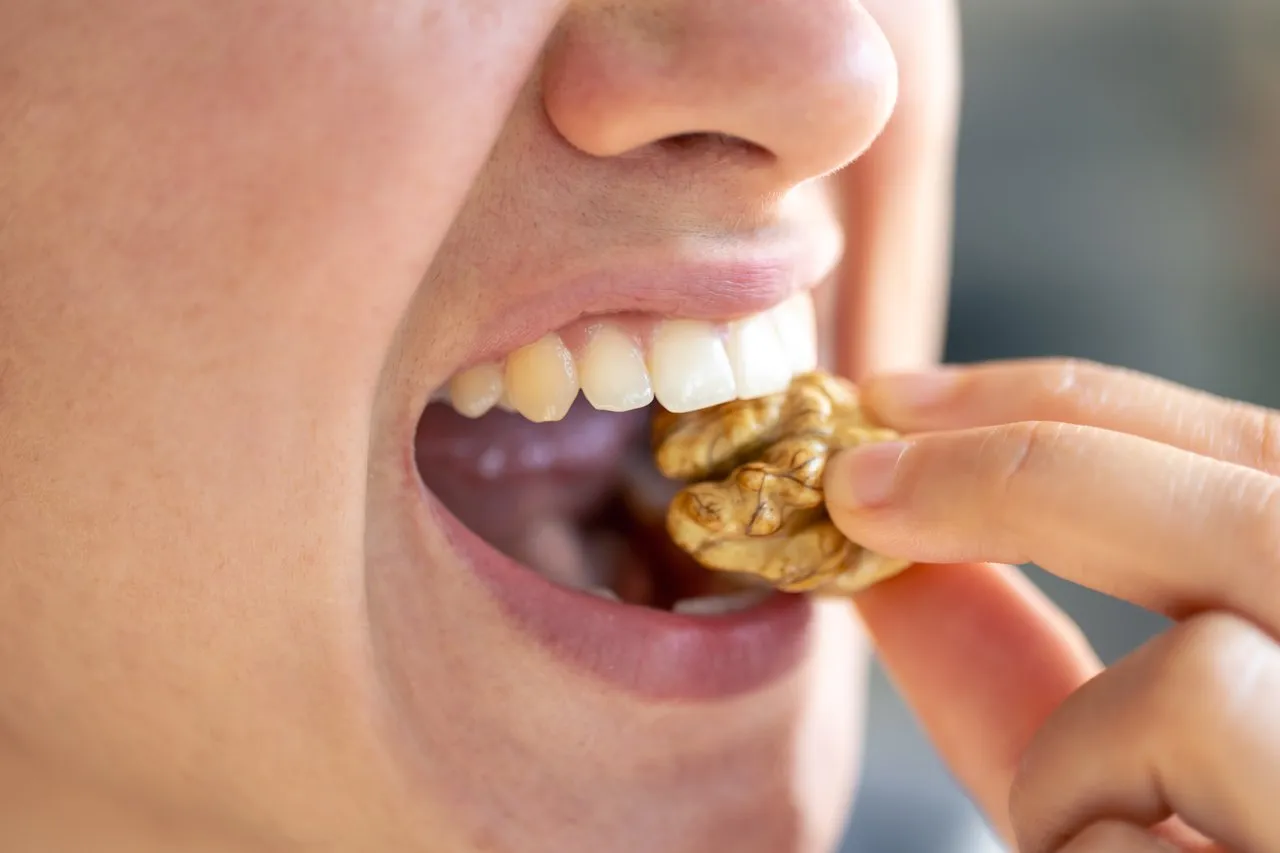
Why diet is so important for healthy teeth
The mouth is the gateway for all food. As such, it is directly affected by everything we eat and drink. Important factors include how often we eat, the consistency of the food and how long certain substances remain in the mouth. Anyone who regularly consumes sugary or acidic foods risks caries, erosion and gum problems. Even with careful dental care.
A tooth-friendly diet is therefore a central component of every preventive dental appointment. It complements oral hygiene at home and supports the natural enamel's resistance.
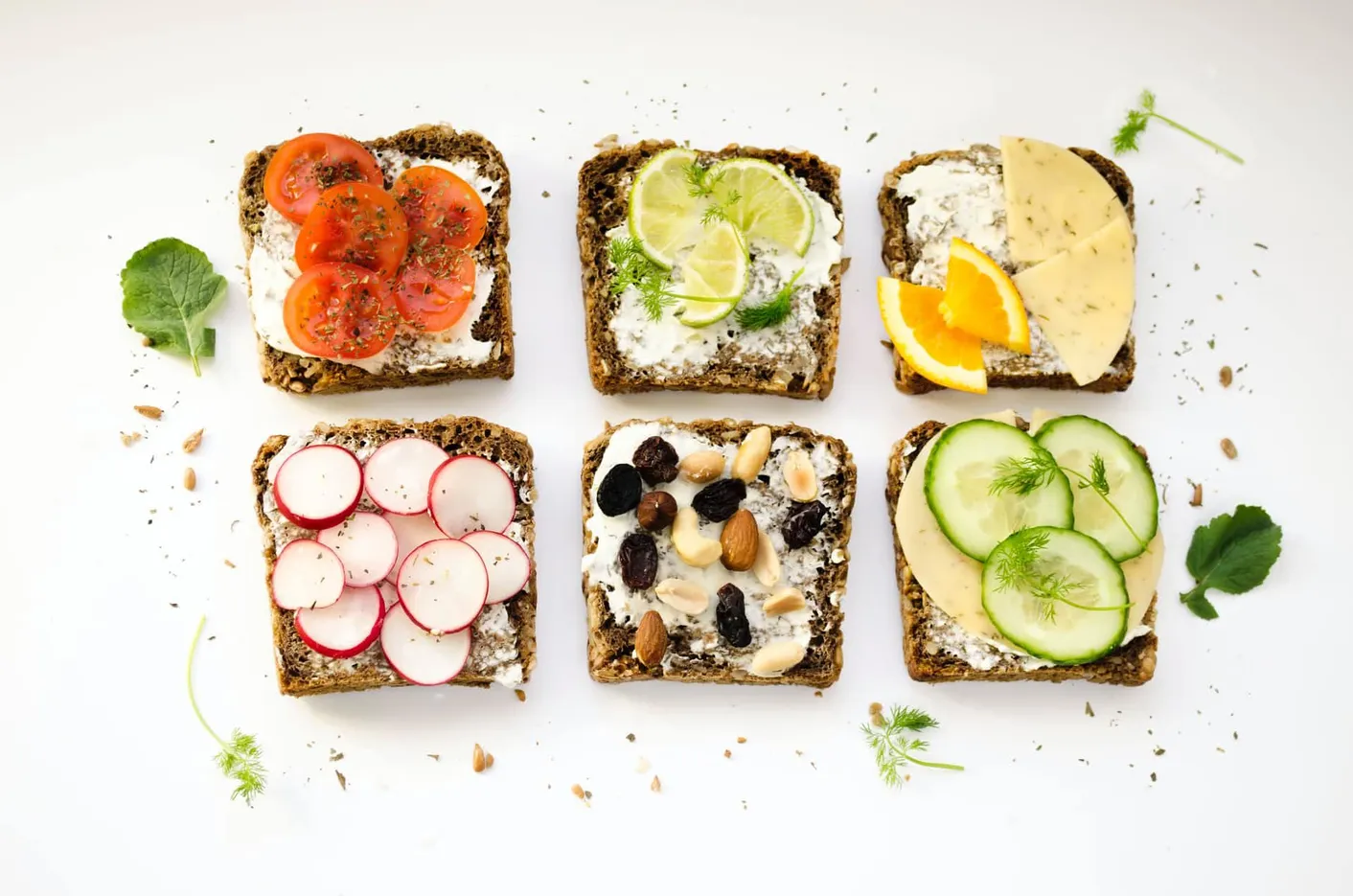
The basics of a healthy diet – how to eat for healthy teeth
If you want to adapt your diet for the sake of healthy teeth, you do not need to start a radical diet. It is enough to follow a few basic principles and integrate them into your everyday routine over the long term.

What constitutes a healthy diet?
A healthy diet is characterised by balance, freshness and variety. For dental health, this means:
• Plenty of vegetables and fruit (but take care with acidic varieties such as citrus fruits)
• Dairy products such as yoghurt and cheese (rich in calcium, which strengthens tooth enamel)
• Wholegrain products containing fibre and minerals
• Low-sugar, unprocessed foods
• Water and unsweetened tea as the main drinks
The principles of a healthy diet also include regularity. Every snack between meals encourages new acid attacks on tooth enamel. Even with supposedly healthy foods.
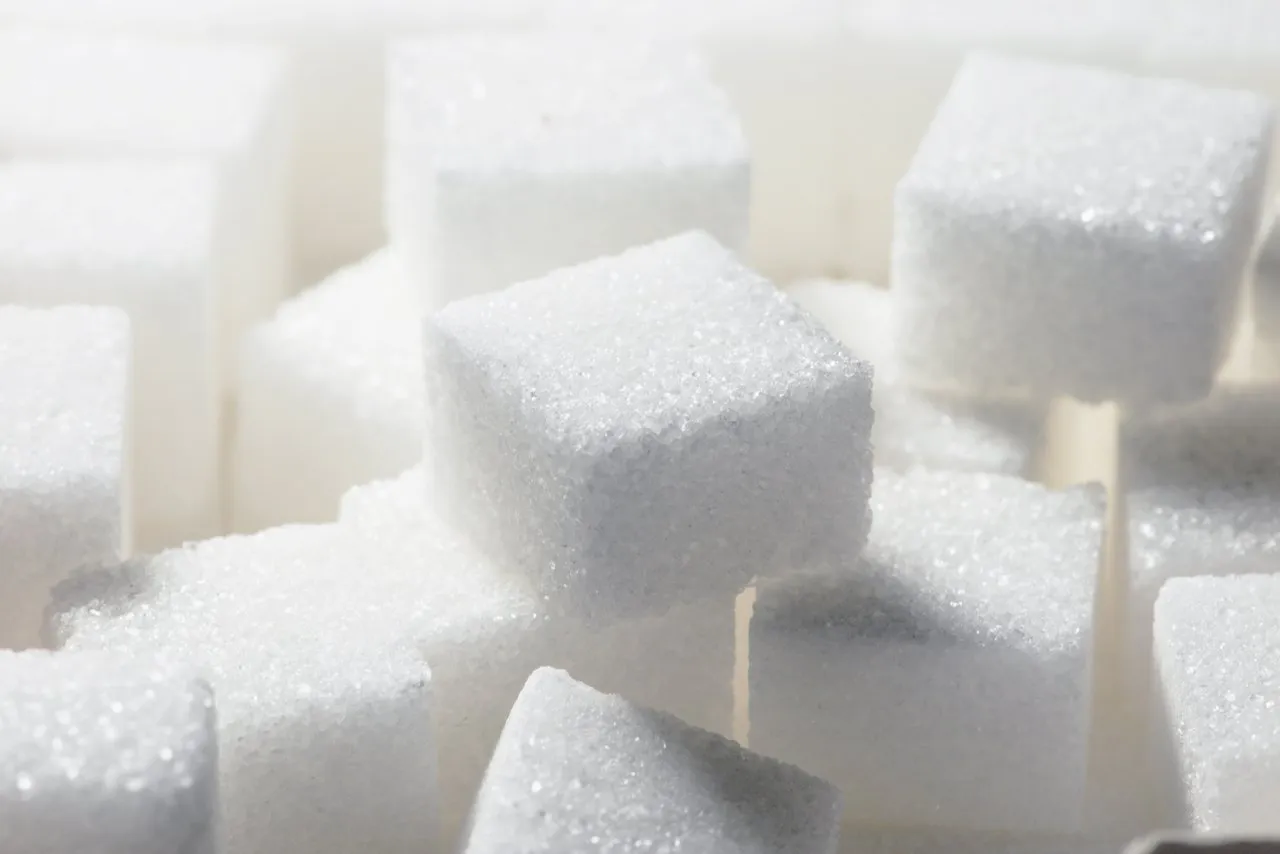
The role of sugar and acid
Sugar is the main nutrient for caries-causing bacteria in the mouth. These microorganisms convert it into acid, which attacks tooth enamel. However, natural fruit acids in smoothies or fruit juices can also lead to dental erosion.
A tooth-friendly diet does not mean giving up all treats, but rather consuming them mindfully:
• Sweet foods are best eaten with main meals
• After consuming acidic foods or drinks, rinse your mouth with water
• Do not brush your teeth immediately after eating acidic foods; wait 30 minutes

A tooth-friendly diet for children
The foundations for a healthy diet are laid particularly in childhood. Parents have a special responsibility here, as the eating habits established in childhood often last a lifetime.
A tooth-friendly diet for children means:
• Minimising hidden sugar (e.g. in fruit quark, breakfast cereals or baby teas)
• No sweetened drinks in trainer cups
• Encouraging chewing (e.g. with raw vegetables or wholemeal bread)
• Mindful snacking (a small portion of sweets once a day rather than constant grazing)
The best way to teach children about healthy eating is by setting an example. By paying attention to your own diet, you set a valuable example for children.
How to eat healthily at any age
Every stage of life brings different challenges. These are accompanied by different requirements for a tooth-friendly diet.
• Teenagers need plenty of calcium and vitamin D for growth
• Adults should maintain a balanced diet and avoid acidic lifestyle drinks (e.g. cola and energy drinks)
• Older people benefit from a nutrient-rich diet to support the structures that hold the teeth in place and the immune system
A healthy diet affects not only the teeth, but also overall well-being.

Our conclusion
A tooth-friendly diet is simple once you know the basics. It starts with choosing the right foods and ends with mindful eating habits. Anyone who incorporates healthy eating into their everyday life does a great deal for their dental health. This, in turn, lays the foundation for a strong, beautiful smile.
At Wunschlachen, we are happy to provide personalised advice on diet and dental care. Ask us about it at your next visit!
Frequently asked questions (FAQ)
A tooth-friendly diet includes foods and eating habits that prevent tooth decay and dental diseases, e.g. little sugar, plenty of calcium and regular meals.
Dairy products, green vegetables, nuts, wholegrain products and water support healthy teeth by providing important minerals.
Ideally, have three main meals and no more than two snacks so that the recovery time of tooth enamel is not interrupted.
Yes, because of their high acid content. They can attack tooth enamel, especially when consumed frequently or sipped over a long period.
Sugar-free chewing gum after eating can support the remineralisation of teeth by stimulating saliva flow. However, it does not replace brushing your teeth.
Water and unsweetened tea are ideal. Sweet soft drinks, energy drinks and fruit juices contain a lot of sugar or acid.
Look for terms such as glucose, fructose, maltodextrin or corn syrup in the ingredients list. These are all types of sugar.
Rinse your mouth with water. Wait at least 30 minutes before brushing your teeth so that the tooth enamel can recover.
Calcium is important for strong teeth and tooth enamel. It is found mainly in milk, cheese, green vegetables and nuts.
Set a good example, cook together, have fixed mealtimes and avoid sugary drinks in everyday life.