Tooth hurts when biting down: causes & help
One bite. A sharp pain. When a tooth hurts when you bite down, there is usually an underlying cause. This text explains the causes, diagnosis, treatment and immediate relief.
Über 350 Google-Bewertungen
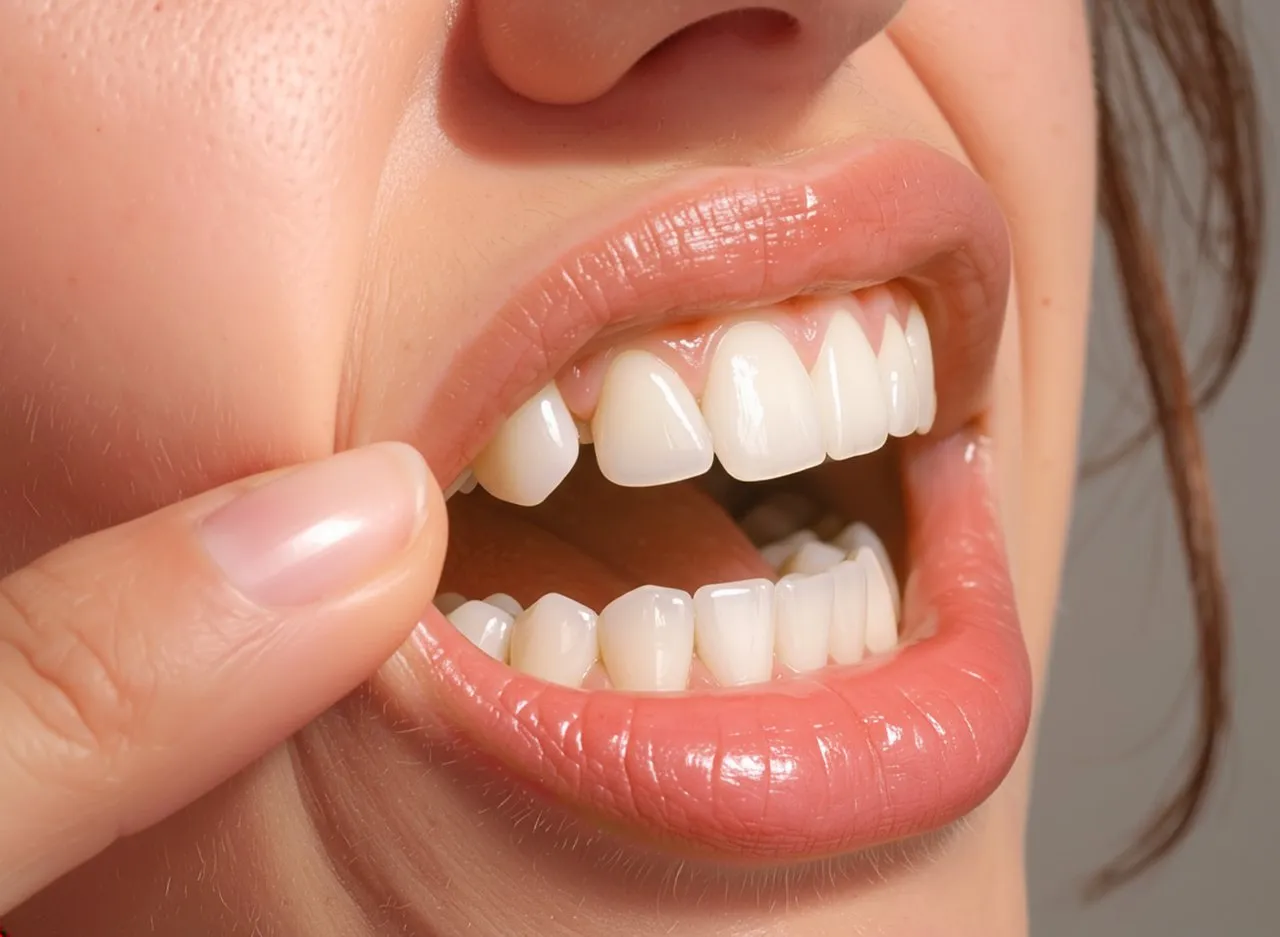
Common triggers of pain when biting down
High filling or crown that is too high
After a new filling, your bite may be affected. Even tenths of a millimetre can cause pain under pressure when chewing. Grinding down the high spot often relieves chewing pain immediately.
Hairline crack in the tooth (cracked tooth syndrome)
A fine crack causes sharp pain when biting down. Cold or hard foods worsen the symptoms. Treatment ranges from an onlay to a crown.
Inflammation of the dental pulp (pulpitis)
Deep tooth decay irritates the nerve. The tooth reacts to pressure, cold and heat. Root canal treatment often helps in such cases.
Periapical inflammation or abscess
Bacteria reach the tip of the root. This causes pain on biting, often with tenderness to tapping. If swelling or fever occurs, it is an emergency.
Periodontitis and loose fibres
Inflamed gums make teeth sensitive to pressure. Deep gum pocket readings lead to pain when chewing. Periodontal treatment provides relief.
Exposed tooth necks and wedge-shaped defects
Receding gums cause sensitivity. Even light pressure can cause a pulling and stabbing sensation. Desensitisation or a filling relieves the symptoms.
Bruxism (teeth grinding and clenching)
Clenching at night overloads the teeth and jaw. This causes microtrauma and pain when chewing. A dental splint protects the tooth structure.
Occlusal disorder without an identifiable cause
The bite is not harmonious. Several teeth bear too much load. Fine adjustment redistributes the forces.

Immediate relief at home
Avoid hard foods. Chew on the pain-free side. Applying cooling externally can reduce swelling. Take ibuprofen or paracetamol if needed. Follow the information on the packet and consider any intolerances. Antibiotics should only be taken if prescribed by a doctor.

Diagnosis at the Wunschlachen practice
We begin with a detailed medical history. We assess the triggers, duration and nature of the pain. This is followed by targeted tests.
Clinical tests
A percussion test identifies tenderness to tapping. The bite test reliably localises cracks. A cold test assesses the pulp response.
Imaging
Digital X-rays reveal deep tooth decay. Three-dimensional images clarify findings at the root tips. This allows us to plan the appropriate treatment.
Occlusal analysis
Articulating paper marks premature contacts. We assess contact timing and force distribution. Small corrections often make a big difference.

Treatment tailored to each cause
High filling/crown
The bite is adjusted by minimal grinding. Pain on biting usually disappears immediately. A follow-up check confirms the result.
Hairline crack in the tooth
Splinting with an onlay or crown provides stabilisation. Deep cracks sometimes require root canal treatment. Extraction is rarely necessary.
Pulpitis and inflammation of the root tip
We carry out root canal treatment. The tooth is sealed against bacteria. A permanent crown provides long-term protection.
Periodontitis
Professional cleaning reduces germs. Gum pockets are treated gently. This is followed by maintenance therapy.
Exposed tooth necks
Sealants reduce sensitivity. Fillings cover defects. Gum grafts can help if necessary.
Bruxism
A custom-made splint relieves the strain at night. Stress management and physiotherapy can also help. Regular checks optimise the fit.

Warning signs: please come in immediately
Severe facial swelling. Fever, exhaustion or difficulty swallowing. Inability to open the mouth or rapidly increasing pain. These are emergencies. Please contact us immediately. We keep emergency appointments available.
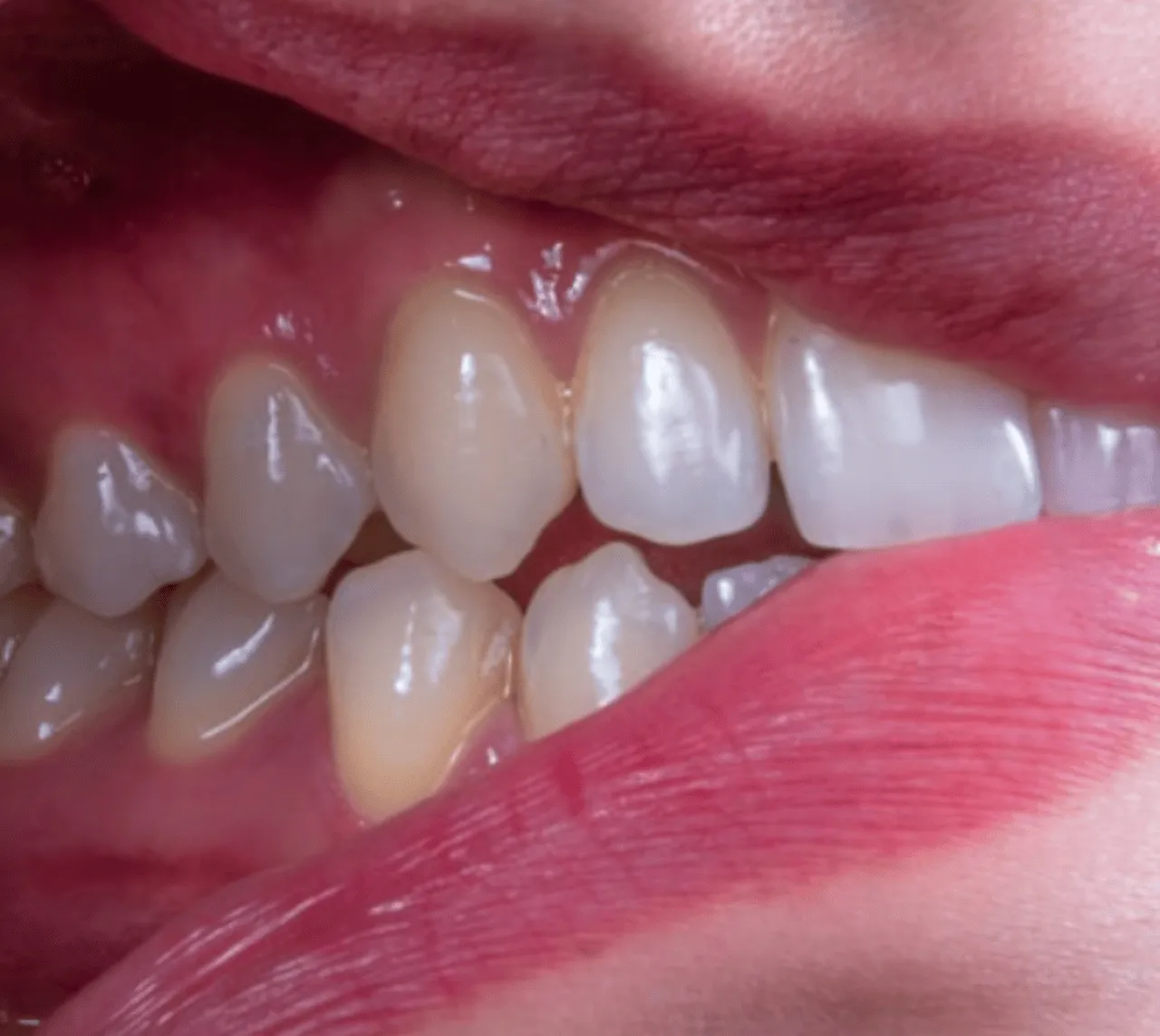
Costs and fair options
Transparency is important to us. You will receive a treatment and cost plan. Payment in instalments is available on request. This keeps your treatment manageable and predictable. Your dental health is our priority. Simply speak to us.
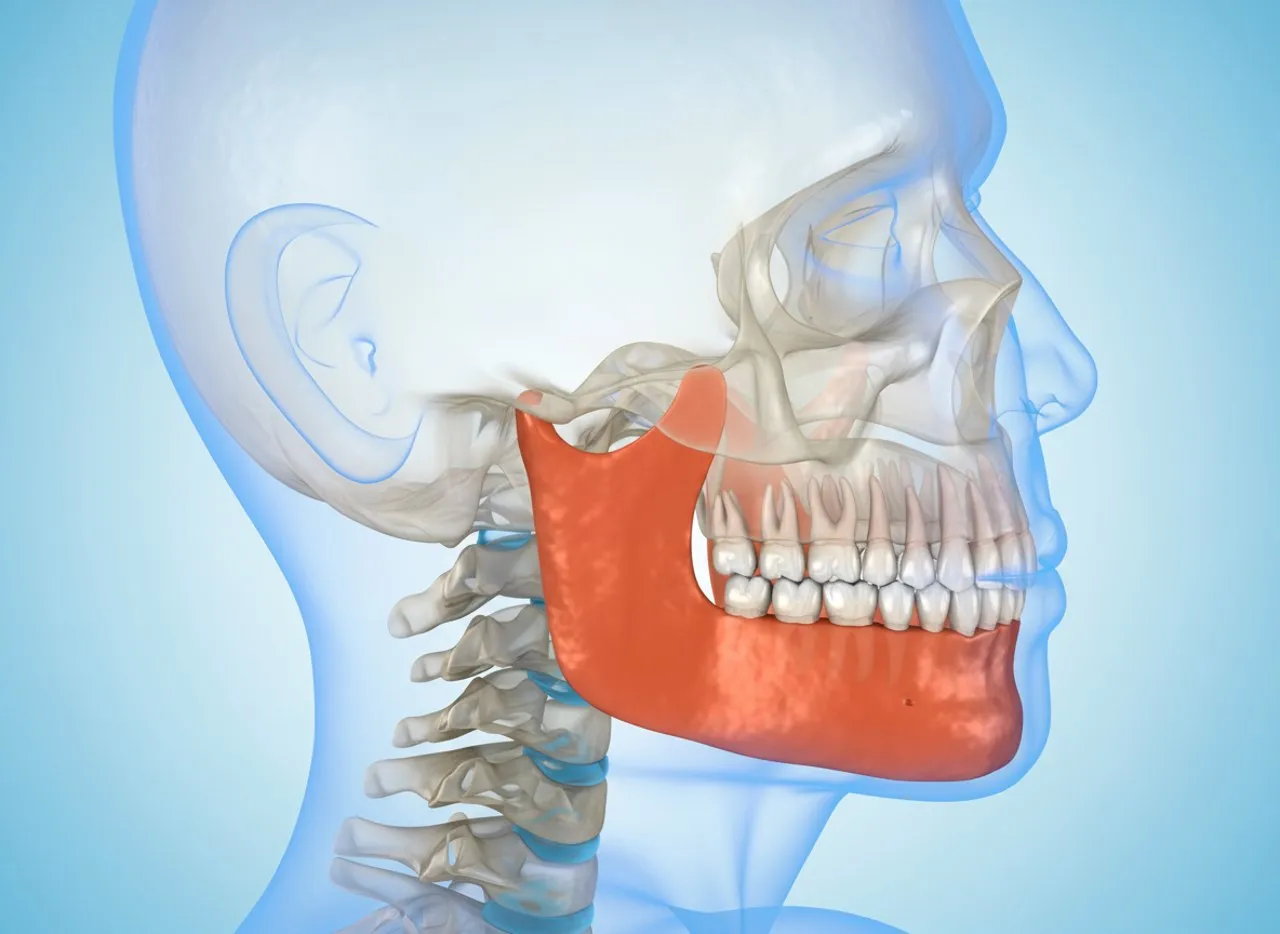
Anxious patient? We provide gentle care
Many people are afraid of pain. We treat you gently and explain every step. Sedation options are available. Mild sedation has a noticeably calming effect. You can experience your treatment in a relaxed state. Safety is our top priority.

Preventing pain when biting down
Brush thoroughly with a soft brush. Clean between your teeth every day. Use fluoride toothpaste. Wear your dental splint consistently. Have fillings and crowns checked. Regular preventive care detects problems early.