Problems with upper jaw implants – causes and solutions
An implant in the upper jaw is a proven, long-term solution for many patients with tooth loss. Nevertheless, as with any medical procedure, complications or particular challenges can arise.
The anatomical conditions in the upper jaw are particularly complex. Lower bone density, proximity to the maxillary sinus and limited space make treatment with an implant more demanding than in the lower jaw. At the Wunschlachen dental practice, we take these challenges very seriously. We support every patient with the greatest care, from planning through to aftercare.
Über 350 Google-Bewertungen
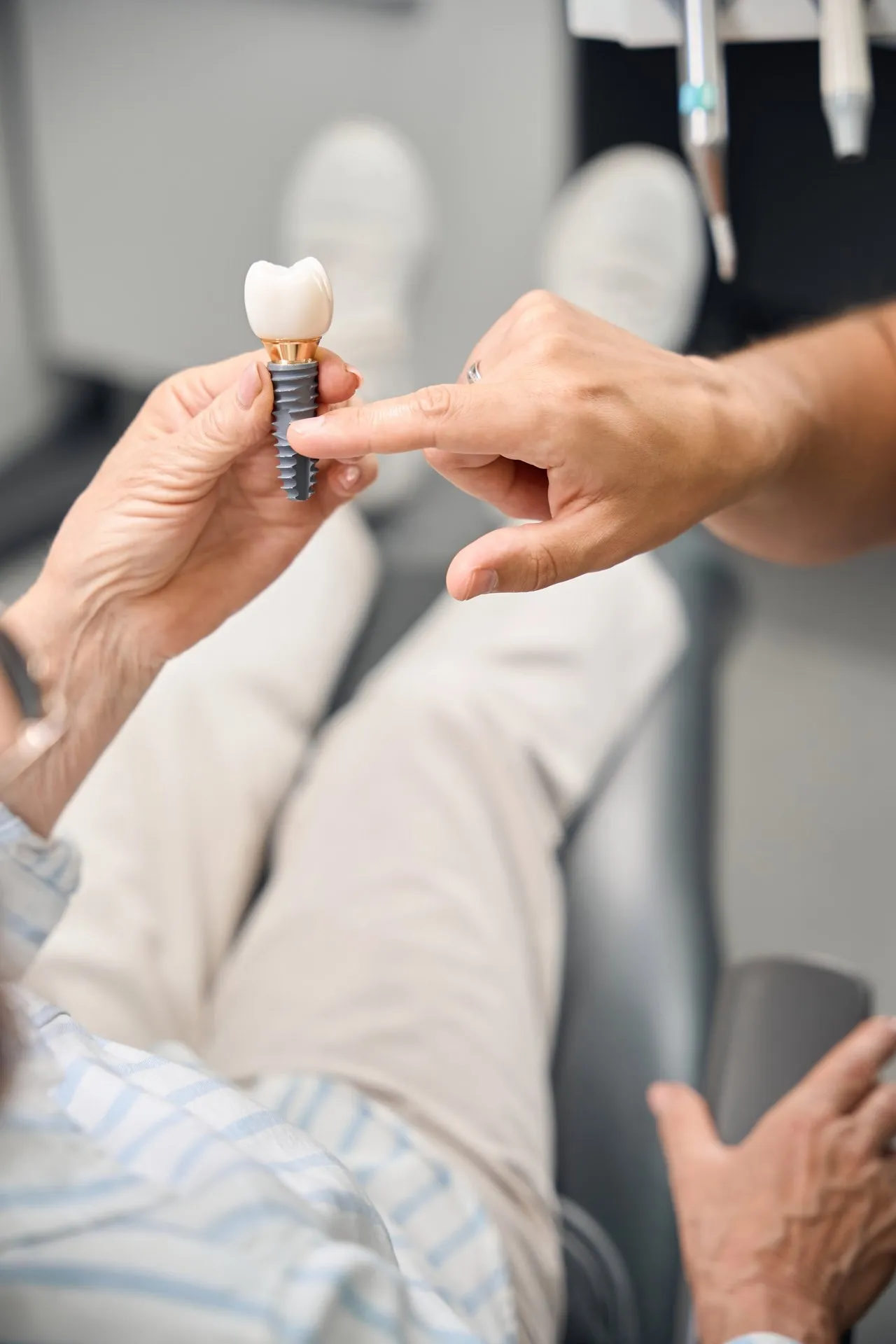
Why are implants in the upper jaw more challenging?
The bone structure of the upper jaw is generally softer and more porous than that of the lower jaw. This can affect the stability of the implant and lead to a longer healing time. In addition, there is often little bone substance in the posterior upper jaw, which may require additional procedures such as bone grafting or a sinus lift. These factors increase the risk of complications and can sometimes prolong the healing phase of an implant in the upper jaw.

What problems can occur with dental implants?
Although modern implantology delivers excellent long-term results, problems with implants occasionally still occur. In the upper jaw, these particularly concern the following aspects:
• Delayed or impaired healing: If bone quality is inadequate, integration of the implant in the upper jaw may take longer. In some cases, it may even fail. So-called osseointegration, meaning the firm fusion of the implant with the bone, is essential for long-term success.
• Inflammation around the implant (peri-implantitis): This bacterial inflammation of the tissue is one of the most common causes of implant loss. It can also occur in the upper jaw and is promoted by poor oral hygiene, smoking or an incorrect implant position.
• Injury to the maxillary sinus: With inadequate planning or insufficient bone, an implant can protrude into the maxillary sinus. This can lead to chronic inflammation or discomfort.
• Loosening of the implant: If stability is inadequate or the load is excessive, the implant may become loose or fail to integrate properly.

Experiences with upper jaw implants – what patients report
Many patients report very positive experiences with implants in the upper jaw. A firm bite, natural aesthetics and a noticeable improvement in quality of life are frequently cited benefits.
However, there are also patients who initially experience problems with implants in the upper jaw, such as mild pain, swelling or uncertainty about oral hygiene. These symptoms are generally temporary and can be managed with professional care. Intensive aftercare and good communication between the patient and practitioner are crucial.

How can problems with upper jaw implants be avoided?
At the Wunschlachen dental practice, we do everything we can to minimise the risks associated with implant placement in the upper jaw. Our methods include:
• 3D X-ray diagnostics for precise analysis of the bone structure and to prevent injury to the maxillary sinus
• Bone augmentation procedures where there is insufficient bone
• Minimally invasive surgical techniques to reduce postoperative discomfort
• Personalised guidance and close aftercare to detect inflammation or loosening at an early stage
The patient themselves also plays an important role. Careful oral hygiene, not smoking and regular preventive dental appointments are crucial to avoiding complications.

What should you do if you have problems with an upper jaw implant?
If, despite all precautions, you experience discomfort or have any concerns, it is important to seek an assessment promptly. The earlier a problem is identified, the better the chances of successful treatment. In many cases, inflammation can be brought under control with professional cleaning and antibiotic therapy.
For advanced peri-implantitis or mechanical problems, surgery may be necessary. Even in such cases, we at Wunschlachen are here to support you with our many years of experience and a holistic treatment concept.

Conclusion: safe upper jaw implant treatment with the right planning
Implants in the upper jaw are an excellent way to replace missing teeth with a long-term, aesthetically pleasing result. At the same time, they carry specific risks that can be reduced through precise planning and professional aftercare. At our practice, we place great importance on honest advice, personalised care and lasting results.