Waiting time after tooth extraction before an implant
• The appropriate waiting time depends on the bone, gums and inflammation. • Immediate, early or late implant placement may be possible, each with different healing phases. • Planning, a temporary restoration and check-ups ensure the gap is well managed.
Über 350 Google-Bewertungen
Why the waiting time between tooth extraction and implant placement matters
Wound healing begins immediately after a tooth extraction. At the same time, bone remodelling starts. Placing an implant too early can disrupt healing and integration. Waiting too long can promote bone loss. The right interval is therefore not governed by a fixed rule. It depends on the clinical findings and treatment goals.
Immediate implant placement: implant on the day of extraction
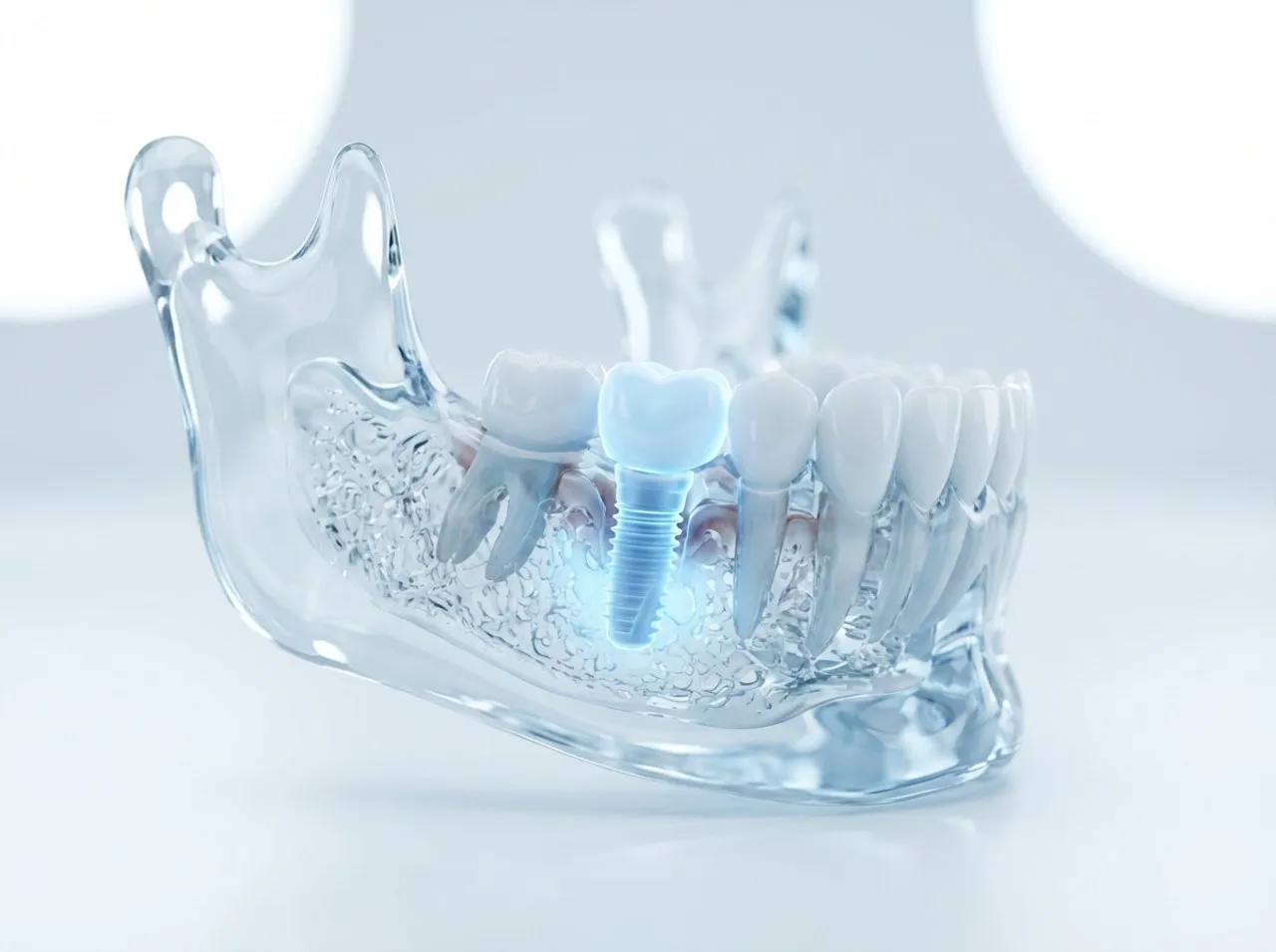
With immediate implant placement, the implant is inserted directly after the tooth is extracted. This is only possible with good bone quality. The surrounding area must be free of inflammation. The implant must be stable immediately. We often add bone substitute material. This supports the volume around the socket. A temporary restoration is sometimes possible. The final crown is fitted after the healing period. This healing phase often lasts two to four months.
Early implant placement: after a few weeks
With early implant placement, the usual wait is a few weeks. Six to twelve weeks is common. This allows the mucous membrane to heal more reliably. The bone is still relatively stable. This often makes the procedure easier to plan. This option is suitable after acute inflammation. It is also appropriate after a difficult tooth extraction. The exact healing time depends on the region. The upper and lower jaws respond differently.
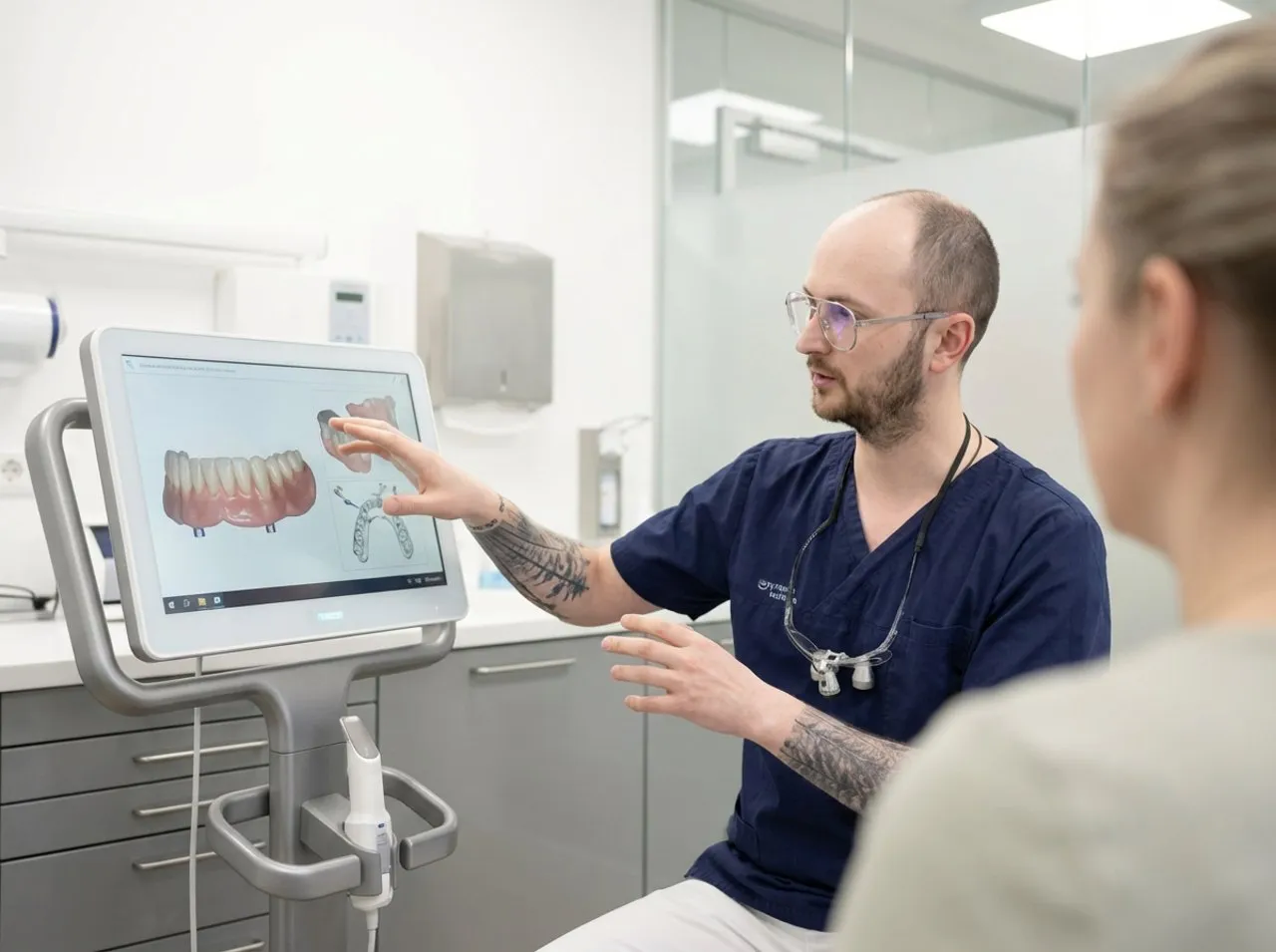
Late implant placement: after several months
With late implant placement, the implant is only placed once the bone has healed completely. A period of three to six months is often typical. By then, the bone has remodelled. The implant is placed in settled tissue. The disadvantage is possible loss of volume in the alveolar ridge. Bone augmentation is then more often required. In the upper jaw, a sinus lift may also be advisable. This restores sufficient height.
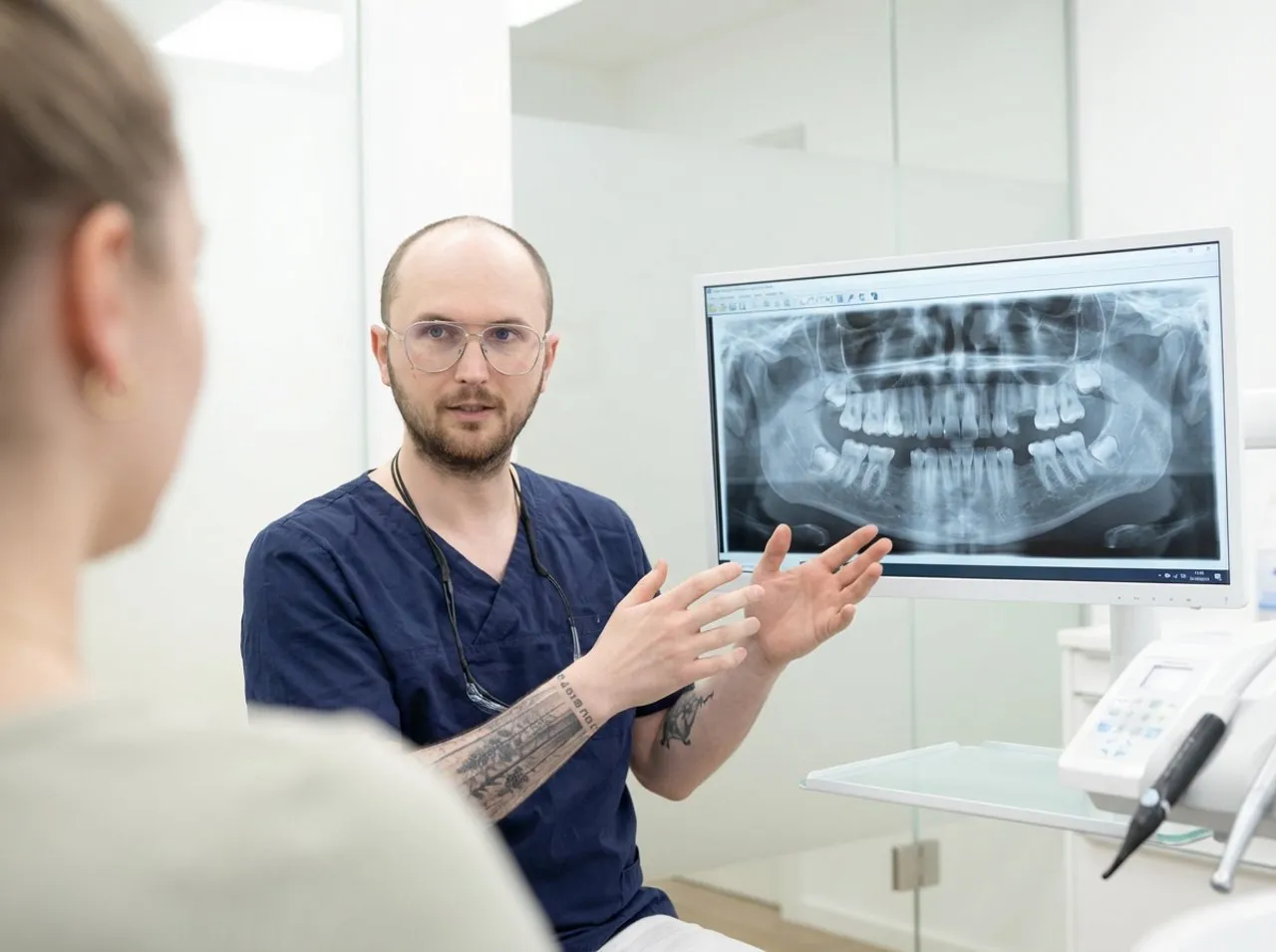
Which factors determine the timing?
The reason for the extraction is decisive. Tooth decay is often less problematic than inflammation around the root. Periodontitis also affects planning. The tissue must first be stable. The position in the jaw plays a major role. The bone in the lower jaw is often denser. The bone in the upper jaw is often softer. This can limit stability on the day of surgery. The gums are also important. Firm tissue protects against inflammation around the neck of the implant. With thin tissue, we sometimes plan augmentation. This improves the long-term prognosis. General factors also matter. Smoking increases the risk of wound problems. Diabetes or certain medicines can slow healing. We clarify this when taking your medical history.
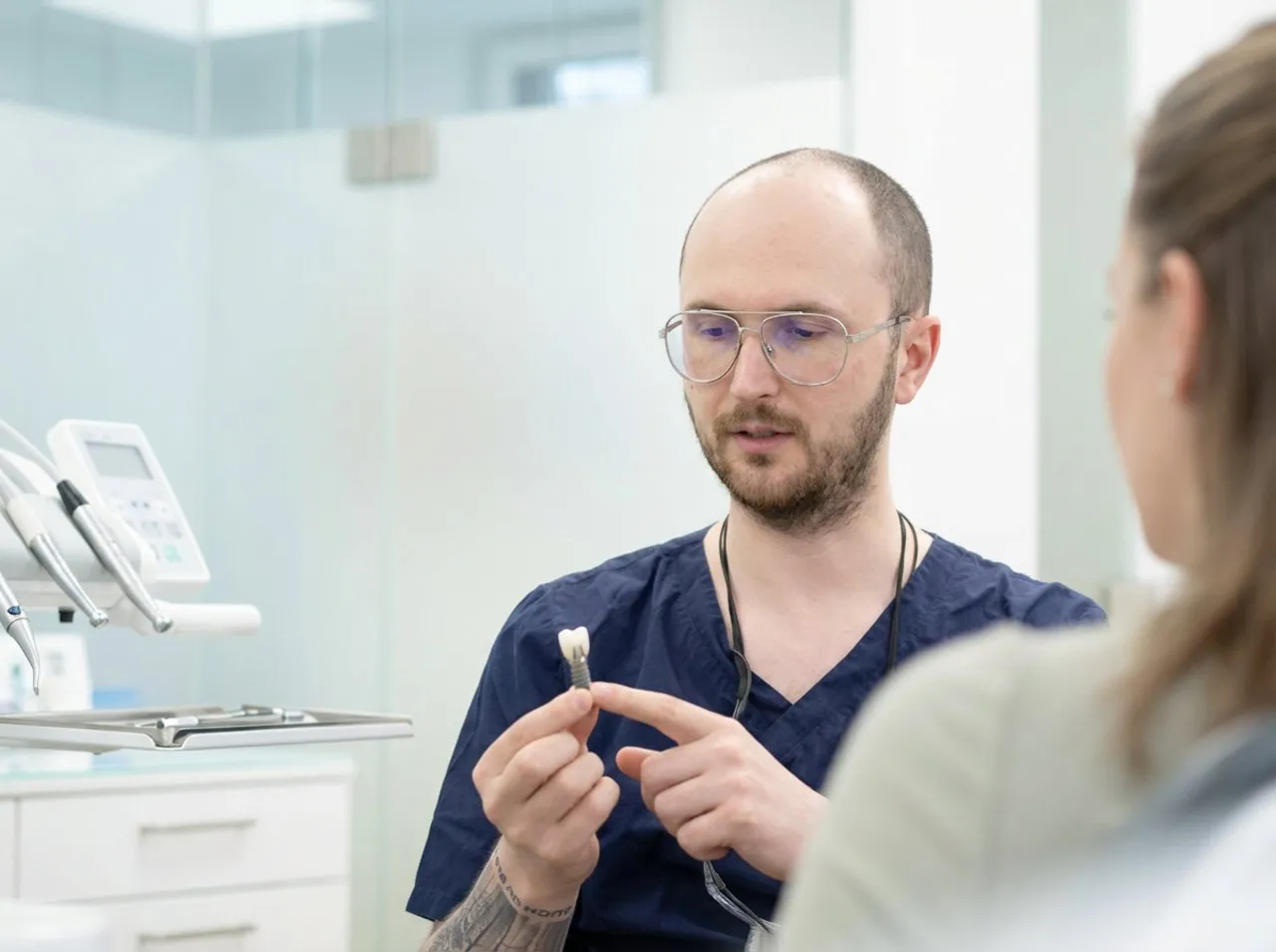
What happens while the tooth is missing?
The wound closes during the first few days. Bone remodelling then begins in the socket. This process is normal. However, it changes the shape and width of the alveolar ridge. Temporary solutions are available to help you feel confident. We often use an interim denture. An adhesive bridge may also be suitable. Sometimes a removable temporary prosthesis is better. We pay particular attention to aesthetics in visible areas. Lip support is maintained. Temporary restorations also protect the neighbouring teeth. This keeps the dental arch stable.
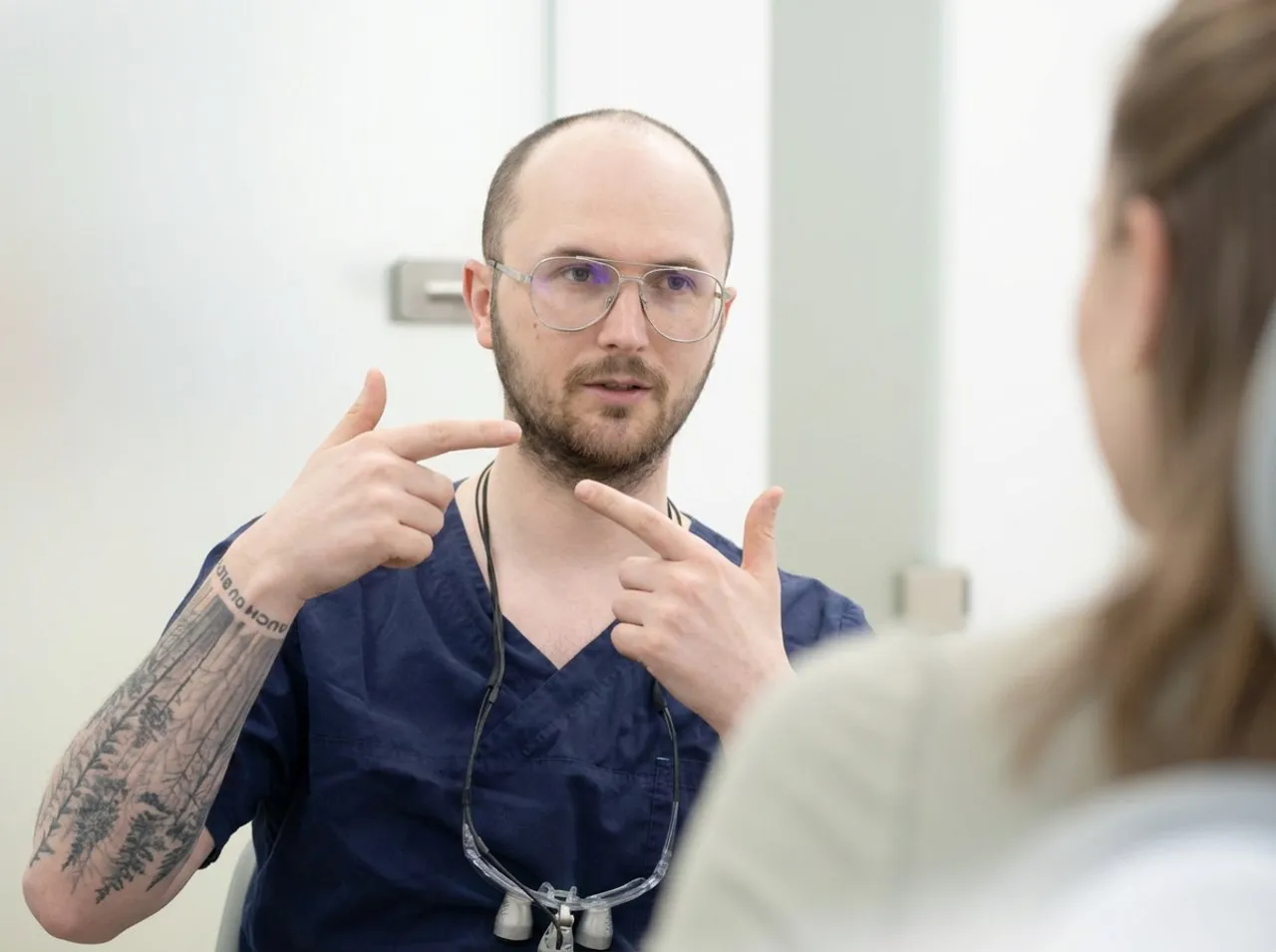
How we plan implants at Wunschlachen in Berlin
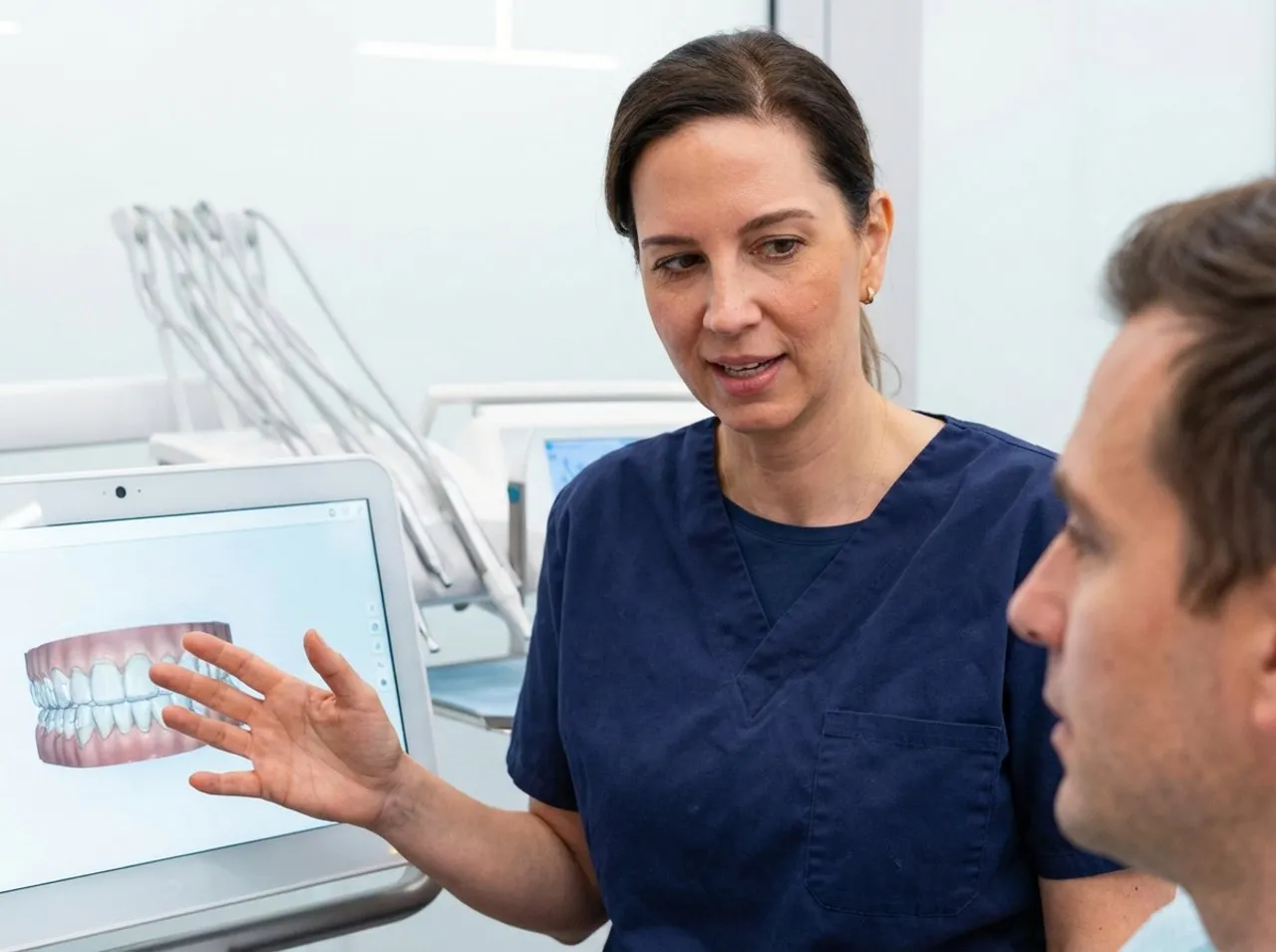
The first step is a precise diagnostic assessment. This includes an examination and often a CBCT scan. We assess the available bone, signs of inflammation and your bite. We then determine the timing. You receive a clear treatment plan. It sets out the steps, appointments and healing phases. If needed, we discuss sedation. This keeps the treatment as stress-free as possible. Before the procedure, we prepare a treatment and cost plan (Heil- und Kostenplan). This means you know your out-of-pocket contribution at an early stage. Instalment payments are available on request. This can be arranged through BFS health finance.
After the extraction: actively support healing
Apply external cooling during the first few hours. This reduces swelling and tension. Avoid sport, saunas and alcohol on the day of surgery. This reduces the risk of bleeding. Continue brushing your teeth carefully. Wait 24 hours before rinsing gently. Try not to smoke. Every cigarette impairs blood circulation. Eat soft foods. Drink plenty of water. Only take medicines as discussed. This also applies to painkillers.
When should you contact us immediately?
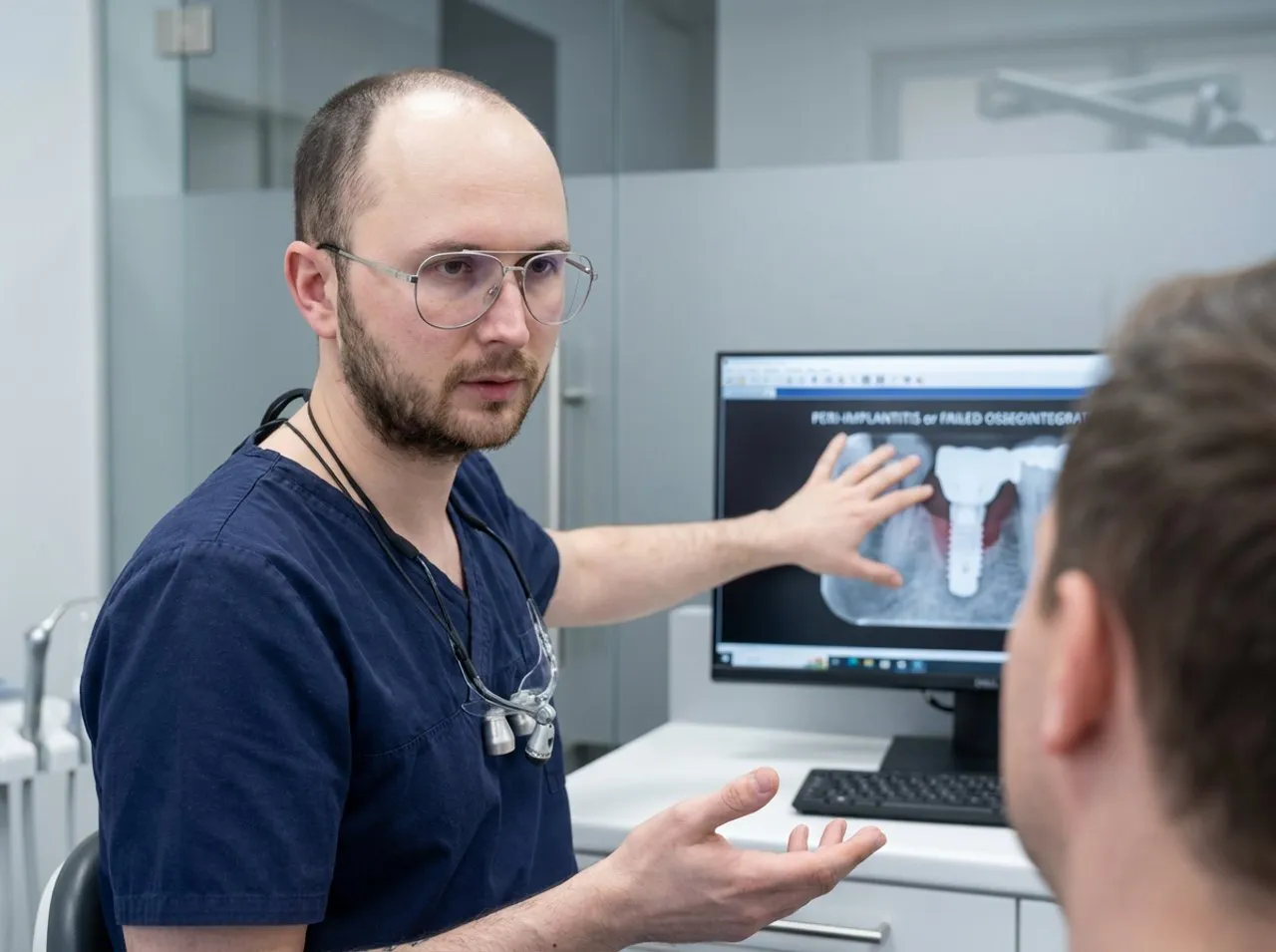
Heavy bleeding after the extraction is a warning sign. Increasing swelling after two days is also a cause for concern. Fever, pus or severe bad breath can indicate an infection. This requires examination. Numbness should also be assessed. This is particularly important in the lower jaw. If in doubt, call us. We will explain the next steps clearly.
FAQ: waiting time between tooth extraction and implant placement
The waiting time ranges from immediate placement to several months. The key factors are bone, inflammation and stability.
It is possible with good bone quality and no active infection. High primary stability is important.
The implant is placed after a few weeks. The mucous membrane has usually closed by then.
The bone needs time to remodel. This can make the implant position more secure.
Not always, but it is often advisable. Temporary solutions preserve function and aesthetics.
Some bone loss is common. Preservation measures reduce the risk.
When there is not enough bone to provide stability. This is visible on the CBCT scan.
Yes, the bone there is often softer. The healing time is therefore sometimes longer.
Yes, smoking impairs blood circulation. This increases the risk of complications.
We review the clinical findings, draw up the plan and coordinate appointments. You also receive a treatment and cost plan (Heil- und Kostenplan).